Plastic Bottles for Homes

pbv_bluff_2

Source: plasticbottlevillage.com

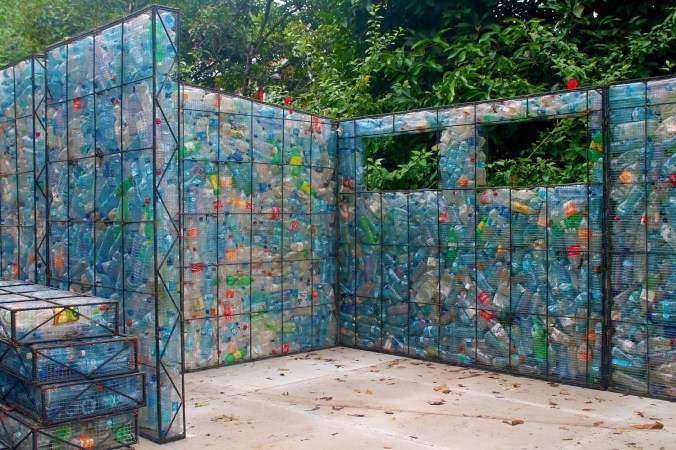
A Canadian man, Robert Bezeau, who lives in Bocas del Toro, Panama, woke up from a dream one night that transformed the future of a village – and our perception of plastic bottles. Bezeau dreamed of a village where everything was made of bottles and instead of leaving the idea dormant in his mind, he decided to act on his vision and turn it into a reality.

One hundred and fifty million tones of plastic waste are estimated to be floating in our oceans, and at the current pace it is predicted that by 2050 there will be more plastic than fish in the sea. Assuaging this brutal prediction, Bezeau’s company, Plastic Bottle Village, builds houses, roads, and more from plastic bottles that are collected from the surrounding communities. Continue reading
Water Bottles into Fleece


plastic-bottles-from-gm-plants-are-turned-into-insulation-for-these-jackets-650x433

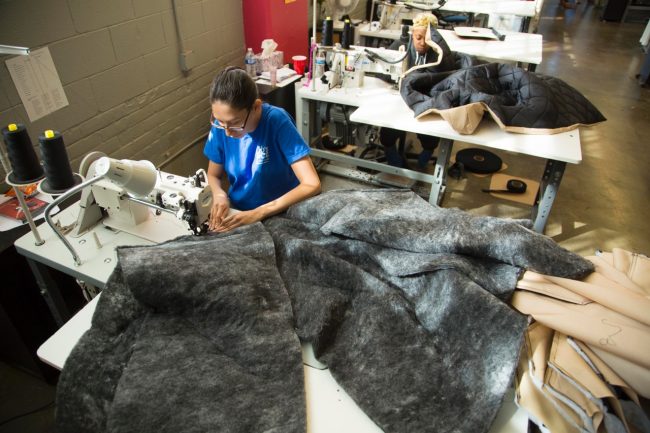
Plastic bottles from GM plants are turned into insulation for jackets. Source: General Motors

Converting to a Closed-loop business model from an Open-loop model presents its challenges, but General Motors (GM) is a good case study of a corporation that is making progress in the closed-loop direction. GM has a zero-waste agenda which encompasses a variety of recycling programs that uphold their claim:

In recent years, the company added used water bottles to its kit of raw materials. Two million water bottles, many of which are from Flint, have been recycled into three products, which include engine covers for the V-6 Chevrolet Equinox, air filters for 10 GM plants, and coats for the homeless through a partnership the company has with a Detroit nonprofit. Through this recycling program, GM says it works with a total of 11 organizations while boosting its waste diversion efforts.

[The] challenge the automakers face in using recycled products for parts is whether they can maintain the same quality and strength of conventionally made materials.

Continue reading

Ocean Cleanup Project Tests Successfully

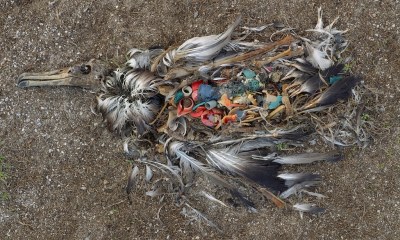
Around 90% of the world’s sea birds have eaten plastic items that they mistook for food, a study estimates. Photograph: Chris Jordan/Midway: Message from the Gyre

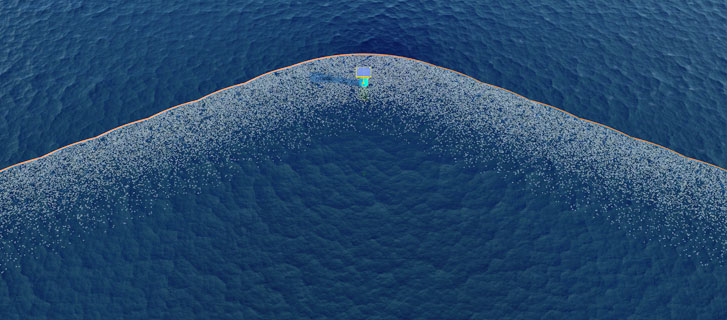
We’ve alluded to the Great Pacific Garbage Patch before, though we haven’t shared any stories covering it directly. Last week, The Guardian reported some good news from The Netherlands, where the prototype for a 100km-long, crowdfunded cleanup boom for the ocean was tested successfully. Arthur Nelsen reports:


Further trials off the Dutch and Japanese coasts are now slated to begin in the new year. If they are successful, the world’s largest ever ocean cleanup operation will go live in 2020, using a gigantic V-shaped array, the like of which has never been seen before.

The so-called ‘Great Pacific garbage patch’, made up largely of tiny bits of plastic trapped by ocean currents, is estimated to be bigger than Texas and reaching anything up to 5.8m sq miles (15 sq km). It is growing so fast that, like the Great Wall of China, it is beginning to be seen from outer space, according to Jacqueline McGlade, the chief scientist of the UN environmental programme (Unep).

Continue reading

Helping the Ocean Clean Up

The Ocean Cleanup started tests in 2014 to see if the floating barriers are a feasible way to remove garbage. PHOTO: The Ocean Cleanup

The Ocean Cleanup started tests in 2014 to see if the floating barriers are a feasible way to remove garbage. PHOTO: The Ocean Cleanup

Dutch engineering student Boyan Slat announced in a 2012 TEDx talk that he had invented a way for the oceans to rid themselves of plastic with minimal human intervention. About 8 million tons of plastic enters the ocean each year. Part of this accumulates in 5 areas where currents converge: the gyres. At least 5.25 trillion pieces of plastic are currently in the oceans, a third of which is concentrated in the infamous Great Pacific Garbage Patch. Slat’s idea is to building a stationary array with floating barriers that would filter and collect floating plastic using the ocean’s natural currents.

Continue reading