Nature’s Waste Management Powerhouse

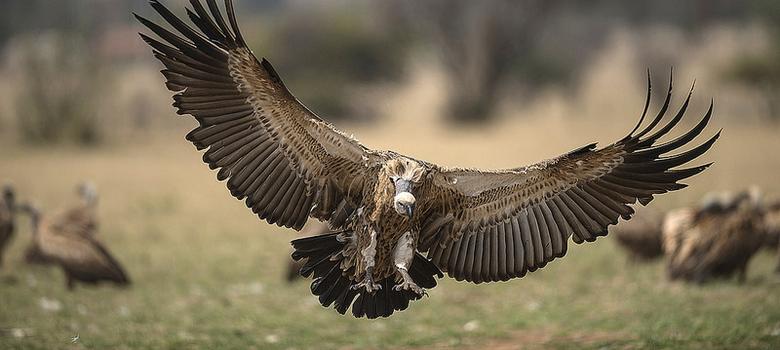
69% of vulture and condor species are listed as threatened or near-threatened, most of which are classed as “endangered” or “critically endangered”.

69% of vulture and condor species are listed as threatened or near-threatened, most of which are classed as “endangered” or “critically endangered”. PHOTO: Mujahid Safodien

Vultures play an important role in the ecosystem by consuming animal carcasses, which helps prevent the spread of disease. The cinereous vulture (Aegypius monachus), the largest bird of prey is distributed throughout Eurasia and is an iconic bird in the Far East. Its population is estimated to number 7,200–10,000 pairs globally, with 5,500–8,000 pairs residing in Asia. Over the past two centuries, its numbers have declined across most of its range leading to this species being classified as ‘near threatened’ on the International Union for Conservation of Nature (IUCN) Red List.

Continue reading

A Bird Prized for its Ivory

The illegal trade in elephant tusks is well reported, but there's a type of "ivory" that's even more valuable. It comes from the helmeted hornbill - a bird that lives in the rainforests of East Asia and is now under threat. PHOTO: Science Photo Library

The illegal trade in elephant tusks is well reported, but there’s a type of “ivory” that’s even more valuable. It comes from the helmeted hornbill – a bird that lives in the rainforests of East Asia and is now under threat. PHOTO: Science Photo Library

Throughout history, the human desire for ivory—used in products from jewelry to piano keys to priceless religious art objects—has far outmatched efforts to stop the killing of elephants for their tusks. A smaller, feathered species, too, feels threatened thanks to the ‘prized’ casque it wears on its head: the Helmeted Hornbill.

Helmeted hornbills live in Malaysia and Indonesia. On the islands of Sumatra and Borneo their maniacal calls and hoots resonate through the rainforest. They have a reputation for being secretive and wary, though, and you’re more likely to hear them than see them.They have good reason to be shy – thousands are killed each year for their casques, shot by hunters who sell the heads to China. Between 2012 and 2014, 1,111 were confiscated from smugglers in Indonesia’s West Kalimantan province alone. Hornbill researcher, Yokyok Hadiprakarsa, estimates that about 6,000 of the birds are killed each year in East Asia.The casque, for which hunters are willing to risk arrest and imprisonment, is sometimes referred to as “ivory”. It’s a beautiful material to carve, smooth and silky to the touch, with a golden-yellow hue, coloured by secretions from the preen gland – most birds use their heads to rub protective oils from this gland over their feathers, legs and feet.

Continue reading

Extinction By Accident

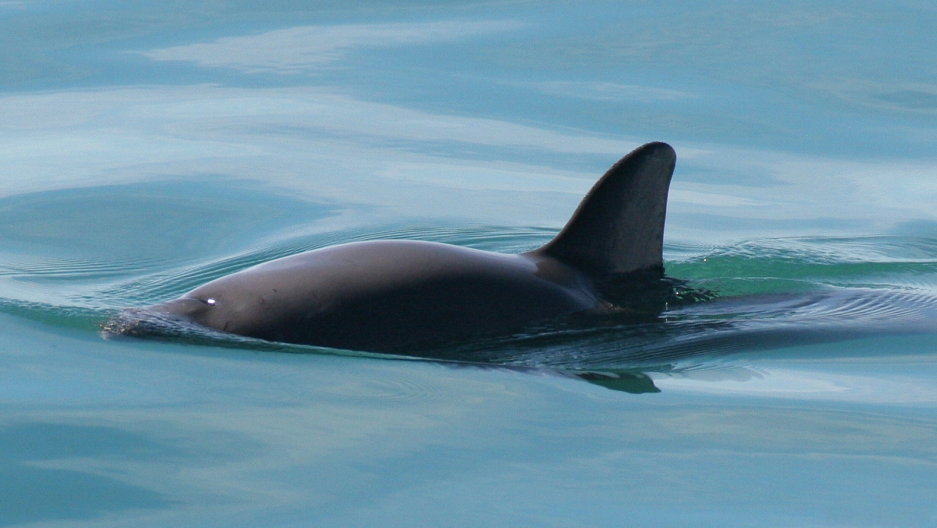
Vaquitas are considered the smallest and most endangered cetacean in the world. Credit: Paula Olson/Wiki Commons

Vaquitas are considered the smallest and most endangered cetacean in the world. Credit: Paula Olson/Wiki Commons

The world’s most endangered marine mammal is a small porpoise called the vaquita — Spanish for little cow. The vaquita has been under threat for years, but now the poaching of a rare fish may be driving the tiny Mexican porpoise to extinction.Scientists estimate that fewer than 100 vaquita porpoise exist today, all of them in the upper Gulf of California. Vaquitas are small porpoises with big eyes and a permanent grin. None have ever survived in captivity. Poachers are killing the vaquita, but they are actually targeting another endangered fish, the totoaba.

Continue reading

Where Have the Rhinos Gone?

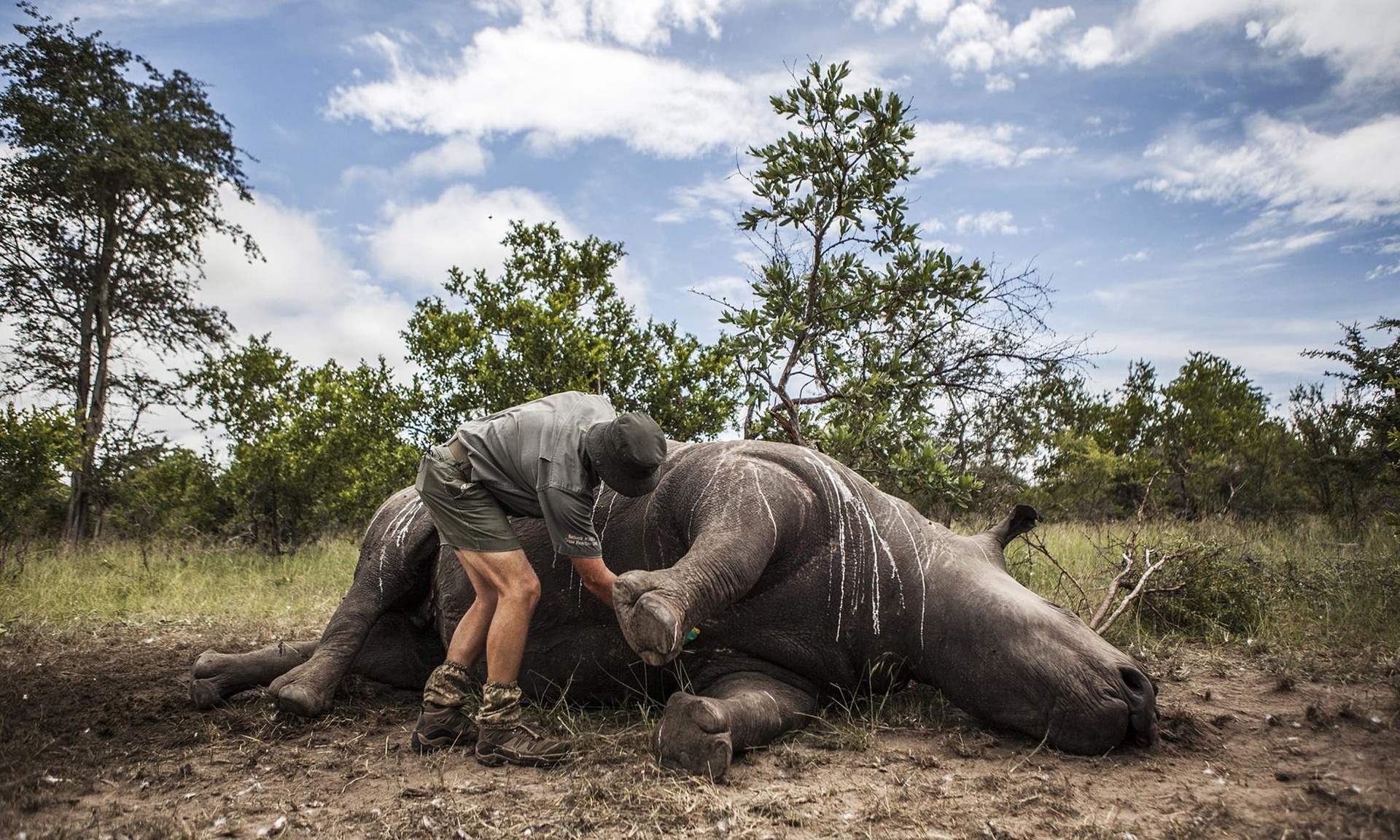
 An investigator prepares the carcass of a rhino killed for its horn for postmortem in the Kruger national park. PHOTO: Salym Fayad/EPA

An investigator prepares the carcass of a rhino killed for its horn for postmortem in the Kruger national park. PHOTO: Salym Fayad/EPA

Today is World Rhino Day. It celebrates all five species of rhino: Black, white, greater one-horned, Sumatran and Javan rhinos and was first announced by WWF-South Africa in 2010. South Africa is home to over 70 percent of African rhinos, the endangered species whose number dropped sharply to under 20,000 due to rampant poaching. Poaching has become the leading threat to the rhinos’ survival, with official statistics indicating 1,215 rhinos were killed for their horns in South Africa in 2014.

Continue reading

What Can We Do For the Gentle Giant?

A herd of elephants by the river at Periyar Tiger Reserve, Thekkady, India. PHOTO: Rosanna Abrachan

A herd of elephants by the river at Periyar Tiger Reserve, Thekkady, India. PHOTO: Rosanna Abrachan

Predation of elephants has increased in recent years, with as many as 100,000 African elephants being killed between 2010 and 2012, according to an elephant researcher at Colorado State University. Nearly 60 percent of Tanzania’s elephant population has been wiped out in the past six years, the report indicated. Increased demand in Asia, where a single tusk can fetch up to $200,000, has fueled the increase in poaching. August 12 marked the fourth annual World Elephant Day, a day to “bring attention to the urgent plight of Asian and African elephants,” according to a Web site about the annual event. There may be fewer than 400,000 African and fewer than 40,000 Asian elephants remaining in the wild, the Website says.

Continue reading

Soggy Elysian Dreams

Note: this is Part 2 of what will hopefully be a series of posts on the guides of the Tiger Trail, who are former poachers. Part 1 can be found here. Beware: this post is sorta self-serious.

One of the most familiar, persistent, and pervasive myths in the collective-(un)conscious of the ‘West’ is the myth of the ‘noble savage.’ Writers who perpetuate this myth typically structure it along the lines drawn in Genesis: a formerly Edenic, perfectly-ordered society meets a corrupting influence that sullies irrevocably this society’s purity and harmony to the detriment of our current situation. Whatever the devil, be it private property, human temptation, television, the Federal Reserve, etc., the story has one function: it causes us to pine for the good old days—the beginning—before the advent of all this nastiness, which just stinks in comparison.

But if there’s one thing history teaches us, it’s that origins are rarely pretty. Progressions, regressions, and transgressions can happen all at once, and often they coincide in the same event. After all, we can’t get back to how it was then, not because we don’t have a suitably equipped Delorean, but because there was no then. Pardon the Liberal Arts 101, but I think some of us are more duped by this myth than we know. It is more difficult than is fair to exorcise ‘Eden.’ Continue reading