A Downside to Lights in the Dark

Photo by homeanddecor.com

Although the titles are similar, this post and the previous one from today are not about related subjects other than light and darkness. The lights referred to in this post’s title are artificial ones on land, not bioluminescence under the sea. Lights from houses and street lamps that distract moths from pollinating plants that need their pollen transported, and often result in moth deaths (by predation or getting trapped indoors). Sarah DeWeerdt reports for Conservation Magazine on a recent UK study on the disruption of pollination by light:

Everyone knows moths are attracted to light, but scientists are just now learning that this attraction may have negative consequences for other parts of the ecosystem. Moths drawn to artificial sources of light may do less work pollinating plants, according to research published last week in the journal Global Change Biology.

Researchers sampled moths at 40 sites along hedgerows bordering agricultural fields in Oxfordshire, England. Half of the study sites were lit with streetlights and half were not. Surprisingly, no one had previously investigated how this very common source of artificial lighting affects the behavior and ecological function of moths.
Continue reading

Are You on the Bee Highway?

Oslo's bee highway has pollen pitstops and bee hotels. PHOTO: Wikimedia Commons

Oslo’s bee highway has pollen pitstops and bee hotels. PHOTO: Wikimedia Commons

Oslo, Norway now has a “bee highway,” consisting of bee-friendly routes through the city. Each features flowery, green rest stops along the way so the bees can take a break and fill up on nectar.

Continue reading

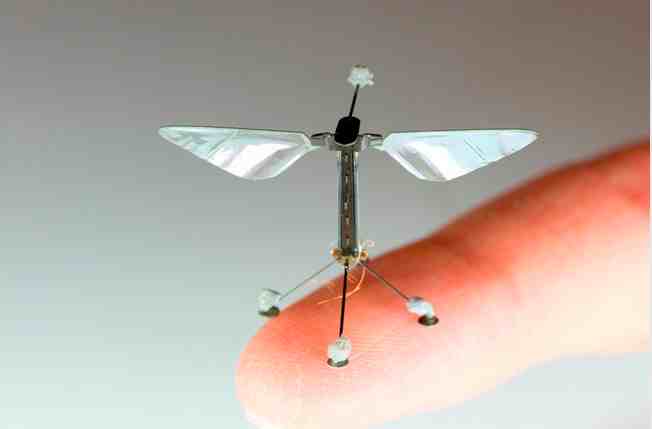
Robo-bees

PHOTO COURTESY OF KEVIN MA AND PAKPONG CHIRARATTANANON

PHOTO COURTESY OF KEVIN MA AND PAKPONG CHIRARATTANANON

At RAXA Collective we’re often writing about the birds and the bees within the context of ornothological and entomological biodiversity, as well as the agricultural health of the planet. The impact of CCD, or colony collapse disorder, is significant enough that the Obama administration has challenged scientists with the same force of urgency as Kennedy’s 1962 appeal for a moon landing before the decade was over.

Food attorney and National Geographic contributor Mary Beth Albright writes:

To stay optimistic on this planet I have to believe that most agree that saving honeybees is vastly preferable to replacing them but an interesting alternative is coming out of Harvard. On its website a research team led by engineering professor and National Geographic Emerging Explorer Robert Wood states “we do not see robotic pollination as a wise or viable long-term solution to Colony Collapse Disorder. If robots were used for pollination—and we are at least 20 years away from that possibility—it would only be as a stop-gap measure….”

Continue reading

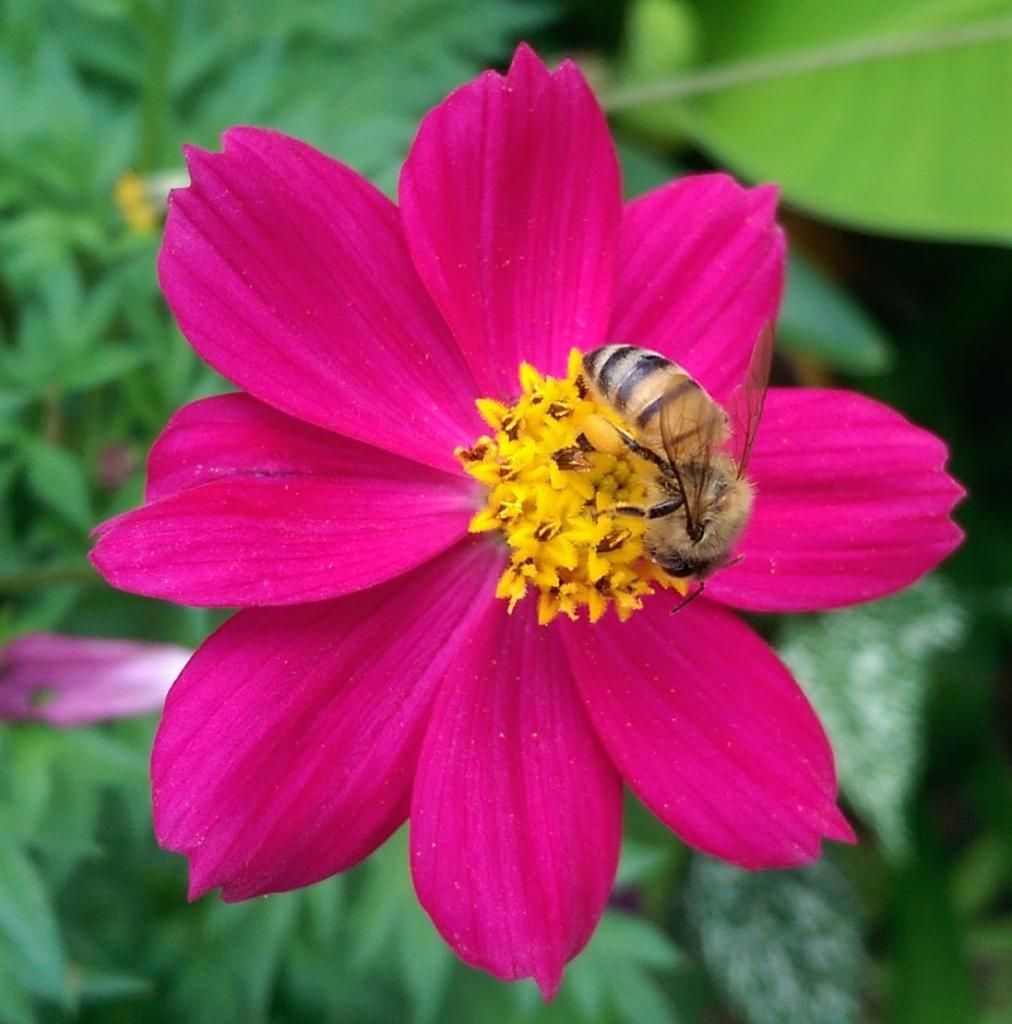
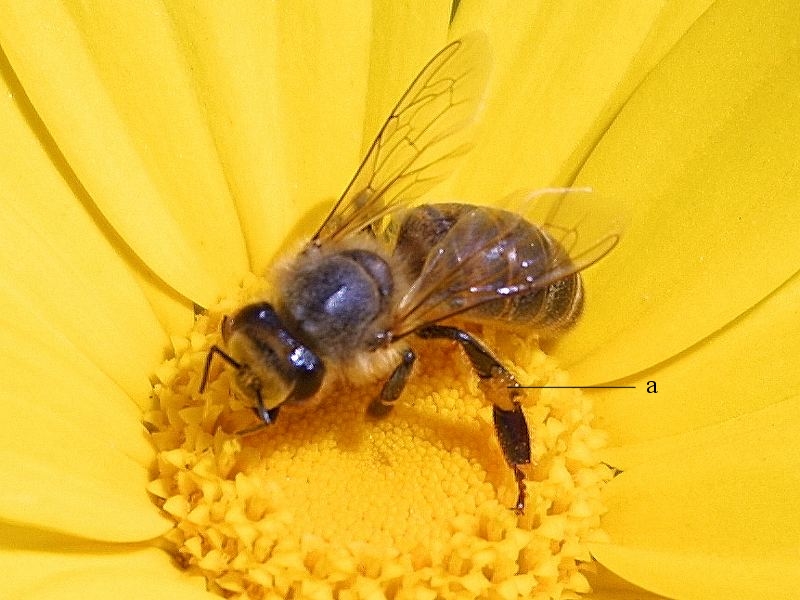
Where would we be without bees?

Bee on a flower

Recent posts on flowers at Xandari (here and here) have gotten me thinking about all of the work that goes into making such beauty possible. Mostly I had in mind Xandari’s head gardener, José Luis, and his excellent team. Snapping the above photo, however, I was reminded of nature’s great contribution in the process. Continue reading