Free Will, An Idea We Normally Do Not Question

Sapolsky.jpgThanks to WNYC, a radio station that has innovated the proliferation of the podcast with shows like Radiolab, for all that it brings to our attention on a regular basis. Seems strange to say it, but one reason we listen, related to the reasons why share on this platform and more broadly explaining (we think) why we do what we do: we choose to do all this because we care and our free will allows us the choice to do this rather than other things.

I cannot remember the last time I thought about free will, it is so obvious and taken for granted. So thanks also to WNYC for old school interviewers like Leonard Lopate, who also shine in the podcast ecosystem. His show is how I came to know of this new book, which led to my (surprised) thinking now about free will. Click the image above to go to the half-hour conversation. It motivated me to find out more. In addition to this 2009 TED Talk this brief interview in the newsfeed of his university is a compelling soundbite on a very  after listening to the broad-ranging topics of the WNYC conversation:

Stanford biologist Robert Sapolsky ponders the best and worst of us, plus free will

With the publication of his latest book, Robert Sapolsky tackles the best and worst of human behavior and the nature of justice in the absence of free will. Continue reading
The Upside of the Downside

05FIRESUB-popup.jpg

Yuko Shimizu

We made a commitment in 2011 at the time we started this platform to search for and share as much positive news as we could find on entrepreneurial conservation, scientific and social innovations that improve life in developing countries, and such. We do not avoid “bad news” with pollyanna blinders on, but share more enlightening news that does not get enough attention.  We occasionally share doomsday analysis; it is difficult to avoid some of the trends pressing down on us all. Thanks to the New York Times for digging this one out of the archives, which will relieve us a bit when we come across and process doom and gloom:

The Power of Negative Thinking 

By

Editors’ note: We’re resurfacing this story from the archives because who wouldn’t want to master their emotions?

LAST month, in San Jose, Calif., 21 people were treated for burns after walking barefoot over hot coals as part of an event called Unleash the Power Within, starring the motivational speaker Tony Robbins. If you’re anything like me, a cynical retort might suggest itself: What, exactly, did they expect would happen? In fact, there’s a simple secret to “firewalking”: coal is a poor conductor of heat to surrounding surfaces, including human flesh, so with quick, light steps, you’ll usually be fine. Continue reading

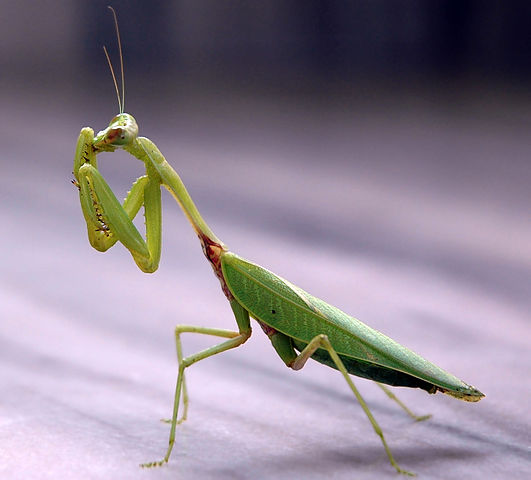
There, There, the Insects Feel You

Are insects conscious beings, asks a new study. PHOTO: Wikimedia Commons

Are insects conscious beings, asks a new study. PHOTO: Wikimedia Commons

A recent survey suggests that, for most of us who have ever had a pet companion, it’s a no-brainer that mammals and birds are emotional creatures, sharing emotions with multiple species and not just their own. Yet despite the thousands of YouTube videos and hundreds of recent scientific studies presenting easily accessible evidence and examples, not everyone thinks so. It was only in 2012 that scientists finally agreed that nonhuman animals are conscious beings. It has only just been discovered that dogs display immensely complex, human-like emotions like jealousy, and that cows express positive emotions through the whites of their eyes. But what about insects?

Continue reading