The Chumbawamba Principle Illuminated

jps_1_custom-46f5ed44c65bca033c8c555328e154e8183d6de3-s1400-c85

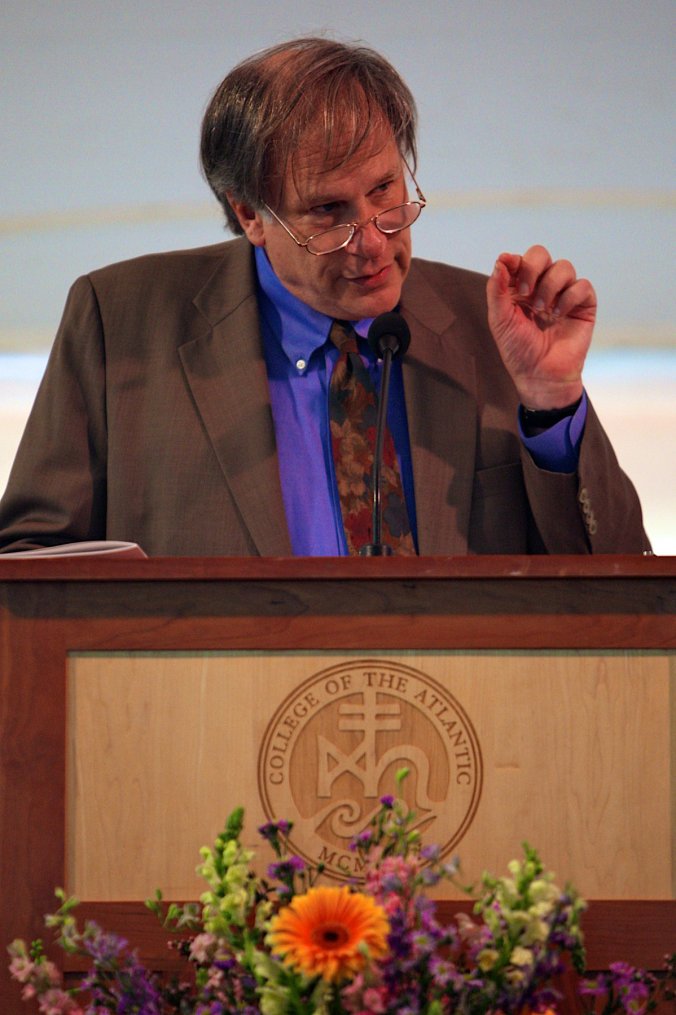
Nearly four years ago we posted about this commencement address that we still love for The Chumbawamba Principle it espoused. Until today I could not have recognized any piece of music belonging to Chumbawamba, but now, surprisingly, that has not only changed but I feel richer for it.   Continue reading

Breathe Deep

Photograph by Robert Dash

Regular visitors to this site already know we love hearing what Robert Krulwich has to say: always fascinating, informative and funny.

Kudos to NatGeo for giving Curiously Krulwich a platform!

We have 3.1 trillion trees on our planet—that’s 422 trees per person. If we count all the leaves on all those trees and take a look at what they do collectively to the air around us, the effect—and I do not exaggerate—is stunning. I’ve got a video from NASA. When you see it, I think your jaw is going to drop—just a little. Continue reading

Hello Again, Robert Krulwich

D95MNR

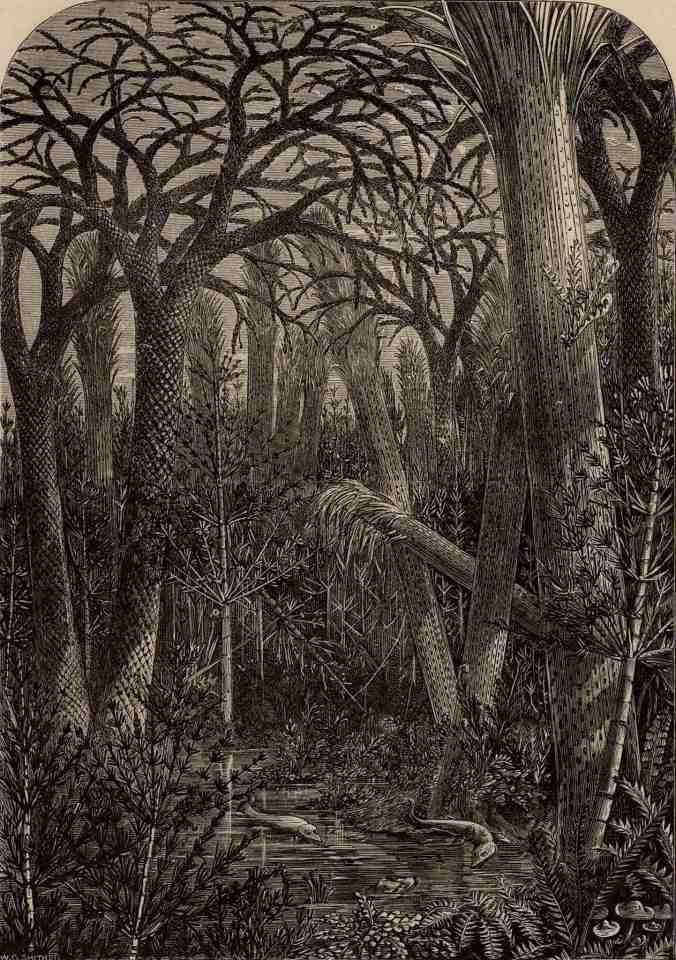
Artist’s reconstruction of a forest during the Carboniferous period. From ‘Science for All’ by Robert Brown (London, c1880). Illustration by World History Archive, Alamy

National Geographic‘s website has enlisted one of our favorite science communicators for its Phenomena section, and we are suddenly aware of how long it has been since we featured one of his ponderings (and excellent illustrations):

… whose trees “would appear fantastic to us in their strangeness,” write Peter Ward and Joseph Kirschvink in their book A New History of Life.

Some of them were giants: 160 feet tall, with delicate fernlike leaves that sat on top of pencil-thin trunks. This was the age when plants were evolving, climbing higher and higher, using cellulose and a tough fiber called lignin to stay upright. Had you been there, you would have felt mouse-sized.

Continue reading

The Big Idea

You may or may not have attended university. Maybe you studied science.  Or wish you had.  Or will.  Still, nothing prepares you for the big idea, presented with charisma that is as impressive as the idea.  Click to the right (Krulwich wonders) to see this idea laid out courtesy of one of our favorite science communicators:

Here it is, in a nutshell: The logic of science boiled down to one, essential idea. It comes from Richard Feynman, one of the great scientists of the 20th century, who wrote it on the blackboard during a class at Cornell in 1964.

Beholder’s Eye

Robert Krulwich has more to say on topics we referred to in several links and observations about dwindling fisheries.  Is it just a matter of perception?

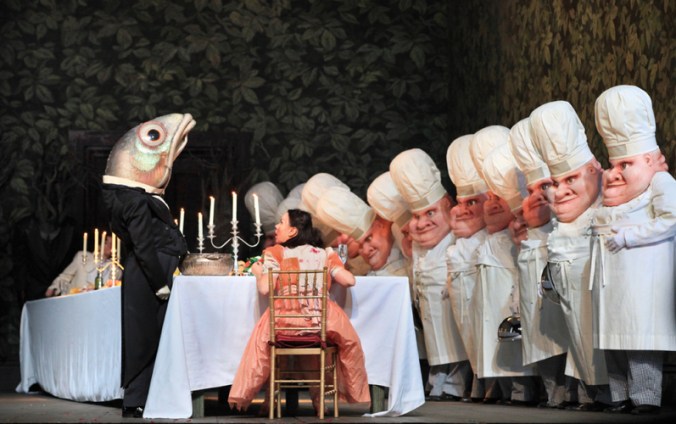
Yes, there are more and more people on the planet, and yes, there are fewer and fewer fish in the sea, but do we really notice? After all, fish live in water and we live on land; so we don’t mingle that much. If fish were sparrows, we might see a dramatic decline, but who misses what they don’t see in the first place?

Click the image to go to the full line of reasoning.