
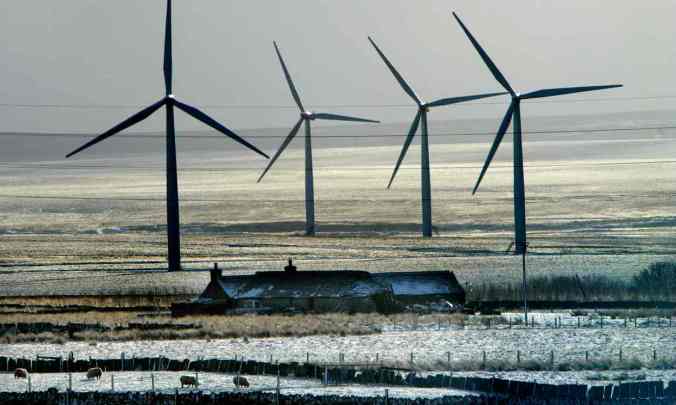
GETTY IMAGES. Scotland’s renewables output has tripled in 10 years
Thanks to Scotland, for the ambition and demonstration; and to the BBC for reporting this:
Renewables met 97% of Scotland’s electricity demand in 2020
GETTY IMAGES. WWF Scotland is calling for an increased roll-out of electric vehicles
Scotland has narrowly missed a target to generate the equivalent of 100% of its electricity demand from renewables in 2020.
New figures reveal it reached 97.4% from renewable sources.
This target was set in 2011, when renewable technologies generated just 37% of national demand. Continue reading




 Organikos