Daily Thanksgiving Banquet

In 1621, Plymouth colonists and Native Americans gathered for an autumn harvest feast that set the precedent for today’s American Thanksgiving holiday.  Thanksgiving traditionally brings families together (in-laws and all) to give thanks to the various aspects of their lives.  Many memories are created and a cornucopia of food is shared.  In my family, the holiday lingers until only the turkey carcass remains and the stuffing is amply stuffed into our bellies…a week later.  See, we tend to err on the side of caution and over-prepare for the rare event that an extra ten people arrive to celebrate.

In one sense, Thanksgiving occurs every day in many restaurants—they over-prepare; however, restaurants are without the willing and unashamed stomachs of my family to eat their daily surpluses of food.  As I mentioned in my previous post, much of this perfectly edible food goes to a landfill.  Yet, food shelters are often unable to match their supply with their ever-increasing demand.

Increasingly, restaurants are turning to local Harvest Programs to provide an alternative to discarding surplus food.  With food donation programs, restaurants and other food service businesses have the opportunity to reach more than just their customers.  Programs provide social, environmental, and economic benefits to businesses.
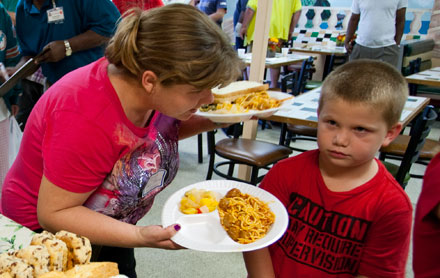
Donating helps disadvantaged members of any community.  A Hunger in America study shows that one in eight American families rely on donated food. This outreach helps employees contribute to a greater good knowing that they are helping members of their community.  It also helps food pantries better match their supply and demand so restaurants can serve more than just the traditional customer. Continue reading

Easy Tips for City Living

As I eagerly prepare to head to Cardomom County in a few days to contribute some of my time and efforts to Raxa Collective on site, I’m packing up my apartment in Paris and thinking of the irony of leaving my little pot of coriander in the window for fields of spices in Kumily. I was growing coriander, basil and parsley – and before that, these lovely flowers my mother got me during her visit several months ago.

Growing my own herbs was a fun way to keep the kitchen an innovative little atelier. Basil was a must for anything remotely Italian, or Thai if I got so daring; parsley was hard to know what to do with at times but got its fair share of dicing in with many miscellaneous creations; and then of course there’s coriander, my preferred name for which is cilantro as I grew up with the herb in its Mexican context of carne asada tacos and guacamole. An absolute favorite flavored flora of mine.

In some countries, the mores of a city-dweller’s everyday life can somehow keep “environmental friendliness” in those darned quotation marks, and make the concept seem as remote as the rainforest. Continue reading

They’re Real, Not Plastic

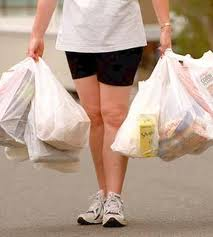
Earlier this year I would have thought blogging about plastic bags would be boring and quite redundant.  I have heard and read of the dire effects plastic bags have on the environment countless times.  And I am well versed in the “green tips” of bringing my own bag that are so prevalent.  Intellectually, I realize that plastic bags…well, suck.

I heard the implications and I pride myself to be eco-savvy yet I still would often be caught red-handed with those pesky plastic bags on a few desperate occasions. Continue reading

A Thousand Miles

I recently watched a video that became a personal challenge.  It brought to mind that famous Lao Tzu quote, “A journey of a thousand miles begins with one step.”

After watching this video, I arrived at the equation: small changes = sustainable.  In other words, sustainability is the thousand mile journey; small changes are the baby steps that get us there.  This video highlights our ability to grow as we challenge ourselves to do something new for a mere thirty days.  I thought and thought of something that could be worthy to merit a thirty-day challenge; however, it was then that I realized that I was taking the small step out of the equation—no task is too small towards my sustainable journey.

Continue reading