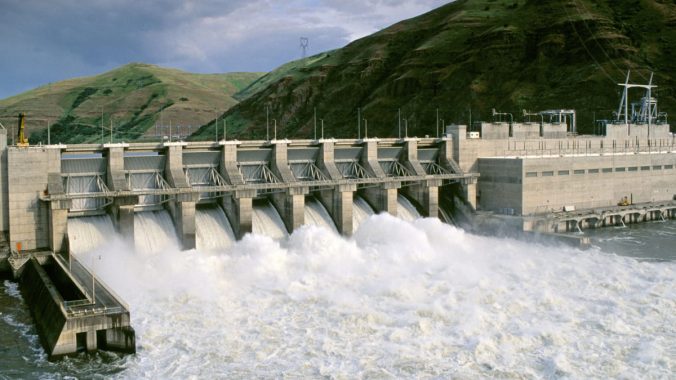
The Lower Granite Dam on the lower Snake River in southeastern Washington. GREG VAUGHN / ALAMY
Jacques Leslie, a veteran writer whose specialty in one of the most-used sources of alternative energy makes him a natural for our platform, somehow has never appeared in our pages before. Dams and the rivers they change are a special case of our interest in conservation, and stories about dam removal are worth the read every time. Here is a clear explanation of one river’s history and future related to dams, and the prospects for dam removal–if you have not read one of these stories yet to understand the historic case for dams and their present illogical realities, this may be the one you want to read:
On the Northwest’s Snake River, the Case for Dam Removal Grows
As renewable energy becomes cheaper than hydropower and the presence of dams worsens the plight of salmon, pressure is mounting in the Pacific Northwest to take down four key dams on the lower Snake River that critics say have outlived their usefulness.
North America’s largest Pacific watershed, the Columbia River Basin, is in the midst of an environmental and energy crisis so severe that the most obvious, yet hotly contested, antidote — removal of four dams on the Columbia’s longest tributary, the Snake River — is gaining traction.
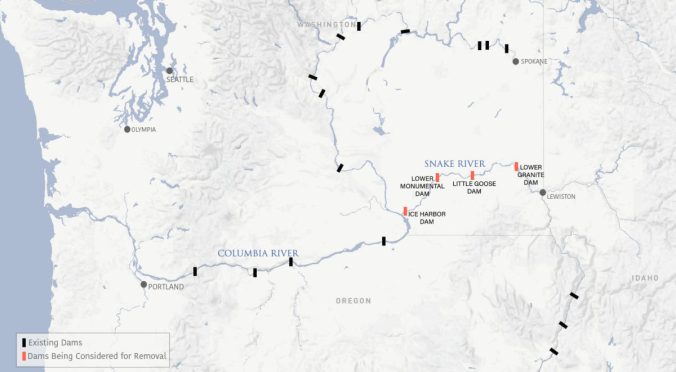
The hydropower dams have been controversial since before their completion, between 1962 and 1975, because of their disastrous impact on salmon and the other 137 species that are part of the salmon food chain. Most of the Columbia Basin’s 250-plus dams have played roles in the salmon’s decline, but the four lower Snake River dams are prime targets for removal because their economic value has diminished and their absence would inordinately benefit salmon. Continue reading
 Organikos