Peacock Spiders!

Spider1.jpg

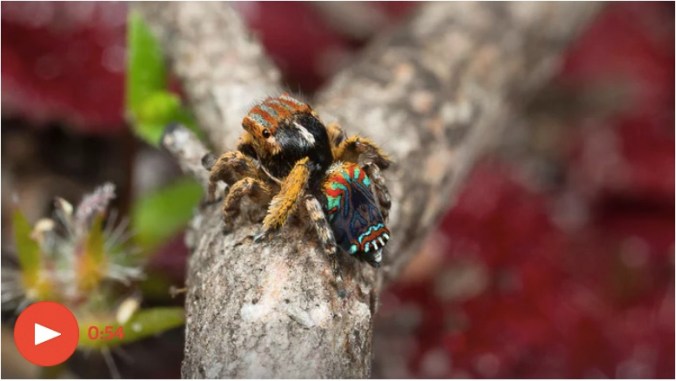
New peacock spider species filmed in Western Australia – video

Thanks to the Guardian for this reminder that nature is generous, bestowing vibrant colors in the most unexpected places:

Biologist Jürgen Otto and colleagues have named two species of the extraordinarily colourful dancing spiders

Spider2.jpgIt is only a few millimetres in size, performs a dance as part of a courtship ritual and has striking coloured markings on its back that “look like a pharaoh’s headdress”.

But when biologist Jürgen Otto first spotted the peacock spider species he has named Maratus unicup, he didn’t immediately recognise how special it was.

Salticidae

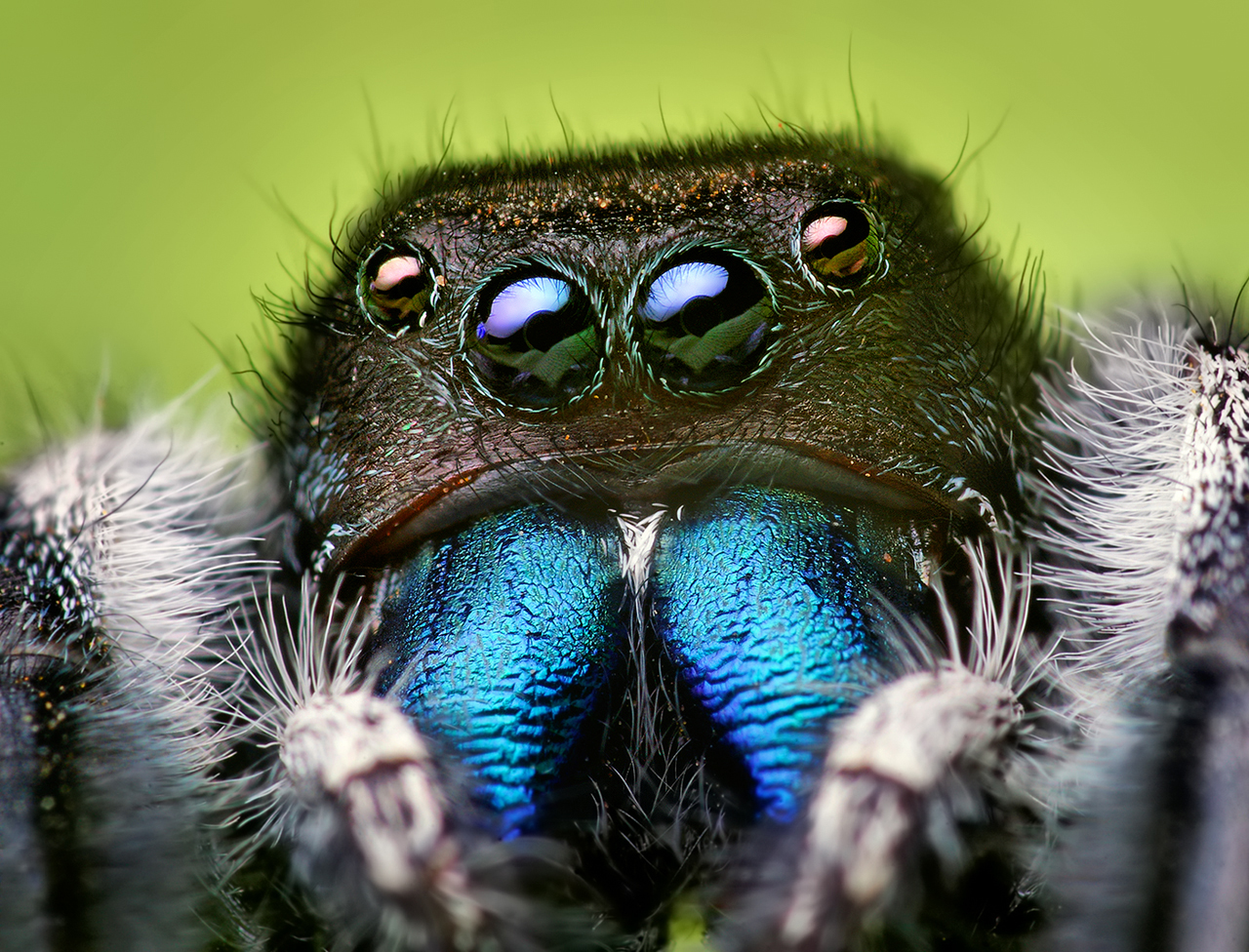
Image Courtesy: http://en.wikipedia.org

Salticidae, better known as jumping spiders, are a curious family of spider that comprises ~13% of the order. They are best known for their two large anterior median eyes flanked by a smaller set, giving them exquisite vision, as well as their ability to jump distances many times the length of their own bodies.  Their unmistakable body structure, most notably the enlarged cephalothorax, makes them an easily recognizable family; and due to their reliance on vision to hunt prey, Salticidae are primarily diurnal hunters.

Continue reading

Orb Weaver Spiders (Araneidae)

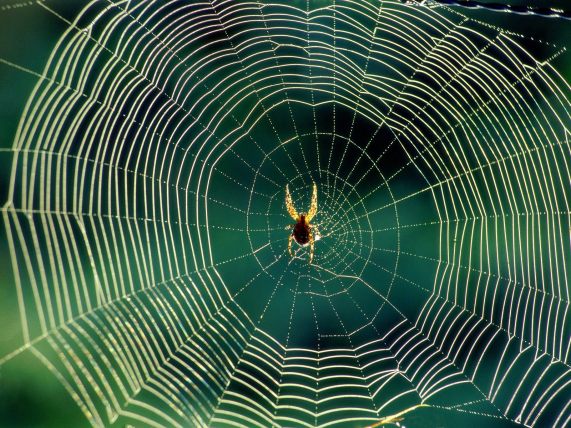
Spiders are not the favorites of many people, and most people tend to avoid them at all costs or exterminate them on sight.  However, closer examination finds that spiders are amazingly adapted to their lifestyle, and beyond proficient engineers — a prime example of which are the Araneidae family, or orb weaving spiders.

Continue reading

Arachnophotography

Photograph by the author at Morgan’s Rock Hacienda and Ecolodge, Nicaragua.

Growing up in Costa Rica prepared me for most encounters with the eight-legged kind I’ve had later in life, so that I have to hide a smile as my housemates here in Ithaca rave about the size of our household spiders in all their sweet innocence. A few years ago when I was working in Nicaragua I made an effort to photograph many of the arachnids I came across, and I’ve included a gallery of some of those shots below. But just a couple weeks ago while browsing the great blog Colossal I found this and was stunned, not by the size of the spiders because most of them are really quite tiny, but by the incredible diversity and beauty that Nicky Bay was able to capture in the spiders of Singapore. If you have some free time and no problem with close-ups of creepers, crawlers, weavers, and stalkers, I’d highly recommend browsing Bay’s macrophotography galleries for an hour or three.

Continue reading

Best of Salim E.I.: Signature Spider (Argiope anasuja)

Signature Spiders are commonly found in India, especially the Periyar Tiger Reserve. Their name comes from their distinctive  zig-zag patterned X in the center of their webs.

Continue reading

Wild Periyar – Giant Wood Spider (Nephila pilipes)

Photo Credits: Khullood Daryanani

Giant Wood Spiders are commonly seen in the Periyar Tiger Reserve. These spiders are the largest orb weavers of India with a web diameter ranging between 3 to 4 meters. Females are larger than males and these spiders are the biggest spiders in the world.

Continue reading

Omens of Fortune

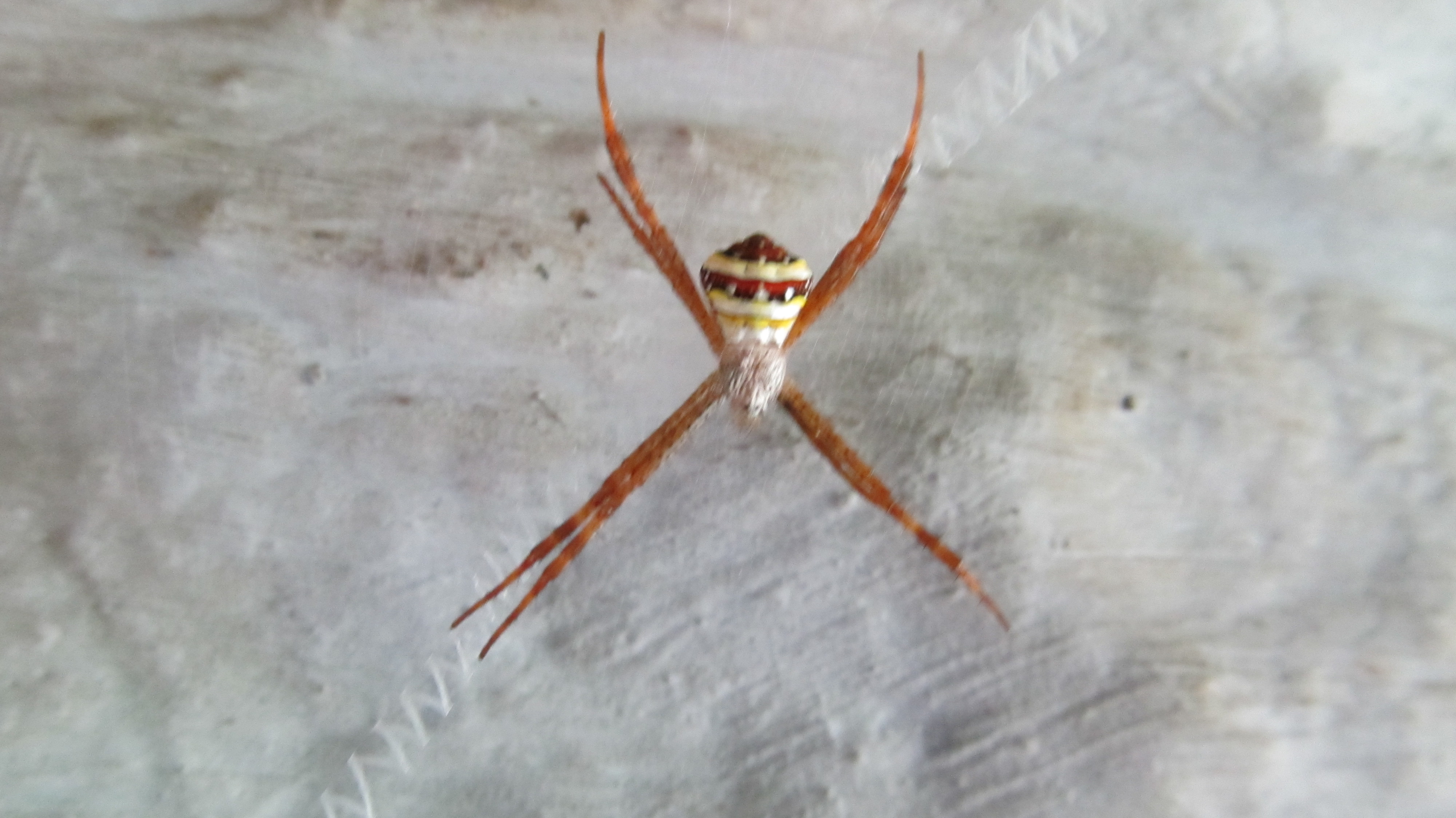
I am not superstitious. But I am also not exactly non-superstitious. I love black cats (my grandmother has two, named Helios and Selini after the sun and moon, in Greek). Sometimes I have to pass under a ladder to get something done. No problem. And in the spirit of declaring my semi-agnosticism in that domain, I also think insects have had a bad rap for way too long. With all due respect to arachnophobes (and I really mean that), I always find encounters with spiders fascinating. Today, it went beyond empirically verifiable fascination; I found myself feeling positively superstitious, if I may say so with the dual meaning of the adverb.

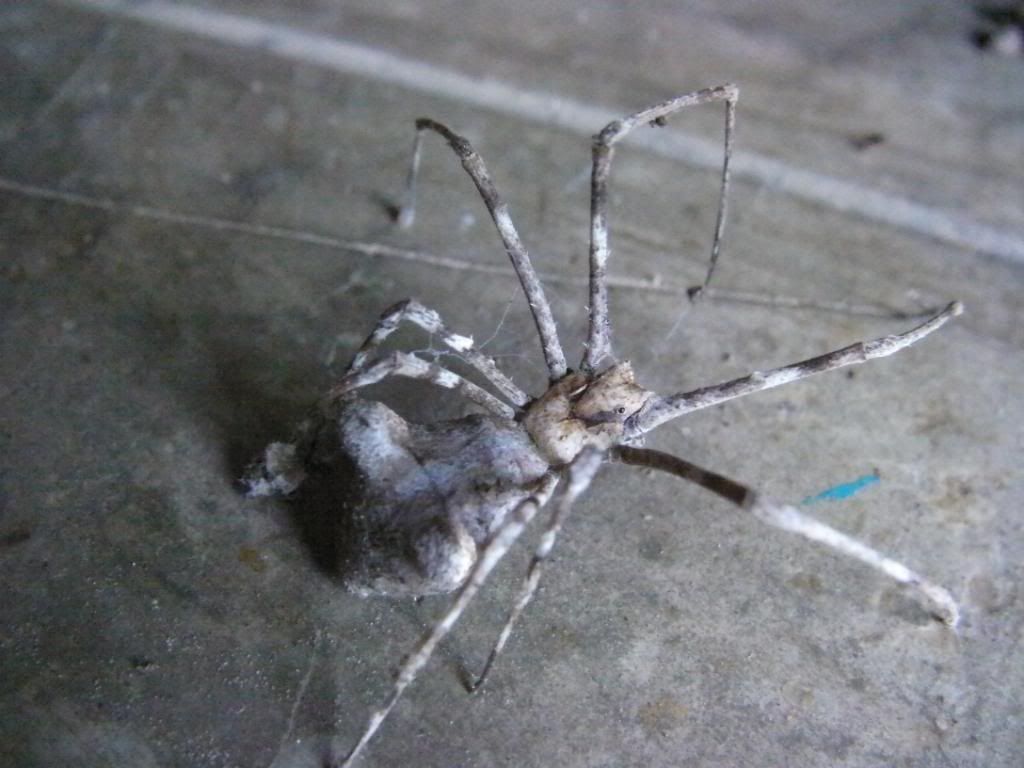
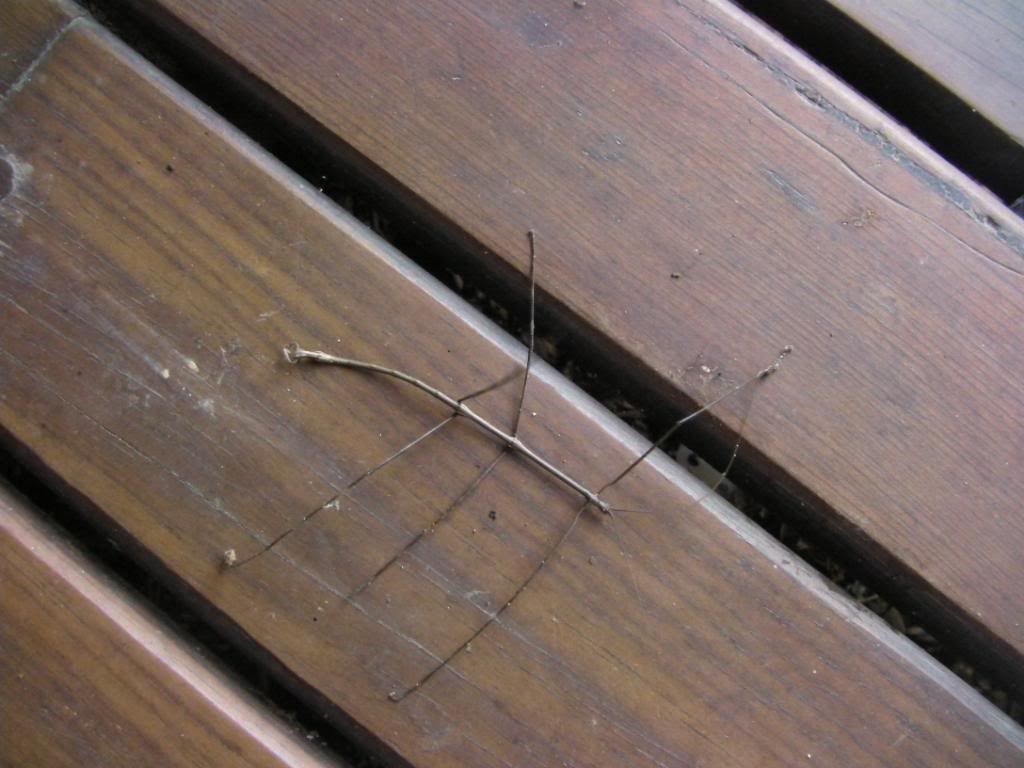
In the morning when I exited my room in the little house not too far from the Morgan’s Rock lobby, this spider was waiting for me outside. After I showered and got ready to leave, I passed a frantic walking stick attempting to find a tree, perhaps having fallen from the ceiling earlier. As I walked to the restaurant for breakfast, I considered these two arthropods good omens of the sightings I would have on my forest walk later in the day.

When I departed on the trail to find wildlife to photograph, I passed near some weeds on the side of the path that had been ravaged by some insect. I crouched and looked closely at all the leaves to detect the culprit, but found no obvious caterpillar or beetle munching on the foliage. Bending closer, I scanned the plants with a patient eye and finally noticed something that stood out. Continue reading