Dr. Seuss has held an important place in my life, stretching from my own childhood and into parenthood, and connecting the dots between the pure joy of reading and powerful messages keeps him at the top. So what fun to discover the story, species and science behind the inspiration for his most impactful books!
Who Was the Real Lorax? Seeking the Inspiration for Dr. Seuss
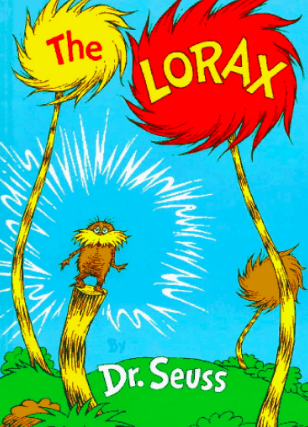
What inspired the creature who was “shortish and oldish and brownish and mossy?” The one who spoke in a voice that was “sharpish and bossy?” He spoke for the trees, yet he called them his own. All that he left “in this mess was a small pile of rocks, with the one word … ‘UNLESS.’”
In 1970, millions of people observed Earth Day for the first time, and the Environmental Protection Agency was born. Joni Mitchell’s “Big Yellow Taxi” topped the charts.
And in La Jolla, Calif., Theodor Geisel, also known as Dr. Seuss, was fighting to keep a suburban development project from clearing the Eucalyptus trees around his home. But when he tried to write a book about conservation for children that wasn’t preachy or boring, he got writer’s block.
At his wife’s suggestion to clear his mind, they traveled to the Mount Kenya Safari Club, an exclusive resort where guests watched animals along Kenya’s Laikipia plateau.
And if you haven’t guessed by now, it was there that “The Lorax” took shape — on the blank side of a laundry list, nearly all of its environmental message created in a single afternoon. Continue reading
 We were led to this by a news/feature story, but the background material is even more interesting than the feature in the news. Here is a note worth a moment of your time: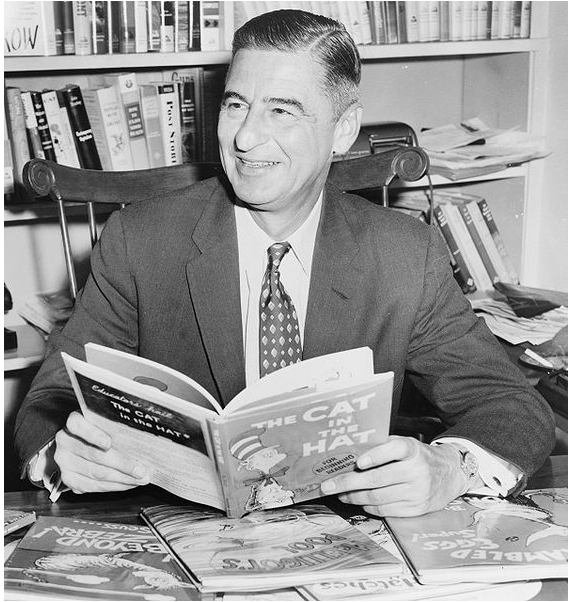
 Organikos