Guest Author: Hannah Miller
Last January I arrived in Dharamsala, a small city in India’s northwest state of Himachal Pradesh. Along with fifteen other American students I was there to study Tibetan culture, history, language and Buddhism. We spent the semester studying these subjects at two Tibetan colleges in Dharamsala, while living with Tibetan roommates and host families. At the end of the semester, we were given three weeks to conduct an independent research project of our choice. At my college in the United States I am majoring in Global Health, so I wanted to pursue a project related to public health in the Tibetan exile community in India.
Prior to 2012, there was almost no use of health insurance in the Tibetan exile community. The Tibetan government in exile provided reimbursement for healthcare costs on a case-by-case basis to Tibetans living in India, but could not afford to provide coverage for all who needed it.
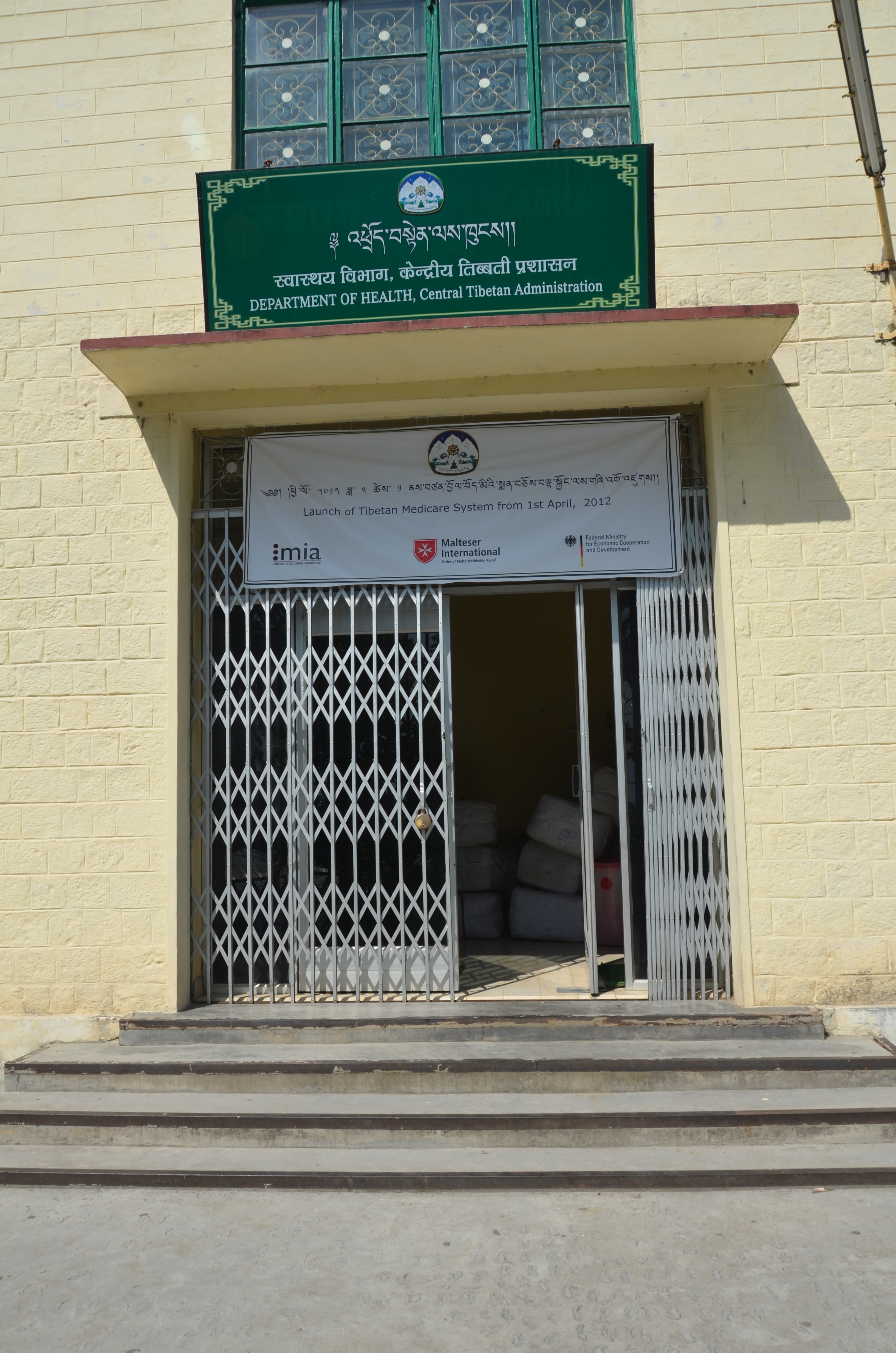
The Department of Health in Dharamsala, India
In 2012, the Tibetan exile government introduced the Tibetan Medicare System (TMS), which began providing coverage for inpatient expenses to Tibetan families and individuals. The system was developed through a partnership between the Central Tibetan Administration’s Department of Health and the Micro Insurance Academy (MIA), an NGO based in New Delhi, India. The program is open to any Tibetan individuals and families living in India. For an individual, it costs 950 INR per year to enroll, and 3565 INR per year for a family of two to five people. The insurance can be used at an extensive list of hospitals to cover inpatient expenses up to 50,000 INR or 100,000 INR per year for individuals and families, respectively. Continue reading
 Organikos