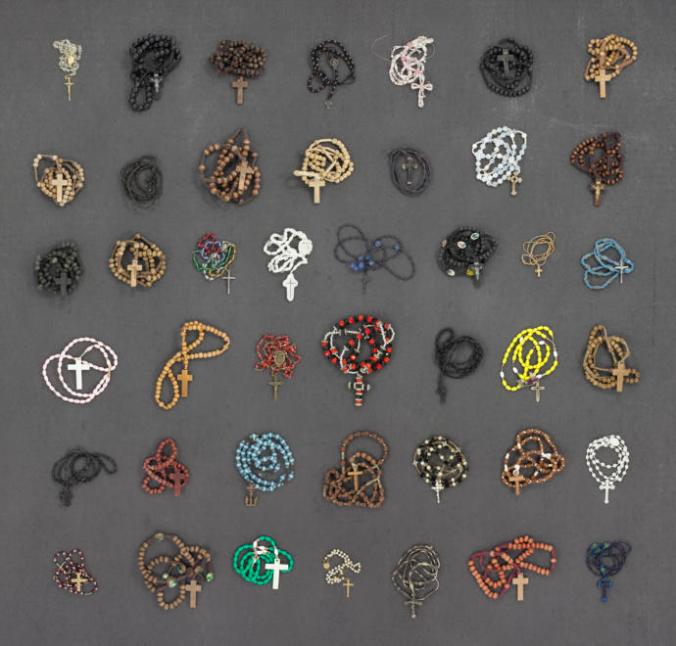
The C.B.P. considers rosaries to be potentially lethal, non-essential personal property, and agents dispose of them during intake. THOMAS KIEFER / INSTITUTE
Tom Kiefer was a Customs and Border Protection janitor for almost four years before he took a good look inside the trash. Every day at work—at the C.B.P. processing center in Ajo, Arizona, less than fifty miles from the border with Mexico—he would throw away bags full of items confiscated from undocumented migrants apprehended in the desert.
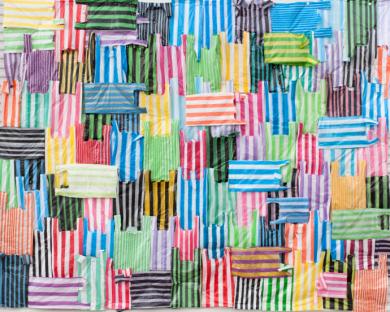
In addition to backpacks, shopping bags are used to transport food and belongings. Many are durable though non-biodegradable and adverse to the desert environment. THOMAS KIEFER / INSTITUTE
One day in 2007, he was rummaging through these bags looking for packaged food, which he’d received permission to donate to a local pantry. In the process, he also noticed toothbrushes, rosaries, pocket Bibles, water bottles, keys, shoelaces, razors, mix CDs, condoms, contraceptive pills, sunglasses, keys: a vibrant, startling testament to the lives of those who had been detained or deported. Without telling anyone, Kiefer began collecting the items, stashing them in sorted piles in the garages of friends. “I didn’t know what I was going to do,” he told me recently. “But I knew there was something to be done.”
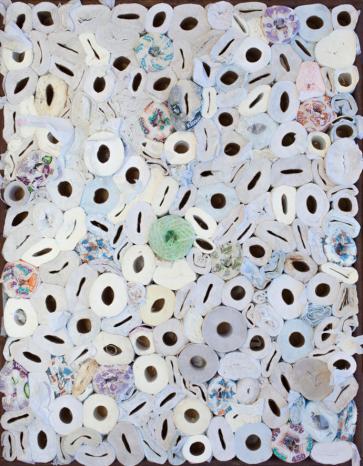
Personal hygiene items such as toilet paper is disposed of during intake.When migrants are apprehended, Customs and Border Protection agents dispose of personal-hygiene items such as toilet paper during intake. THOMAS KIEFER / INSTITUTE
Kiefer, who is now fifty-eight, had moved to Ajo from Los Angeles, in 2001, hoping to simplify his life, purchase a home, and focus on his passion: taking pictures. (Previously, he’d been a collector and dealer of antique cast-iron bed frames, and, before that, a graphic designer.) He took the C.B.P. job, in 2003, for purely practical reasons: it paid ten dollars and forty-two cents an hour, and it seemed unlikely to steal mental space away from his photography projects. Now he began photographing his C.B.P. collection in his studio, arranging and rearranging items, sometimes putting Continue reading
 Organikos