4,000 Years of Shared History

The African baobab, though, is most widely distributed both in its home continent and in the neo-tropics where enslaved Africans were brought to work. PHOTO: Gavin Evans

The African baobab, though, is most widely distributed both in its home continent and in the neo-tropics where enslaved Africans were brought to work. PHOTO: Gavin Evans

The Baobab tree is a native African tree with numerous valuable advantages including food, shelter, clothing, medicines, hunting, fishing, water storage, etc. It is considered sacred and immortal and its species is as old as 5000 years.And some of this is heritage is shared with India as well.
In the French novella The Little Prince, the titular prince comes from a very small asteroid planet called B612 where soil is full of baobab seeds. He tells the author that if left to grow, the baobabs would become so numerous and huge that they could make the little planet explode.On Earth, though, baobabs are quite the opposite. Anyone living in Africa where baobabs grow to enormous sizes would be able to tell you about the numerous benefits the trees provide for humans and animals.They would probably describe the marvellous generosity of its trunk and its hospitality to many creatures, and extol the hardy and light fruit pod with its deliciously powdery pulp and nutritious seeds that remain fresh and edible over long periods of time.
But there is a mystery to baobabs, as they are also found in India. How did they get there?
Continue reading

India to Antwerp, this Story of Diamonds

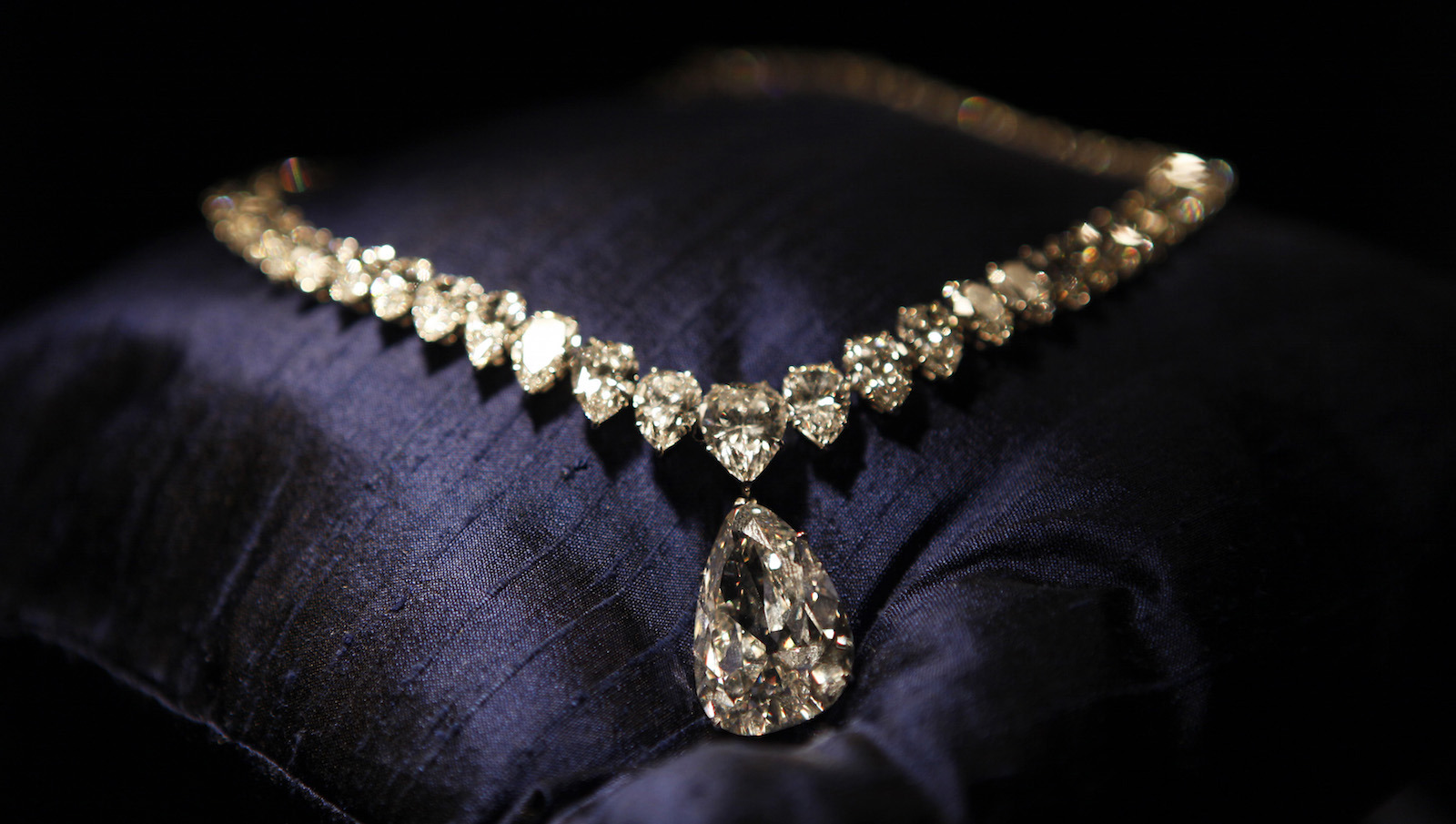
Indians have come to control almost three-quarters of Antwerp’s diamond industry.(Reuters/Finbarr O'Reilly)

Indians have come to control almost three-quarters of Antwerp’s diamond industry. (Reuters/Finbarr O’Reilly)

What New York is to the world’s money markets, Antwerp is to the global diamond trade. Antwerp is also the centre of the secondary or rough diamond market. More than 50% of global production of rough, polished, cut and industrial diamonds passes through Antwerp. Around 80% of the world’s rough diamonds are handled in Antwerp generating an annual turnover of some €30 billion. The most valuable diamonds are usually cut in Antwerp, but as the economy globalises Antwerp remains a nerve centre with much of the actual diamonds shipped out to other, cheaper locations.

Continue reading

What’s the Real Price of Fish?

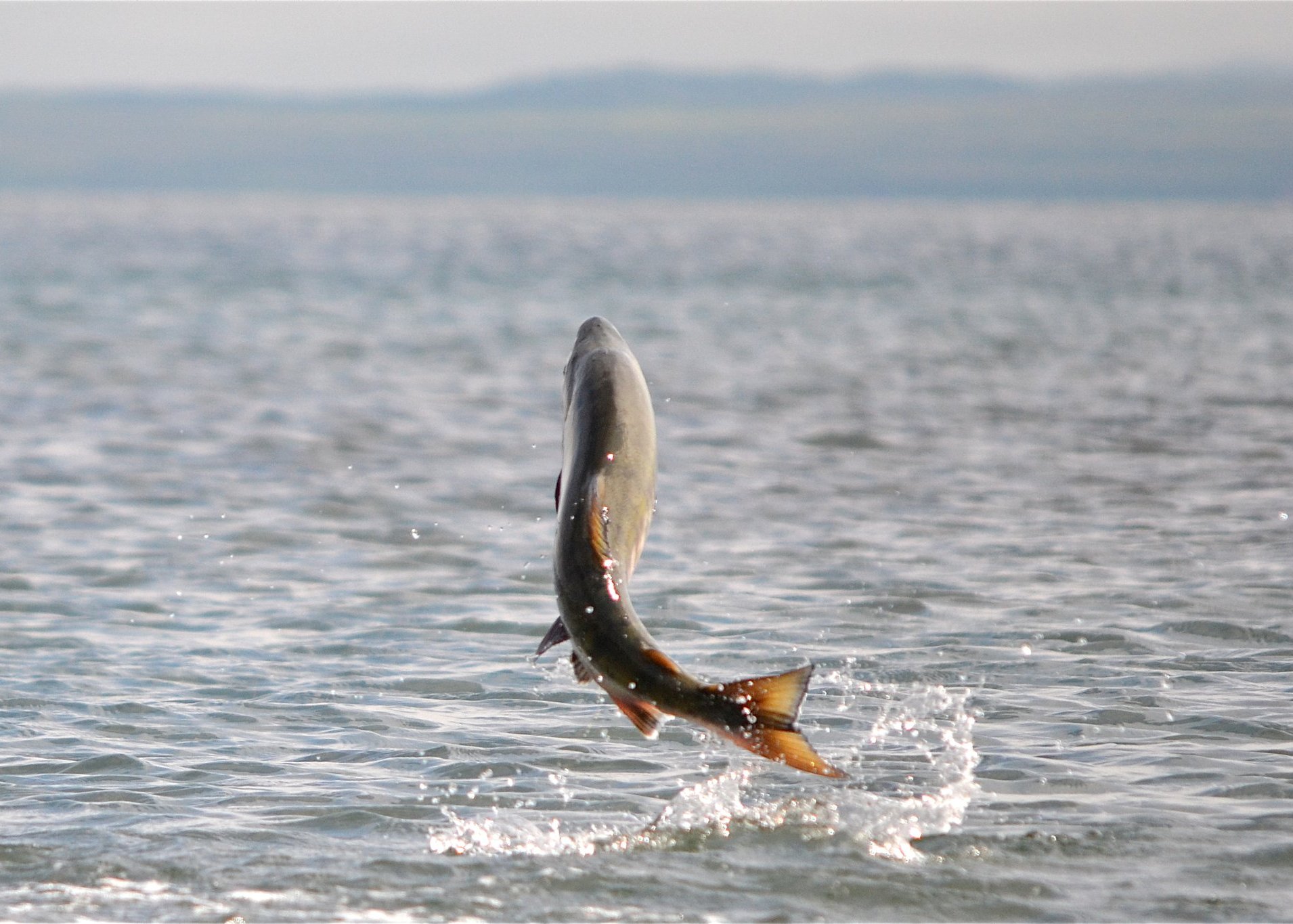
In 2010, environmental NGO Oceana ordered studies of fish in 14 major metropolitan areas and found that roughly one third of the fish found in restaurants and markets was mislabeled . PHOTO: Wikimedia Commons

In 2010, environmental NGO Oceana ordered studies of fish in 14 major metropolitan areas and found that roughly one third of the fish found in restaurants and markets was mislabeled . PHOTO: Wikimedia Commons

The efforts of the government to regulate Big Fishing and all its known and unknown evils often have the adverse effect of undercutting people for whom the ocean is something more than mere industry. The realities on the docks aren’t always as legislators understand them, says this first installment of the Medium‘s  inaugural episode of Food Crimes: The Hunt For Illegal Seafood.

The United States imported as much as 90 percent of its fish in 2013, up from 54 percent in 1995, according to the National Oceanic and Atmospheric Administration (NOAA). In fact, the United States has tripled the dollar amount of fish it imports, to more than 5 billion pounds of fish worth $18 billion. Couple these figures with the staggering estimate that between one quarter and one third of all fish sold in the United States is illegal, and you’re an equation or so away from going vegan.

Continue reading

China, What Will it Be?

China recently announced plans to build a 5,300 km railway linking the Atlantic with the Pacific, cutting through the heart of the Amazon jungle in Brazil and Peru. PHOTO: Andrew Snyder

Rail or road – what is the best mode of transport for free flow of goods from Brazil to China? PHOTO: Andrew Snyder

China recently announced plans to build a 5,300 km railway linking the Atlantic with the Pacific, cutting through the heart of the Amazon jungle in Brazil and Peru. Environmental groups are concerned that the railway will threaten sensitive ecosystems, wildlife and indigenous peoples. Indeed on the face of it, this would be a disaster for conservation in the most biologically rich place on Earth. But is a train line in fact the lesser of two evils?

Roads bring access to previously remote areas – and consequently bring down a cascade of problems on tropical forests. Logging, mining, and hunting result in the destruction of forests, all paving the way for their complete conversion to agriculture. Indeed, in the Amazon 95% of deforestation occurs within 5km of a road. Train lines on the other hand are usually state-controlled and more easily regulated. The proposed line will cost an estimated US$10 billion to build and will reduce the cost of shipping oil, iron ore, soya, beef and other commodities from Brazil and Peru to Asian markets.

Continue reading

Glory Of The Past – Allappuzha

Photo credits: Ramesh Kidangoor

Photo credits: Ramesh Kidangoor

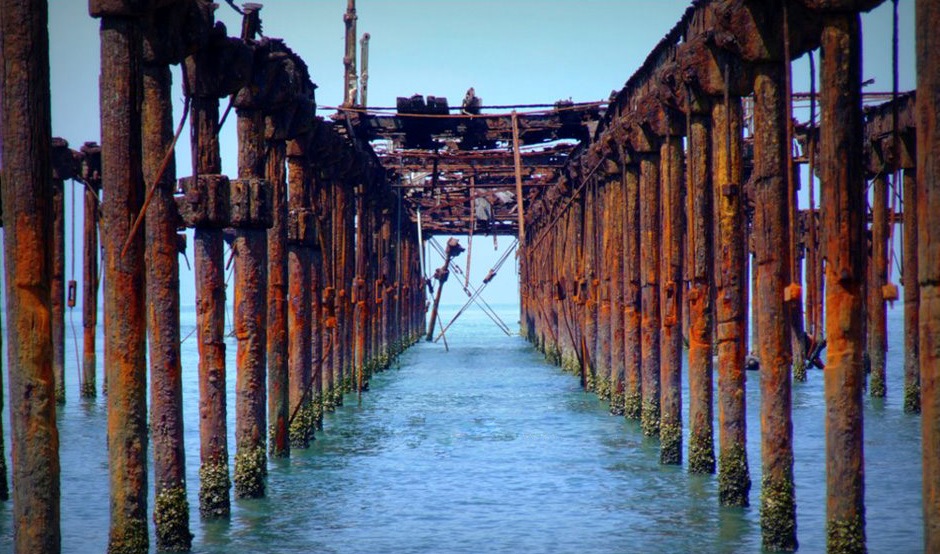
Situated at the south-western tip of Lake Vembanad, Allappuzha had its heyday as a commercial hub in 1775-76 when Dewan Raja Keshavadas built it as a major port of the erstwhile Travancore state. Allapuzha had the dual advantage of cheap inland water transport on its eastern end and calm seas suitable for an all-weather port on the west. Continue reading