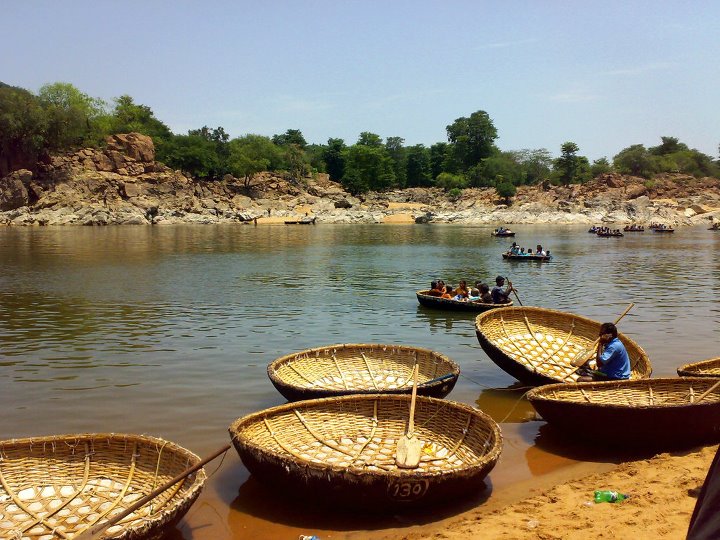
Coracles are local fishing crafts that are circular and ideal for navigating river waters. These traditional vessels are made out of reeds and the design is believed to have been used for centuries. They are mainly used for fishing and river crossings. Continue reading →
The Kindi is integral to all rituals and ceremonies in Kerala. The spouted vessel is made out of bronze (odu), and is mainly used for Hindu’s Poojas. In Kerala each and every household keeps a kindi for special occasions. Continue reading →
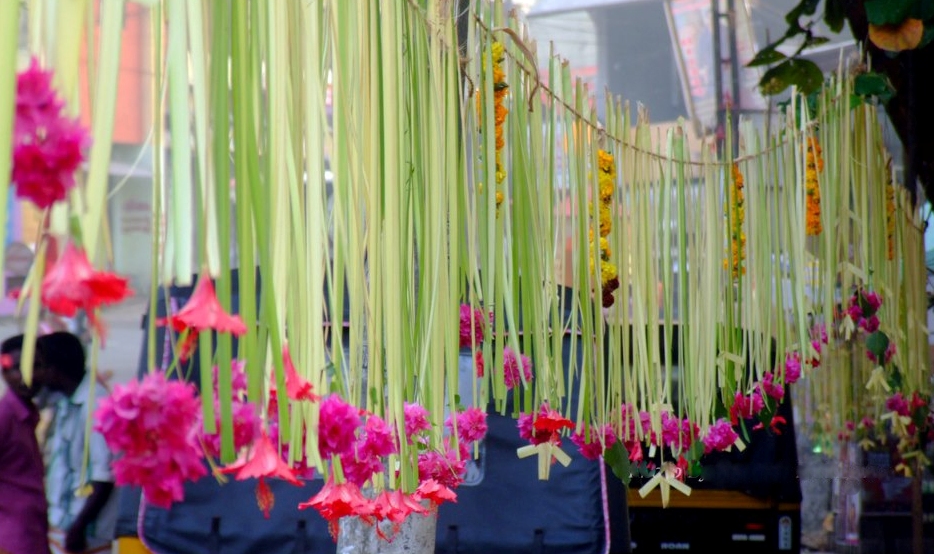
The coconut tree plays an integral part of the lifestyle and the economy of the Kerala. (In fact, the name of the state itself has coconut in its etymological roots.) There are numerous products and byproducts derived from the tree. In addition to its use for food, beverage and coir, its tender leaves are used for decorating houses, Temples and churches. Continue reading →
Aranmula, an ancient village in the district of Pathanamthitta on the banks of the famous Pamba River, has a special history of Kerala’s traditional arts. For centuries Indians have been experts in Metallurgy; Delhi’s ancient Mayuran Iron Pillar, and forged Damascus steel are part of an artisanal culture in South India that stretches back more than 2000 years. The Aranmula Kannadi (metal mirror) technology is part of this history.
A friend of mine told me about a shop outside the center city of Nairobi that I had to check out. Anyone who knows me knows I’m a bit of a shop-a-holic, so I took a taxi over to Amani Ya Juu. To my delight, Amani Ya Juu is so much more than a store; it is a reconciliation project, a gathering center for marginalized woman, a place of hard work, and an entrepreneurial dream realized. Amani started in a garage with three eager refugee women, two from South Sudan and one from Mozambique. They used their stitching skills to develop a training program and a “fair trade” business. At Amani, fair trade means the women are paid not only a living wage, but enough to send their children to school, and provide for adequate housing and basic healthcare needs. They also value local culture, traditions, and procure materials locally. Now fifteen years later, Amani Ya Juu exports to the US, staffs over seventy marginalized women, and proves to be a self-sustaining and profitable project.
From the exterior, the shop looks like an adorable guest house with a quaint outdoor garden café to its right. Upon stepping into the shop, I’m greeted by a woman in the back sewing a mushroom pattern on a canvas pillow. She welcomed me and asked if I’d like a tour of the production center. Continue reading →


 Organikos