A Culture in Need of Safeguards

Each year since 2009, UNESCO puts out two lists that closely look at indigenous practices across the world. The List of Intangible Cultural Heritage in Need of Urgent Safeguarding is composed of heritage elements that require urgent measures to keep them alive. During the period from 2009 to 2014, 38 elements have been included on this List. These include Mongolian calligraphy, the Paach (corn-veneration ritual) of Guatemala, the male child cleansing ceremony of northern Uganda, practices of the Kayas of the sacred forests of Mijikenda in Kenya and more. The second list –  Representative List of the Intangible Cultural Heritage of Humanity – comprises practices that help demonstrate the diversity of heritage and raise awareness about their importance.

Continue reading

Casual Cultural Conservation Through Dance

The only working Danish windmill in the US.

A few weeks ago I visited a friend from Cornell whose family lives in Nebraska and comprises a good portion of the Scandinavian Folk Dancers of Omaha. I’d seen them perform before at the New England Folk Festival in April, held in Mansfield, Massachusetts, but unfortunately at that point my phone’s camera wasn’t the right tool for the job of documenting their great dancing. This time, when the group performed on a much more intimate stage at the Danish Tivoli Festival in Elk Horn, Iowa, (Elk Horn and neighboring Kimballton apparently make up the largest rural Danish settlement in the US) I was ready with my camera and was able to take some half-decent videos of several of the dances. The audio quality isn’t the best given the slightly windy conditions, but hopefully you can get a general feel for the experience in the video below.

We’ve featured some thoughts on dance on the blog before, especially given Kerala’s Continue reading

Performing Arts – Chamundi Theyyam

Photo credits : Jithin Vijay

Photo credits: Jithin Vijay

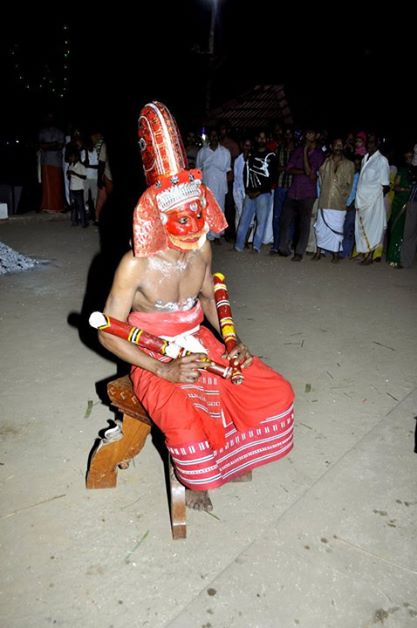
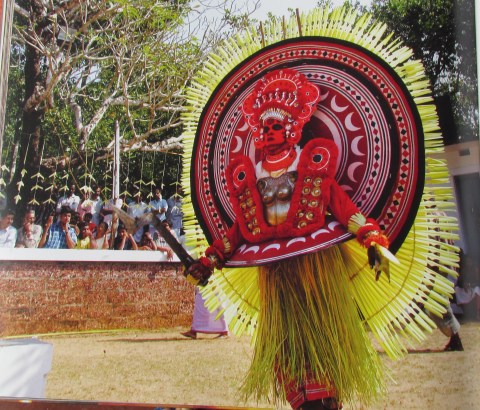
Kerala has a veritable array of performing arts. Theyyam or Kaliyattom is one of the most popular ritualistic dances of Kerala. Costumes with crownlike headgear, breastplates, ornaments, special face painting and variously shaped garments of cloth and palm leaf fronds make Theyyam a colourful visual. It is a devotional performance with a surrealistic representation of the divine. Continue reading

Pottan Theyyam

Photo credits : Jayaraj

Photo credits: Jayaraj

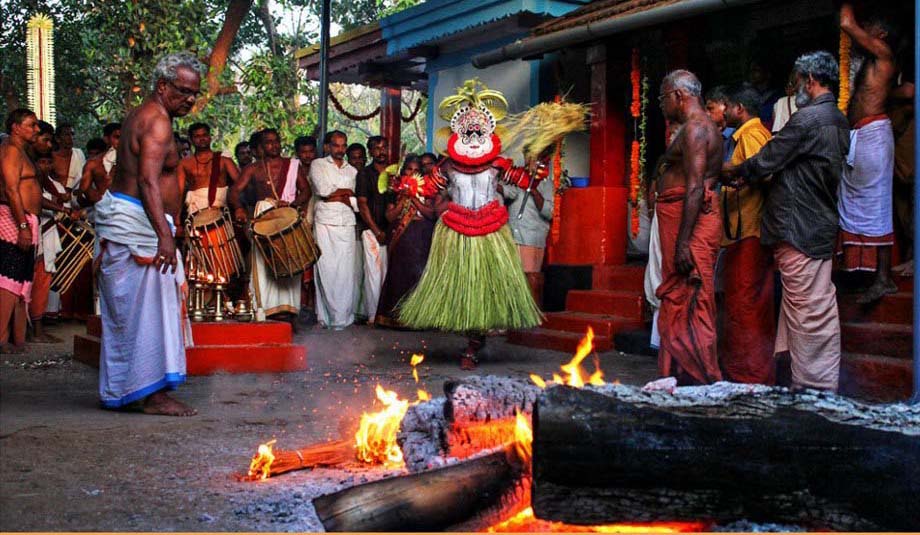
Pottan Theyyam is a colorful ritualistic dance that forms an integral part of the cultural scene in North Kerala. Dressed in ribbons of tender coconut leaves, with his face hidden behind a mask, the Theyyam dances in a frenzied spell, throwing himself on burning red hot embers and walking on fire without getting burnt. Continue reading

Bappiriyan Theyyam

Photo credits : Jobsun

Photo credits: Jobsun

The Bappiriyan Theyyam is mostly performed in the Kannur district, a major center for Theyyam in the north of Kerala. The most significent aspect of this Theyyam is that the performer climbs to the top of a coconut tree, sometimes even dropping a couple of coconuts when he’s there. Continue reading

Thirra

Photo credits :Ajalraj

Photo credits: Ajalraj

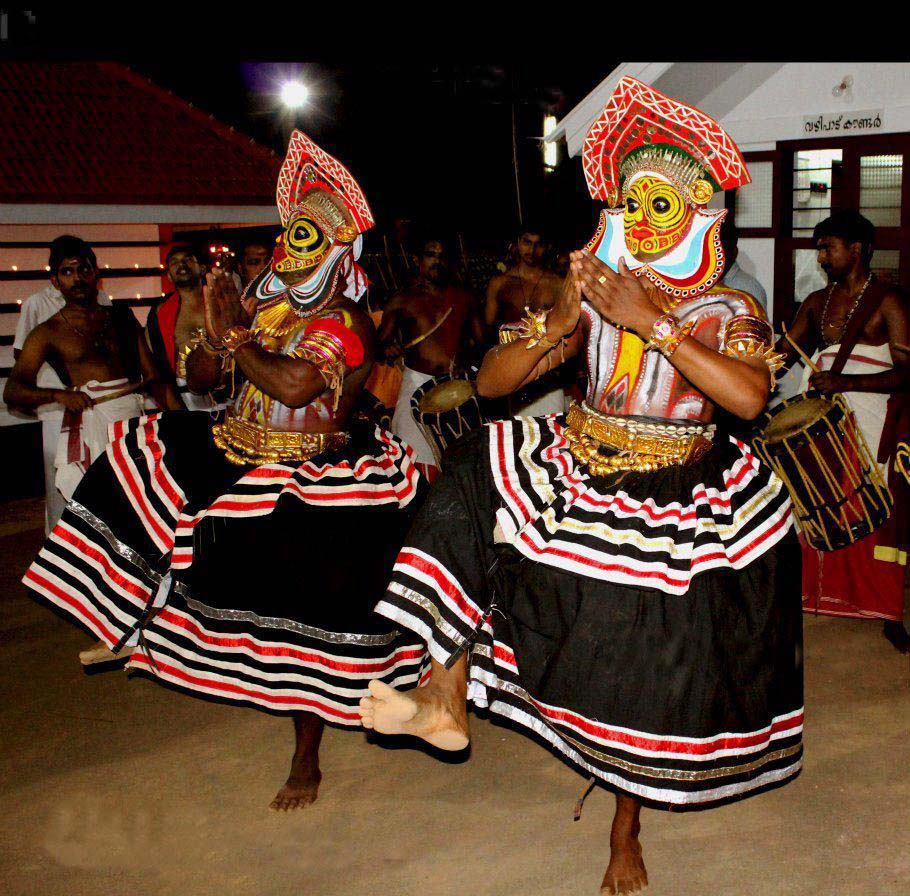
Similar to the Theyyam dance, Thirra is a ritual dance performed in Goddess temples of the North Malabar region of Kerala.It is believed that the puny frame of the performer draws the strength to support the massive headgear from the loud clothing, ceremonial facial paint and the dance movements themselves presented in front of the deity the Goddess.This art form is performed by the artists of the Peruvannam community. Continue reading

Mayillattam Dance

Photo credits : Ramesh Kidangoor

Photo credits: Ramesh Kidangoor

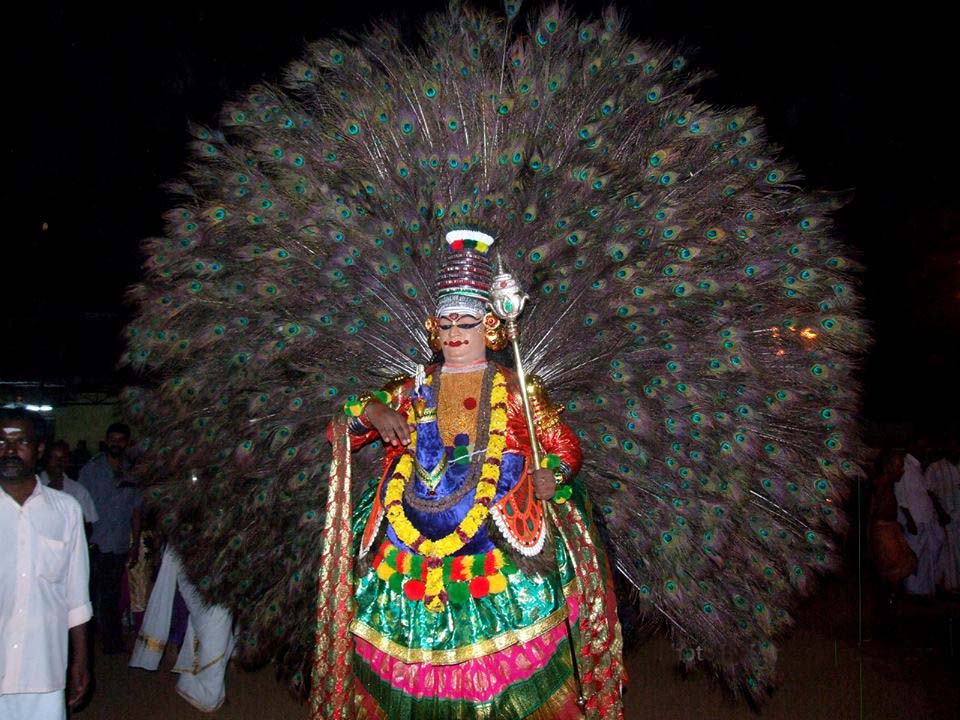
The Mayillattam Dance derives its name from the Peacock, the celestial vehicle of Hindu Lord Subramania (son of Lord Shiva). Donning the costume of a Peacock, with painted faces, beak, headgear and wings of peacock feather, the dancers perform this ritualistic dance offering. As a ritual, it continues to be practised in the Travancore region. Continue reading

Kathakali – Traditional Dance Of Kerala

Photo Credits :Ramesh Kidangoor

Photo Credits: Ramesh Kidangoor

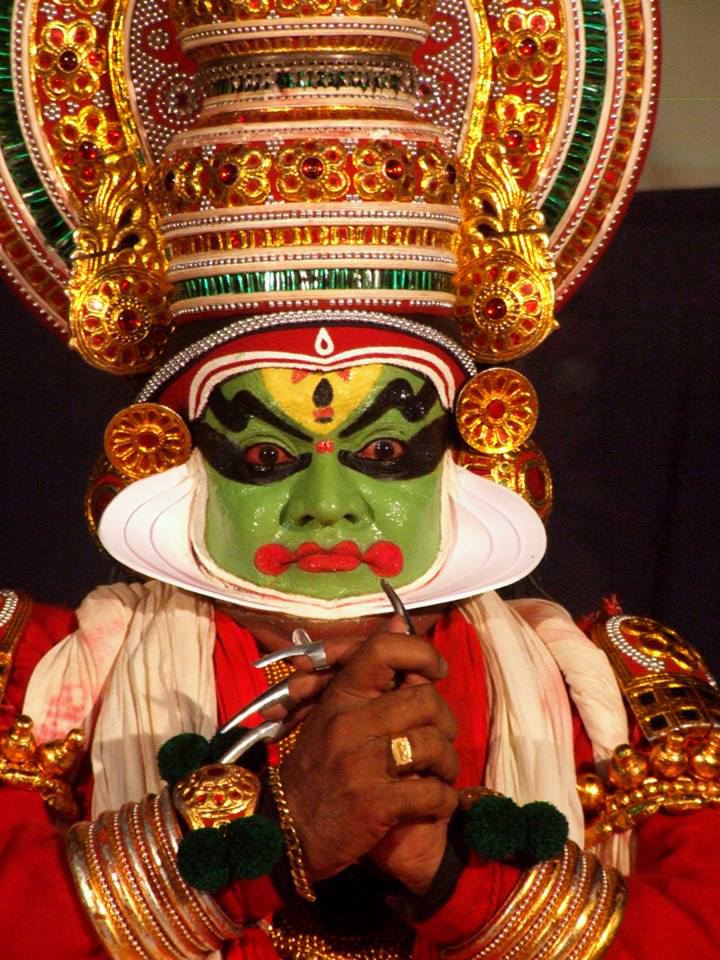
Kathakali is the most famous dance-drama of Kerala, and originated about 1500 years ago. This classical art form is distinguished by several unique features: it’s a marvelous blend of the Tandava (masculine) and Lasya (exotic) elements of dancing; Continue reading

Ottamthullal – Classical Dance

Photo credits : Shymon

Photo credits: Shymon

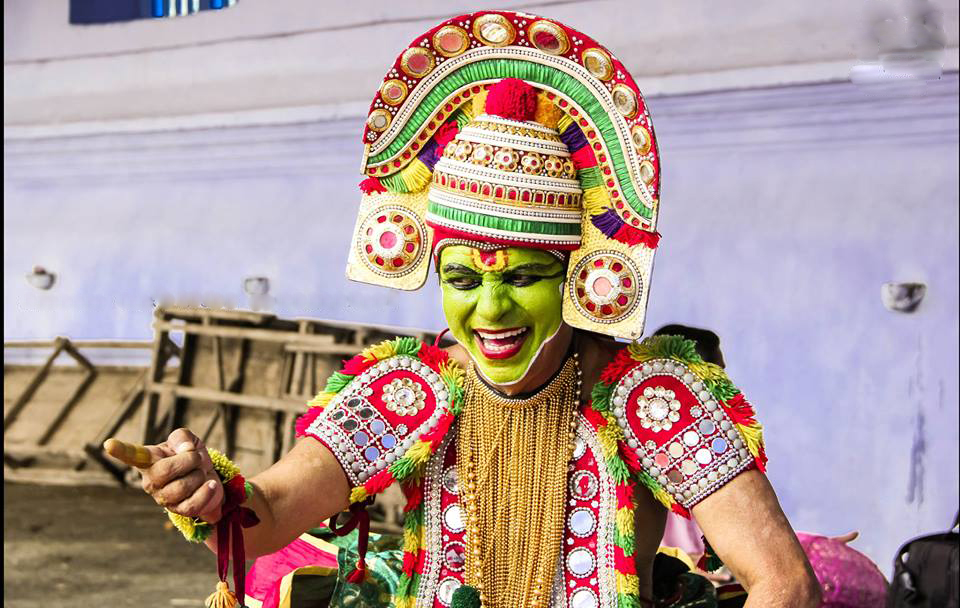
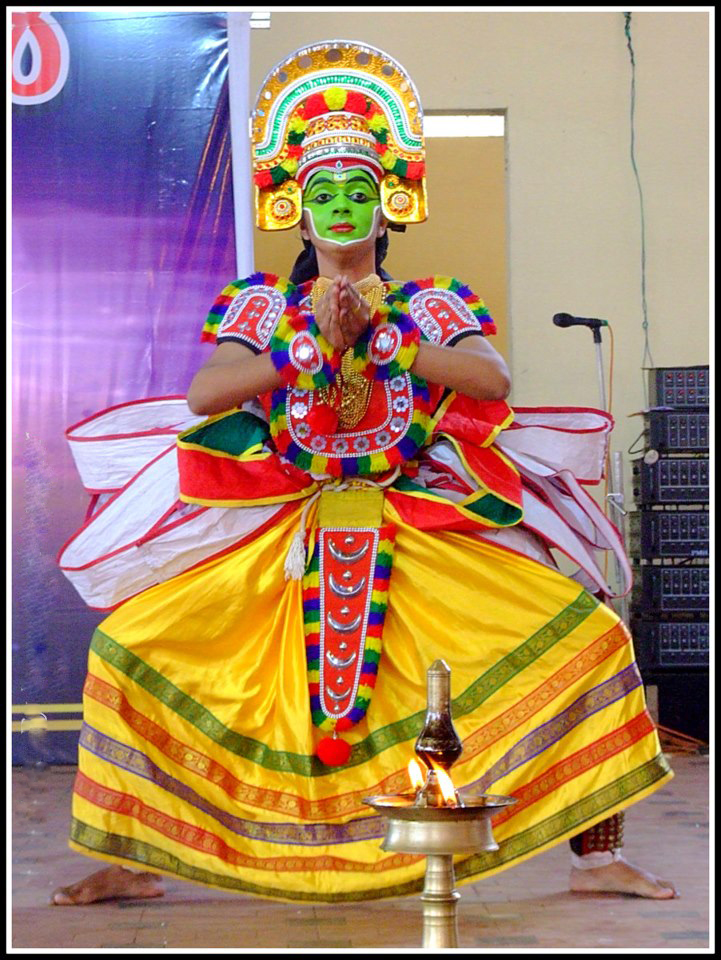
Ottamthullal is a very popular form of classical performing arts of Kerala. The actor wears a long ribbon of cloth looped around a waistband to form a knee-length skirt. A chest plate adorned with coloured  beads, glass and various ornaments covers the upper body, and tinkling bells are tied to the legs. Continue reading

Margam Kali

Photo credits : Sindhu J

Photo credit : Sindhu J

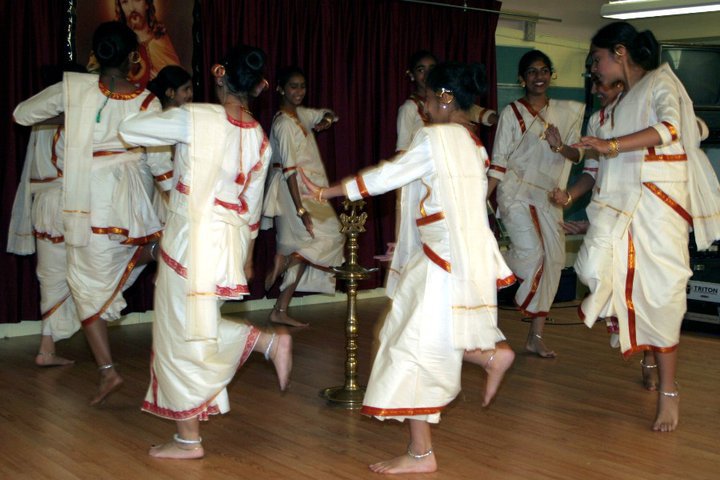
Margam Kali is one of the traditional group dances of Kerala practiced by Syrian Christians. The dancers wear the traditional  Kerala Christian dress (white dhoti and blouse) while singing, dancing and rhythmically clapping around a lighted lamp. The dance form dates back to the 16th century during the Portuguese era, telling the story of the arrival of St. Thomas to the Malabar coast. Continue reading

Semi-Classical Dance – Kerala

Photo credits : Ramesh Kidangoor

Photo credits: Ramesh Kidangoor

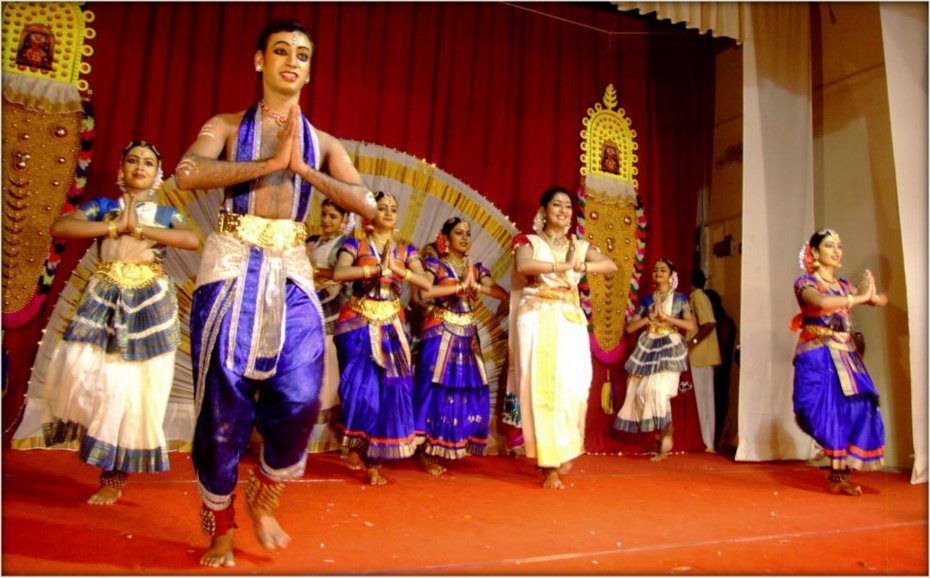
Semi-classical dance is a style that combines classical dance steps with a more contemporary feel. The movements are not as intricate as pure classical forms. This hybrid style features extensive body movements, expressions, grace, speed and immense creativity, giving the final product a more modern feel. Continue reading

Kavadiyattam- Folk Dance

Photo credits: Ramesh Kidangoor

Photo credits: Ramesh Kidangoor

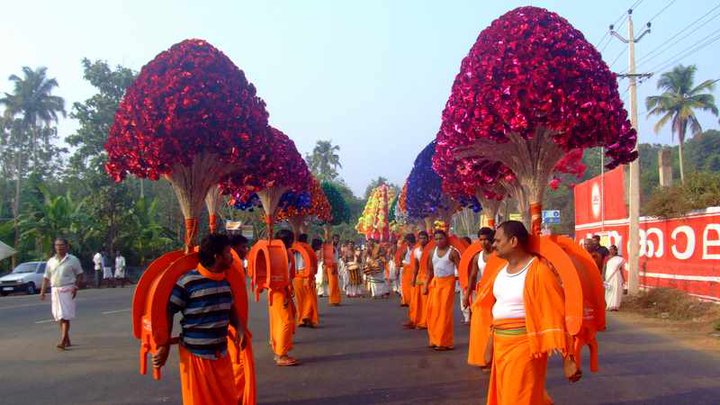
Kavadiyattam is an important folk art in certain pockets of the state. Ash-smeared dancers in yellow or pink-coloured clothes carry ornate, multi-tiered arches on their shoulders and move in procession to the rhythmic beats of the chenda, udukku, thakil and nadaswaram to please Lord Subramanya. Continue reading

Velakali – Traditional Dance, Kerala

Photo Credits: Ramesh Kidangoor

Photo Credits: Ramesh Kidangoor

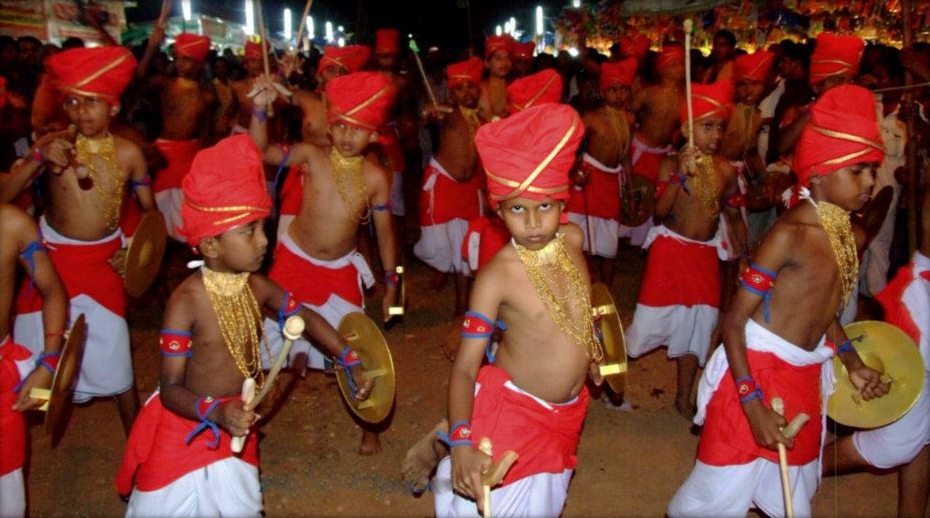
Originating among the traditional warriors of Kerala, Velakali is a ritual artform presented in a temple courtyard. Among the martial folk arts, this is one of the most spectacular and extremely vigorous dances performed in Kerala. Fifty or more dancers dress up as soldiers with colorful shields  and shining swords. Their fabulous attire includes a conical headdress and chests covered with beads and other types of garlands. The dance includes war-like steps in a line to the accompaniment of martial music. Fighting techniques are displayed by coming forward from the line.  Continue reading

Dance Of Kerala – Mohiniattam

Photo credits:Ramesh Kidangoor

Photo credits: Ramesh Kidangoor

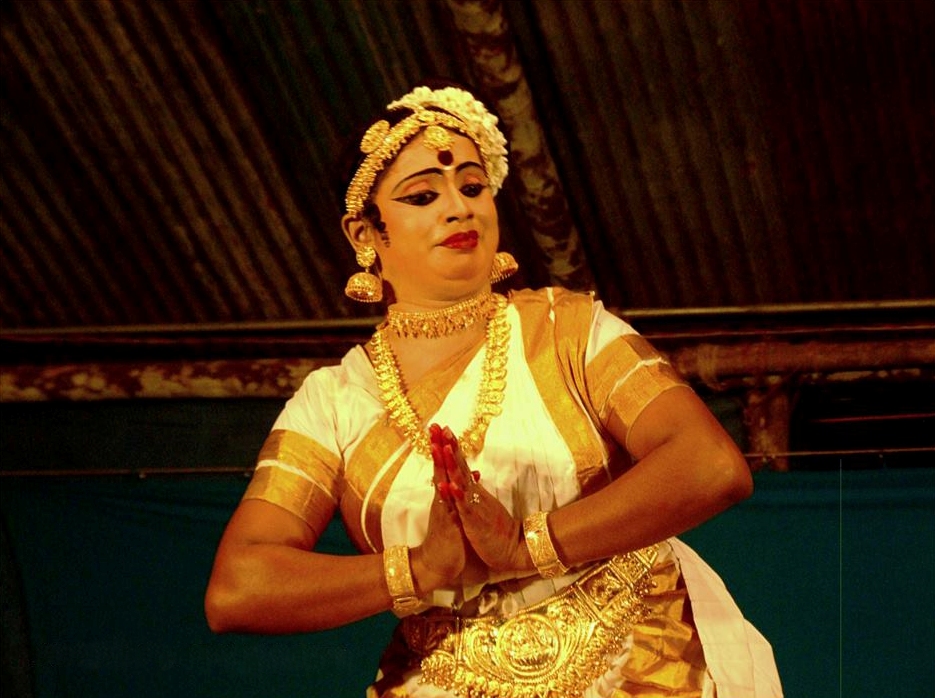
Mohiniattam is a gentle and graceful semi-classical dance form of Kerala. The orgins of this dance are traced to Dasiattam, the dance performed by women in temples as an offering to propitiate the Gods. The customary costume for Mohiniattam is a cream two-piece pleated sari with a wide gold border and traditional gold ornaments. The eyes are lined dramatically with kohl to enhance the dancer’s expressions. The hair is tied in a bun, placed at the side of the head and encircled by a string of fragrant jasmine flowers. Continue reading

Ottanthullal – Dance of Kerala

Photo credits: Ramesh Kidangoor

Ottanthullal is a combination of music, dance and linguistic variations, which is characterized by wit and humor. The most appealing aspect of the performance is the combination of storyteller and dancer in one actor, who effortlessly switches from one to the other. Continue reading

Kuttichathan Theyyam

Photo credits: Ramesh Kidangoor

Theyyam is a synthesis of tribal, Dravidian and Aryan cultural practices. It seems as if Northern Kerala believed that the Indian pantheon of 33 crores (330 million) Gods was not a large enough contingent, they added ancestors and heroes to the list and gave them a special space in the Theyyam rituals. Continue reading

Kathakali Vesham – Kari vesham

There are five veshams (costume and makeup styles) of Kerala’s traditional dance form Kathakali; Kathi vesham (meaning knife), Pacha (green), Thadi (beard), Minukku (radiant) and Kari (black) veshams.

Chamundi Theyyam – Ritual Dance

Theyyam are ritual filled performances of dance, music and religious worship of the people of Kerala. There are nearly 400 deities that are represented in this manner, with each Theyyam believed to be a physical manifestation of the particular god. One of the Theyyam performed in the northern regions of Kerala is Chamundi Theyyam, representing the god Durga Devi. Continue reading

Pottan Theyyam

The Pottan Theyyam is one of the most popular ritualistic dances of Kerala performed by the Malayan community. It is a devotional performance with a surrealistic representation of the divine. The Pottan Theyyam leaps into the fire at the end of his performance, his costume made of fronds and leaves insulating him from burns .  Continue reading

Nangiar Koothu – Traditional dance of Kerala

Nangiar Koothu is an offshoot of the Koodiyattam theater which combines dance and drama. The dance is performed by women of the Nambiar clan (scholars in Sanskrit) called Nangiars and hence the name Nangiar Koothu. The theme of Nangiar Koothu is the story of Lord Krishna as described in his historical texts called Sree Krishna Charitam. It commences with a ritual dance called Purrapad. Continue reading