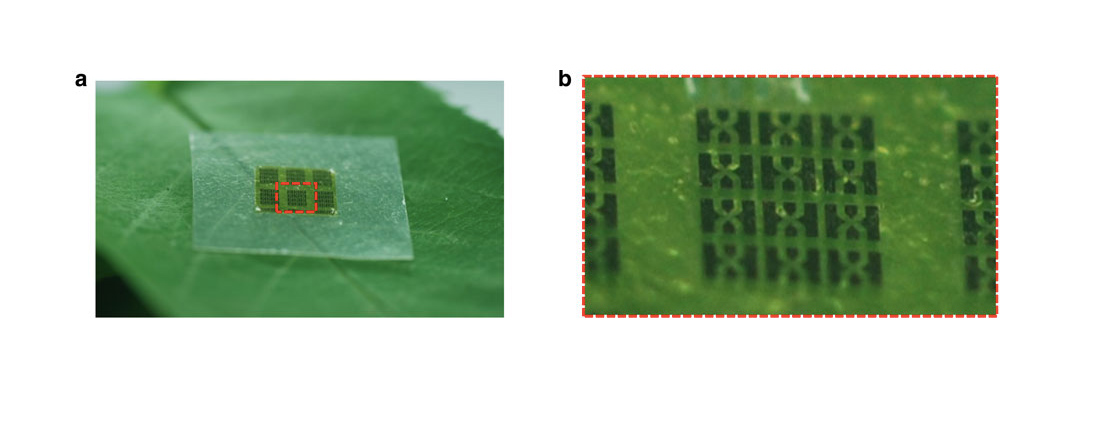
This wooden computer chip could make recycling electronics a lot easier as it replaces most of the silicon with biodegradable cellulose. PHOTO: Co Exist
A recent report from United Nations University (UNU) found that the world produced 41.8 million metric tons of e-waste in 2014 – an amount that would fill 1.15 million 18-wheel trucks. Lined up, those trucks would stretch from New York to Tokyo and back. Computers and smart phones are among the ditched items, which could top 50 million tonnes by 2017, UNEP estimates. Virtually all electronics contain toxic materials and a lot of this hazardous stuff is in the circuit board, including lead (in the solder), mercury (in switches and relays), and brominated flame-retardants. Some electronics, like smart phones and laptops, contain heavy metals like cadmium, beryllium, hexavalent chromium, or arsenic, which have been shown to build up in our bodies and the environment. Also, the wires and cables that run through all this stuff are often coated with PVC, which contains toxic additives called phthalates.
 Organikos