America’s Best Idea Gets an Addition

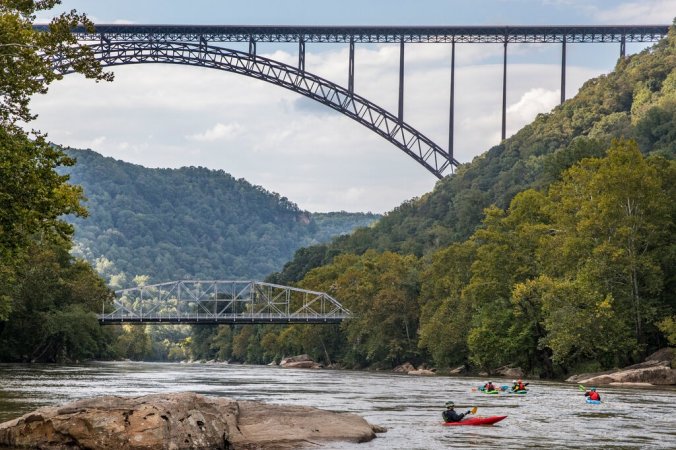
Kayakers enjoy calm waters under the New River Gorge Bridge.Credit…Tony Cenicola/The New York Times

The fact that we’re a late to highlight this new addition doesn’t lessen our enthusiasm for the fact. The United States National Park Service and the those who created it, and continue to fight for it, are heroes in our eyes. It’s an especially strong breath of fresh air when this new administration moves immediately to promote this “great idea” rather than diminish it.

Meet America’s 63rd National Park

The New River Gorge in West Virginia got the federal government’s highest protection, thanks, in part, to the latest pandemic relief bill.

As Americans continue to weather the pandemic, the $2.3 trillion coronavirus relief and spending bill passed by the federal government in December brought an unexpected and lasting gift: a new national park.

The 5,593-page spending package included a raft of provisions authorizing little-known projects — the construction of the Teddy Roosevelt Presidential Library in North Dakota, for one — and giving lawmakers a chance to advance a variety of long-delayed initiatives. Among them was the elevation of the New River Gorge, in southern West Virginia, to the status of Yellowstone, Yosemite and the country’s other most renowned outdoor spaces. The designation of the area — roughly 72,000 acres of land flanking 53 miles of the gorge — as a national park and preserve creates the 63rd national park in the United States and completes a multigenerational effort, started in the mid-twentieth century, to transform a tired industrial area into a national landmark.

“Towards the end of this year, with these big bills coming down, I decided to strike,” said Shelley Moore Capito, a Republican and the state’s junior senator, who, along with Senator Joe Manchin III, a Democrat, introduced the New River Gorge legislation in 2019.

“This was the right opportunity,” she said. Continue reading

Undoing Dams, Animals Pitch In

ap_498416275898

Since 2014, Washington’s Elwha River has flowed freely through what once was Lake Mills and the Glines Canyon Dam. But the site still leaves a barren scar in Olympic National Park. Now, a human- and bird-led effort is turning it green again. Photo: Elaine Thompson/AP

Conservation is sometimes in the hands of animals, as this story in the current Audubon magazine illustrates:

Birds Are Helping to Plant an Entire Lost Landscape in Olympic National Park

After the largest dam removal in U.S. history, scientists, Native Americans, and wild animals are working together to restore the heart of the Elwha.

ap_081210040812

The Elwha Valley and Glines Canyon Dam prior to demolition. Photo: Elaine Thompson/AP

It’s a scorching August day in the Elwha Valley, and it only feels bleaker as we peer into the 200-foot void of Glines Canyon Dam. A sputtering trail of water marks the concrete lip where, for nearly a century, two hulking braces trapped logs, rocks, and sediments as they washed down from the mountains of northern Washington, forming a reservoir that was six times deeper than a competition-diving pool. At its height, the dam churned out 13.3 megawatts of hydroelectricity, enough to power 14,000 homes and a local paper mill. But it also seriously altered the Elwha River’s ecology, along with that of surrounding Olympic National Park. Endangered chinook salmon were cut off from their spawning sites; fish-eating birds and otters suffered; and estuaries became more brackish and shallow. Finally, in 1992, the U.S. government issued the order to destroy Glines Canyon Dam and the nearby Elwha Dam. Yet it wasn’t until two decades later when the water was completely freed. Continue reading

Sound, Noise & Wilderness

lead_960c

I’m sorry, what was that? Ints Kalnins / Reuters

Sound is often profound. Noise often annoys. Thanks as always to Ed Yong, touching on a topic we have been sensitive to for some time now:

A Not-So-Silent Spring

Even America’s protected areas are being subjected to harmful levels of noise pollution.

If a tree falls in the forest, and there’s no one around, the National Park Service will still hear it. Continue reading

Landscaping’s Latest Lovechild

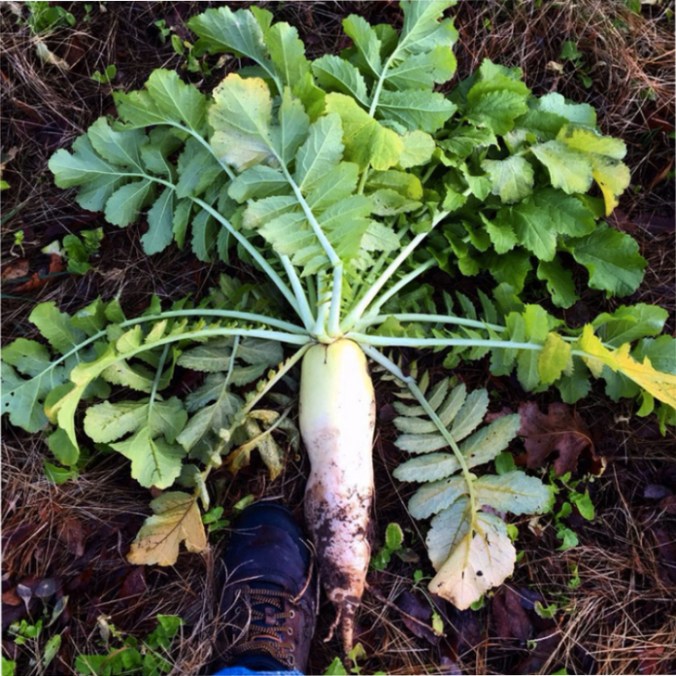
stl-radish-03_resize.jpg

Tillage radish is similar in shape, size, taste, and color to daikon radish. Image courtesy of MVVA.

Do not let the gloom, or the investigative questions of the day, get the better of you. Instead, back to the land. This radish brings a smile. Not least because its story comes via a publication I have just become aware of:

THE DRILLING RADISHES OF ST. LOUIS

Oilseed radish, or Raphanus sativus, goes by the name “tillage radish,” “radish ripper,” “fracking radish,” and the comic book-worthy “turbo radish.” It can reach its two-inch-wide taproots down six feet, breaking up compacted soil and rebalancing nutrient levels, and is commonly put to work as a cover crop in agricultural fields. Continue reading

Lion Lost, Los Angeles

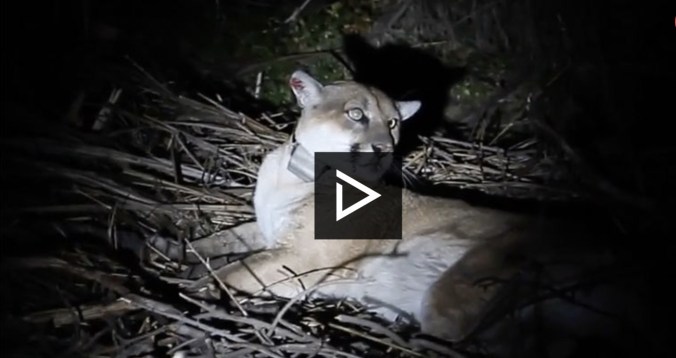
Puma2.jpg

In case you did not see it yesterday, take a look at this when you have the time to read it in full. For now, over a quick coffee, click the image above to go to a video, 5:30 minutes long, to understand what the National Park Service is doing on behalf of this majestic lost cat:

The carnivore biologist Jeff Sikich captures and examines a mountain lion in the Santa Monica Mountains. Courtesy National Park Service

Centennial Portraiture

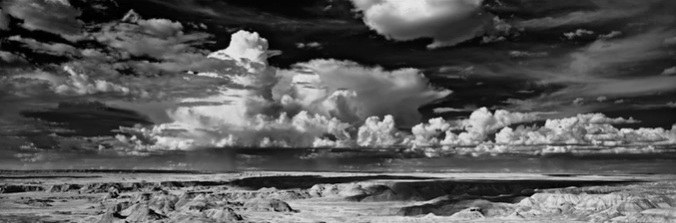
Painted Desert by Cody Brothers

Since August this year a multitude of events have occurred to honor the 100th birthday of the U.S. National Park Service. Aside from the obviously wonderful wilderness experiences available in the country’s 58 parks, as well as our own National Park of the Week series on this site, there are cultural events that highlight the beauty and history of the amazing achievement that is the preservation of our national patrimony for future generations.

Photographers have documented the landscapes of our national parks from the moment the technology made it possible, and the haunting beauty of the panoramas draw artists, explorers and dreamers still.

National Endowment for the Arts grant recipient Cody Brothers is all three. Continue reading