Our Landfill Contribution


asset4

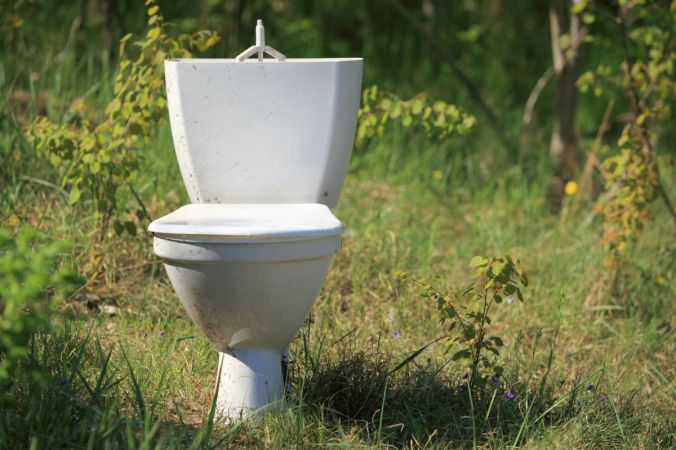
The diagram above provides a clear illustration of the amount of waste each person contributes to the landfill per year in the U.S. It is a regrettable outcome that results from decades of unresponsive national policies and unsustainable urban development, but can be remedied with a multilateral shift towards a circular economy, according to Nithin Coca, journalist for Triple Pundit LLC.

One of the reasons that America went down the path of throw-it-away is related to the reason we decided to build vast suburbs instead of dense, sustainable, walkable cities. We have a lot of land compared to most other developed countries. The same space we used to build suburbs, roads and an auto-centric culture, we also used to hide our waste as we moved into a throw-away economy.
Continue reading

An Alternative Sustainable Fertilizer

poopstory_hero2

Source: modernfarmer.com

There is no clean way to say this but…sewage sludge might just be the next thing to help grow the produce you consume. A recent study published in the journal Frontiers in Nutrition states that thermally conditioned sewage sludge could replace commercial chemical fertilizer as a sustainable option for improving soil properties. The greatest advantage of this alternative fertilizer is that it re-uses essential and finite phosphorus resources, which are commonly sourced from non-renewable phosphate rocks.

Sewage sludge is now a readily available substitute of commercial fertilizers in agriculture due to technological improvements that have increased the phosphorus content of it. Therefore, Andry Andriamananjara from the University of Antananarivo (Madagascar), along with his colleagues, decided to assess its effectiveness using a phosphorus radiotracer technique to measure the availability of phosphorus for plants in thermally conditioned sewage sludge.

Continue reading

Nature’s Waste Management Powerhouse

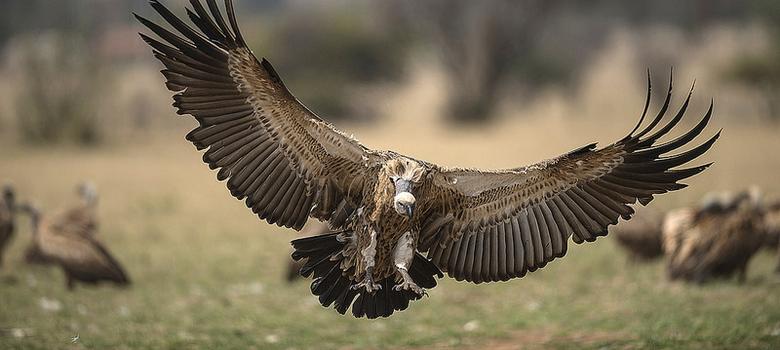
69% of vulture and condor species are listed as threatened or near-threatened, most of which are classed as “endangered” or “critically endangered”.

69% of vulture and condor species are listed as threatened or near-threatened, most of which are classed as “endangered” or “critically endangered”. PHOTO: Mujahid Safodien

Vultures play an important role in the ecosystem by consuming animal carcasses, which helps prevent the spread of disease. The cinereous vulture (Aegypius monachus), the largest bird of prey is distributed throughout Eurasia and is an iconic bird in the Far East. Its population is estimated to number 7,200–10,000 pairs globally, with 5,500–8,000 pairs residing in Asia. Over the past two centuries, its numbers have declined across most of its range leading to this species being classified as ‘near threatened’ on the International Union for Conservation of Nature (IUCN) Red List.

Continue reading

Is Tapping Urban Wastewater the Answer?

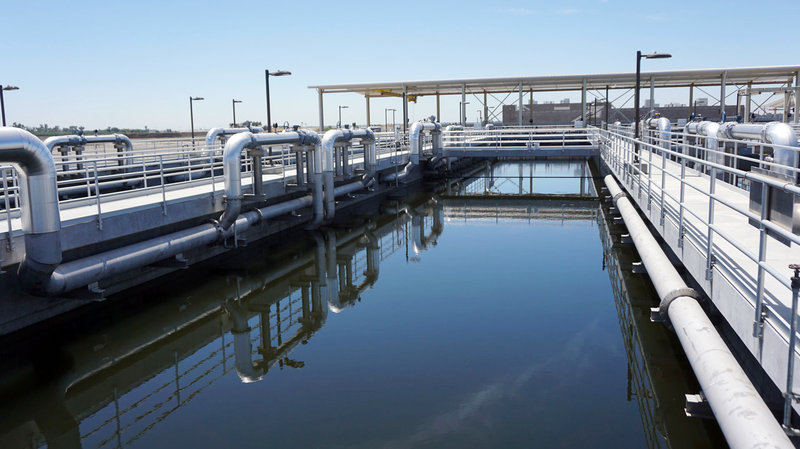
The city of Modesto's wastewater treatment plant could supply millions of gallons of water to local farmers in California. PHOTO: Lauren Sommer

The city of Modesto’s wastewater treatment plant could supply millions of gallons of water to local farmers in California. PHOTO: Lauren Sommer

Many California farmers are in a tight spot this summer, because their normal water supplies have dried up with the state’s extreme drought. In the state’s Central Valley, that’s driving some farmers to get creative: They’re looking at buying water from cities — not freshwater, but water that’s already gone down the drain.

Continue reading