An American Soldier, World War, and India

photo

28 years ago, a Chicago-based couple found a shoebox of photographs of the Indian countryside and they traveled halfway across the world to find their origin. PHOTO: Scroll

Here’s the plot: In 1988, a couple visited an estate sale of a deceased friend and stumbled upon a shoebox of old photographs tucked under a couch. It contained more than a hundred envelopes filled with negatives and contact sheets for photographs depicting India in 1945. The identity of the photographer: unknown.

But only until they set out to discover the man behind the lens. The answer (and the photographs) hang at Delhi’s Indira Gandhi National Centre for the Arts till January 31.
Continue reading

The Post Office and World War

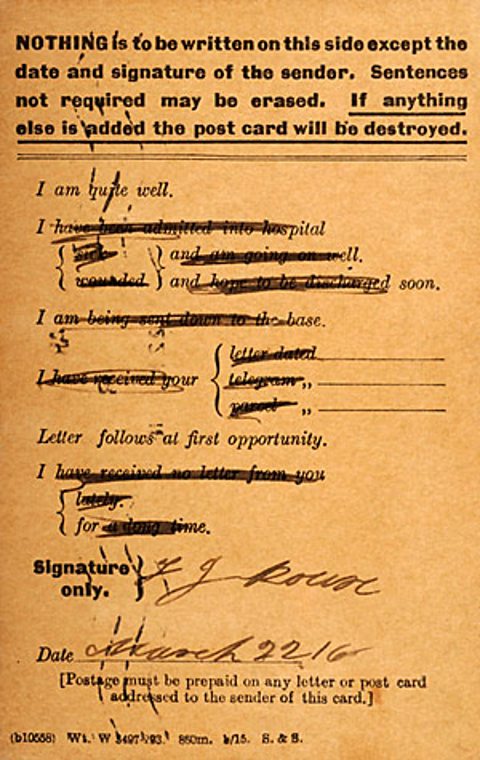
A completed field postcard, posted on 22 March 1916. PHOTO: BBC

A completed field postcard, posted on 22 March 1916. PHOTO: BBC

When was the last time you put paper to pen and saw your writing come to life? The last time you held a piece of card so small but held news and feelings from across seven seas? Writing and receiving mail is quite the experience, all the more now in the age of keypads and instant messages. It was important, too. Like in the time of the World War. When the mail was recognized as the biggest tool of maintaining morale.

BBC brings some interesting facets:

The most effective weapon used during World War One wasn’t the shell or the tank, it was morale. The British Army believed that it was crucial to an allied victory, and it looked to the Post Office for help.

The delivery of post was vital for two reasons. Firstly, receiving well wishes and gifts from home was one of the few comforts a soldier had on the Western Front. The majority of them spent more time fighting boredom than they did the enemy, and writing was one of the few hobbies available to them. For some, it was a welcome distraction from the horrors of the trenches.

Secondly, letters served a propaganda purpose as everything that soldiers sent back was subject to censorship. The British Army claimed this was to prevent the enemy finding out secret information, but really it was to prevent bad news from reaching the home front. Letters from serving soldiers had a powerful role, not just in keeping families informed of the well-being of their loved ones; they also helped to sustain popular support for the war across the home front. Nothing could be allowed to jeopardise that.

Continue reading

The Japanese Women Who Married the ‘Enemy’

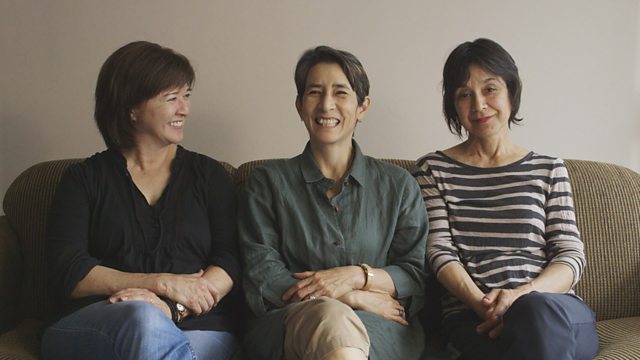
Atsuko, Emiko and Hiroko were among tens of thousands of Japanese women who married their former enemies after World War II. They landed in 1950s America knowing no one, speaking little English and often moving in with stunned in-laws.  PHOTO: BBC

Atsuko, Emiko and Hiroko were among tens of thousands of Japanese women who married their former enemies after World War II. They landed in 1950s America knowing no one, speaking little English and often moving in with stunned in-laws. PHOTO: BBC

What does it mean to leave your country, where you were somebody, and move miles to a continent you’d only heard of? A country where you’d be a ‘nobody’. Not knowing whether the decision to say ‘yes’ to a former enemy was right. Struggling for words that help start a conversation. Being told not to wear the one piece of cloth your identity hinges upon? And years of trying to fit in, juggling two distinct identities? Listen to the Japanese War brides as they tell their story on BBC this week. 

For 21-year-old Hiroko Tolbert, meeting her husband’s parents for the first time after she had travelled to America in 1951 was a chance to make a good impression. She picked her favourite kimono for the train journey to upstate New York, where she had heard everyone had beautiful clothes and beautiful homes.

But rather than being impressed, the family was horrified. “My in-laws wanted me to change. They wanted me in Western clothes. So did my husband. So I went upstairs and put on something else, and the kimono was put away for many years,” she says.

Continue reading