© BBC
Writing for the BBC Earth section, Colin Barras explores “how the ‘art of killing’ changed the world.” Did multicellular organisms arise because single-celled ones were too easily attacked? Did skeletons evolve primarily as protection against predators? And, maybe the hardest question to answer with certainty: did animals move from water to land because it would be easier to avoid getting eaten? Read the excerpted introduction below and follow the link to learn about these theories and others from Barras.
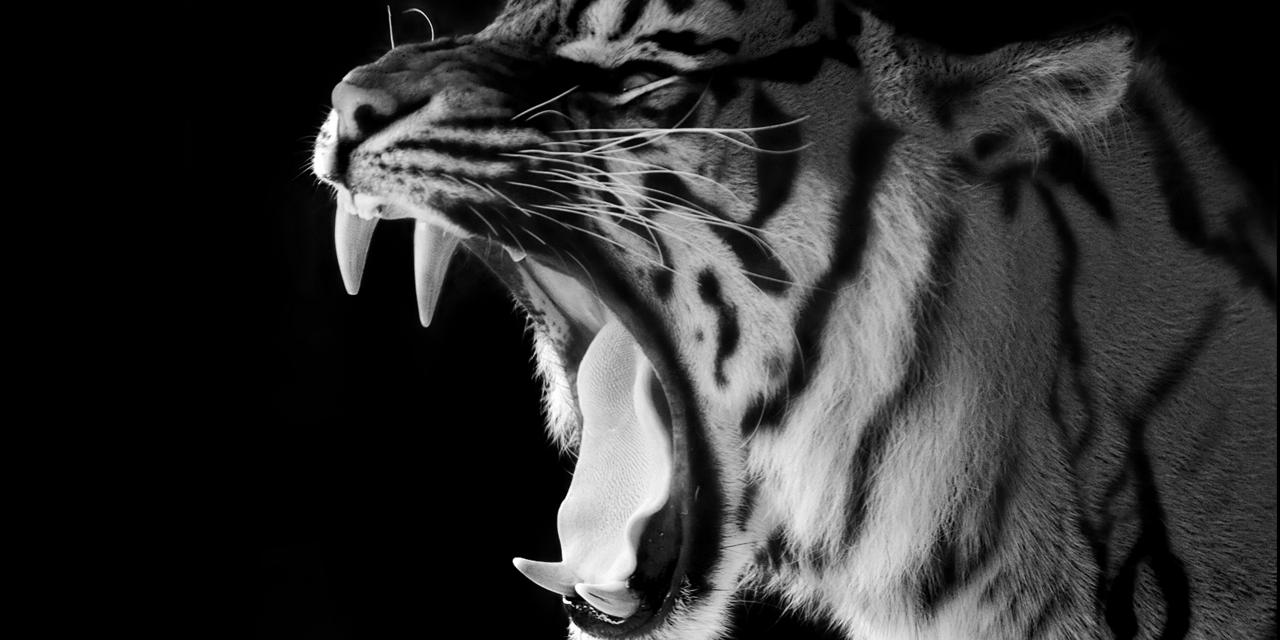
If you’ve ever seen a lion or a polar bear on the hunt, you know how powerful predators can be. Life may well have been troubled by these killer species since its very beginning, over 3.5 billion years ago, and they have wrought untold death and destruction. As a result they get a bad press: even the word “predator” stems from the Latin term to rob or plunder. Small wonder that, when people imagine paradise, it normally doesn’t have any predators in it.
But this reputation misses something important: out of predatory destruction, constructive things can emerge. Predators may have played a big role in many of the biggest leaps forward in the history of life, from the origin of animals to the evolution of skeletons. Predation may even have helped shape the evolution of humanity itself, driving us to become ever more intelligent.
These ideas are inherently difficult to prove, because we are talking about changes that took place in ancient ecosystems that no longer exist. Researchers can and do legitimately quibble with most of these notions. But whenever biologists try to explain big leaps forward in evolution, predators emerge as a possible factor. That might well be more than just coincidence. It may be that what does kill you makes you stronger – and bigger, better defended, and more intelligent.
Click here to read the original article: December 15th, 2014
 Organikos