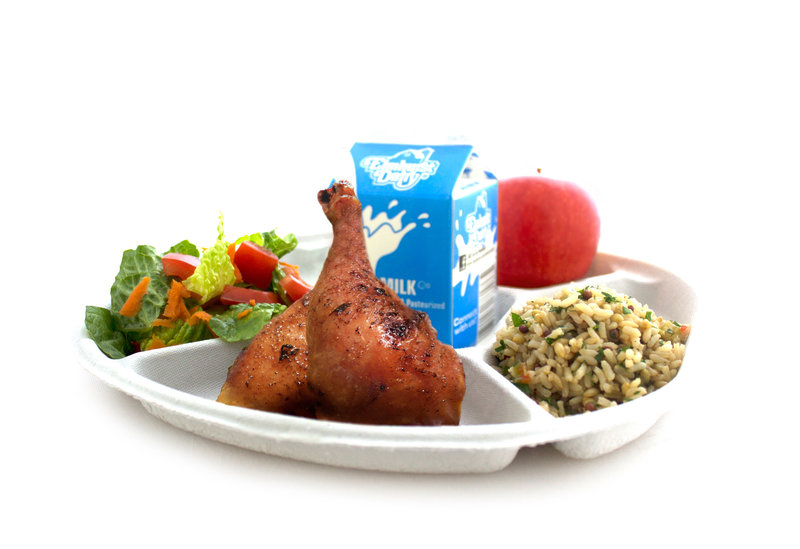
Polystyrene lunch plates are being shown the door in some US cities. PHOTO: NRDC
New York, Los Angeles, Chicago, Miami, Orlando, and Dallas. Six cities. 4,536 schools. 2,848,000 students enrolled. 469,000,000 meals served annually. And one organisation that unites them all and its plans to combine purchasing power and coordinate menu creation and food service in schools. Meet the Urban School Food Alliance. And here’s their latest idea: ditching polystyrene lunch trays and replacing them with compostable lunch plates. It’s a significant move since all together, the schools in the Alliance serve up 2.5 million meals a day.
But what’s most revolutionary about these new plates is what they’re made of. The polystyrene used in traditional lunch trays is a petroleum-based plastic that won’t break down for hundreds of years. When the trays end up in landfills — and 225 million of them do every year — they leech pollutants into the water and air, according to the group. The new plates, by comparison, are made of recycled newsprint and can break down within a matter of weeks in commercial composting facilities. They’re also only a tiny bit more expensive, at $0.049 apiece compared with $.04 apiece for the plastic trays.
Over the environmental aspect, there’s the opportunity to catch ’em young. The chance to tell kids early on, without having them open textbooks, that their actions matter; whether they waste food or trash their plates in bins marked for recyclable materials. There’s also the onus on having an effective composting mechanism in place to recycle these plates and other resources.
The thing is, not all the cities in the Alliance can actually compost their schools’ new plates just yet. Los Angeles and New York have municipal composting, but the other four cities lack plants that turn organic waste into soil. None of them have biodigestors, which turn compostable waste into natural gas that can be used as fuel, either.
Read more of this plate to compost story here. Do give the comments a quick read for some interesting takes on how this effort plates up.
 Organikos
A brilliant way to reuse materials.