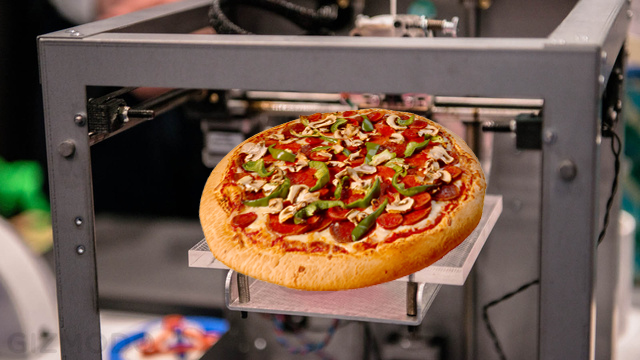
What is 3D printing’s effect on fine dining? PHOTO: Shiftgig
What connects information and software to cooking? 3D printers. Though still finding a fan base among top chefs, the technology is poised to redefine the fine world of fine dining. For now the mechanism is nascent, it takes multiple materials to ‘print’ one dish and its newness is a put-off but it’s also stirring up some interesting innovations in the culinary world. No, not a la carte.
In a four part series, Forbes examines how 3D printing will affect the future of fine dining. The first part explores the current state of 3D food printing and whether it’s ready for use in fine dining restaurants. The second part, How 3D Printing Will Elevate Luxury Dining, will explore the ways in which 3D printing affects the fine dining experience. The third part, If Fine Dining Can Be Printed, Is it Still Luxurious?, will explore whether using the technology would make fine dining more or less exclusive. And the last part, How 3D Printing Will Change the Luxury Dining Business?, will look into 3D printing’s influence on the business of fine dining.
For the first time, the 3D Printshow 2015 in London saw Michelin-starred Chef Mateo Blanch from La Boscana, Spain creating the first 3D printed, 5-course meal on May 21 to 23. The lunch and dinner menu included a starter snack of caviar cookies with lemon and strawberries, followed by hummus and a dish of guacamole. The main course consists of a choice between a Framed octopus (a dish of octopus with potatoes as the frame) and a Caprese pasta with basilicum and pesto. As for dessert, there was a Carpaccio Target (a strawberry and jelly carpaccio), and Chocolate calling London (a dish featuring the word “London” printed in chocolate).
To many people, the idea of food printing seems quick, but it took Hoff and the organizers at the 3D Printshow between ten minutes to an hour in printing each course. To create Blanch’s 3D printed meals, the team of By Flow began by developing a paste extruder with food safe syringes that can print silicon and edible materials. A food designer then converts the chef’s idea into a 3D model by drawing the symbol. What follows is the most challenging step when the chef made the food thick enough to remain afloat after printing, yet thin enough to go through a needle of 1.6mm by adding sugar agar (a gelatinous material derived from certain marine algae). After a few tests, the organizers adapted the printer speed to process the material.
Follow the series here.
 Organikos