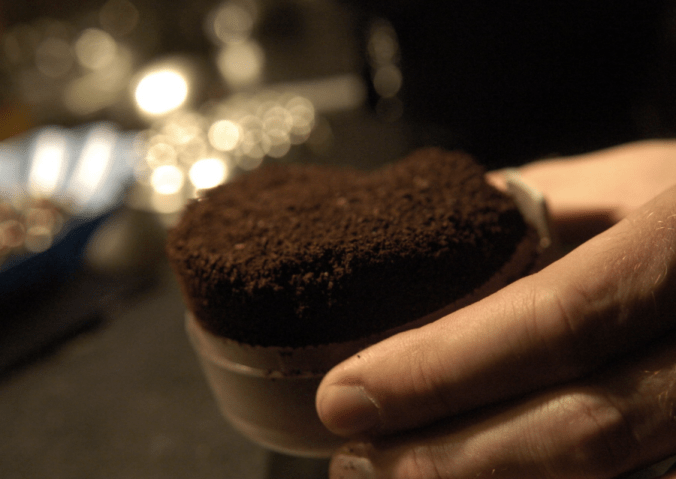
Researchers are experimenting with using used coffee grounds to filter pollutants out of water. Credit RJ Sangosti/The Denver Post via Getty Images
Coffee lovers that we are, it’s amazing that we almost missed this piece of news…
Each year, coffee manufacturers, restaurants, cafes and home brewers worldwide produce about six billion tons of coffee waste… If not rotting in a dump or fertilizing a garden, the grounds end up in animal feed and biofuels.
But researchers in Italy have found a new home for the stinky old coffee bits — by infusing them into a porous foam that removes heavy metals from polluted water, according to a study published this month in ACS Sustainable Chemistry and Engineering.
“We use a lot of coffee here in Italy,” said Despina Fragouli, the author of the study and a materials scientist at the Istituto Italiano di Tecnologia. She and her team develop new compounds from agricultural waste — like turning cacao husks into a material for preserving and packaging food.
Naturally, they wondered “What about coffee?”
It turns out, coffee is made of chemical components that are really good at trapping heavy metals like mercury and lead, which are common water pollutants, and poisonous in high or sustained doses. Previously, other researchers used coffee as a powder to remove lead from drinking water, but getting the powder out afterward wasn’t easy.
By integrating coffee powder into a foam, Dr. Fragouli’s team is offering a possible solution, although the method has yet to be perfected for everyday, practical uses.
Read the entire article here.
 Organikos
Reblogged this on msamba.