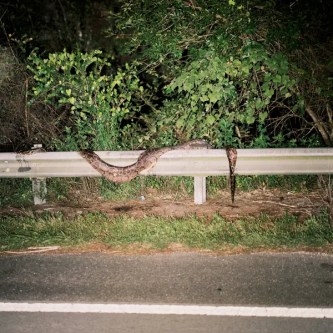
A Burmese python that was hit by a car. Zack Wittman for The New York Times
Nearly 12 years to the day since the first spectacular article we read on invasive species, we still watch for these stories. When it is invasive-hunting season, we take notice when new initiatives are announced:
Her Livelihood? Hunting Pythons in the Dead of Night.
Amy Siewe teaches people how to find and euthanize invasive Burmese pythons, which have been so successful at adapting to Florida that they appear here to stay.
On a clothing rack in Ms. Siewe’s living room are a dozen of skins, dyed deep hues by a tannery that helps her make python-leather products, including Apple Watch bands. Zack Wittman for The New York Times
An unexpected chill can fall over the Florida Everglades late at night. Stars speckle the sky. Frogs croak and croak, their mating calls echoing in the air.
It is all peace and wonder until you remember why you are out at this hour, on the flatbed of a pickup truck outfitted with spotlights, trying to find invasive creatures lurking in the shadows.
A python hunt might evoke images of hunters trudging through swamps and wresting reptiles out of the mud. In reality, it involves cruising the lonely roads that traverse the Everglades in S.U.V.s, hoping for a glimpse of a giant snake. It is strange work, straining on the eyes, brutal on the sleep schedule.
Python hunters love it.
“The thrill of it is amazing,” Amy Siewe said from her Ford F-150. “I absolutely hate that we have to kill them.”
Over the past decade, Florida has organized six state-sponsored competitions to raise awareness and reward hunters who catch and humanely kill the most Burmese pythons, the scourge of the beloved Everglades. Firearms are not allowed; air guns and captive bolt pistols are.
The annual contests, held over 10 days in August, have the feel of a reality TV show, with hundreds of people looking for their five minutes of fame and jockeying for the best spots to find the snakes.
This year’s Python Challenge drew 1,035 hunters and netted 209 pythons. The winner caught 20 snakes and received $10,000; Ms. Siewe won a prize for catching a python that measured 10 feet, 9 inches.
State agencies pay about 100 contractors to keep hunting throughout the year, giving them access to levees that are closer to the man-made canals running through the Everglades — closer to the snakes. Since 2000, more than 19,000 pythons have been removed from the Florida outdoors, a little more than two-thirds of those by contracted “python removal agents,” according to the Florida Fish and Wildlife Conservation Commission.
The program, which began in 2017, is not especially lucrative, paying up to $18 an hour, plus $50 per foot for the first four feet of snake and $25 for each subsequent foot. Remove a python nest? $200…

Read the whole article here.
 Organikos