Some pieces of art are so iconic and powerful it is difficult to imagine any interpretation or alteration that wouldn’t result in angry outcries. (The cleaning of the Sistine Chapel ceilings is a case in point.) The piece below, created by Greek artist Petros Vrellis successfully balances reverence and imagination.
Author: Amie Inman
Lessons Of The Road

I recently wrote about India’s pithy little roadside instructions with the promise of photos to come. My last drive to Thekkady was on an unusually traffic free day, so it seemed safe enough to pull over and finally get my shots.
Feathered Finery
I am constantly amazed by the number of artists who find inspiration from the world of ornithology. Whether crafted with bits of bauble, tufts of fabric or a steady, painterly hand, birds have attracted the artistic imagination since mankind had tools to immortalize it.
Working with handmade clay, paper and paint, this “birdophile” artist who works under the name “Dou Dou” (the French term for a child’s “lovey”, or something that is most cherished) makes no secret of her feelings for the world’s feathered creatures. Continue reading
Bright Ideas

Ingenuity can go a long way in meeting people’s essential needs with the simplest of materials.
The recipe: Start with students from the Massachusetts Institute of Technology (MIT), add basic materials destined for dumps and landfills around the world, mix with filtered water and bleach, install, expose to sunlight. And voilà!–a light that will last for 10 years!
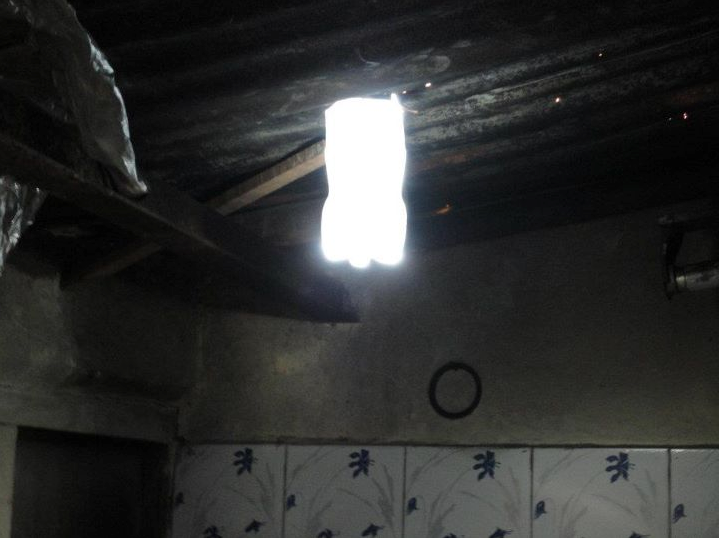
The Solar Bottle Bulb is based on the principles of Appropriate Technologies – a concept that provides simple and easily replicable technologies that address basic needs in developing communities.
Collective Memory

Woodpecker specimens, Ornithology Department, Harvard Museum of Comparative Zoology
When the oldest birding group in the U.S. gets together woodpeckers and their historical significance among endangered bird species are often the order of the day. The Nuttall Ornithology Club held one of their last meetings of 2011 at the Harvard Museum of Comparative Zoology, excitedly taking advantage of such a rich resource that includes specimens that have both ornithological and historical value.
The Nuttall club goes way beyond the garden variety birding group. Qualification for membership includes examples of ornithological scholarly publication, education, research and conservation efforts. Roger Tory Peterson, (of guidebook fame) is an example of the group’s “high bar”.
What The Sea Provides
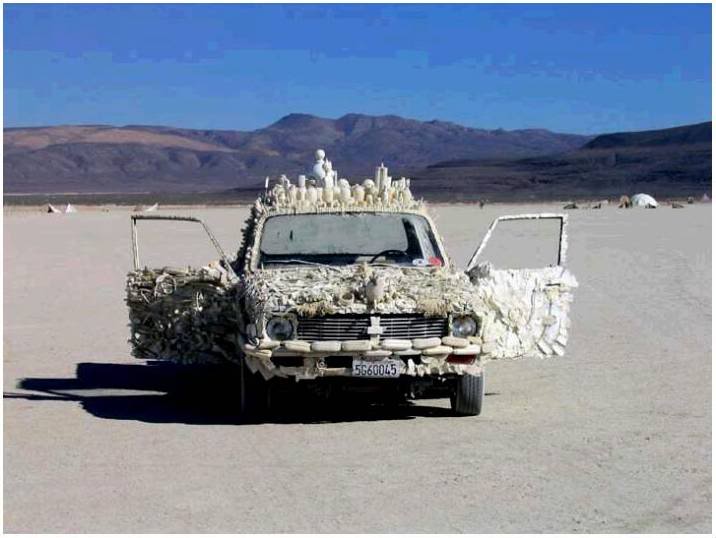 For over a decade Judith Selby Lang and Richard Lang have been scouring their stretch of Kehoe Beach along Northern California’s Point Reyes National Seashore. Far from the classic beach comber either in search of drift wood or with metal detector in hand, the eyes of this artist couple are caught by the most pedestrian of materials: plastic.
Continue reading
Trumpeting Her Task
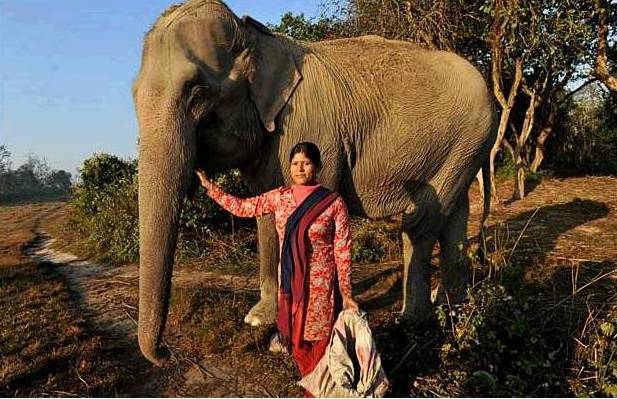
Meena Chaudhary, Nepal's first female Mahout (Photograph by: PRAKASH MATHEMA, Getty Images)
We’ve written about these most charismatic of animals on this site before, as well as the typical scenario of those charged with their care in this part of the world, but this new “gender barrier” shift is too noteworthy to pass over.
The Nepalese government’s recent program to get more women into public sector jobs has extended even into the most masculine of bastions, the mahout. The traditional practice has been for a boy to be introduced to “his” elephant in childhood and they grow up together. But this conservative, primarily Hindu country is making an official effort to give women a literal leg up. Continue reading
Haiku and Homilies

From New York to Paris to Bombay, navigating city streets can be a challenging choreography between bipeds, bicycles and motorized vehicles. In places like India that dance expands to include the more than occasional quadruped as well.
We’ve written about driving in India on several other occasions, and to mitigate the apparent chaos the Indian Government has a program of sometimes rhyming, often droll, road signs that include little “ditties” such as:
Speed Thrills But Kills
Impatient on the Road, Patient in the Hospital
Safety On Road; Safe Tea At Home!
Reach Home In Peace, Not In Pieces!
Just So
First Edition 1864
Now Rann the Kite brings home the night
That Mang the Bat sets free–
The herds are shut in byre and hut
For loosed till dawn are we.
This is the hour of pride and power,
Talon and tusk and claw.
Oh, hear the call!–Good hunting all
That keep the Jungle Law!
“Night-Song in Jungle” by Rudyard Kipling
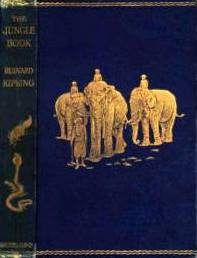
In the world of literature we associate Rudyard Kipling first and foremost with India, although in reality he only spent about 12 years of his life here. Born December 30th 1865 in Bombay to English parents, he spent his very early childhood there before returning to England at the age of 5. In his mid-teens he returned to India and spent an additional 6 and half years working as an editor in Punjab. Despite living the majority of his life elsewhere (England and the United States), India and his self-identification as an “Anglo-Indian” defines much of Kipling’s work.
The Jungle Book first appeared in serialized versions but was eventually published in 1894 under one cover, with illustrations by Kipling’s father, John Lockwood Kipling. The Jungle Book and the Just So Stories still remain among Kipling’s most beloved works. Continue reading
Any Given Christmas

While the paper Christmas stars of Kerala are often just cheerful adornments to a rooftop, shopfront or hanging eave, there are also an entire range of much larger, homemade stars. Ranging in size from large to gargantuan, they are meant to convey messages from simple well wishes to the deepest ideologies…. Continue reading
Kerala’s Stars
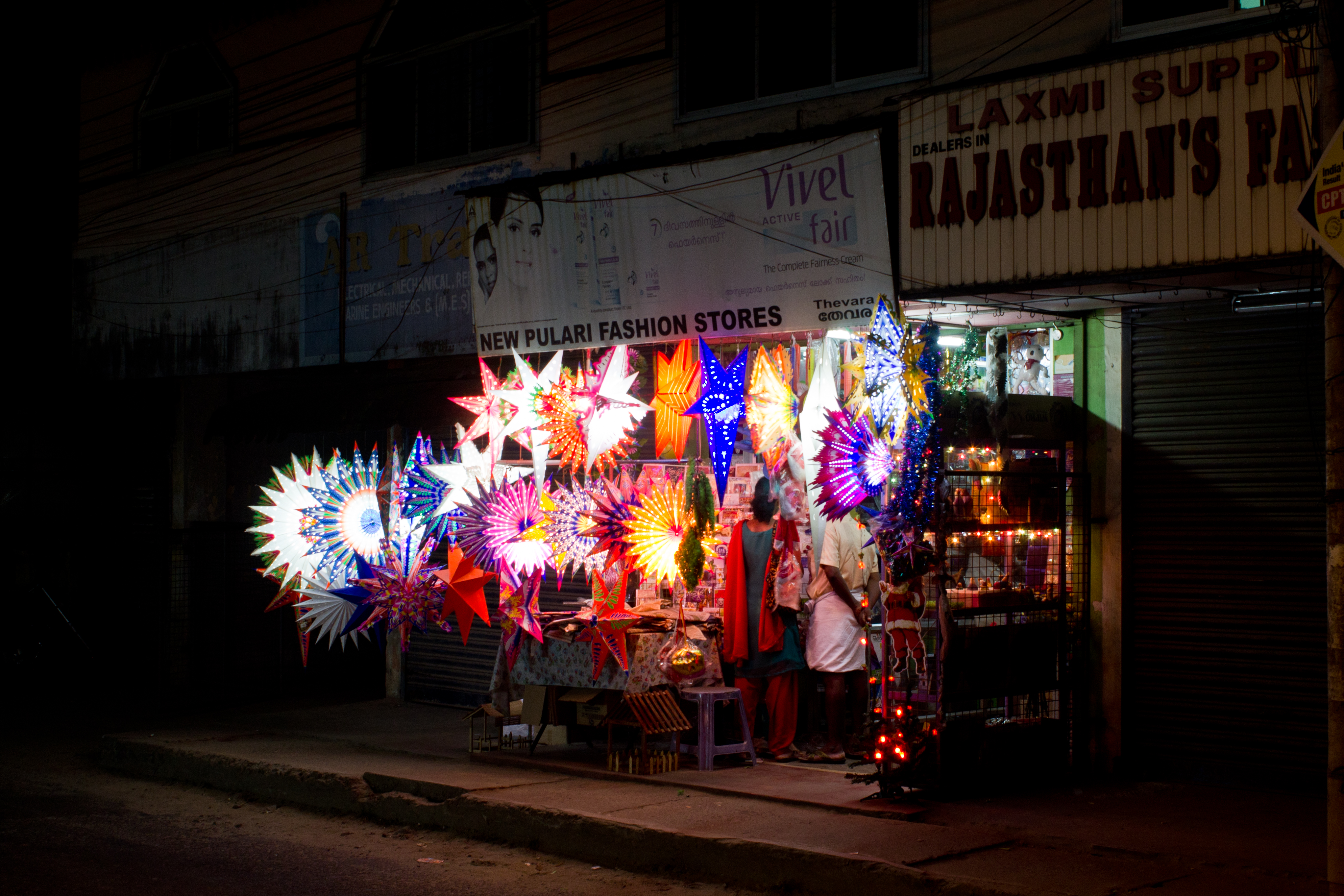
The colorful stars that begin to grace Kerala buildings in December from homes, to businesses, to places of worship have humble beginnings despite their current flashy status. The were originally a simple white 7 point star that correlated with the beacon leading to the Christmas manger.
Many of these folded and cut paper stars are the handiwork of a group of women in a fishing villages around the southern Kerala city of Kollam. Continue reading
The Buzz
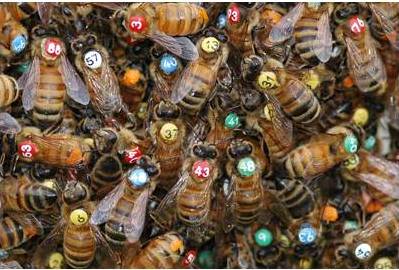
Bee swarm labeled for individual identification. Photo:Thomas Seeley
Cornell professor and chair of neurobiology and behavior Thomas Seeley has been fascinated with bees for much of his life. His new book Honeybee Democracy (Princeton University Press) steps way beyond entomology and apiculture by suggesting the swarming habits of Apis melllifera in decision making as “analogous to how the nervous system works in complex brains.” Continue reading
Brave New Worlds
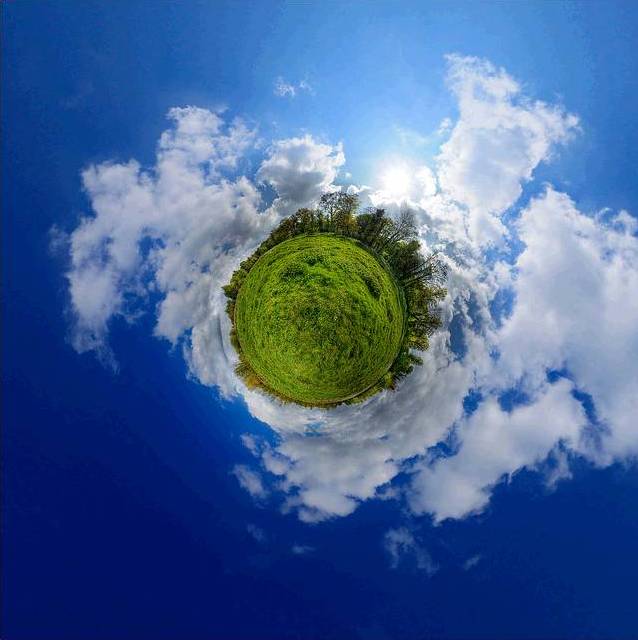
Rob Whitworth, Whitlingham Meadow
O brave new world, That has such people in’t!
William Shakespeare, The Tempest, Act V, scene I
Snow Angels
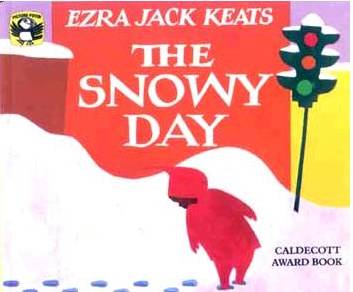
It says a lot when a children’s book reaches the “ripe old” age of 50 while still remaining universally popular. The Snowy Day by Ezra Jack Keats is such a one. Winner of the Caldecott Medal for the year’s most distinguished American picture book, the title was ground breaking despite its simplicity. Through the use of colorful, textured illustrations and an unaffected story line, the book “changed the face of children’s books” by featuring a little black boy in a manner neither condescending nor provocative; He was merely a little boy. Continue reading
Going With The Flow

Anyone who has ever driven (or been driven) in India knows well the experience of chaotic flow that can be overwhelming to a newcomer. When we first arrived here some 18 months ago I was given the helpful advice to “just look to the side”. The experience is unsettling in a variety of ways: firstly, unless you hail from either Japan, or one of the “Commonwealth Countries” your vehicle is on the “wrong” side of the road. But secondly (and umpteenthly) your vehicle, and all the neighboring vehicles are on every side of the road. Continue reading
Flourishing Fynbos
Although it may seem counterproductive to conservation, there are quite a few plant and tree species that require the heat of fire to allow their seeds to germinate. The Lodgepole Pine is one such example, where the heat of the fire burns off the resin that normally seals the seed laden cones.
The South African Fynbos is another. Continue reading
Many Streams’ Desires
Usually with animation the charm is in the execution… Here the Hungarian poem is also hauntingly beautiful.
Forbidden Fruit
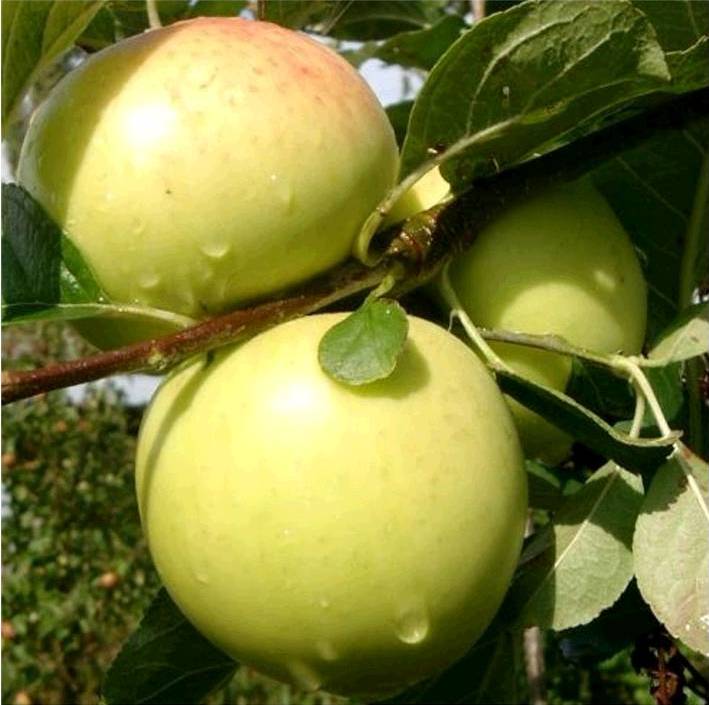
Second only to bananas, apples are one of the most popular fruits in many parts of the world. Yet when domesticated and planted in monoculture production, they run the risk of falling into the same trap as their “homecoming king” cousins, i.e. susceptibility to pests that requires a great deal of chemical hand holding.
A member of the rose family, there are believed to be 7,500 cultivars of Malus domestica, stemming from their original Western Asian ancestors. In fact, the apple is believed to be the earliest tree to be cultivated, beginning in what is now southern Kazakhstan and eastern Turkey. The fruit has played a staring role in mythology and folk tales, from the Greeks to the Germanic and northern European cultures, and finally taking center stage in Renaissance depictions of Biblical lore in the 15th Century CE. Continue reading
Culinary Landscapes
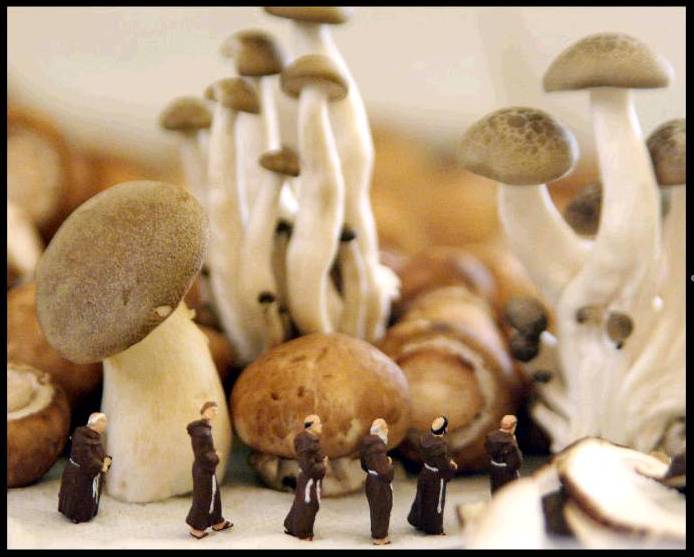
In this season of Thanksgiving and other food focused festivals, it seemed appropriate to highlight the artist Matthew Carden. He and his wife Jennifer Carden clearly have a loving relationship with food that doesn’t take itself too seriously. Continue reading
Replete With Thankfulness
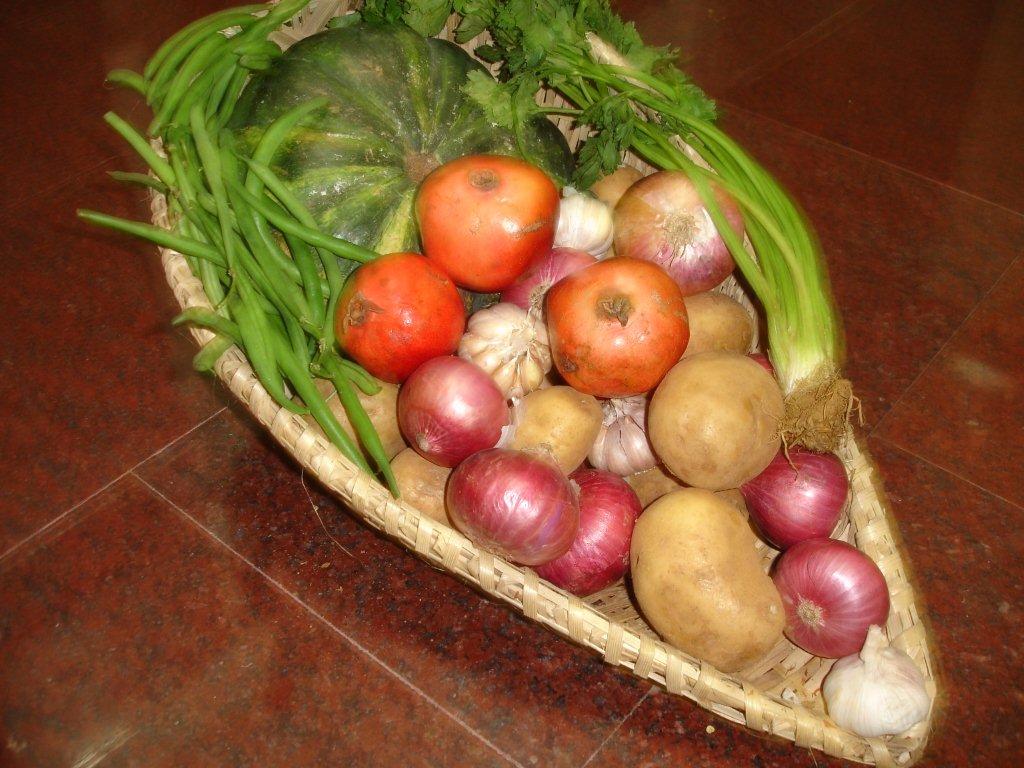
This morning at 8am, India Standard Time, our Thanksgiving turkey arrived at our flat. With a little help from friends it was surprisingly easy to come by. Unlike chickens, which can be seen running around every yard or patch of untended land, or ducks, which are pretty ubiquitous in Kerala’s watery byways, turkeys are just not that common here in India. So when I saw a few milling around someone’s yard while Milo and I were kayaking on the backwaters some time back I just had to ask our friend (who happens to own the neighboring property) to see if they might sell one to me. The rest is history, as they say. Continue reading
 Organikos