Flights of Fancy

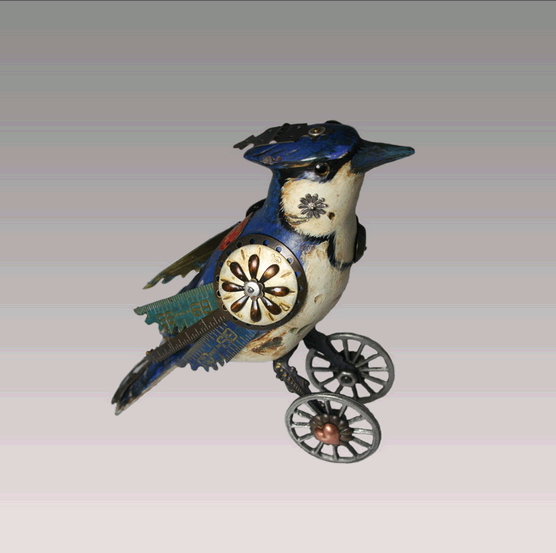
Blue Jay on Wheels by Mullanium

Sometimes I wonder whether the attraction to birds is universal.  Based on bird watcher statistics I would lean toward a “yes”.  Is it the colorful plumage that so attracts us?  The cheery tweets and chatters?  The flamboyant beaks, wattles, crests and tails?  Or is it just that anthropomorphically curious tilt of the head? Continue reading

The Meditative Power of Blue

Color theories have abounded since the time of the Greek philosophers.  Whether through the use of adjectives (cool, warm, soothing, exciting),  metaphor (green with envy) or similes  (green as grass) different parts of the spectrum have been awarded a range of emotional and descriptive attributes. Continue reading

Small Scale

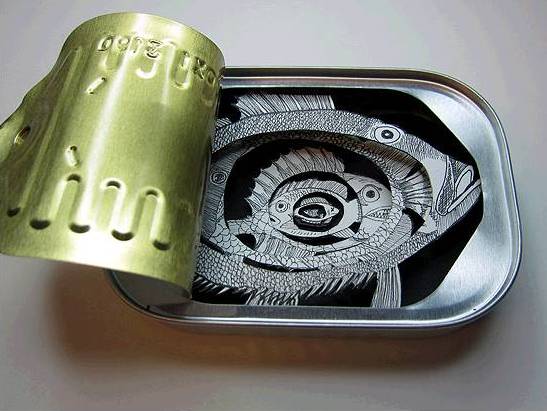
Like a Fish Needs a Bicycle, Jim Doran

When I recently came across the artist/web designer Jim Doran’s work my mind began to swim with connections. In a world where resources, whether our land or our seas, are becoming more and more precious, the more we need to give free rein to our imaginations.  In other words, rarely are solutions found within the status quo. Continue reading

The Colorful Point

Despite the innumerable benefits of living abroad and the rich experience of new foods, cultures and lifestyles, the thrill of a gift box from family cannot be described.  As time passes the requests have changed, but the comfort foods of Girl Scout cookies and organic macaroni and cheese still count for something to the teenager in our family.

The snap shot above shows the range of contents in a recent box. Continue reading

“Taste”: Naturally Selected

The arts in all their glory are no more remote from the evolved features of the human mind and personality than an oak is remote from the soil and subterranean waters that nurture and sustain it. The evolution of Homo sapiens in the past million years is not just a history of how we came to have acute color vision, a taste for sweets, and an upright gait.  It is also a story of how we became a species obsessed with creating artistic experiences with which to amuse, shock, titillate, and enrapture ourselves, from children’s games to the quartets of Beethoven, from firelit caves to the continuous worldwide glow of television screens.

—Denis Dutton

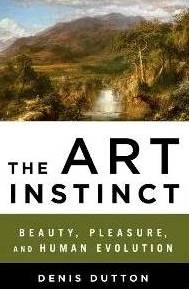
The late philosophy professor, editor, writer (and occasional provocateur) Denis Dutton spent a great deal of his professional life closing the gap between art and science. Continue reading

When Rhinos Fly…

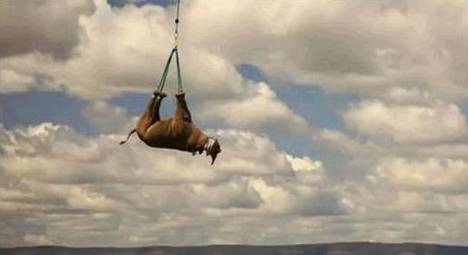
It’s a staggering realization that something that tips a scale upwards of 2 tons, can run up to 40 mph and appears as powerful as ordnance is considered vulnerable in any way.  Yet the confirmation that the Black Rhinoceros is officially extinct in West Africa says just that.

Continue reading

Rapt

This slideshow requires JavaScript.

Sometimes it takes another person’s perspective on a familiar place or object to see it in a new light–drawing an outline around a space highlights an additional dimension.  Be it a Parisian bridge that is crossed by thousands daily without a second’s thought, or pathways through Manhattan’s Central Park, both locations represent an aspect of the “heart of the city”. (For centuries, the Pont Neuf has literally been the heart of Paris, connecting the Île de la Cité with the left and right banks of the Seine, and the eponymous nature of Central Park requires little explanation.)

Continue reading

Sacred Trees

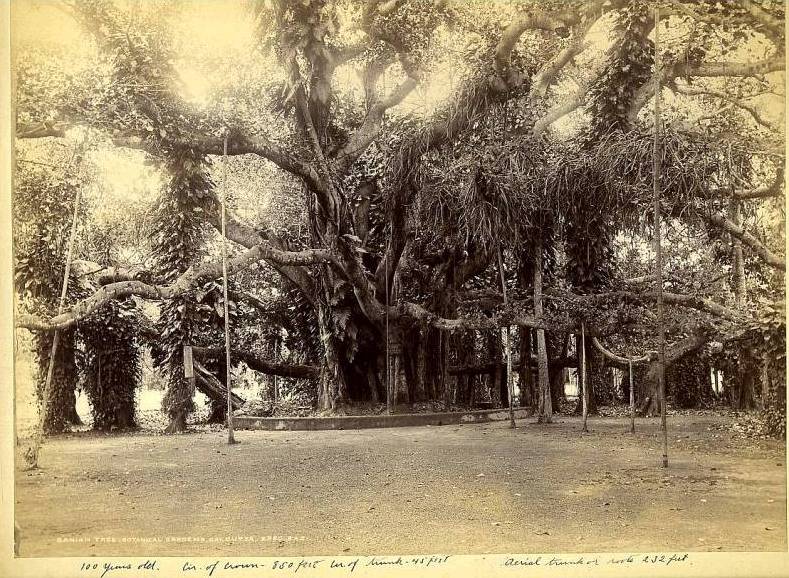
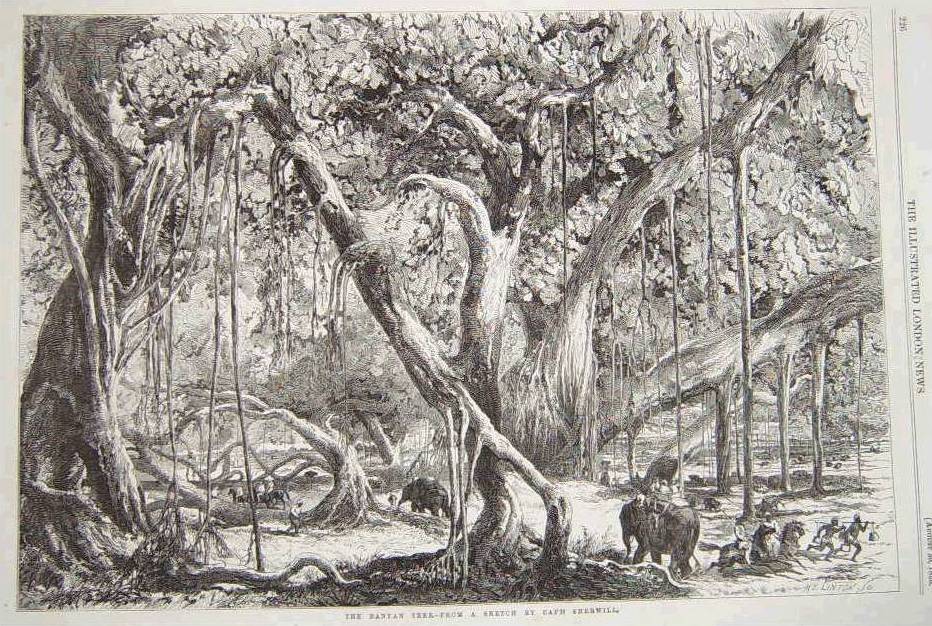
The fig-tree at this day to Indians known

In Malabar or Deccan, spreads her arms,

Branching so broad and long, that on the ground

The bended twigs take root, and daughters grow

About the mother tree, a pillar’d shade,

High over-arched and echoing walks between.

–John Milton, Paradise Lost

Continue reading

Artifacts

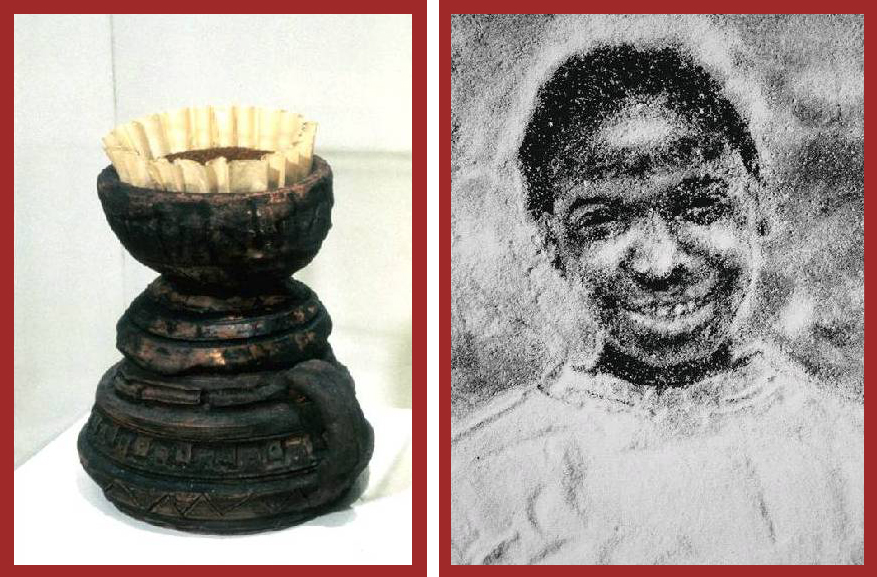
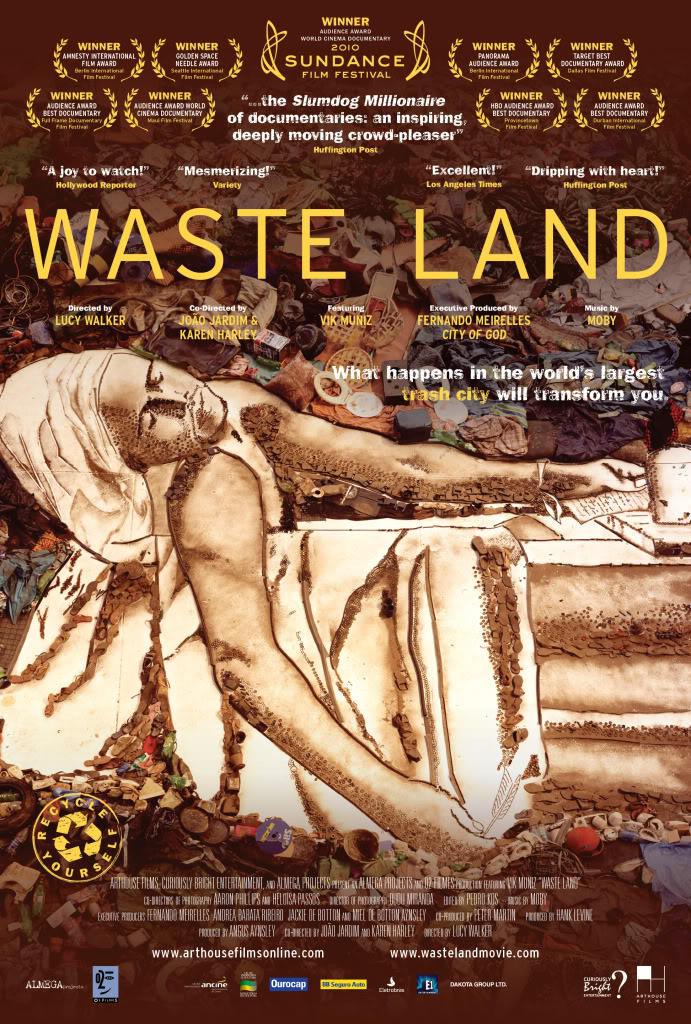
When I posted about the artist Vik Muniz a few days ago I wrote primarily about his collaborative film with director Lucy Walker. I feel I didn’t do justice to the general wit of his work.  Like fellow artists Chris Jordan and Mary Ellen Croteau,  Muniz is an ultimate recycler, but his “puckish” personality informs his work, both through his choice of medium (sugar to create shimmering portraits of the children of cane workers on St. Kitts) or visual jokes (Pre-Columbian drip coffee maker). Continue reading

Freeze Frame

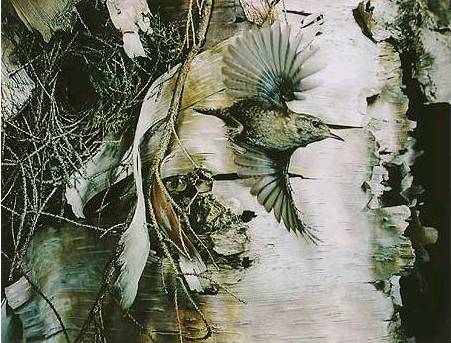
Eliot Porter Winter Wren, 1969 Amon Carter Museum Collection*

Sometimes it takes a scientific mind to re-calibrate the artistic eye.  Eliot Porter’s parents had instilled a love of nature and science in him from an early age, and he’d been photographing birds since received his first camera at the age of 10.  His training in medicine and as a chemical engineer didn’t dampen his interest, in fact he was among the first to bridge the gap between photography as a fine art and its foundations in technology and science. Continue reading

Don’t Blink

The beautiful thing about garbage is that it’s negative; it’s something that you don’t use anymore; it’s what you don’t want to see. So, if you are a visual artist, it becomes a very interesting material to work with because it’s the most nonvisual of materials.  You are working with something that you usually try to hide. –Vik Muniz

Brazilian artist Vik Muniz is known for his visual wit using either the world’s detritus or the generally unexpected as the medium for his portraits and landscapes.  Each piece, formed by ink drops, chocolate drips, dust motes, thread swirls or garbage itself, is temporary by nature, achieving permanence via a camera’s lens. Continue reading

“Lord God Birds”

Left: Ivory Billed Woodpecker by John James Audubon;

Right: Imperial Woodpecker by John Livzey Ridgway

In the world of ornithology and bird watching, scale is as important as plentiful plumage, vivid color or song style.  From Cuba’s Mellisuga helenae (bee hummingbird) to the Andean Condor, life lists are often based on superlatives.  The Campephilus (woodpecker) family has its own followers, especially the larger species that have eluded scientists and amateurs alike for decades.

While in Chaihuín, part of the Nature Conservancy’s Valdivian Coastal Reserve in Chilean Patagonia, we saw the Magellanic Woodpecker, a sighting that preceded a “Stop the Jeep!” moment of excitement.  Part of that excitement was based on the memory of a Cornell Lab of Ornithology film we’d recently seen about the Ivory Billed Woodpecker. Continue reading

All the World’s a Stage

In a recent post Matthias Jost shared his impressions of San Jose, Costa Rica and its Teatro Nacional.  But what he didn’t share was the fascinating history that surrounds this piece of National Patrimony.

Part apocryphal and part historical, the tale goes that in the late nineteenth century an important European Opera Troupe was touring Central and South America, but they refused to stop in the “back water” of Costa Rica, as it had no proper venue for them to perform in. Continue reading

Opening Doors

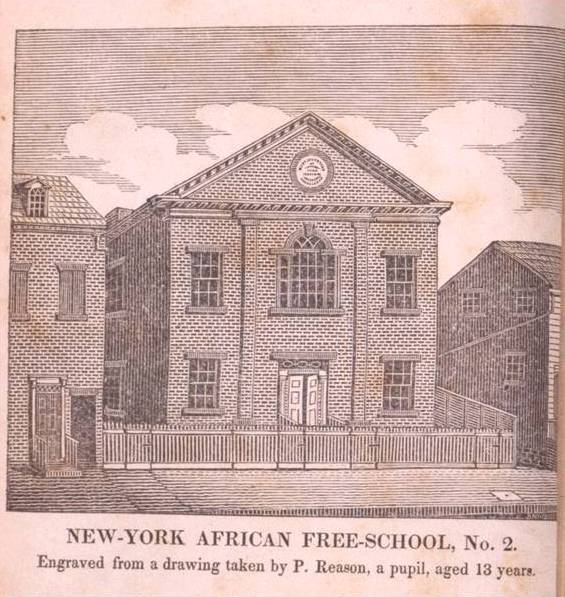
Source: Schomburg Center for Research in Black Culture / Manuscripts, Archives and Rare Books Division/ The New York Public Library, via Columbia University

The New York African Free School was established November 2, 1787, seventy-eight years before slavery was officially abolished by the 13th Amendment of the U.S. Constitution. Despite the fact that slavery was considered “crucial to the prosperity and expansion of New York”, groups such as the New York Manumission Society were established that advocated for African Americans and abolition.

Certainly ahead of its time, the school was co-educational, teaching reading, writing, arithmetic, and geography equally to children of both slaves and free men. Vocational skills were taught as well; the boys were offered astronomy and cartography, skills needed by seamen, and the girls learned sewing and knitting. Continue reading

The Tale of Two Pomegranates

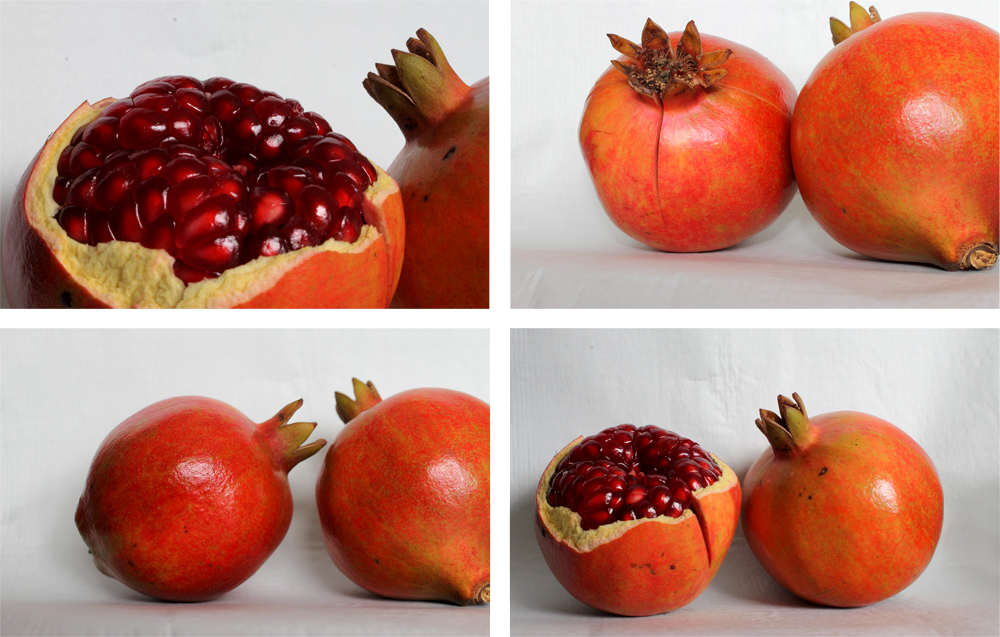
The color red defines the current fruit season in India.  (Bananas don’t count because they are always in season, and yes there are indeed red bananas…)  The fruit stalls are piled with apples and pomegranates.  What lacks in variety is made up in abundance, as well as the flair for display.

But this season pomegranates reign.  Native to Iran (culturally Persia), the fruit traveled through India, mostly in the north of the country (Pune is famous for pomegranate production), but also in our southern state of Kerala.  The Middle East, Mediterranean and southern Europe were also fertile ground for the Punica granatum, and when the Spanish brought it to the “New World” it completed the global circuit nicely. Continue reading

Mosstrix

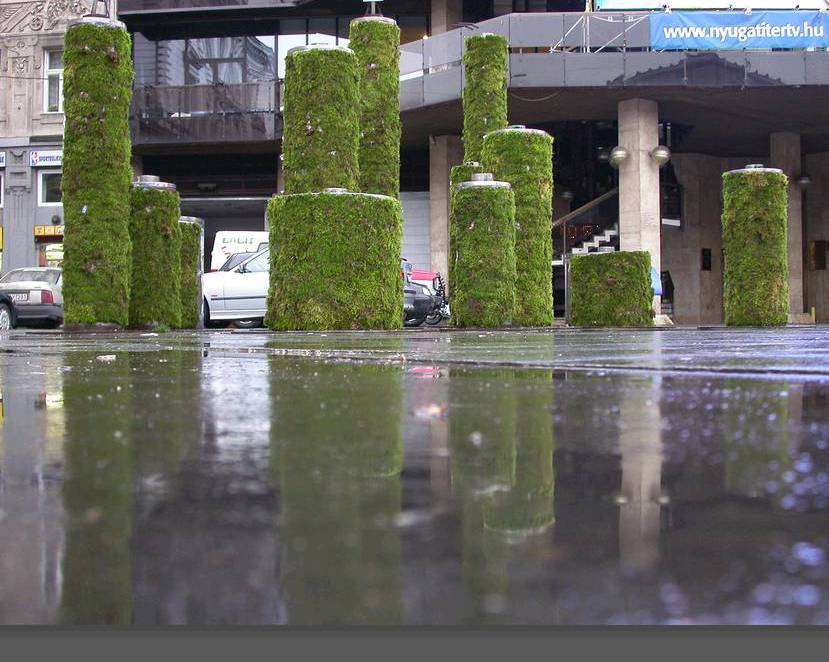
Mosstika: As It Started, Budapest, 2004

Nature calls to us.  All the more so in urban settings.  This is evident in the long history of elaborate parks and gardens in major cities, dating back to Frederick Law Olmstead,  André Le Nôtre and beyond.  Olmstead’s designs were meant to emulate the Savana landscape that strikes so strong a chord in people around the world, whereas Le Nôtre helped define that famously manipulated symmetry of the classic French garden.

Both respond to what we now refer to as biophilia, the magnetic draw that nature has on each of us.  The question we have to ask ourselves is which one is “Art”.  Not an easy task, to be sure. Perhaps the solution is to say “both” and leave it at that. Continue reading

And the “Fourth R Award” Goes to….

This slideshow requires JavaScript.

Two months ago I wrote about British restaurateur Arthur Potts Dawson and his closed loop restaurant concepts and social enterprise food cooperatives here.   When I came across the Greenhouse I found the perfect follow up.  One would not be amiss to call the Australia based designer/builder/environmentalist Joost Bakker “green-blooded”.  His Dutch flower growing heritage helped forge a lifelong passion with growing things and plant inspired structures, such as greenhouses and conservatories.  His greenery walls invoke the power of nature creeping back into urban environments, making them simultaneously comforting and edgy. Continue reading

Bend It Forward

This slideshow requires JavaScript.

Over ten years ago South African designer Marisa Frick-Jordaan literally wove together two of her apparently disparate passions : Socio-economic development and contemporary craft and design.  A BA Honors degree in Politics and Fine Arts at the University of Natal and a Fashion Design Diploma at Natal Technikon was followed by 6 months at the Cité Internationale des Arts, a residential arts cooperative in Paris, similar to London’s Cockpit Arts.

A long time interest in African art forms took her from a clothing line that incorporated Zulu beadwork to a telephone wire weaving project that blends traditional craft with avant-guard, award winning design.  Weaving is an ancient art around the world and in addition to the use of grasses, the decorative use of wire in Southern Africa dates back hundreds of years. Color coated copper telephone wire came with modernization and the rural to urban migration created access to these new industrial materials. Continue reading