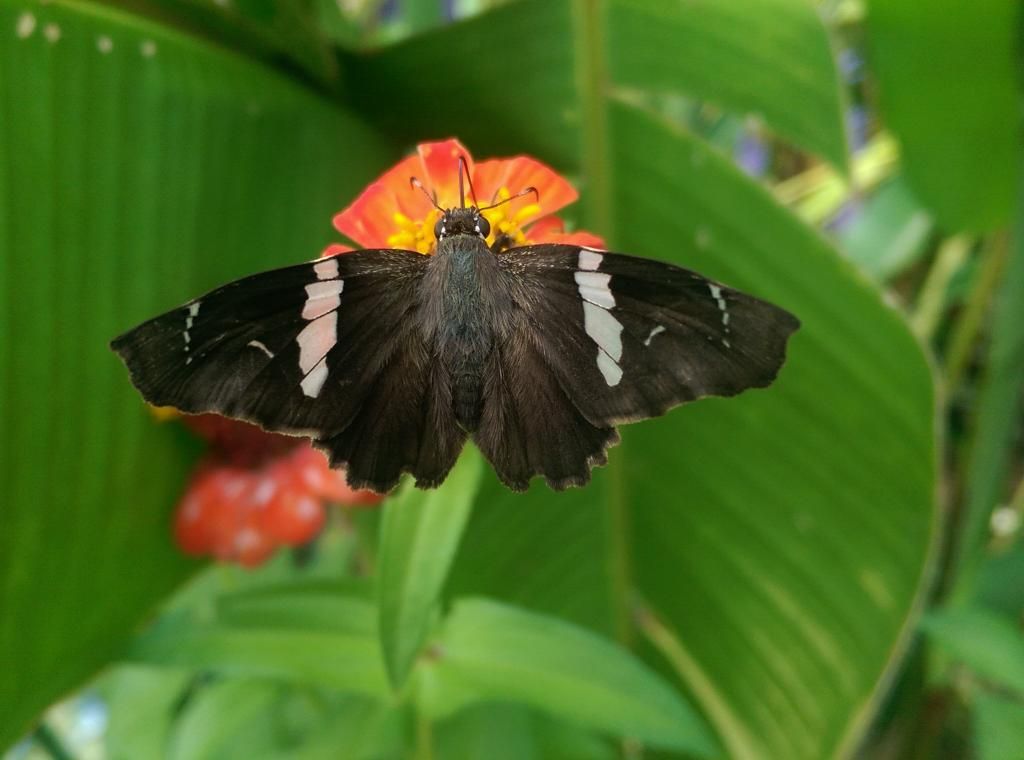
 Costa Rica is home to some 1200 butterflies and another 8000 species of moths (both diurnal and nocturnal varieties). This astounding diversity is no surprise, given the country’s neotropical climate and its position as a land bridge between North and South America, each home to a plethora of diverse ecosystems. The tremendous number of butterflies that can be seen goes hand-in-hand with the fact that Costa Rica is home to about 4% of the world’s total biodiversity! Of the butterfly species, some of the most famous include Continue reading
Author: James Zainaldin
Bird of the Day: Blue-gray Tanager (Xandari Resort, Costa Rica)
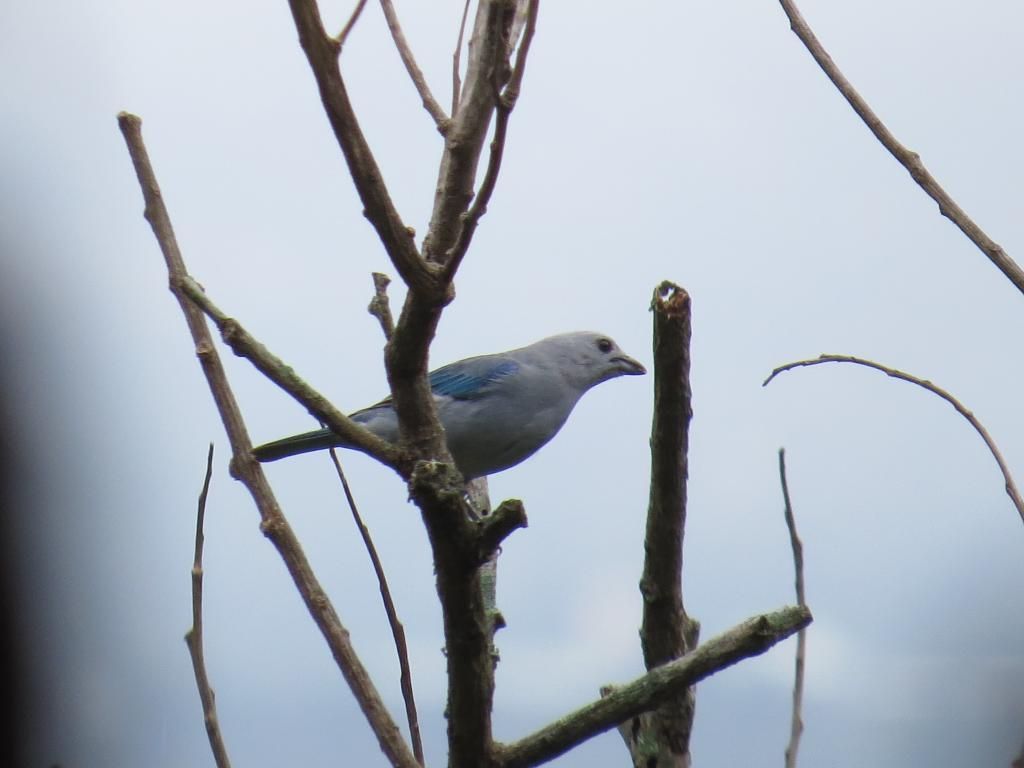
Photo Credit: Seth Inman
Plant-a-Tree at Xandari
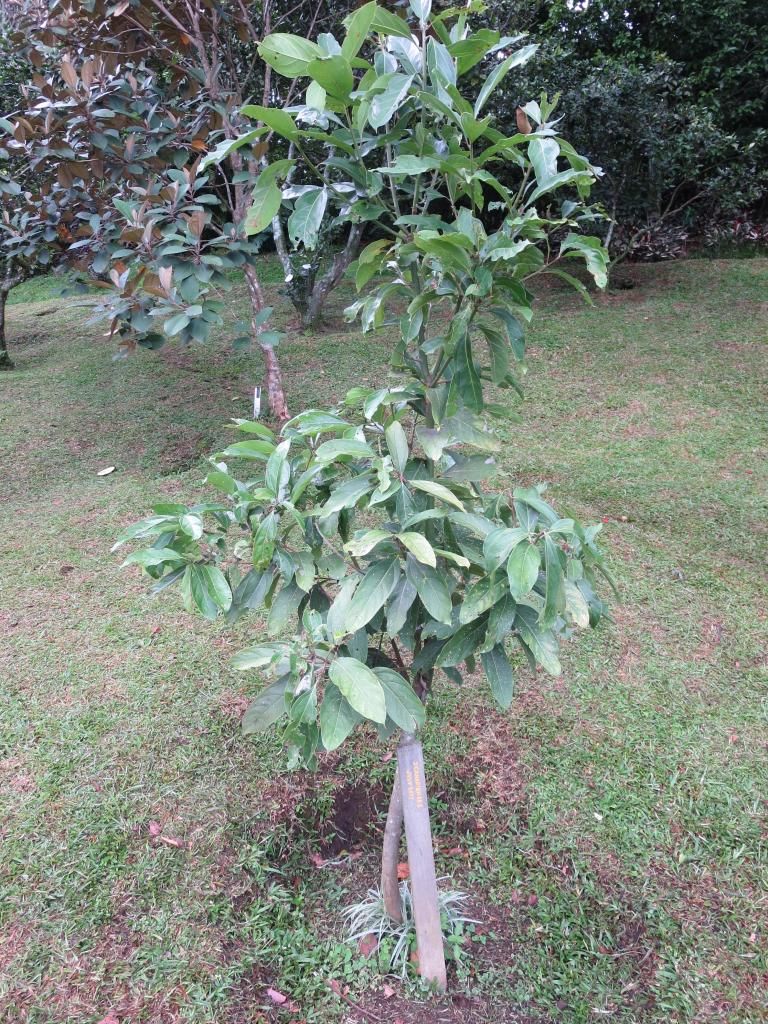
The stake in front that holds the planter’s name says (quite humorously, to my mind): 3 CANADIENSES!
Plant-a-tree programs are real winners: educational, fun, and productive. Next time you visit Xandari (or another sustainable or eco-friendly hotel), be sure to ask about the opportunity about the opportunity to plant a sapling. At Xandari, plantings are usually done in the orchard or in one of the old coffee plots. Everybody who plants a tree has a small wooden stake erected near the spot, commemorating the event and recognizing the effort to make the world a little bit greener. Continue reading
Aloe Vera from A to Z, or, How to Harvest your Aloe Plant

Aloe vera in Xandari’s garden — Read the post to watch how it’s harvested!
Aloe vera, meaning “true aloe” in Latin, is a versatile and rather mysterious plant. Although it is perhaps best known for its healing properties on (sun-)burned skin, it shows up as an ingredient in many skin and hair products for various therapeutic or cosmetic purposes. The plant’s frequent appearance in traditional medicine all over the world reinforces the belief that it may really possess some restorative power–but just how miraculous is aloe vera after all? Many users of aloe swear by its ability to fight everything from arthritis, stomach ulcers, and diabetes to tooth and gum decay, but despite these glowing reports, the plant has not gained widespread traction as the “miracle drug” some of its proponents claim it to be. Nevertheless, the really astonishing claims in some of these anecdotes, and aloe’s established healing powers in other spheres of health (skin, hair, etc.), could suggest that further scientific research into the plant’s healing properties would not be fruitless.
Where would we be without bees?
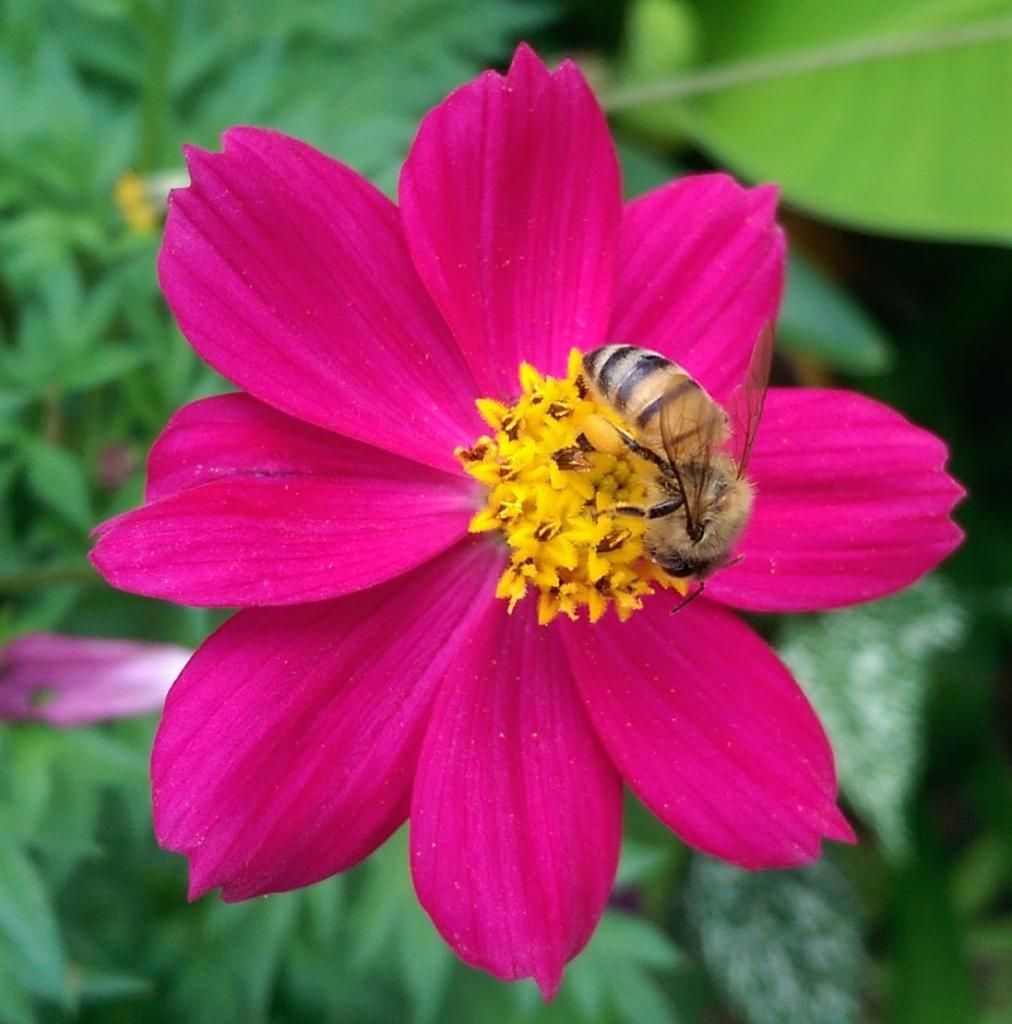
Bee on a flower
Recent posts on flowers at Xandari (here and here) have gotten me thinking about all of the work that goes into making such beauty possible. Mostly I had in mind Xandari’s head gardener, José Luis, and his excellent team. Snapping the above photo, however, I was reminded of nature’s great contribution in the process. Continue reading
Bird of the Day: Common Pauraque (Xandari Resort, Costa Rica)
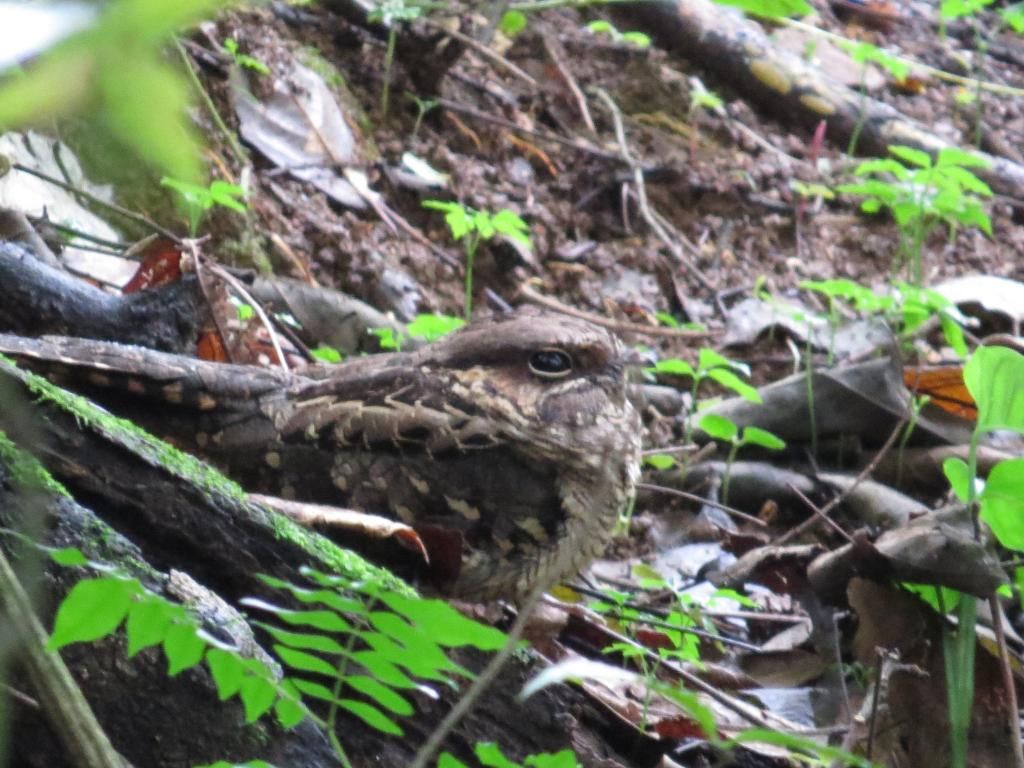
Photo Credit: Seth Inman
Xandari’s Six-legged Friends
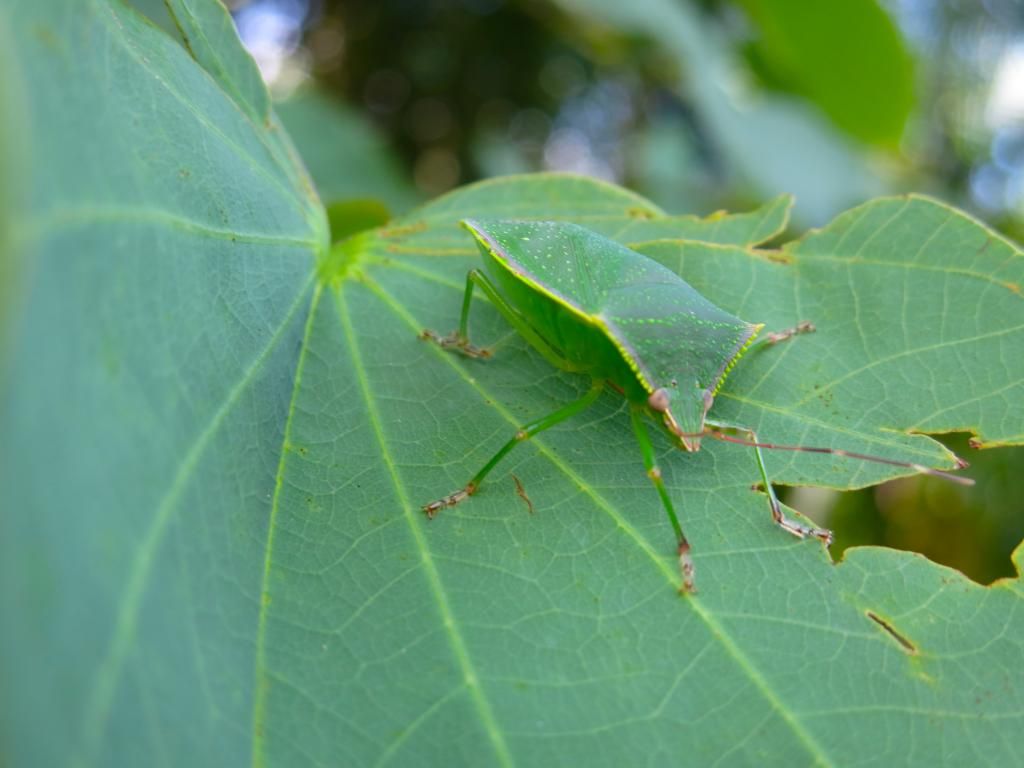
A hemipteran (“true bug”) disguised on a leaf
These guests aren’t a pushy bunch and don’t need any rooms here–they’re quite at home around (and on) the resort’s greenery and in the rich tropical forests. Following on Seth’s post on insects at Xandari, I thought I would add some photos snapped Continue reading
A Few More Flowers at Xandari

I’ve posted before about flowers around Xandari. I thought I would continue to catalog the biodiversity of Xandari with another roundup of the incredible flowers Continue reading
Riding the Slackline
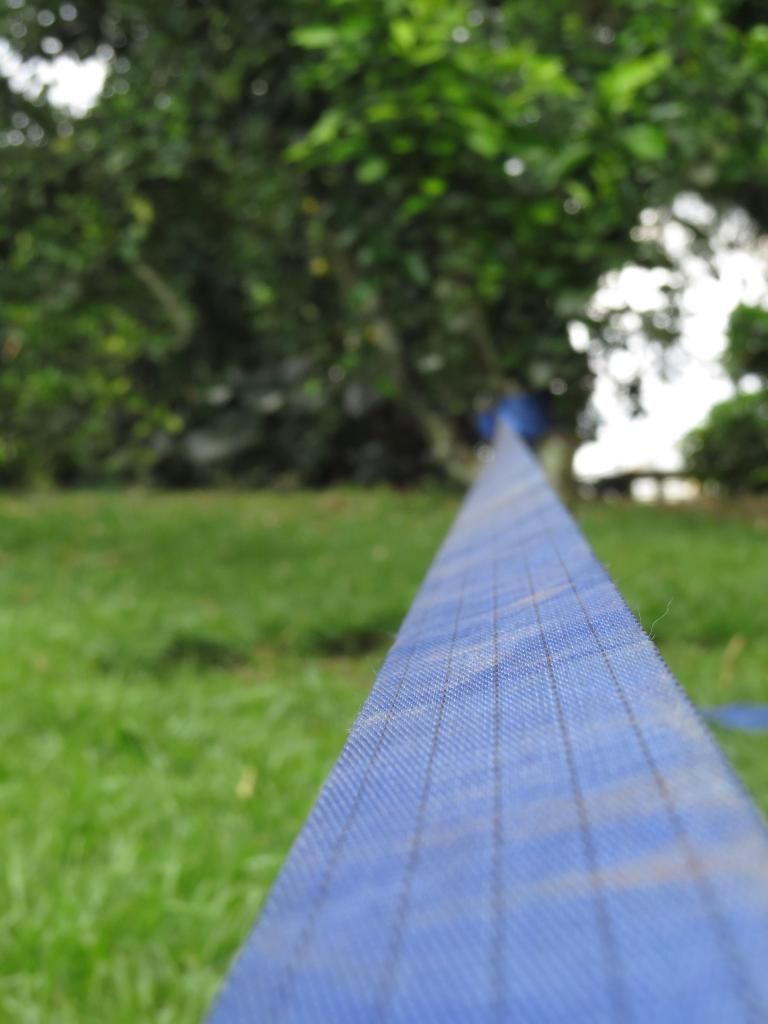
A slackline at Xandari (photo credit: S. E. Inman)
2014 marks the 150th anniversary of the land grant that yielded Yosemite National Park (Seth will be talking more about this in a post on the topic). But why should this matter for a post on slacklining? Well, as it turns out, Yosemite was one of the early hotbeds for the development of this increasingly popular outdoor activity. In celebrating Yosemite’s anniversary, we can also take a moment to appreciate Continue reading
A Note on Cicadas
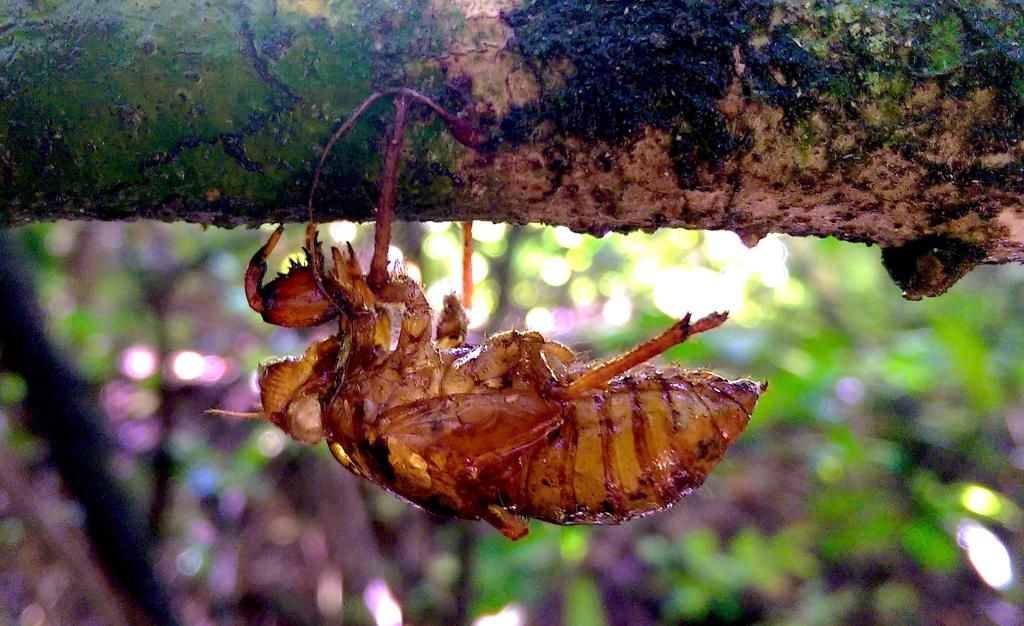
Cicada exuviae (i.e., molted exoskeleton)
After finding the molted exoskeleton of the cicada above while wandering Xandari’s forest paths, I decided to do a little digging on the bug. The cicada is a common, but amazing, species of insect. A “true bug” (Hemipteran), the cicada is easily recognized by its Continue reading
More Paws at Xandari

Raccoon paw tracks (front)
An extremely strong aguacero (downpour) here at Xandari swelled the river that runs through the property’s grounds yesterday. Still having tracks on our mind from the last post, Seth and I headed down this morning to see if the fresh, silty clay deposited by the high waters had trapped any interesting “autographs.” Continue reading
Funky Nests, Oh My!

Wren leaving her basket nest
The Cornell Lab of Ornithology is hosting a “Funky Nests” contest for their Celebrate Urban Birds project. The above image is of a wren nest in a basket in my backyard (Atlanta, GA). Continue reading
Flowers at Xandari
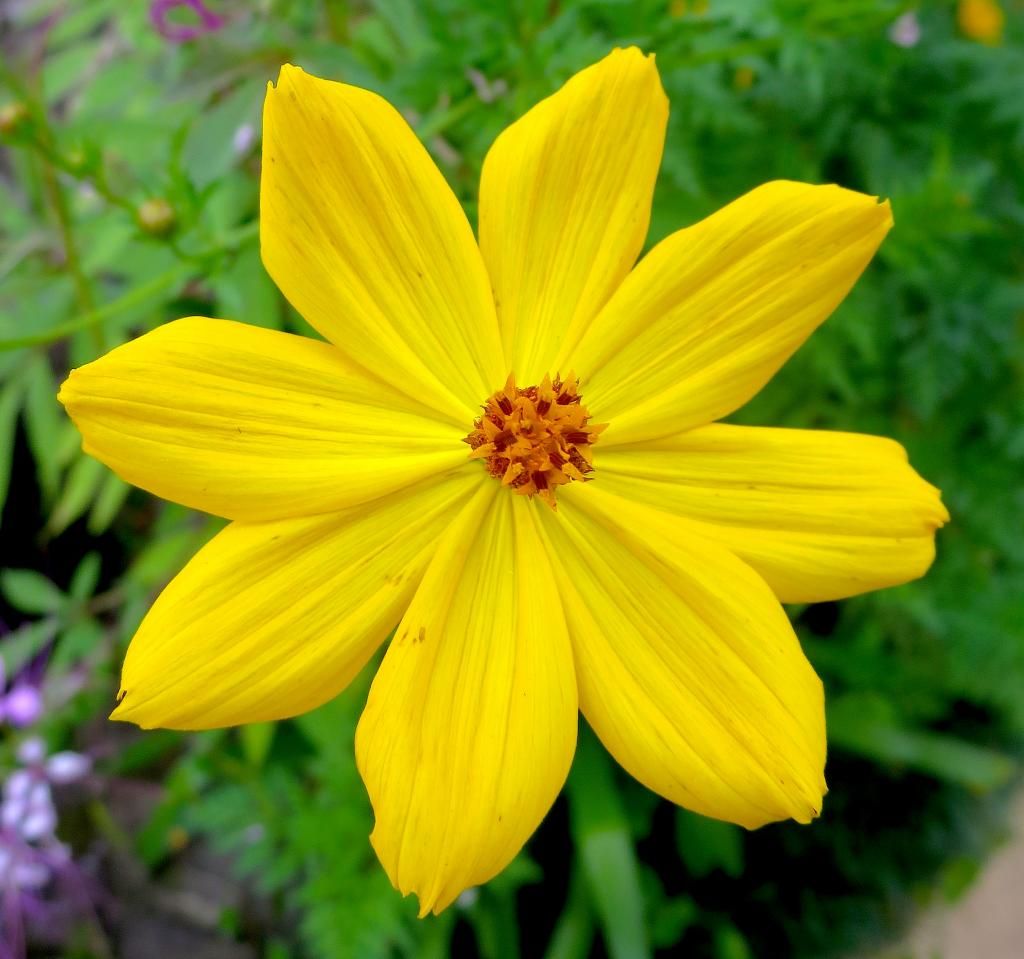
Following Seth’s catalogue of insects, I thought I would post just a few of the many flowers that can be found in bloom around Xandari. Continue reading
Coffee in the Ground at Xandari
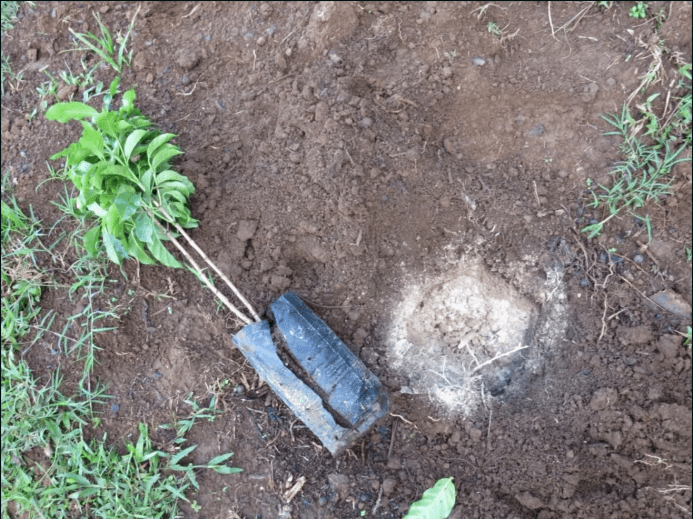
Coffee ready to be planted, next to its hole
On Monday, we began planting coffee and made great headway on getting the shrubs in the ground. Fortunately, José Luis, Xandari’s head gardener, and his team (or should we say “coffee crew” in this case?) had already done significant work in preparing the soil to receive the plants. Continue reading
Ichnology, Xandari-Style
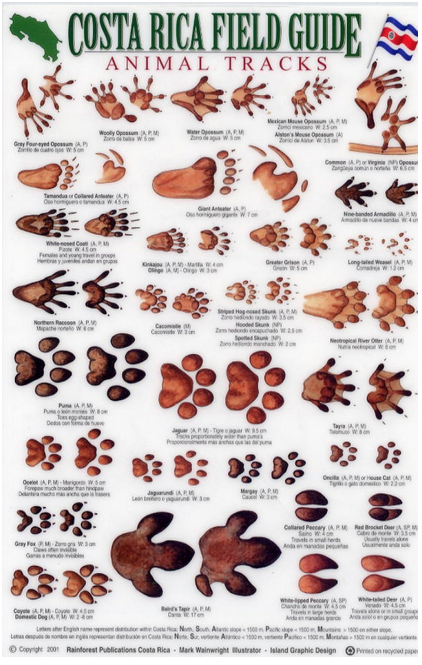 Ichnology is the study of animal traces—commonly tracks, but also anything else that organisms leave behind in their activities (for example, burrows, nests, scat, feeding remnants, or territory markers). It is often far easier to discover an animal’s presence through tracks than direct visual sighting, especially for shy or nocturnal mammals. “An animal can only be in one place at a time, its tracks can be everywhere,” one of my environmental science professors sometimes remarked in support of this principle. Indeed, around Emory’s campus (Atlanta, Georgia) I found tracks on stream banks that belonged to animals I had never actually clapped eyes on in the flesh. Prized among those were a Continue reading
Coffee in Xandari
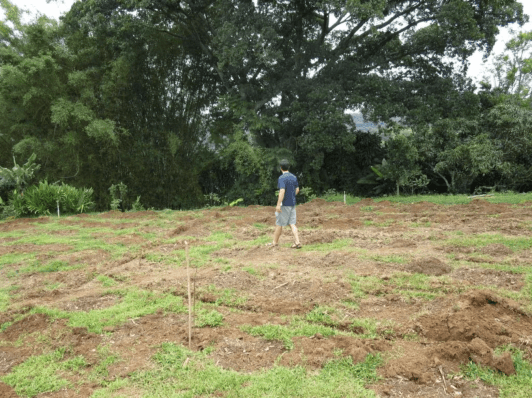
Here at Xandari (Alajuela, Costa Rica) everything is ready for coffee’s big return. The resort’s land was once dedicated to growing and harvesting the finest estate coffee this country offers (you can visit the Doka Estate, to which Xandari’s land once belonged, in one of our guests’ favorite day tours), but for the last 18 years more attention was given to the organic vegetables, orchards and gardens that now dot the verdant grounds. Plans are in motion, however, to bring the crop back to this area long celebrated for the quality of its coffee.
The ground is tilled:
Solfatara
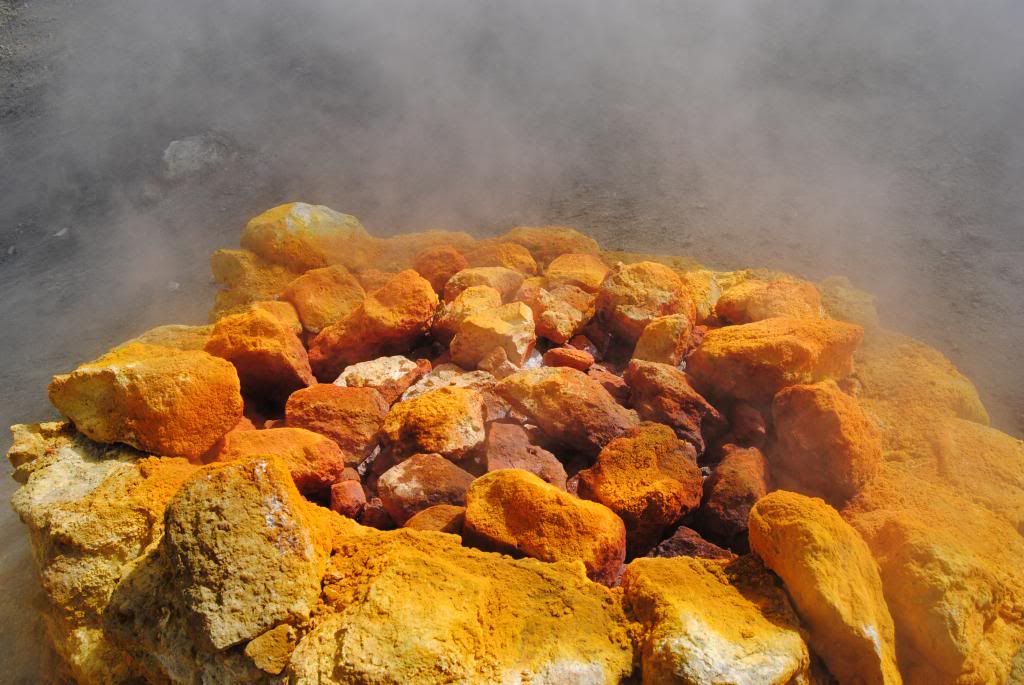
Sulphur Vent – Solfatara
Solfatara, a shallow volcanic crater in Pozzuoli, near Naples, is a hotbed (no pun intended) of geothermal activity. Upon walking into the depression, hemmed round by steep hills, the smell of rotten eggs greets your nose. The stench comes from the clouds of sulphurous steam pouring forth from vents in the rock. The Romans believed that this steam had healing properties Continue reading
Encased in Ash
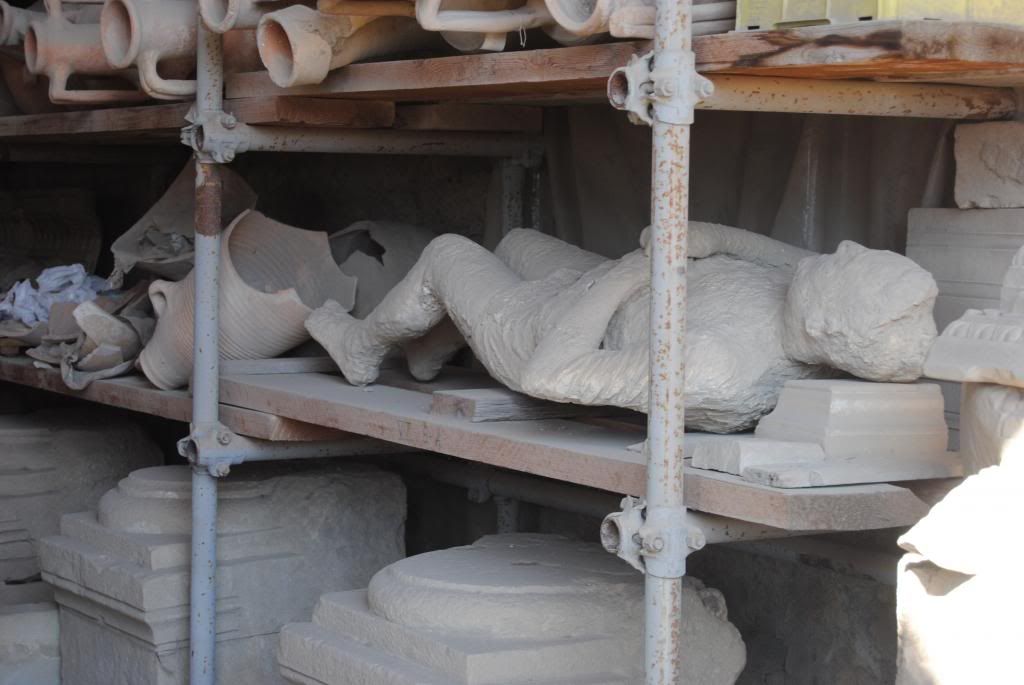
Encased in Ash – Body Mold from Pompeii
In 79AD, Mt. Vesuvius erupted with disastrous consequences for the residents of nearby Pompeii, Herculaneum, and other cities in the Campania region. Flows of boiling mud and rock rushed down the slopes, clouds of noxious fumes billowed upwards in the wind, and thousands of tons of rock and ash rained down upon the countryside. Pliny the Younger saw the eruption and likened it to a pinus, a pine tree. This may baffle some American readers, who may be accustomed to see pine trees that taper from a wide base to a narrow point Continue reading
The Hut of Romulus
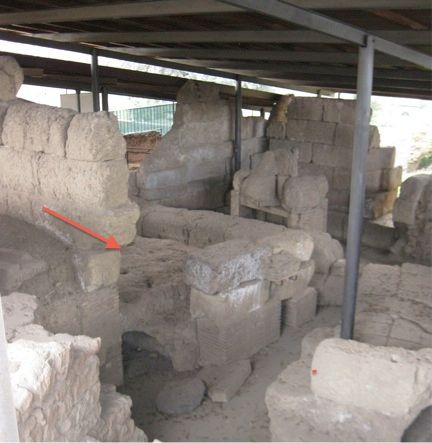
Hut of Romulus (Post holes where arrow is pointing.)
Today, all that remains of the so-called “Hut of Romulus” are the holes you see in the picture above (the slight indentations on the platform where the arrow is pointing). When intact, Romulus’ humble wattle-and-daub dwelling, located in the southwest corner of the Palatine Hill in Rome, might have looked something like this. One might have expected that the passing of nearly three millennia would not have treated well the wood, straw, and twisted bark ties of the hut, but even in its own day the Hut was prone to accidental destruction. One particularly ignominious story has a crow dropping Continue reading
Le Macchine E Gli Dei

Machines and Gods: Dionysus at MCCM
The Musei Capitolini Centrale Montemartini is an interesting place, to say the least: it combines Italian machinery of mammoth proportions from the Industrial Revolution with ancient Roman statuary. These statues include the monolithic “Fortuna Huiusce Diei” (“Fortune of This Very Day”), various Greek gods (Venus, Dionysus as pictured above, and others), Roman emperors, famous statesmen, and lesser known wealthy citizens; the machinery, on the other hand, consists in titanic pieces of metal that when whirring generated tens of thousands of horsepower. Continue reading
 Organikos