Glowing & Growing

CoffeeClean1

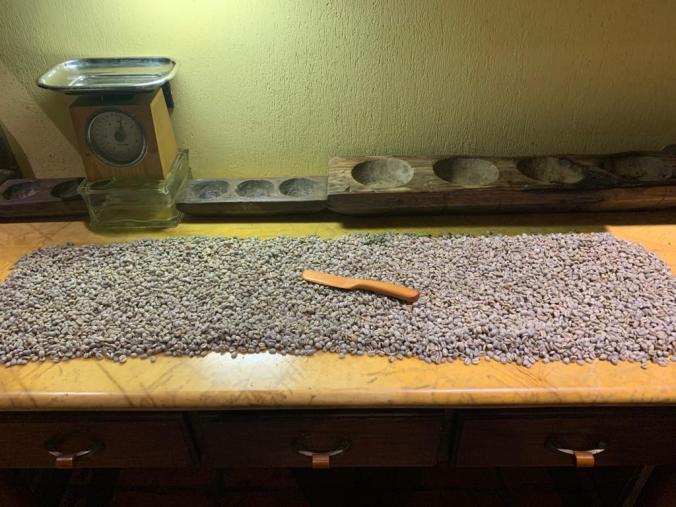
CoffeeClean2As we prepare to plant coffee Amie and I yesterday completed washing 14,000 beans, give or take, from the most recent harvest of coffee from this land where we live. As big as that number sounds, it is just a few pounds of green beans, picked from several trees that have held on over the years.
CoffeeClean3

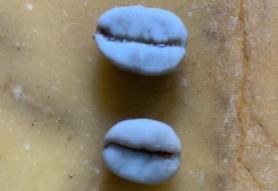
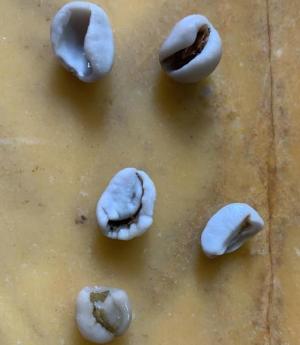
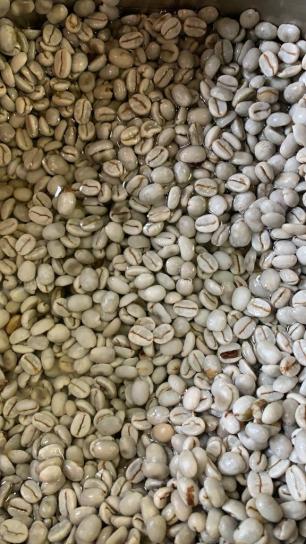
In previous years this would provide a month’s drinkable coffee, but this year we will germinate the beans instead. We selected the fully formed, unbroken beans like those above, separating out the small percentage of broken or misshapen beans like those to the right. After germination, by August we expect to have between 3,000 and 4,000 viable seedlings we will keep in a nursery. One year from now those will be saplings ready to plant in the ground.  We are approaching this task traditionally, by hand, sight of eye, and a few simple analog tools.
CoffeeClean4This morning we will dig holes for the first of the shade trees going onto that land where the coffee will be planted. But first, the news. The best I could find, for motivation, involves a man temporarily in New York City, working in a museum. His work, and the exhibition he is tending to, provides me context for the countryside as it still is for many coffee farmers here, and the technology transforming the countryside for future generations. Already plenty of coffee farmers are using technology as advanced as that of the tomato man in the story below. Without romanticizing the hard labor of traditional coffee farming, the work we are doing makes me more appreciative of the coffee farmers we source from. Thanks to Elizabeth A. Harris for this story:

The Museum Is Closed, but Its Tomato Man Soldiers On

Although the Guggenheim’s “Countryside” show was shuttered by the pandemic, its crop of cherry tomatoes is still growing, and feeding New Yorkers.

merlin_172484226_e841d84e-bb0a-47af-8329-6efdd50ef85c-jumbo

Jeenah Moon for The New York Times

17tomatoes8-superJumbo-v2

Jeenah Moon for The New York Times

The halls of the Guggenheim Museum are pretty quiet these days, with mostly just its ghosts and some security guards as company for the art.

Oh, and there’s the guy who takes care of the tomatoes.

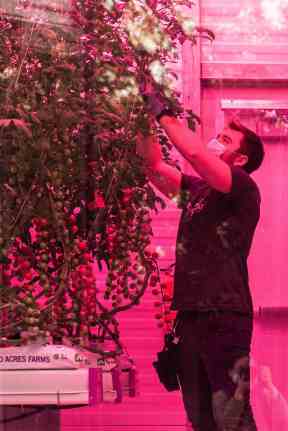
David Litvin, an indoor crop specialist, tends the plants in a temporarily shuttered exhibition, “Countryside, The Future.” He moved to New York from Tel Aviv in February, along with his wife, Stefanie, and their Dutch shepherd, Ester, with a plan to stay six months harvesting the Guggenheim tomatoes. He was going to see the city, too.

“I went out once to a comedy bar, but that’s it,” he said.

The museum has been closed since March 13, but Mr. Litvin still walks across Central Park every day around noon from his rental on the Upper West Side to tend to his flock. “When you grow tomatoes on Fifth Avenue, you want to have the perfect tomatoes, there’s no room to mess up,” he said. “If I have ugly plants, I’ll hear it from the neighbors.” Continue reading
If You Drink Organic Coffee, Consider 100% Forward

B48D6CF4-8DC4-4222-B550-6BA976D449B6

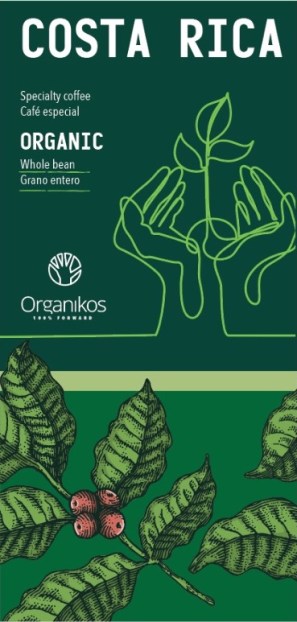
The 12 selections of Organikos specialty coffees had enough time on display at the Authentica shops, prior to current circumstances in Costa Rica and everywhere else, to establish the organic selection as a top seller.

AmistadNewDuring those months–the shops fully opened in late November and until early March were nonstop full of guests–I had hundreds of conversations with travelers.

I got excellent feedback on our original coffee packaging. Briefly stated, the recurring message was that people wanted to “see more Costa Rica” on the package. They also wanted to know more about what our 100% Forward commitment meant. We have used the time since travel halted to work with our graphic designer to begin addressing that feedback.

We also have used this time to prepare a virtual approach to the business, focused on coffee at the outset. We will start with the organic, due to its performance during the shops’ peak operations. We will offer this for home delivery in the USA soon…

Give Us This Day Our Daily Bread

Buford

The Saône river in Lyon (Herbert Frank from Wien (Vienna), AT – Lyon, an der Saône, Eglise Saint Georges / Wikimedia Commons)

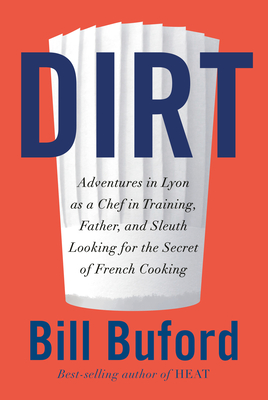
When you have 20 minutes it is worth hearing Bill Buford speak about the same experience he has written about. If you have already read about his Lyon baking experience, and enjoyed it, all the more so; this conversation brings more to the table as he discusses his new book, Dirt: Adventures in Lyon as a Chef in Training, Father, and Sleuth Looking for the Secret of French Cooking. Click the image of the book below to go to an independent bookseller that offers it.

9780307271013Likewise, even if you have already read plenty on the importance of bread and bakeries in French culture you might enjoy one more take, from the present circumstances, in James McAuley’s article about flocking back to bakeries for comfort: …“The power of bread is particularly emotional now. It’s no longer caloric; a vital necessity,” Kaplan said. “Bread still is the conveyor of this extraordinary, important feeling we have that the state cares about us. It’s a reaffirmation of solidarity. Solidarity is really represented by sharing bread.” (Baguettes were price-controlled in France until 1986)…

Captivity, Creativity, Penguins & Art

I visited the Nelson-Atkins many times in recent decades when visiting family in Kansas City. I never visited the Kansas City Zoo because, while I am grateful for the essential services zoos can provide, animals in captivity generally depress me. Our son Milo and his 3-year old daughter were in Kansas City just after Amie and I visited in late February. With grand/great grand-parents they visited both the Nelson-Atkins and the Kansas City Zoo. The zoo was a huge hit with our grand-daughter, and I am grateful to that zoo for her exposure to live animals she might never otherwise get to see.

I did not know before just now what exceptions might exist to my general rule of avoiding even images of wild animals in captivity. I have discovered one. I suppose on reflection I will probably change my mind, but for now I stand by the idea that the directors of these two institutions are doing their best in tough times to find creative solutions for everyone:

49895121561_cc28ef6c73_o-7b2482f9f0b178b3c48ac4384bb1a549e303e274-s1300-c85

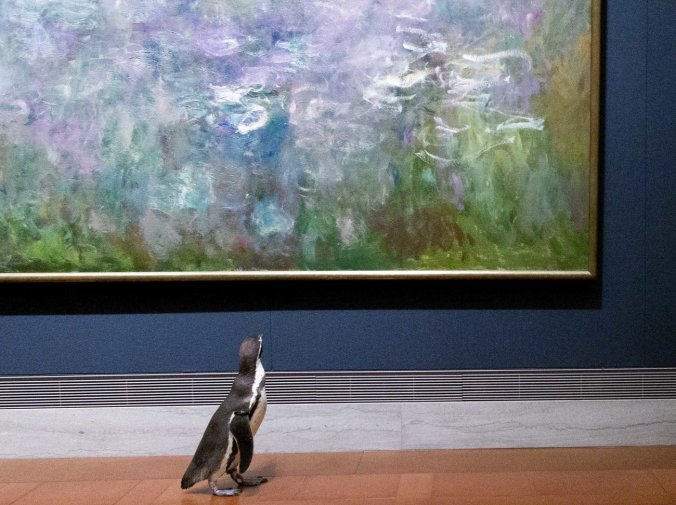
Kansas City Zoo executive director Randy Wisthoff says their Humboldt penguins have missed their regular interactions with zoo visitors, so a field trip was in order.
Gabe Hopkins/The Nelson-Atkins Museum of Art.

WATCH: Missouri Penguins Enjoy ‘Morning Of Fine Art’ At Local Museum

49895121231_823f6b7fa0_c_sq-451cd0e2ce592d45a64580f911c58e6113df91cd-s500-c85

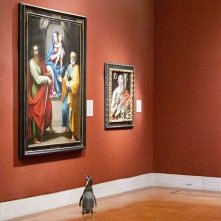
Penguins were allowed to waddle through the galleries of Kansas City’s Nelson-Atkins Museum of Art. Both the museum and the Kansas City Zoo — home to the penguins — have been closed because of the pandemic.
The Nelson-Atkins Museum of Art.

What a time to be a penguin.

First, a group of the flightless birds were recently allowed to roam the halls of Chicago’s Shedd Aquarium — a through-the-looking-glass moment if there ever was one.

Now, penguins visited a museum for a “morning of fine art and culture.”

The outing was arranged by The Nelson-Atkins Museum of Art in Kansas City, Mo., and the Kansas City Zoo. Both institutions are closed to the public because the pandemic.

“Quarantine has caused everyone to go a little stir-crazy, even the residents of the Kansas City Zoo. So several of the penguins decided to go on a field trip to the Nelson-Atkins, which is still closed, to get a little culture,” said a caption accompanying the video. Continue reading

Spoonbills Dream Team @ Macaw Lodge, Global Big Day 2020

DeckJan2020

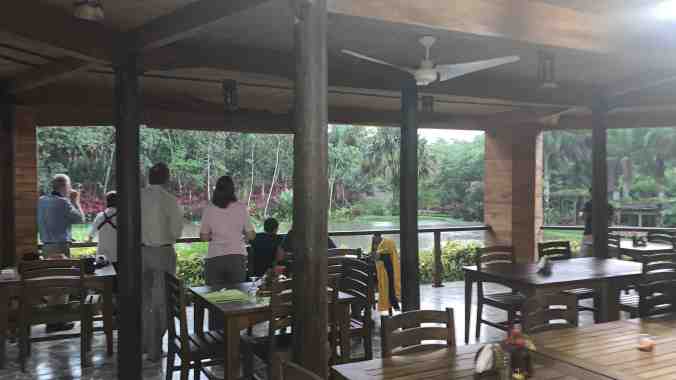
Macaw Lodge dining room observation deck, January 29, 2020

Three years ago today, a few countries north of where I type this, Team Sapsucker had excellent results on Global Big Day 2017. Today I am reporting on the efforts of one part of the Spoonbills Dream Team.

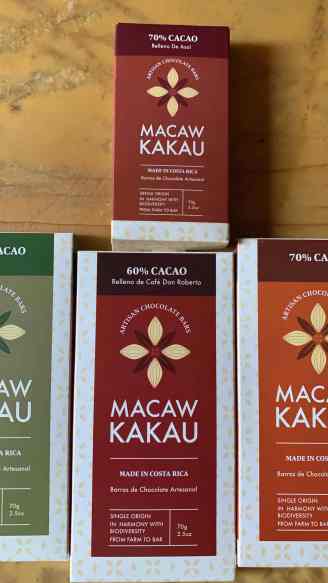
MacawChocThis team’s dream is spread across multiple geographies and results will be shared later. I will share what I know from Costa Rica. A few months ago, in a world that now seems far, far away Amie and I visited the farm where the cacao is grown for the farm-to-bar chocolate we offer in our shops. The farm has a lodge (or vice versa depending on your perspective), and before our visit to the cacao plantation and chocolate-making facilities we started, at dawn, on the deck of the lodge. That is what you see in the photo above. The lodge is closed at present but the deck that you see in that photo normally has birders from all over the world because of the forest conservation surrounding the cacao and the neighboring Carara National Park.
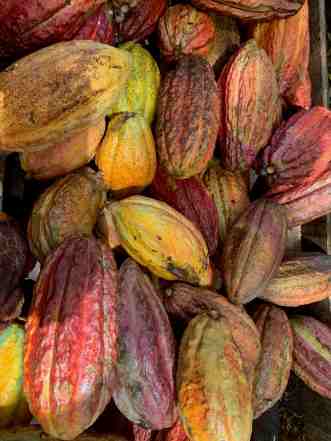
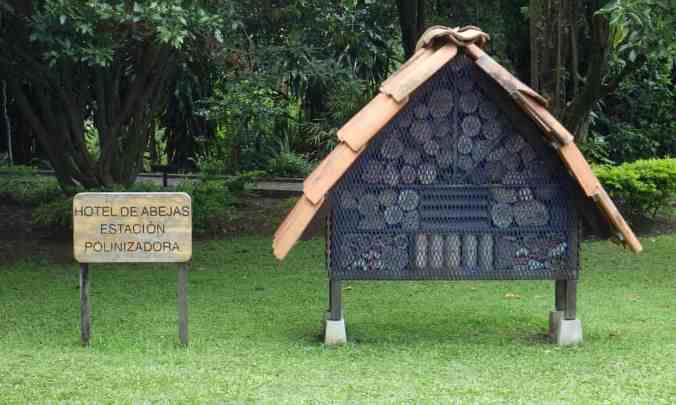
CacaoMore on the cacao-growing and the chocolate-making later. Plus, this is where I first saw a melipona bee hotel and I have photos and video from the recent harvest, so more on that later also. For now, birds. Seth, in New Haven, CT USA joined this team, then asked Amie to join the team, and she asked some birding guides who work at the lodge in the cacao plantation to join the team. I am the scribe for that Costa Rica part of the team. I do not even know who else is on the team in other countries, so will leave that for Seth or Amie to report later.

For now, some photos from the location where the bird experts have spent much of their time in recent years. Continue reading

Support Chefs Who Support Immigrant Workers

p&f_askchefsanything_LA_bigsquare_collage1-04-04

Los Angeles’s participating chefs Photo: Courtesy of Ask Chefs Anything

Devorah Lev-Tov, a writer who covers food, among other things, surprisingly has not shown up in our pages before. I am happy to link to this particular story as a first. Food and agriculture have been central to this platform since we started it in 2011. Also, immigrants-r-us, so I appreciate the effort on their behalf as much as I appreciate the visibility it is receiving in a location surprising to me. Vogue is an unlikely publication for me to source from, but credit where due, a great story:

Ask Chefs Anything: Famous Foodies Are Auctioning Their Time in Support of Immigrant Workers

As the COVID-19 pandemic continues to ravage the country and force businesses to shut down, among the hardest hit are immigrant workers—many of whom worked in the restaurant or other service industries. Now, they are left with no jobs and no unemployment benefits, struggling to put food on their plates and send money home to their families, while fearing getting sick without any support from the government.

In an effort to help them, dozens of famous chefs—including Alison Roman, Nancy Silverton, Tom Colicchio, Eric Ripert, Suzanne Goin, and Dominique Ansel—are auctioning off 30-minute virtual discussions where they will share recipes and cooking tips via a new initiative called Ask Chefs AnythingNew York City’s ended last week, Los Angeles’s auction is going on now through May 11, and Philadelphia’s takes place May 13 to 17, with more cities to follow. Continue reading

I Believe In The United States Postal Service

Cep-USPS01

For the past forty years, Republicans have been seeking to starve, strangle, and sabotage the U.S. Postal Service, hoping to privatize one of the oldest and most important public goods in American history.Photograph by Dan Brouillette / Bloomberg / Getty

The first time Casey Cep came to my attention, from the vantage point of our life in India, it was like reading a message from a future we had left behind. A couple months after that, a historical note of interest. Both times, I was captivated. Nearly seven years later, I am captivated and motivated by We Can’t Afford to Lose the Postal Service. I have been watching this story unfold during my adult lifetime, and while it is not the only ideology-driven frustration I have, it is one so wrapped in big picture history that the personal history here motivates me to respond by sharing:

I am probably one of the least consequential things my mother has ever delivered. She has two other daughters, for starters—one’s a public servant and the other is a special-education teacher. But she’s also spent her working life delivering love letters, college acceptances, medications, mortgage papers, divorce filings, gold bars, headstones, ashes, and care packages. In her thirty-eight years as a rural letter carrier with the United States Postal Service, she’s delivered just about everything you can legally send through the mail. Continue reading

How Sweet Is Your City?

2437

A bee hotel, part of Curridabat’s drive to welcome and protect pollinators. Photograph: Courtesy of Curridabat Municipality

Costa Rica is full of inspirational stories, some big picture and some more granular. Bee hotels are an example of the latter, and first came to my attention only this year. On a farm north of San Jose growing edible flowers, and then again on a cacao plantation in the Central Pacific zone where we source our line of Macaw Kakau chocolates–in both cases the “hotels” were specifically for melipona bees.  Thanks to the Guardian for putting some due attention on this forward-thinking municipality across the city from where I live and work, and especially for the reminder that I have not posted yet on the apicultural wonders I learned about at those two melipona bee hotels:

‘Sweet City’: the Costa Rica suburb that gave citizenship to bees, plants and trees

A suburb of the country’s capital is showing how urban planning can be harnessed to benefit both humans and wildlife

960 (1)

 ‘Biocorridors improve air quality, water quality and give people spaces to relax, have fun and improve their health,’ says Magalli Castro Álvarez. Photograph: Melissa Alvarez/Courtesy of GIZ/Biodiver_City Project

“Pollinators were the key,” says Edgar Mora, reflecting on the decision to recognise every bee, bat, hummingbird and butterfly as a citizen of Curridabat during his 12-year spell as mayor.

“Pollinators are the consultants of the natural world, supreme reproducers and they don’t charge for it. The plan to convert every street into a biocorridor and every neighbourhood into an ecosystem required a relationship with them.”

The move to extend citizenship to pollinators, trees and native plants in Curridabat has been crucial to the municipality’s transformation from an unremarkable suburb of the Costa Rican capital, San José, into a pioneering haven for urban wildlife. Continue reading

Pep Shot Is The New Bee’s Knees

original

For those who can afford it, culinary experimentation could become a practical hobby.HERITAGE / BETTMANN / GEORGE MARKS / AFP / GETTY / PROZHIVINA ELENE / SHUTTERSTOCK / KATIE MARTIN / THE ATLANTIC

$_35Dalgona is a name I did not know until five minutes ago. But I intimately knew the thing itself ages ago. For the 1981-82 academic year I worked with a tutor in Athens to learn my mother’s first language.  Her aunt, who I lived with, had only one way to prepare coffee, using this device to the left. Greek coffee, aka Turkish coffee, was fine.

m-6D-MUyWNCFYE0NFBe6z9wBut I did not love it. My cousin showed me an alternative, cautioning me that our great-aunt did not allow this foreign product in her home. So, I bought the contraband and each morning before she awoke I mixed the instant coffee with the milk and sugar and shook it in a jar and gulped it. It was a brief love affair. Instant coffee is not in our cupboard these days, but I have a fond memory of that fling. I appreciate Shirley Li’s article for reminding me of it.

Current circumstances are pushing us all in new directions of food and beverage production and consumption and for me, for now, the Pep Shot is the new bee’s knees:

In 1950, Americans Had Aspic. Now We Have Dalgona Coffee.

Unlike food innovations from crises past, coronavirus-inspired recipes are more about stress relief than survival.

Allison Ward used to grab coffee during her commute to work. The 34-year-old, a project manager for the McMaster Institute in Hamilton, Ontario, told me she needs caffeine every day, and that ever since the coronavirus pandemic put the city on lockdown, she’s been missing her Starbucks fix.

Then she learned about dalgona coffee. Continue reading

Immunity Boost Pep Shot

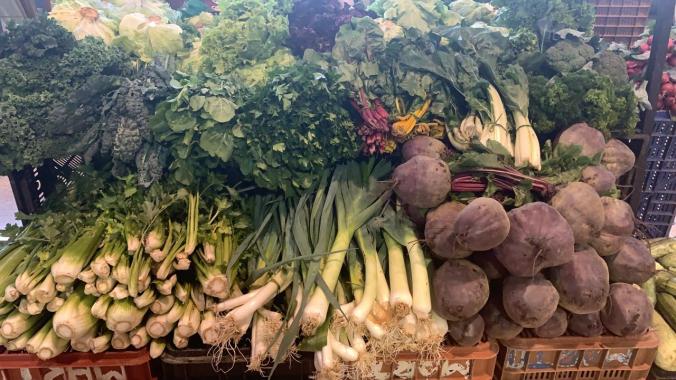
5084bce2c484b_170546bWhen Amie and I visited the Greek island of Ikaria in the autumn of 2013, it was years after we had first read about Blue Zones. We were there for work reasons, looking to identify a new location for Xandari. We learned plenty, though Xandari Ikaria never happened. Hortopita, for one. Not only spinach, but all kinds of greens, both cultivated and wild, can make a dish both healthier and more interesting than the spanakopita I had grown up with. For several weeks now, while investigating ways in which the ferias of Costa Rica might adapt to the new health protocols, and whether we might assist family farms in any way, we took a hiatus from attending the one in our town. I am happy to report that our municipality has made adjustments, and so we attended a new, smaller gathering of family farms this last week. Now that the feria is twice a week, the number of people shopping at either one is effectively halved.

4ae28a27-003e-45c4-9a4c-ed63067f9c2d

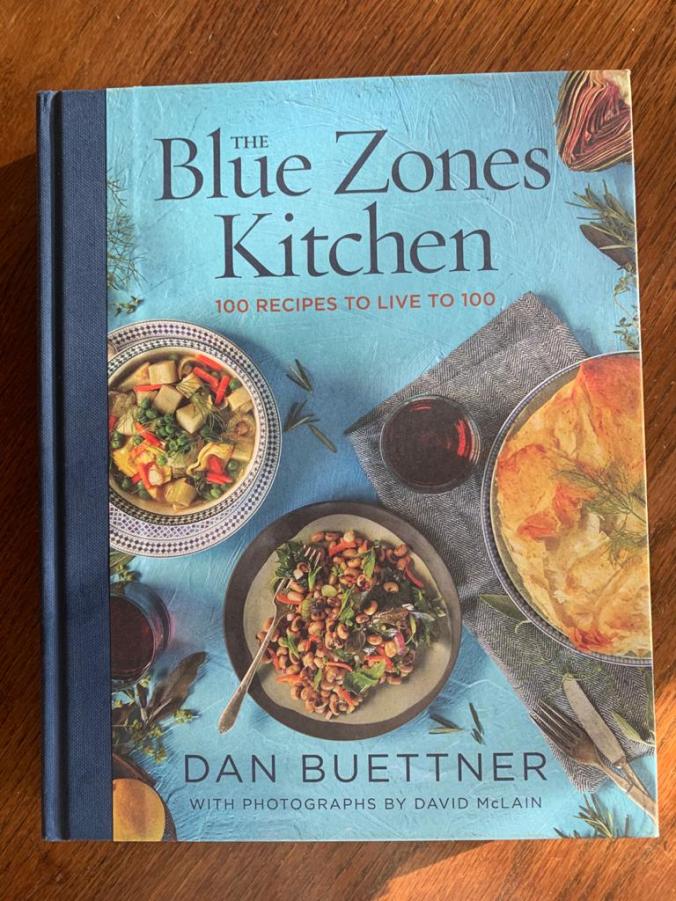
b6cbd244-7cad-4258-bd6a-7293eb55a5b4I bought beets and broccoli and various greens from the stall above a few days ago with no other shopper in close proximity. Good start. And plenty of other distancing measures in place, plus an abundance of soap and sinks and disinfectant sprays at every place where you can enter or exit the feria. Also good. But we remain convinced that a new social enterprise might help these farmers, and shoppers, more. And for that, our kitchen has been a laboratory for generating ideas, with various reading materials to assist. The Blue Zones Kitchen has been especially helpful.
c49f854e-24a9-4859-8432-58321c878bf3

While the “it” social enterprise is elusive, the meals have been nutritious and tasty. This experimentation has converged with my coffee tests, and my 3-year near-obsession with how to bring Maya nut to a wider audience, so this is what I will report on today.

9e3815f9-9c67-4b44-9c7f-8e8917fefeaf

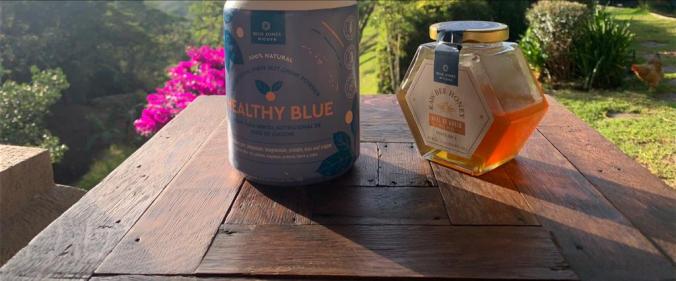
I have been combining a couple Blue Zones products with slow brew coffee, thinking of a drink that can add pep to the day and at the same time add other value, nutritional and otherwise. Honey is part of the recipe for its antioxidant properties as much as its sweetness. And the ojoche (aka Maya nut) to the left in the image above is there for its own nutritional reasons, which will require a post of its own.

d99afbe5-7706-4663-9112-3e501b121fb6

But to get this drink just right, sweetly combining pep + immunity, the ingredient that comes from our feria is the magic touch.

e86c32dd-186b-4ee8-b23e-4a10180a410d

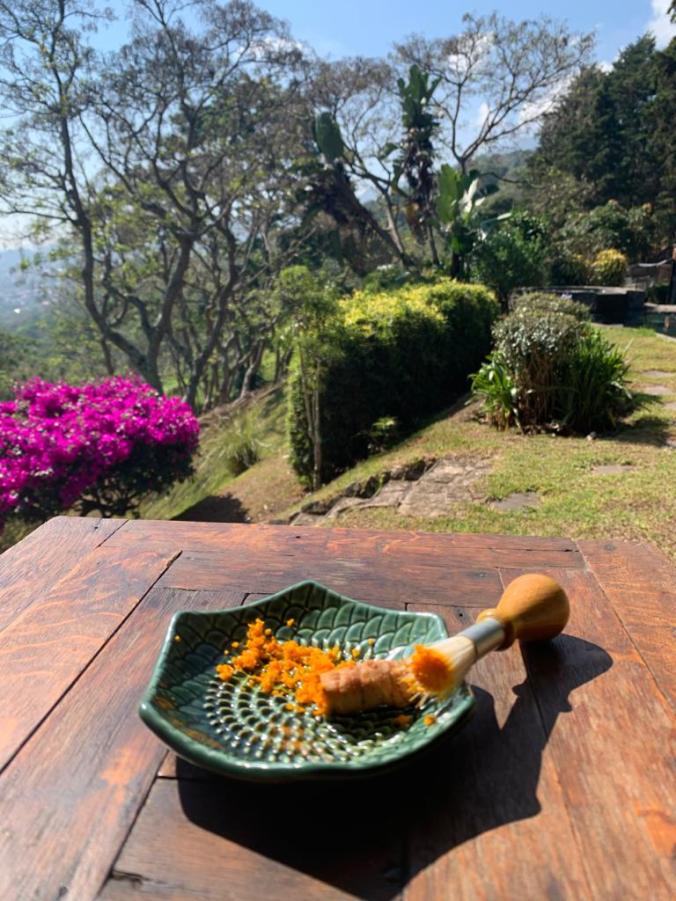
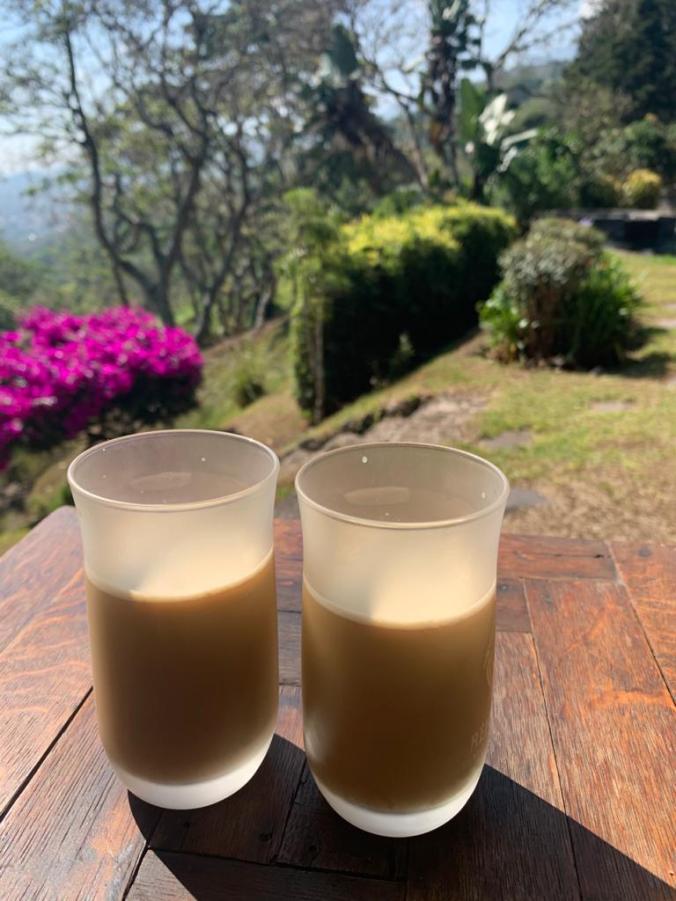
Turmeric became an important part of our diet while living in India. And so it came to be again last month when, just prior to the closure of Costa Rica’s borders, a friend from India visited us. He is a medical doctor, not prone to folk remedies, but under the circumstances we all found ourselves suddenly in, looking for ways to boost our bodies’ immunities–he recommended something simple to us: have some turmeric every day. He specifically recommended combining it with milk, honey and freshly ground black peppercorn. Which we started doing, immediately. And day after day, one thing led to another. So now we have a slow brew coffee with these ingredients, plus some ojoche for good measure.

Slow Brew Coffee Variations

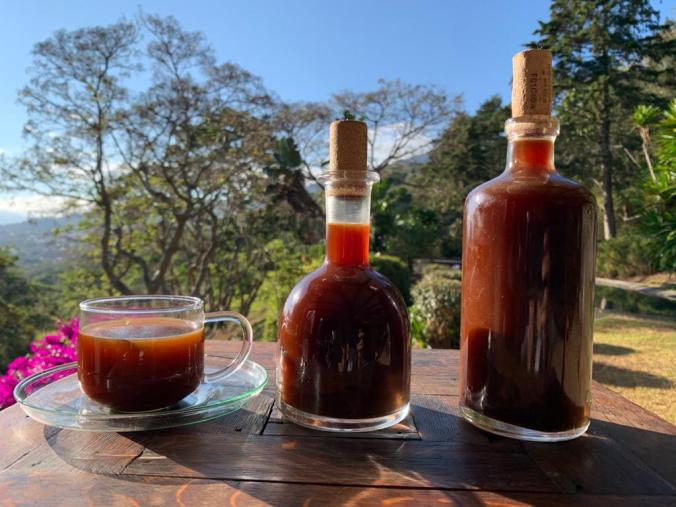
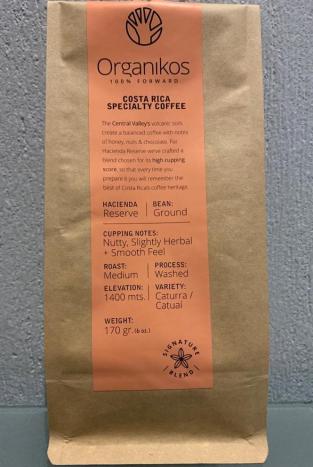
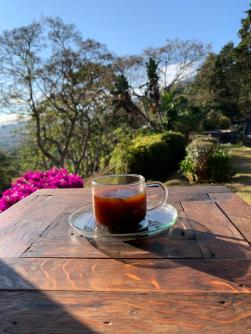
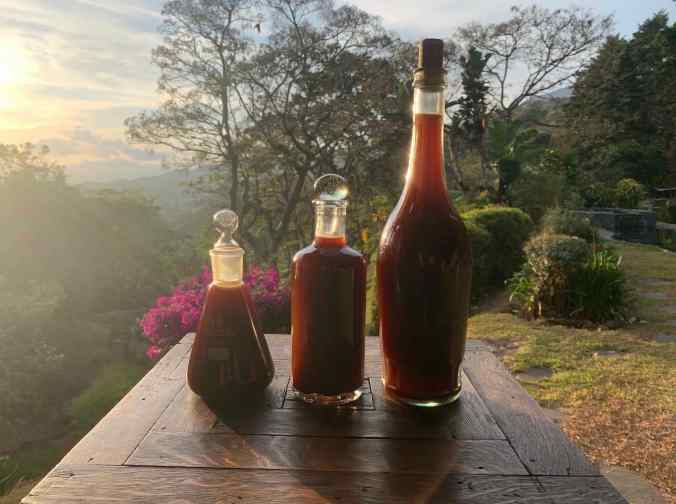
SlowBrew3SlowBrew2For four decades I heated water to draw out coffee’s flavors. I varied the use of hot water through drip machines, espresso machines, pod machines, v60 cones, French presses and an AeroPress. I also varied the coffee, sampled from around the world. Nine days into an experiment, I have simplified. No more heat. No more machines. Only coffees from Costa Rica. This week I have moved to a third variety of coffee, and it is living up to its 87 cupping score. Tested against the Tarrazu and the House, both high quality blends of specialty coffee from two of the best growing regions in Costa Rica, the Reserve tastes like what its name implies.

SlowBrew4While everyone must come to their own conclusion, for me the slow brew draws out that taste as well as any hot brew method. We have more blends, an espresso roast, and three single estates yet to be tested with the slow brew method, and I enjoy variation so I look forward to testing.  But once the Reserve stood out as the best of the first three, it got me thinking about how to use the remaining portions of the first two slow brew blends. And I took a path that will horrify purists, but I am happy to report on the result.
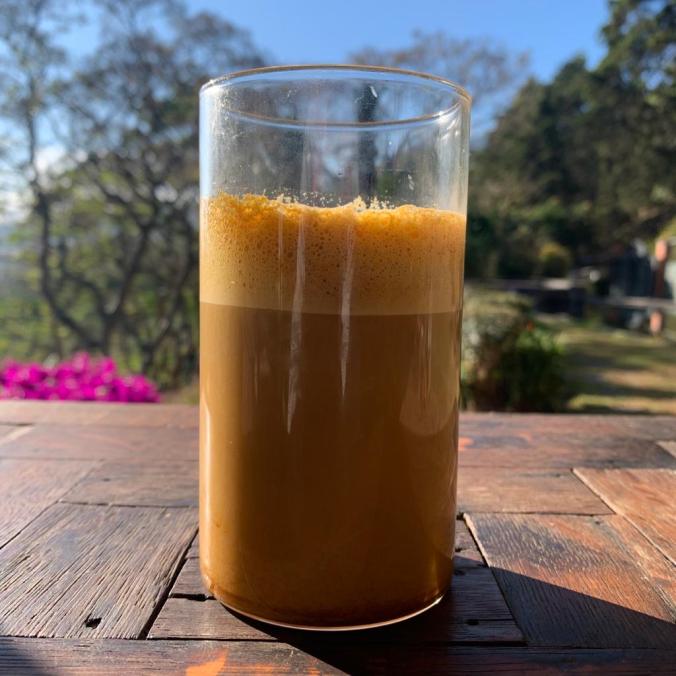
SlowBrew5The recipe for this will follow soon, because I have been varying it slightly each of the last few days, but as you can see there is a head on it, and there is a golden hue.

 

Searching For Bread

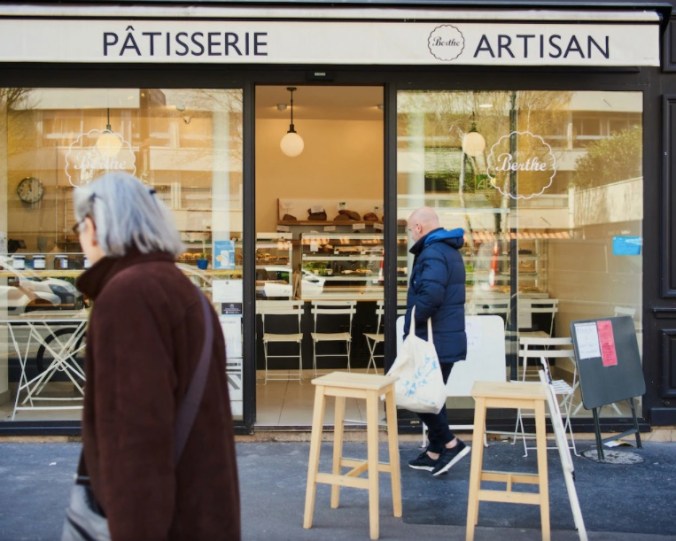
000064298Yesterday’s post got me thinking more about bread, which reminded me of Cherchez le pain. This guide to the best bakeries in Paris was published when we lived there, and its author had been my professor at Cornell. As soon as I saw the publicity for the book I sent him an email congratulating him. To my surprise, he was on sabbatical leave, living just a few blocks from where we were living, so I invited him to join us for dinner.

I had sat through enough of his lectures on the history of food to anticipate an interesting dinner, but I was not prepared for what might sound now like a parlor trick. As soon as we sat for the meal, he picked up the bread in front of him, our favorite from a bakery we had chosen from dozens during our first few months living in that city. He held it to his nose, then brought it to his ear and tapped it with a spoon. He broke it in two and pressed his face into it. Maybe there was more to the show that I have forgotten now. What I do remember is that he named the bakery it was from.

I was impressed. And I was gratified after that when he said we had chosen well. But then he mentioned that if we were willing to walk just two blocks further we would find a bakery that ranked in the top five out of six hundred bakeries he had sampled in Paris. Next morning, of course, we went to that bakery and bought what might be the best bread of our lives. As we walked home with our bread, our entire family halted as we approached the bakery that had been our regular bakery for the past several months. We decided to walk an entire city block out of our way so that the baker would not see us having bought our bread elsewhere.

This Headline Catches My Attention

merlin_152866413_609459f1-4de4-461f-8e13-a961bae7438b-jumbo

Organic cabernet sauvignon grown near the town of Cowaramup in the Margaret River region of Australia. Frances Andrijich for The New York Times

During 2003 and 2004, life in Paris was full of wonders for our family. Bread was really art, we learned. And tarte tatin, which Amie had modified for years using mangos in Costa Rica, is best of all modified by using various French heritage plums available in a nearby marché in late August. And cheese! Plus plenty more, but for now I am reminded of the occasional wine expositions–cavernous spaces filled with hundreds of kiosks of artisanal wine makers–we would attend. At one of those I first tasted natural wine. So today, this headline shouts down all the others. Just the fact that Eric Asimov is still on this particular beat is enough to make me think things are okay, or will be okay, or at least could someday be okay:

France Defines Natural Wine, but Is That Enough?

The wine industry and many consumers have long sought a definition, but the adoption of a voluntary charter may not clarify anything.

merlin_171485409_9bb9d6f4-c698-4e74-a6c7-eb92ca40e585-jumbo

Marie Carroget

Natural wine is healthy and pure; natural wine is wretched and horrible. It’s the future of wine; it’s the death of wine.

For 15 years, natural wine has been a contentious time bomb that has divided many in the wine community, creating conflicts fought with the sort of anger that stems only from extreme defensiveness.

Since 2003, when I first encountered what has come to be called natural wine at the seminal restaurant 360 in Red Hook, Brooklyn, I have been a fan, though a cleareyed one, I hope.

I believe in the promise and beauty of natural wines, while acknowledging that many examples are not good, as is true with all genres of wine. The truth is that natural wines have made all of wine better. Continue reading

Slow Brew, Day 4

SlowBrew1

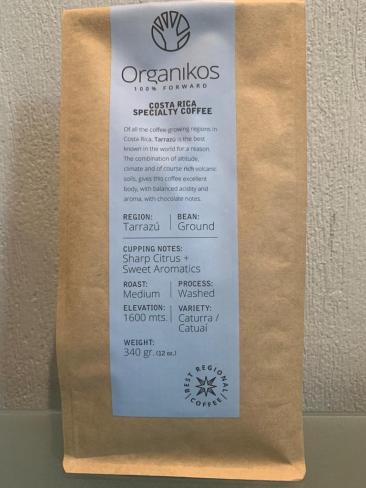
TarrazuRegionalGroundI have been drinking hot coffee every morning for four decades, plus the occasional espresso, and on rare occasions on a hot summer day I have had iced coffee. Maybe ten times in my life have I been interested in drinking a coffee that was not hot. My morning coffee ritual is easily the most consistent feature of my adult life. So, I was not expecting what happened this week. I am now on the fourth day of testing my response to slow brew, which is four days longer than I have gone without drinking hot coffee first thing in the morning since 1980.
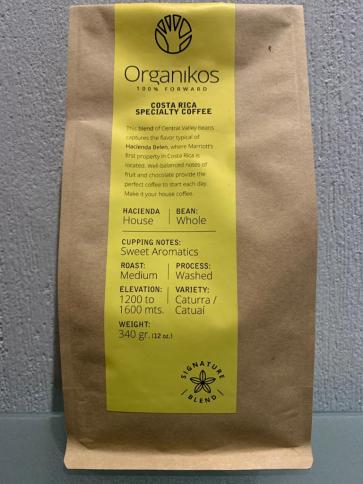
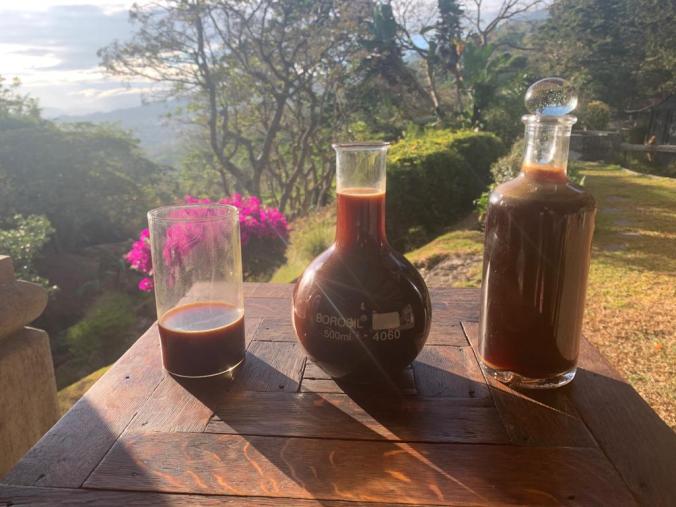
HaciendaHouseWholeFor the first stage of this experiment I brewed our Tarrazu regional blend, packaged in the photo just above. In the photo above that it is in the small bottle on the right. You can see that a residue has formed at the top of the vessel after a few days of sitting, which resembles the spuma on the head of a good espresso. Today I am drinking a slow brew of Hacienda House, our tribute to the coffee estate on which Marriott’s Hacienda Belen is situated in Costa Rica’s Central Valley. This can be seen in the round beaker and the glass in the photo above.

It is darker, and in other ways different. I brewed the Tarrazu for 12 hours and the House for 18 hours. As I drink it now, one flavor pops in a way that it never has for me when I drink it hot: cinnamon!

New Day, New Brew

ColdCoffee1

ColdCoffee2I have been wondering in recent months whether there is something we can do to further reduce the carbon footprint of the coffee we sell? Is there a way to do that and simultaneously improve the taste of our 12 varieties of coffee? The idea of brewing without heat is not new, but I resisted it. I did not like the name cold brew, nor the concept, for the same reason I resist anything smacking of trendy or fashionable: fads fade. I was wrong, in this case. And as soon as I acknowledged to myself that I might be wrong, I demonstrated it with results that I am happy to share here.

ColdCoffee2.5Instead of cold brew, a better name is slow brew, bypassing the carbon footprint of refrigeration. It is as simple as this: grind a pound of coffee at medium and place it in a stainless steel pot. Add two cups of room temperature water (I run tap water through a Britta filter) and gently stir the grounds.
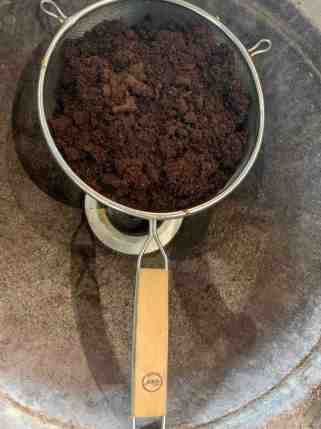
ColdCoffee3Add eight more cups of water and cover, letting the coffee brew for at least 12 hours. Strain through a medium sieve–1/16 mesh is perfect for coffee ground at medium–into another stainless steel pot, letting it drip until the grounds look dry as in the picture to the right. Next use a fine sieve to strain the brew again. You will have about eight cups of coffee that is much stronger than I normally enjoy, but it is worth tasting for the intensity and complexity. After experimenting I found that combining one portion of slow brew with an equal portion of water created the perfect flavor profile.
Here Is Where We Are, With Birds & Coffee

BOTDCrist

Of all the gin joints in all the towns, in all the world…here is where we are.

BOTD2CristAmie and I are following local rules in place over the Semana Santa holiday week, which ends today. Starting tomorrow there will be more freedom of movement. Most of our friends in Costa Rica feel confident in their country’s leadership during this time, and we have respected the rules and appreciated the clarity of their communication.

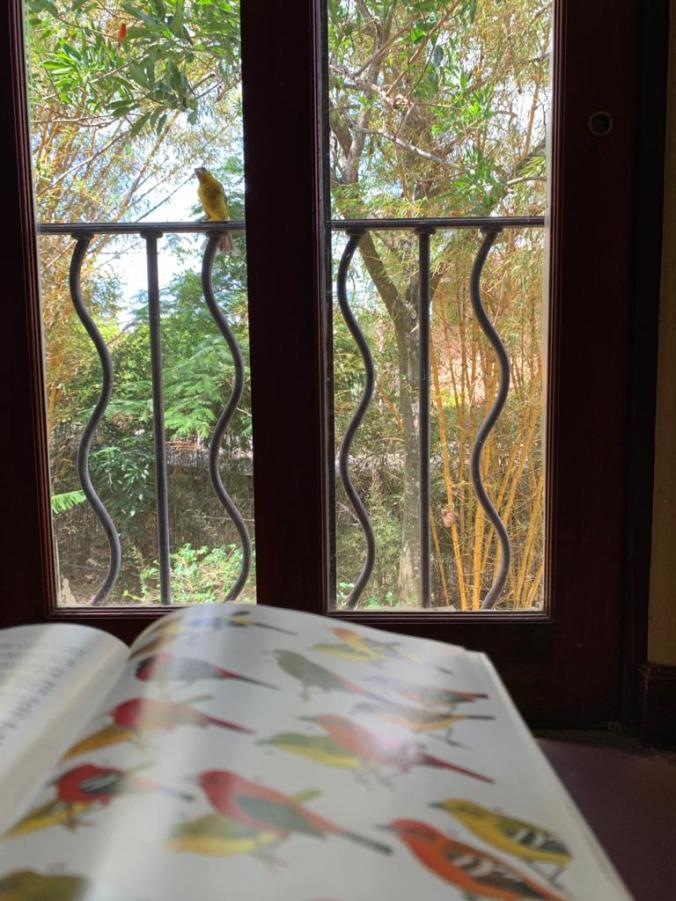
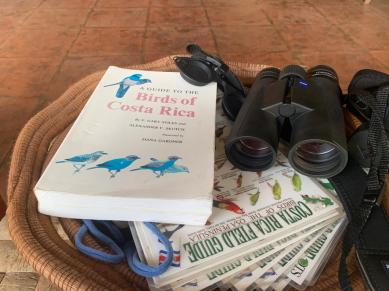
BOTD3CristWe are at home, and I took the photo at the top yesterday with a book we keep next to the binoculars. We have been seeing two different species of bird coming to that window, and I did my best to capture the more colorful pair. I was hoping to get the male and female at the same time on the rail, with their entry in the book clearly in view in the lower right of the frame. I took what I could get. The entry for this pair is on a page with the header Plate 47: Larger Red or Yellow Tanagers which then specifies:
Flame-colored Tanager (Piranga bidentata), p433. Streaked back and wing-bars. (a) [male] orange-red. (b) [female]: yellowish-olive.

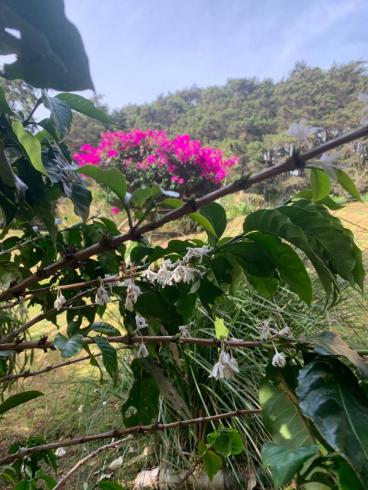
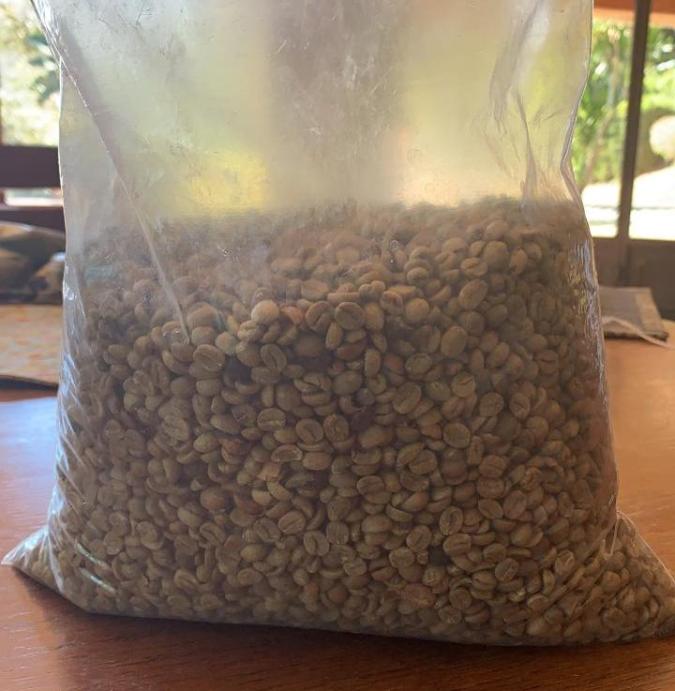
BOTD4CristPositive id. During the setup for that shot, looking out our family room window Amie noticed that one of our coffee trees still has blossoms on it. The white flowers to the right, slightly droopy, signal the beginning of the fruit production cycle that will culminate in December with the ripe red cherries we have been harvesting for 20 years now. Just a few days ago the beans from the most recent harvest were ready, and I placed them in a sack after they had been sundried and the husks removed. We call them beans but they are really seeds, and unlike the previous 20 years when this coffee has been roasted and consumed, this year I will germinate them to fulfill the commitment made one year ago. There is plenty to be concerned about today versus 363 days ago, but there is also, still, inspiration.
BOTD5Crist


In Costa Rica, With Rwanda On My Mind

In Costa Rica, where tourism has been shut down and our own business interests completely on hold, I have resilience of family farms on my mind, which may seem quite a narrow focus but it is my choice, for now. Even with that narrow focus, as always I enjoy stories about this little country’s contributions to the world (click above). But Costa Rica is not the only little country doing remarkable things, it just happens to be where I live and work.

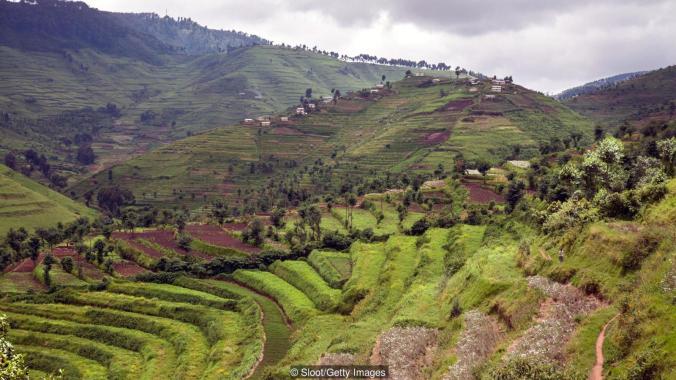
Newly constructed terraces in Rwanda

Rwanda has had experience in similar health crises, managing to successfully contain Ebola from its borders in 2019

This hunger for stories about little countries and their phenomenal achievements keeps me searching for stories to share here each day. And I just found one worth sharing. BBC’s website has a story in their travel section today on what they believe will be the five most resilient economies in terms of recovery from the current combined health and economic crisis. They use the 2019 Global Resilience Index to make some baseline inferences and then share their own expert opinion on how this would translate to recovery. I was struck that Rwanda, a country I have been musing about since Seth’s field work there last year, was in their top five:

Rwanda

We felt confident that the Rwandan government would handle the situation way better than in our home countries Continue reading

Lyon, Bread & Costa Rica

200413_r36217

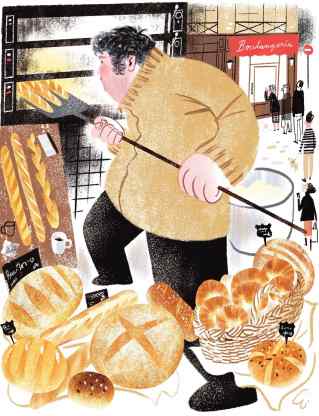
The bread from Bob’s boulangerie united a neighborhood of food fanatics. Illustration by Leo Espinosa

My first mention of Bill Buford was so brief, you might have missed it–just a link to an event he was moderating. The second was a link to his writing. And then another link to his writing. I am glad to see that he is still harvesting from his experience living in Lyon. It is a city that I have been to twice, with exceptional food memories which I will save for another time. For now I will just mention that one baker in Costa Rica has recently mastered the art of world-class bread-making, including baguette and chiabbata. During these challenging times for this country’s family farms it occurs to me, thanks to Bill Buford’s story, that ensuring the survival of this bakery is worthy of attention as well:

Baking Bread in Lyon

For a newcomer to the city, a boulangerie apprenticeship reveals a way of life.

In Lyon, an ancient but benevolent law compels bakers to take one day off a week, and so most don’t work Sundays. An exception was the one in the quartier where I lived with my family for five years, until 2013. On Sundays, the baker, Bob, worked without sleep. Late-night carousers started appearing at three in the morning to ask for a hot baguette, swaying on tiptoe at a high ventilation window by the oven room, a hand outstretched with a euro coin. By nine, a line extended down the street, and the shop, when you finally got inside, was loud from people and from music being played at high volume. Everyone shouted to be heard—the cacophonous hustle, oven doors banging, people waving and trying to get noticed, too-hot-to-touch baguettes arriving in baskets, money changing hands. Everyone left with an armful and with the same look, suspended between appetite and the prospect of an appetite satisfied. It was a lesson in the appeal of good bread—handmade, aromatically yeasty, with a just-out-of-the-oven texture of crunchy air. This was their breakfast. It completed the week. This was Sunday in Lyon. Continue reading

Birds’ Influence On My Appreciation Of Nature

03TB-KINGFISHER2-jumbo

Credit…Miguel David De Leon/Robert S. Kennedy Bird Conservancy

My first love of birds took shape in the Osa Peninsula of Costa Rica in the late 1990s. Toucans first, on the Drakes Bay side of the peninsula in 1997 when we had a family getaway at a lodge run by a bird-loving eco-couple. Then starting in 1999 when our company started managing lodges, on the other side of the Osa I had extended exposure to scarlet macaws, almost invariably in pairs. The love was real, and meaningful but not yet as serious as it would become. It was not until moving to India in 2010 that I seriously understood the power of birds to shape our appreciation of nature.

I can pinpoint the day, because it was at the intersection of when Milo took this photo of an owl, and when we started the bird of the day feature, which has been a daily contribution of this platform ever since. That is about the same time that my appreciation of nature, which I had thought to be quite strong already, became as strong as it is today. And this article below reminds me of that day, not least because of the number of medical doctors who are contributors to our daily feature. My profound thanks to Cara Giaimo (again) and especially to the doctor of whose story she shares:

03TB-KINGFISHER1-jumbo

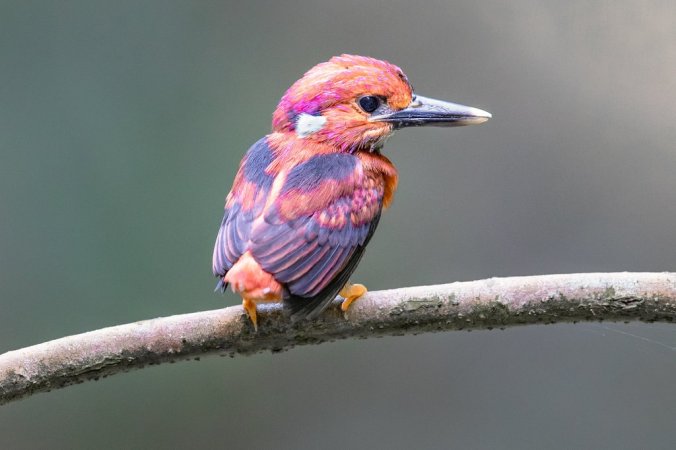
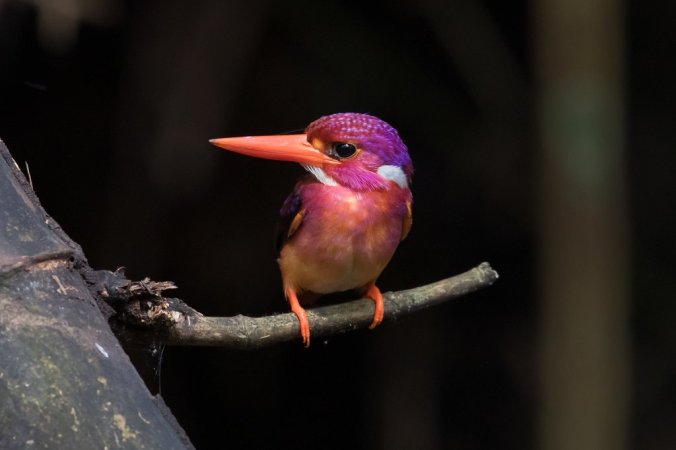
A juvenile kingfisher, with its distinctive black bill.Credit…Miguel David De Leon/Robert S. Kennedy Bird Conservancy

How an Eye Surgeon Got a Picture of This Rare Pastel Bird

The elusive South Philippine dwarf kingfisher is difficult to photograph, and there were no known photographs of its fledglings.

On March 11, Dr. Miguel David De Leon — a vitreoretinal surgeon in Mindanao, the southern island of the Philippines — worked a full morning at the medical center.When he got home, “I was exhausted,” he said.But he pulled it together, lugged his camera an hour uphill and clambered into his bird hide. Continue reading

Carbon Smart Farming

Frankfurter_200317_Trey_Hill0085_web2

Trey Hill on his farm in Rock Hall, Maryland. MICHELLE FRANKFURTER/FERN

Gabriel Popkin came to my attention twice when I was based in Belize, and had an obsession with Mayan foodways that led to a year of thinking about how to commercialize brosimum alicastrum in the USA. That seemed to have been in vain, except here we are on the trail again. Gabriel Popkin came to my attention a third time in 2017 and then I did not see any of his work again until today. It is good to see it again:

Can ‘Carbon Smart’ Farming Play a Key Role in the Climate Fight?

Markets are emerging to pay farmers to store more carbon in the soil by using improved agricultural practices. But flows of greenhouse gases into and out of soil are complex, and some scientists are questioning whether these efforts will actually help slow global warming.

Popkin_Trey-Hill-showing-off-soil_web

Trey Hill shows off the carbon-rich soil under his crops. GABRIEL POPKIN/FERN AND E360

Trey Hill led a small group of fellow farmers to a field outside his office in Rock Hall on Maryland’s Eastern Shore. It was a cloudy February day, but the ground was alive with color — purple and red turnip tops mixing exuberantly with green rye, vetch and clover, and beneath it all, rich brown soil. Hill reached down, yanked a long, thick, white daikon radish from the earth and showed his visitors sumptuous coffee-colored clods clinging to hairy rootlets. Those clumps, he explained, hoard carbon — carbon that’s not heating the planet. Continue reading