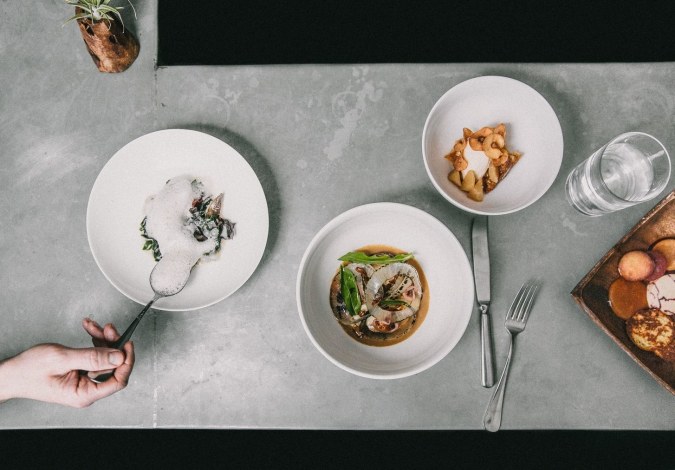
New Ways Of Eating Old Dishes

02mag-Eat-image1-jumbo.jpg

Johnny Miller for The New York Times. Food stylist: Maggie Ruggiero. Prop stylist: Hilary Robertson.

Tejal Rao, the California restaurant critic at The New York Times and a columnist for The New York Times Magazine, came to my attention not long ago. At that time I did not look at her background and thought perhaps she was a science writer, based on that story. We are committed as much as anything in these pages to featuring stories by people who explain science well to a lay audience. But as of this week I realize she is a food writer and if you believe in James Beard awards she must be one of the best. That makes me think we will see more of her work because that is another of our favorite things. As I went through her website to read some of her earlier work, this story immediately stood out because of the title: Not Your Dickensian Bowl of Porridge. And that has been a favorite topic of mine since introducing savory porridge on our menu in Kerala a few years back. I cannot wait to test this out, even though I favor oats for my porridge:

02mag-Eat-image2-superJumbo.jpg

Credit Johnny Miller for The New York Times. Food stylist: Maggie Ruggiero. Prop stylist: Hilary Robertson.

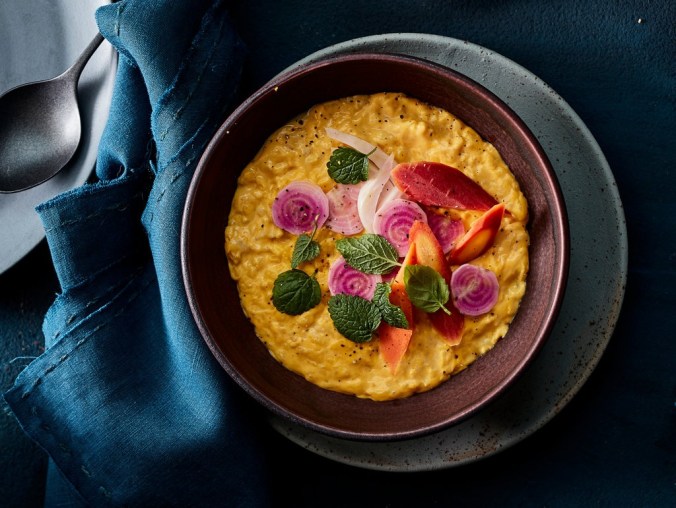
“How much time do you have?” Minh Phan wanted to know, when I showed up at her restaurant in Los Angeles after hours. I was hoping to learn how she cooked the delicious rice I ate there about a week before. It was covered with curls of see-through pickles and little scoops of sticky, savory jams, and many kinds of herbs. The grains of rice were whole and tender — soft but not soupy. How much time could we possibly need, I wondered, to boil some rice until it was tender?

What I learned was that a simple bowl of soft rice, in the hands of Minh Phan, was in fact extraordinary. It tasted familiar and comforting, but it was built meticulously and garnished effusively, its flavors carefully layered, its textures arranged in sequence. Continue reading

Books For Early 2019

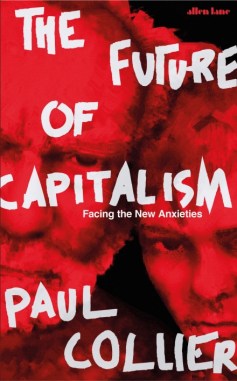
collierbookI have a few more books, in addition to this history, on my reading list. Reihan Salam, the executive editor of National Review, provides this preview of the Oxford economist Paul Collier‘s new book:

You might expect that Paul Collier, a noted development economist at Oxford who has devoted most of his professional life to the uplift of the global poor, would see himself as a “citizen of the world.” But that’s not quite right. Collier grew up in Sheffield, a once-flourishing English steel town that provided working-class families like his own with a modicum of prosperity and stability, and that has since struggled in the face of import competition and the loss of many of its most ambitious citizens to London and other dynamic cities. He attributes his prodigious accomplishments in no small part to the cooperative character of the community, and the nation, in which he was raised.

National loyalty, far from being inimical to a more just and decent world in which all, including the world’s poorest, can flourish, is seen by Collier as a firmer foundation for global cooperation than abstract cosmopolitanism, which all too often serves as a mask for unenlightened self-interest. The question animating his small but wide-ranging book “The Future of Capitalism” is whether the sense of rootedness that so defined the Britain of his youth can be restored…

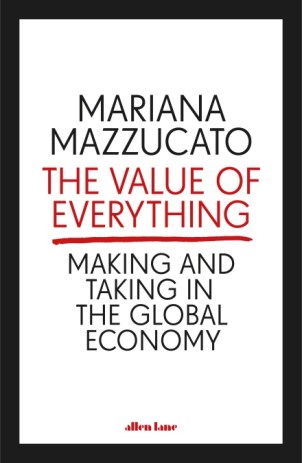
ValueBook.jpgRead the whole review here. My second encounter with Paul Collier was this panel discussion on Intelligence Squared. The way in which the world’s developing economies view capitalism is as important as the current changes in how mature developed economies view capitalism. For that reason I am also looking forward to Mariana Mazzucato’s most recent book, to the right. Surprisingly I had never heard of her before listening to her muse about various influences in her life that led to her distinct voice on how value is created by societies. Her self-introduction makes me wonder how she did not show up in our pages previously:

I’m a Professor in the Economics of Innovation and Public Value at University College London (UCL), and Director of UCL’s Institute for Innovation and Public Purpose . My work is focused on the economics of innovation; patient finance; economic growth and the role of the State in modern capitalism. I advise policy makers around the world on how to achieve economic growth that is more innovation-led, inclusive and sustainable. My 2013 book, The Entrepreneurial State: debunking public vs. private sector myths, looks at the ‘investor of first resort’ role that the State has played in the history of technological change — from the Internet, to biotech and clean-tech — and the implications for future innovation and for achieving public-private partnerships that are more symbiotic. In 2016 I co-edited a book called Rethinking Capitalism: Economics and Policy for Sustainable and Inclusive Growth focusing on the need for new economic thinking to drive more effective economic policies. My new book The Value of Everything, available in UK and US edition, looks at the need to revisit the difference between value creation and value extraction, and the problems that arise when one is confused with the other.

Thinking Forward While Looking Back

American_history.jpg

Jill Lepore is a New Yorker staff writer and a historian at Harvard University. She tells David Remnick that her new book is the result of a dare: to tell—or even to understand—the story of this country, from the Age of Discovery through the present day, in one volume. In “These Truths,” Lepore surveys six-hundred-odd years of American history, paying particular attention to themes of immigration, suffrage, and how the media has shaped our democracy. Above all, Lepore grapples with whether the United States has lived up to the promises of its founding. She finds an America alternately fearful of change and fearful of stagnation, trapped between idealizing the past and hoping for a better future. The journey toward progress, Leporesays, is less a march than a stumble.

LeporeBook.jpg

I have listened to several interviews that Jill Lepore has given during her promotional tour of her new book, such as the one above (click the top image to go to the source). Today I listened to this one, and it has convinced me that this is one of the books I should take the time to read to put the country of my birth, and the country that many people regardless of birthplace are currently confused by, back in some kind of perspective.

We mostly avoid political commentary on this platform but it is impossible to pretend that the USA or Brazil, or the world as a whole are moving forward or in a good direction. My point of view on the state of governance is mainly one of surprise and confusion–how did we get so reactionary so quickly, and where will that lead us?

092418-PoliticsandMore-CP.jpg

Photograph from Universal History Archive / UIG / Getty

I had already listened to this short discussion of the ideas in this book several months ago. It was interesting but had almost zero impact. On the best of days recently I tell myself that if such a shocking mess is possible, then it should also be possible to imagine and move toward a radically superior future. And that always feels Panglossian. But with a few hundred years of history in mind, Jill Lepore gets me thinking that maybe I can see these times for what they are–not good, nor headed anywhere good–but also see that the cycles of history have had us in at least equally trying times, many times in the past. Ezra Klein has one of the best podcasts out there, and this episode proves it to me:

Jill Lepore is a Harvard historian, a New Yorker contributor, and the author of These Truths, a dazzling one-volume synthesis of American history. She’s the kind of history teacher everyone wishes they’d had, able to effortlessly connect the events and themes of American history to make sense of our past and clarify our present.

“The American Revolution did not begin in 1775 and it didn’t end when the war was over,” Lepore writes. This is a conversation about those revolutions. But more than that, it’s a conversation about who we are as a country, and how that self-definition is always contested and constantly in flux. Continue reading

Authentica, A Few Of Our Favorite Things

FransCoffee.jpegYesterday’s coffee sample from the Brunca region got us thinking about our interest in foods and beverages that represent the taste of a place we have gotten to know through our work. Today I am sampling a friend’s coffee grown a few hundred meters away from where I sit typing this.

It is an arabica varietal, known as Castillo, that has resisted the rust plaguing Central American highland coffee farms. And this glass of freshly brewed Castillo makes me realize that Authentica is also an outgrowth of the much broader array of work that led to our original interest in taste of place.

In 1995 I gave a lecture based on some ideas that came out of my doctoral dissertation, ideas which I now simply refer to as entrepreneurial conservation. Costa Rica had recently committed to the then-new sustainable development model. I made sure that the ideas from my dissertation could be clearly understood within Costa Rica’s framework. Based on the lecture he received an offer to lead an initiative, based in Costa Rica and serving the countries of Central America, that would facilitate the adoption of sustainable tourism development strategies in the region.

biesanzbbb6281c1oa.jpg

In 1996, tourism was limited in Costa Rica but there was enough of an industry to analyze its component parts. This highlighted pre-existing strengths on which to build a national tourism strategy. One of those components was handicrafts. We have not gone back to look at the findings, but memory tells us that handicrafts were a small but thriving sub-sector of tourism, and some of it was spectacular. The bowl to the left was the first we had seen made of the local wood called cocobolo.

Pia pitcherIn the 2+ decades since that analysis, times have been difficult for the artisans of Costa Rica even as the tourism sector as a whole has grown dramatically. It is enough to say that something must be done in Costa Rica to valorize the artisans who have been able to hang on, and to likewise showcase the remarkable renaissance of artesania in this amazing country. The campesino in the photo to the right is from an artisan who carves coffee wood, with coffee farmers his primary subject. We received that carving as a gift in 1998 and we recently met the artisan who made it. He has managed to hang on.
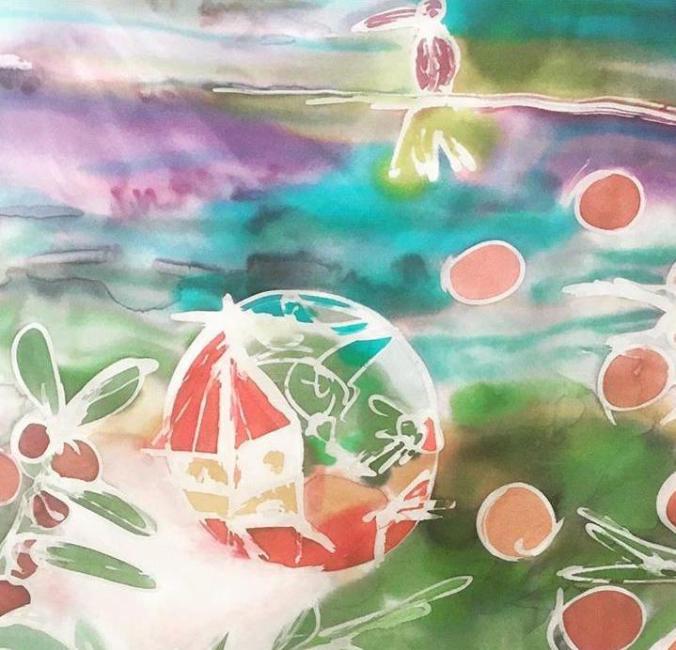
On that same shelf is a small ceramic pitcher made by an artist of the next generation, who is a perfect representative of the renaissance we see, now that we are visiting Costa Rica after many years living in other parts of the world. A platform is needed to share these things that we see and love about Costa Rica, things which we believe represent this place well, and put them in a place where they can be purchased, in order to valorize the artistry and craftsmanship.

SilkCoffee1

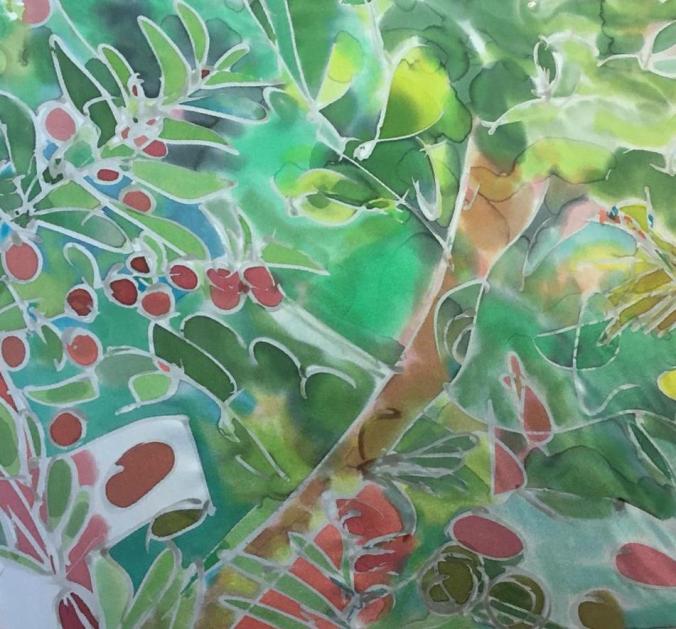
Above is a hand-painted silk scarf made by a local artist whose life on a coffee farm inspired this particular image, and the one below. We will be more specific about these and other artists in future posts. For now it is just enough to say that we believe in local artists, artisans, farmers, roasters, chocolatiers enough that we have formed Authentica as a marketplace for their products, to be sold mostly to visitors who want to take home with them a sense of the place they have visited.

SilkCoffee2.jpeg

Looking Forward Requires Rethinking

Olympia1The new morning, the first of the new year, started just like any other. Coffee. But a theme related to looking forward was set in motion yesterday, and so it was time to taste this new coffee. Drinking mostly coffees from the Tarrazu region for all of 2018, today’s coffee is from the Brunca region.

Olympia2It is organic, washed (as opposed to natural process, or anaerobic or other new fangled methods) and medium-roasted. I use a nondescript filter brew machine, and I grind the beans slightly on the coarse side. Maybe I just woke up ready to enjoy the new year, but this tastes like one of the best new coffees I have sampled in the past 12 months. I have lost track of the count, but I have tasted several dozen varietals. This one stands out, perfect for my palate. The fact that it is organic, selected and roasted by friends for their own cafe, makes me think that we will have more of it before too long.
When we moved to Kerala, India in 2010 our flight was the day after Seth began college. We had an implicit goal of offering Milo two years of something different prior to his 18th birthday.  Dates of transition, like the first of a new year, are obviously no different from other days, but they can punctuate time with reflective review and reflexive preparation. 2019 will be a transition year. When we left India in 2017 it was without a clue of what we would do next, except our goal was to return to Costa Rica and start something that builds on our work while allowing us to learn something new. Here we go.

Closure Requires Looking Forward

OConnor-The-Snow-Leopard.jpg

The zoologist George Schaller, whom Matthiessen accompanied to the Himalayas, says that, forty years after “The Snow Leopard” ’s publication, the animal has grown only slightly less mysterious. Photograph by George Schaller

9781137279293.jpgWhen I see the name Peter Matthiessen the first thing I think of is a recording of his voice on my telephone ten years ago. I knew he would be passing nearby and had invited him to see what we were doing in Patagonia. His message was a very warm decline of the invitation.
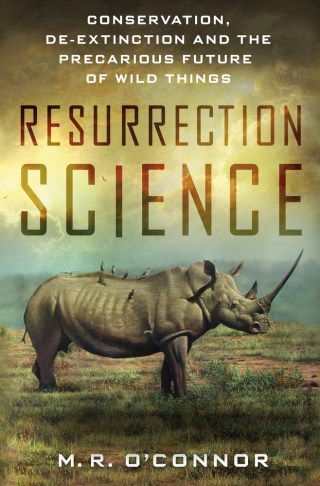
In addition to triggering that memory, M.R. O’Connor’s essay below reminds me that my family’s subscription to the New Yorker began in 1978, possibly with the late March issue in which Peter Matthiessen’s article about the snow leopard appeared. I can trace my interest in conservation back to that, and perhaps this accounts for why that magazine has been arriving weekly for me in the mail ever since. In the meantime this interest has exposed me to books like the one to the right. Which is as good a reason as anyway to make this link the 2018 coda (for me) on this platform:

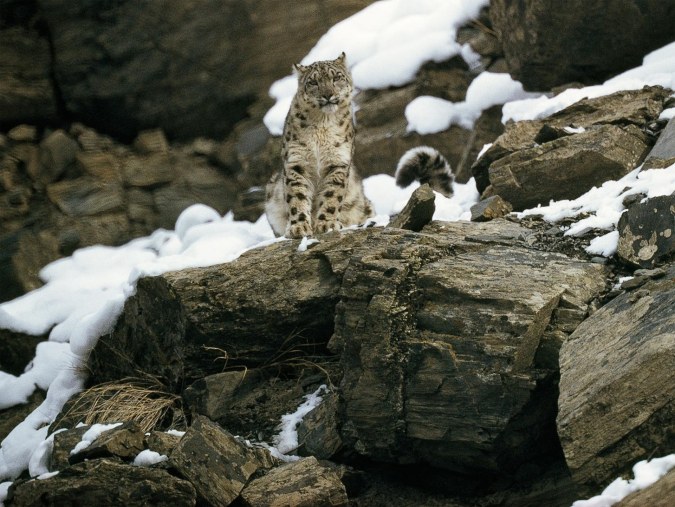
In the autumn of 1973, the naturalist and writer Peter Matthiessen and the zoologist George Schaller set out on a gruelling trek into the Himalayas. They were headed toward the Dolpo region of the Tibetan plateau. Schaller wanted to study Himalayan blue sheep; Matthiessen hoped to see a snow leopard—a large, majestic cat with fur the color of smoke. Snow leopards, which belong to the genus Panthera, inhabit some of the highest mountain ranges in the world, and their camouflage is so perfectly tuned that they appear ethereal, as though made from storm clouds. Two of them feature on the Tibetan flag of independence, representing harmony between the temporal and spiritual planes.

For Matthiessen, a serious student of Zen Buddhism, the expedition wasn’t strictly scientific. It was also a pilgrimage during which he would seek to break “the burdensome armor of the ego,” perceiving his “true nature.” After it was published, in 1978—first, in part, in The New Yorker, then as a book—“The Snow Leopard,” his account of the trip, won two National Book Awards, becoming both a naturalist and a spiritual classic. It overflows with crystalline descriptions of animals and mountains: “The golden birds fall from the morning sun like blowing sparks that drop away and are extinguished in the dark,” Matthiessen writes. But it’s also an austere Buddhist memoir in which the snow leopard is as alluring and mysterious as enlightenment itself. Continue reading

Tigers, Tales, Illumination

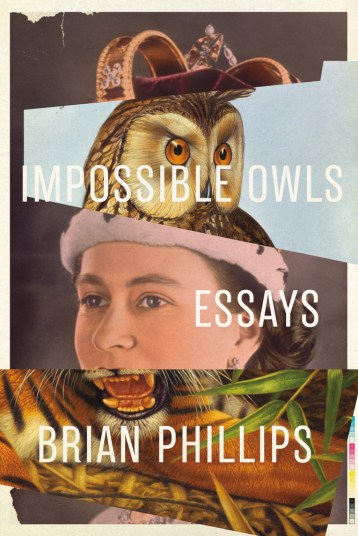
ImpossibleOwl.jpgBrian Phillips has not featured once in our pages until now, nor has The Ringer. If you read his essay below, featured also in the book to the right, the fit with our platform here is clear. Strange, though; I would not have expected to see it featured on a website that looks to be mostly focused on sports.

But it is a welcome surprise. It serves as another welcome reminder of some of the highlights of our years in India. And it provides a reason to track the author. The blurb the publisher chose to accompany the book (click the image to the right) is telling: “…Dogged, self-aware, and radiating a contagious enthusiasm for his subjects, Phillips is an exhilarating guide to the confusion and wonder of the world today. If John Jeremiah Sullivan’s Pulphead was the last great collection of New Journalism from the print era, Impossible Owls is the first of the digital age.”

phillips_tiger_getty_ringer.0.jpg

Getty Images/Ringer illustration

Man-eaters

1

Of the twelve tigers I saw in India, one might have been a ghost; two were in water, eight were on land, and one was sleeping in a tree. One stepped out of high grass, crossed the road in front of me, and disappeared into grass on the other side. One walked along a low ridge on the edge of a different road, oblivious or indifferent to the tourists taking her photograph. One looked out from a cover of branches and red leaves, so perfectly concealed that from thirty feet away he kept stereoscoping in and out of sight. Three were cubs, just four or five months old. Three were juveniles, aged around one year. The rest were fully grown. All were tired, because the days were hot, and because the days were dry they moved and breathed and slept in a film of clay-colored dust. Continue reading

Outfitting For Wild Animals


Wolf.jpg

Teach a Wolf to Fish. By University Of Minnesota, Voyageurs National Park And Voyageurs Wolf Project. Nighttime footage of a wolf hunting freshwater fish in a river in Minnesota’s Voyageurs National Park. Dec. 14, 2018

I got to know Natural Habitat Adventures while our company was operating Chan Chich Lodge in Belize. I was impressed with their guides, and with the photographic and video skills of the guests who they brought to the lodge. And all of them were deeply concerned about conservation. But I never saw anything quite like the video above. When you have nine minutes to spare, it is as satisfying as any nature footage as I have seen in a long time.  I thank Jim Robbins again for this article, whose focal video about wolves fishing (to the left above) is definitely worth watching:

Watch This Wolf Go Fishing

Yes, researchers in Minnesota have recorded wolves diving into a stream to grab a meal.

Wolves are thought of as red-meat eaters, but a team of biologists in northern Minnesota, near Voyageurs National Park, has documented a pack that often enjoys a meal of fish. Continue reading

Paul Watson Speaks

merlin_81011591_6f2b6bd7-4d1d-4c32-8d90-471604eed16a-jumbo.jpg

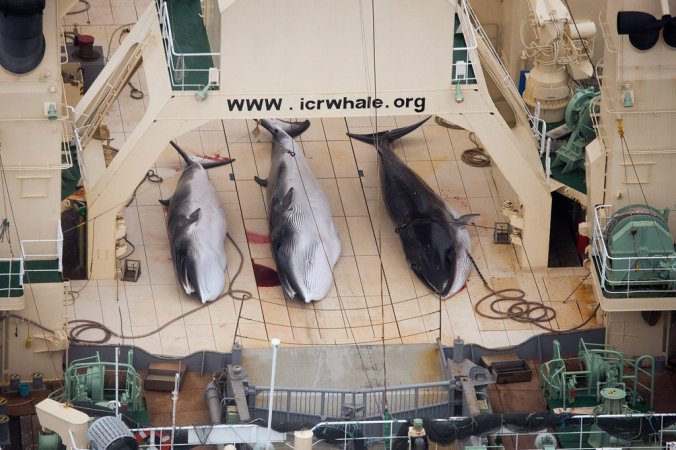
A photo from 2013, released by the environmentalist group Sea Shepherd, showing minke whales on the deck of a Japanese ship in the Antarctic. Japan says it will restrict whalers to its own waters as it resumes commercial whaling. Credit Tim Watters/Sea Shepherd Australia, via EPA, via Shutterstock

I had to read to the end to see Paul Watson’s name, and more importantly his proclamation on the significance of Japan’s withdrawal. It has been a long time since we have seen him or Sea Shepherd in our pages. My thanks to Daniel Victor and his employer for this important story:

Japan to Resume Commercial Whaling, Defying International Ban

Japan said on Wednesday that it would withdraw from an international agreement and resume commercial whaling, a defiant move to prop up an industry that still has cultural significance there, despite plummeting demand for whale meat.

Yoshihide Suga, Japan’s chief cabinet secretary, said the country would leave the International Whaling Commission, which established a moratorium on hunting whales that took effect in 1986.

The international agreement never stopped Japanese whaling, because it allowed the country to continue killing whales for scientific research while selling the meat. Critics considered the research a sham, little more than a cover for commercial whaling. Continue reading

Us & Them Versus The Rest

2200.jpg

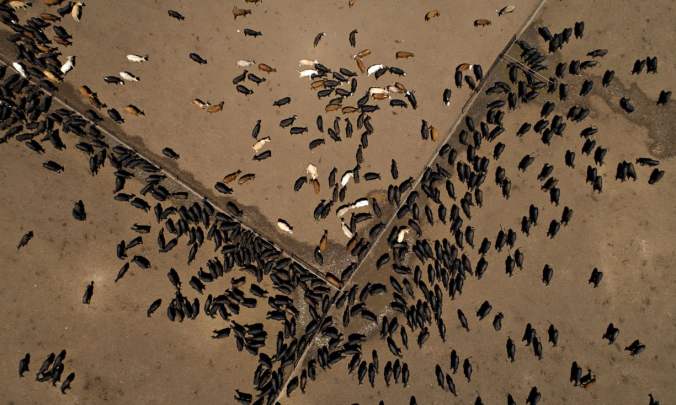
Beef cattle stand at a ranch in this aerial photograph taken above Texas. Meat and dairy accounts for just 18% of all food calories and around a third of protein. Photograph: Daniel Acker/Bloomberg via Getty Images

Them refers to the kinds of mammals in the photo above. Us refers to us humans. In keeping with yesterday’s post, Oliver Milman’s op-ed provides an excellent reminder that virtually all mammals living on planet earth today are we humans and the animals we farm for eating. There are still other species of mammals holding on, if barely, but they are being pushed to extinction largely due to the amount of meat we eat. Another good reason to go vegetarian, or vegan, or more simply just eating much less meat:

Why eating less meat is the best thing you can do for the planet in 2019

Eating meat has a hefty impact on the environment from fueling climate change to polluting landscapes and waterways

Recycling or taking the bus rather than driving to work has its place, but scientists are increasingly pointing to a deeper lifestyle change that would be the single biggest way to help the planet: eating far less meat. Continue reading

Taking Stock Of Animal Futures


Our cohabitation with animals on this planet is imperiled. There is no choice but to keep track of these things as best we can with art, with essays, with whatever it takes. Thanks to Rachel Riederer (again) for adding her words and links to images and videos on this topic:

The Not-So-Uplifting Year in the Animal Kingdom

During a year that saw the stripping away of environmental protections, the most resonant stories served as sombre warnings rather than warm-fuzzy generators.

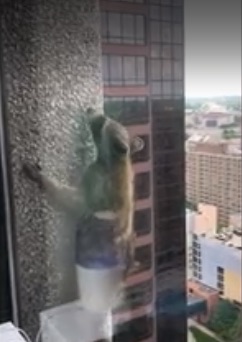
Racoon.jpg

The skyscraper-climbing raccoon made it to the top of UBS tower in St Paul, Minnesota, where officials were waiting for it.

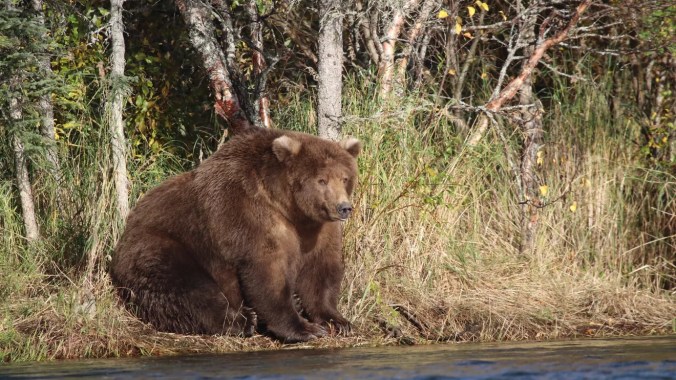
I can’t count the number of animal stories that appeared in my timelines this year with comments like, “Everything is garbage, so here’s this.” There was the cat who was reunited with her family after the Camp Fire, in California, and the parrot who was adopted after getting kicked out of an animal shelter for swearing too saltily. Among the bears preparing for hibernation at Katmai National Park, a female named Beadnose became famous for being the most gloriously round. There was the baby raccoon who scaled a skyscraper in St. Paul, “Mission Impossible” style, stopping occasionally for naps in window ledges along the way. (It was trapped, released, and promptly made the subject of a children’s book.) Stories from the animal world offer reliable moments of escapism—the ones we see in viral videos are usually cute, or tame, or strange and majestic, and glimpsed from a safe distance. But the animal stories that resonated most with me this year were the ones that hinted at a more ominous trend: that we humans are encroaching on nature in ways both glaring and subtle, putting the human and animal worlds into ever more intimate, and ever more fraught, contact.

44382577324_a5fb622fab_o.0

Katmai National Park’s bear 409 (aka “Beadnose”) won the 2018 competition for fattest bear. According to the park, when “she is not raising cubs, this bear is usually one of the fattest females.” NPS Photo/A. Ramos

The most influential animal of the year might be the unfortunate sea turtle who got a straw stuck—really, deeply, seriously stuck—up his nose. In an uncomfortable ten-minute video posted to YouTube, a marine biologist slowly extracts the straw, which is brown and crumpled and disgusting. The turtle’s nose bleeds, and throughout the ordeal, it opens its mouth as if to bite the biologist’s hand—or howl in pain. The video, filmed in 2015, in Costa Rica, became part of this year’s debate over plastic straws and was used by proponents of straw bans to show how such a small object, used and disposed of without a thought, can cause substantial suffering down the line.

BBPqucq

© Twitter Screengrab from the viral video

baby bear became an overnight Internet star when it was captured in a video that looked, at first, like a sweet inspirational tale. In aerial drone footage, the cub was shown repeatedly slipping down the side of a snowy ledge and trying mightily to make its way to the top, where its mother waited. Ultimately, the cub prevailed, and the video was embraced on social media as a tribute to the power of perseverance. But then drone operators and ecologists began weighing in: the drone that took the video had likely alarmed the bears; you can see the mother bear swatting the air as the drone flies closer. The machine’s operator, in chasing the bears for footage, had potentially driven them into a dangerous situation. Suddenly, the viral cub was transformed from a feel-good fable into a cautionary tale about how humans can imperil animals just by trying to get a good look at them. Continue reading

Fortune & Misfortune On Kerala’s Backwaters

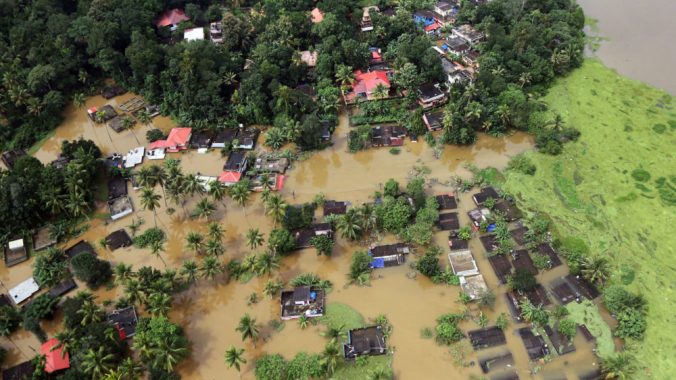
Reuters_KeralaFloodingAugust2018_web.jpg

Partially submerged houses in Kerala, India last August. REUTERS / SIVARAM V

Any picture of a houseboat reminds me of our good fortune to live among the people of Kerala’s backwaters from 2010-2017. The photo below is no exception and I thank Fred Pearce, writing for Yale e360, for bringing to my attention the scale of misfortune facing our old neighbors from the most recent flooding. I knew about the disaster, but had not read in any detail until now what this implies for the future. Maybe this fortune could be applied to address those challenges:

In India, Nature’s Power Overwhelms Engineered Wetlands

The picturesque Kerala backwaters in southern India, increasingly popular with tourists, form a network of engineered canals, lagoons, lakes, and rice paddies. But a fatal monsoon deluge has highlighted the global problem of how developed wetlands often lose their capacity to absorb major floods.

GettyImages-1020694038_Kerala-Flooding_web.jpg

Floodwaters inundated much of Kerala’s low-lying coastal plain, including the village of Pandanad, pictured here. MANJUNATH KIRAN / AFP / GETTY IMAGES

In India, they call the state of Kerala in the country’s far south “God’s own country.” That wasn’t how it felt last August, when monsoon floods devastated its densely populated low-lying coastal plain. Around 500 people drowned, in an area best known to outsiders for its placid backwatersa network of brackish lakes, lagoons, and canals where growing numbers of Western tourists cruise the picturesque waterways aboard luxury houseboats.

Pearce_IMG_5233_Houseboat_web (1)

A luxury houseboat moored along Lake Vembanad near the tourist town of Kumarakom in Kerala. FRED PEARCE / YALE E360

Now that the floodwaters have abated, questions are being raised about whether the disaster was made worse by water engineering projects in the backwaters designed to feed the state’s population and attract tourists. Increasingly, Kerala residents are wondering if “God’s own country” is damned as well as dammed.

The floods came out of the Western Ghats. This chain of mountains down the west side of India is one of the country’s wettest places, drenched from June to September in monsoon. In early August, the rains there were exceptionally intense and unremitting. The rivers flowing from the mountains west toward the Arabian Sea dumped their water into the backwaters on a coastal plain that is largely below sea level.

Sixty-mile-long Lake Vembanad, at the heart of the backwaters, rose up and flooded surrounding wetlands and rice paddies, cities, and farming villages. A quarter-million people took refuge in 1,500 relief camps; 6,200 miles of roads and 115 square miles of farmland were damaged. Cochin International Airport was awash. Continue reading

Resist Screaming

Today’s absurd news of a government shutdown in the USA provided me an important indicator that nothing much shocks me anymore. And that seems as dangerous as the shocking things that now fail to shock. In the last week I resolved to take care with words. And I stand by that. But still, watch the video above and see if you can resist the headline’s claim:

Americans Should Be ‘Screaming Mad’ About Amazon’s Free Money

You may have heard by now that Amazon’s new headquarters will soon call the New York and Washington, D.C., metropolitan areas home. Continue reading

Birds, Beacons Of Good Fortune

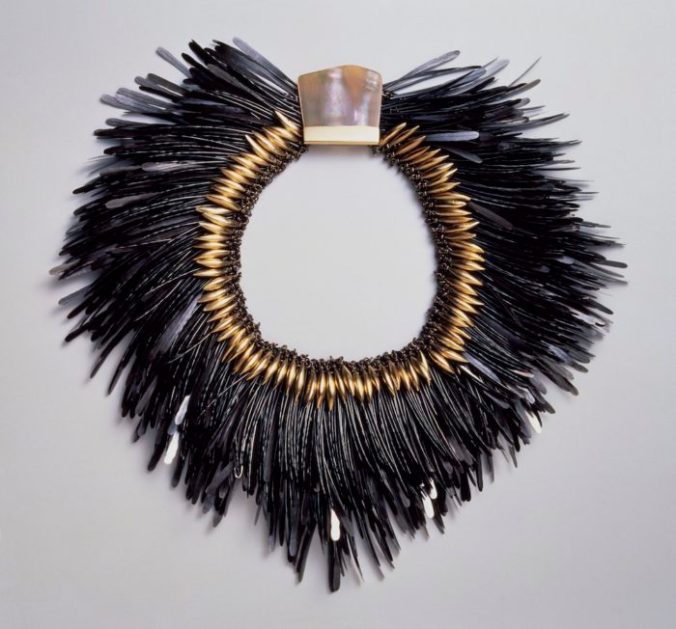
1984-83-1

Necklace, designed by Tone Vigeland (Norwegian, born 1938)

HistoirenaturelIILeVa_0032-700x1063

Book, Histoire naturelle des oiseaux de paradis et des rolliers: suivie de celle des toucans et des barbus (Natural History of Birds of Paradise and Rollers: Followed by that of Toucans and Barbets), Volume 2; 1806; Written by François Levaillant (French, 1753–1824); Illustrated by Jacques Barraband (French, 1767–1809); Smithsonian Libraries, QL674.L65 1806

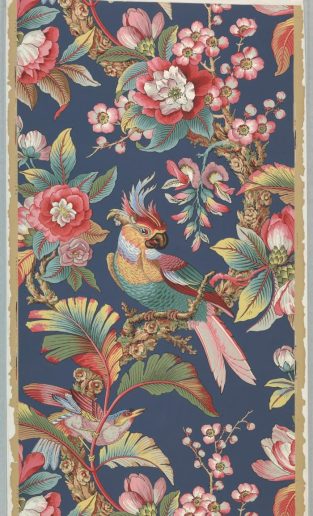
An exhibit at the Cooper Hewitt comes to my attention thanks to Dylan Kerr, whose essay The Mandarin Duck and Avian Art at the Cooper Hewitt makes an interesting link between the choices Rebeca Mendez made as a curator and a recent unusual bird sighting in New York City:

For the past several weeks, New Yorkers have been abuzz over a mysterious visitor. A mandarin duck, an intricately colored waterfowl native to East Asia, has taken up residence alongside the mallards in the Central Park Pond, drawing crowds and inspiring memes, dog costumes, and a Twitter account (bio: “I’m not from around here”). Pundits have argued that the frenzy betrays a desire for good news. But perhaps, the Mexico City-born designer Rebeca Méndez suggested the other day, something deeper is at play. “In our own normal life, we have patterns that we are so used to.

1950-111-10-700x1156

Sidewall; 1905–13; Manufactured by Zuber & Cie (Rixheim, Alsace, France); Block-printed on paper; Gift of James J. Rorimer, 1950-111-10

My immediate reaction is yes. We are bombarded with more negative information more quickly, more constantly than ever in my lifetime. We need relief, and nothing like an exotic bird coming to town to bring it:

When something”—an anatine interloper, say—“comes in and breaks that, it’s incredibly exciting,” she said. “The world suddenly collapses—it’s like a wormhole from far-east Asia to Manhattan.”

Méndez recently curated an exhibition of avian art at the Cooper Hewitt, Smithsonian Design Museum, across the street from the Park. It’s part of the “Selects” series, in which the museum invites a guest to put together a show from objects in its collection. Continue reading

All We Are Saying

1600 (1)

‘Eco-warriors’ and ‘climate hawks’: is it time to ease up on the war metaphors? Photograph: Amelia Bates/Grist

We connected a series of dots that we felt told a story. Get mad. I know I sure have felt mad in the midst of such alarming inaction. Maybe there is a better way to motivate and get something tangible done. Considering the stakes, I am willing to listen to and try just about anything. And in this essay Kate Yoder reminds me that when we launched this platform in 2011 we felt sure that wordsmithing was part of the solution we wanted to highlight. All that we have been saying since then, and how we have been saying it, was meant to be about a better future–so back to the words for inspiration:

To take on climate change, we need to change our vocabulary

When we talk about saving the planet, we employ the narrative of war. Does it only deepen our divisions?

4298

 A study found the language of war was effective in conveying urgency to participants. But does it work for everyone? Photograph: Damian Klamka/Zuma Wire/Rex/Shutterstock

Each dead house fly was worth a quarter, my mom told us kids, but I never earned any money. Every time I cornered a fly, I pictured goo marks left on the wall – spots splayed with tiny black guts and twisted legs. My halfhearted swats gave even the most sluggish fly time to escape.

That I genuinely couldn’t hurt a fly might have been something I picked up in church. I grew up attending a Mennonite congregation in Indiana. We weren’t the bonnet-wearing, buggy-riding sort, but we embraced some traditions, like the Anabaptist teaching of nonviolence. This sometimes expressed itself in an instinct for conflict avoidance.

So I was surprised when violence crept into my speech three years ago when I started working as a journalist covering climate change. Some ancient spirit took hold of me, and I found myself deploying the narrative of war. Carbon tax proposals were “battles” to be fought. Greenhouse gas emissions had to be “slashed”. “Eco-warriors” and “climate hawks” were leading the charge. Continue reading

The Only Virtual Reality A Surfer Might Enjoy

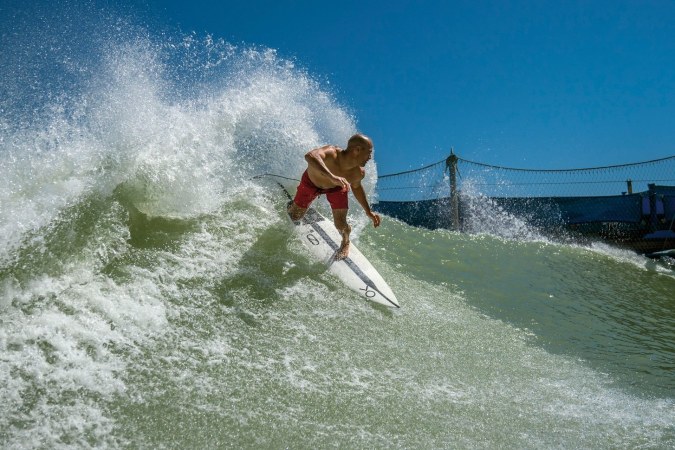
181217_r33425.jpg

Slater has spent a career searching the world for waves, adapting to tricky conditions with unparalleled intuition. Now his Surf Ranch, in California farm country, can produce a perfect wave on demand. Photograph by Ben Lowy for The New Yorker

I have surfed, but I am not a surfer. I have surfer friends, including some who have travelled the world searching out the waves described in the story below, and family friends of ours have an adult child ranked in the top ten in the world. I do not care about surfing as much as any of them, but because of them I care deeply about surfing. Evidence of that is the fact that surfing is the #1 metaphor I use within my own family to describe the pivots we make from time to time, explaining a move to France, Croatia or India or back to Costa Rica is due to a new wave of opportunity that we might catch. Below is a story I appreciate for other reasons as well, because it is about a man-made replica of the ultimate pleasures of a real-life experience. This is kind of what we do for a living. But it is really about surfing. And even non-surfers can enjoy this. William Finnegan’s story is complemented by two interactive features, the first with the author himself and the second a remarkably clear explanation of the technology.

Kelly Slater’s Shock Wave

The best surfer in history made a machine that creates perfect conditions on demand. Will his invention democratize surfing or despoil it?

The first few hours I spent at the W.S.L. Surf Ranch, a wave pool built for surfing in the farmlands south of Fresno, California, were for me a blur. I was fine on arrival, hiking through a little forest of scaffolding, eucalyptus, and white tents with a publicist from the Kelly Slater Wave Company, which built and runs the place. The valley heat was fierce but dry. House music rode on a light northwest breeze. We passed a bright-red antique row-crop tractor parked on wood chips. Then I looked to my right and felt my mind yaw. The wave was probably six hundred yards away, a sparkling emerald wall, with a tiny surfer snapping rhythmic turns off the top. I had come expecting to see this wave, out here in cotton fields a hundred-plus miles from the coast. Still, my reaction to it was involuntary. Kelly’s Wave, as it’s known, seems designed to make someone who surfs, which I do, feel this way: stunned, turned on, needy. Surfers spend much of their lives looking for high-quality waves. Now a machine has been invented that churns out virtually flawless ones on command. “We call it the smile machine,” someone, possibly the publicist, said. I had trouble paying attention. Every four minutes, I had to turn and crane to watch a wave make its way the length of the pool. Continue reading

Impact, Photography, Understanding

main_600m.jpg

Grand-Prize Winner: Thousands of Volkswagen and Audi cars sit idle in the middle of California’s Mojave Desert. Models manufactured from 2009 to 2015 were designed to cheat emissions tests mandated by the U.S. Environmental Protection Agency. Following the scandal, Volkswagen recalled millions of cars. By capturing scenes like this one, I hope we will all become more conscious of and more caring toward our beautiful planet. # © Jassen Todorov / National Geographic Photo Contest

I never tire of reminders of how greed is never good. It is unbecoming. But visual reminders of this are especially welcome. When the story broke about this audacious scam that showed how profit can motivate evil, it gave me pause, if momentarily, because our entrepreneurial conservation business model is premised on the possibility that profit can motivate good outcomes. Thanks to Alan Taylor for reminding us it is awards season for photography that impacts our understanding of the world, and especially for the link to this photo that tells one outcome of the VW scandal with such impact:

Winners of the 2018 National Geographic Nature Photographer of the Year Contest

National Geographic magazine has announced the winning entries in its annual photo competition. The grand-prize winner this year is Jassen Todorov, who will take home a $5,000 prize for his aerial image of thousands of recalled Volkswagen and Audi cars in the Mojave Desert. The contest organizers have shared with us the top winners and honorable mentions below, selected from a pool of  nearly 10,000 entries. Captions are written by the individual photographers and lightly edited for content.

At first, this runner up photo looks too composed to my eye, but the more I look at it the urge to weep gets stronger. Kind of like when I gaze long enough at this photo, the urge to stay still and observe grips me. Or when I look at this photo, I can explain the best of life in India. Same for any of Milo’s series. Photographic impact.

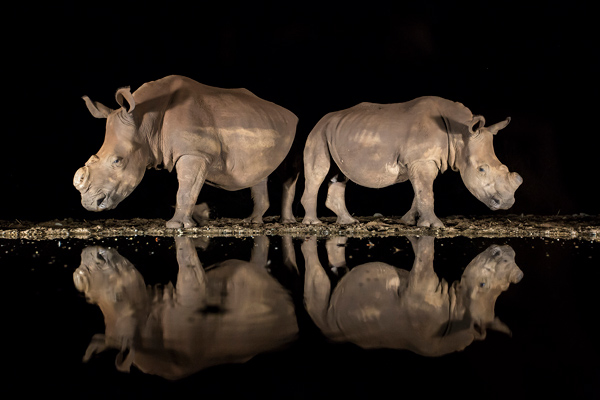
main_600 (6)

3rd Place, Wildlife: As the late-night hours ticked by and my eyelids grew heavy, two southern white rhinoceroses appeared silently from the shadows to drink from a watering hole in South Africa’s Zimanga Game Reserve. On alert, they stood back-to-back, observing their surroundings before lowering their heads. I felt privileged to share this moment with these endangered animals. While I was well prepared technically, with my camera set correctly on a tripod, I underestimated the emotional impact the magnificent beasts would have on me. I had photographed them months earlier, and now both rhinos sported a new look: They had been dehorned to deter poachers. I had heard about this development but had not yet seen them. I was full of emotion—and horror—that poaching had such a devastating effect. It must have been a hard decision to dehorn their rhinos, and I am grateful for the reserve’s efforts. # © Alison Langevad / National Geographic Photo Contest

Read the whole story here.


The Upped Ante Of Vegan

181217_r33421.jpg

At Sans, the former Eleven Madison Park sous-chef Champ Jones gives vegan food the fine-dining treatment, offering a five-course tasting menu with optional beverage pairing, in addition to an à la carte selection.Photograph by Haruka Sakaguchi for The New Yorker

In her review titled An Eleven Madison Park Alum Does Vegan Fine Dining at Sans Hannah Goldfield asks in the header Would an omnivore give up meat if she could still have foie gras?  and then at the end of the first paragraph shows the image to the left below. This question rings out to me because from the days when I worked for a chef known for his preparation of this delicacy, I have thought it the ultimate test of whether I could swear off animal protein permanently.

181217_r33443.jpg

A beautifully marbled disk of black-plum terrine—made with plum jam and fair-trade palm oil and served with slices of fresh and pickled plum and neat rounds of toast—is as silky as foie gras. Photograph by Haruka Sakaguchi for The New Yorker

Long gone are the days when vegan restaurants in New York were limited to places like Candle 79, a sort of bistro on the Upper East Side trading in unapologetically hippie-ish fare like black-bean burgers, seitan piccata, and spaghetti and wheat balls. We have vegan diners now, serving comfort food like vegan tatertachos and Nashville Hot Chik’n sandwiches, vegan fast-casual chains and bakeries, vegan omakase counters, and vegan dim-sum parlors. We have big-name chefs—Jean-Georges Vongerichten, John Fraser, and Brooks Headley among them—operating buzzy vegetarian restaurants (abcV, Nix, and Superiority Burger, respectively), where it’s easy to eat vegan. We even have vegan foie gras.

This review continues a trend of raising the stakes for going vegetarian, including gauzy photos that project status with simplicity.

181217_r33421.jpg

At Sans, the former Eleven Madison Park sous-chef Champ Jones gives vegan food the fine-dining treatment, offering a five-course tasting menu with optional beverage pairing, in addition to an à la carte selection. Photograph by Haruka Sakaguchi for The New Yorker

I am all for that. Bring on the images that make vegetables and greens and other non-animal edibles look as tempting as their meaty counterparts:

181217_r33444

Grilled onion in a pool of smoked-onion purée, garnished with fried shallot and dandelion leaves. Photograph by Haruka Sakaguchi for The New Yorker

 Does a vegan want to eat foie gras? And would an omnivore give up animal products if it meant she didn’t have to give up things like foie gras? The latter question, in particular, seems to be what Champ Jones, a former Eleven Madison Park sous-chef and an omnivore himself, is exploring with Sans, which opened in September and is described on its Web site as a “dynamic one-year project where non-vegans do vegan food.” Much of vegan food culture centers on substitution, on manipulating plant-based ingredients to approximate meat, milk, eggs, and cheese, a challenge that Jones seems to be facing with particular ambition.

181217_r33445.jpg

From left to right: Maine seaweed with “frothy ocean broth” and tapioca pearls; the onion; parsnip cake with pear and cashew-milk sherbet; and the black-plum terrine.Photograph by Haruka Sakaguchi for The New Yorker

In fact, if you didn’t know going in, it wouldn’t necessarily be apparent that Sans is a vegan restaurant. Continue reading

Liberalism, Leadership, & The Fourth Estate

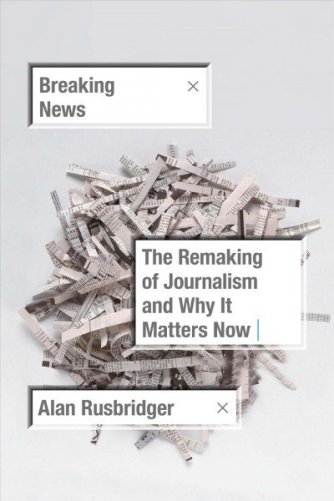
9780374279622_custom-5d7f03d8b126fd10509c68fad812ee37387aae6b-s600-c85When we started this platform in 2011 our primary interest in the Guardian was its excellent environmental reporting, and at least one opinion writer whose 2012 environmental views made him regularly welcome in our pages ever since. Today I can amplify how important this newspaper is based on an interview I just listened to with its former longtime editor, the author of this book to the right.

He mentions several points that I have been prone to believe over the last two decades, particularly about the poisoning of the well of public discourse by Rupert Murdoch’s approach to the business of media.

In the classic sense of liberal perspective that should make me think twice, so as not to lean into my own biases. He also helps me to understand the quite unique value of the Guardian, which I was also already prone to believe. Their endowment and general funding model, which I had only vaguely known about, is well explained in this interview and frankly, difficult as it is to be these days, inspiring. Careful as I may be about confirmation bias, I pass this suggestion along; listen to the interview here (just over half an hour), or read the summary below:

gettyimages-453300937_wide-6c2265f11615cc079ab72d2d1e0808c72ab720f4-s1200-c85

On Dec. 3, 2013, Guardian editor Alan Rusbridger faced questions from the British Parliament about his newspaper’s decision to publish material leaked by former NSA contractor Edward Snowden.
Oli Scarff/Getty Images

Alan Rusbridger knows a thing or two about high-stakes journalism.

During his 20-year tenure running the British newspaper The Guardian, he collaborated with NSA contractor Edward Snowden and WikiLeaks founder Julian Assange on blockbuster stories drawn from secret government documents. Though Rusbridger left The Guardian in 2015, he remembers the stress vividly.

“We were publishing every minute of the day around the world,” he says. “It’s a matter of deadlines and never enough information and people trying to sue you and generally harass you.” Continue reading

Graphics For Better Comprehension

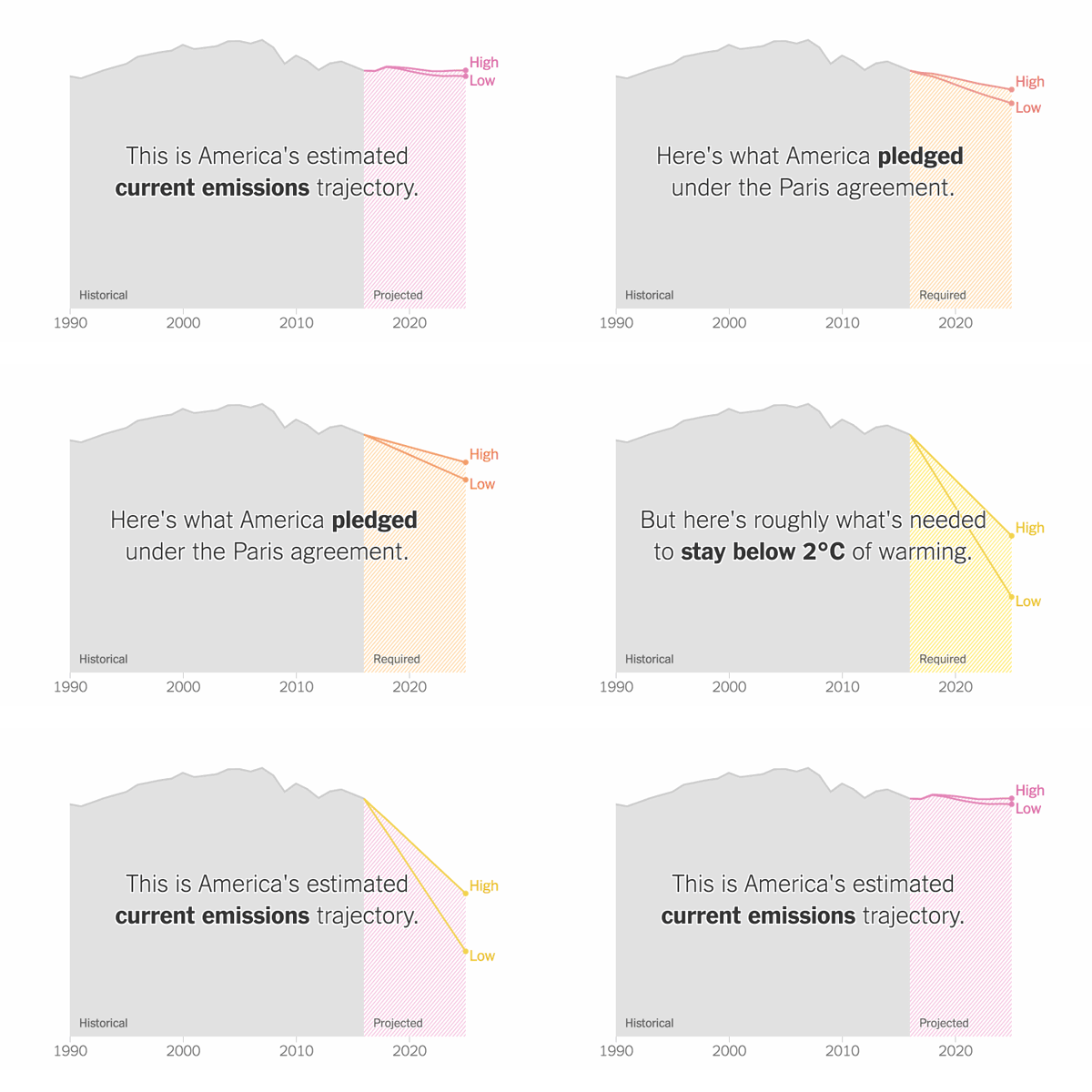
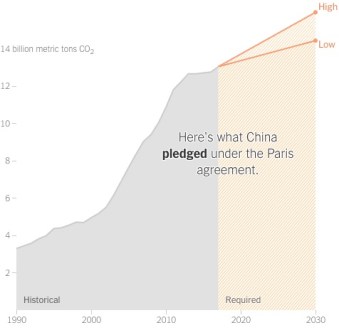
world-emissions-paris-goals-not-on-track-promo-1544191333747-threeByTwoSmallAt2X-v18.gif

Yesterday I was struck by a set of graphics that helped me see an old story in a new light. That was not a particularly important old story, as history of the planet goes; but it gave the manufacturing consent theme a new shine–in technicolor, black and white, and finer shades of gray. Today, on a story that is definitely of historic proportions related to the planet, my thanks again to Brad Plumer and his occasional writing partner Nadja Popovich, especially for its accompanying graphics: