Natural History, Artists & Detectives

merlin_64424663_a3c20202-94cc-4113-8bde-d2d75ffa40c6-jumbo.jpg

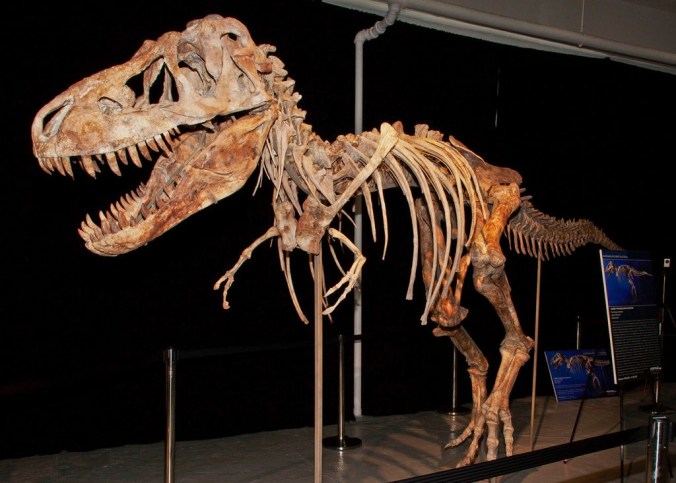
This Tyrannosaurus bataar dinosaur was at the center of a lawsuit demanding its return to Mongolia. Credit U.S. Attorney’s Office for the Southern District of New York
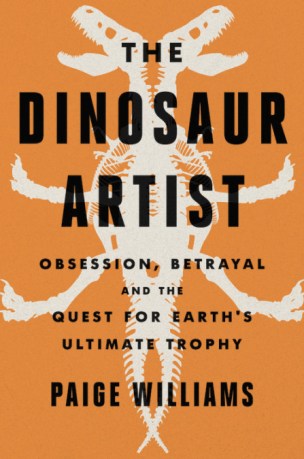
97803163825331.jpgMammoth-hunting is the closest anyone in our immediate circle has gotten to the kind of story that is on my mind today. Searching the word dinosaur on our platform I see that the story told in the book to the left has had a long trail that I have been following for years. If like me you had youthful dreams of becoming a hunter for pre-history’s wonders you might have thrown around phrases such as “whatever it takes.”

This cautionary tale by Paige Williams might be the antidote for any kid whose instincts are for this kind of sleuthing adventure, which requires rules just like any good game. Speaking of which, longform tale-telling is as much an interest of mine as natural history, and the way this book came to my attention was through an interview with its author.

The Bizarre Tale of the ‘Dinosaur Artist’ Who Trafficked in Stolen Fossils

merlin_143888991_5f8b55e5-6ce9-423f-b080-0cbe911996e3-jumbo

John Marshall Mantel for The New York Times

As far as case law goes, there are more consequential decisions than The United States of America v. One Tyrannosaurus Bataar SkeletonFew, however, feature a more charismatic defendant.

In 2013, the United States literally arrested the skeleton of a giant apex predator dinosaur slumbering in a warehouse in Queens. But understanding how this came to be first requires a panoptic survey of everything from the world of the Late Cretaceous period to the 1990s rise of right-wing politics in Mongolia. This is the dizzying task that Paige Williams, a staff writer for The New Yorker, has set for herself in “The Dinosaur Artist: Obsession, Betrayal and the Quest for Earth’s Ultimate Trophy.”

What began for her as the tale of an unusual court case involving a rogue fossil hunter unspools in this book into a wide-ranging examination of the ways that commercialism, ambition, politics and science collide. (Just a glance at some of the index’s entries reveals the scope: Genghis Khan, Newt Gingrich, St. Augustine, Stegosaurus and Preet Bharara.) Continue reading

Every Tributary To Amazon Matters, Just As Every Tributary Matters To Amazon

merlin_146322525_961651e7-1228-45c4-aa47-a301a9a3ed1d-jumbo.jpg

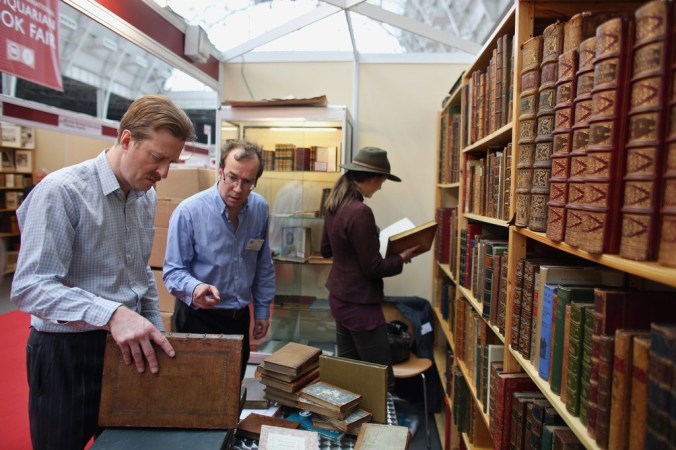
The Antiquarian Booksellers’ Association’s book fair in 2013 in London. It said it was dropping AbeBooks as a sponsor of its 2019 book fair. Credit Oli Scarff/Getty Images

Above is the lead photo in an intriguing story of an act of protest, reported by by David Streitfeld. Reading it, no surprise that he won a Pulitzer Prize for Explanatory Reporting five years ago in a series of stories about Apple. Now his attention is placed on another company that has come to have an outsized role in the world, and needs explanation, and as I see it, deep concern. It is a company that I have only rarely, and only when I had no acceptable alternative, paid money to. When I have bought from them I have regretted it each time, even though the price I paid was the lowest available and the service was remarkable. Why do I resist doing business with that company and why do I wish others would do the same? That is a puzzle worth solving, and I hope that journalists are up to the task. Today, the headline proclaims:

Amazon Plans to Split Its Second Headquarters in 2 Locations

  • The company is said to be nearing deals to move to Long Island City in Queens and Arlington, Va., though a final decision has not been announced.
  • The surprise change would allow the tech giant to tap into the talent pools of two different regions.
Osita-Bezos

Bezos during his appearance at Economic Club of Washington, in September. Photograph by Andrew Harrer / Bloomberg / Getty

Exciting stuff for the politicians who want to claim credit for Amazon’s choice. But there’s a very big story behind all that. The company is powerful, and what is said about power leading to corruption is too simple for this story, and for the man leading this powerful enterprise.

I can find no reason to dislike Jeff Bezos personally. Any entrepreneur can find reasons to admire his intelligence, his determination and his contrarian approach. Every time I see him in recorded interview video I find his enthusiasm and laughter contagious. But I have had growing concern in the last decade about the company he founded, because of all the ways the lives of everyone around me seem to feed into Amazon’s market power. If you have time to read only one article on this topic today, it should probably be this one about Amazon’s location choice for HQ2:

Nwanevu-Bezos-Primary.jpg

Jeff Bezos in Seattle, which will lose its status as the sole headquarters of Amazon. Photograph by Kyle Johnson / NYT / Redux

On October 21, 2016, an entity called the Cherry Revocable Trust purchased two adjacent buildings in the Kalorama neighborhood of Washington, D.C., for twenty-three million dollars. The buildings, which previously had housed the Textile Museum, were to be converted into a private residence—at twenty-seven thousand square feet, the largest in the city. In January, it was revealed that the anonymous purchaser represented by the Cherry Revocable Trust was Jeff Bezos, the founder and C.E.O. of Amazon. The finished property will have eleven bedrooms, twenty-five bathrooms, five staircases, and a large ballroom suitable for gatherings of Washington’s notables. It will be, in the words of the journalist Ben Wofford, “a veritable Death Star of Washington entertaining.”

In July, Jeff Bezos became the richest man in modern history, when his net worth topped a hundred and fifty billion dollars. In September, Amazon became the second company, after Apple, to achieve a trillion-dollar valuation. These two milestones in the history of this country and capitalism passed with little fanfare outside the business world, preoccupied as we are by the antics of the pretend mogul who resides in the White House. But Bezos, an actual mogul, has also been making moves in Washington, none more high-profile than his purchase of the Washington Post, in 2013. More quietly, Amazon is investing heavily in the area. Continue reading

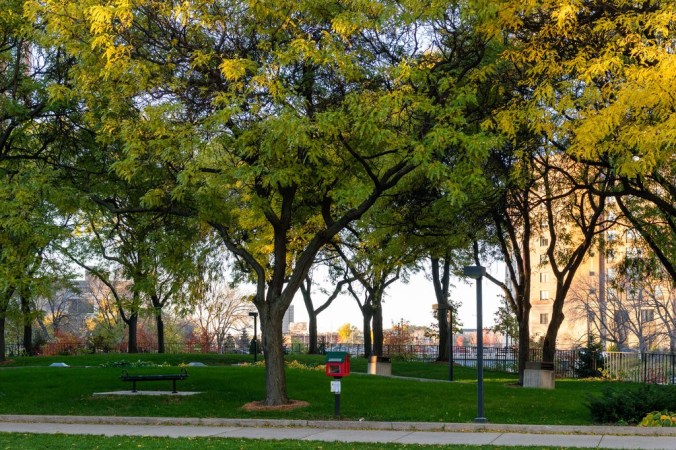
Consider The Little Free Library


merlin_145782510_153e132c-f7fb-49f0-a653-fb995e50eefb-jumbo.jpg

This Little Free Library in the McKinley neighborhood of Minneapolis appears to have a small reading loft, big enough for a city mouse.

merlin_145782399_fb9973eb-f313-455f-b5bd-bf309fe301e8-superJumbo

Father Time stands sentry at a Little Free Library in the rough-hewn Payne-Phalen neighborhood of St. Paul.

We made a decision early on, for reasons I do not recall clearly, to avoid linking out to obituaries–even for heroes whose lives have resonance in our pages. This one made me think twice about that decision.

In part it is because we have paid an enormous amount of attention to libraries over the years. Also, this man’s innovation (did we really never feature it in our pages before?) was clearly in the realm of what we call entrepreneurial conservation. And maybe, just a bit, I like the idea that the first little free library (the last one displayed below) was a tribute to the innovator’s mom.

Thanks to the New York Times for getting this story just right:

Libraries, Writ Small

merlin_145782294_bdbd9ee4-8a2e-44b1-bd0b-727c7302e59b-jumbo

This Little Free Library enjoys the open space of Triangle Park in Minneapolis.

Todd Bol’s Little Free Library boxes, which blend the form of folk art with the function of a community water cooler, have popped up in all 50 states and in 88 countries.

By Katharine Q. Seelye Photographs by Ethan Jones

merlin_145782540_8b4f0381-47bd-470d-9cbc-c1b34745c787-jumbo.jpg

This Minneapolis library is a classic of the genre, with its Plexiglass front and gable roof, supported on a sturdy post.

Todd Bol was simply paying homage to his mother, a schoolteacher and lover of books. He built a doll-sized schoolhouse, filled it with his mother’s books and put it out for his neighbors in Hudson, Wis., as a book exchange.

Today, just nine years later, more than 75,000 such “Little Free Libraries” dot the globe, from San Diego to Minneapolis, and from Australia to Siberia.

merlin_145782390_b76569b1-e928-4a57-b546-1162ae75ae3f-superJumbo.jpgWhy did they catch on? For starters, they promote a friendly, sharing economy. No one tracks who took what. There’s no due date. No fines. You might never return a book. You might leave another instead. And, they are inherently cute. As Mr. Bol recalled, his neighbors “talked to it like it was a little puppy.”

This week, many bore a white ribbon in tribute to Mr. Bol, who died Oct. 18, in Minnesota at the age of 62. Here, a photo-essay of some of the little libraries near his hometown.

See all the other photos here.

Orhan Pamuk’s Istanbul Is My Workplace

04Pamuk-slide-MMM9-jumbo.jpg

In the Tophane quarter, 1986. Credit Ara Guler/Magnum Photos

The third of three previous posts invoking Orhan Pamuk mentions an experience in a museum a couple years ago in Istanbul. I did not write much about it in that post because I did not know what to say, or if there was anything to say about how the museum affected me. But reading Orhan Pamuk’s words in the essay below about his friend, and the photographs that man took, evoked strong memory of the effect that museum had on me. It evoked a strong sense of the value of memory, in all its limits and even imperfections.

Just prior to that museum experience I had written a dozen posts about the work we had been doing in India since 2010, which was connected to work we began in Costa Rica many years earlier. I think what that museum visit put into focus for me was how, in our work crafting experiences with sense and sensibility, we were creating our own museums of innocence. Our mission is to create authentic, distinctive and valuable life experiences, to build profitable businesses around these, and then to direct the associated economic benefits to the conservation and prosperity of unique natural and cultural heritage and to the improvement of the quality of life of the local host communities. That work is about crafting memories, just as books, museums and photographs do in their own way. Seeing these pictures and reading these words reminds me of that:

‘I Like Your Photographs Because They Are Beautiful’

Orhan Pamuk remembers his friend Ara Guler, the great photographer, who lovingly captured Istanbul and its people.

04Pamuk-slide-PTPC-jumbo.jpg

A coffee bar in a Beyoglu arcade, 1958. Credit Ara Guler/Magnum Photos

Ara Guler, who died on Oct. 17, was the greatest photographer of modern Istanbul. He was born in 1928 in an Armenian family in Istanbul. Ara began taking photographs of the city in 1950, images that captured the lives of individuals alongside the city’s monumental Ottoman architecture, its majestic mosques and magnificent fountains. I was born two years later, in 1952, and lived in the same neighborhoods he lived in. Ara Guler’s Istanbul is my Istanbul. Continue reading

Coffee-Making Method Matters

5935.jpg

Moka pots … cheap but not cheerful. Photograph: Alikaj2582/Getty Images/iStockphoto

5477.jpg

Gritty … a cafetière. Photograph: Getty Images/EyeEm

Tony Naylor’s story in the Guardian about the merits of various coffee makers catches my attention. Not because the coffee made by French press method, aka cafetière, is pronounced inferior to pods (we have long acknowledged that pods can produce excellent coffee but as noted below are ecologically irresponsible), and not just because of the recommendation to keep:

…a stash of single-origin beans in the freezer…

4535

Filter … the best home option? Photograph: Getty Images/Westend61

(I thought by now it was commonly accepted fact that the freezer is an enemy of coffee).

Moka pots are thrashed in this review, and I am in agreement with the assessment. And instant? Talk about straw dog. Mainly I was surprised that the pour over is the overwhelming favorite for an ecologically more sound, gustatorily superior method of producing the best cup of coffee at home. I am using a cheap-o brew machine with a mesh filter (i.e. reusable so no waste) in which I put my freshly ground beans and this method is not even reviewed. Hmm. What am I missing?

Moka pot, machine, filter or instant – which produces the best coffee?

The company behind the iconic Italian stovetop gadget is in financial difficulties – is that because there are now better ways of making coffee? We put the most popular methods to the test

Italians may find their morning espresso tastes awfully bitter this week, as the Bialetti group – the maker of the iconic stove-top moka coffee pot – struggles to stay afloat. The popularity of pod coffee machines, along with a sluggish Italian economy, has put the mockers on the moka, with Bialetti, a reported €68m (£60m) in debt, negotiating a bailout deal with the American hedge fund Och-Ziff Capital Management.

Invented in 1933 by Alfonso Bialetti, the affordable aluminium Moka Express was meant to mimic espresso-quality coffee at home. Water boils in a bottom chamber and is forced up through the grounds to produce an intense hit of caffeine. The pot was once so popular that, according to a 2016 New York Times article, 90% of Italian households had one. Were they on to something? Or is there a tastier, more practical and sustainable way to make coffee at home? Continue reading

Reckoning With Doom

Kolbert.jpgWe have featured work by Elizabeth Kolbert since the earliest days of this platform, about twice a year. A year ago we linked to The Fate of Earth, which remains a favorite.

LongformShe has chosen to focus her work on the existential environmental challenges created by mankind, and unflinchingly reports on what we collectively are, and more often are not, doing about those challenges. The word doom always comes to mind when I see her name or think about her work. Today I am recommending this rare interview with her, in which she shares personal reflections on what it is like to do the work she does, and about 40 minutes in touches on how and why she persists with her work, even knowing that most people simply cannot bear to face the facts she is presenting:

Elizabeth Kolbert, author of Field Notes from a Catastrophe: Man, Nature, and Climate Change and The Sixth Extinction: An Unnatural History, is a staff writer at The New Yorker.

“I still nurse the idea in my heart of hearts that something you write, that there’s some key to this all. Continue reading

Keeping Track Of Renewables

Kormann-Prop-127.jpg

Despite the rapid decline in the cost of solar-energy technology and battery storage, Arizona gets only six per cent of its electricity from solar. Photograph by Joshua Lott / Bloomberg / Getty

Thanks to Carolyn Kormann, making her fifth appearance since early 2016 in our pages, including this recent item that I particularly favored, for the article below that helps us understand what is happening with renewable energy these days in the USA. It is easy to forget, amidst all the noise of a federal government working to deregulate and reduce environmental protection, that important work continues:

The Battle for Solar Energy in the Country’s Sunniest State

In late September, the Heartland Institute, a libertarian think tank that receives donations from fossil-fuel companies, published a blog post titled “California Billionaire’s Renewable Energy Initiative Makes Arizona Ballot.” The billionaire in question was Tom Steyer, whose year-long effort to pass Proposition 127, an amendment to Arizona’s constitution that would require power companies to generate fifty per cent of their electricity from renewable sources by 2030, has faced aggressive opposition from the state’s largest utility, Arizona Public Service, or A.P.S. The blog post lamented a failed lawsuit filed by Arizonans for Affordable Energy, a political-action committee funded by A.P.S.’s parent company, to keep Prop 127 off the ballot, and quoted several opponents who believed the measure, now up for a vote in November, would be a costly mistake. “Prop 127 would tie Arizona’s future to technologies that do not deliver baseload electricity,” Mark Finchem, a Republican state representative, said, “and are arguably worse for the environment as a whole than the dependable technologies we already have.” The photograph accompanying the post depicted a wind-turbine farm, and, in the foreground, a dead bald eagle.

Arizona is the sunniest state in the country, with more than three hundred bluebird days per year. It is also projected to endure an additional month of hundred-degree days in the coming decades owing to climate change. Yet, despite the rapid decline in the cost of solar-energy technology and battery storage—to the point that, as an A.P.S. director told me, it now frequently outbids fossil fuels, even natural gas—in 2017, Arizona generated only six per cent of its electricity from solar, according to the ballot initiative’s advocates. The state currently requires utilities to generate eight per cent of their power from sources like solar and wind, scaling up to fifteen per cent by 2025. Natural gas, the largest source of Arizona’s net electricity generation, is imported from out of state. “Our most abundant resource in Arizona is our sunshine,” D. J. Quinlan, a spokesman for Clean Energy for a Healthy Arizona, the Phoenix-based political-action committee that Steyer is funding, said. “We need a nationwide transition to renewables. One of the first places we should be doing it is where it’s most efficient and cost-effective, and that’s here.” Continue reading

Scotland, Land Of Regret-Reducing Renewable Resources

5329

Scottish Power’s Whitelee windfarm on Eaglesham moor, just south of Glasgow. Photograph: Global Warming Images/REX

My daily contribution to this platform is a habit vaguely in the tradition of meditation–finding something each day that is worthy of gratitude, or otherwise worthy of sharing with friends, family, and anyone else who cares to listen. Because of the good fortune I have had to visit and work in many amazing places, it is important to me to never regret the places where I still have not been. Scotland is one of those places that, if I were a regretter, I would be feeling it now. I owe that place a visit (even if the company name sounds like a Bond villain):

Scottish Power shifts to 100% wind generation after £700m Drax sale

Big six energy firm drops fossil fuels for generation and say cheap green energy is the future

Scottish Power has ditched fossil fuels for electricity generation and switched to 100% wind power, by selling off its last remaining gas power stations to Drax for more than £700m.

Iberdrola, Scottish Power’s Spanish parent company, said the move was part of its strategy to tackle climate change and would free it up to invest in renewables and power grids in the UK.

The deal also marks a significant expansion and diversification for Drax, whose main business is a coal- and biomass-fired power station in North Yorkshire. Continue reading

Citizen Science, Children & Bees

11TB-BEES2-jumbo.jpg

Scientists expected bees to gradually cease buzzing as the sky darkened during an eclipse. Instead, they stopped altogether. Credit Rogelio V. Solis/Associated Press

After following the work of Nicholas St. Fleur for a couple years now–his beat includes archaeology, paleontology, and space among other of the things we care about on this platform, including conservation–his most recent story below is my favorite for one reason, namely citizen science. Specifically the participation of youth in such an important scientific investigation:

The Moon Eclipsed the Sun. Then the Bees Stopped Buzzing.

Researchers worked with a small army of elementary school children to collect audio recordings of bees as they visited flowers along the path of last summer’s total eclipse.

merlin_145121940_aa0e5867-a947-44eb-9851-f90f39f77723-jumbo

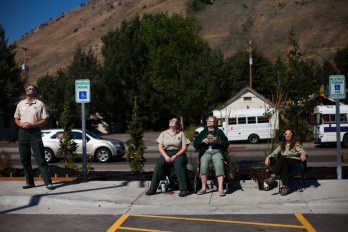
National Forest Service workers at the Bridger-Teton National Forest Office in Jackson, Wyo., took a break to watch the Great American Eclipse last year. Credit Celia Talbot Tobin for The New York Times

Last year’s Great American Eclipse drew hundreds of millions of eyes to the sky. But while people across the country “oohed” and “aahed” at the phenomenon, it appears the bees went silent.

So found a new study that monitored the acoustic activity of bees before, during and after totality — the moment when the moon completely blocked the sun — during the solar eclipse on Aug. 21, 2017. Researchers at the University of Missouri, along with a small army of elementary school children and other volunteers, collected audio recordings of honeybees, bumblebees and other types of bees as they visited flowers along the path of totality Continue reading
Carbon Insurance As Heritage Insurance

Kormann-YurokCarbonCredits-Primary.jpg

A carbon-offset project, the first of its kind in the United States, has become the Yurok’s main source of discretionary income, helping the tribe buy back thousands of acres of land. Photograph by Joel Redman

Carbon trading has featured, or at least been mentioned, only rarely on this platform, now that I stop to check. That seems impossible. But the scheme with so much promise has simply not taken off. Indigenous heritage, on the other hand, has featured in dozens of stories here since we started in 2011. Thanks to Carolyn Kormann for bringing this story to my attention, helped by two captivating photos and the fact that it highlights the approach of the Yurok Tribe (a community I had not heard of before):

Kormann-YurokCarbonCredits-Secondary2

“I think we did a good thing by saving the trees, but I’m not happy with it,” Jene McCovey, a tribal elder, said. “It’s not viable. It allows polluters to pollute.” Photograph by Joel Redman

How Carbon Trading Became a Way of Life for California’s Yurok Tribe

When Marty Lamebear is not fighting fires, he is starting them. In the past few years, as a member of the Yurok Tribe Forestry Program’s fire department, he has been helping revive the controversial practice of prescribed burns to protect and restore the coastal redwood forests of northern California. Lamebear is also a hunter, fisherman, and dancer. In his free time, he makes tribal regalia for ceremonial dances from parts of elk, deer, minks, and porcupines, which he shoots or finds already dead, and from frozen eagles that he orders from the U.S. Fish and Wildlife Service. A prescribed burn, what Lamebear calls a culture burn, creates prairies within the forest, which attract those animals. “At first, we couldn’t really tell its effects,” he said. “But, after about six years now, we can honestly start seeing the landscape open up, animals come around.” They also serve another purpose, he said. “It’s insurance for our carbon.” Continue reading
Time As An Ingredient

MistMaize.jpg

Climate change has reared its big ugly head enough that I no longer count on seasonal consistency, but for now nine days in a row it has felt familiar, the greenest month of the green season in Costa Rica. And today, as of dawn, it looks like more of the same. “Some things never change” would be a real head in the sand cliché when thinking of seasons, but at least this October, so far, mornings have been sunny and by early afternoon the clouds roll in and the afternoons remind me of our 2010 to 2017 Kerala life, until dinner time. The photo above was from our second monsoon season there. Just up the hill from where I am writing at this moment, in Tarrazu–the Costa Rica equivalent of Munnar’s tea region–you might see something comparable, like this:

DCIM/100MEDIA/DJI_0482.JPG A few years ago Seth and James worked to restore a coffee plantation across the valley from the home where Seth grew up. The coffee they restored had been removed two decades earlier, a moment in time when coffee prices had crashed, even for the premium arabica that grows in Costa Rica. As it happens the same is true of the property where I am writing from, which had been a coffee plantation for most of the last century. In 2019 a restoration project will bring coffee back to this land, with tree shade for both the coffee and for the sake of restored bird habitat, and I look forward to sharing that progress here. And it is with this in mind that time, as an ingredient, is a theme for today. Work that Seth and James did demonstrated, with the passage of time, the fruitfulness of restoration and conservation. Now a replica project is ready to roll.

Time as an ingredient during green season is also a theme. Reading and cooking pass the time pleasantly during such afternoons, at least when the weekend schedule permits. Time for reading was on my mind a couple days ago, and the author featured in this podcast gets me thinking about time as an ingredient in the cooking I have been doing recently–almost all vegetarian and with the conscious effort to cook as minimally as possible to retain nutrients and flavor. As a bonus, this episode of a podcast we have been listening and linking to for two years shares the story behind espresso, so worth a listen:

EspWhiskey.jpg

One Week to Whiskey

A Los Angeles distillery aims to speed up a 10-year aging process to a matter of days.

9781468316384.jpgWhy does fish cook so fast? What’s the “wasabi window”? And can you really make 20-year-old aged whiskey in six days? This episode, we’re looking at the role of time in food and flavor: what it does and how we’ve tried—and sometimes succeeded—to manipulate that. To explore these questions, we visit a whiskey time machine tucked away in a low-slung warehouse in downtown Los Angeles and meet its inventor, Bryan Davis. And we speak with Jenny Linford, a food writer and author of a new book, The Missing Ingredient, all about time and food. Listen in now—this one’s well worth your time! Continue reading

Trees, Cities & Happiness

merlin_144034221_4ee0b063-798b-4669-80dc-817bcbc10dfe-superJumbo.jpg

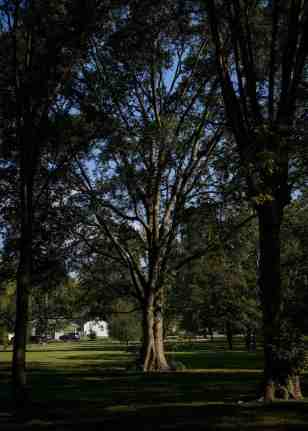
A tree in Riverfront Park competes for grandeur with Nashville’s iconic At&T building. Credit William DeShazer for The New York Times

PlantTreeCity.jpgI just learned of an urban tree-planting initiative on a day when the news shows purposeful indifference about climate change on the part of a powerful country’s elected leader, on the same day when the news also shows that an economist considered a pioneer of environmental economics is receiving a prestigious prize and what he said when he learned of his being awarded the prize:

“Once we start to try to reduce carbon emissions, we’ll be surprised that it wasn’t as hard as we anticipated. The danger with very alarming forecasts is that it will make people feel apathetic and hopeless.

“One problem today is that people think protecting the environment will be so costly and so hard that they want to ignore the problem and pretend it doesn’t exist. Humans are capable of amazing accomplishments if we set our minds to it.”

PlantTreesCity2Let’s decide together to do something, seems to be his message. I learned about this urban tree-planting initiative, news of a president’s abdication of responsibility, and this economist’s optimistic message on the same day I read about a 15-year old climate activist who has decided to do something where she sees her government failing to take action. She has decided at a very young age to do what she can regardless of the daunting odds. So thanks to Margaret Renkl a Nashville-based contributing opinion writer for The New York Times, for bringing this initiative to my attention, as a reminder to do something:

More Trees, Happier People

When cities grow, green space dies. Replanting it has been shown to lift the human spirit.

merlin_144034215_0e5eb0e9-e3ad-4046-b39b-a6189d715df7-superJumbo

A tale of two trees in Nashville. A mature tree in England Park, left, and a newly planted tree at Wright Middle School.

NASHVILLE — The scene in a tiny pocket park outside Plaza Mariachi here on Nolensville Pike last Wednesday was like a tableau from a Norman Rockwell painting, 21st-century style. Surrounded by signs advertising the Hispanic Family Foundation, Dubai Jewelry, the Dominican Barber Shop and restaurants offering Peruvian, Chinese, Mediterranean and Indian food — as well as a Game Stop franchise and H&R Block — was a small sign that read, “Today: Free trees.”

merlin_144034152_9a1c43d3-ccb7-42c0-bfd7-979917608536-superJumbo

Photographs by William DeShazer for The New York Times

The arrow on the sign pointed to a pop-up canopy where the Nashville Tree Foundation was hosting its fourth tree giveaway of October. A family standing under the canopy was posing for a photo with the sapling they had just adopted. Carolyn Sorenson, executive director of the foundation, was taking the picture: “Say ‘trees’!” she said.

The tree giveaway at Plaza Mariachi happened to fall on the very day that Nashville’s mayor, David Briley, announced a campaign to restore and enlarge the city’s tree canopy. The effort, called “Root Nashville,” will be overseen by the city and the Cumberland River Compact, an environmental nonprofit, and funded through a combination of public, corporate, foundation and private dollars. Together with several municipal departments and other nonprofit organizations, the initiative aims to plant 500,000 trees in Davidson County by 2050.

Many of these newly planted saplings will replace very large, very old trees that have been lost to Nashville’s meteoric growth — a population increase of more than 45 percent since 2000. As the city has grown, the city’s trees have fallen: deliberately felled by developers to make room for new construction or unintentionally killed as a side effect of nearby building. Just since 2008, the tree canopy in the urban core has dropped from 28 percent to 24 percent, a loss of roughly 9,000 trees a year. Continue reading

A Place And A Time For Learning To Read, And To Appreciate Books As Things

from-the-mixed-up-files-of-mrs-basil-e-frankweiler-9781416949756_hr.jpg

Just this moment, as I started today’s post, I learned I had missed a 50th birthday party. We tend to like round numbers, even if they do not mean much–why should the 50th be any more important than the 49th or 23rd? For whatever reason, a centenary or half-centenary, or bicentennial all seem to have a bigger ring. So, happy birthday to this book (last year) that I searched for after reading Susan Orlean’s essay on her personal history with libraries and books:
…My family was big on the library. We were very much a reading family, but we were more a borrow-a-book-from-the-library family than a bookshelves-full-of-books family. My parents valued books, but they had grown up in the Depression, aware of the quicksilver nature of money, and they had learned the hard way that you shouldn’t buy what you could borrow. Because of that frugality, or perhaps despite it, they also believed that you should read a book for the experience of reading it. You shouldn’t read it in order to have an object that had to be housed and looked after forever, a memento of the purpose for which it was obtained. The reading of the book was a journey. There was no need for souvenirs…

I have just recently finished unpacking from storage a lifetime’s worth of books–actually multiple lifetimes because in addition to my own family of four’s lifetimes there are also books from our parents’ and grandparents’ personal collections. And the essay got me thinking about whether I had a personal favorite book, and if so whether I have a “souvenir” of it.

I had taken a moment after emptying a box to leaf through this book that qualifies as a contender. I remember where I was when I purchased it, and where I first read it. But the essay I just read got me thinking about the importance of libraries to my own history with reading, so I focused my thought on the question what was my first favorite book. And the book above was that book, without question, in part because it was what got me to return to the library for more books. Not much more to say on that, but if you are a bibliophile or a libraryphile, if you consider librarians heroes, or any such thing, the essay may be for you.

Banana Blossoms, A Novel Approach To Vegan Fish & Chips

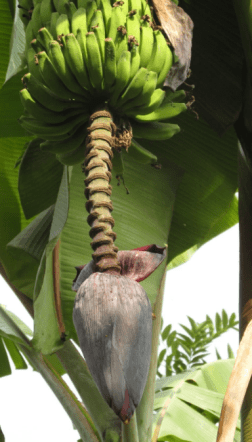
There are a variety of bananas trees outside my window at different stages of growth from baby to blossoming to bunches hanging low with the weight of near-readiness.
I realize that, although we have had some initiatives related to bananas, and I get motivated to learn more every time someone on our team has proposed such an initiative (regardless of its possible zaniness), I have not personally learned enough about bananas to know: how did these trees get here? What species are they? How long is the life cycle of the tree from sprout to fruit maturity? Thanks to Ceylan Yeginsu for this idea on what to do with the blossoms:

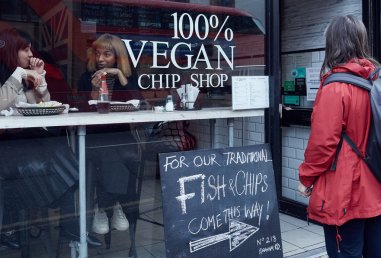
In London’s Vegan Fish-and-Chip Shop, Banana Blossoms Play Cod

merlin_144816903_a4ed189f-7baa-417a-b130-f0a167787069-jumboLONDON — A newly opened restaurant in an East London neighborhood is aiming to make waves by serving what looks like the perfect presentation of fish and chips, that quintessential British dish: a piece of glistening plump batter, chunky chips, mushy peas and a slice of lemon.

But one major ingredient is missing.

“There’s no fish in our ‘fish,’ ” says Daniel Sutton, a fishmonger and restaurateur who opened what he says is London’s first stand-alone “vegan fish” and chips restaurant, Sutton and Sons, in Hackney this week.

merlin_144817173_ba1454ed-9bc8-4be7-ac2f-2dec75e6d337-jumbo.jpg

Diners enjoying lunch on Thursday at the shop, where vegans could not seem to get enough of the fake fish. Credit Olivia Harris for The New York Times

For lovers of succulent fried cod, that concept may be hard to grasp.

“What do you mean there is no fish?” Christopher Haddon asked the restaurant’s manager with a puzzled expression on Thursday. He seemed confused and left the restaurant, or chippie, shaking his head.

Vegans, however, could not get enough of the fake fish.

“It’s amazing, delicious. Mmmmm,” said Dan Margetts, 53, as he took a bite. “It’s the same look and texture but less oily, cleaner — and no ammonia.” Continue reading

For The Love Of Baobab!

merlin_142358673_6ed9ddd5-d873-47cb-8191-7a0ab1b3f9b7-jumbo

Selbe Dione and her sister harvesting baobab leaves to cook with couscous in the countryside of western Senegal.CreditCreditTomas Munita for The New York Times

Thanks to Dionne Searcey for reminding me of the first time I encountered one of these trees, which happened to be in Senegal (so why have we not featured Senegal more in these pages?) and was the location for the first field course I taught for Cornell focused on sustainable development. For the love of baobab, so to speak, I am more sensitive than ever to the ravages of palm oil plantations:

Across Senegal, the Beloved Baobab Tree Is the ‘Pride of the Neighborhood’

Baobabs have endured for centuries as essential cultural symbols. But increasingly, they are threatened by climate change, urbanization and a growing population.

merlin_142358517_50b1c5e5-ca69-478d-92ae-9cc754930e3d-jumbo

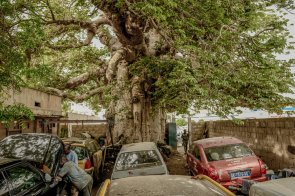
In Dakar, baobabs blend into the cityscape, like this one in the center of a taxi garage near a freeway on ramp. Credit Tomas Munita for The New York Times

DAKAR, Senegal — Wide, awkward baobab trees blend into the cityscape of Dakar, the busy capital of Senegal, almost without notice.

Drivers wash a fleet of taxis parked beneath one giant tree near a freeway on ramp. Rusting cars with open hoods are parked in a mechanic’s shop under the shade of another. A leathery trunk is a community billboard, with ads nailed to it for a plumber and an apartment for rent.

Aliou Ndour stood on a crowded corner, pulled out his phone and scrolled past the pictures of friends and family to another precious photo: the baobab in his home village.

merlin_142358277_052946e4-1f8f-4fe7-a85c-de8ec38cdb23-jumbo.jpg

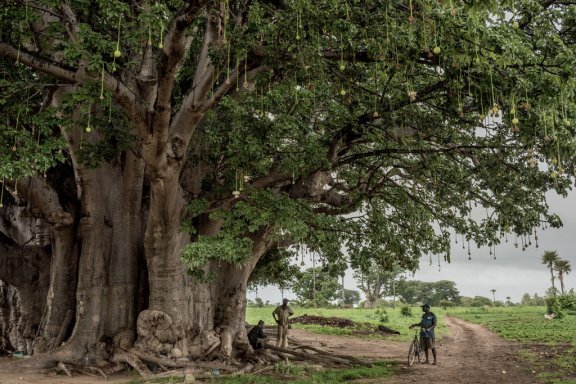
One of the largest baobab trees in Senegal is in the Fatick region, southwest of the capital. Credit Tomas Munita for The New York Times

Fat baobabs, some more than half a millennium old, have endured across Senegal, passed over for lumber largely because their wood is too brittle and spongy for use in furniture. Baobab leaves are mixed with couscous and eaten, the trees’ bark stripped to make rope, their fruit and seeds used for drinks and oils.

Something else has helped preserve these giants: They are beloved.

“This,” said Adama Dieme, craning his neck to look up at the spread of branches of the baobab on his block, “is the pride of the neighborhood.”

merlin_142358064_adba030f-b0fd-4d1f-bf7e-501cb141f23c-jumbo.jpg

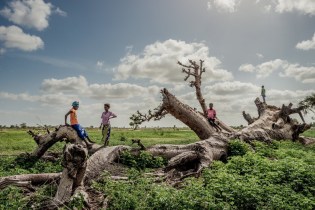
Children playing over a fallen baobab in southwestern Senegal. Credit Tomas Munita for The New York Times

But baobabs, like many of the region’s trees, are in jeopardy, threatened by the same forces upending numerous facets of society — climate change, urbanization and population growth.

West Africa has lost much of the natural resources once tied so closely to its cultural identity. Poaching has stolen most of its wildlife; lions, giraffes and desert elephants are sorely endangered.

Huge swaths of forest are being razed to clear space for palm oil and cocoa plantations. Mangroves are being killed off by pollution. Even wispy acacias are hacked away for use in cooking fires to feed growing families. Continue reading

Science Writing, A Genre That Keeps Improving, Is The Best Way To Explain A Conservation Paradox

1920 (2).jpg

Eric Nyquist

Two years of working in southern Chile taught me just enough about the complexity of this particular issue (among the many complex issues in our practice)to appreciate the article below by Emma Marris, who we already knew to be provocative, enough that she could challenge Bill McKibben two minutes into her TED talk, and does so convincingly. The primary reason I appreciate this article, is the same reason this platform has showcased the best of this genre of writers over the years. Scientists, translated into regular language we non-scientists can understand:

When Conservationists Kill Lots (and Lots) of Animals

Invasive species are sometimes trapped, poisoned, and shot in large numbers to save native species from extinction. Some scientists say the bloodshed isn’t worth it.

dcafc084c

Eric Nyquist

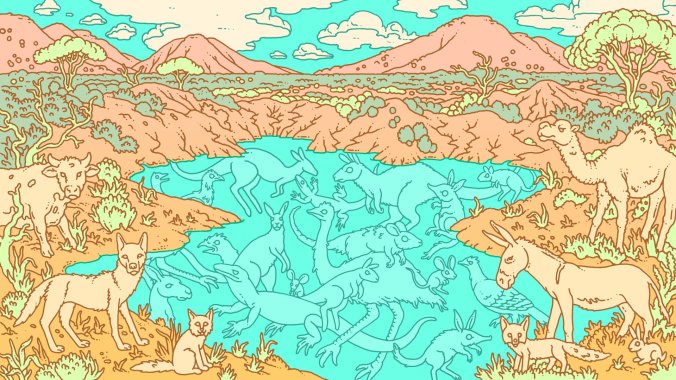
The desert of south-central Australia is crenellated with sandstone hills in shades of ivory, crimson, and apricot. The ground is littered with dead trees and tree limbs, big hunks of transparent mica, dried cow dung, and thousands of stone spearheads and blades made by the Aboriginal people who lived here for tens of thousands of years—and live here still. Around the few water holes are the doglike tracks of dingoes, wild canines that were brought to Australia thousands of years ago and are now the country’s top predators.

I have come to the Evelyn Downs ranch, on the famously remote highway between Adelaide and Alice Springs, to meet Arian Wallach, a conservationist who thinks there is too much killing in conservation. Wallach has come to this massive 888-square-mile ranch because it is one of the few places in Australia where people aren’t actively killing wild animals. Tough, outback Herefords share the landscape with kangaroos, wild horses, wild donkeys, camels, emus, cats, foxes, native rodents, dingoes, and very large antediluvian-looking reptiles called perenties. Of the animals on this list, dingoes, cats, foxes, horses, camels, and donkeys are all killed in large numbers throughout Australia—but not here. Wallach has convinced the owners to experiment with a more hands-off approach. Continue reading

Green Food, Tech Model Solutions

Derek Thomson and his Crazy Genius crew over at the Atlantic’s podcast division have hit on a winning formula, at least for me. They take a big issue question we hear about and think about frequently, like the question of what to do about meat consumption–as in what to do about the extremely obvious problem of meat consumption levels–and they apply some creative pod knowhow. One of the best motivators for going meatless, or at least eating less meat, that I have come upon in ages.

CG.jpg

Will We Ever Stop Eating Animal Meat?

Americans eat more meat now than ever. That’s a problem for the planet’s future. Animal farming takes up 30 percent of the earth’s landmass (the equivalent of Asia), and livestock causes one-sixth of global greenhouse gas emissions. We need more than moral arguments against meat. We need a technological revolution in better, cleaner food.

If you do not have half an our for the podcast, take five minutes to read the summary here:

There are two big truths about eating meat from animals.

First, animal flesh imposes a high moral and ecological price for a tender medallion of food. Factory farming incurs the torturous treatment of millions of chickens, cows, and pigs each year. This constitutes a rolling moral catastrophe. What’s more, one-sixth of the world’s greenhouse gas emissions are directly attributable to raising livestock, and the figure is rising as more countries enter the global middle class. For most Americans, cutting meat out of their diets would reduce global warming more than giving up driving. Continue reading

Economics, Prodigy & A Better Future

merlin_140063802_2cbcf897-0703-4f45-9abd-01cca30177ca-jumbo

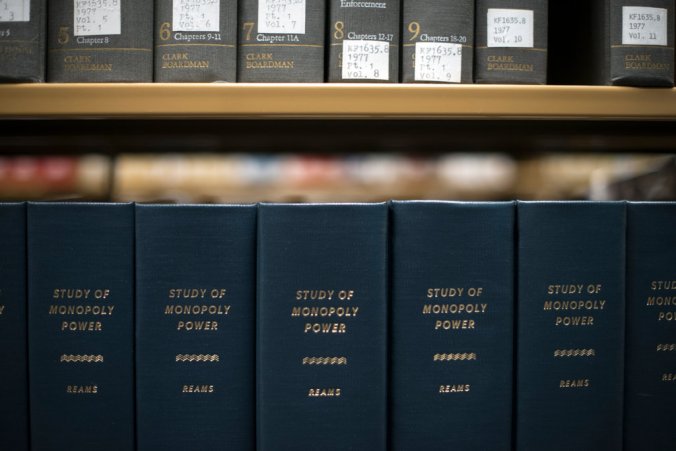
At the S.M.U. library in Dallas, Ms. Khan was finding inspiration from books that predated the price-based era of monopoly law. Credit Brandon Thibodeaux for The New York Times

I have resisted placing orders through Amazon about as steadfastly as humanly possible in the economic and cultural life Amazon has now taken such a prodigious role in. I have had plenty of hints of what the key points are in the growing debate about the company and why to resist it. Thanks to this excellent profile by David Streitfeld, I have a better understanding of why this is so important, and thanks to Lina Khan I have faith that the only way to counter prodigious power is with the power of prodigy:

Amazon’s Antitrust Antagonist Has a Breakthrough Idea

With a single scholarly article, Lina Khan, 29, has reframed decades of monopoly law.

09Khan1.print-superJumbo-v2.jpg

In early 2017, when she was an unknown law student, Lina Khan published “Amazon’s Antitrust Paradox” in the Yale Law Journal. Credit Brandon Thibodeaux for The New York Times

The dead books are on the top floor of Southern Methodist University’s law library.

“Antitrust Dilemma.” “The Antitrust Impulse.” “Antitrust in an Expanding Economy.” Shelf after shelf of volumes ignored for decades. There are a dozen fat tomes with transcripts of the congressional hearings on monopoly power in 1949, when the world was in ruins and the Soviets on the march. Lawmakers believed economic concentration would make America more vulnerable.

At the end of the antitrust stacks is a table near the window. “This is my command post,” said Lina Khan.

It’s nothing, really. A few books are piled up haphazardly next to a bottle with water and another with tea. Ms. Khan was in Dallas quite a bit over the last year, refining an argument about monopoly power that takes aim at one of the most admired, secretive and feared companies of our era: Amazon.

The retailer overwhelmingly dominates online commerce, employs more than half a million people and powers much of the internet itself through its cloud computing division. On Tuesday, it briefly became the second company to be worth a trillion dollars. Continue reading

Omnivore’s Dilemma In A Shark Species

07tb-sharks-jumbo.jpg

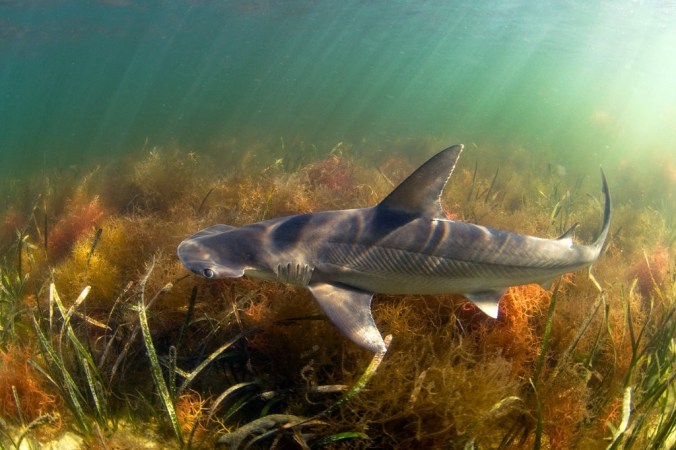
A bonnethead shark in the shallows of Florida’s Pine Island Sound. Credit Getty Images

I do not know why it has been so long since we last linked to a story by her, and I will remain on the lookout for more excellent science writing by her, but for now a quick thanks to Veronique Greenwood for this:

The Omnivorous Sharks That Eat Grass

Diminutive bonnethead sharks are the first omnivorous sharks known to science, which could change our understanding of what some sharks eat.

merlin_143308854_1e868ce5-fc07-4d7f-b6cb-4bf4d92684b8-jumbo.jpg

After researchers caught bonnethead sharks for study, they received a daily meal consisting of a wad of seagrass wrapped in a piece of squid, resembling a large inside-out sushi roll. Credit Samantha Leigh

Sharks are not known for their taste for greenery. But at least one species of shark enjoys a salad of sea grass as well as the prey it hunts.

The bonnethead shark, a diminutive species that reaches up to 3 feet in length, lives in the shallow sea grass meadows off both coasts of the Americas. It eats small squid and crustaceans ferreted from the swaying underwater fronds. But, researchers who have carefully monitored everything going in and out of captive bonnetheads say in a study published in Proceedings of the Royal Society B that they also eat large quantities of seagrass. The grass isn’t just passing inertly through the sharks’ guts. They extract nutrition from it just as they do from the meaty portion of their diet. These sharks must, therefore, be reclassified as omnivores — the first omnivorous sharks known to science. Continue reading

A Story That May Make Your Day

CalleCarrizalView

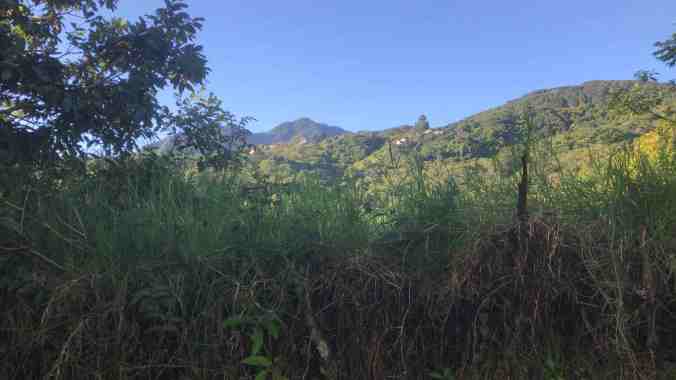
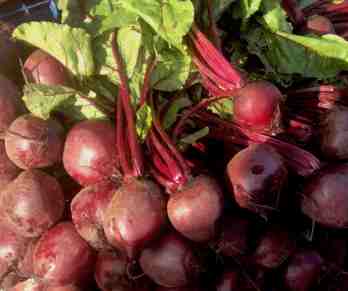
FMBeets.jpgThe view above is a stretch of Continental Divide passing through Costa Rica’s central valley. The snapshot is taken from the road close to our home. I hike these mountains most mornings. On Saturdays I visit the farmer’s market in the town square. Beets were on my shopping list this week. One of the very few culinary banes of my youth, beets are now a favorite. A single shot glass of borscht, served to me in Leeuwarden, Holland solved that problem for me in 2004.
FMPejibaye.jpg

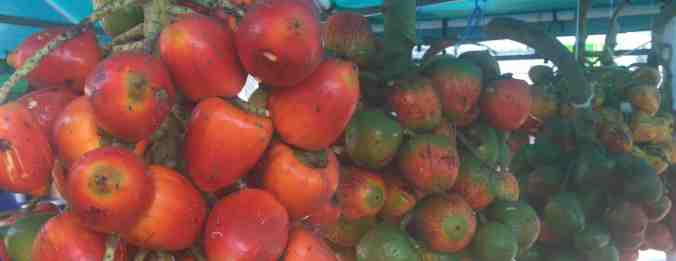
Pejibaye, a fruit from one of the many palm varieties growing in this region, is considered a local staple. We find that it has a resemblance to chestnut, so we use it to prepare stuffing to accompany the roasting of something or other on the fourth Thursday of November.

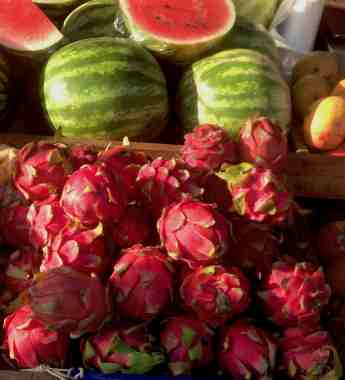
FMDragonFruitThis time of year dragon fruit appears and if it is a sunny morning their color is motivational. That is, I find their color energizing.

But something about the name must explain why, as with beets in my youth, I have not been motivated to eat this fruit.

I am waiting for someone to demonstrate the best way.

AmesTrue.jpg

I listen to a mix of music and podcasts during the mountain walks. Music energizes the steep uphill grinds while podcasts fill the downhills and straightaways, where I can concentrate. I recommend clicking on the My Ames Is True tab here and I also recommend not reading the blurb describing what it is about. Enjoy the surprise. This podcast is best listened to with no introduction, except for the fact that it is told by Michael Lewis on This American Life. It may make your day.