Plant, Coffee Table Baiting

9780714871486-940-ahsPhotos by Penn, Steichen and other classic masters share the pages with some of today’s greatest photographers in this book. It brings our attention to flora in both natural and still-life settings, making this kind of debate irrelevant.

Floral arranging, an art form, can be seen as baiting, in a way. We are mindful of the fact that most of the world increasingly lives in urban settings. While our job is to provide access to the wonders of wild nature, there is a vital role for plants in the daily lives of urbanites to remind them to get back to nature from time to time. If this book provides coffee tables daily reminders of that imperative, we are all for baiting.
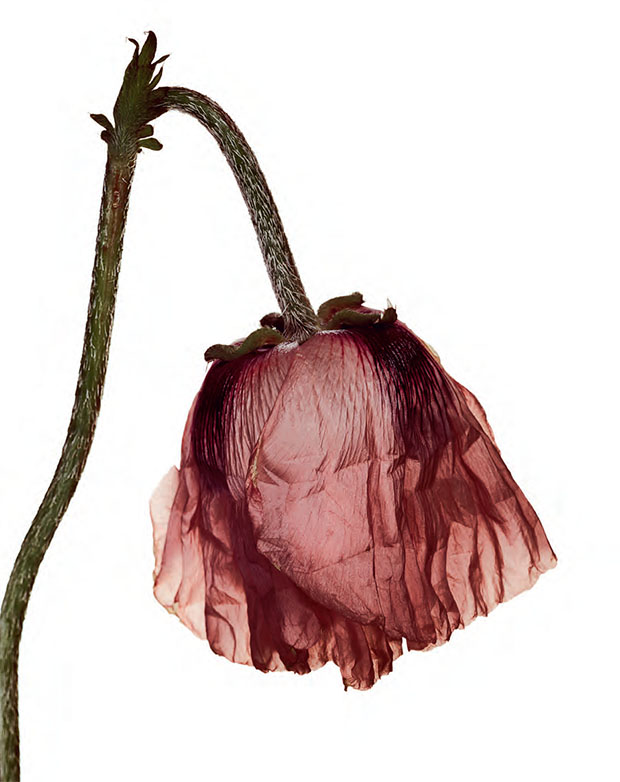
penn-poppy.jpg

Single Oriental Poppy (C), 1968 by Irving Penn. From Plant: Exploring the Botanical World

Plant wins American Horticultural Society Book Award!

Plant is ‘an art exhibit in book form’ says one of the judges – and who are we to disagree? Continue reading

Model Mad, Whitehouse

captured_finalWe have been suggesting that the model mad behavior in these particularly odd times is not to fight fire with fire, but to fight it with effective extinguishers. There are plenty of creative, as well as otherwise enlightened approaches you should consider. Here’s another. If what you hear out of the White House is infuriating you, consider what this Whitehouse has to say:

Sheldon Whitehouse is a politician with a great name, a bad haircut, and a pissed-off attitude. The second-term Democratic junior senator from Rhode Island has built his career around two seemingly unrelated issues—climate change and money in politics—and he’s just written a book to demonstrate how intimately connected they turn out to be. Continue reading

Rare Birds, Climate Change & Dialogue

Headshot-Jerry

Jerry Taylor, founder of the Niskanen Center, a libertarian think tank.

We like birds. We like rare birds. Jerry Taylor sounds worthy of attention. Thanks to Marc Gunther and Yale 360 for Climate Converts: The Conservatives Who Are Switching Sides on Warming:

It’s hardly being noticed, given the current political atmosphere in Washington. But a small yet growing number of Republicans, conservatives, and libertarians are starting to push for action on climate.

As liberal Democrats and conservative Republicans pull farther apart in the long-running, increasingly polarized debate over climate change, Jerry Taylor is a rare bird — Continue reading

Possibly Impossible

1-tVg-vilt7SewU5YztQFtEQ

The Impossible Burger. Photo via Forbes.

Impossible? We have liked what we have seen, more than once. But we remain open-minded in both directions. Thanks to Dana Perls, senior food and technology campaigner, for the article Is “Food-Tech” the Future of Food? posted on Medium, that raises the right kinds of questions:

…On the surface, the Impossible Burger’s goal to reduce meat consumption sounds important. There are urgent problems with animal factory farming. But at a time when consumers are pushing for more sustainably produced real food, are these biotech products the right answer? Continue reading

Model Mad, Markets

01leshy-master768

Leigh Wells

On a day often reserved for gags and laughs, we instead repeat, without much cheer but plenty of conviction, two of our favorite words: entrepreneurial conservation. Two opinion pieces today highlight the role of both government and market forces as vehicles of environmental protection. When government must take action, as John D. Leshy and Mark Squillace point out, there is a law that allows the President of the United States to protect nature in the public interest. That law is endangered, and it is not okay, these model mad legal scholars remind us. They also point out that markets have tended to follow and reward the actions Presidents have taken to protect natural monuments in the last 111 years since that law was enacted.

A former Mayor of New York City, who also has credibility when it comes to market forces, reminds us in another editorial that with or without a President’s leadership we can still make progress on our environmental commitments. But only if all the rest of us are fully on board, and ready to shake things up when needed, providing all the more reason for each of us to keep all these model mad examples fresh in mind. If you only have time for one quick read at the moment, make this the one:

Climate Progress, With or Without Trump

Getting A Restaurant Ready

Burton.jpg

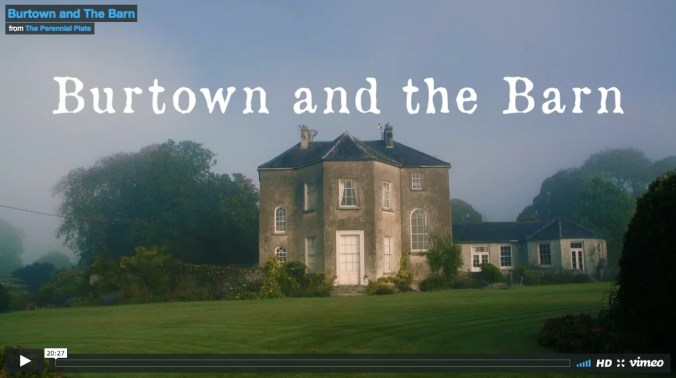
Thanks to the Atlantic and its author Erica Moriarty for A Restaurant Brings New Traditions to an 18th-Century Irish Home, with video by The Perennial Plate. These are 20 minutes well spent, especially if you have been through a similar process more than once recently, and even more so if you are contemplating doing so again:

Since the 1700s, the Fennell family has lived on the same property in County Kildare, Ireland. In the past, they were able to generate income from their small farm to support themselves. Continue reading

Model Mad, Jane

4256.jpg

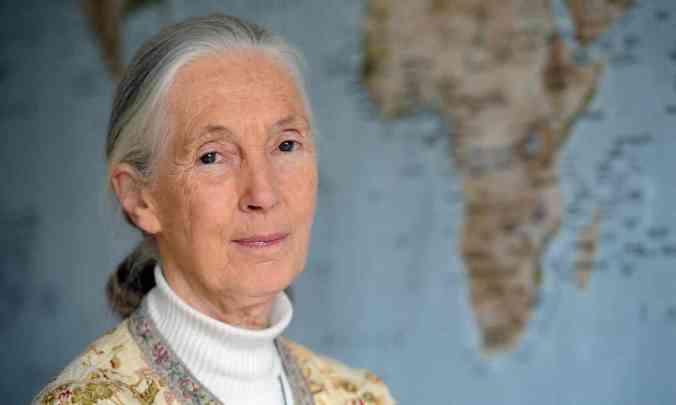
British scientist Jane Goodall: ‘ I have seen the result of climate change and we know, science has shown, that global temperatures are warming.’ Photograph: Bertrand Guay/AFP/Getty Images

Whales Off Sri Lanka

4269.jpg

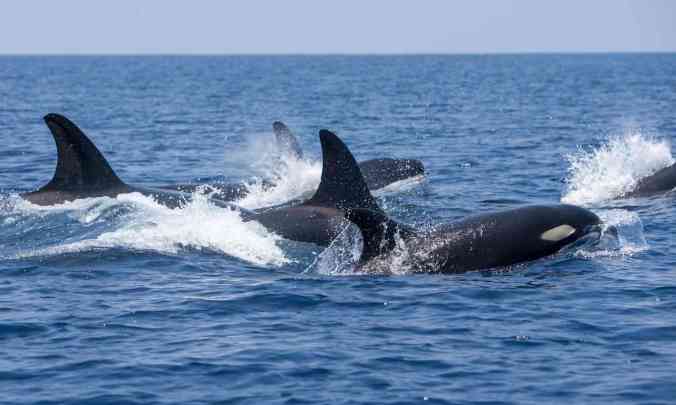
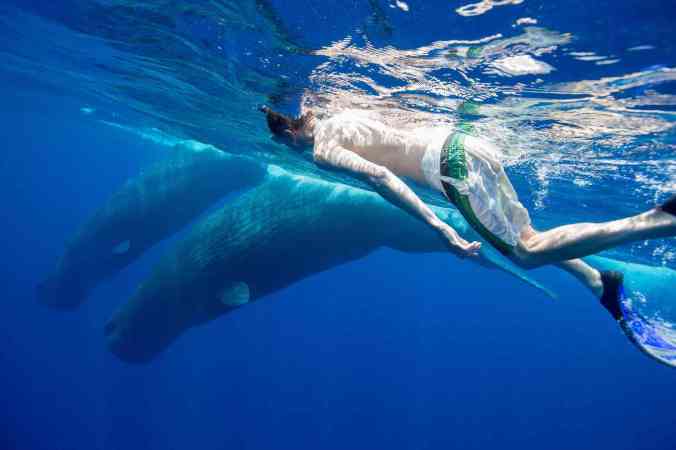
While observing sperm whales off the Sri Lankan coast, Philip Hoare came face to face with eight hunting orcas who had no fear of the 100-strong sperm whale pod

Thanks to Philip Hoare for this photo-documentary of his recent dive in our old neighborhood just south of the southern tip of India:

5184.jpg

Photograph: Andrew Sutton

Continue reading

Seed Vault Deposit

We have shared a couple times in the past about the seed vault, but just now it has come to our attention again in this press release from last month, provided by The Crop Trust, which reminds us of the meta-agriculturalist Cary Fowler, whose 2009 Ted talk is worth another quarter hour after a quarter hour on the short film above:

MAJOR DEPOSIT TO WORLD’S LARGEST SEED COLLECTION IN THE ARCTIC OVERSEEN BY THE CROP TRUST | GOPRO SUPPORTS CROP TRUST WITH NEW VIDEO AND PLEDGE DRIVE

SVALBARD, NORWAY – 22 February 2017A major seed deposit critical to ensuring global food security was made to the Svalbard Global Seed Vault in the Arctic Circle today. Continue reading

Invasion, Proliferation, Hunt–A New Paradigm

3264.jpg

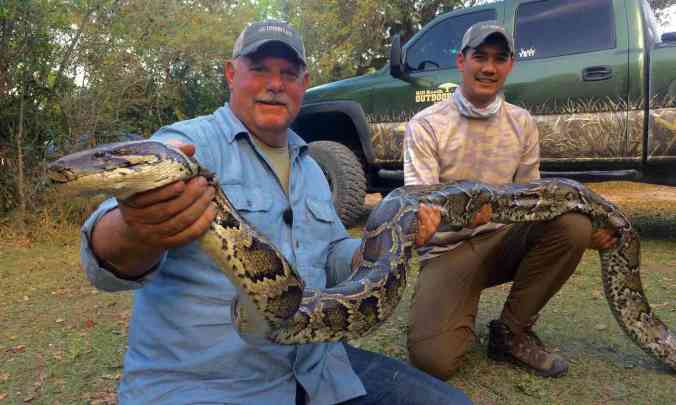
Bill Booth with one of the Burmese pythons that are wreaking havoc upon the Everglades’ fragile ecosystem. Photograph: Roger Booth

Climate Change, Economic Growth, Santa Claus & Sanity Clause

MacKinnon-CanWeSlowGlobalWarmingandStillGrow-1200.jpg

America led the world in reducing carbon pollution in 2016, with a decline of three per cent. But the Trump Administration’s plans suggest that current trends are about to shift. PHOTOGRAPH BY KAYANA SZYMCZAK / THE NEW YORK TIMES / REDUX

Thanks to J. B. MacKinnon for this post on the New Yorker website about the relationship between things we know to be true, things we want to be true, and things which may seem like wishful thinking (for which Santa Claus might be the only hope if we cannot adhere to the sanity clause of our compact with the planet):

CAN WE SLOW GLOBAL WARMING AND STILL GROW?

On March 17th, the International Energy Agency announced that 2016 marked the third year in a row that global carbon emissions had stayed at the same level while the world’s economy grew. This three-time repeat has put to rest any lingering suspicions of gremlins in the data. Something new is happening. The global economy has now grown nearly ten per cent without any increase in the annual CO2 emissions that are the principal human contribution to climate change. In the parlance of sustainability, growth and emissions appear to have “decoupled.” Continue reading

Seeing Sequoias Surprises

26mag-26sequoias-t_CA0-jumbo.jpg

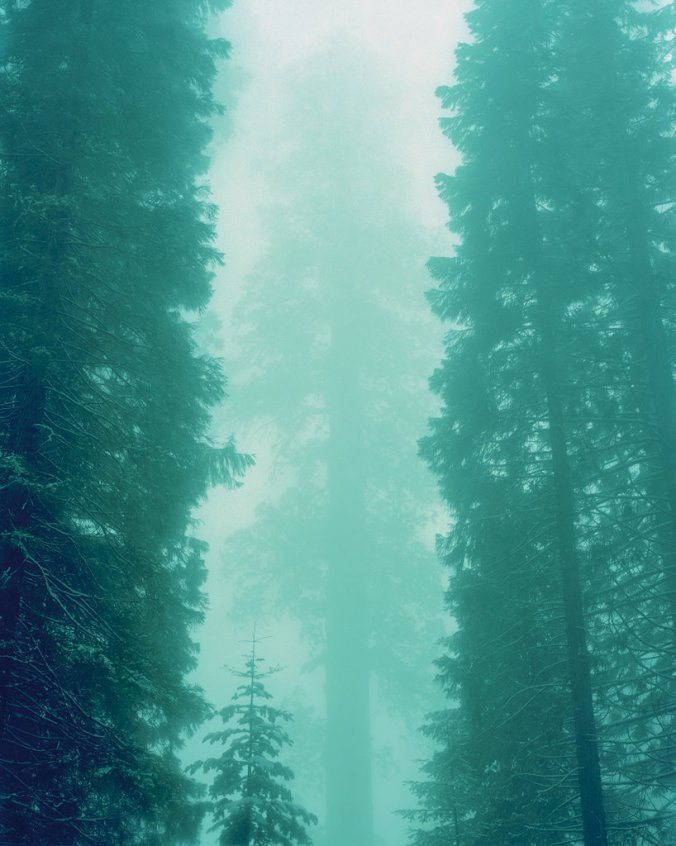
Titans in the fog in Sequoia National Park, California. CreditDavid Benjamin Sherry for The New York Times

Yuval Noah Harari Speaks His Mind; What A Mind It Is

cover.jpg.rendition.460.707.jpgWe linked recently to a review of this book, and that makes a compelling case. His publisher’s blurb says:

Yuval Noah Harari, author of the bestselling Sapiens: A Brief History of Humankind, envisions a not-too-distant world in which we face a new set of challenges. Where do we go from here? And how will we protect this fragile world from our own destructive powers? In Homo Deus, he examines our future with his trademark blend of science, history, philosophy and every discipline in between.

But if you have 90 minutes to let the author compel you through discussion, the intelligence squared recording below will not let you down

Let Sleeping Bears Lie

25tb-hibernation-top-superJumbo.jpg

A black bear, which has been sedated, and her cub in a den in Massachusetts. Credit Mark Wilson/The Boston Globe, via Getty Images

Thanks to the science writer Steph Yin for this one:

Waking From Hibernation, the Hard Work of Spring Begins

For animals that hibernate, making it to spring is no small feat. Torpor — the state of reduced bodily activity that occurs during hibernation — is not restful. By the time they emerge, hibernating animals are often sleep-deprived: Continue reading

Bird, Data, Love

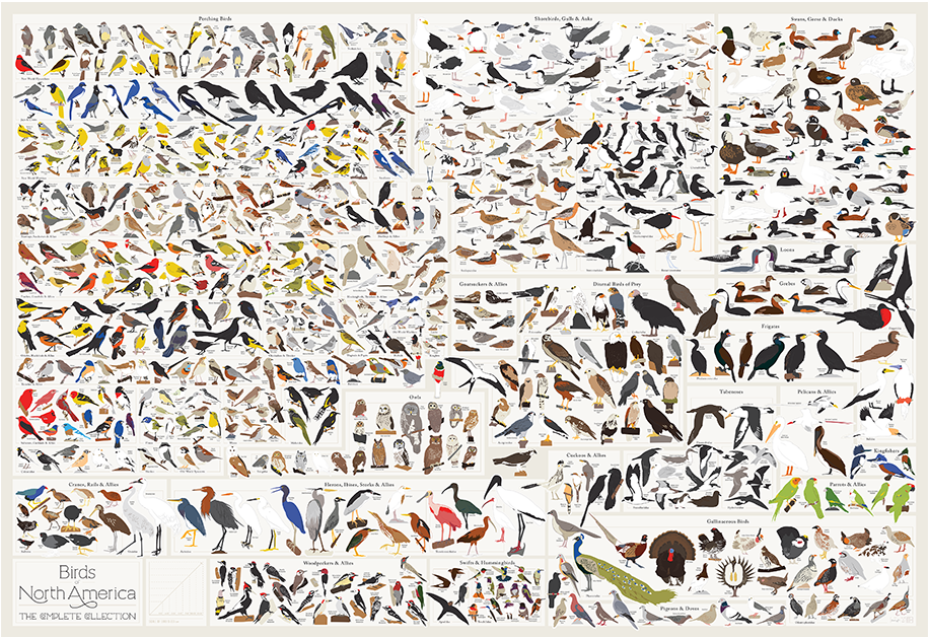
We love this amazing poster from Pop Chart Lab as much as the link to find it.  The site’s zoom function gets you closer to the fantastic detail.

Take a look!

Perhaps our most ambitious taxonomical undertaking yet, this is your field guide to the birds of North America! The product of over 400 hours of intricate illustration work by our talented team of artists, this unabridged aviary features over 740 fair-feathered friends drawn to scale and sorted by species, covering the continent’s avifauna (both native and introduced, as designated by the National Audubon Society and the Cornell Lab of Ornithology) from common sparrows, jays, and owls to rarer birds such as the Greater Sage-Grouse, the California Condor, and the Whooping Crane. An ornithological opus like no other, this classificatory treasure is perfect for amateur and eagle-eyed birdwatchers alike. Continue reading

Why We Use eBird, A How-To Primer Explaining Our Motivations

Chan-Chich-Lodge-logoThis article published by Audubon (click their banner below to go there) continues to provide fresh illumination on the basics of eBird; also on why we have made eBird central to our birding activities for guests in recent years, and why Chan Chich Lodge is collaborating with the Lab of Ornithology this Global Big Day event .

AudubonLogo

Since its launch in 2002, eBird has revolutionized the way birders worldwide report and share their observations. A joint project by the Cornell Lab of Ornithology and Audubon, eBird is a free online program that allows birders to track their sightings, while other birders watch and search in real-time. Articles have been written about eBird with mind-bending titles like, “eBird Changed My Life” and “The Agony and Ecstasy of Surrendering to eBird.” In a front-page science headline in 2013, The New York Times called it “Crowdsourcing, for the Birds,” and concluded that eBird is “a revelation for scientists” and gives birders “a new sense of purpose.” Continue reading

Cattle, Climate & Cataloguing


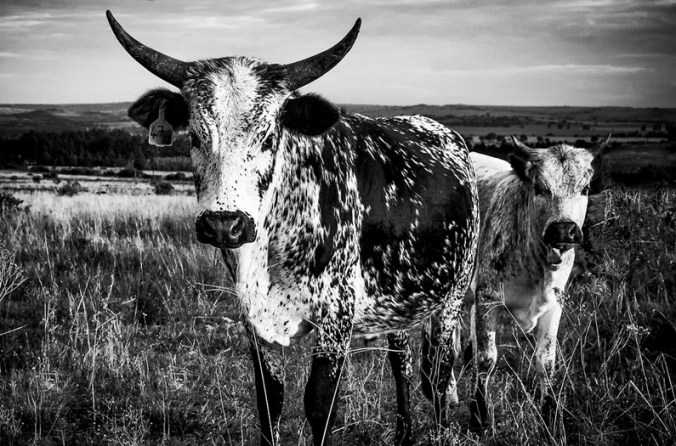
nguni-cattle.jpg

South Africa’s indigenous Nguni cattle via Flickr

Thanks to Emma Bryce at Anthropocene for this summary on how preserving climate-resilient cattle breeds can boost Africa’s food security:

Yarn Bombing, Indian-style

Elephants, many of whom have suffered serious abuse in the past, photographed wearing the knitted multi-coloured, pyjama-like garments knitted by local villagers Roger Allen

While the concept of yarn bombing (also called guerrilla knitting) is usually a playful way to bring color to an urban setting, this isn’t our first story about altruist knitting in the realm of animal protection.

This story seems particularly poignant considering it weaves together the matriarchal nature of elephants and the communal work of the village women…

Villagers knit jumpers for Indian elephants to protect the large mammals from near-freezing temperatures

Elephants in India are sporting colourful woollen jumpers after villagers knitted the super-size garments to protect the animals from near-freezing temperatures.

Women in a village near the Wildlife SOS Elephant Conservation and Care Centre in the northern city of Mathura reportedly began producing the colourful, pyjama-like garments after staff at the centre warned temperatures were approaching sub-zero at night. Continue reading

Ocelot Dreaming At Chan Chich Lodge

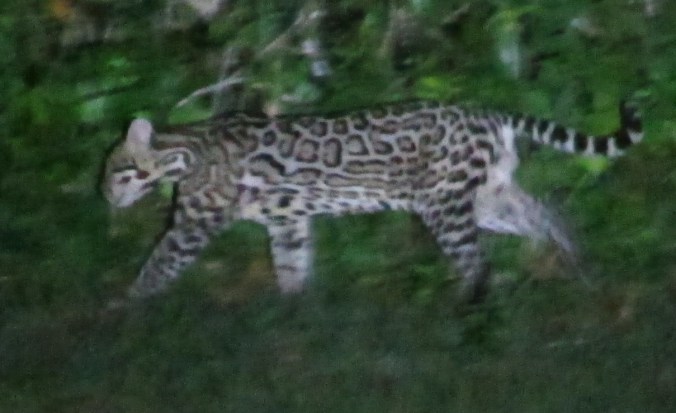
MargayDream.jpg

Thanks to our guests, Yvonne & Martin Ryves of Cork, Ireland for these snapshots taken on the night safari Wednesday after dinner. The one above looks like an ocelot in a dreamscape. Below, as crisp a couple of shots as you are likely to get on the go in the dark in this part of the world. Continue reading

Old School Shepherd Knowhow Saves The Day


Project2016-92-1260x708

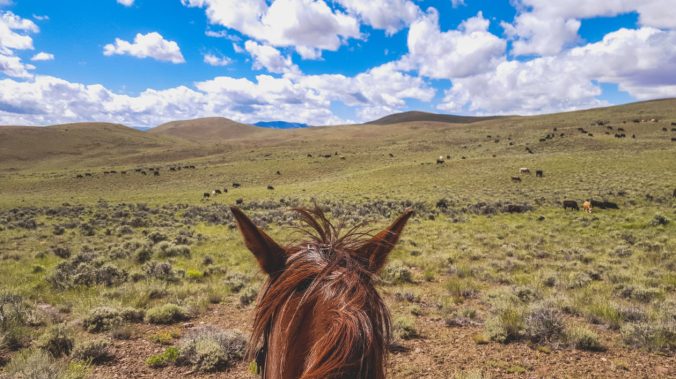
Natalie holding point as the herd disperses over Bear Basin. Photo © Melanie Elzinga

Thanks to Matt Miller over at Cool Green Science for this one:

Can Ancient Herding Traditions Help Cattle Coexist with Wolves and Sage Grouse?