Travel, Writing & Games

This series has always been worth reading, whether you are an American looking through the eyes of a fellow American, or otherwise intrigued by a niche of American perspective that is not quite representative of that culture as a whole.

First things first: sometimes a book, a music recording or other item is only available from the mainstream online retailers such as Amazon or iTunes, but whenever possible we promote the purchase from independent sellers.  So click the image to the right if you want a link to independent booksellers in the USA, provided by the ever-entrepreneurial American Booksellers Association.

Now, the side show: the series editor Jason Wilson is also a contributor to a site we refer to on occasion, and he wrote an interesting item a couple of years ago that began:

Continue reading

Ideas About Why To Hug A Tree

In several earlier posts Seth highlighted the evolution of environmental philosophy in readings for a course he was taking at Cornell University.  For those of us not lucky enough to be in a course like that, there is a magazine whose current issue covers some of the same terrain.  From one of the articles in that issue (click the image above to go directly to the source):

Leopold argued for the extension of what we see as worthy of our respect from the human community to include animals and the natural world, or what he referred to as ‘the biotic community’. His famous principle, briefly expressed, was, ‘A thing is right when it tends to preserve the integrity, stability and beauty of the biotic community. It is wrong when it tends otherwise’.

Continue reading

Wild Things Lurk In Tranquil Places

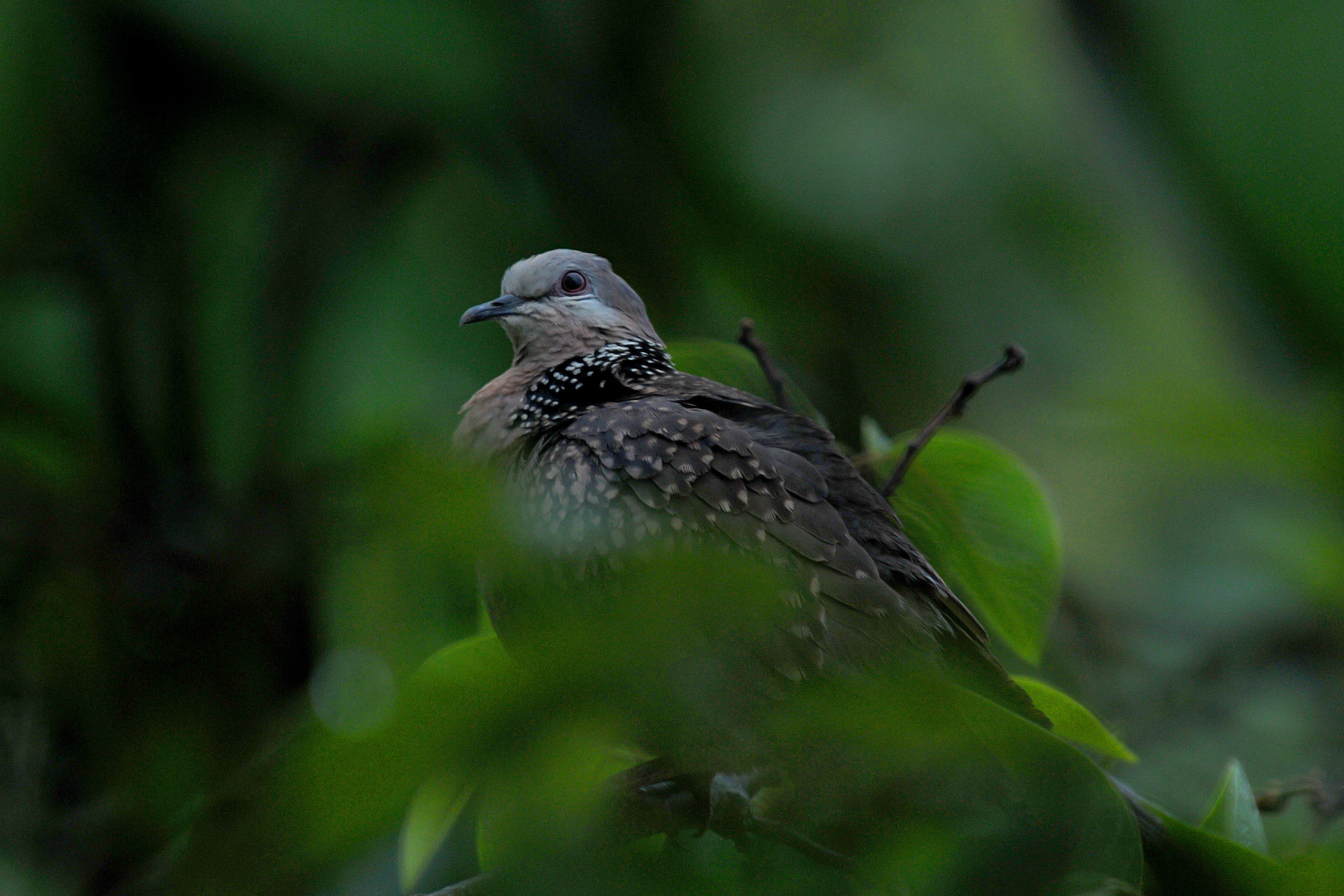
Two of Milo’s recent posts–one about appetites and the other about maternal instincts–provide reminders that as beautiful as nature is, there are situational downsides. In an earlier post we mentioned Walton Ford, and it is interesting to consider Milo’s photographic observations in light of Ford’s work.  And since Milo was writing from India, perhaps even in conjunction with the musical encounter below.

This slideshow requires JavaScript.

Do not let Milo’s fearsome photography, nor Walton Ford’s phantasmagorical extrapolations, lead you astray. Continue reading

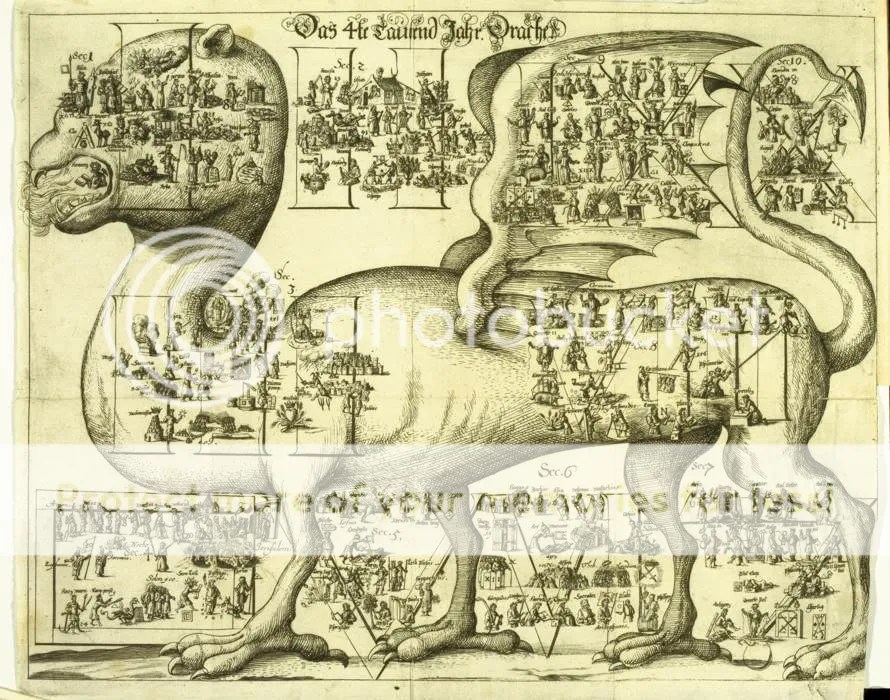
Temporal Mapping

Thanks to The Morning News, and Rosecrans Baldwin in particular, for bringing this book out of the specialty section and to our attention:

Selections from a captivating history of timelines—from time circles to time dragons, to a history of the world drawn on a single piece of paper.

Continue reading

Peaks Over Poverty: Taking Adventure Travel to new Heights

Guest Author: Emma Frisch

– Emma Kirwan, Executive Director and Co-Founder of Peaks Over Poverty

Life in the Andes is harsh. 70 million people live in poverty, of which 44 million are rural people who rely on farming for survival. However, water demand, which is primarily used for agriculture, exceeds the available supply by 40% and is worsening with climate change.

Rural mountain people play a key role in preserving fragile highland ecosystems. The way they manage land and water directly impact human and environmental health for nearly half the world relying on mountain resources. The trickle-down effect; we’ve all heard of it before! This is precisely why Peaks Over Poverty was founded; to bring attention and critical resources to highland communities in Ecuador and worldwide.

Photo: Steve Sherwood

So how did we propose to do that? On a hike with my colleague Steve Sherwood (decked out in my hi-tec gear), it suddenly occurred to us. Continue reading

Wordsmithing: Cousin

In Kerala, and perhaps other parts of India, “auntie” or “uncle” are terms of endearment among youth for anyone of “respectable” age.  No blood ties are necessary. In many Western cultures the OED definition tends to prevail, respectively, for these two terms:

A sister of one’s father or mother; also, an uncle’s wife (= aunt-in-law).

A brother of one’s father or mother; also, an aunt’s husband (= uncle-in-law).

And cousins?

Continue reading

Leading From Behind

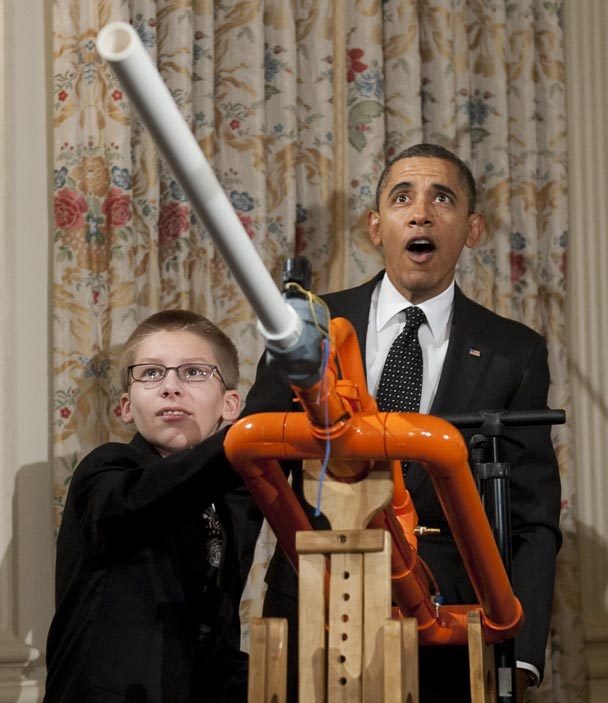
We avoid politics as a rule, and weapons even more so; but from time to time there are reasons for exceptions.  The photo above represents one such occasion.  Click it to go to the source, which captions the photo:

President Obama reacts as 14-year-old Joey Hudy of Phoenix launches a marshmallow from his “Extreme Marshmallow Cannon” during the White House Science Fair.

Continue reading

Cinnamon (Cinamomum zeylanica)

Most of the people in India have enjoyed the sweet and pungent taste of Cinnamon. Also known as “Sweet Wood” in some countries, Cinnamon is one of the species native to the hills of Kerala and Sri Lanka.

Cinnamon Bark is widely used in cooking as a flavoring spice in both sweet and savory recipes. Cinnamon is main flavor in Indian dishes like Briyani, chicken curry etc. Continue reading

Ecological Adventure Careers

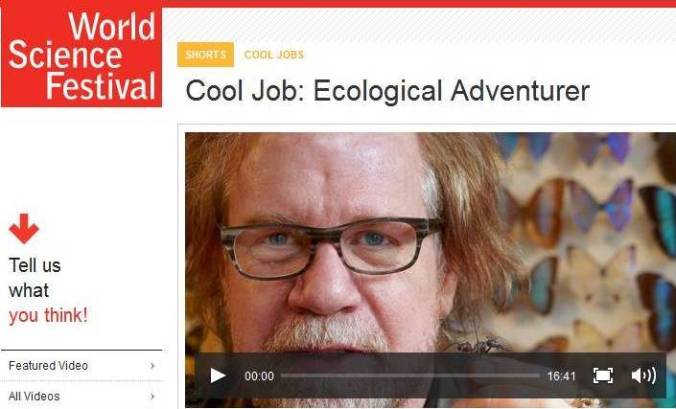
Click the image above to go to the location of this video featuring ecologist and explorer Mark Moffett who

has trekked across the globe to find his stories and capture them on film. Just like the creatures he photographs, Mark can be found crawling in the dirt or clinging to the tops of trees to get that perfect shot. Joined by a scaly friend, he shares his breathtaking work, urging all of us to go out and find stories of our own. Continue reading

Consumption Matters

Either take 63 seconds to view Mr. Clay’s ideas in video form, or read this summary:

Healthy information consumption habits are about more than productivity and efficiency. They’re about your personal health, and the health of society. Just as junk food can lead to obesity, junk information can lead to new forms of ignorance. The Information Diet provides a framework for consuming information in a healthy way, by showing you what to look for, what to avoid, and how to be selective. In the process, author Clay Johnson explains the role information has played throughout history, and why following his prescribed diet is essential in today’s information age.

Continue reading

While The Sun Shines

The festival has the kind of illustrious history that makes it interesting enough on its home turf in Wales; its more recent evolution is a sign of creativity in motion.  Take a look at this story from the most recent iteration of the festival in Kerala, and then after the jump see more on one of the festival’s participants in Colombia last week. Continue reading

Is It Winter?

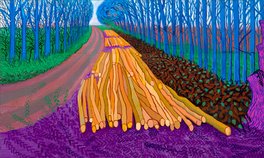
The leading international forum for literary culture, aka The Times Literary Supplement, has a blog that covers more than literary topics.  Click the photo to the right if you enjoy the snippet here:

In his new biography of David Hockney, Christopher Simon Sykes tells a story about the practicalities of making pictures: the young art student, caught up in a flurry of creativity, ran out of paint and couldn’t afford to buy any more. Continue reading

Entrepreneurial Conservation Through Rockclimbing

Guest Author: Robert Frisch

Image

The burgeoning sport of rock climbing is an excellent example of how an adventure sport can propagate the conservation of natural areas through private sector initiatives.  In the early days of the sport, climbers would hammer iron “pitons” into cracks in the rock as they ascended, and attach ropes to them in order to protect against falls.  The pitons were not designed to be removed, and can still be seen on some of the classic climbs around the world.  Visionary thinkers such as Yvon Chouinard (of the Patagonia clothing and gear company) were unsatisfied with the fact that with each new climb, permanent scars were left in the rock, and set out to devise other means of protection.  Nowadays, climbers use removable “nuts” and “cams” that still protect against falls, but leave no trace in the rock.  In fact, rock climbers have even set up organizations such as the Access Fund that participate in conservation and land protection initiatives.  The sport has also helped to bring much needed revenue to rural areas as diverse as Slade Kentucky, Yangshuo China, or Sigsipamba Ecuador. Continue reading

Pepper Harvest and Paper Bags

Guest Author: Aby Thomas

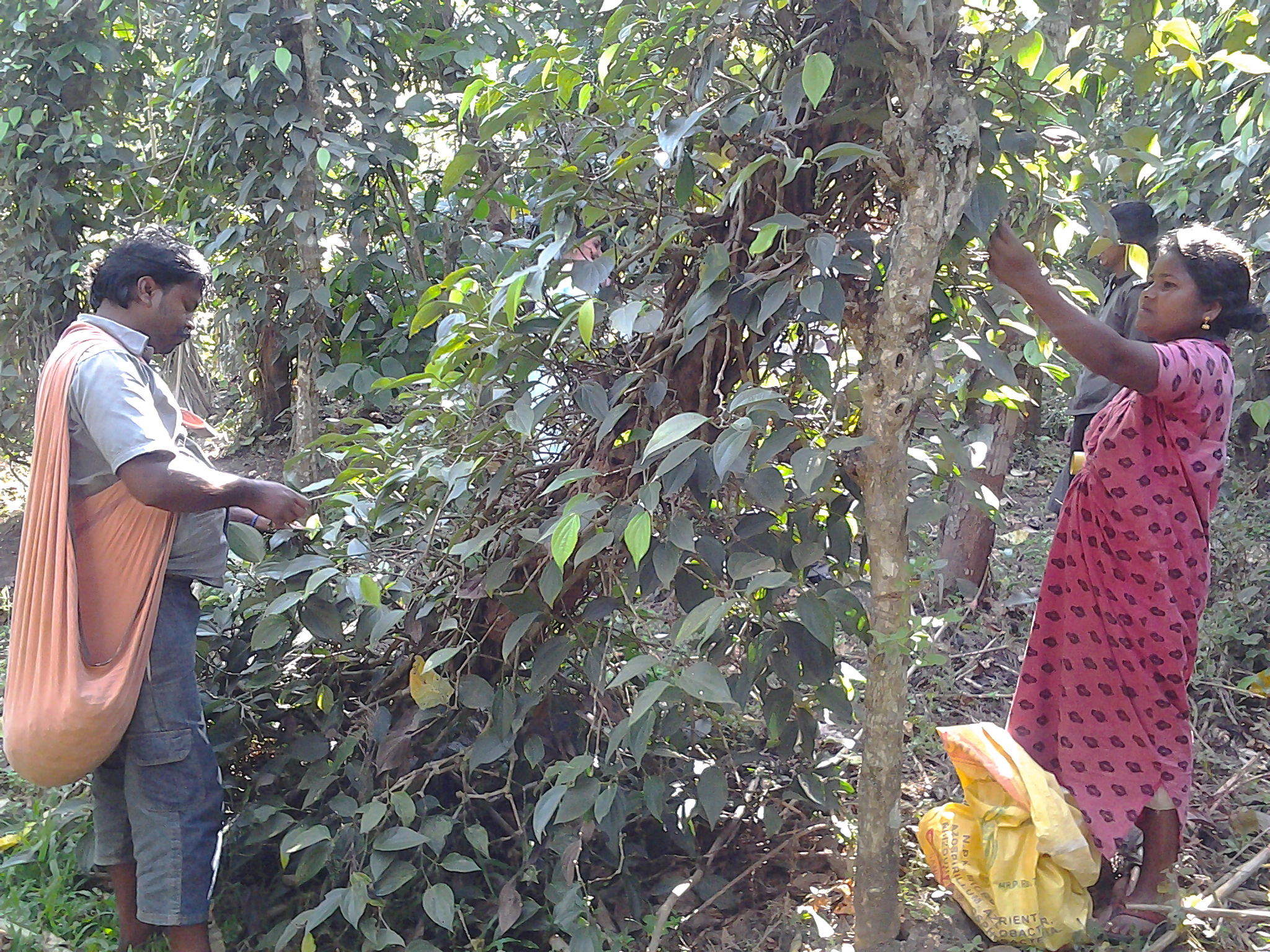
The title “Pepper harvest and Paper bags” may sound unusual, but it’s related to the newspaper bags initiatives by Cardamom County and the forestry department to create alternatives means of income for the tribal ladies leading to community development. The Vanasree Auditorium ladies have multiple responsibilities based on their working directly for the forestry department.  But the Mannakkudy ladies have had the newspaper bags as their primary income.  Until recently….The paper bags unit was active until the end of December, but now the tribal ladies are busy with their pepper harvesting. The pepper harvesting season in the locality begins with the month of January and ends during March. During these periods, the ladies help men in harvesting pepper. Continue reading

Verticals & Travel

Is it about the nascent field of urban ecology?  The science of water?  Microscopic adventures?  Click the image above (from the collection of the Wellcome Library in London, an “1828 etching by William Heath depicting a woman dropping her teacup in horror on discovering the monstrous contents of a magnified drop of water from the Thames, at the time the source of London’s drinking water”) to read Mark Dorrian’s captivating means of introducing a film, using a couple ideas and images that

anticipated future expressions of the new adventure on the vertical, perhaps the most striking of which would be Charles and Ray Eames’s short film Powers of Ten.

Continue reading