Libraries As Architectural Gems

merlin_160635033_dcbb54ea-d450-4d75-b097-f8896ca277ee-superJumbo.jpg

Winnie Au for The New York Times

We occasionally hail architecture, and frequently hail libraries as essential to our shared humanity, and when we get the chance to hail both at the same time, the world seems in good order:

Why Can’t New York City Build More Gems Like This Queens Library?

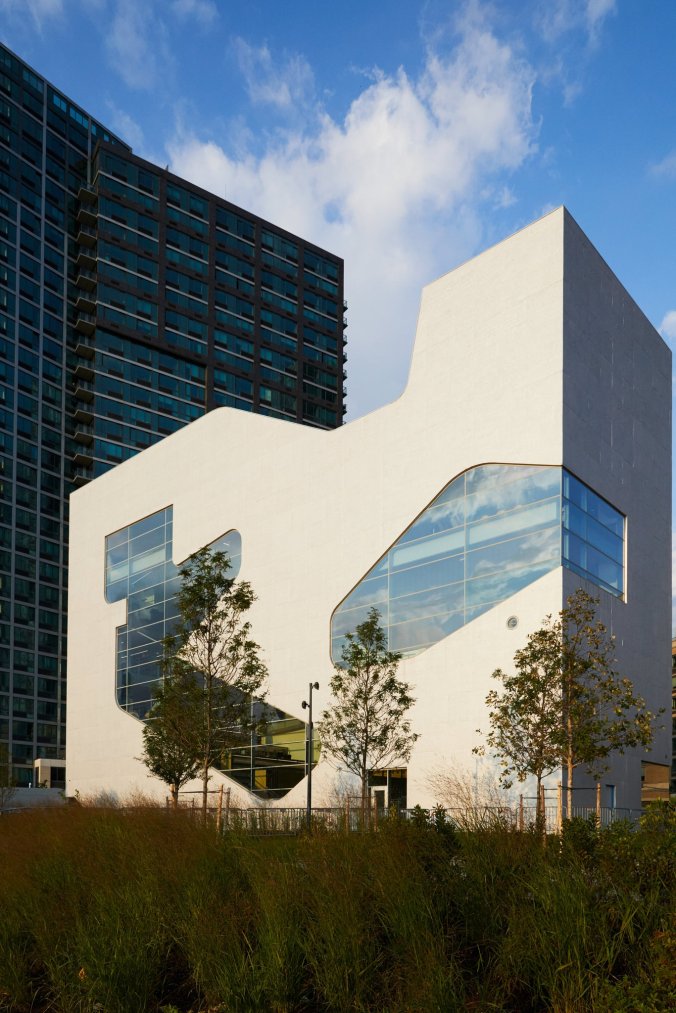
The Hunters Point Community Library is one of the finest public buildings New York has produced this century. But it cost more than $40 million, took a decade and almost died.

merlin_160635120_4fd39dfa-a3bd-40a6-bad9-ffa64e5cd502-superJumbo.jpg

The canyon-like lobby entrance of Hunters Point Community Library. Winnie Au for The New York Times

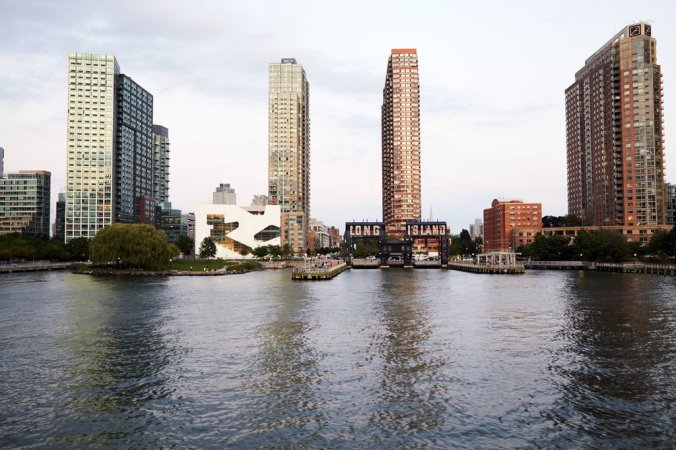
Against a phalanx of mostly dreary new apartment towers, the soon-to-open Hunters Point Community Library by Steven Holl Architects is a diva parading along the East River in Queens, south of the famous Pepsi sign. With its sculptured geometry — a playful advertisement for itself — it’s even a little like the Pepsi sign.

Compact, at 22,000 square feet and 82 feet high, the library is among the finest and most uplifting public buildings New York has produced so far this century.

merlin_160635054_78b92219-8a07-43e8-980e-5ddde3eca8e6-jumbo.jpg

Winnie Au for The New York Times

It also cost something north of $40 million and took forever to complete. So it raises the question: Why can’t New York build more things like this, faster and cheaper?

merlin_160635087_be5c3790-f4e6-4775-896c-faed62eae8bb-jumbo.jpg

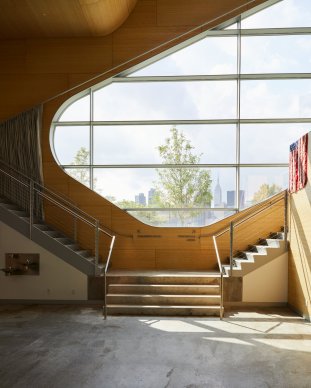
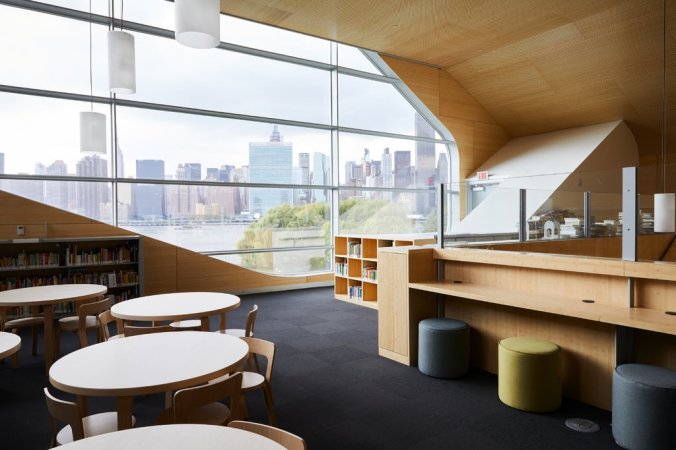
The library is full of nooks and corners, illuminated by big windows with sculptured walls covered in bamboo.Credit Winnie Au for The New York Times

Opening Sept. 24, Hunters Point is surely what Queens Library officials and the borough’s former president, Helen M. Marshall, had in mind when the project was proposed more than 15 years ago: a crown jewel among Queens branches, at a singular, symbolic spot facing the United Nations and Louis Kahn’s exalted Four Freedoms Park across the water. Continue reading

A Different Kind Of Getting Clear

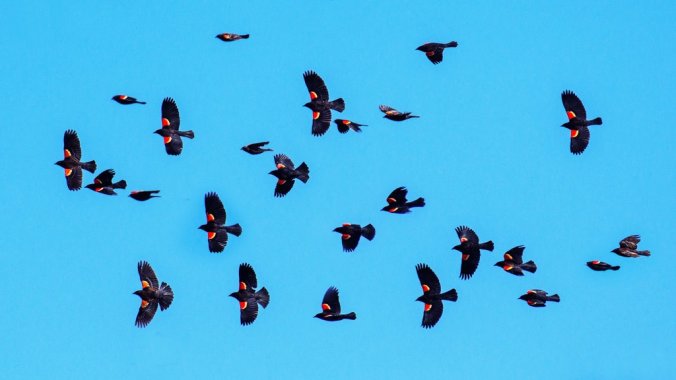
A flock of red-winged blackbirds over Long Island, N.Y.CreditCreditVicki Jauron, Babylon and Beyond Photography/Moment, via Getty Images

Thanks to the authors of this op-ed for a bit of clear thinking:

The Crisis for Birds Is a Crisis for Us All

The mass disappearance of North American birds is a dire warning about the planet’s well-being.

By John W. Fitzpatrick and 

Dr. Fitzpatrick is the director of the Cornell Lab of Ornithology. Dr. Marra is the director of the Georgetown Environment Initiative.

19Fitzpatrick2-jumbo.jpg

Steve Maslowski/Science Source, via Getty Images Plus

Nearly one-third of the wild birds in the United States and Canada have vanished since 1970, a staggering loss that suggests the very fabric of North America’s ecosystem is unraveling.

The disappearance of 2.9 billion birds over the past nearly 50 years was reported today in the journal Science, a result of a comprehensive study by a team of scientists from seven research institutions in the United States and Canada.

As ornithologists and the directors of two major research institutes that directed this study, even we were shocked by the results. We knew of well-documented losses among shorebirds and songbirds. But the magnitude of losses among 300 bird species was much larger than we had expected and alarmingly widespread across the continent. Continue reading

Dark Plastic

Kormann--Plastics

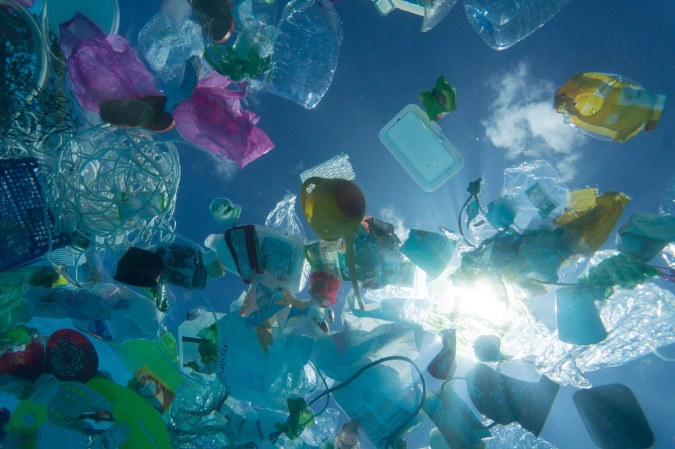
It is likely that marine debris kills hundreds of thousands of sea birds, turtles, and marine mammals each year. Photograph by Paulo Oliveira / Alamy

It is a 10-15 minute read with a two hour hangover of depression. But a must-read. Thanks to Carolyn Kormann for getting us very clear on the problem of plastic in our oceans:

When Andeans Dream Of Electric Buses

Medellin_089A3212_web

An electric bus in service on the streets of Medellín, Colombia. METRO DE MEDELLÍN

Happy to see our neighbors to the south taking the lead in greening public transportation:

An Increasingly Urbanized Latin America Turns to Electric Buses

From Colombia to Argentina, major cities in Latin America are starting to adopt electric bus fleets. In a region with the highest use of buses per person globally, officials believe the transition will help meet climate targets, cut fuel costs, and improve air quality.

Medellin_Bus-at-station-MG_web.jpg

Medellín will have 65 electric buses in service by the end of the year, making it the second-largest electric bus fleet in Latin America. MARIA GALLUCCI/YALE E360

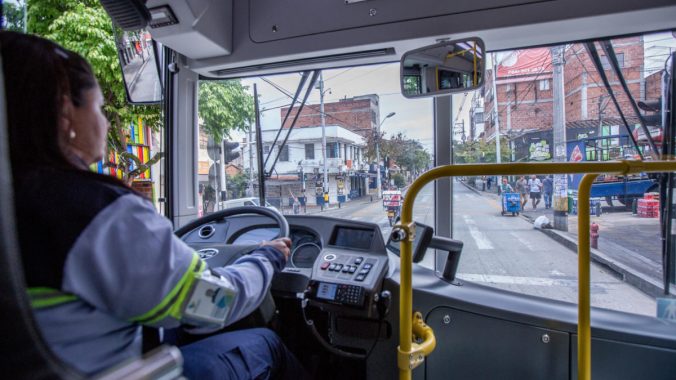
In Medellín, Colombia, passengers cram aboard a battery-powered bus during the morning commute. Inside, the vehicle is a respite from the crush of cars, taxis, and motorcycles winding through traffic outside. The driver, Robinson López Rivera, steers the bus up a steep ramp, revealing views of hillsides covered with rooftops of tile and tin. The bus dashboard indicates that the batteries are mostly charged, with enough power to last through the evening rush hour.

“It’s a little smoother and more comfortable to drive. And there’s hardly any noise,” López Rivera says from behind the wheel. He gently brakes as a street vendor pushes a fruit cart across the dedicated bus lane. At night, the bus will return to a parking lot by the airport, recharging its 360-kilowatt battery pack while the city sleeps.

Santiago-buses-electricos1_web

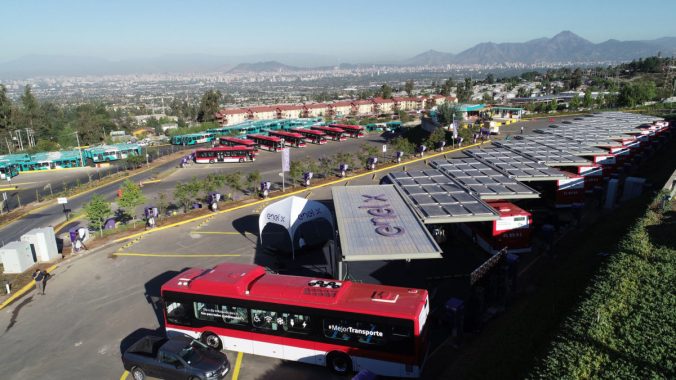
An electric bus charging terminal in Santiago, Chile, which draws power primarily from solar panels. ENEL X

The other 77 buses in the city’s bus rapid transit system, called Metroplús, run on natural gas and move about 251,000 passengers daily. Thousands more privately owned coaches and minibuses burn diesel as they traverse the sprawling metropolitan area of 3.7 million people, with older models leaving a trail of sour-smelling smoke. Faced with chronic air pollution and concerns about climate change, Medellín is now trying to move quickly to electrify its entire mass transit network. Continue reading

If You Must Bet, Bet On This

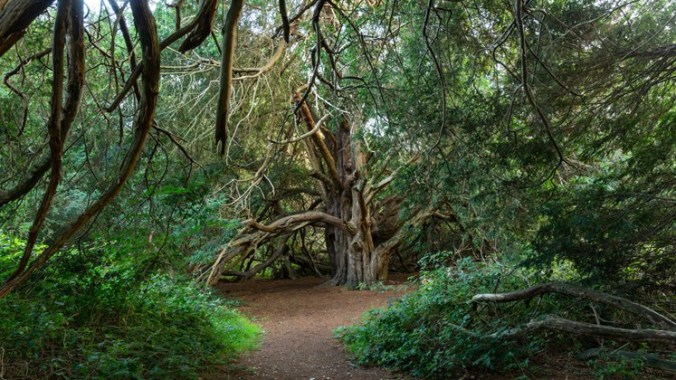
great-yew-kingley-vale-edward-parker.jpg

Woodland Trust has not been mentioned in these pages before, surprisingly. Its origins and its mission make us feel at home:

Stand up for trees

We want to see a UK rich in native woods and trees, for people and wildlife.

But we can’t achieve our vision without you.

And its accomplishments are awesome:

43,069,424
trees planted,
1089 woods saved,
34,075 hectares of ancient
woodland under
restoration.

And now it is possible to place a bet on their behalf in a fun contest:

Now is your chance to vote for your favourite trees in England, Scotland, Wales and Northern Ireland as we reveal the shortlists in our Tree of the Year contest. Continue reading

Resilient Forests & Reduced Fossil Fuel Dependency

chip3-34dd33bf87ddebe5ee3f5be798599246cc35c655-s1400-c85.jpg

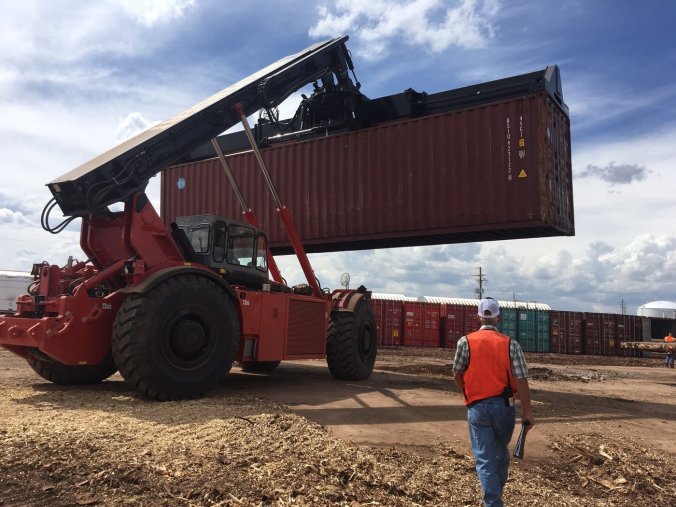
A Rough Terrain Container Handler, or RTCH, moves a shipping container full of about 40,000 pounds of wood chips to a nearby railcar. Ryan Heinsius/KNAU

National Public Radio (USA) shares a story that links forest management techniques in Arizona to fossil fuel use-reduction in Korea:

Chip-And-Ship Forest Clearing May Help Prevent Wildfire Disasters

A huge mechanical claw scoops up several ponderosa pine logs and feeds them into an industrial chipper. Thousands of wood chunks are then blasted into a large shipping container.

“It goes anywhere from one to four to three up to seven small ones can just kind of throw in that little jaws there,” explains Jeff Halbrook, a research associate with Northern Arizona University’s Ecological Restoration Institute. Today he’s overseeing what’s fondly known as the chip-and-ship pilot project about 20 minutes west of Flagstaff.

These trees being fed into the chipper were recently cut from the nearby Coconino National Forest. A crew of six has been working for days to pack the shipping containers as tightly as possible, stuffing each one with about 40,000 pounds of chipped wood. Then another machine hoists the container onto a nearby railcar. In about two weeks, nearly 60 containers will arrive at a port in South Korea. Continue reading

Camera Trap Treasure

triplets-1260x708.jpg

A black bear mother with three cubs. Photo © TNC

Camera traps have proven valuable in the work we have been doing in Belize, India and elsewhere in the wilderness areas of the developing world. But equally important are the photos captured in areas closer to urban settlements. Thanks to The Nature Conservancy’s publication of these photos with the article below:

As a Nature Conservancy forester in Pennsylvania, Mike Eckley spends a lot of time assessing the health of woodlands. That means he spends as much time thinking about white-tailed deer as he does trees.

Many conservation biologists consider over-abundant deer to be an even bigger threat to eastern forests than climate change. Deer can fundamentally change the forest ecosystem, threatening everything from rare wildflowers to migratory songbirds. These deer also can cause deadly vehicle collisions, increase risk of Lyme disease, and cause significant agricultural and property damage.

MOULTRIE DIGITAL GAME CAMERA

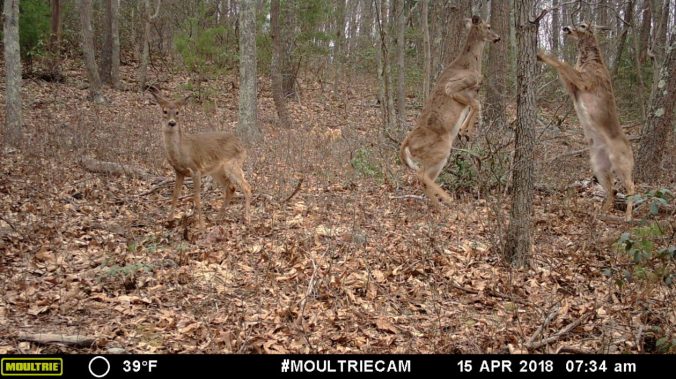
Two white-tailed deer boxing. Photo © TNC

Eckley educates hunting clubs and landowners on deer management issues, and recently co-edited a book on the topic. He also works to make sure the deer herd is healthy on Conservancy projects like the West Branch Forest Preserve, a 3,000-acre preserve in north central Pennsylvania. Continue reading

Farming Energy & Food Simultaneously

Biosphere-2-Agrivoltaics-copy.jpg

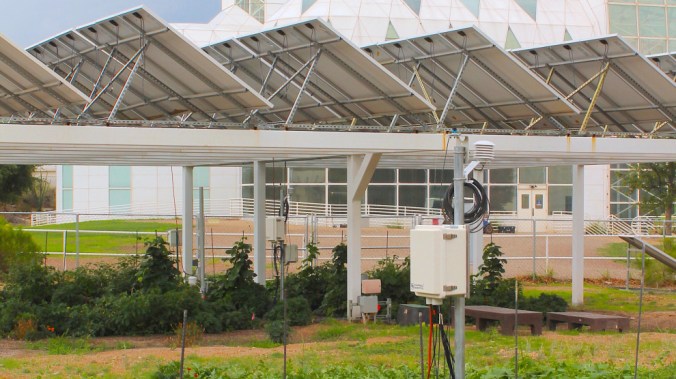
Crops grow under solar panels at the Biosphere 2 Agrivoltaics Learning Lab operated by the University of Arizona, north of Tucson. Patrick Murphy/University of Arizona

When we think of farming, we know sunlight is important, but too much sun is not normally a good thing. For solar, no such thing as too much sunlight–the more the better. But counterintuitive though it may be, here is a story about overlapping advantages of sunlight for farming and solar energy production:

The Best Place for Harvesting Solar Energy Is Not Where I Expected It to Be

And the same land can produce loads of food and electricity simultaneously.

Even after a boom in recent years, solar energy delivers less than 2 percent of power generation to the US electrical grid. But if we’re going to avoid the worst impacts of climate change, the sun’s contribution is going to have to ramp up dramatically. Where to put all the solar panels? You might envision vast solar farms stretching across the sun-scorched barren lands of the Southwest. But according to two recent papers—one from Oregon and Utah researchers, another from a team centered at the University of Arizona—a much different kind of landscape makes the most sense for harvesting solar power: the land currently occupied by food farms.

That’s because the technology that drives solar power—photovoltaic (PV) panels made of silicon that convert light photons directly into electricity—works most efficiently under a specific set of conditions. Most important for this power, of course, is abundant sunlight, which is why deserts make tempting sites for solar energy production. But air temperature is important, too. Above the threshold of 78°F, the hotter it gets outside, the less efficient PV panels are at converting sunlight to electricity. And that’s why blazing-hot deserts pose some problems for solar panels. Continue reading

Passamaquoddy Patrimony Preserved

dwayne-tomah-1-2_custom-90be2526bbc56d67fa337724dafa72ca52cf38fc-s1400-c85

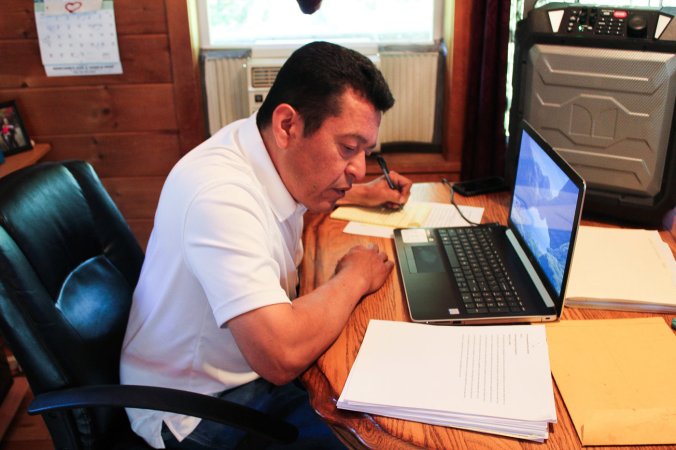
Dwayne Tomah, the youngest fluent Passamaquoddy speaker, sings a Passamaquoddy song outside of his home in Perry, Maine. Tomah is translating and interpreting songs and stories from wax cylinders recorded nearly 130 years ago. Robbie Feinberg/Maine Public

It has been years since we read a story with a theme like the one in this story below (our thanks to National Public Radio for sharing it):

Historic Recordings Revitalize Language For Passamaquoddy Tribal Members

Dwayne Tomah sits at his kitchen table in Perry, Maine, and pulls up an audio file on his computer. When he hits play, the speakers emit a cracked, slightly garbled recording. Through the white noise, Tomah scratches out the words he hears, rewinding every few seconds.

Word by word, Tomah is attempting to transcribe and interpret dozens of recordings of Passamaquoddy tribal members, some of which are only recently being heard and publicly shared for the first time in more than a century.

“I really, I wept. Hearing their voices. Knowing that I’m probably one of the last fluent speakers on the reservation,” Tomah says. “And that we’re still continuing this process, to be able to revitalize our language and bring it back to life again, so to speak. And give it some attention that it really deserves.”

“It’s language”

dwayne-tomah-6-3_custom-639d7bf975d58151c464bed7a630f18ae7530db0-s1400-c85.jpg

Dwayne Tomah listens to and transcribes an old Passamaquoddy story from a digital copy of a wax cylinder recording. Tomah and others in the Passamaquoddy tribe are translating and interpreting the 129-year-old wax cylinder recordings, which have been digitally restored. Robbie Feinberg/Maine Public

The story behind these recordings goes back to 1890, when an anthropologist named Walter Jesse Fewkes took a research trip to Calais, Maine. He borrowed an early audio recording device: a phonograph from Thomas Edison that recorded sounds on large, wax cylinders — about two-and-a-half to three minutes each. Continue reading

Barn Owls Throw Shade

merlin_159945324_2f097416-2cc6-4128-9773-b37c448e7324-jumbo.jpg

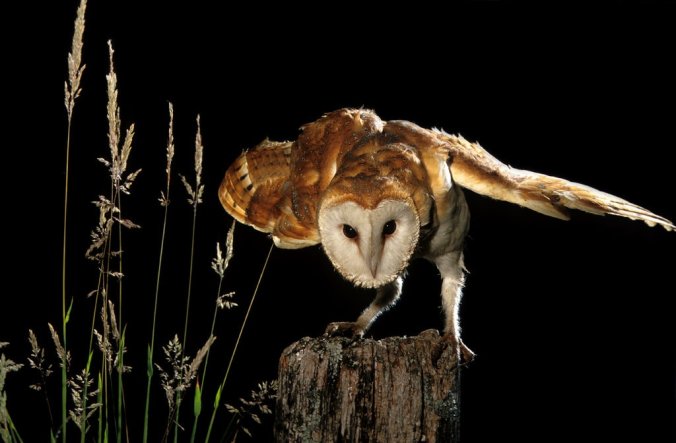
Arterra/Universal Images Group, via Getty Images

Thank you, as always, Mr. Gorman:

White Barn Owls Thrive When Hunting in Bright Moonlight

Something about the light from a full moon shining on the frightening face of a barn owl makes voles freeze a bit too long.

When the moon hits your eye like a big pizza pie, it may not be amore at all, but a ghostly white barn owl about to kill and eat you.

If you’re a vole, that is.

Voles are a favorite meal for barn owls, which come in two shades, reddish brown and white. When the moon is new, both have equal success hunting for their young, snagging about five voles in a night. But when the moon is full and bright, the reddish owls do poorly, dropping to three a night.

02TB-OWLS2-jumbo.jpg

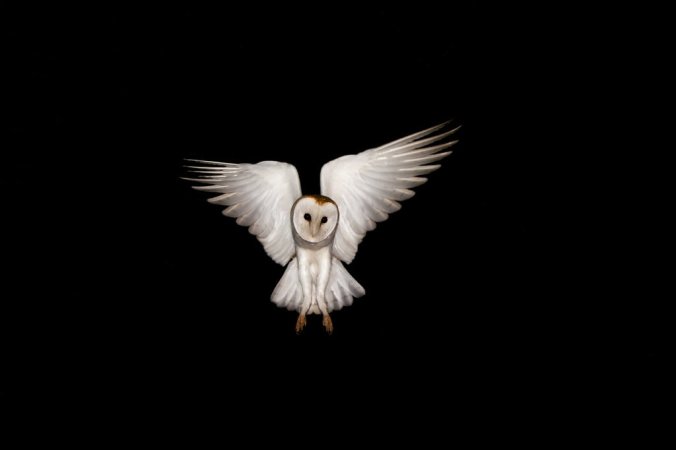
Education Images/Universal Images Group, via Getty Images

Barn owls with white faces and breasts do as well as ever, however, even though they should be more easily spotted than their reddish relatives when the lunar light reflects off their feathers. Continue reading

Warndon Woodlands Local Nature Reserve’s Bat-Friendly Lighting

3623.jpg

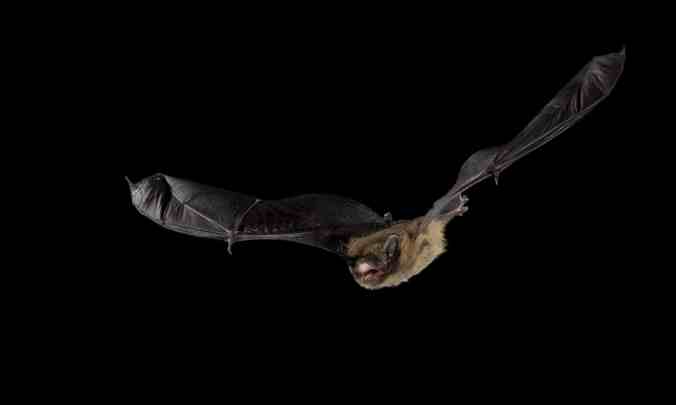
A common pipistrelle in flight at night. Photograph: FLPA/Alamy

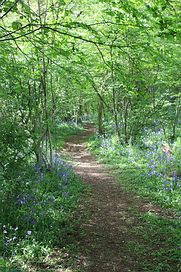
IMG_1145.JPG.jpgThe title of this post is a mouthful, and is a bit of a random walk. We had not heard of Warndon Woodlands Local Nature Reserve before today. But now that we have been to their website we are happy to imagine a walk in the woods in that part of the UK. It seems a civil place, perhaps a refuge from all sorts of noise invading our lives these days:

Access: Pedestrian entrances from Parsonage Way, public footpaths through adjacent fields.

Site Facilities:
waymarked trail, public footpaths, interpretation board

Open: Pedestrian access 24hrs.

Dogs: Well behaved dogs welcome, please be aware there may be cattle in the fields nearby.

Habitat: Ancient Semi-natural Woodland, Recent Secondary Woodland, Hedgerows

Notable Wildlife: Great Spotted Woodpecker, Jay, Bluebell, Buzzard, Sparrowhawk, Muntjac deer.

Other features: Original bank and ditch boundaries of the wood are still visible today.

And we are happy to read about their care for bats.Thanks to the Guardian for this small item from Worcester:

How did the bat cross the road? By going to a safe red-light area

Worcester is putting LED lighting to innovative use to protect white-light-shy locals

Bats in Worcester are to get their own red-light area. LED bulbs that emit a red glow will provide bats with a 60-metre-wide crossing area on the A4440, near to Worcester’s Warndon Woodlands nature reserve. Continue reading

Adjusting To Recycling Realities With A Re-Primer

grocery-plastics-0

Thanks to National Public Radio (USA) for this re-primer on recycling, a guide to what you should be doing after all the recent changes in where our refuse goes, and now does not go:

PLASTICS

What’s recyclable, what becomes trash — and why

Every year, the average American goes through more than 250 pounds of plastic waste, and much of that comes from packaging. So what do we do with it all?

Your recycling bin is part of the solution, but many of us are confused about what we should be putting in there. What’s recyclable in one community could be trash in another.

This interactive explores some of the plastics the recycling system was designed to handle and explains why other plastic packaging shouldn’t go in your recycling bin.

Let’s take a look at some items you might pick up at the grocery store.

grocery-plastics-1

PLASTIC WRAP

Not recyclable curbside.

At the store we find it covering vegetables, meats and cheeses. It’s common, but it can’t be recycled because it’s hard to deal with at the material recovery facility, or MRF. The MRF is where items collected from residences, offices and more through public and private recycling programs are taken to be sorted, baled and sold. The thin film gets wrapped around the equipment and can bring the operation to a standstill. Continue reading

Glass Fruit

image1.jpg

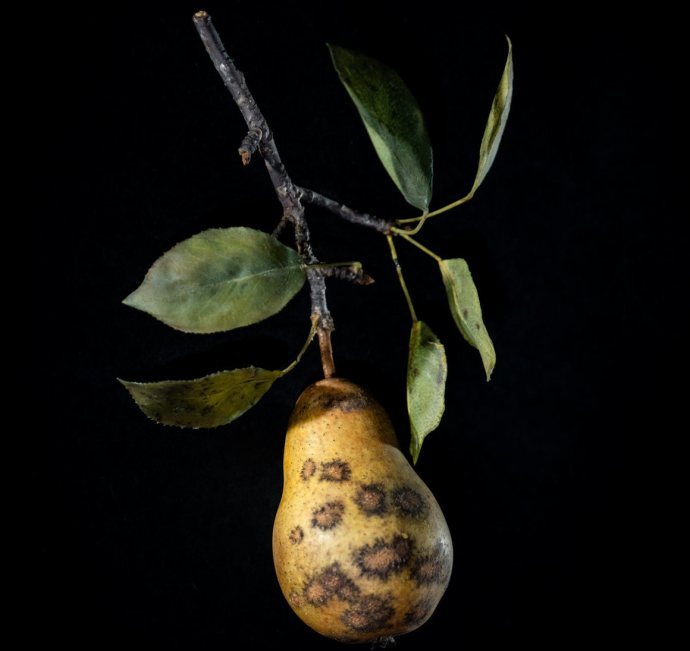
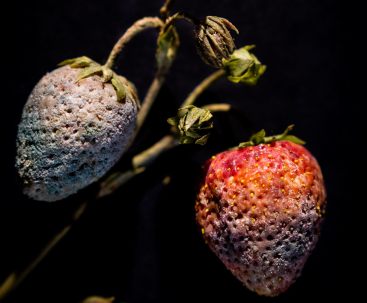
A glass pear, Pyrus communis, afflicted with pear scab, caused by the fungus Venturia pirina. JENNIFER BERGLUND © 2019 PRESIDENT AND FELLOWS OF HARVARD COLLEGE

Thanks to Jessica Leigh Hester at Atlas Obscura for this:

image3.jpg

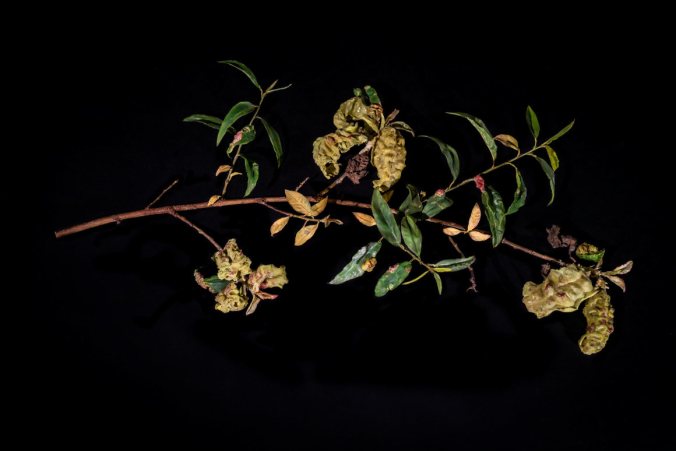
A glass branch of a peach tree, Prunus persica, having a rough go of it. JENNIFER BERGLUND © 2019 PRESIDENT AND FELLOWS OF HARVARD COLLEGE

Feast Your Eyes on These Delicate Glass Models of Decaying Fruit

Blighted, century-old produce goes back on display for the first time in decades.

Fruits in Decay Strawberry

Glass strawberries, or Fragaria, gone white with imitation Penicillium. JENNIFER BERGLUND © 2019 PRESIDENT AND FELLOWS OF HARVARD COLLEGE

THERE’S SOMETHING A BIT BRAIN-SCRAMBLING about this particular buffet of fruit. If you’ve ever let something languish on the counter or in the fridge a little too long, the white fuzz blanketing the shriveling strawberries or the spots of rot on the surface of a pear might look fairly familiar. But there’s something else that doesn’t feel quite right.

“You almost expect to be able to smell it,” says Scott Fulton, a conservator at the Harvard Museum of Natural History. “We all know what a rotten apple smells like.” But the fruit Fulton has been working on doesn’t smell at all: It’s made of glass. Beginning August 31, 2019, it will all be behind glass, too, back on temporary exhibit at the museum after nearly two decades in storage. Continue reading

Trees Breathe in Brooklyn

Using new technology, researchers can watch as trees grow, shrink, drink, and breathe. Illustration by Christelle Enault

When we start reading about using transducers to create precision dendrometers to see how a tree grows in Brooklyn, we know we are out of our league. But surprisingly readable, this story tells why it is important to be able to measure tree growth in real time:

A Day in the Life of a Tree

One morning earlier this summer, the sun rose over Brooklyn’s Prospect Park Lake. It was 5:28 a.m., and a black-crowned night heron hunched into its pale-gray wings. Three minutes later, the trunk of a nearby London plane tree expanded, growing in circumference by five-eighths of a millimetre. Not long afterward, a fish splashed in the lake, and the tree shrunk by a quarter of a millimetre. Two bullfrogs erupted in baritone harmony; the tree expanded. The Earth turned imperceptibly, the sky took on a violet hue, and a soft rain fell. Then the rain stopped, and the sun emerged to touch the uppermost canopy of the tree. Its trunk contracted by a millimetre. Then it rested, neither expanding or contracting, content, it seemed, to be an amphitheater for the birds.

“I wonder about the trees,” Robert Frost wrote. Monumental in size, alive but inert, they inhabit a different temporality than ours. Some species’ life spans can be measured in human generations. We wake to find that a tree’s leaves have turned, or register, come spring, its sturdier trunk. But such changes are always perceived after the fact. We’ll never see them unfold, with our own eyes, in human time.

To understand how trees transform, dendrochronologists, researchers who study change in trees, have developed a few techniques. They cut trees down to analyze their rings, which have been created by the seasonal formation of new cells, but this terminal strategy can provide only a static overview of the past. They “core” living trees, using bores to extract trunk tissue; this technique, however, can stress trees and sometimes, though rarely, wound them fatally. They measure tree girth with calipers and tape—a less invasive means of studying growth that is also frustratingly intermittent.

Once we had read to this point the following paragraph led to an image search. What does this thing look like? The story did not show it, only described it, so our image search led here:
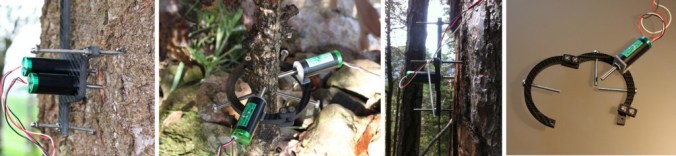
DendroCollection_2014-1024x237

Figure M1 Collection of point dendrometers (natkon.ch). The carbon frames are either T-shaped (for large stems) or O-shaped (for small stems or branches) and are anchored in the stem with stainless steel rods. Up to three sensors are attached to the different type of frames in order to measure different expositions at the stem or to measure stem radius fluctuations over bark and on the xylem separately.

And those images helped the following make a bit more sense:

In the early two-thousands, a new technique emerged that changed the field. It relies on low-cost transducers: equipped with a tiny spring, a transducer—which converts, or “transduces,” physical motion into an electrical signal—can rest on the bark of a tree, sensing and logging tiny changes in pressure. Instruments that use this approach, known as precision dendrometers, allow scientists to do something entirely new: watch how trees change and respond to their environments on an instantaneous scale.

This spring, I walked along the eastern edge of Prospect Park Lake with Jeremy Hise, the founder of Hise Scientific Instrumentation, a company that sells affordable precision dendrometers to scientists, students, and members of what Hise called the “D.I.Y. makerspace.” Bearded and affable in jeans and a blue sweatshirt, Hise explained that his dendrometers could now deliver their measurements wirelessly to a cloud-based platform called the EcoSensor Network. Users of the network can monitor a tree’s growth, generate graphs, and correlate them with meteorological data. Together with Kevin Griffin, a professor of earth and environmental sciences at Columbia University, Hise is planning to build the largest network of dendrometers in the world, generating millions of data points each year. “We’re looking to be the Weather Underground of trees,” Hise said.

Continue reading

If Those Fires Are Disturbing You, Read This

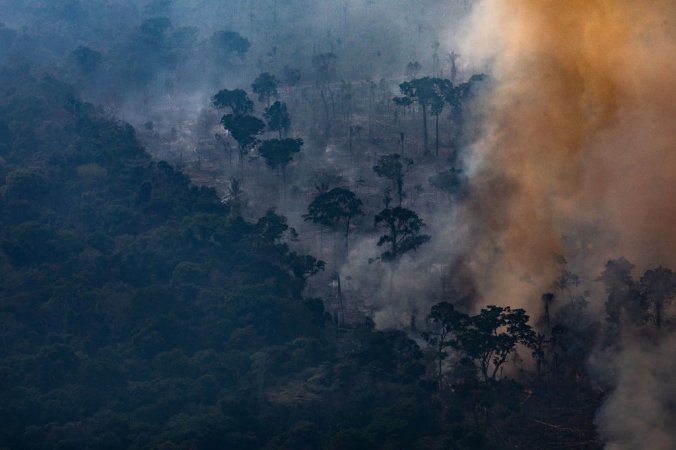
merlin_159715152_7ddac8a4-f80a-4074-834c-ac0fc2b7302a-jumbo.jpg

ictor Moriyama/Getty Images

Roberto Mangabeira Unger was responsible for Amazonian policy from 2007 to 2009. We assume he knows what he is talking about, and so it is worth reading his recommendation:

The Amazon Is Still Burning. Here’s How You Can Save It.

We need to figure out how to sustainably use the rain forest for the benefit of its inhabitants and the world. Give Brazil a hand without disrespecting its sovereignty.

The Amazon, the greatest reservoir of fresh water and biodiversity on the planet, is burning. Its degradation, which threatens to reach a catastrophic tipping point, means less oxygen and rain as well as warmer temperatures. Human actions have been the driving cause. In Brazil, which holds 60 percent of the Amazonian rain forest, wildcat land grabbers and ranchers, who set fires to clear land in implicit partnership with a lenient government, are the main culprits.

We have been here before. In 2004 deforestation rates were much worse than they are today. In the last years of that decade Brazil stepped back from the brink and imposed constraints on what had been a free-for-all in the region. We now need to be more ambitious than we were then. Continue reading

Urban Avian Satisficing

web_kma9100.jpg

These owls have adoring human neighbors. Their burrow is dug on the lawn of a couple who, along with their grandson, delight in seeing the birds nest year after year on the property; they even intentionally leave one of their cars parked outside the garage, to offer the tiny owls shade. This year the owl pair had six chicks, five of which survived to fledge. Photo: Karine Aigner

Thanks to Audubon’s great team for this story of urban adaptation:

Burrowing Owls Are the Family Next Door in this Florida Boom Town

Locals and researchers are working to keep Marco Island hospitable to the birds, which are declining across the state, as development devours the vacant lots where they make their homes.

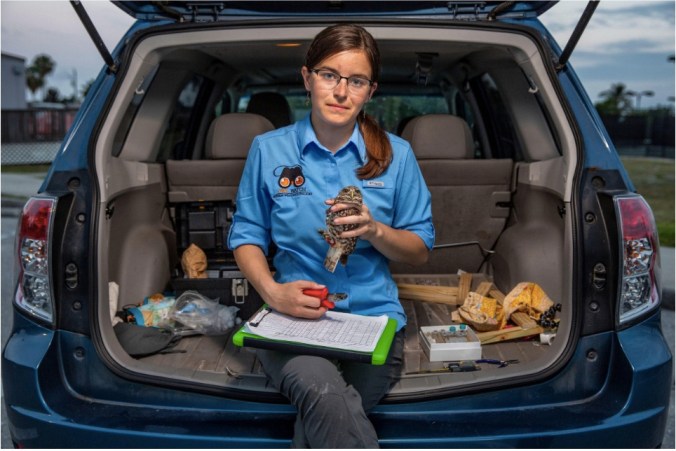
web_kma9100q

Biologist Allison Smith’s car serves as a mobile workspace for monitoring owls on Marco. She temporarily transfers birds she captures to the back, where she weighs, measures, and bands them before returning them to their burrows. Photo: Karine Aigner

Fate would not smile kindly on the six feathered inches of furious resignation splayed belly up in the left hand of Allison Smith. Wings slightly spread, the young Florida Burrowing Owl’s penny-wide green eyes remained unblinking at the indignity of such a position. Intent on banding and measuring the chick before taking a blood sample from an under-wing vein, Smith couldn’t foresee its future.

Neither could volunteer Jean Hall. She was helping Smith, a graduate student in wildlife ecology at the University of Florida, band several offspring from the same family as part of Owl Watch, a community-scientist research collaboration funded by Audubon of the Western Everglades.

The Gulf Coast barrier island of Marco, a 7,700-acre dry-land dollop of one-time mangroves lying in turquoise and azure waters south of Naples, is now thick with houses, condominiums, strip malls, resort hotels, marinas, and golf courses, along with 18,000 year-round residents. The population swells to some 40,000 each winter. Continue reading

Mexico, Mapping Memory

Blanton Museum of Art, for one more day, offers this:

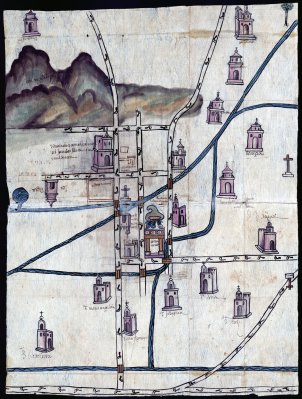
Exactly 500 years ago, in August of 1519, an expedition led by the Spanish explorer Hernando Cortés began marching inland into Mexican territory. Just two years later, what today is Mexico City fell to an ethnically diverse army composed of both Spanish and local peoples from other cities, starting a long period of European colonization. This exhibition aims to expand our perspective on these events by featuring a selection of maps, known as Mapas de las Relaciones Geográficas, created by Indigenous artists around 1580. These unique documents show some of the visual strategies used by native communities for the endurance and perseverance of their cultures throughout the so-called colonial period and well beyond.

To learn more about the map click Teozacoalco Map. Thanks to National Public Radio (USA) for bringing this to our attention:

1.-meztitl-n_custom-76d71392f43cf17eb677f3a356088e82632e53ce-s1400-c85.jpg

The Mapping Memory exhibition in at the Blanton Museum of Art in Austin, Texas, displays maps made in the late 1500s of what is now Mexico. They were created by indigenous peoples to help Spanish invaders map occupied lands. This watercolor and ink map of Meztitlán was made in 1579 by Gabriel de Chavez. Blanton Museum of Art

440 Years Old And Filled With Footprints, These Aren’t Your Everyday Maps

4.-culhuac-n_custom-a07202fd250a7d6dc16ed2124d2c4e0adf01ec99-s1400-c85.jpg

Pedro de San Agustín created this watercolor map of Culhuacán in 1580. He was a judge — a powerful figure in the town. “Before the conquest, nobles were the only ones trained as painters,” exhibit curator Rosario Granados explains. She notes that this map is made on bark paper, the traditional material used before the Spaniards arrived. Blanton Museum of Art

At the Blanton Museum of Art in Austin, Texas, 19 maps, nearly 440 years old, are on display — and they look spectacular. “Works on paper are delicate so we’re only allowed to put them on display for nine months out of 10 years,” says Blanton Museum communications director Carlotta Stankiewicz.

The Mapping Memory exhibition contains work by indigenous mapmakers from the late 1500s. The maps demonstrate a very different sense of space than maps drawn by Europeans. They’re not drawn to scale; instead, they’re deeply utilitarian.

A map of Culhuacán, for example, shows rivers running straight, with tiny arrows in the middle, indicating which way they flow. The pathways curve like snakes, with footprints or hoofprints indicating whether the paths can be walked or ridden. Continue reading

Python Prey


4608 (1)

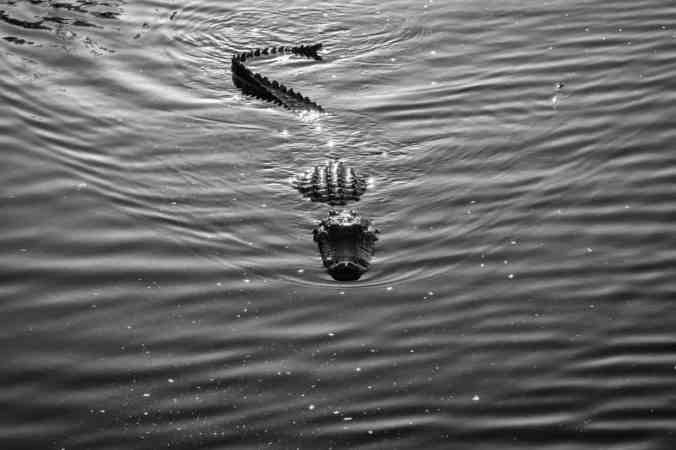
An American alligator in its natural habitat in the Florida Everglades. Burmese pythons have been know to prey on alligators in the area. Photograph: Charles Ommanney/Getty Images

Thanks to the Guardian’s Lance Richardson for updating us on the Everglades python saga we have been reading about for some years now, thanks to this story:

Python wars: the snake epidemic eating away at Florida

There are tens of thousands of pythons in the Florida wild, attacking animals and damaging ecosystems – and the quest to stop them has become a collective crusade

3072

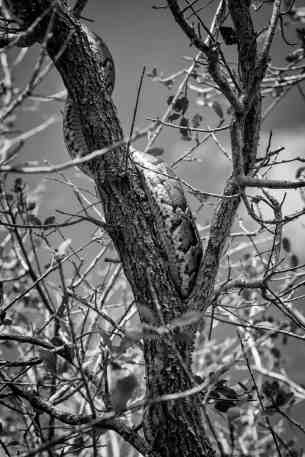
A python in a tree. Photograph: Charles Ommanney/Getty Images

On a Thursday afternoon in St Petersburg, Florida, Beth Koehler crouches over a cairn terrier named Ginger, trimming intently as fur collects around her feet. On Koehler’s arm is a scratch – red, jagged and freshly acquired, though not in the way one might expect of a dog groomer.

“There was no way I could pin the head,” Koehler says, referring to the snake that was partly responsible. She had grabbed hold however she could, which made it “pissed”: “It decided to coil up and just throw itself at me.” Startled, Koehler had fallen backwards, cutting herself on a vine – an injury far preferable to the bite of a Burmese python.

“I have never been bit,” she proudly adds. “Peggy’s been bit once, but really, we’re very careful.”

Three days a week, Koehler runs Hair of the Dog with her partner of 31 years, Peggy van Gorder. The other four days the couple are usually out chasing pythons as members of Patric: the Python Action Team – Removing Invasive Constrictors, which is managed by the Florida fish and wildlife conservation commission (FWC). Continue reading

Saving Sea Snakes

00SCI-SEASNAKES5-jumbo.jpg

An olive sea snake, Aipysurus laevis, is returned to its home in Shark Bay, western Australia. Blanche D’Anastasi

Devi Lockwood, who we first linked out to years ago, and only once, has finally reappeared with an awesome story. We look forward to seeing more like this:

She Studies Sea Snakes by the Seafloor

Sea snakes are the most diverse group of marine reptiles in the world, but they are poorly understood and threatened by development. Blanche D’Anastasi is among the scientists working to save them.

SeaSnakesSix to eight million years ago, a snake related to swamp snakes or tiger snakes slithered into the sea. Over evolutionary time, descendants of that snake developed flattened paddle tails, an ability to breathe through the skin and a valve to stop water from entering the lungs. Today these creatures live their entire lives in the water. Clad in spots, triangles and stripes, they undulate across coral reefs or meadows of sea grass.

00SCI-SEASNAKES4-jumbo.jpg

An olive-headed sea snake caught by Ms. D’Anastasi. Blanche D’Anastasi

There are some 70 species of sea snakes in the world; they live in the Indian and Pacific oceans, in water less than 600 feet deep. Half of all species can be found in Australia, and they are particularly visible during their mating period, in July and August.

But sea snake populations have been declining rapidly for the last 20 years worldwide, as a result of climate change, pollution, fishing, habitat loss, mining exploration and disease. Although sea snakes are the most diverse group of marine reptiles — they outnumber sea turtle species by 10 to one — less is known about their ecology than that of any other group of reptiles.

This is because the research is difficult. If you want to find a sea snake, you have to go out searching for one.

00SCI-SEASNAKES2-jumbo.jpg

Tara Fullston

Blanche D’Anastasi, a sea snake researcher at James Cook University in Queensland, Australia, travels to remote regions like Exmouth Gulf, on the country’s northwest coast, to find sea snakes in the wild. Sometimes she scuba dives or snorkels, but the most efficient technique is to be towed behind a boat while wearing a snorkel. When she spots a snake, Ms. D’Anastasi dives down to catch it in a bag. Continue reading

Therapeutic Noise

a1_4025_2_sedge-wren_ben_cvengros_kk.jpg

Sedge Wren. Photo: Ben Cvengros/Audubon Photography Awards

Thanks to Audubon for pointing us in this direction:

Around the World, the Soothing Sounds of Birdsong Are Used as Therapy

The natural tunes decrease stress while possibly invigorating the mind.

This audio story is brought to you by BirdNote, a partner of The National Audubon Society. BirdNote episodes air daily on public radio stations nationwide.

Transcript:

This is BirdNote.

In a children’s hospital in Liverpool, England, the sweet sounds of birdsong carry along the hallways. It’s a recording of the dawn chorus from a nearby park, and the intent is to calm the anxious young patients…