
female – Tacacori, Costa Rica
female – Tacacori, Costa Rica

Photo filtered.
male – Tacacori, Costa Rica

Oriental Persimmon by Rodrigo Argenton. Licensed under CC BY-SA 4.0 via Wikimedia Commons.
We’ve featured food waste here many times before, since it’s such a global and upsetting problem–an issue that one could call a “wicked problem” for its difficulty in solving, its myriad causes, and its changing nature. Several of our shared stories in just the last year, however, have offered some hope: a food truck chef in Denmark showed that expired or just-expiring products can still be consumed; another foodtrucker in the US helped develop a software to create a more sustainable kitchen by modeling what products are being over- or under-ordered; and two startups worked on different ways of drying food that would otherwise spoil, one because the fruit would go bad but could be dried and powdered, and the other because developing countries don’t always have appropriate storage or energy to refrigerate food, so they came up with a solar food-drier.
The common theme in these posts is the reiterated phrase: approximately one-third of all food produced around the world is wasted, representing about $1 trillion in losses every year. This week, two of our favorite magazines, Conservation (by University of Washington) and GreenBiz repeated these statistics and shared pieces of their own.

Tacacori, Costa Rica
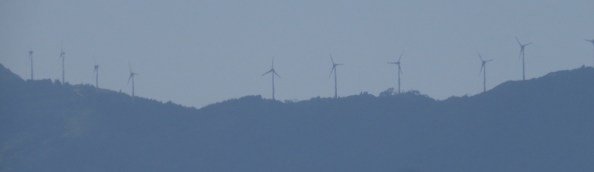
Wind turbines seen across the Central Valley from Xandari Resort, Costa Rica
We’ve been hearing about divestment from fossil fuels for a while now, whether it be from university endowment funds (and full or partial divestment), and also featured a story from the Guardian about Bill Gates, who argued that divestment would have little impact, and rather backing green energy and investing in high-risk technologies makes more of a difference in combatting climate change.
In last week’s Opinion pages of the New York Times, Tina Rosenberg describes New York State’s new Common Retirement Fund, which is the United States’ third-largest pension fund and will put $2 billion into a Goldman Sachs investment fund that selects companies to invest in with smaller carbon footprints but have similar risk and return to typical benchmark index funds. From the sound of it, greener investment opportunities will start becoming more common and easily accessible to those of us without Bill Gates levels of money to invest in the higher-risk technologies:
Goldman created the investment fund only for New York State. But similar funds
introduced in 2014 or 2015 are open to other investors, although they have not yet attracted the capital to match New York State’s investment. And more are likely to come — especially after New York’s vote of confidence in a form of green investing that may become mainstream.

Tacacori, Costa Rica
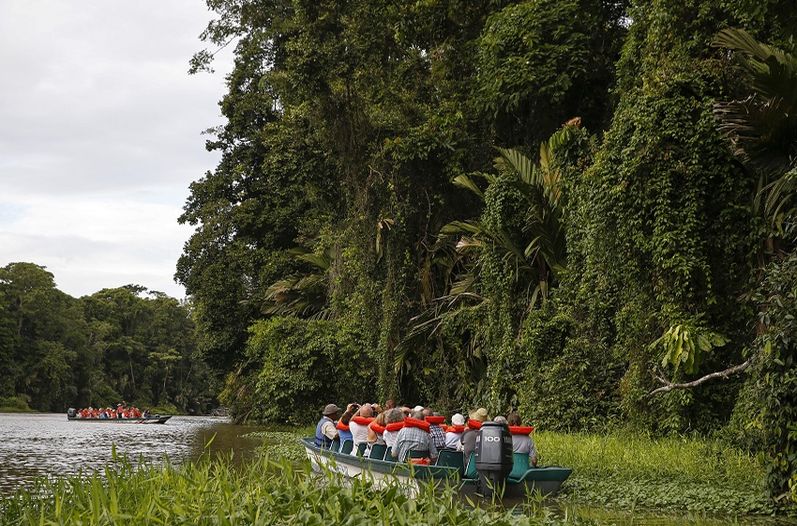
Tourists travel by boat through the canals of Tortuguero, on the Caribbean coast. Photo by Mayela López for La Nación.
Yesterday, the Costa Rican Tourism Institute reported that revenue from the tourism sector increased in 2015 by 9% over 2014, totaling $2.8 billion for the year. This was partly because the number of actual tourists was up from the previous year: 8% more from the United States, 6.1% more from Europe, and a whopping 29.2% more from China. The total increase in tourists to Costa Rica was by 5.5%, with about 2.6 million people–about half of Costa Rica’s population–visiting the country.
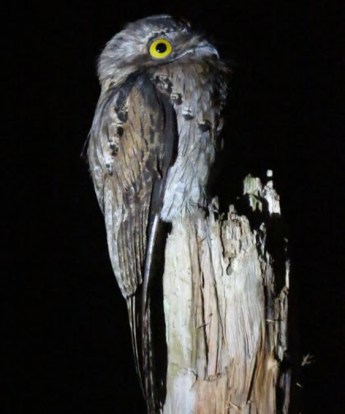 A few days ago, Timothy Boucher, a senior conservation geographer at The Nature Conservancy, shared his choice for his personal “Bird of the Year,” the Rufous Potoo, which he saw in Ecuador and was apparently the 5,000th bird to be checked off on his life list. Potoos, related to the frogmouths of southeast Asia and nightjars elsewhere around the world, are members of a highly cryptic, or camouflaged, family that primarily hunts at crepuscular hours and/or throughout the night.
In his blog post, Boucher describes his trip to Ecuador’s Amazon region, which yielded many exotic bird species, as well as the challenges of travel in the tropics. His excitement at hearing–and the next morning, Continue reading

female – Tacacori, Costa Rica

Tacacori, Costa Rica

female – Tacacori, Costa Rica
Over the last month or two one of my goals has been to identify as many of the butterflies and moths–or lepidopterans–that we have here at Xandari. Part of this work involves looking at old photos taken since 2014, when James and I first arrived on property and started taking pictures of wildlife; another element of the job is going out and photographing the lepidopterans in a more determined fashion.
Not an easy task, when butterflies can have such whimsical flight patterns and startle quite easily. Moths are a little simpler to chase because during the day they’re often focused on staying still and hiding out until evening. Continue reading
On the evening of December 31st, during the transition into the new year, Xandari Resort & Spa’s night receptionist, Lenar, took some video of the massive and lengthy fireworks display throughout the Central Valley. Xandari has a fantastic view of Alajuela and the surrounding towns, so there was gunpowder and colored light aplenty in the air as Lenar panned the night sky for images.
Shooting photos or videos at night can be challenging, so I was only able to extract a few good-quality images (see slideshow below) in addition to the brief footage above from Lenar’s video, but hopefully it gives a sense of the pretty fabulous experience of a new year celebration at Xandari Resort, Costa Rica.

Tacacori, Costa Rica

Tacacori, Costa Rica

Tacacori, Costa Rica

Tacacori, Costa Rica

Tacacori, Costa Rica

Tacacori, Costa Rica
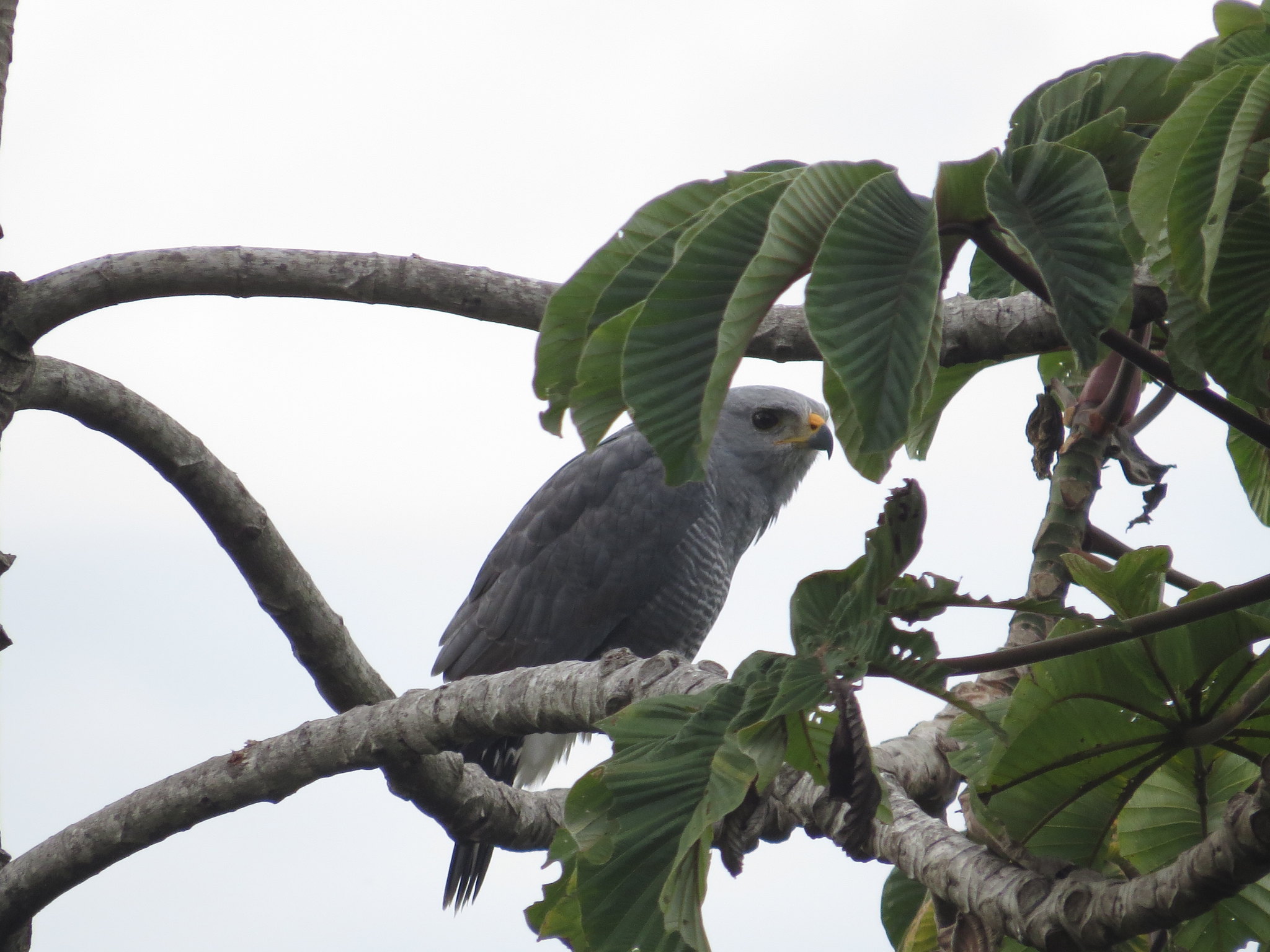
Tacacori, Costa Rica
 Organikos