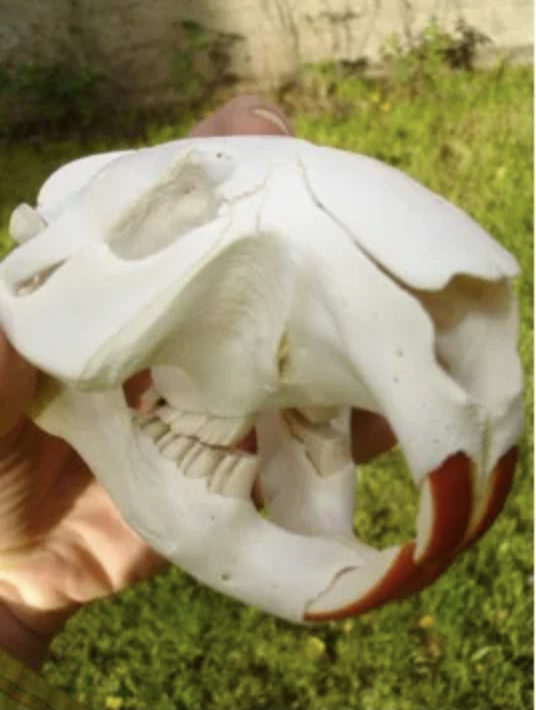
Introduced Species in Patagonia

Yesterday, I wrote a bit about a book I once read and how it related to the case of the introduction of the small Indian mongoose to Jamaica to try and control a rat problem. The situation of accidentally transporting a species onto an island (or a separate continent, which often amounts the same thing), realizing the mistake when the species causes problems with the local flora or fauna, and introducing a second species to try to control the first, only to have the second species cause its own more serious issues, is a fairly common one around the planet, although Australia seems to be particularly vulnerable (look up rabbits and toads).

The case I wanted to write about today is an example of purposeful introduction of a species for human gain, but which was not properly researched beforehand and caused severe ecological damage that is still incompletely mitigated today.

Today I’ll cover the beavers in southern Chile and Argentina. The story I had originally heard, several years ago when I was Continue reading

“Tuf Voyaging” and Biological Controls

Book cover by David Willson for Baen Books.

Six or seven years ago, I read a relatively little known science fiction novel called Tuf Voyaging, written by an author extremely well known for his fantasy writing: George R.R. Martin. The book is actually a collection of short stories that had originally been published over the course of several years, and most of the stories follow the adventures of Haviland Tuf. That’s about as much as I can say without spoiling anything, except for the purposes of this post I do need to mention that quite a few of the stories in the novel are about ecological engineering and the introduction of biological controls to help solve different planets’ problems.

Even if you don’t like the more recently popular fiction by Martin (A Song of Ice and Fire), I would recommend Tuf Voyaging just for its humor and commentary on environmentalism. The stories focused on human (or at least humanoid) interaction with–and often mismanagement of–nature are thought-provoking and reminiscent of certain aspects of Frank Herbert’s Dune. And if you do enjoy Martin’s writing, then this will be a cool opportunity to Continue reading
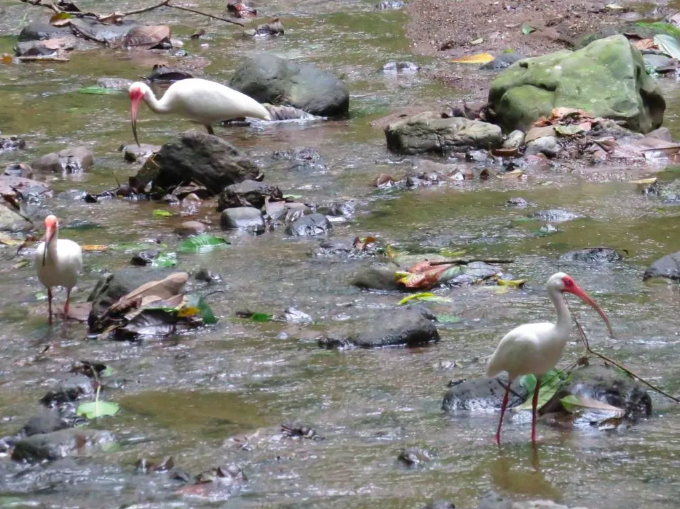
Wildlife at Bosque del Cabo

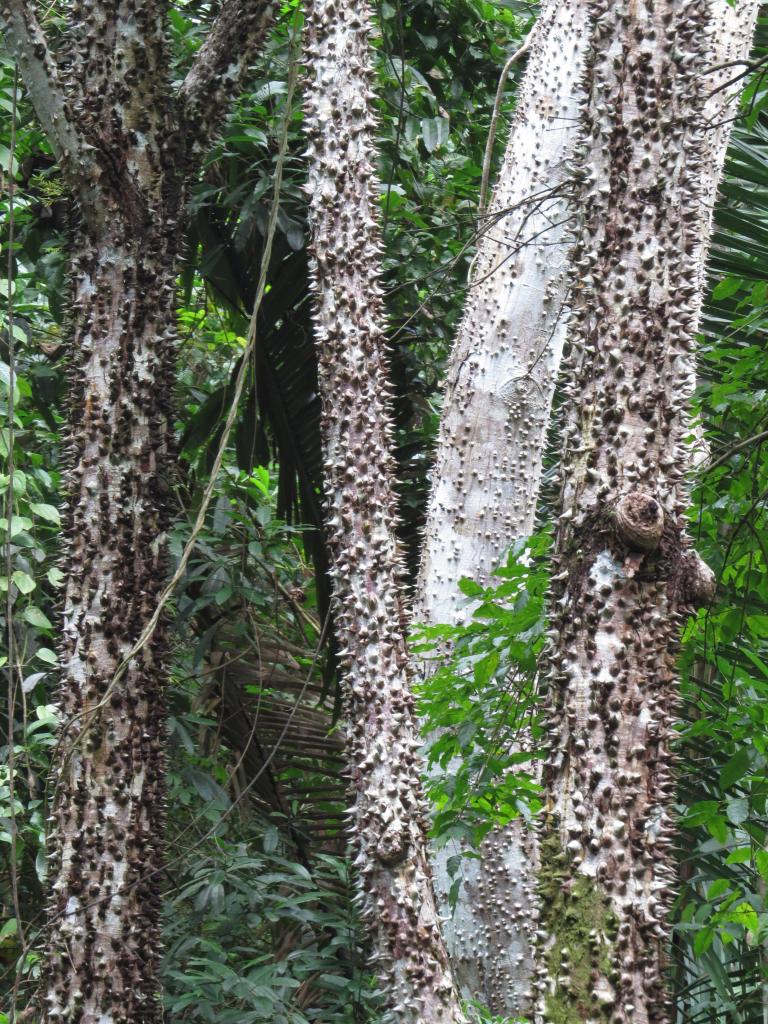
Pochote (I think) trees at Bosque

As I mentioned in my last post about Bosque del Cabo, one of the lodge’s strongest points is the access and shelter for wildlife that it provides, being right by the Corcovado National Park in the Osa Peninsula and having such a huge nature reserve as part of the property.

While walking along the extensive network of trails at Bosque, which includes a suspension bridge perfect for peering into the canopy and down at the river, my family and I never stopped seeing great examples of jungle life that people come to Costa Rica to see. I’ve very briefly referenced the Osa’s incredible biodiversity before, and the statistics are proven in experience every time I visit.

Giant strangler figs with hanging roots that are perfect to try free-climbing (as my brother Milo did), well-maintained trails that were never too muddy even in peak rainy season, and cool mushrooms all over the place. The bark of trees alone was full of life! At one point we saw some scratch marks that could even be territorial signals from one of the several species of wild cat that are in the Osa.


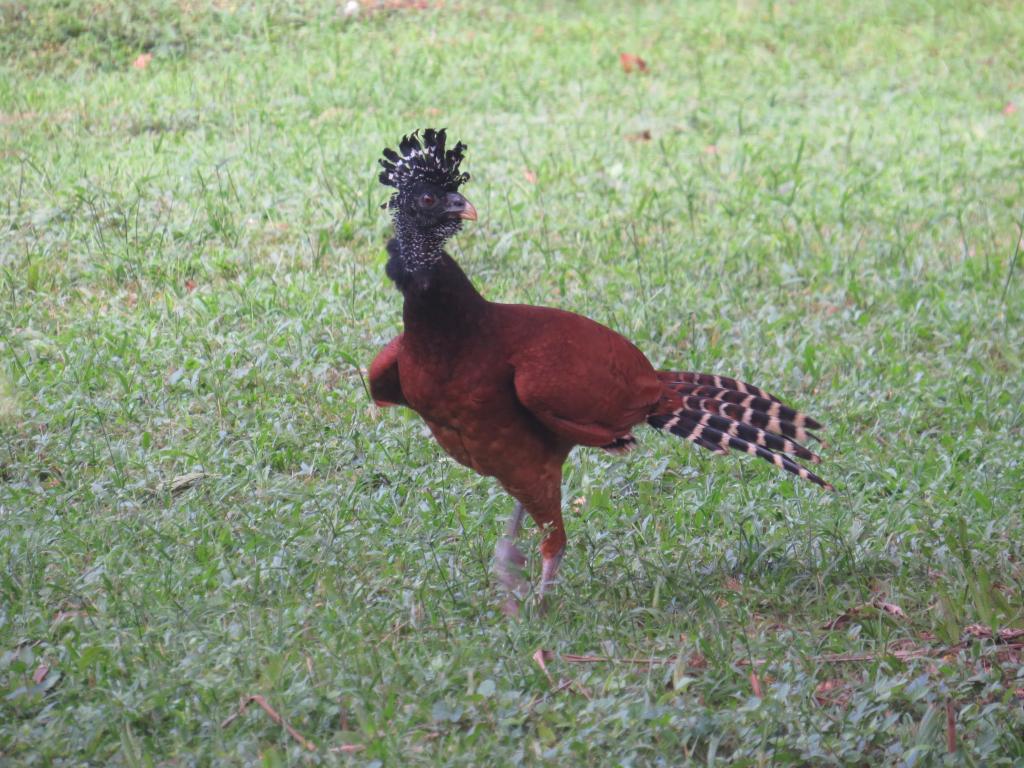
female Great Curassow

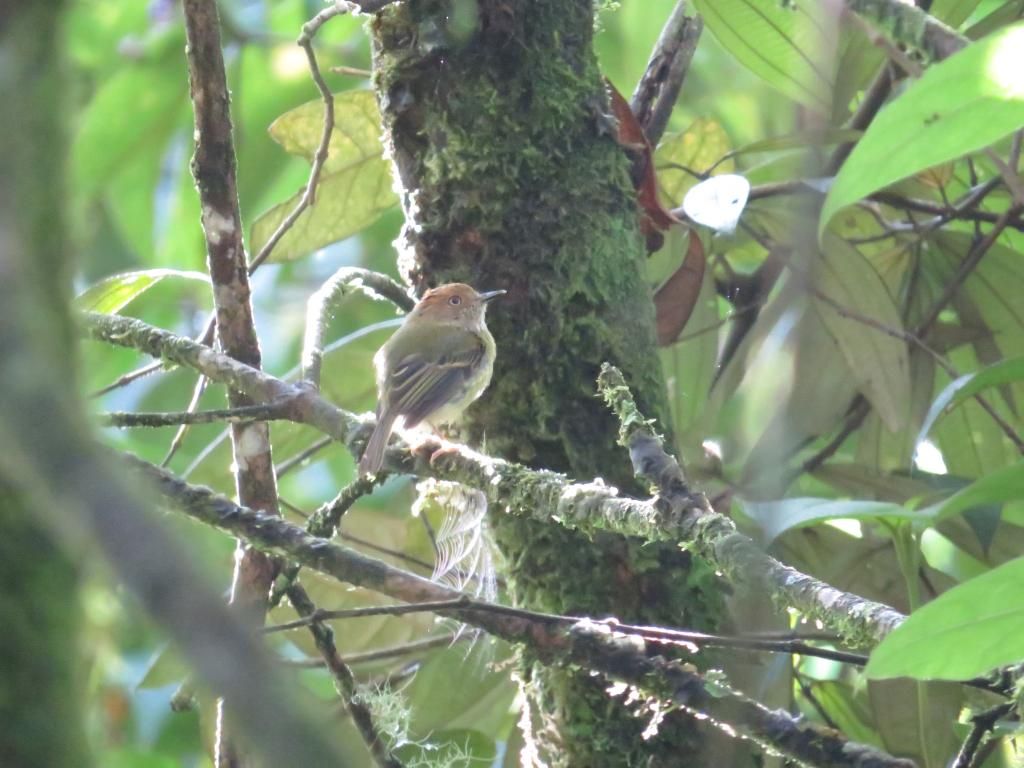
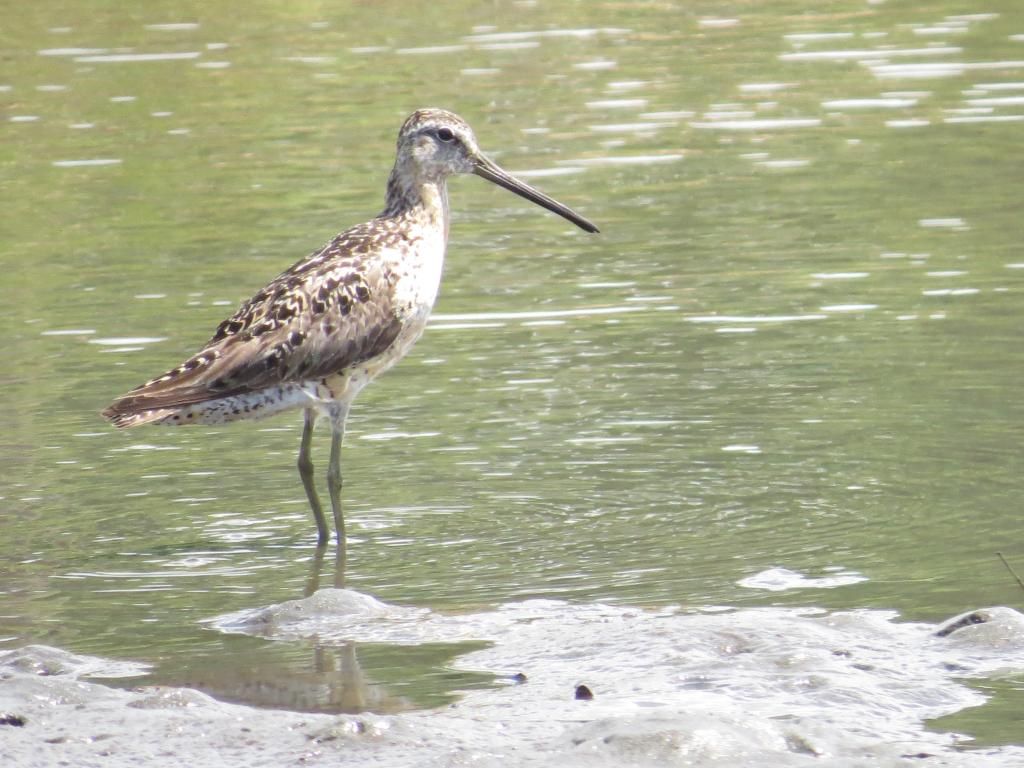
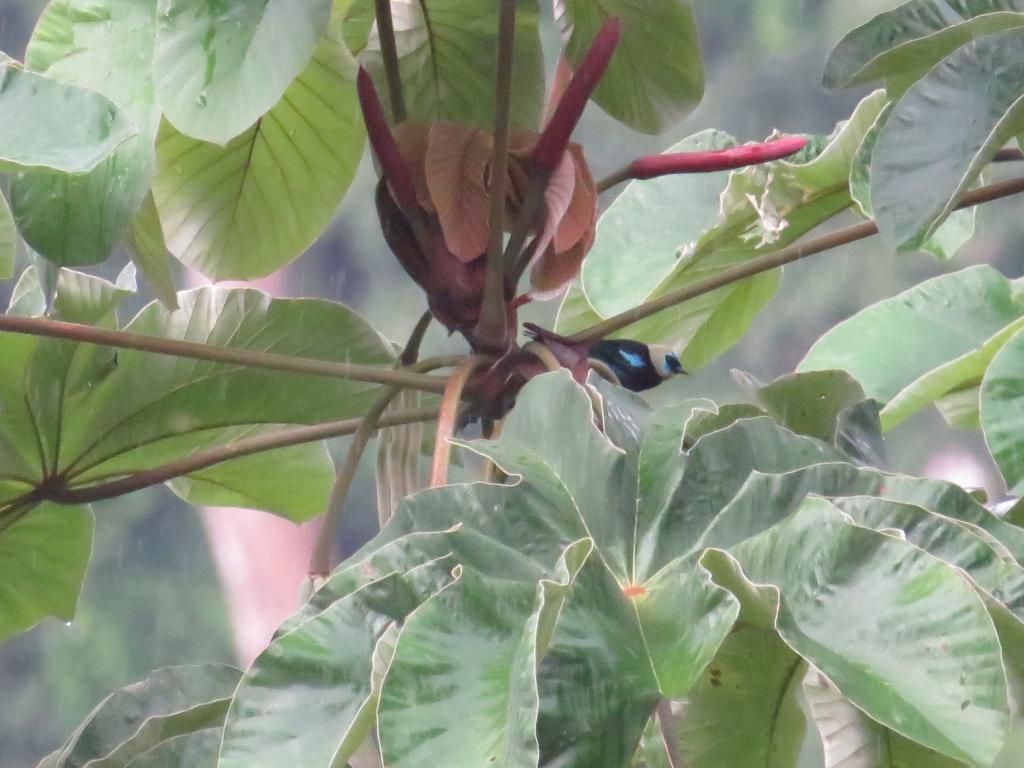
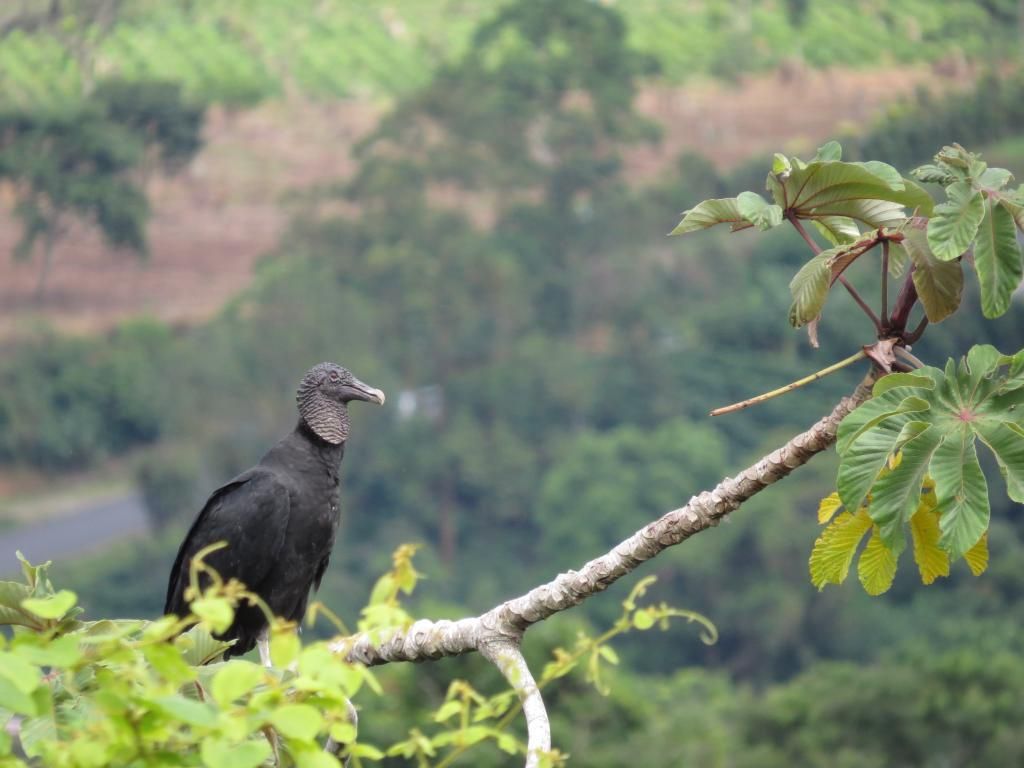
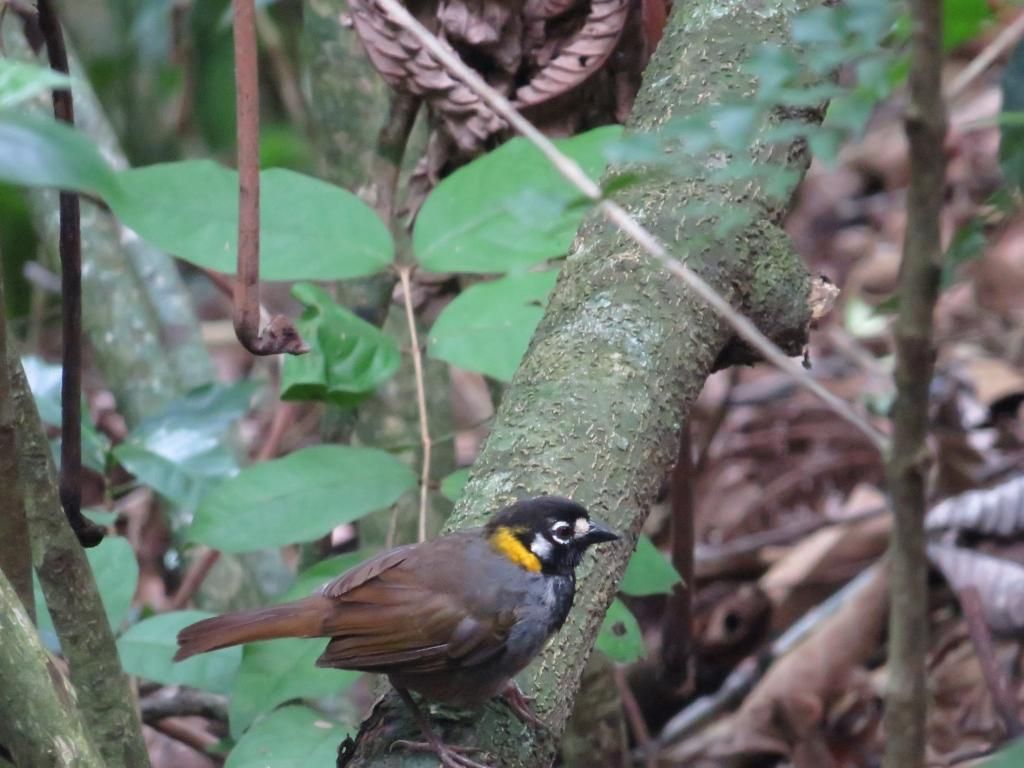
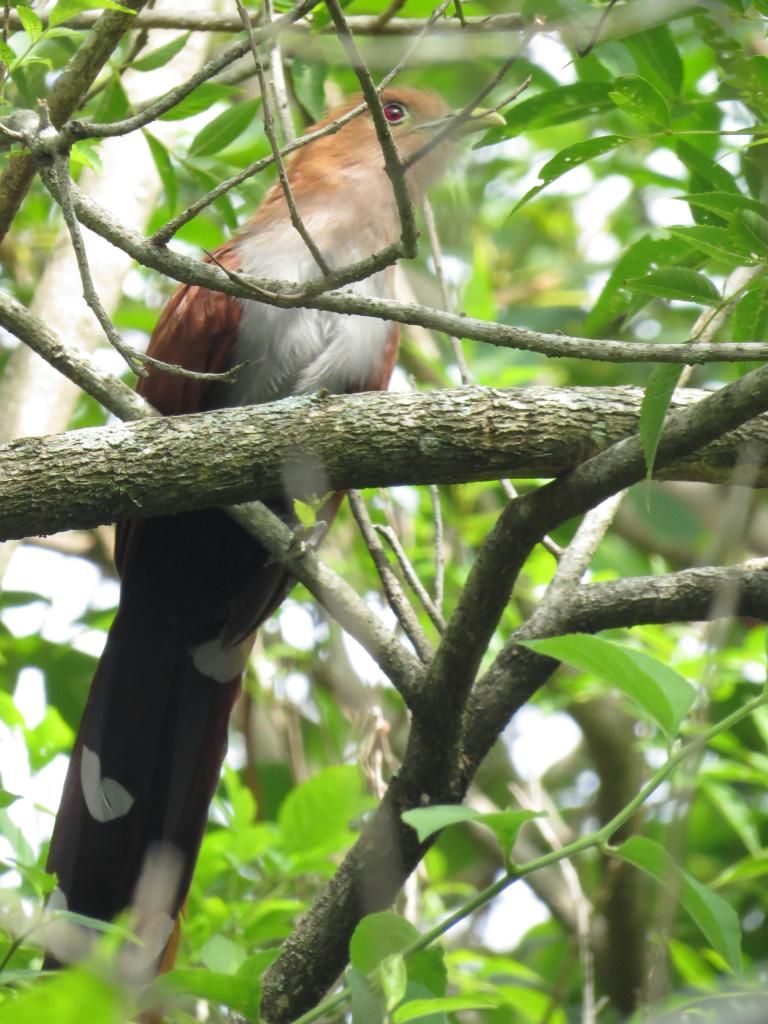
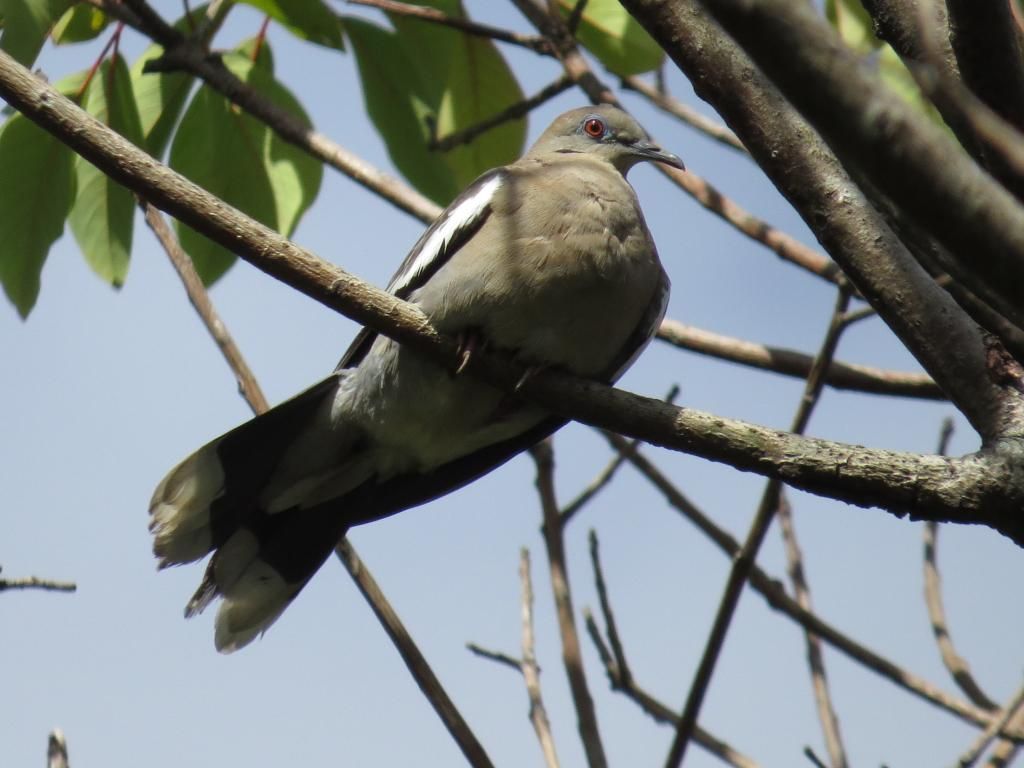
In terms of birds, it was fantastically easy to spot cool-looking ones like the Crested Guan or Roadside Hawk, and in some cases it even seemed like the exotic species were literally lining up to be seen. Great Curassows, which are fairly uncommon outside of protected areas, walked the open areas of Bosque del Cabo like peacocks at some royal palace. We also spotted the relatively harder to find White Hawk, and I was lucky enough to get photos of both a female and male Black-throated Trogon!

Continue reading

FeederWatch BirdSpotter 2014

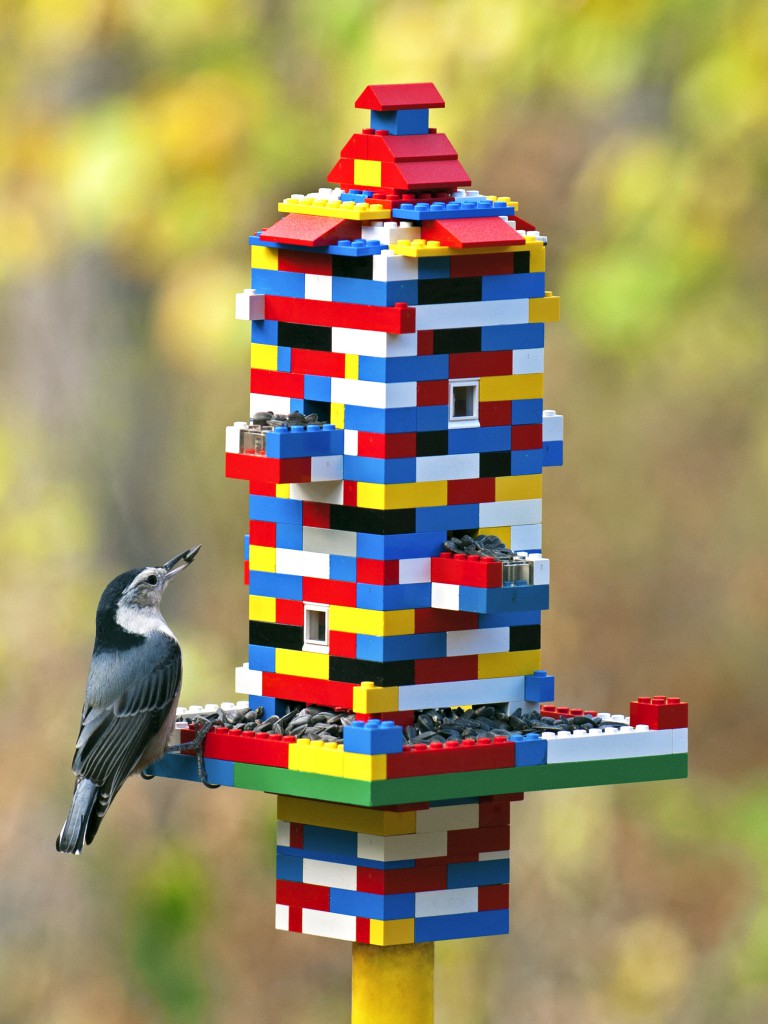
White-breasted Nuthatch feeding at LEGO Feeder. Photo by Gary Mueller submitted to Project FeederWatch 2014 BirdSpotter contest.

Project FeederWatch was one of my other neighbors back at the Lab of Ornithology when I worked for Celebrate Urban Birds. This year, FeederWatch is working on a photo contest with the optics company Vanguard, and it looks like they have some amazing prizes, and therefore some stunning contest entries! The 2014-15 BirdSpotter contest will run from November 5th to February 23rd, and the main goal of the contest is to increase project membership to 25,000 participants for the year.

The FeederWatch mission is pretty straightforward: if you live in North America and have a feeder in your neighborhood (yard, park, etc.), watch it during the winter (November-April) and count the different birds that visit it. Like other citizen science projects that the Cornell Lab of Ornithology is involved with, the data you send in becomes valuable input for scientists in their research!

Continue reading

The Beauty of Bosque del Cabo

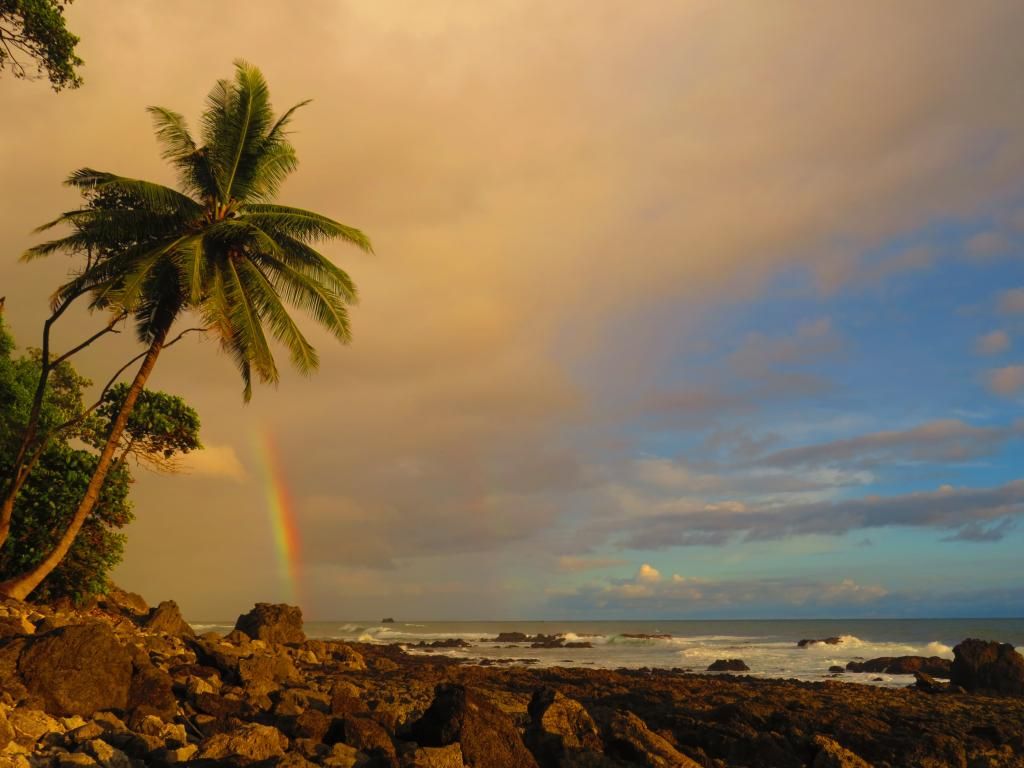
A rainbow (and hazy twin off to the right) seen from the beach reached by one of Bosque del Cabo’s trails.

A week or so ago, my family and I visited a nature lodge at the tip of Costa Rica’s Osa Peninsula called Bosque del Cabo. It was the first time I’d been to the lodge, and in the initial twelve hours of being there, I was struck by three important things that in the coming days I saw as characterizing the Bosque experience.

We arrived at around 6PM, so we started by getting settled in one of the several casas that complement the cabinas as more spacious and family-friendly accommodations. It was pretty much completely dark out at this point, but I could tell that from the porch at the back of the casa that we overlooked either the Pacific Ocean or the Golfo Dulce (the gulf created by the Osa Peninsula). The next day, I was proved right — and the view from most of the oceanside casas and cabinas is stunning. Continue reading

New Mammal Spotted at Xandari

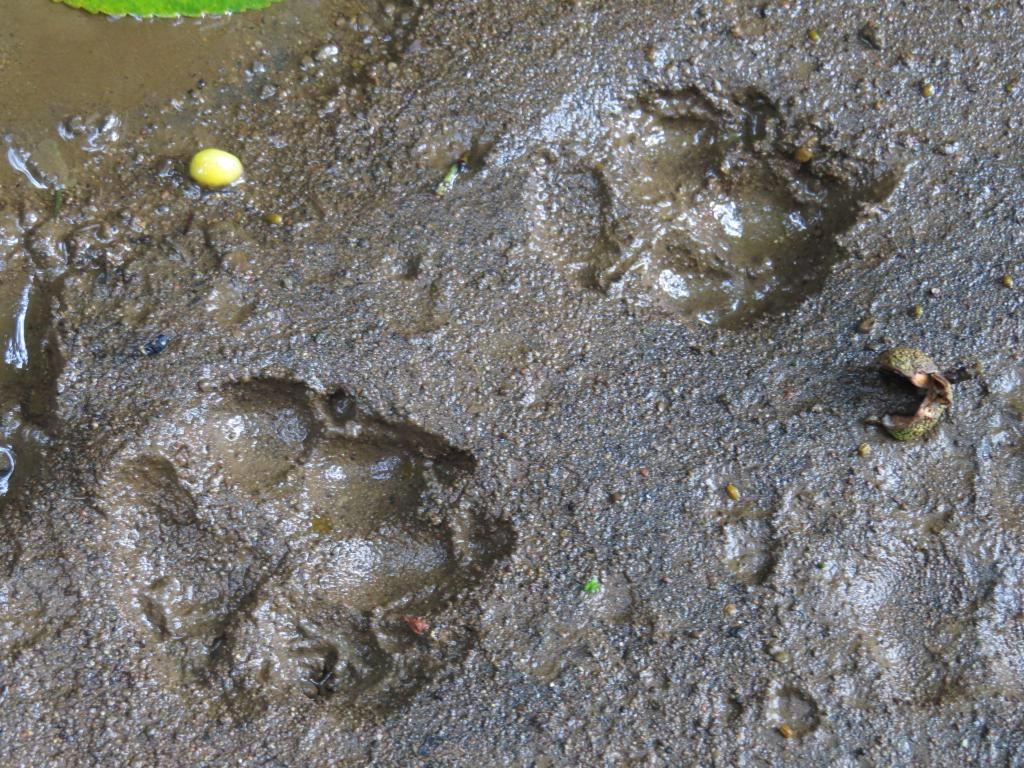
About a week ago, while walking the forest trails at Xandari, several resort employees and I had a great wildlife spotting. The trail we were taking leads to a seven-foot waterfall that flows into a large pool and continues as a small river with several other waterfalls in it, one of which is about a seventy-foot drop. As we were rounding a bend in the path, a member of the group looked across the river to the opposite bank and noticed an animal down by the water.

It had either been drinking or perhaps hunting for some aquatic prey, but when it heard our voices (we were a group of about six or seven) it scampered up the hill and in among the trees, where we lost sight of it. My first impression was that it was a black house cat, but it quickly became clear that it was in fact almost double the size and its tail was quite large – not bushy, but as if the bone and flesh themselves were a good deal thicker than a normal cat’s.

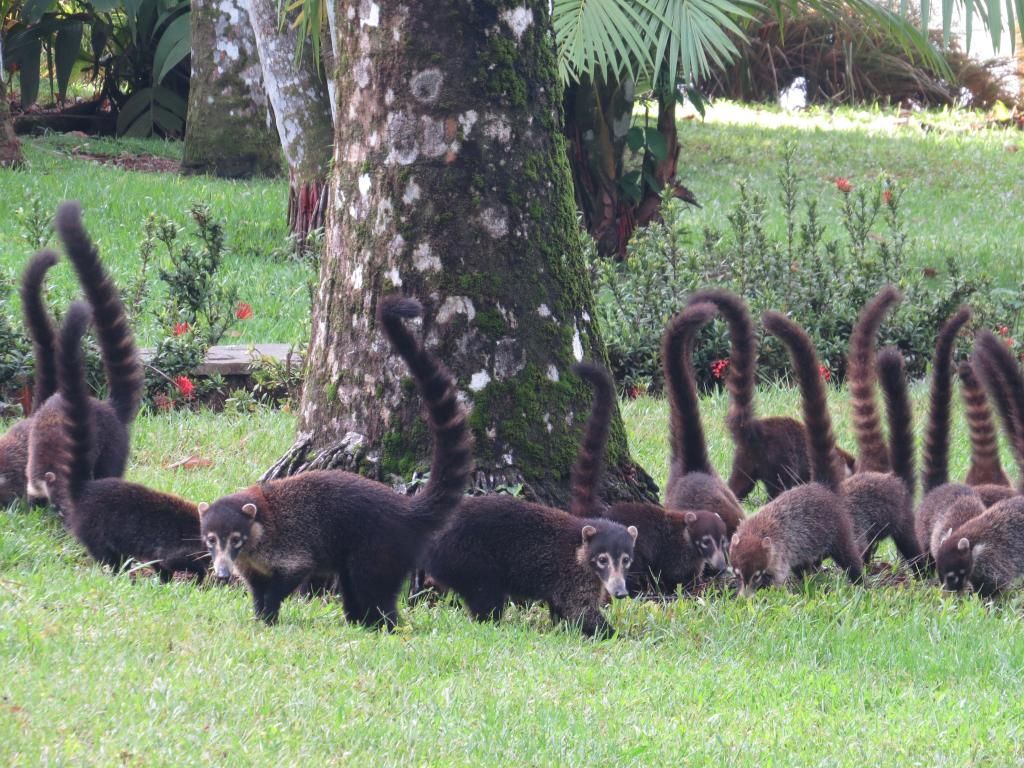
White-nosed Coatis foraging warily on the grounds of Bosque del Cabo, a nature lodge on the Osa Peninsula of Costa Rica.

The staff member who first spotted the animal voiced the hypothesis that it was a pizote, or White-nosed Coati, a member of the raccoon family that many visitors to Costa Rica have probably seen in their travels here. But as the black-furred animal briefly turned its head back to check that we were not pursuing it, I could see despite the shadows cast by the forest that its face was not pointed into a long nose but rather a normal cat’s face, and there was no hint of white there either. Continue reading

If You Happen to Be in Washington, DC

Photo by Wikipedia User “The High Fin Sperm Whale”

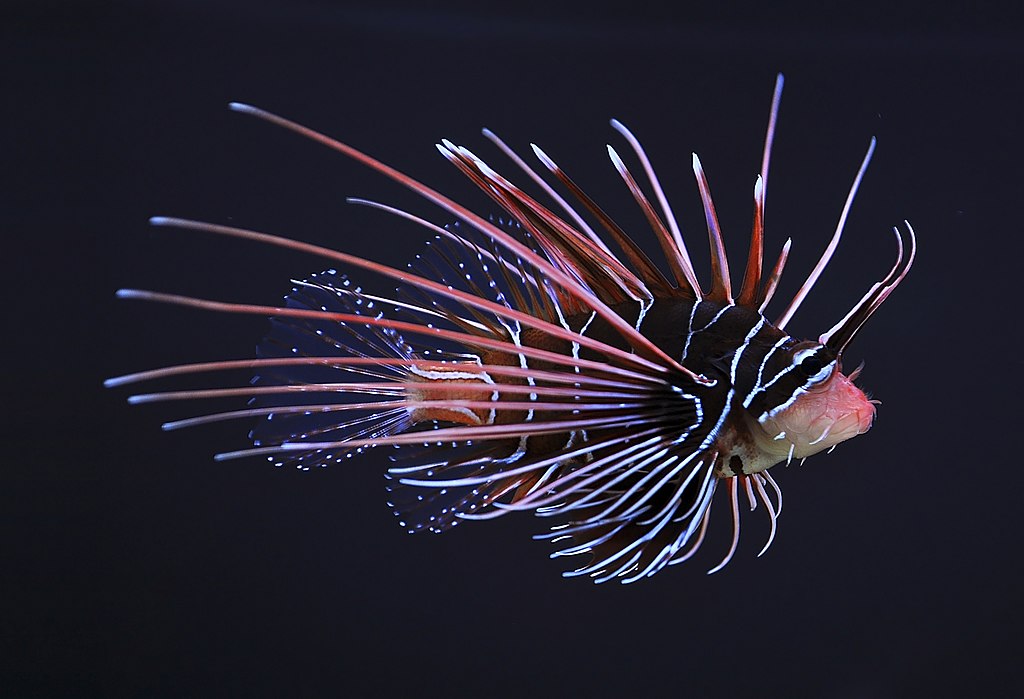
For over a year, we have been happy and fortunate to host Phil’s writings on the lionfish invasion and what entrepreneurial means might be taken to mitigate it. Next Tuesday, if you happen to be in the DC area and are looking for an educational way to spend your evening, consider going out for a happy hour lecture at Rosemary’s Thyme Bistro.  Continue reading

Orchid Expo: Alajuela

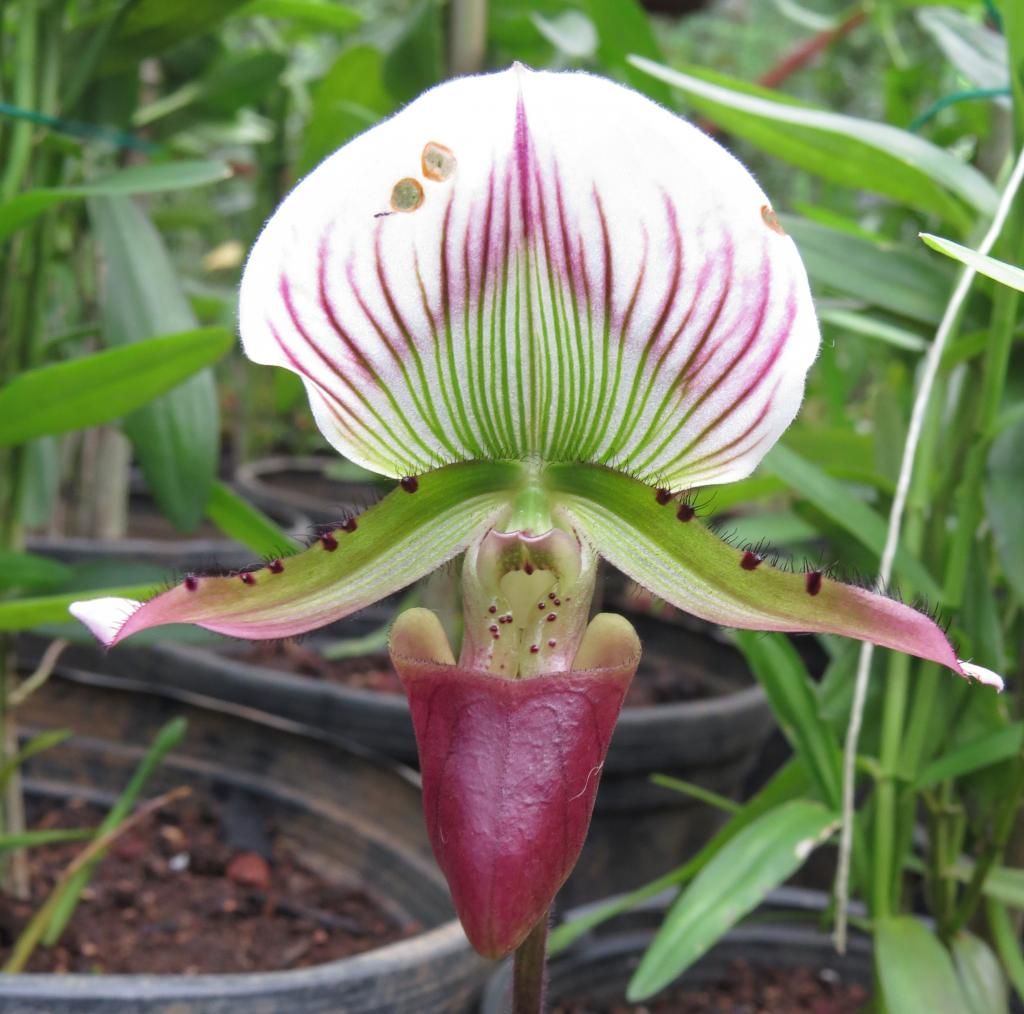
One of José Luis’s orchids at Xandari.

From Friday the 24rd of October to Sunday the 26th, Alajuela had their annual orchid exposition, which includes displays and awards as well as a few lectures on growing orchids and a section for sale or auction. As James and I have written before, Xandari has a wonderful collection of this family of flowers in addition to the general gardens thanks to the industrious efforts of our head gardener, José Luis Ballestero. He has a little greenhouse near Xandari’s restaurant with about a hundred plants that are often in varying stages of development, depending on how much time he has to prune them.

The three photos above are examples of some of the orchids on display in Xandari’s common area, like the reception, lobby, and restaurant room. At the expo this weekend, there were dozens of species and hundreds of individual plants, including hybrids, miniature flowers, and some fantastically strange Continue reading