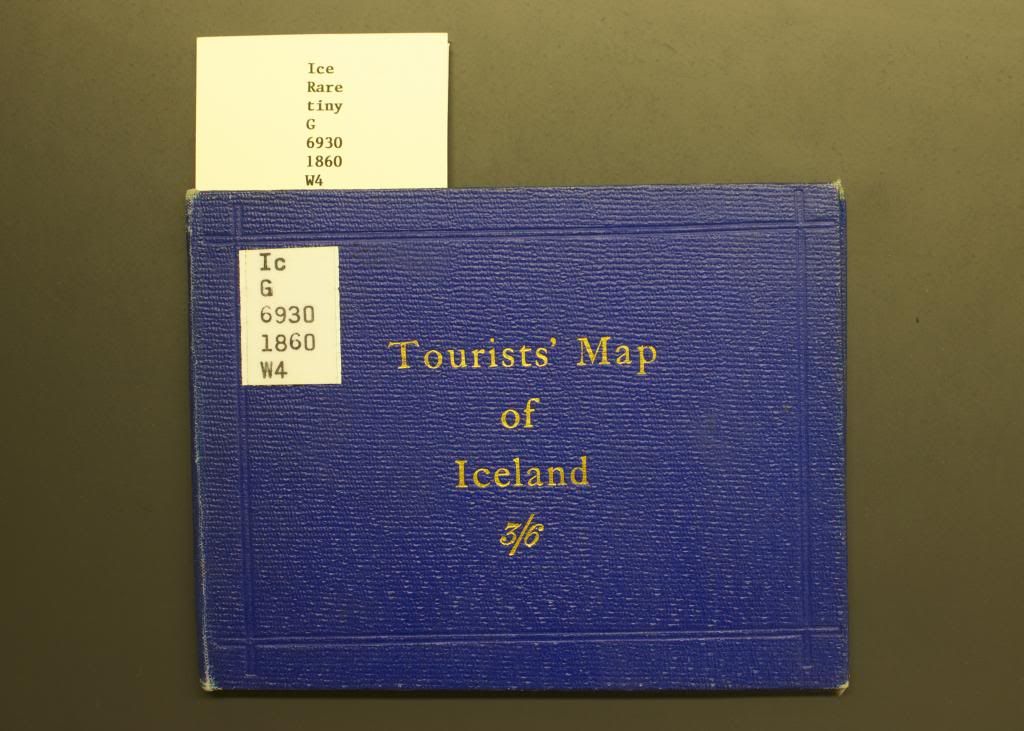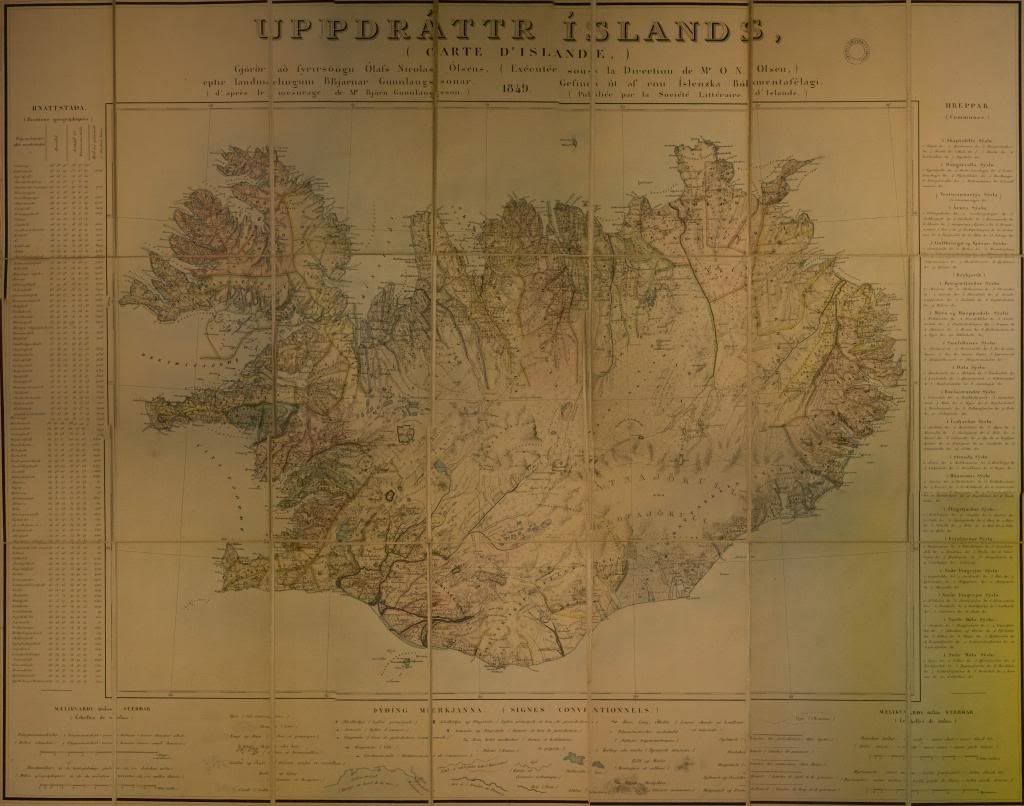
Although the paper documentation on this item give the date as 1860, when I looked at the map last week I noticed a discrepancy that made such a date of publication impossible. It’s all thanks to William Watts and his expeditions across the nice blank spot in the south-east corner of the island. When he crossed the Vatna Jökull, Watts helped add several landmarks to that white blotch (which, remember, was still in Gunnlaugsson and Ólsen’s 1849 “complete” map of Iceland) and Continue reading
Author: Seth Inman
Icelandic Cartography: 1849
Björn Gunnlaugsson was an Icelandic cartographer who along with the Danish army cartographer Ólafs Ólsen is credited with the first complete map of Iceland, even though the ever-present “Vatnajökull eða Klofajökull” space in the south-east was still blank. The Icelander received the Danish Order of the Dannebrog and the French Légion d’honneur for his surveying work, but the map was published under Ólsen’s name in Denmark, so future travelers would constantly refer to the “invaluable Olsen’s map” as essential to their expeditions around the country. Continue reading
Icelandic Cartography: 1585

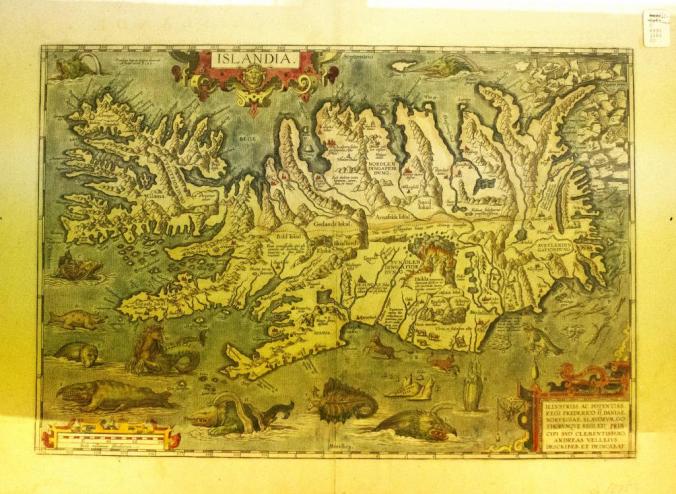
A 1585 copy of Islandia, by Abraham Ortelius (1527-1598)
One of my favorite things about the Rare & Manuscripts Collection in the basement of Cornell’s Kroch Library is that I can request to look at documents like this one, over four-hundred years old, and nobody comes and says, “Excuse me, but you’re a bit young to be doing that, aren’t you?” Granted, this old map was in a picture frame, so relatively speaking I wasn’t handling as preciously fragile a document as most of our other pieces from the 16th century are (the type that require white cloth gloves), but I still felt a lot of responsibility as I cautiously Continue reading
National Geographic Over the Years

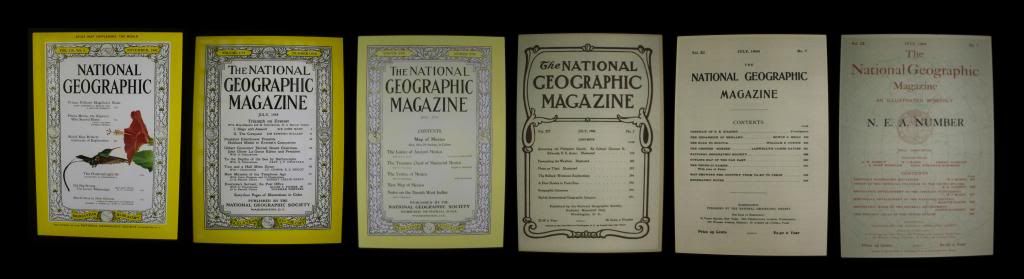
NatGeo’s magazine covers over the years, stitched together from individual photos I took at the National Geographic Museum in Washington, D.C.
As National Geographic celebrates its 125th year of journalism, it is interesting to see how small things, like the magazine covers and the information they conveyed, have changed. In the photo above, the November, 1960 issue (far left) was priced at $1.00; the July, 1954 issue (second from left) at 65¢; and from then backwards each magazine was a whopping 25¢. Today’s magazines don’t disclose their individual price, but a yearly subscription at $15 is not too shabby considering it was $8/yr in 1960, up from $6.50 in 1954.
The July, 1954 issue’s first featured article is titled, “Triumph on Everest,” and the last, “Everyone’s Servant, the Post Office”; July, 1898 (far right in the photo above), on the other hand, saw “American Geographic Education” and “The Geologic Atlas of the United States” as the first and last articles.
Bird Dust-bathing in D.C. and Shark Tail-whipping in PH

These House Sparrows, one of the sixteen focal species of the Celebrate Urban Birds program, were all dust-bathing together next to the sidewalk near the Washington Monument as I walked past this week. Birds dust-bathe to clean their feathers of oils and parasites, and the behavior is well-documented in this species.
On the other side of the world, just a few days ago, footage was released of previously undocumented (but formerly observed) behavior in Philippine thresher sharks, pelagic predators with a prodigious posterior. A thresher shark’s tail comprises about half of the shark’s total length, and in the video Continue reading
Charm City

A fan sporting a dwarf beard and helmet woven from yarn. Both photos of convention by Flickr user Caliopeva.
My brother Milo and I spent the July 4th long weekend with some family friends in Baltimore, which neither of us had visited before. We were all there primarily for the North American Discworld Convention of 2013, a gathering of fan(atic) readers of Sir Terry Pratchett’s Discworld series at the Baltimore Waterfront Marriott, where the Church of God in Christ also had an event over the weekend (Marriott’s booking office has a sense of humor, it seems). We all had a great time attending various interesting panels and amusing activities, and seeing the diverse array of costumes that readers created and brought to display, and look forward to the next convention in 2015! If you haven’t read any of Pratchett’s work, he specializes in British satire and is often compared to P.G. Wodehouse and Douglas Adams. I like recommending Men at Arms or Night Watch to those interested in reading any of his Discworld series (soon over 40 books total), but he also wrote a book with Neil Gaiman called Good Omens that is one of my all-time favorites.
Speaking of books, if you’re ever in Baltimore on a weekend, you should most definitely check out the Book Thing and revel in the strange feeling of walking out of a building with bags full of books that you haven’t paid for: Continue reading
Sourcing Icelandic Wilderness

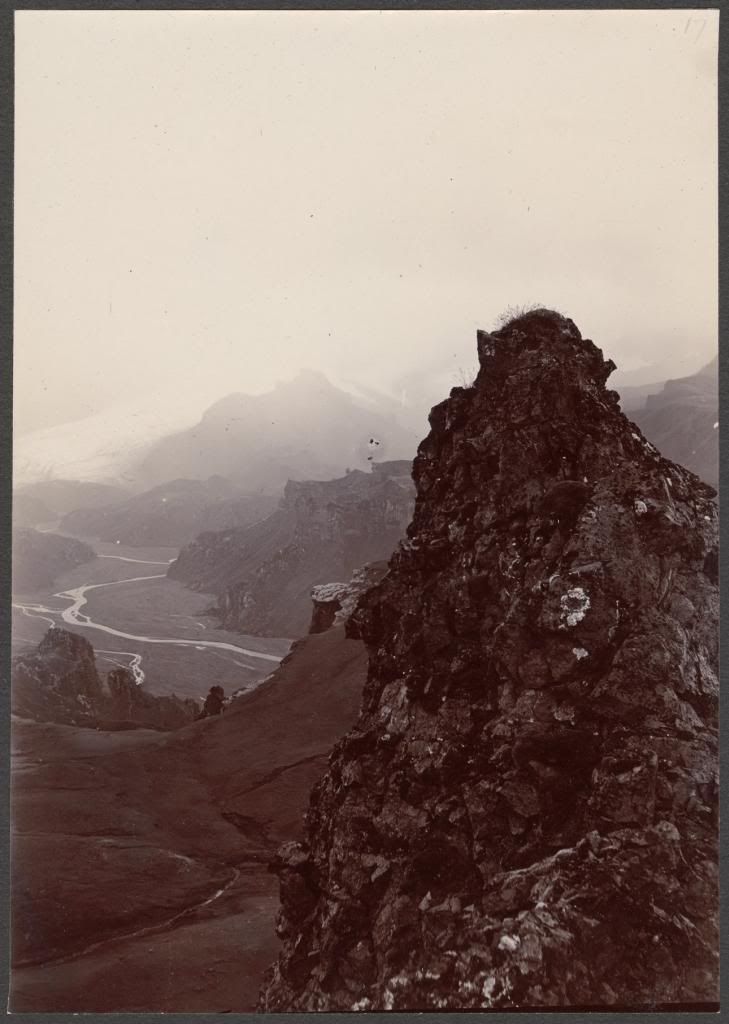
Þórsmörk. Glacier descending from Eyjafjallajökull. Collodion print by Frederick W. W. Howell ca 1900. Bequest of Daniel Willard Fiske; compilation by Halldór Hermannsson; Cornell University Library Rare & Manuscript Collections.
How Icelanders themselves saw the inner regions of their country, and the differences in perspective between the more and less educated segments of the population, can give valuable insight to the environmental practices of Iceland today, as well as portray the influence of European teaching on the more erudite Icelanders.
Although my focus is on the eighteenth and nineteenth centuries, it will be useful for me to explore the roots of Icelandic and European thought on unused open land and Nature, especially since much of the rural Icelanders’ perceptions were tinted by folklore and legend. Therefore, at least a cursory background of Icelandic folklore as it relates to my research topic is necessary, so I will consult the multitude of translated Icelandic myths, folk stories, and sagas, as well as the vast literature on wilderness and Nature in European thought, that Cornell Library owns in its Icelandic collection. Continue reading
Icelandic Writings

The two first edition volumes of Captain Richard F. Burton’s “Ultima Thule; or, a Summer in Iceland,” 1875. Photo by Bauman Rare Books.
I’ve mentioned before that throughout the literature from the 18th and 19th centuries in Iceland I’ve found a conflict between traditional and modern conceptions of the land’s nature, but I want to clarify that this was likely not limited to a simple farmer-or-scientist dichotomy. My aim is to more closely examine any relationships between the writings of Icelanders and Europeans that were meant for a European audience (in the case of the former this involves contemporary translations) and tease out the nuances between them. I believe these scientists, travelers and explorers from various cultures sought the same thrill of setting foot on ground that had never been touched by “civilized” man before; they traveled untrodden lands whose exploration allowed them to feel a sense of discovery and lonely grandiosity while experiencing wilderness; and in some cases they desired the satisfaction of improving scientific knowledge of a natural area.
When I talk about looking at ‘writings’, I mean primary sources like Continue reading
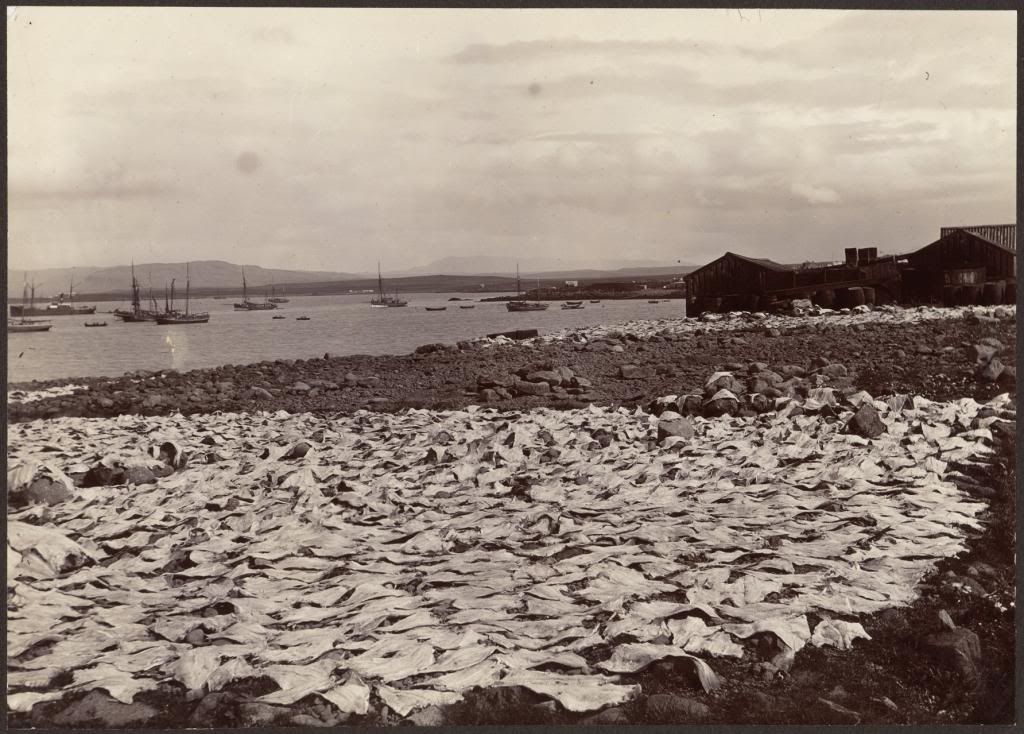
The Love/Hate Relationships of Icelandic Steeds and Stockfish: Ichthyophagy

Reykjavík, Fish drying and shark oil station. Collodion print by Frederick Howell ca 1900. Bequest of Daniel Willard Fiske; compilation by Halldór Hermannsson; Cornell University Library Rare & Manuscript Collections.
Every account of travel in Iceland will cover the national meals in some fashion, but normally they are portrayed as quaint and disgusting. Many of the travelers of the period address the ‘unhealthy penchant for putrefied foods’ that revolved around stockfish. This included salmon and some other species but mostly meant cod, which was quite abundant in the oceans around the island. The fish would be cleaned and dried, and sometimes smoked, to provide food throughout the year, and the same applied for mutton. Dairy products from cattle, namely butter and cream, was often allowed to go rancid, much to the dismay of continental Europeans. Here is a paragraph I’ve translated from Jules-Joseph LeClercq, the Belgian who I referred to in my last post about Icelandic equitation, in his book Terre de Glace (1883):
I do not know how I can still respect those who are able to digest the horrible dishes to which my host introduced me, in particular dried shark-meat and whale fat. Overcoming my repugnance, I wanted to taste these incredibly novel delicacies, and was rewarded with an upset stomach for eight days. Continue reading
Hay Hiatus
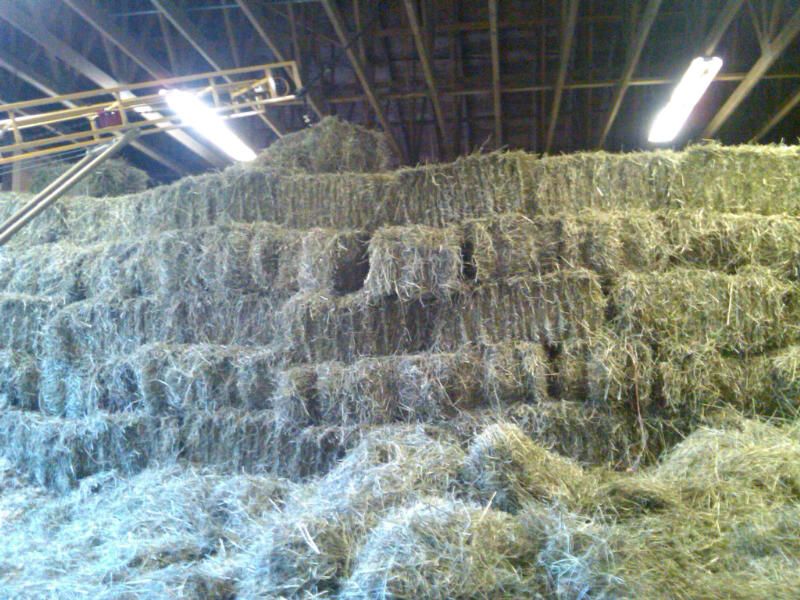
I took this past weekend away from Cornell to help a friend with the hay harvest at a farm in rural NY where she works. Although I had been duly forewarned that haying is pretty hard and uncomfortable work, I had expected the bales to be relatively easy to lift and move around, and was wrong for a number of reasons.
First of all, the bales were pretty tightly packed. This meant that they were heavier than your average bale, and also put more pressure on the two pieces of twine that keep the flakes (segments of hay in a bale analogous to slices of bread in a loaf) compressed together. The twine, which unless you have a prodigious wingspan is the most efficient way to grab hold of the bales for throwing or carrying quickly, pinches your fingers against the bale when it is too tight, making it painful and difficult to get your hands on and off the bale. Add to these inconvenient factors the heat at the top of the barn and the need to crouch to avoid rafters and lightbulbs while carrying or tossing the bales (or, as I did, hit your head too often), Continue reading
Bird of the Day: American Robin (Cornell University, Ithaca)
The Love/Hate Relationships of Icelandic Steeds and Stockfish: Equitation

Ponies for export, Reykjavík. Collodion print by Frederick W. W. Howell. Bequest of Daniel Willard Fiske; compilation by Halldór Hermannsson; Cornell University Library Rare & Manuscript Collections.
Before jumping into the expeditions of William Watts into the Vatna Jökull (which, by the way, is pronounced /’jœ:kytl/ or “yokutl” as opposed to the “yokull” that most of us might expect), I thought I’d share some of the interesting and amusing impressions of British and French travelers regarding their encounters with the famous ponies and dried fish over and over again around the island.
This post will cover the horses and the next will examine the stockfish. There are a large number of images in the archival collections I am exploring this summer, and it would interesting enough just to share those and let them speak for themselves. But my task is to harvest history, so for now I will resist images and focus on ideas (sharing more images as the ideas take shape). Continue reading
Mapping Iceland
In my last post on the subject I mentioned that portions of Iceland on contemporary maps all the way up to the early 20th century remained blank. The main culprit for explorers, travelers, and cartographers was the great glacial region of Vatnajökull, at 3,139 sq. mi (8,130 sq. km) the largest glacier in Europe, and now a national park in southeast Iceland. Terrible snowstorms, heavy rains, unreliable ice, and poor local knowledge of the frigid plateau contributed to the failure of multiple expeditions by many men into the interior of the “Glacier of Rivers,” and during the late 1800s it became clear that there was frequent volcanic activity in the area as well.

1906 geological map by Icelandic geographer/geologist Þorvaldur Thoroddsen, who is credited with being the first to map the interior of the Icelandic Highlands in 1901, which is when this map was first published. The different colors represent different compositions of the island, such as basalt, liparite, volcanic ash, etc.
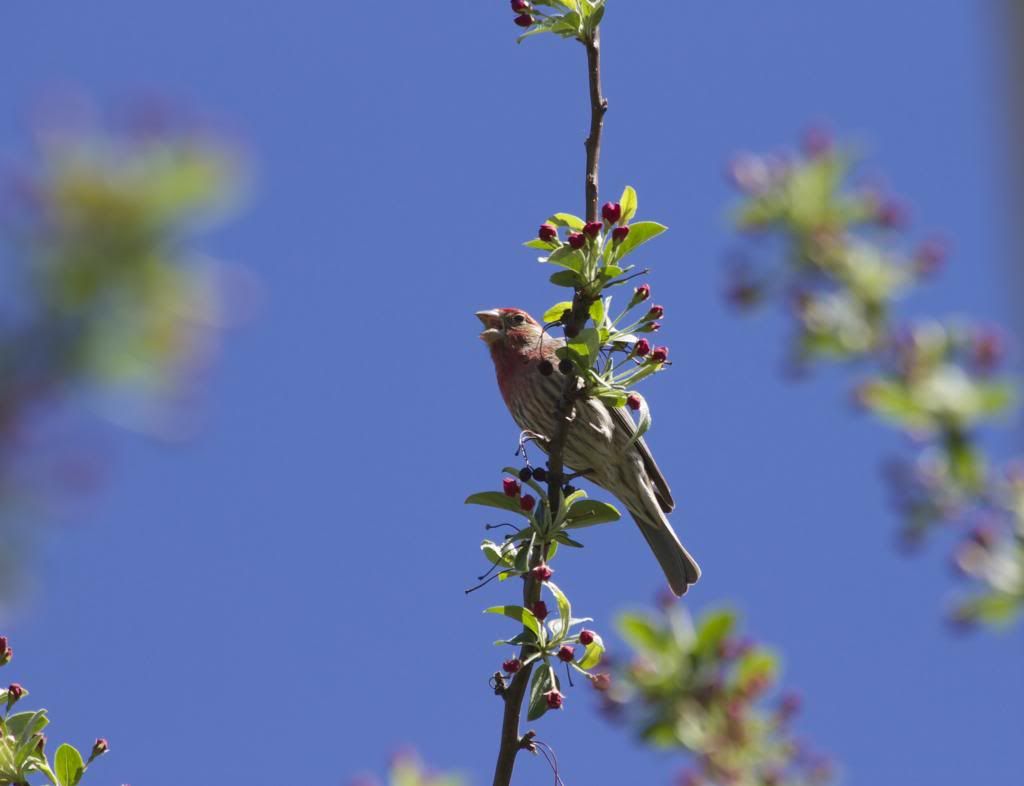
Bird of the Day: House Finch (Cornell University, Ithaca)
Exploring Iceland

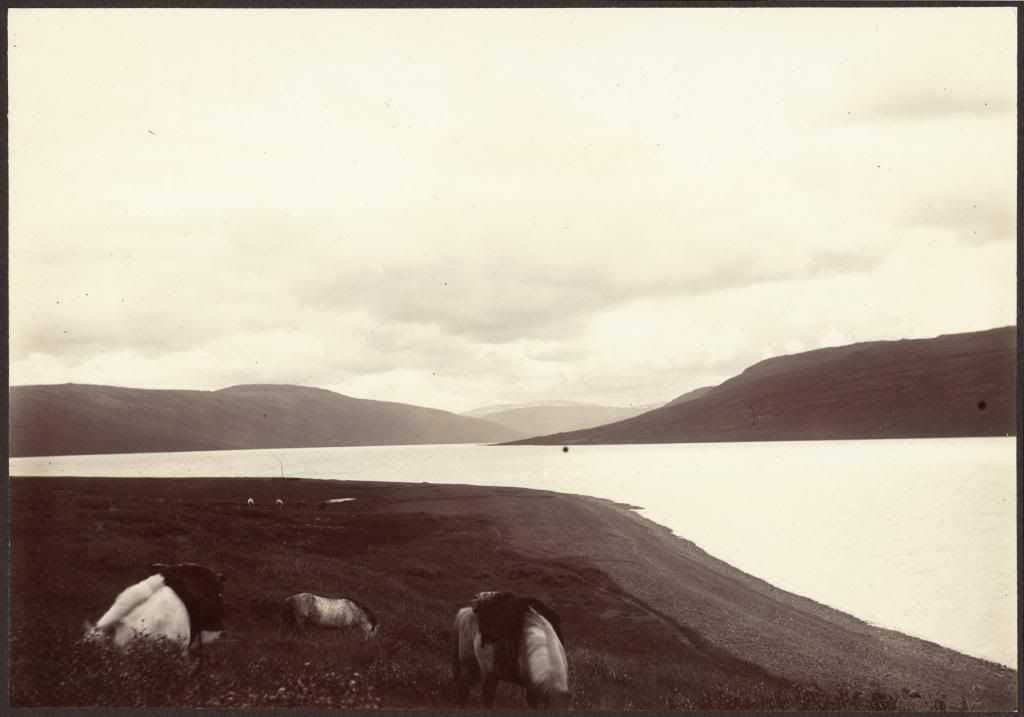
The head of Skorradalsvatn. Collodion print ca. 1900 by Frederick W. Howell. Bequest of Daniel Willard Fiske; compilation by Halldór Hermannsson at the Fiske Icelandic Collection of Cornell University.

Þórsmörk. Head of Krossárdalur. Collodion print ca. 1900 by Frederick W. Howell. Bequest of Daniel Willard Fiske; compilation by Halldór Hermannsson at the Fiske Icelandic Collection of Cornell University.
It was mentioned a week or two ago that Iceland is in the air. For me, Iceland is on my mind, in my laptop, hidden throughout the Cornell libraries, and scattered about my room. After a couple essays for an environmental history course last year and some preliminary research for finding an honors thesis topic in the history major, I discovered that, thanks primarily to Cornell University’s first librarian, we have one of the largest collections of Icelandic material in the world. Since one of my projects for the environmental history class had shown me that Iceland was an interesting place to examine more closely, I did some more research and found the topic of European travel there during the eighteenth and nineteenth centuries engaging enough to choose as an honors thesis subject.
One of the places in Europe with the most spaces left blank by cartographers through the eighteenth and nineteenth centuries, Iceland’s inner regions were not fully mapped until 1901. Continue reading
Artisanal Toys
In The New Yorker‘s book review last week, Alexandra Lange discussed Amy F. Ogata’s new book “Designing the Creative Child: Playthings and Places in Midcentury America,” focusing on the diverse materials and malleability of toy design over the past several decades.
With increasingly commercialized handmade, all-natural toys on the market, Lange asks, “Do toys need to be as artisanal as our food?”
Nearly two years ago now, Meg wrote about Tegu, wooden magnetic building blocks that support conservation and Hondurans in poverty. Tegu blocks seem to be a perfect blend of the artisanal qualities that wood bring to a toy, while the magnets inside add the opportunity for creativity that simple wooden rectangles and squares might not (unless they have the Lego-like studs that Mokulock does).
What about stone toys?
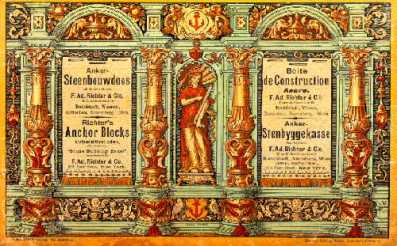
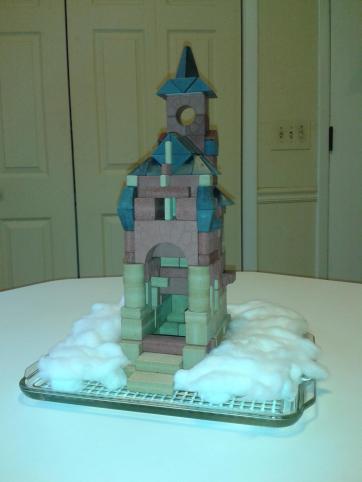
You don’t hear much about those, it seems to me. Heavy to carry around, more dangerous as projectiles, and requiring more machinery to produce, playthings built from stone might seem even more cumbersome and antiquated than wooden toys to a child brought up on shiny plastics and polymers. But the stone Anker/Anchor blocks (a box cover of which is pictured at the top of this post, and one of my own creations from these blocks is here to the right) made from quartz sand, chalk, linseed oil, and color pigment, are still able to merit $200+ asking prices on eBay, although part of their appeal comes from their relative–or perceived–antiqueness. Continue reading
Woven Nests
Below is a slideshow of birds and their woven nests, which I spoke about in my previous post.
Here you can see the diversity of nesting materials and supporting structures, the state of the strands of vegetation upon building (fresh and green or dry and brown), and the overall craftsbirdship exhibited by these master weavers!
Basket Cases
There are birds around the world that use strands of different materials to craft marvelous woven nests that hang from tree branches — if you’re lucky enough to see them!

Yellow-rumped Cacique in Avian Architecture by Peter Goodfellow © Princeton University Press 2011. p95
Of course, in some circumstances it is not hard to find these pendent, or hanging, nests, as with many species of caciques and oropendolas in Central and South America (birds related to the North American blackbirds, orioles, and cowbirds). That’s right, the photo above isn’t of some weird fruit tree, but a tree-wide colony of oropendolas at Las Isletas, in Nicaragua!
Caciques, close relatives of Oropendolas, often nest beside wasp nests; orioles, only slightly more distant relatives, frequently nest near Eastern Kingbirds and Great Kiskadees. Wasps and these large flycatchers all help defend against nest predators. Yellow-rumped Caciques like the one pictured on the right start their nest building with a loop in a tangled mass of fibers that surrounds the end of a branch. Continue reading
CUBs Focal Species Close-up: Barn Swallows
The Barn Swallow’s nesting and habitat preferences have made it the most abundant and widely distributed swallow species in the world. The species adapted to using human structures as nest-bases from their previous preference of nesting in caves (although a single population on California’s Channel Islands still chooses to nest in its ancestral cave-grounds), and today you can find Barn Swallows nesting nearly anywhere in the US, even ranging as far afield as southern Alaska.
Since they nest on man-made structures so often (hence their common name, as well as their species name rustica in the genus Hirundo), they make for a great focal species for Celebrate Urban Birds given that their habitat of choice can coincide with rural, suburban, and urban landscapes that include buildings, open areas, and water, especially bodies of which provide a source of mud. As you can see in the photos above and below, mud is the main building material for their nests, as it is for Cliff Swallows, a few of which are featured in these slideshows! Barn Swallows are also frequent subjects of the Funky Nests in Funky Places challenge at Celebrate Urban Birds.
Funky Hummingbird Nests
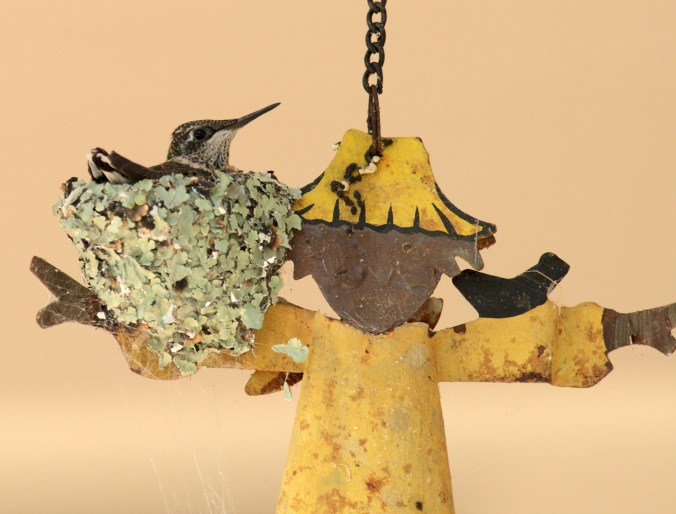
If you enjoyed my last post on hummingbirds, then I think you’ll like these photos that I uploaded on the Celebrate Urban Birds blog even more!