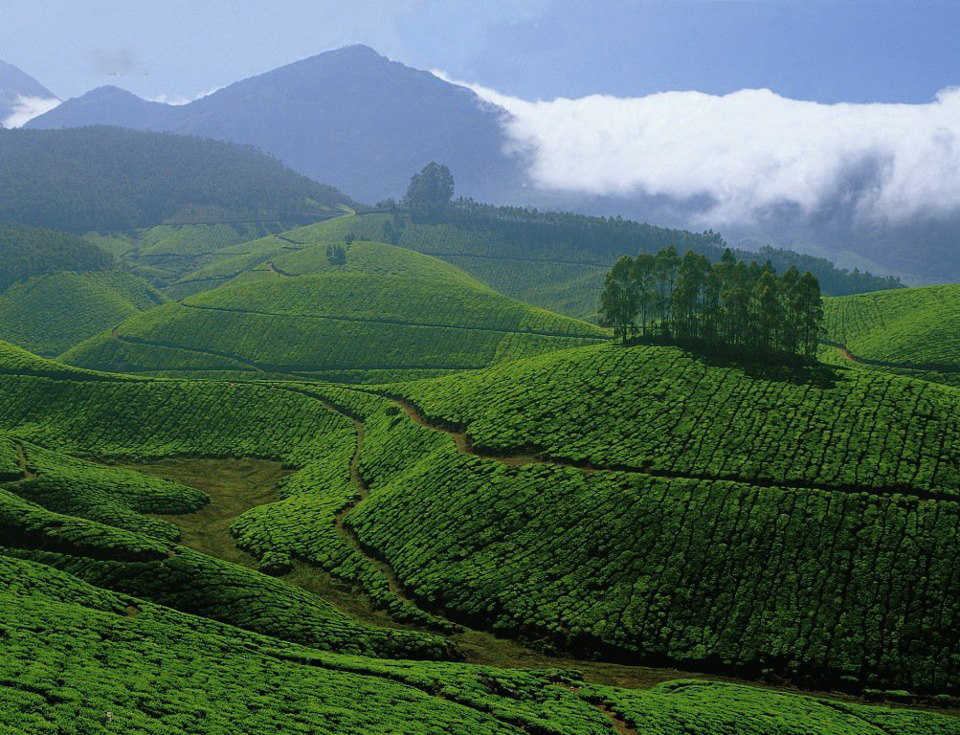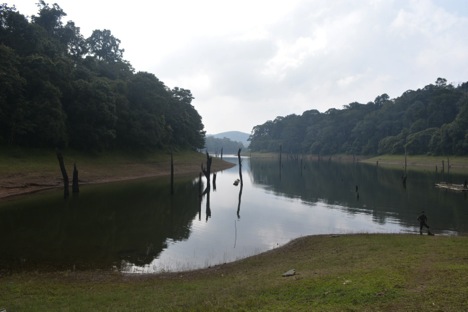
Munnar is the highest point in the Idukki district of Kerala ranging at above 4,500 feet, it is also one of the major tea producing areas of the country and has now become the headquarters for major tea producers in India. Continue reading
Adventure
Borneo, Birds And The Field Method Of Learning Science
More than one contributor to this site has been a fan of the Cornell Laboratory of Ornithology for several decades. During graduate school, for example, when Sapsucker Woods provided more than just a walk in the woods. The Lab’s fan base is global, for good reason, both among casual bird lovers and more serious bird watchers. The Lab became the focus of professional interest to several of us when we began managing lodges in the rain forests of Central America, and we discovered what we had not known while at Cornell: it has the largest collection of field recordings of bird songs in the world. Guests at our lodges were awed by this resource when it was pointed out to them. The images above reflect more recent appreciation we have for the Lab. Continue reading
A Different Kind Of Travelogue
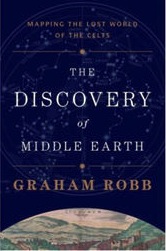
We are unabashedly in favor of reading, thinking and decision-making in advance of travel, during travel, and after travel. We are also in favor, when the fancy strikes, of just hitting the road without knowing why, where to, or for how long. On our pages you will find posts for either end of the spectrum from meticulously planned to wanderlust journeys. It is about discovery. So this book caught our attention. Nothing to do with hobbits, as reviewed by the Monitor (click the book image to the left to go to the source) it sounds like the perfect prelude, accompaniment or postscript for travel in a part of the world we have not been covering in our pages as much as we maybe should:
…In “The Discovery of Middle Earth,” Robb sets out to establish the momentous contributions made to the arts of cartography and communication by the once-great Celtic peoples, who at various points in history spread all the way from modern-day Turkey to Ireland. In the process, he consults old documents, interviews experts, examines artifacts, and bicycles more than 26,000 kilometers across France, taking his readers along with him… Continue reading
Kerala Named Among Top 10 Holiday Destinations
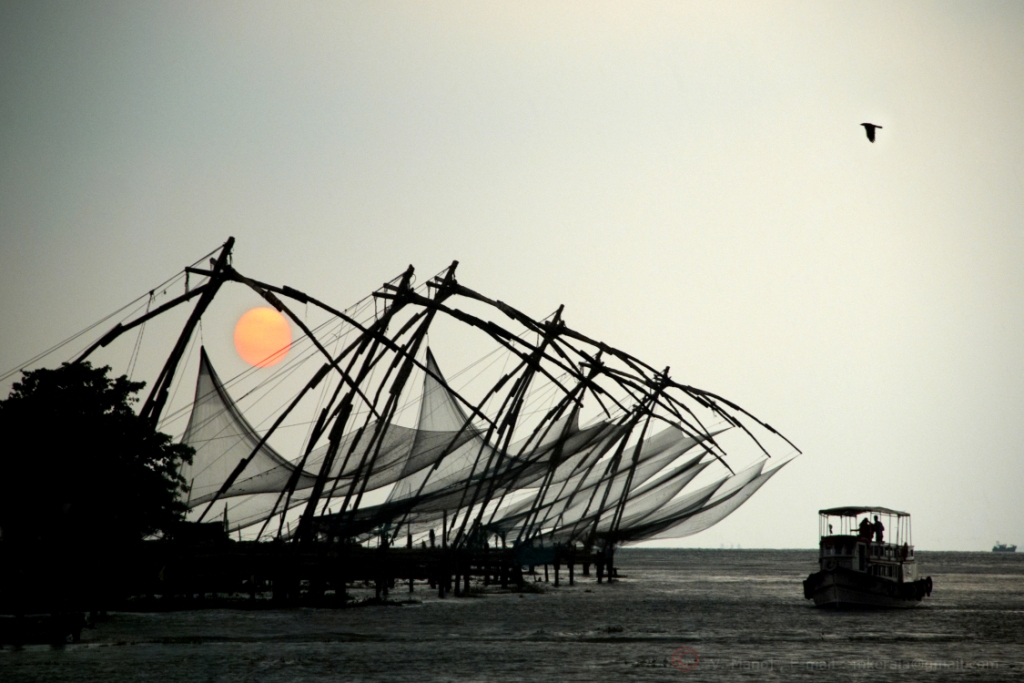
Known as “God’s Own Country”, Kerala is one of the most beautiful states in India. Lonely Planet apparently agrees by citing it among the World’s 10 best destinations for a family holiday in 2014. The Lonely Planet award for Best Family Destination was bestowed at the World Travel Mart in London, the leading trade event attended by industry representatives from around the world. Continue reading
Antarctic Exploration One Century Ago
Thanks to the Guardian‘s occasional history lessons via photography, like this one:
Eschewing the race for the South Pole, geologist and explorer Douglas Mawson took his scientific expedition to the eastern Antarctic – a region totally unmapped and unexplored. Here is a glimpse of the photographic archive that records their epic journey
Cats In The Ghats
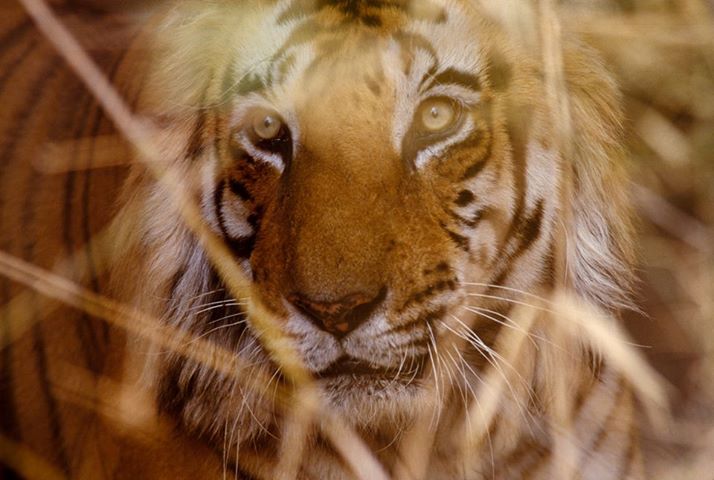
Whether wild or domesticated, cats are unique in their ability to compel. If you are a cat person, you know that to be true. If you are not a cat person, you probably also know it to be true. Here in the Western Ghats region of south India, we take cats to be among our most important beneficiaries of whatever tangible outcomes we can generate through our entrepreneurial conservation initiatives. Mainly we are focused on initiatives with the Periyar Tiger Reserve, but on the lookout constantly for more opportunities. Earlier this year we started tracking Panthera because of these interests. Their website (click the logo to the left), and the mission as stated here, are worth revisiting from time to time:
Panthera’s mission is to ensure the future of wild cats through scientific leadership and global conservation action. Continue reading
Wildlife Reigns at Cardamom County
It is no secret that the Periyar Tiger Reserve hosts a magnificently large collection of wildlife, that is what attracts tourists around the world — take a hike within the boundaries of the massive sanctuary and you are likely to see some amazing creatures. However, we cannot forget that the boundaries of the reserve are merely human constructs, designed by our minds to protect and preserve the organisms within. Animals abide by no such regulations, boundaries for them are constrained only by the habitats in which they may successfully occupy, thus, spillover is likely.
The Contribution Of Old Photographs To Thinking Ahead
With news this past weekend of one of the largest tropical storms in recorded human history still fresh, our antennae are up. We believe in looking back in the interest of looking forward. The beginning and ending lines of this article can induce even those most unlikely to visit Sotheby’s next week:
For more than 100 years, nearly every time a ship ran aground off the coast of Cornwall, a man would arrive on the scene to document the wreckage. Continue reading
The Best Memories
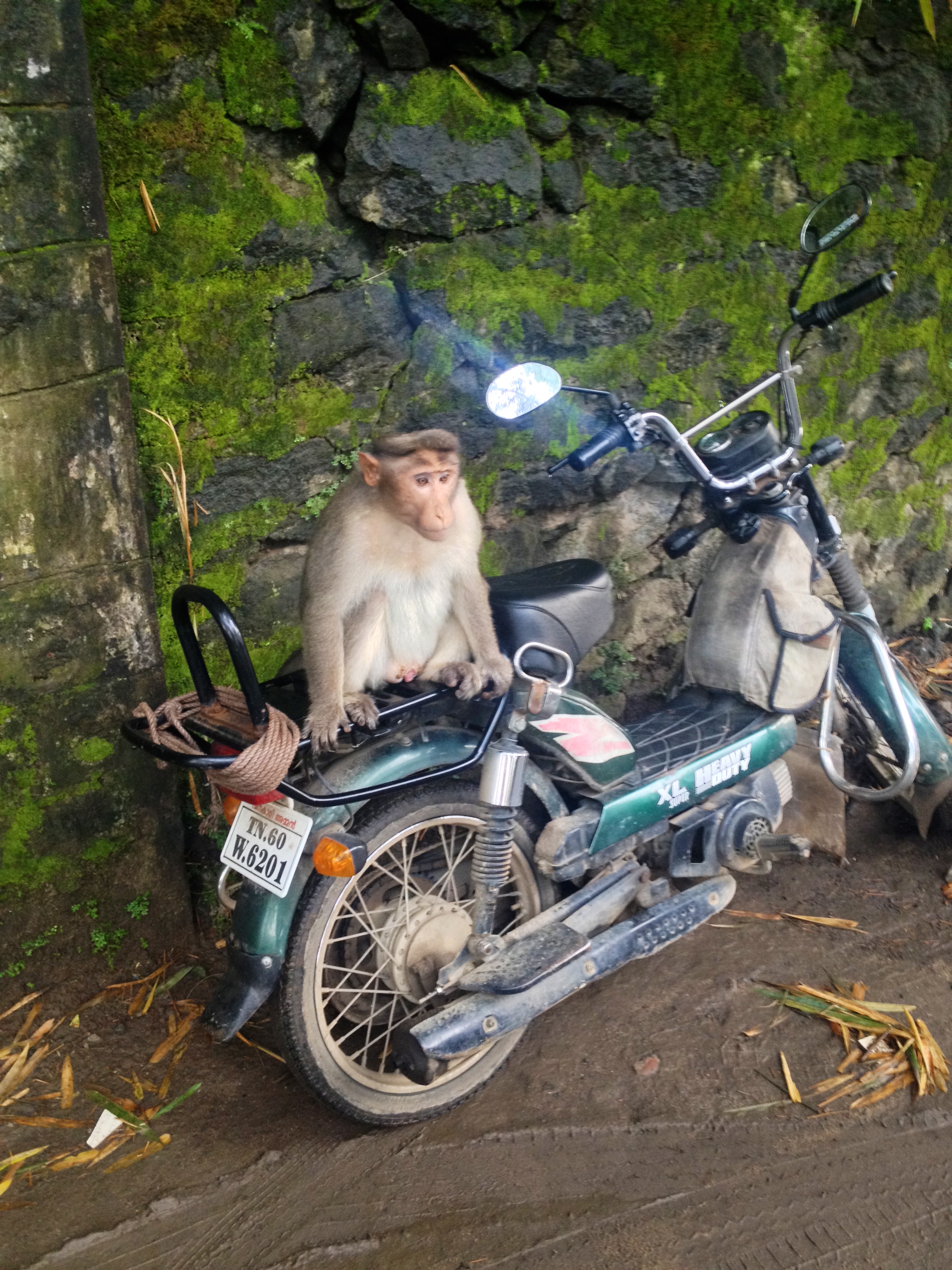
Cardamom County receives guests of all ages who are enthusiastic about trekking, hiking and bamboo rafting as well as others who just like to relax in the beautiful ambiance of our property. Our privileged location across the street from the Periyar Tiger Reserve means a lot of overlap of fauna such as birds, butterflies and even monkeys between us, although obviously we don’t have any tigers on property! Continue reading
Encased in Ash
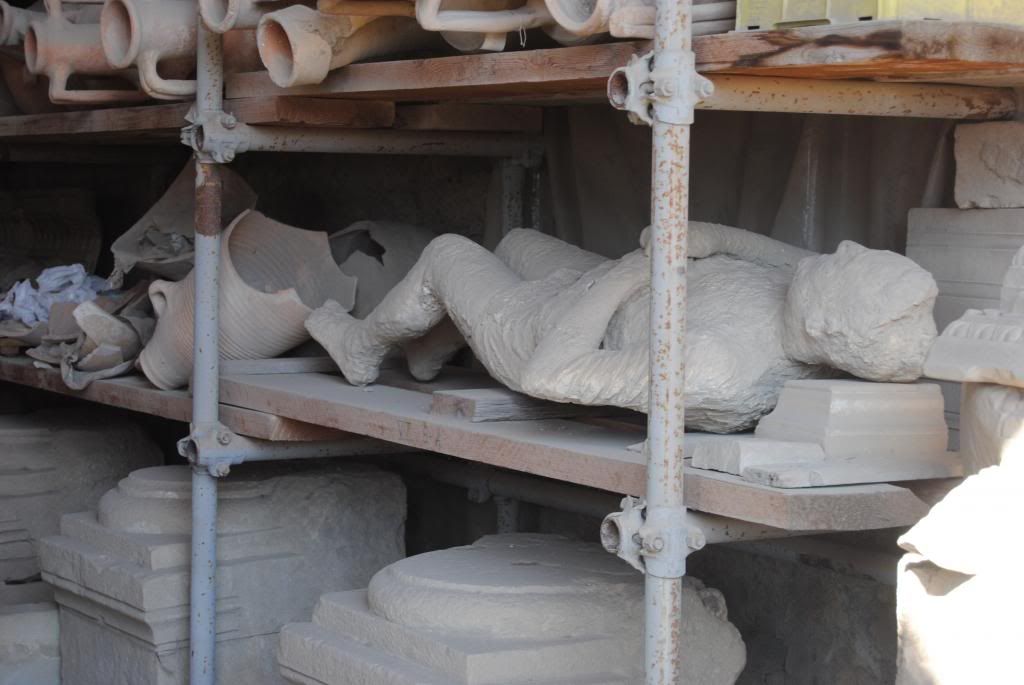
In 79AD, Mt. Vesuvius erupted with disastrous consequences for the residents of nearby Pompeii, Herculaneum, and other cities in the Campania region. Flows of boiling mud and rock rushed down the slopes, clouds of noxious fumes billowed upwards in the wind, and thousands of tons of rock and ash rained down upon the countryside. Pliny the Younger saw the eruption and likened it to a pinus, a pine tree. This may baffle some American readers, who may be accustomed to see pine trees that taper from a wide base to a narrow point Continue reading
Into The Mind, Come To Kerala!
Jake may be our guide into a future where surfing plays a larger role in Raxa Collective’s portfolio of experiential offerings. For now, he is going to paint his masterpiece at Pearl Beach and take things one step at a time from there. This clip is from a film we hope to premier in Kerala in the coming months. We have sent an invitation, formally, to Sherpas Cinema, and will keep you posted on whether and when this may happen:
This is a story of rising to the ultimate challenge. Having the courage to risk fatal exposure and the perseverance demanded on the quest for achievement. These are not solely physical feats, they are mental conquests. Continue reading
Mystic Reservoir
Yesterday, I had the pleasure of going on a half-day bamboo rafting trip at the Periyar Tiger Reserve. In all honestly, I am not a very nature-y, outdoorsy person at all; I am deathly afraid of bugs and spiders, and I usually don’t go trekking in the woods unless someone drags me. Yet, let me just say, bamboo rafting was one of the most magical experiences I have ever had!
When I arrived at the PTR office at 7:30 AM half awake, I was handed a pair of strange looking socks, which were worn over the foot and covered the area below the knees to prevent any leeches and splints getting into the skin. Then we began our one and a half hour hike to the reservoir. Along the way, we saw footprints of leopard cats, tiger’s territory marks on trees, giant spiders with intricate webs across several trees, monkeys, and plenty of elephant dung. Continue reading
India’s Magic Masala
When I walked into Jacob’s Trade in Thekkady to get myself a bottle of cold water, I couldn’t help but notice the stack of potato chips that contained pretty much all the colors of the rainbow!
Here in Southern India, you can find many unique flavors of potato chips that you wouldn’t find in the States: “India’s Magic Masala,” “West Indies’ Hot ‘n’ Sweet Chilli,” “Spanish Tomato Tango,” “Chile Limon,” and even “Mastana Mango”! It is interesting to see how even regular Lay’s chips are all spiced up with the seasonings that are loved in India. Continue reading
Wildlife Sanctuaries of India–Bandhavgarh National Park
If you are really, really desperate to see tigers in their natural habitat, maybe you should try visiting Bandhavgarh National Park in the Umaria district of Madhya Pradesh since it has the highest concentration of tigers among all the national parks in India! With an area of 105 sq km open to tourists and a buffer zone of 427 sq km, Bandhavgarh National Park is home to almost 50 Bengal tigers.
A female tiger named Sita, who also appeared on the cover of National Geographic and is the most photographed tiger in the world, also lived in Banhavgarh. In fact, most tigers in the reserve today are thought to be descendants of her and a male tiger named Charger. Continue reading
Wildlife Santuaries of India–Kanha National Park
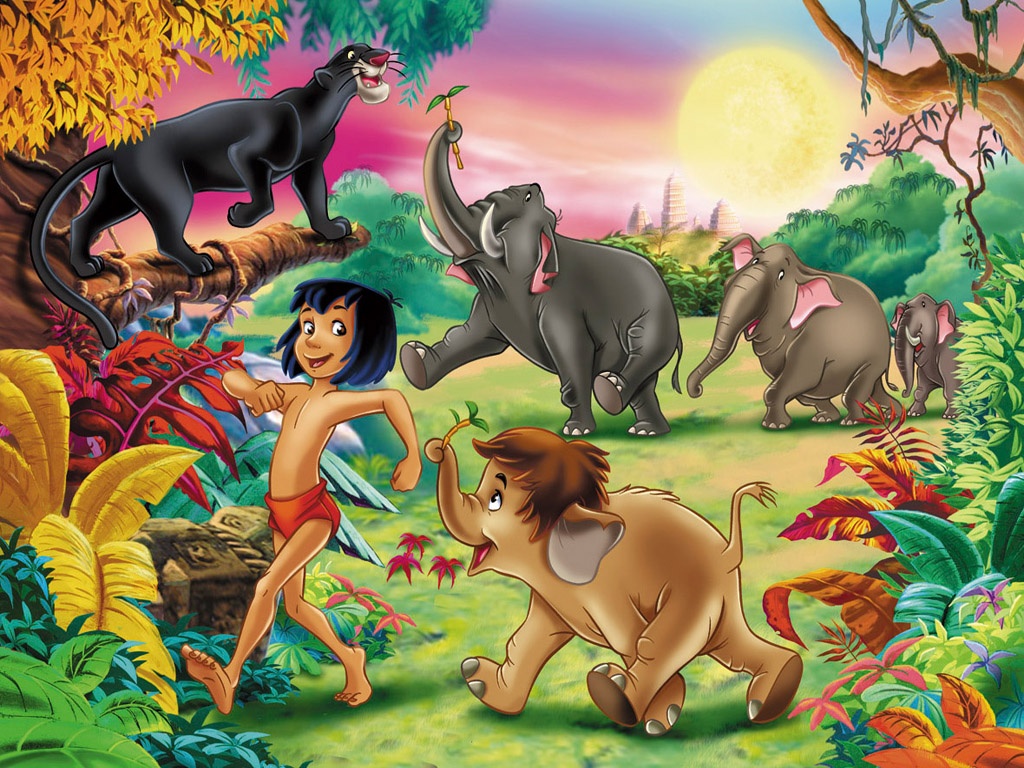
If you ever feel nostalgic and would like to relive your childhood years, you should consider visiting Kanha National Park in Balaghat, Madhya Pradesh; it inspired the Nobel laureate Rudyard Kipling and served as a setting for The Jungle Book!
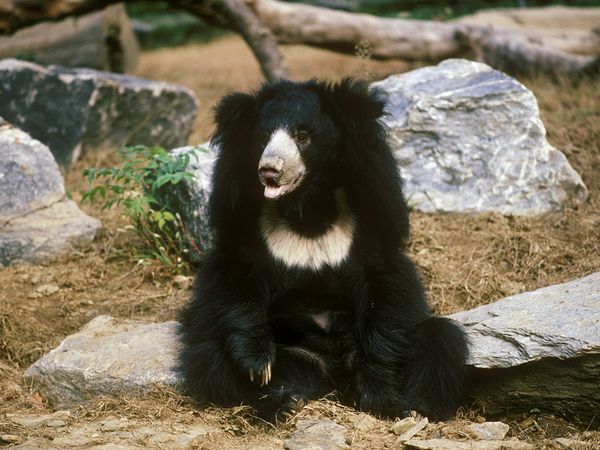
This park is known for its abundant population of royal Bengal tiger, leopards, sloth bear, swamp deer, and Indian wild dog. The park’s main flora consists of lush saal, bamboo forests, lakes, streams, and open grasslands. Continue reading
Cenote, A Mesoamerican Phenomenon
Thanks to National Geographic‘s Newswatch service for bringing this story, related to SUNY Albany’s work in a part of the world still being explored, to our attention:
The Mayapán Taboo Cenote Project will undertake an extensive exploration of the underwater cave, Cenote Sac Uayum, to document 20+ submerged skeletons and artifacts. Team leader and National Geographic Grantee Bradley Russell will also investigate the modern belief that a supernatural power- a feathered serpent- guards the water within. Continue reading
The Hut of Romulus
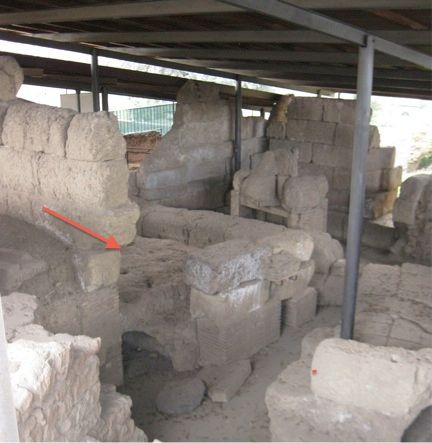
Today, all that remains of the so-called “Hut of Romulus” are the holes you see in the picture above (the slight indentations on the platform where the arrow is pointing). When intact, Romulus’ humble wattle-and-daub dwelling, located in the southwest corner of the Palatine Hill in Rome, might have looked something like this. One might have expected that the passing of nearly three millennia would not have treated well the wood, straw, and twisted bark ties of the hut, but even in its own day the Hut was prone to accidental destruction. One particularly ignominious story has a crow dropping Continue reading
Disconnected
A usual day in States starts out with me waking up to the ear-drillingly loud alarm on my Samsung Galaxy, checking my email and Facebook, surfing the web and reading the news. Then I soullessly get out of bed and proceed to breakfast, during which I also constantly fidget with my phone, jotting down everything I need to do for that day and texting my friends, usually to vent about how tired we are and who has gotten less sleep. Then in class, I take notes on my laptop as I constantly browse through my email and simultaneously type things I don’t understand into the Google search bar. As soon as I get out of class, I go back to staring at my phone, browsing through Instagram and Facebook, walking to my next class or lunch. (I have once literally run into a door because I had my head in my phone and didn’t see the door at all.) Bottom line, I am always connected, always online, and always ready to access everything on the Web. A ridiculous amount of my life is consumed by my phone and my laptop.
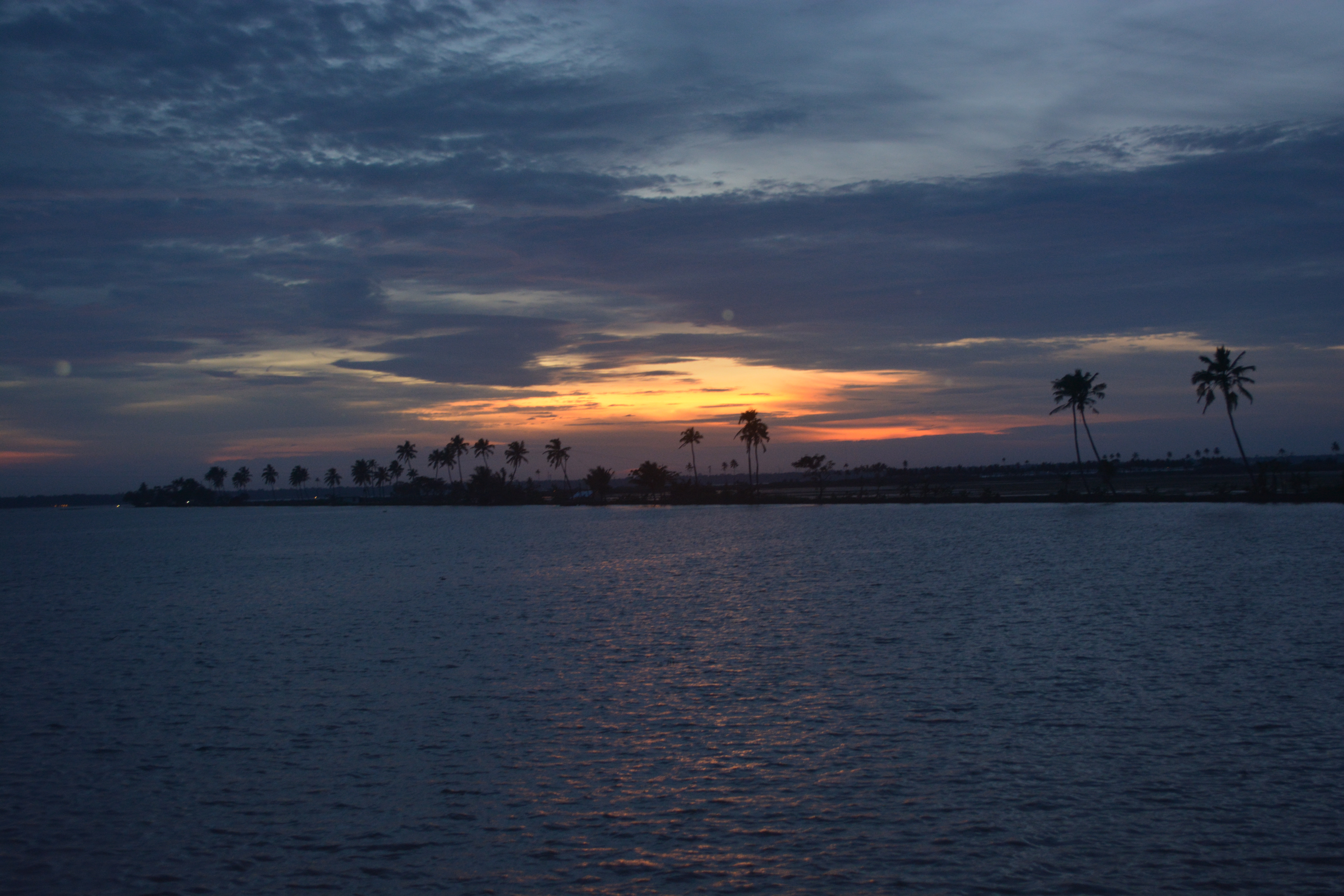
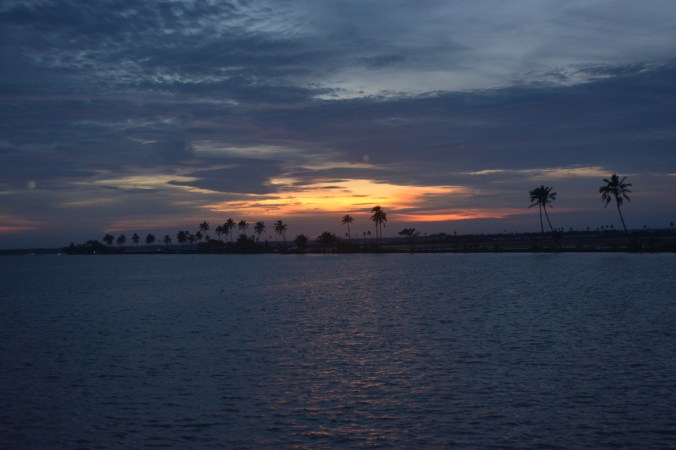
However, on my second day in India, I went on a houseboat—my fellow intern Jake has written about it a few posts back—and it did not have Wifi! I felt disconnected and nervous. I cannot even remember the last time I didn’t have access to Internet or my phone. After a couple of hours, I simply didn’t know what to do with myself. I didn’t even have music to listen to since I always stream it from Spotify or Youtube. In hopelessness, I lay down on the cushioned sun deck, hoping to take a nap, which would kill some time. So I sat there, directionlessly looking into the backwaters, the rice farms, and the tiny villages clustered up in the narrow grounds next to the river. I watched little naked boys taking a bath in the river and running away in embarrassment as they saw me staring at them on the boat. I also watched the birds hover right on top of the river surface, meticulously and gracefully snatch the fish out of the water, and fly away gobbling it down. I watched the sun slowly setting, painting the whole sky orange and pink with its radiance.
Before I knew it, it was pitch black outside and we were called down for dinner. Continue reading
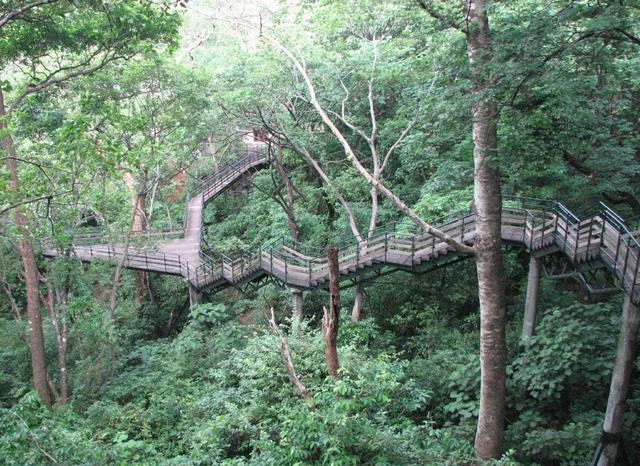
Thenmala – Ecotourism
Thenmala is India’s first planned ecotourism destination. Located 500 metres above sea level in the foothills of the Kollam district of the Westeren Ghats, Thenmala’s 10 satellite ecotourism attractions create a colourful canvas of diverse flora, fauna and vast tracts of forests. Continue reading
Library, Guardian Of Spiritual Treasure

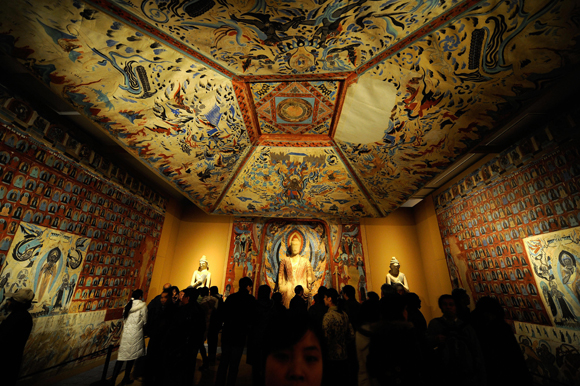
Visitors visit a replica parts of the Mogao Cave during the Dunhuang Art Exhibition in Beijing on February 20, 2008. The exhibition displays collections mostly from the Dunhuang Grottoes which were constructed between the 4th and the 14th century, including recovered antres, original painted sculptures and their replicas from Library Cave of Dunhuang. Dunhuang, located in Jiuquan of Northwest China’s Gansu province along the historic Silk Road, is in danger of being swallowed by sands of the adjacent Kumtag desert, which are creeping closer at a rate of up to four metres (13 feet) a year. (Photo credit TEH ENG KOON/AFP/Getty Images)
We tend to avoid topics pertaining to religion, spirituality or related highly personal matters that sometimes can lead to misunderstandings, misapprehensions, or worse; but our love of libraries, of archives, of discoveries are all satisfied in one fell swoop of a blog post, and we are particularly impressed to learn that Gutenberg may not be the only key to understanding the history of printing:
Just over a thousand years ago, someone sealed up a chamber in a cave outside the oasis town of Dunhuang, on the edge of the Gobi Desert in western China. The chamber was filled with more than five hundred cubic feet of bundled manuscripts. They sat there, hidden, for the next nine hundred years. When the room, which came to be known as the Dunhuang Library, was finally opened in 1900, it was hailed as one of the great archaeological discoveries of the twentieth century, on par with Tutankhamun’s tomb and the Dead Sea Scrolls. Continue reading