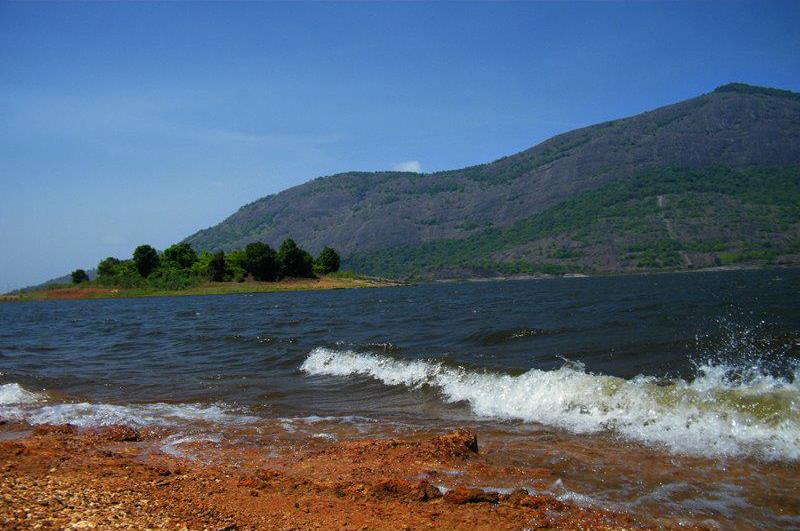
Photo credits : Rafeek
Kava Lake lies in the foot hills of the Malampuzha Dam in the Palakkad district. The area is ideal for trekkers, natural lovers and adventures. Continue reading
Photo credits : Rafeek
Kava Lake lies in the foot hills of the Malampuzha Dam in the Palakkad district. The area is ideal for trekkers, natural lovers and adventures. Continue reading
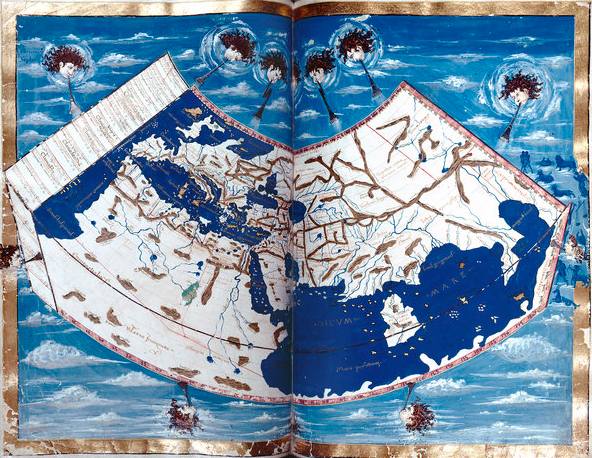
New York University’s Institute For The Study Of The Ancient World is hosting an exhibition that speaks to those of us who love maps and the ideas they represent in historic as well modernistic terms. (GPS-guided navigation systems, we love you, but this is about your ancestors). Those ideas can be as simple as “Getting From Here To There, In Hindsight,” which might have been a subtitle to this exhibition:
Measuring and Mapping Space will explore the ways in which ancient Greek and Roman societies understood, perceived, and visualized both the known and the unknown areas of their world. It brings together more than forty objects, combining ancient artifacts with Medieval and Renaissance manuscripts and printed books that draw upon ancient geographic treatises. Together, they provide a fascinating overview of Greco-Roman theories of the shape and size of the Earth, ancient methods of surveying and measuring land, and the ways in which geography was used in Roman political propaganda. A specially designed multimedia display examines the increasing importance of modern technologies in mapping the ancient world. Continue reading

A hazy Kochi view
Thirty hours of rigorous travel and claustrophobic flights could not prepare me for an equally strenuous culture adjustment; however, that is the appeal of being a Western foreigner today — the luxury of being able to experience contrastingly different ways of life should not be squandered, rather embraced positively — here is a chance to engage in a learning experience unparalleled by classrooms in a university.
It is always amusing to me that even before arriving in a particular foreign destination, airlines attempt to mediate “culture adjustment” by serving airplane-food versions of that culture’s culinary specialty; I actually regret not taking a picture of said “food,” but I am sure it is not hard to imagine the quality.

There was no question he would be back. But when? Where? How? His fall from grace, with the help of a friend, was a shock. His return was quick and elegant, quintessentially Steck:
…Three times I traversed back and forth until I decided just to try. I needed at least 30 minutes until I had the feeling to finally know where I had to continue. I didn’t have any choice: I had to try. I found the right way and I reached without any problems Grand Pillier d’Angle. Now I found myself over the clouds. The summit was not far away anymore. From here I found some old traces. I wish I had them down at Col de Peuterey…
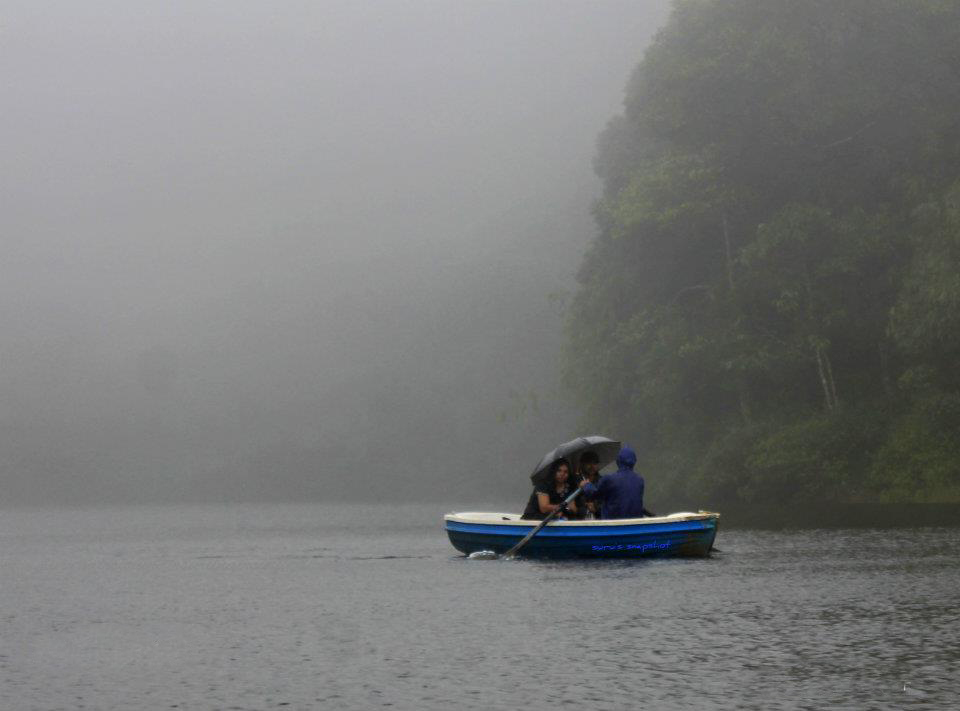
Visitors can enjoy the pleasure of boating in Gavi lake even during monsoon weather
Gavi is one place in the world where with every turn visitors have an encounter with nature. It boasts unadulterated views of tropical forest, hills, valleys, cascading waterfalls, sprawling grasslands and cardamom plantations. Continue reading
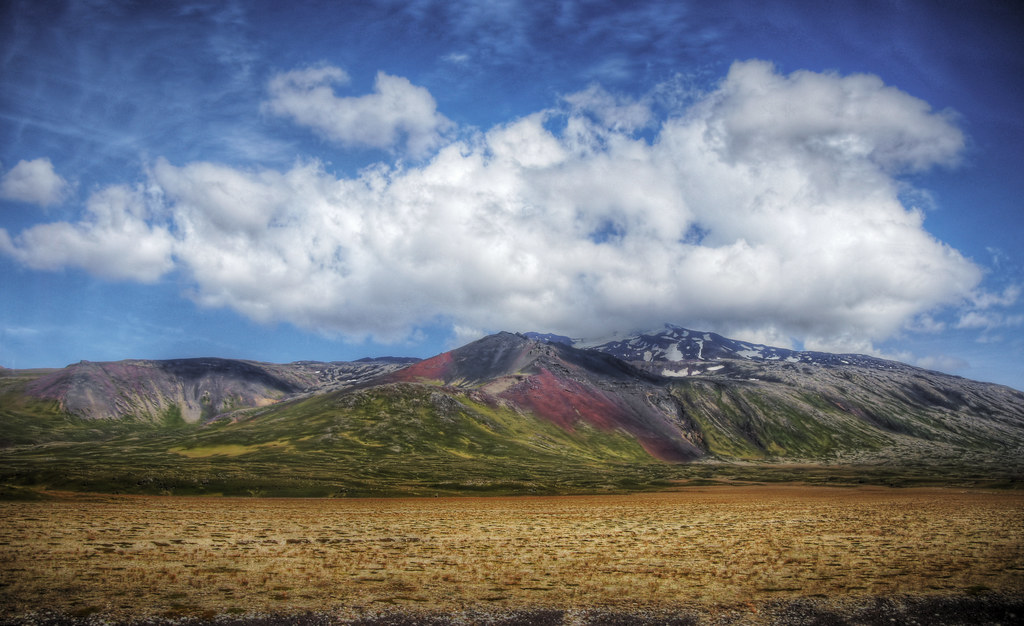
Snæfellsjökull, Iceland. Photo © Mariusz Kluzniak
When I explain my honors thesis subject to those who ask about it, not a few of them ask if I plan on looking at Jules Verne’s classic science fiction novel, since the volcanic entrance to the cavernous depths of the world in his story is ‘Snäfell,’ in western Iceland. For some , Journey to the Center of the Earth might be their only popular source of information on the country, since it is perceived as so remote, and, in many American minds at least, the Nordic countries can all get mixed up in a Scandinavian mélange of fjörds and vikings and skyr.

Snæfellsjökull, Iceland. Photo © Manny on BiteMyTrip.com
To Verne’s credit, therefore, he has put Iceland on the map for many people over the past century and a half (his book was first published in France in 1864, and was translated by 1871). To his discredit, however, he never visited Iceland himself, and instead relied primarily on two French works on Iceland written about scientific expeditions made there in the late 1830s. Continue reading
Thanks to the scientific journal Nature, the history-biology continuum is alive and full of intrigue as the story below shows (click here for a podcast related to the same story):
Before leaving for the Philippines as an undergraduate in 1992, Rafe Brown scoured his supervisor’s bookshelf to learn as much as he could about the creatures he might encounter. He flipped through a photocopy of a 1922 monograph by the prolific herpetologist Edward Taylor, and became mesmerized by a particular lizard, Ptychozoon intermedium, the Philippine parachute gecko. With marbled skin, webs between its toes and aerodynamic flaps along its body that allow it to glide down from the treetops, it was just about the strangest animal that Brown had ever seen. Continue reading
The video above stands on its own, worthy of a few minutes, but it brings to mind the role of charisma in conservation. We find it easier to worry about large, iconic species. Some creatures are brought back from the brink of extinction, only to experience the same fear and hatred, or worse, fate that brought them to that brink in the first place. The editorial below, from today’s Guardian, reminds us that the uniquely human form of charisma called celebrity plays its own role, raising interesting questions. Why celebrate not vultures and their mostly unknown guardians? Adam Welz has a few relevant thoughts:
My last post was about the need to reduce demand for rhino horn and ivory in Asia to stem Africa’s current poaching crisis. This week my inbox bulged with photos of mega-celebs trying to do just that.
Actor Edward Norton filmed a couple of public service announcements in New York on Tuesday to raise awareness of the illegal ivory trade, and yesterday Prince William, David Beckham and basketball player Yao Ming got together in London to film another brace of spots about rhino and elephant killing. The ads will go out this year as part of campaigns put together by the nonprofit WildAid, working in conjunction with other organisations. Continue reading
It’s been a pleasure sharing our story here with #thenewyorkermag. Today is the last day of our posts. Thanks for following from the whole crew: @alexhonnold@conradclimber@jimmy_chin@robfrostmedia@renan_ozturk. Photograph by Conrad Anker.
The photos themselves offer a moment of escape. That is sufficient, but you might want to read the captions (like the one above, which accompanies the last photo, of the climbers smiling), in which case go to the post on New Yorker‘s website. Better yet, the whole interview with Renan Ozturk excerpted here, is there:
What is your background, both as a climber and as a filmmaker, artist, and photographer? Continue reading
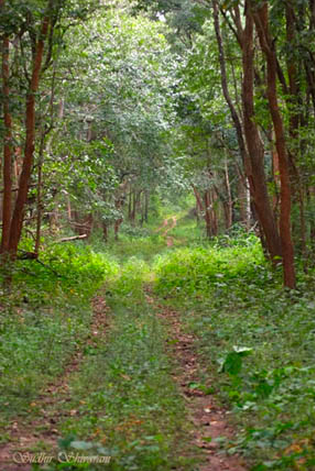
Lakkavalli Forest Range, Bhadra Wildlife Sanctuary; photo credit: Sudhir Shivaram
On Global Tiger Day Amie introduced the idea that I’ll be sharing my experiences as a wildlife photographer. Much of my time is spent doing workshops throughout India, but I’m happy to reach into the archives of my pictorial adventures to share with Organikos readers.
This is a safari from my earlier days photographing wildlife, and it’s an experience that I’ll always remember! It was around 1 pm when we reached the Lakkavalli Forest guest house, situated on top of a hill, overlooking the Bhadra dam. The road was good and the drive was quite scenic. We took the Bangalore-Tumkur-Tiptur-Arsikere-Tarikere route. As soon as we reached the guest house, we took our gear and headed into the forest. Though it was 2:30 in the afternoon and we knew that it wasn’t the best of times for spotting wildlife, we wanted to spend more time in the forest.
The forest was crawling with millions of Giant Wood Spiders. The webs spread across trees, with arachnids waiting patiently for their prey. The Lakkavalli range has a good concentration of mammals, but our timing wasn’t great on the first day. An interesting fact about the Bhadra Wildlife Sanctuary is the work done by the then DFO, Mr. Yatish Kumar, who was successful in re-locating 17 villages from within the sanctuary to the outskirts of the park. As the forest officials say, people in these villages admire him so much for his accomplishments, that they have named one of the villages as Yatish Nagar. The day’s sightings were limited to some Deer, Sambars and Gaurs. We came back to our guest house just in time for some spectacular sunset scenes.
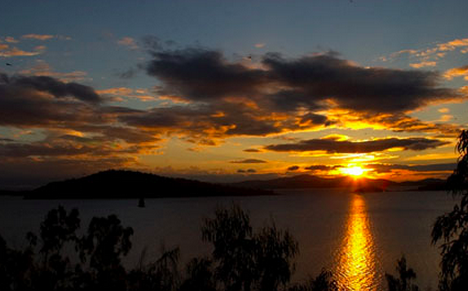
Photo credit: Sudhir Shivaram
The next morning, driver Suresh along with guard Shivarudrappa picked us up. At the sanctuary entrance a forest watcher joined us. We were very eager to sight a tiger, as a particular route (Paramagudda) was quite famous for frequent tiger sightings. We never knew what the forest had in store for us but it turned out to be my most memorable safari to date. An hour’s drive into the forest yielded nothing. Suddenly the watcher, seated at the back of the jeep shouted, “Chirte sir, Chirte” (Leopard sir, Leopard). Continue reading
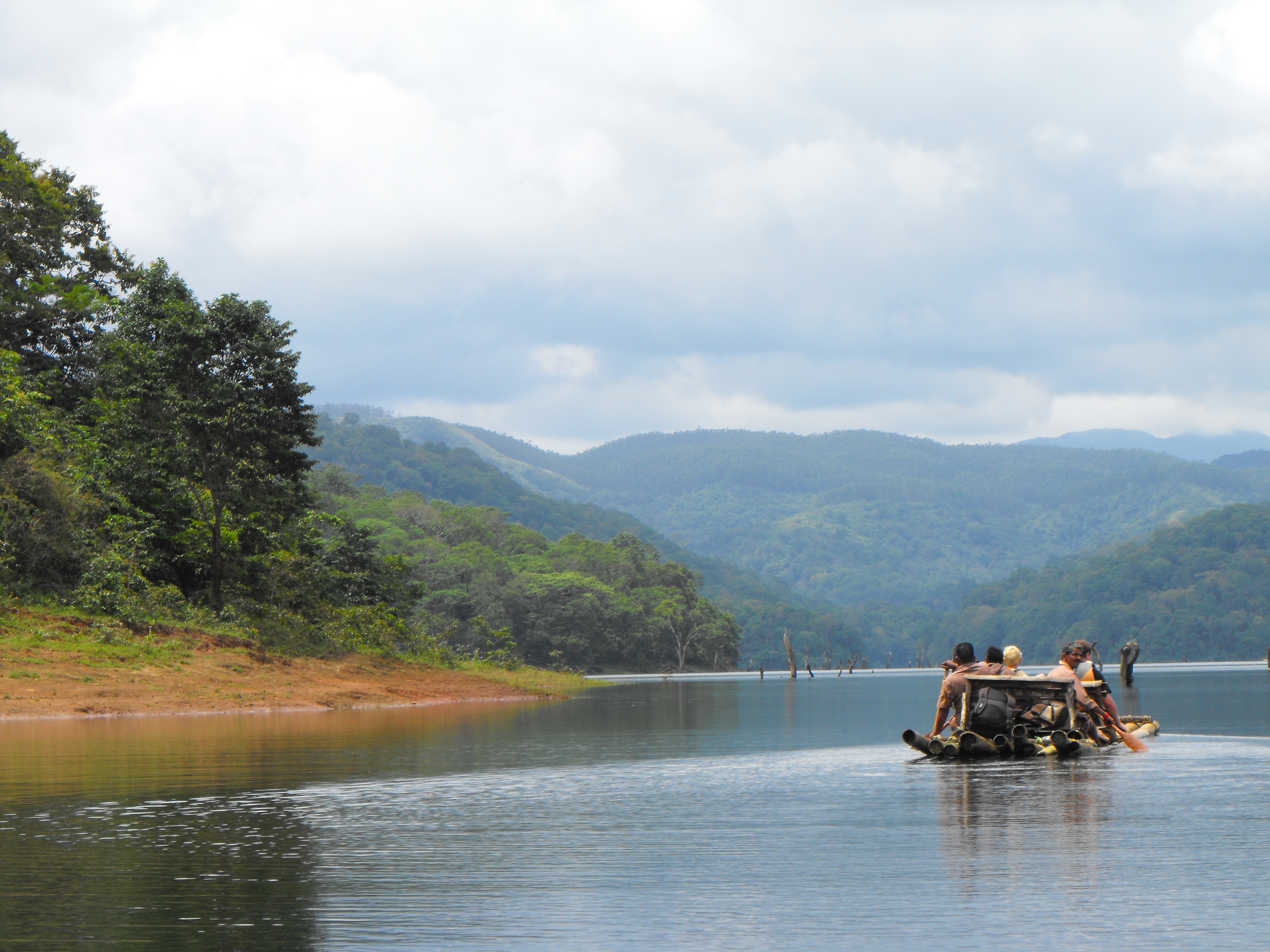
This past weekend, I had the opportunity to go Bamboo Rafting, one of the unique experiences that the Periyar Tiger Reserve has to offer. From my knowledge about bamboo, I understood that it was naturally hollow so it made sense to use it to make a floating raft. Being naïve I expected the raft to be like any water worthy vessel and stay completely above water; that’s where I was wrong. My initial experience with bamboo rafts was at the beginning of the trek where all participates had to cross a narrow section of the Periyar Reservoir. When the raft was just sitting on the water it looked perfectly dry, but when people began to step aboard the middle slowly became covered with water, which happened to be exactly where I was standing. It really freaked me out when we started moving from the shore and my water-proof boots were being put to the test. I remember saying to the person next to me “I hope you can swim” because at the time I was feeling a bit of panic that I might have to. Continue reading
Thanks to Paul Rosenfeld and Atlantic for this post and accompanying video, which is not just a nature-lover’s four minutes well spent, but a subtle tribute to the importance of collaboration in individual accomplishment:
“It’s in the wild places, in the damp clean air of an ancient forest, on a heaving ocean with unpredictable winds, on a snowy summit at the top of the world that I enter my own personal cathedral, and know where I fit in the vastness of creation,” says Jim Whittaker. Continue reading
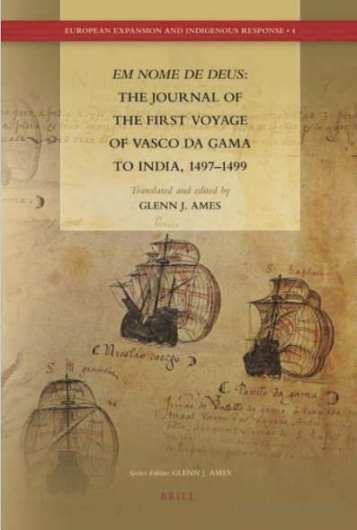
In several past posts about historically interesting interactions between Europeans and Indians, the New World variation on that story was invoked to make a point, mainly with an eye toward environmental history. Today’s Hindu has an article that draws on the history contained in the journal to the left about (Old World) Vasco de Gama’s first experience in (Older World) India, specifically the Malabar Coast and what is now the state of Kerala. Click the image to go to the source of the book, and here to go to the Hindu article:
The hero of the first Portugese contact on Indian shores is a degradado, or Portugese convict and exile, not Vasco da Gama.
One of the greatest navigators from the Age of Discoveries, da Gama, appointed by Dom Manuel, King of Portugal, for his “energy and high spirits” refused to take the initiative to go ashore on the morning of May 21, 1498. Instead, da Gama chose to wait in the depths of his ship, Sao Gabriel, while the convict Joao Nunes stepped out into the monsoon showers off the western coast of Kozhikode to meet, much to his amazement, a pair of multi-lingual Tunisian merchants. Continue reading
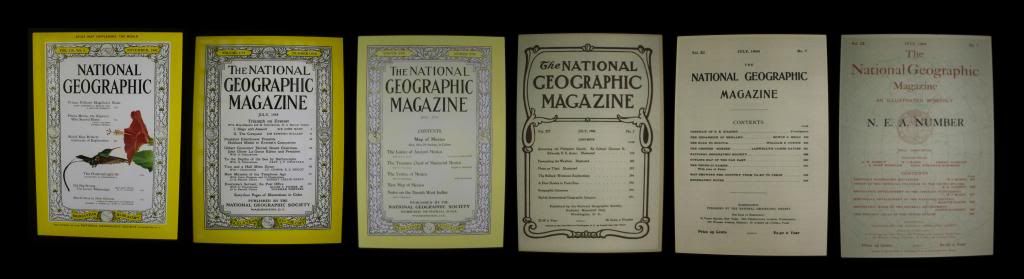
NatGeo’s magazine covers over the years, stitched together from individual photos I took at the National Geographic Museum in Washington, D.C.
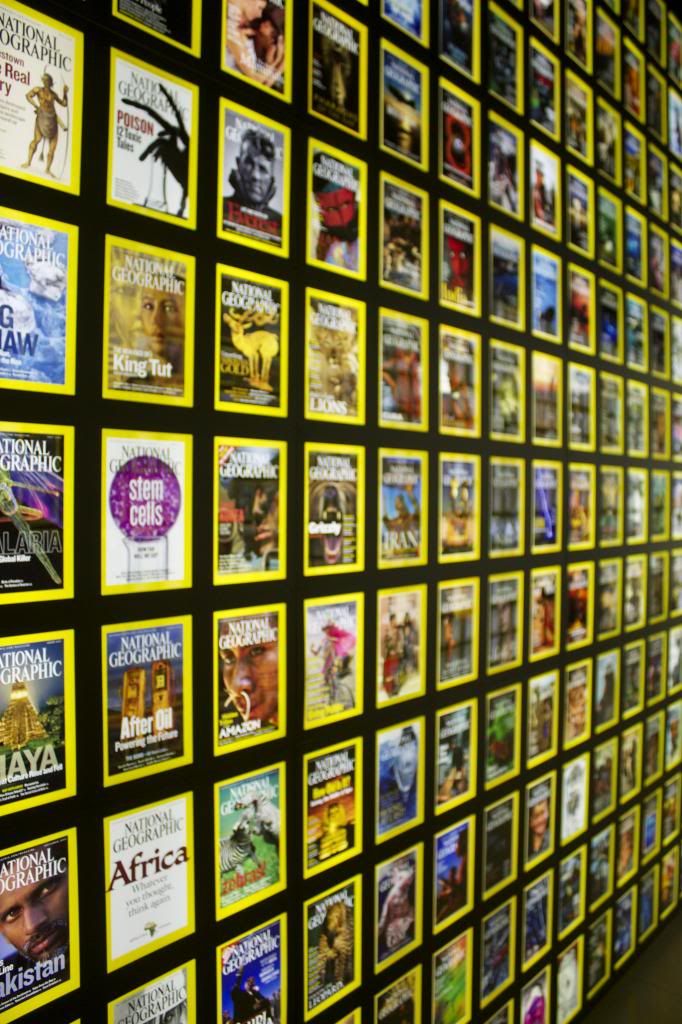 As National Geographic celebrates its 125th year of journalism, it is interesting to see how small things, like the magazine covers and the information they conveyed, have changed. In the photo above, the November, 1960 issue (far left) was priced at $1.00; the July, 1954 issue (second from left) at 65¢; and from then backwards each magazine was a whopping 25¢. Today’s magazines don’t disclose their individual price, but a yearly subscription at $15 is not too shabby considering it was $8/yr in 1960, up from $6.50 in 1954.
The July, 1954 issue’s first featured article is titled, “Triumph on Everest,” and the last, “Everyone’s Servant, the Post Office”; July, 1898 (far right in the photo above), on the other hand, saw “American Geographic Education” and “The Geologic Atlas of the United States” as the first and last articles.
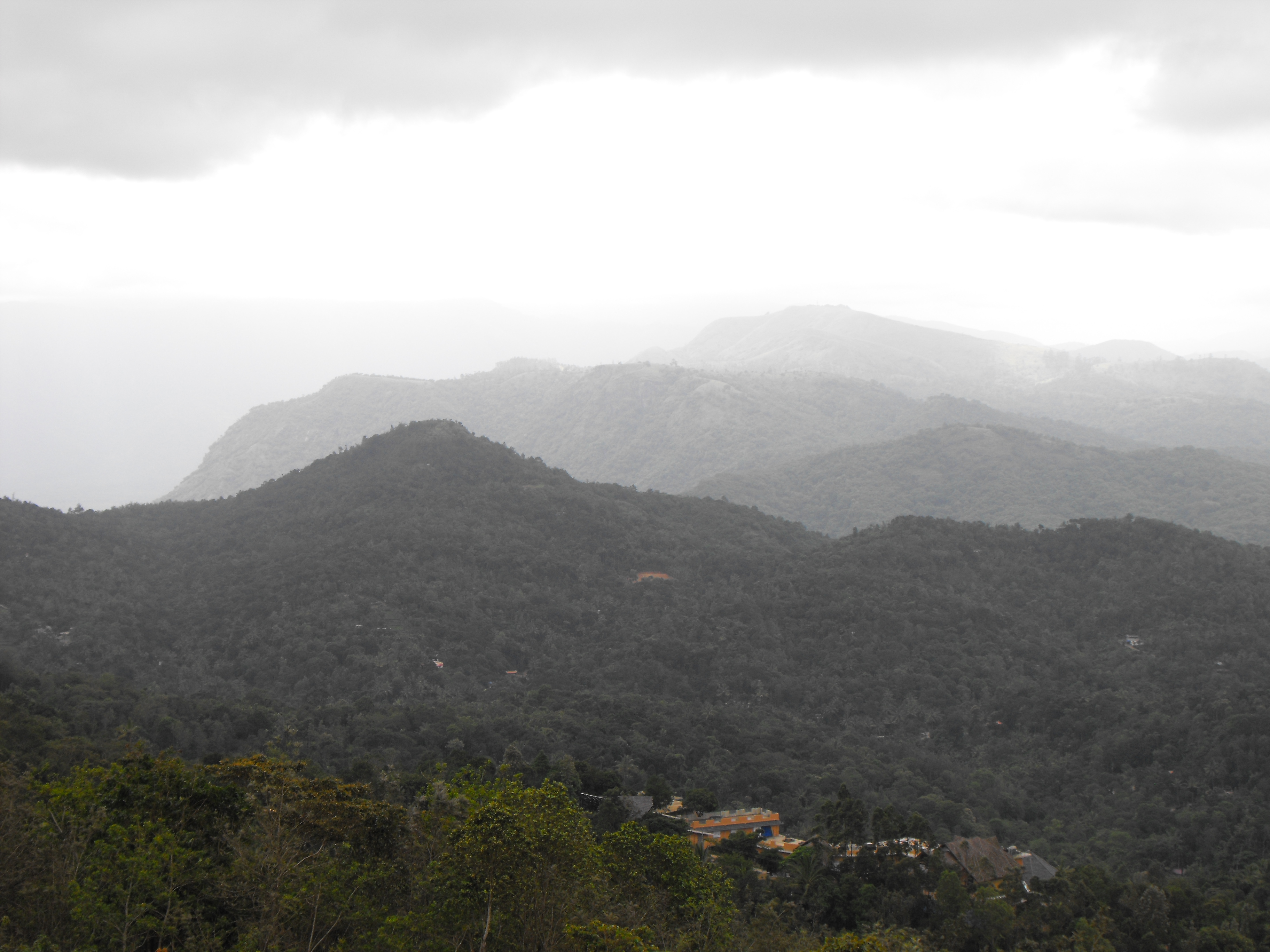
Mountain ridge border between Kerala and Tamil Nadu
This past weekend I was able to explore the surrounding areas of Kumily and Thekkady, where I am staying for the next three and a half months. For this trek I went with RAXA Collective team member Salim, who is very knowledgeable and familar with the area. First he took me to see a scenic overlook. Here I saw and learned about the natural mountain border that separates parts of the state of Kerala and Tamil Nadu. After a short drive from the overlook we arrived at a small spice plantation where Salim taught me about some of the local spices grown in the area such as cardamom, lemongrass, mint, and cinnamon. Continue reading
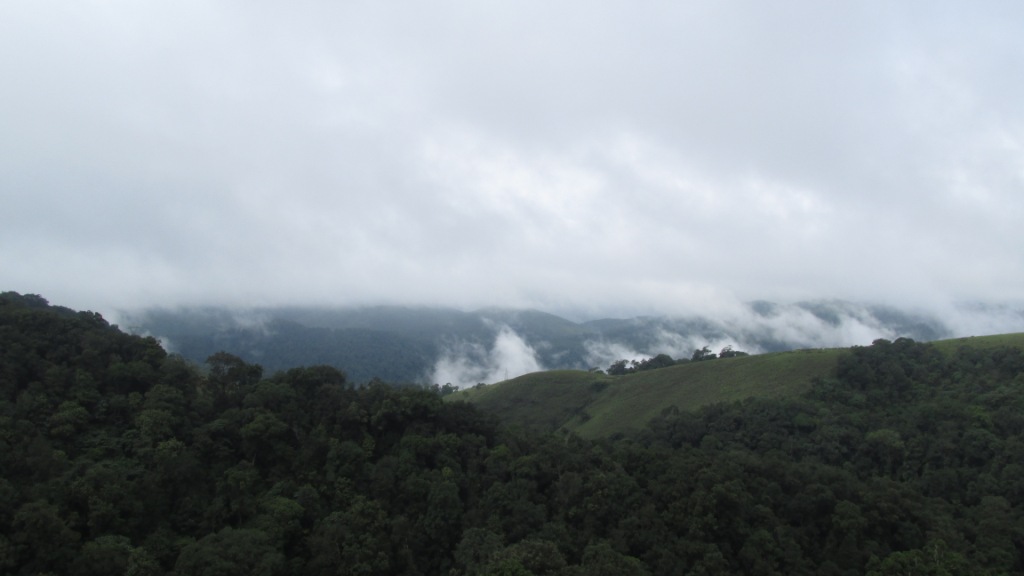
Gavi view point
Gavi is about 40km drive from Thekkady through the dense forest of the Periyar Tiger Reserve. Mr. Shakti from Chennai visited Gavi last week and shared some of his photos with us. Continue reading
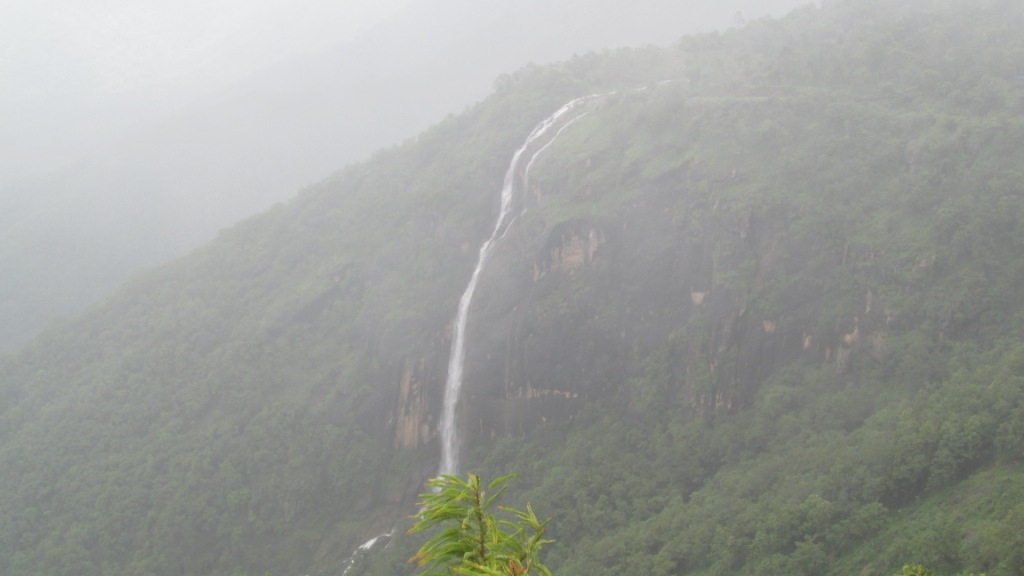
Chellarkovil Waterfalls
Chellarkovil Waterfalls is located just 14km from Thekkady. Especially during the monsoon the cascading waterfalls and the abundance of flora make this place a trekker’s and photographer’s paradise. Continue reading
There are already more than a million views of this, in what looks like one day’s time (but may be a hoax and may be old news, but does not look like either as this is posted, so we hope to add to the hype if we are correct). Thanks to the folks at The Verge for this story:
A Canadian duo and their Kickstarter-funded, pedal-powered helicopter have won one of the longest-standing challenges in the history of aviation — keeping a human-powered aircraft hovering up in the air at height of at least 9.8 feet, within a 32.8 by 32.8-foot square, for 60 seconds minimum. The challenge, known as the Sikorsky prize, has withstood at numerous failed attempts since it was established in 1980, 33 years ago, even with a $250,000 bounty. But it was finally bested earlier in June by the Atlas, a gigantic human-powered helicopter designed by Cameron Robertson and Todd Reichert, aeronautical engineers from the University of Toronto, who cofounded a company AeroVelo. Continue reading

The Shinkai6500 deep-sea submersible. Photograph: Jon Copley
Told in the first person, we appreciate Jon Copley’s account of his most recent amazing work, and the Guardian’s coverage of it:
Five kilometres, or 3.1 miles, is not a great distance on land – the length of a pleasant stroll. But five kilometres vertically in the ocean separates different worlds. On 21 June I had the opportunity to make that short journey to another world, by joining Japanese colleagues for the first manned mission to the deepest known hydrothermal vents, five thousand metres down on the ocean floor. Continue reading
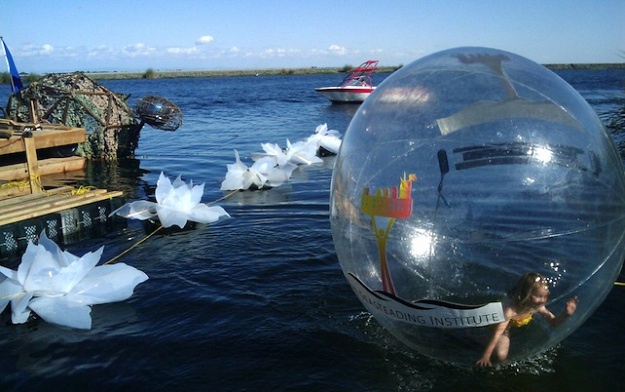
An article recently published in n+1 examines a utopian futurist form of an idea that seems oddly symmetric with Seth’s posts about the history of exploration using Iceland as a case study. Looking back, we see much in common with explorers, pioneers, pilgrims and adventurous thinkers of all sorts. Looking forward, we are inclined to embrace smart, creative, enthusiastic group efforts to resolve seemingly intractable challenges. Especially when they involve living on boats. We recommend reading the following all the way through:
To get to Ephemerisle, the floating festival of radical self-reliance, I left San Francisco in a rental car and drove east through Oakland, along the California Delta Highway, and onto Route 4. I passed windmill farms, trailer parks, and fields of produce dotted with multicolored Porta Potties. I took an accidental detour around Stockton, a municipality that would soon declare bankruptcy, citing generous public pensions as a main reason for its economic collapse. After rumbling along the gravely path, I reached the edge of the Sacramento–San Joaquin River Delta. The delta is one of the most dredged, dammed, and government subsidized bodies of water in the region. It’s estimated that it provides two-thirds of Californians with their water supply. Continue reading
 Organikos