An American Soldier, World War, and India

photo

28 years ago, a Chicago-based couple found a shoebox of photographs of the Indian countryside and they traveled halfway across the world to find their origin. PHOTO: Scroll

Here’s the plot: In 1988, a couple visited an estate sale of a deceased friend and stumbled upon a shoebox of old photographs tucked under a couch. It contained more than a hundred envelopes filled with negatives and contact sheets for photographs depicting India in 1945. The identity of the photographer: unknown.

But only until they set out to discover the man behind the lens. The answer (and the photographs) hang at Delhi’s Indira Gandhi National Centre for the Arts till January 31.

Continue reading

Wall Dancing & Puzzle Solving

Ashima

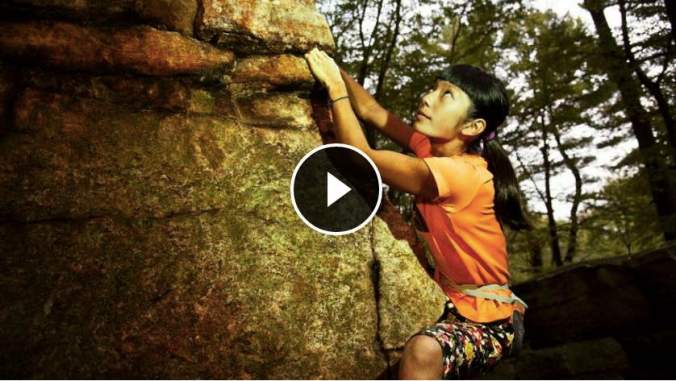
THE CLIMBER’S LIFE. Ashima Shiraishi on why she climbs.

Just when we thought we had shared the most awesome recent story from the world of climbing, now this profile, which helps us see dancing and puzzle-solving where we once saw expeditions:

…Ungrudgingly admired by seasoned dirtbags and muscular young rock rats, she is, even though still young, perhaps the first female climber whose accomplishments may transcend gender, and the first rock climber who could become a household name. Continue reading

Slacklining Revisited

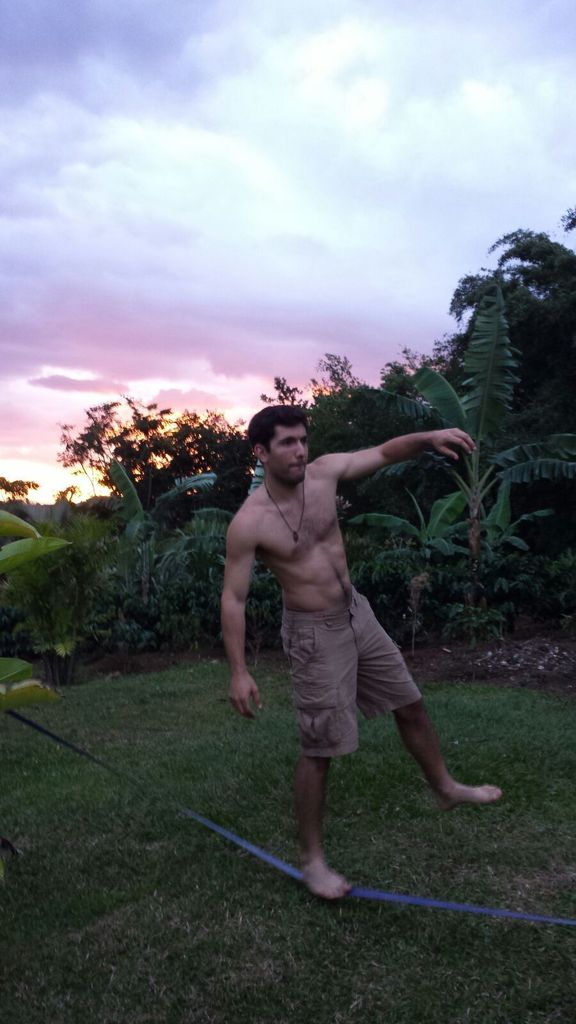
Slacklining at the west farm at Xandari. Photo by Jocelyn Toll.

A little over a year ago, James wrote about slacklining while here at Xandari, since we were both practicing the recreational activity a few times a week. Back in the day, we had to search far and wide for appropriate trees on which to anchor our line, finally settling for orange trees in the orchard that we rotated between. Since then, we have two special spots designed for slacklining at Xandari, one by the west pool, where the sunsets make for a great view (see left), and another down below the studio, where the line can be set up at a longer distance and the posts are strong enough to take some serious bouncing.

Our studio slackline, however, is nowhere near as long or strong as that which Théo Sanson walked in Utah last week. As you can see in the video below, he traversed a “highline” that must have been a thousand feet above the ground, anchored between two landmarks in the desert of Castle Valley. The music you hear in the background of the video happens to be one of my favorite soundtrack pieces, drawn from Ennio Morricone’s work for the western film The Good, the Bad, and the Ugly.

Continue reading

When A Legend Fades Away

Stories about the Yeti date back thousands of years, especially in the Himalayan nations. Legends say it can be seen only when it comes down from the high mountains to lower elevation and that it passes through the forests and into the villages where it surprises or scares people and sometimes kills a yak for food. Several climbers claim to have seen an unusual animal on their way up Mount Everest. A few have taken photographs of very large footprints in the snow, claiming they belong to the Yeti. It has another name that many people will recognize: Abominable Snowman. Think of a big human-like animal covered in white hair, with huge canine teeth and very big footprints.

But now, no one’s looking for the Yeti.

Continue reading

A Tiny Land and Its Large Ocean Reserve

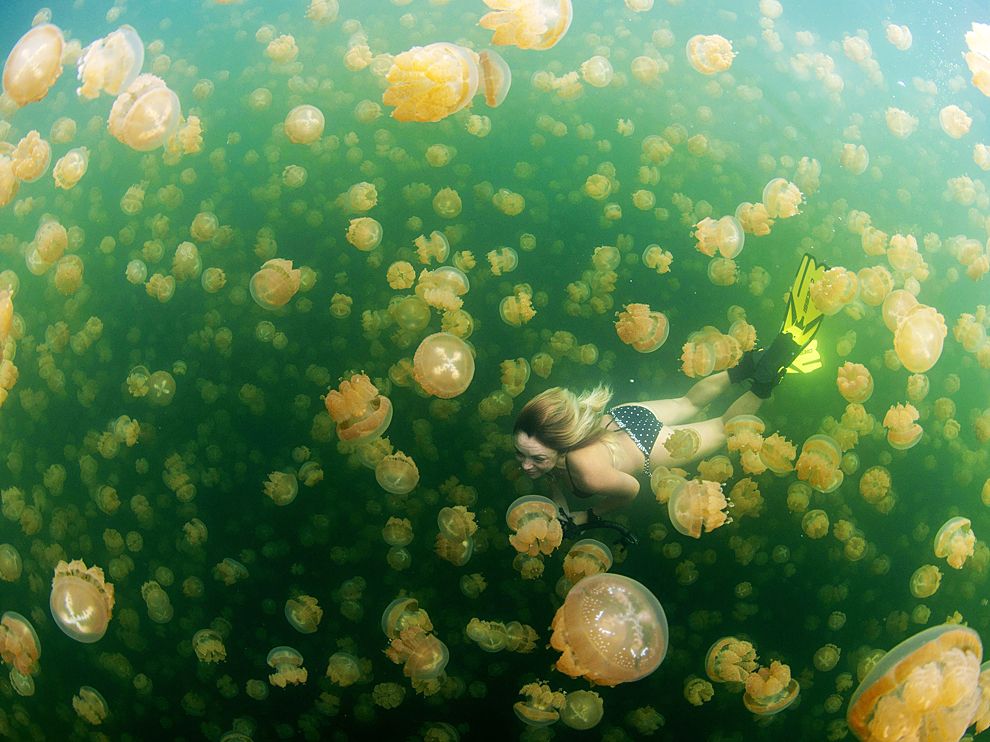
The president of Palau signed legislation Wednesday designating a reserve that's about 193,000 square miles (500,000 square kilometers) in size. This makes it one of the five largest fully protected marine areas in the world. PHOTO: National Geographic

The president of Palau signed legislation Wednesday designating a reserve that’s about 193,000 square miles (500,000 square kilometers) in size. This makes it one of the five largest fully protected marine areas in the world. PHOTO: National Geographic

The Chilean government recently announced that it has created the largest marine reserve in the Americas by protecting an area hundreds of miles off its coast roughly the size of Italy. The new area, called the Nazca-Desventuradas Marine Park, constitutes about eight percent of the ocean areas worldwide that have been declared off-limits to fishing and governed by no-take protections. Now, the Pacific island nation of Palau has resolved to protect nearly 80% of its oceans.

Continue reading

On the Rocks

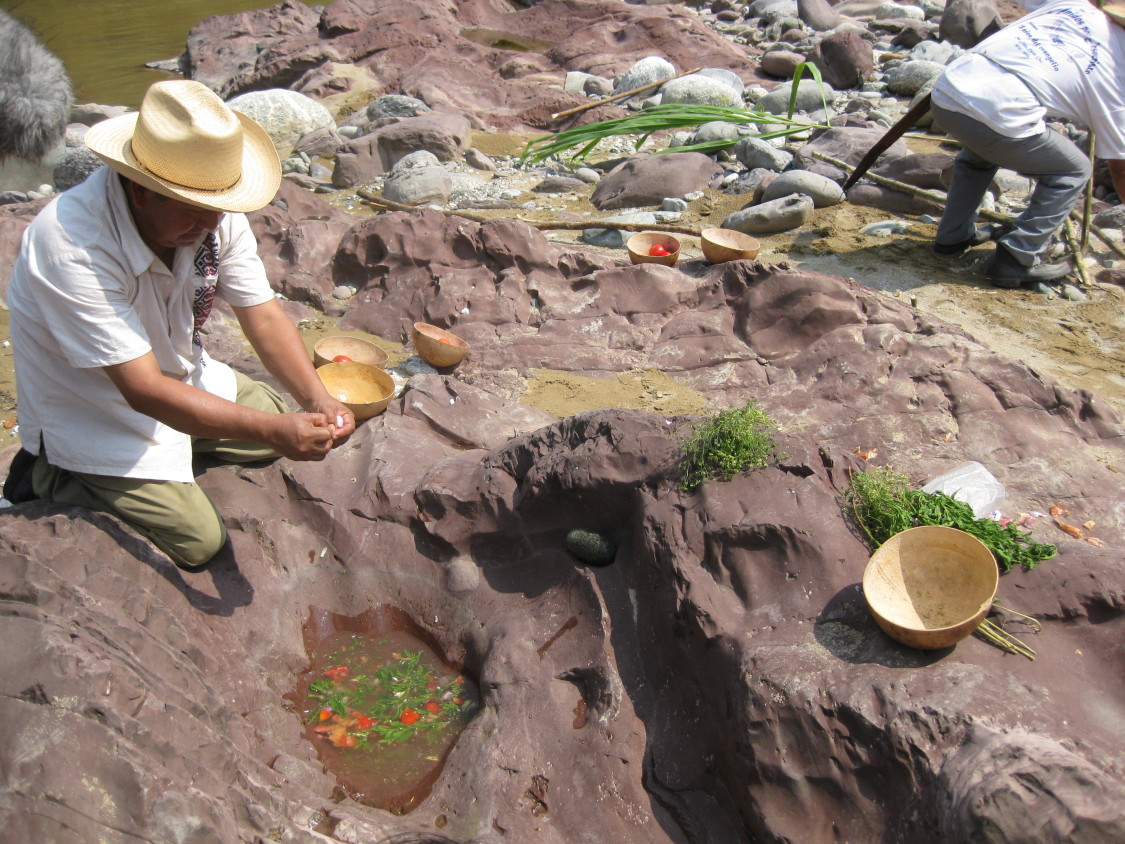
Chinatec elders prepare stone soup the traditional way, by the Papaloapan River. PHOTO: SARAH BOREALIS

Chinatec elders prepare stone soup the traditional way, by the Papaloapan River. PHOTO: SARAH BOREALIS

National Geographic’s The Plate explores the “global relationship between what we eat and why, at the intersection of science, technology, history, culture and the environment”. The latest in its daily discussion on food is the preparation of  real stone soup in Oaxaca, Mexico.

The soup originated in a remote ritual site in the Papaloapan River basin, about 12 hours by car from Oaxaca City, in the highlands of the Sierra Madre mountain range. The geography there is very rocky, and in the Pre-Ceramic [period,] Chinantec ancestors developed an elemental way to cook their food using fire and stone. The ritual site features large boulders excavated to serve as large cooking pots, and I guess you might say that the rest is history! The recipe for stone soup features local ingredients and really is a product of this unique environment.

Continue reading

Mark Your Calendar for Steve McCurry

Do you remember the image of the Afhan girl that made the cover of the June 1985 issue of National Geographic? It is regarded as one of the world’s most recognizable photographs. And the man behind it is Steve McCurry. Since then, McCurry has traveled extensively, later returning to India to create the series’ “Monsoon” and “India by Rail.” Photographs from these collections, including some that have never been seen before, will be showcased in a new exhibition by the International Center of Photography and the Rubin Museum of Art that opens on November 18th.

Continue reading

Where World Heritage Sites Meet

A variety of birds, frogs, and crocodiles can be spotted while cruising the mangrove-lined Daintree River. Photo: David Wall/Dinodia

A variety of birds, frogs, and crocodiles can be spotted while cruising the mangrove-lined Daintree River. Photo: David Wall/Dinodia

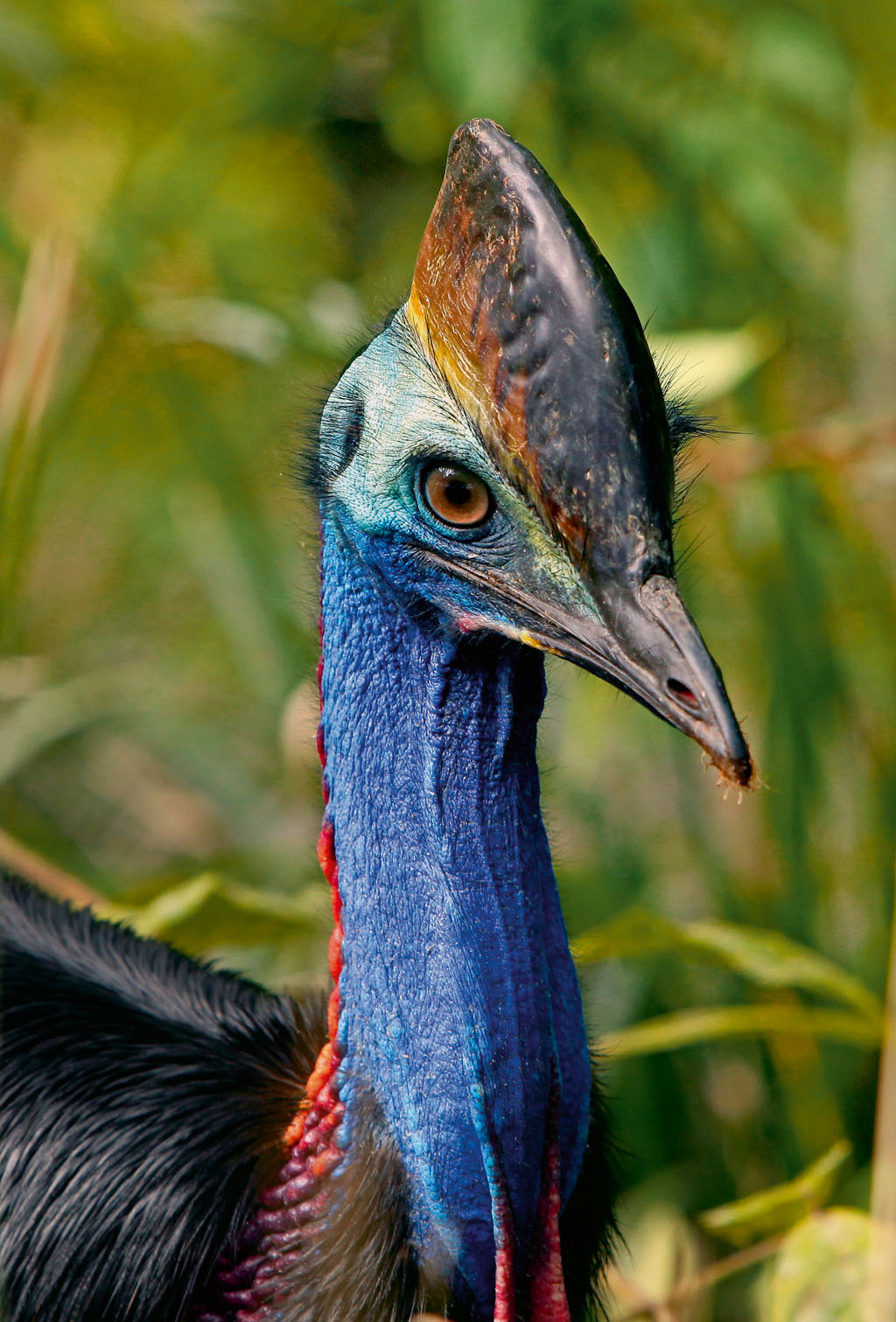
Unique to Australia, the flightless cassowary bird lives a solitary existence for most of its life. It is integral to the survival of many of the plants of this rainforest. Photo: CCOPhotostockBS/Dinodia

Unique to Australia, the flightless cassowary bird lives a solitary existence for most of its life. It is integral to the survival of many of the plants of this rainforest. Photo: CCOPhotostockBS/Dinodia

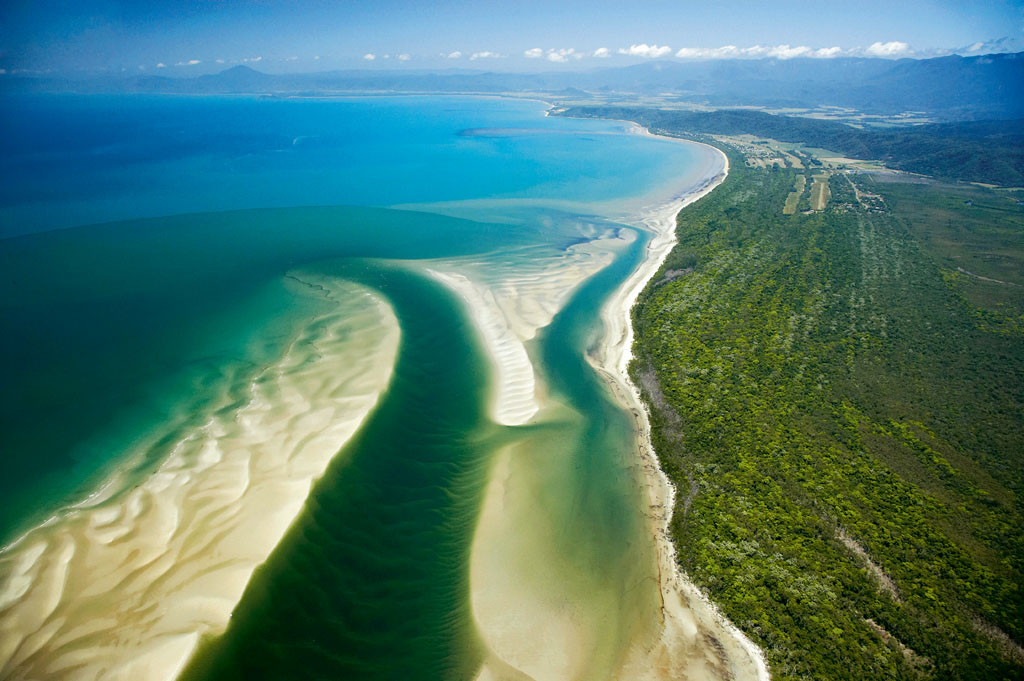
The list of the World Heritage Sites, as recognized by UNESCO, is a goldmine of history, natural and cultural patrimony. It tells of places and cultures that warrant a second look, an effort to better understand them. And of all the geography the list covers, there’s only one place where two Heritage Sites meet: the Daintree Rainforest and the Great Barrier Reef.

Continue reading

Leaving the Map Behind

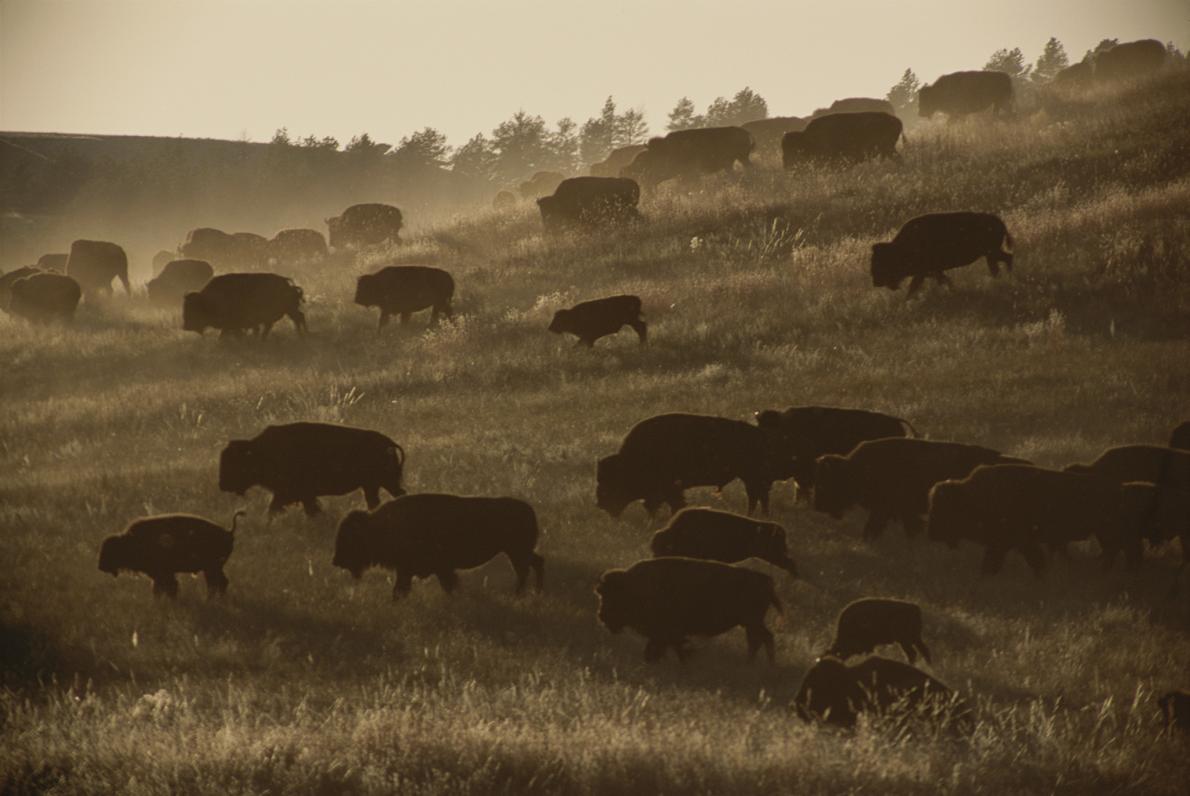
Bison, like these at Custer State Park, in South Dakota, were central to the Plains Indians. But when the U.S. National Parks Service tried to reintroduce them to Lakota lands, it tore the community apart.  PHOTO: SARAH LEEN, NATIONAL GEOGRAPHIC CREATIVE

Bison, like these at Custer State Park, in South Dakota, were central to the Plains Indians. But when the U.S. National Parks Service tried to reintroduce them to Lakota lands, it tore the community apart. PHOTO: SARAH LEEN, NATIONAL GEOGRAPHIC CREATIVE

Rewilding is the idea that, having extirpated many species, by returning large animals and birds like the California condor to the landscape, we can restore key ecosystem functions. The most famous example is probably the reintroduction of grey wolves to the northern Rockies and the Mexican grey wolf to the desert Southwest in the mid-late’90s. There’s a phenomenon called trophic cascade, which means that a large predator like a wolf has a regulatory effect on the entire food chain. In Yellowstone, the return of wolves has meant that the elk can’t be fat and lazy and start to browse in a different fashion, which in turn allows aspen and beavers to come back.
If 20th-century conservation was about drawing lines on a map and saying, this is a park or preserve, 21st-century conservation is about filling in those lines, bringing back animals that have been extirpated.

Rewilding, the need and benefits of having places that are off the map, modern day cave woman Lynx Vildern make for some pages of Satellites In The High Country: Searching For The Wild In The Age Of Man, by Jason Mark, cofounder of the largest urban farm in San Francisco.

Continue reading

What Does the World Heritage Tag Mean?

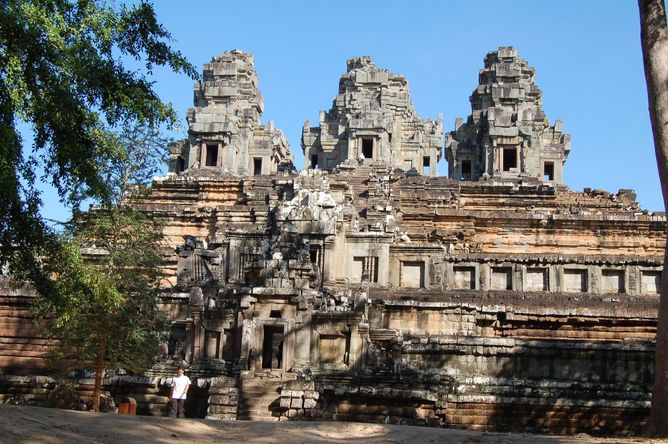
Ta Keo temple in Angkor, Cambodia. Source : China, Singapore, CC BY-SA

Ta Keo temple in Angkor, Cambodia. Source : China, Singapore, CC BY-SA

The idea of creating an international movement for protecting heritage emerged after World War I. The 1972 Convention concerning the Protection of the World Cultural and Natural Heritage developed from the merging of two separate movements: the first focusing on the preservation of cultural sites, and the other dealing with the conservation of nature. But what comes with the World Heritage tag?

Continue reading

Jerusalem’s 800-year-old Indian Connect

There is a little corner of Jerusalem that is forever India. At least, it has been for more than 800 years and its current custodian has plans for his family to keep the Indian flag flying for generations to come. PHOTO: BBC

There is a little corner of Jerusalem that is forever India. At least, it has been for more than 800 years and its current custodian has plans for his family to keep the Indian flag flying for generations to come. PHOTO: BBC

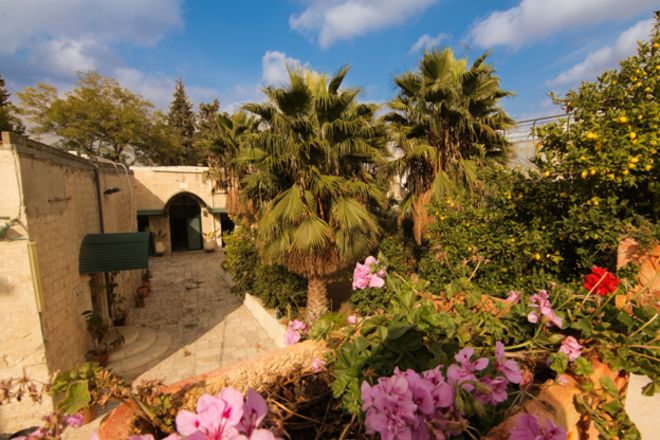
For close to a century, many generations of an Indian family have been looking after the Indian Hospice, a symbol of India’s heritage, in the old city of Jerusalem.The Indian Hospice was born in 1924, with Sheikh Nazir Ansari, a police inspector’s son from Saharanpur in Uttar Pradesh, becoming the first Indian to look after the hospice, situated opposite Herod’s Gate in the old city. Since then generations of the Ansari family have kept the Indian flag flying in a situation which is “politically fraught where every inch of territory is claimed or counter-claimed”.

From the roof he flies an Indian flag, its saffron and green visible over a city that remains as volatile as ever. Sheikh Munir, though, is not easily intimidated. “I am not afraid. I am satisfied for the future, that we, the Ansari family, are serving. After me, my elder son, Nazer, should replace me as Sheikh of the zawiyya [lodge].”

I ask if Nazer, who works overseas, is interested in taking over. Sheikh Munir hesitates. From a frame on the wall, his father looks down silently. The old man raises his hands, palms up.

“It’s not a question of interested.”

Continue reading

India’s Forgotten Stepwells

All across India, elaborate subterranean temples are hidden in plain site. Constructed between the 2nd century and 4th century AD, these massive and ornate stepwells were built both for spiritual bathing and as a way to access water tables during monsoon season and drought seasons. Many stepwells have been abandoned and are in disrepair since the introduction of modern waterworks, plumbing and village taps. Some have been destroyed. Because the water table is even lower in recent years, many are now dry. Victoria Lautman, a freelance journalist in Chicago, has been traveling around India documenting stepwells before more fall into dereliction are destroyed by neglect or outright demolition.

Continue reading

History Underground

The tunnel system must be one of the most mysterious engineering projects in Liverpool’s history. One entrance into the tunnels was found in the basement of their patron’s former house (Credit: Chris Iles/Friends of Williamson’s Tunnel)

The Williamson’s tunnel system must be one of the most mysterious engineering projects in Liverpool’s history. One entrance into the tunnels was found in the basement of their patron’s former house PHOTO: Chris Iles

The Williamson Tunnels are a labyrinth of tunnels and underground caverns under the Edge Hill district of Liverpool in north-west England. They were built in the first few decades of the 1800s under the control of a retired tobacco merchant called Joseph Williamson.The purpose of their construction is not known with any certainty. Theories range from pure philanthropy, offering work to the unemployed of the district, to religious extremism. Although some of the tunnels have been lost over the years, a lot of them still exist today, under what is now a residential area. One section of the tunnels has been cleared and renovated and is open to the public. The remaining parts of the labyrinth are closed, with many suspected tunnels yet to be rediscovered.

Continue reading

Meeting within Periyar Tiger Reserve

photo credit: Sudhir Shivaram; Barnawarpara Wildlife Sanctuary in Chhattisgarh

Just a few days ago, I went for the first time to the Periyar Tiger Reserve in Thekkady, which is one of the most important national parks in Kerala. For sure, luck was going our way! We saw so many things: different monkeys, awesome birds, multicolored frogs … but the most amazing and unexpected meeting in this dense forest was one with an animal that I would never have imagined seeing: a leopard! Even if it was obviously fleeting in one sense, it was also a timeless moment that I will remember. None of us had time to take a picture of the animal, which is why I’m using a photo by Sudhir Shivaram taken in Barnawarpara Wildlife Sanctuary in Chhattisgarh. The photo is also much closer than the scene that we experienced, where the leopard was fifty meters in front of us.

Sudhir’s quote below is a good way to show how fast it was and how lucky we are to have looked at the right time in the right place.

I keep saying – In Wildlife Photography you get 0-3 seconds to make your image, otherwise you have missed the opportunity. That’s exactly what happened to me in this case. Continue reading

If You Are in DC…

The Capitol stones at Rock Creek Park in DC. PHOTO: Bill Lebovich

The Capitol stones at Rock Creek Park in DC. PHOTO: Bill Lebovich

When the dust settled after 9/11, shipbuilders recycled the Twin Towers’ steel into the USS New York. And when the United States Capitol got a face-lift, the old stones were destined for an almost forgotten existence in a Washington, D.C. forest. Save for the occasional runner who veers off his usual trail and the rare visitor with ample time to explore more of the Rock Creek Park, not many have chanced upon and delved into the history of the pile of moss-covered stone columns. Obscura Society is headed there this week, and you may want to join them.

Continue reading

A Fitting Anniversary Surprise

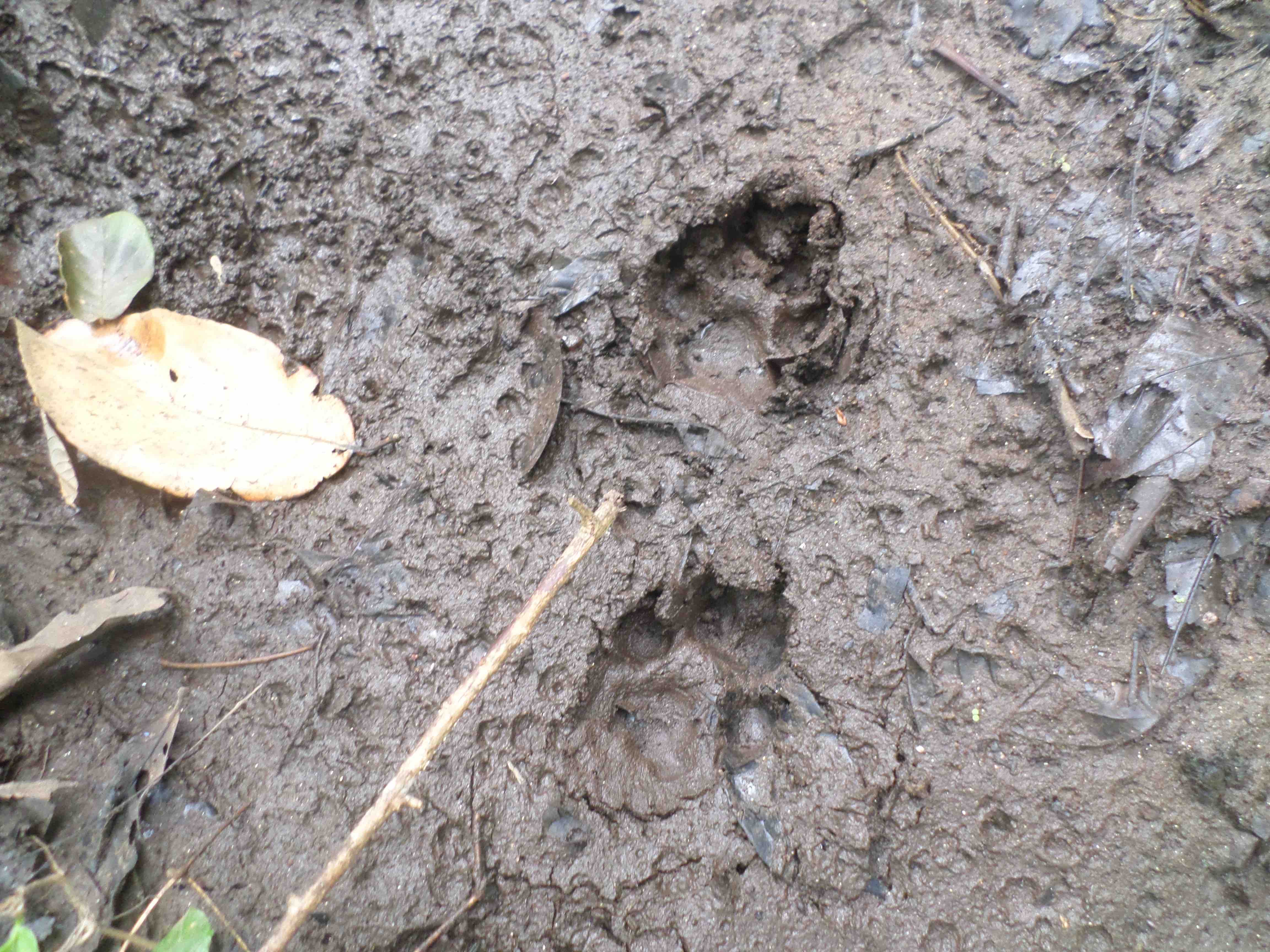
Leopard Paw Prints, Periyar Tiger Reserve

Leopard Paw Prints, Periyar Tiger Reserve

Five years ago last week several of us moved to Kerala, India. Sometime in the first year one of us took a photo of a huge tiger paw print while trekking through the Periyar Tiger Reserve. Two of us had the briefest of brief sightings of a tiger, back then as well, with the tiger leaping across the trail we were on, doing its best to avoid us and move on…

Now, exactly five years in, we had what anyone would describe as the ideal nature encounter.  Continue reading

China, Watch the Air Pollution

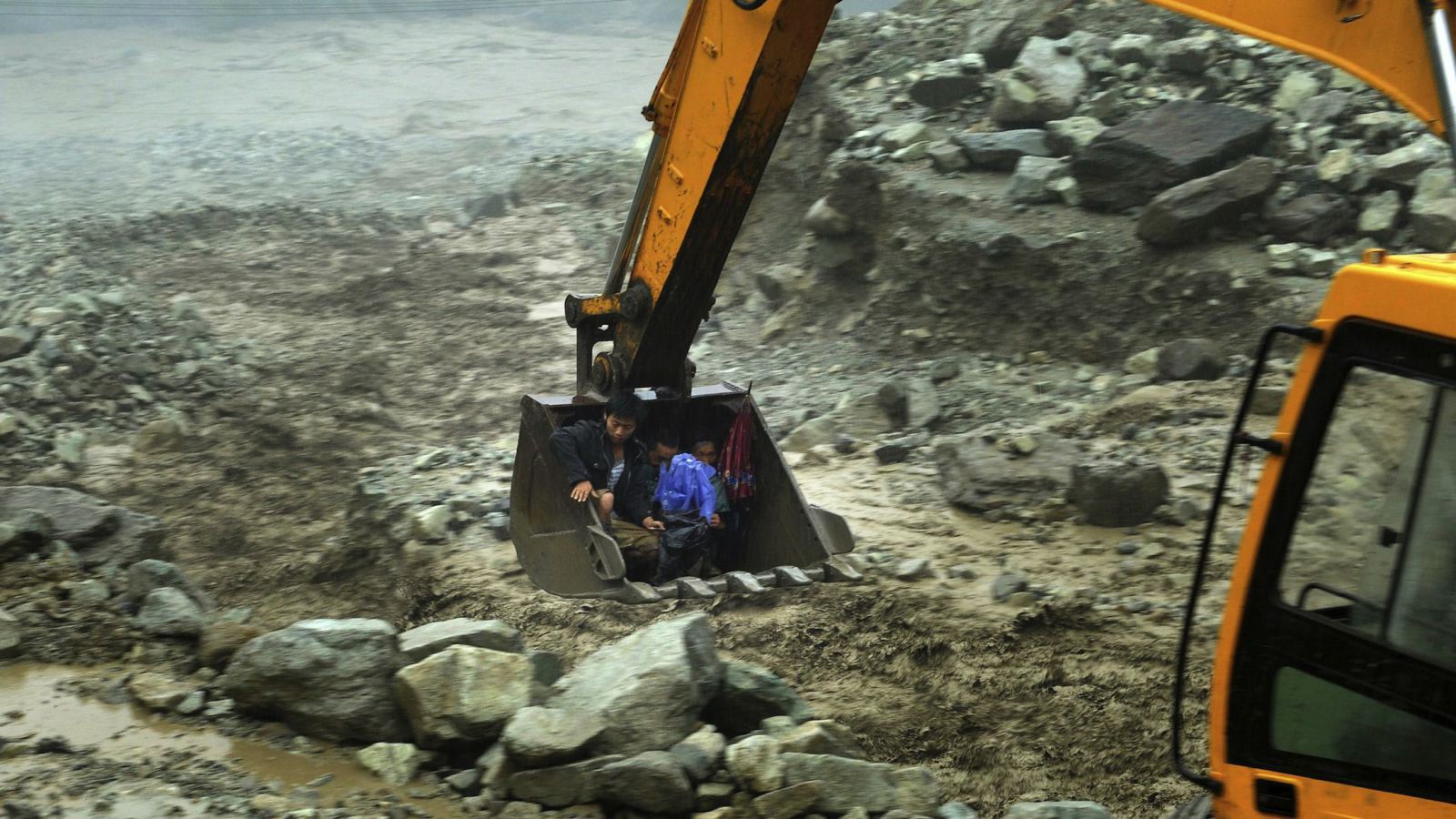
An excavator moves villagers away from a flooded area in Sichuan province in July, 2013. PHOTO: Reuters

An excavator moves villagers away from a flooded area in Sichuan province in July, 2013. PHOTO: Reuters

Soot and air pollution may have caused China’s worst flood in 50 years, according to a recent study. In July 2013, a mountainous region in the Sichuan province was pounded by 94 cm of rain over the course of five days, floods that left 200 dead and 300,000 others displaced.

Continue reading

For the Love of the Beautiful Game

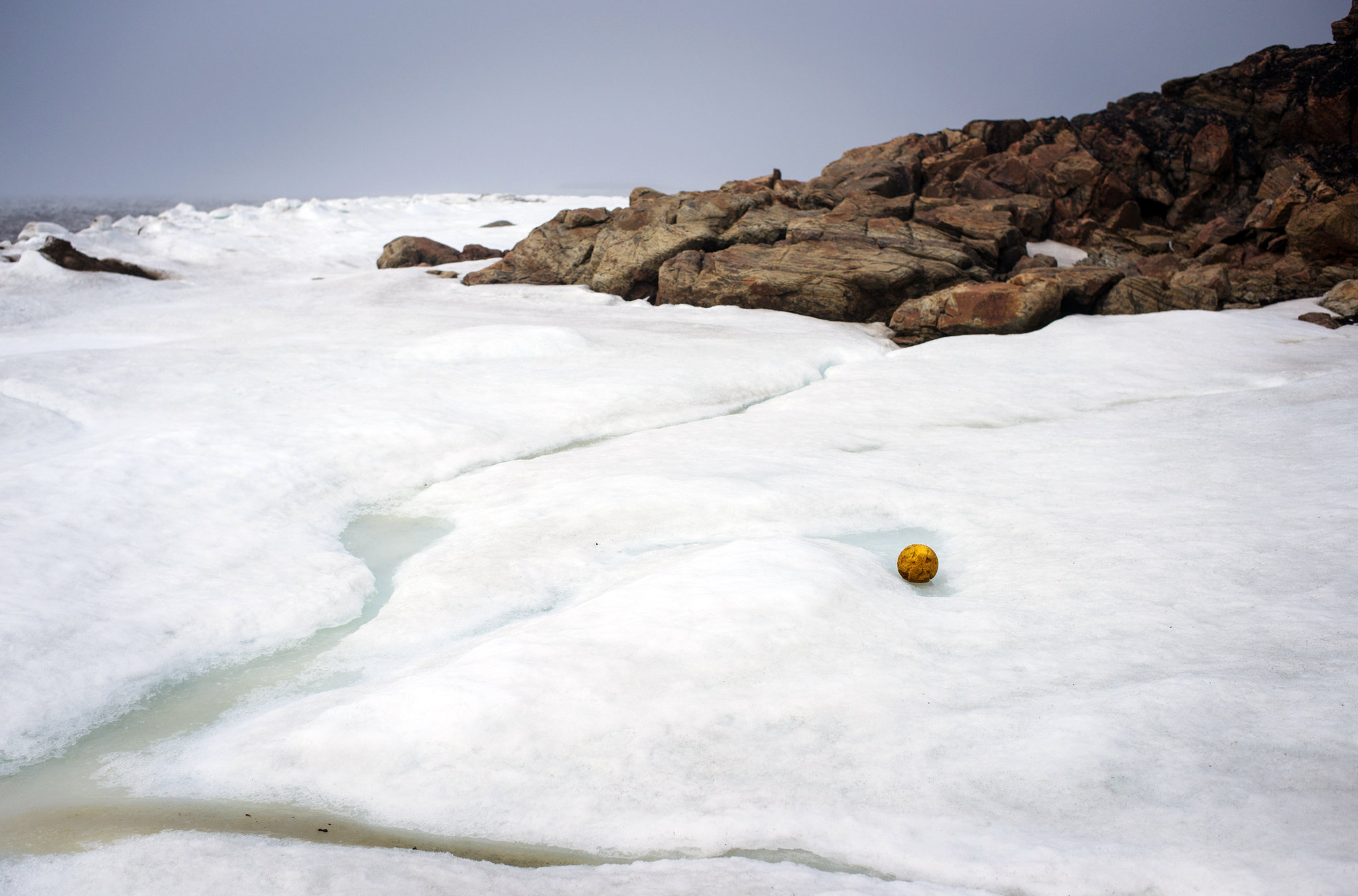
Even in late June, ice clotted Frobisher Bay in Iqaluit, where teams from across Nunavut met to compete in a soccer tournament.PHOTO: Ian Willms for The New York Times

Even in late June, ice clotted Frobisher Bay in Iqaluit, where teams from across Nunavut met to compete in a soccer tournament.PHOTO: Ian Willms for The New York Times

Sports, like most aspects of life, are not easy in the Canadian Arctic. But a major youth tournament recently revealed soccer’s importance to the area. Sports, like everything in the Arctic, demand constant, patient improvisation. Nunavut makes up about 20 percent of Canada’s land mass and is more than twice the size of Texas, but it has only an estimated 36,000 inhabitants, predominantly Inuit. There are no roads connecting the 25 communities in this vast territory. Every trip requires a snowmobile, a dogsled, an all-terrain vehicle, a boat or an airplane. Contingencies must be made for immense distance, mercurial weather, extravagant costs and geographic paradox. Soccer is best played on plush grass, but nearly all of Nunavut is tundra. So the sport has adapted.

Continue reading

For the Love of Rains and Traditions

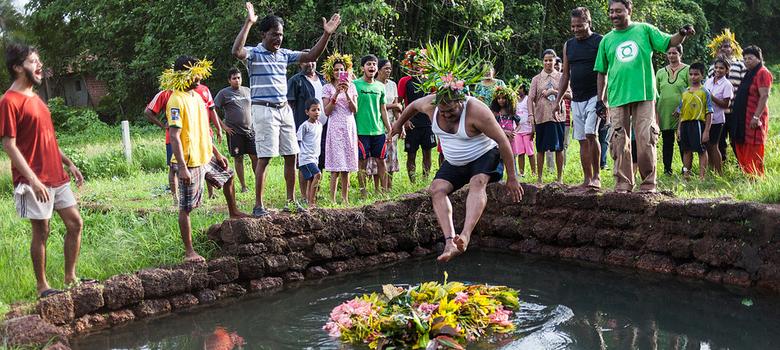
Celebrated in June every year, San Joao is one of Goa's cultural festivals. Tradition has it that it was on this day that unborn St. John the Baptist 'leapt with joy' in his mother Elizabeth's womb, as Mary, the mother of Jesus visited her.

Celebrated in June every year, San Joao is one of Goa’s cultural festivals. Tradition has it that it was on this day that unborn St. John the Baptist ‘leapt with joy’ in his mother Elizabeth’s womb, as Mary, the mother of Jesus visited her. PHOTO: Harsha Vadlamani

Yes, this is yet another rain-inspired story, after the one on Communist reading rooms. But such is the power of the Indian monsoon, that it can sway even the most stoic of minds. For comparison, the feelings and emotions associated with the deluge mirror those of when sighting the first of the cherry blossoms or even the Northern Lights. May be less, may be more. Any how, this post is about a fun tradition that has its roots in the picturesque villages of Goa, a popular tourist destination. And the feast of Sao Joao is a playful mix of religion, tradition, lots of merrymaking, and jumping into wells. Yes, wells. And oh, the event marks the six-month countdown to Christmas!

Continue reading

Who Are You in the Wild?

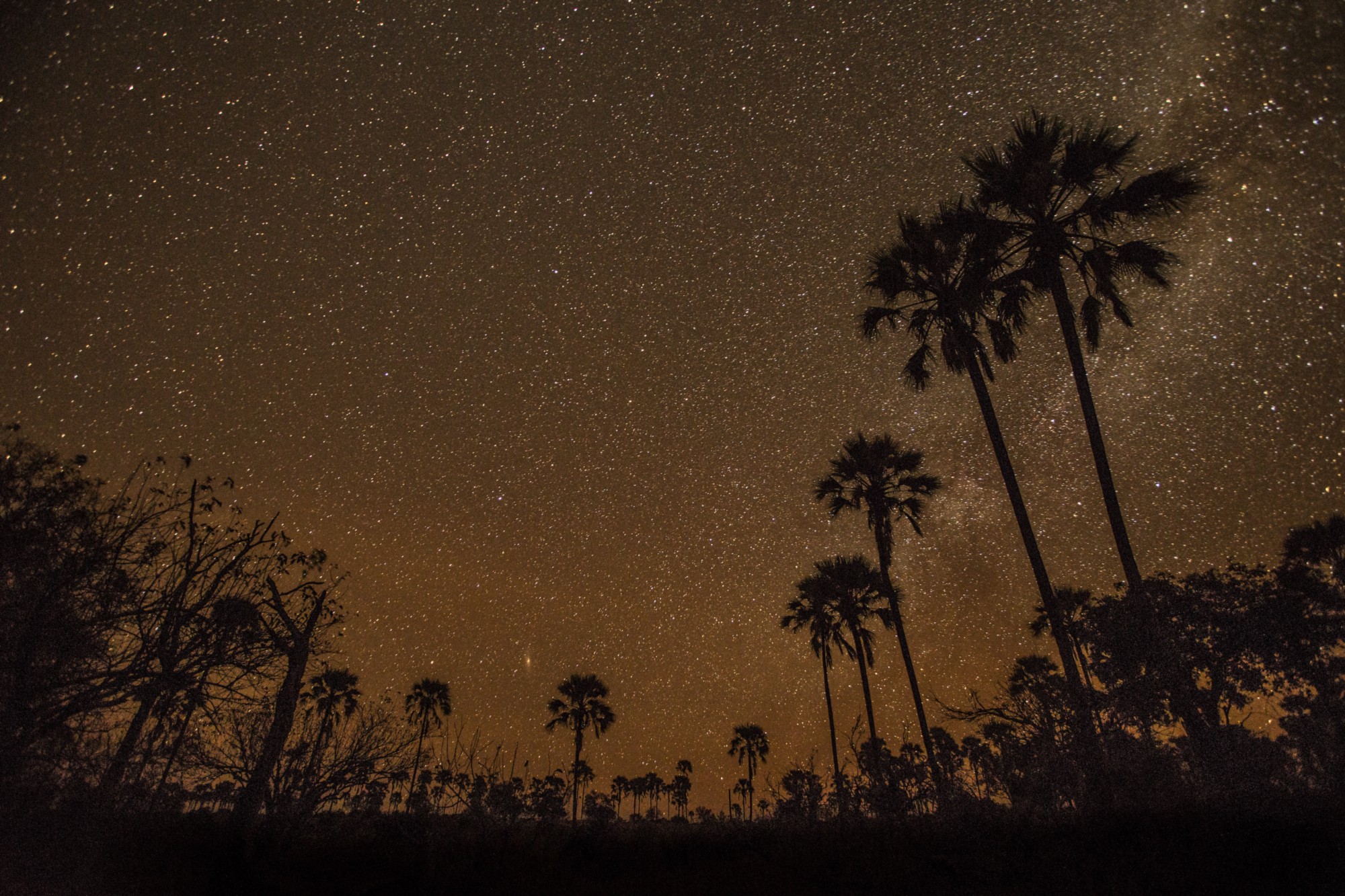
The Okavango Delta is home to the largest-remaining elephant population and keystone populations of lion, hyena, giraffe and lechwe antelopes. It’s the size of Texas, and visible from space. PHOTO: James Kydd

The Okavango Delta is home to the largest-remaining elephant population and keystone populations of lion, hyena, giraffe and lechwe antelopes. It’s the size of Texas, and visible from space. PHOTO: James Kydd

What can one man do towards protecting the wild? For starters, your efforts could center around saving Africa’s last remaining wetland wilderness. Then, you could be so relentless in your mission that UNESCO includes your ‘battleground’ in its World Heritage List. Then, you keep at your preservation project until you meet the Minister of Environment and get him to sign a pact on protecting the river system. If that all sounds good to you, allow us to introduce explorer Steve Boyes who has done all of the above and pledged his life to the conservation of the Okavango River Delta.

Located in northern Botswana, this untouched 18,000 square kilometer alluvial fan is the largest of its kind, and is supplied by the world’s largest undeveloped river catchment — the mighty Kavango Basin. The Okavango Delta is home to the largest-remaining elephant population and keystone populations of lion, hyena, giraffe and lechwe antelopes. It’s the size of Texas, and visible from space.

Continue reading