Pampanar – Thekkady, Kerala

Tea Estates

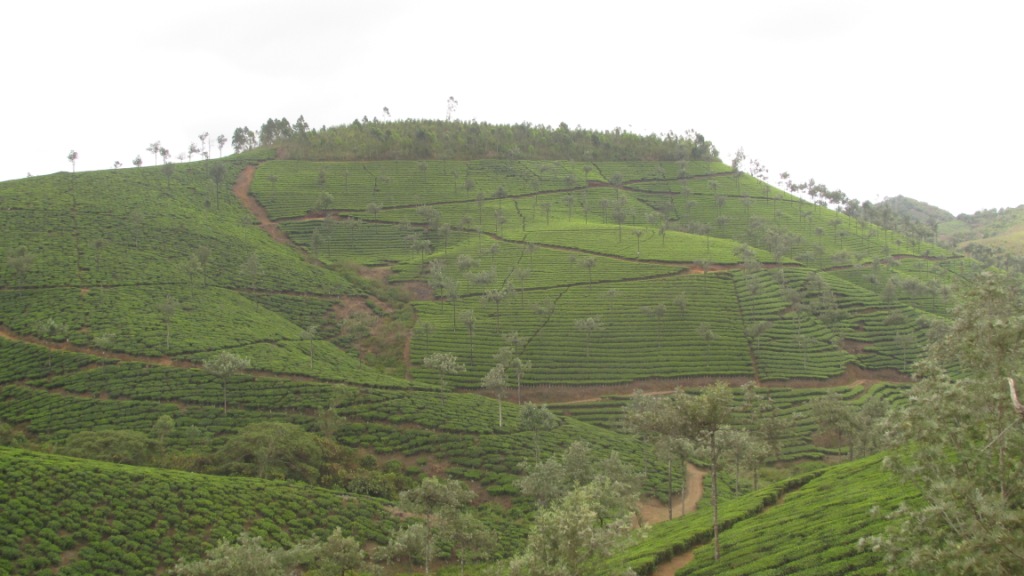
Pampanar is located near Thekkady en route to Kottayam. It is a picturesque place with an unending expanse of lush green tea plantations. Tea estates, lush hillsides, forests and coffee estates views lend charm to this hill station. Continue reading

Chellar Covil – Thekkady, Kerala

chellar covil

Chellar Covil

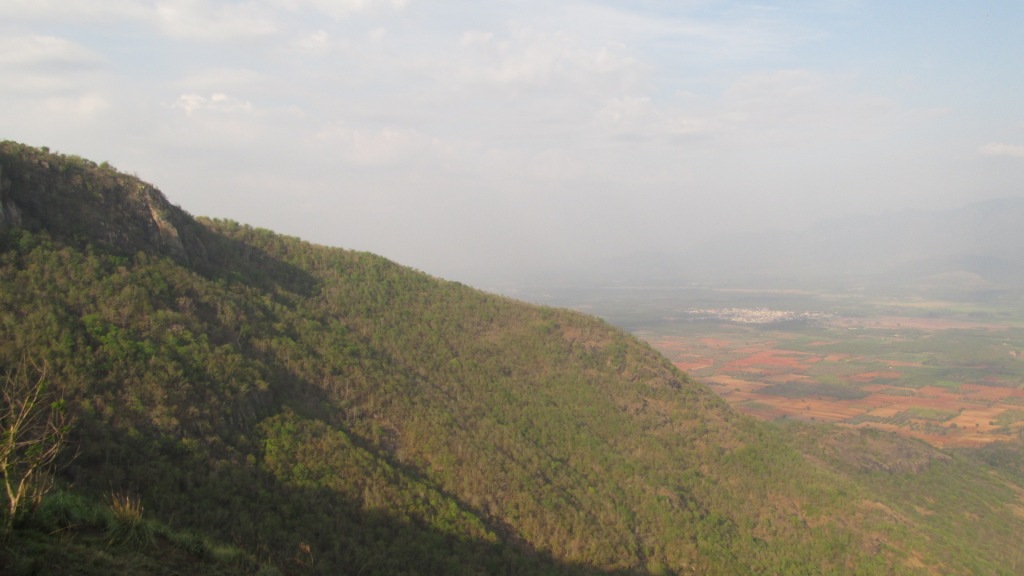
Situated about 14 km from Thekkady on the Munnar road, Chellar Covil has one of the best overlooks from the heights of Kerala into Tamil Nadu. The sleepy little hamlet offers a breathtaking view of the plains and cascading waterfalls of the neighboring state. Continue reading

Hay Hiatus

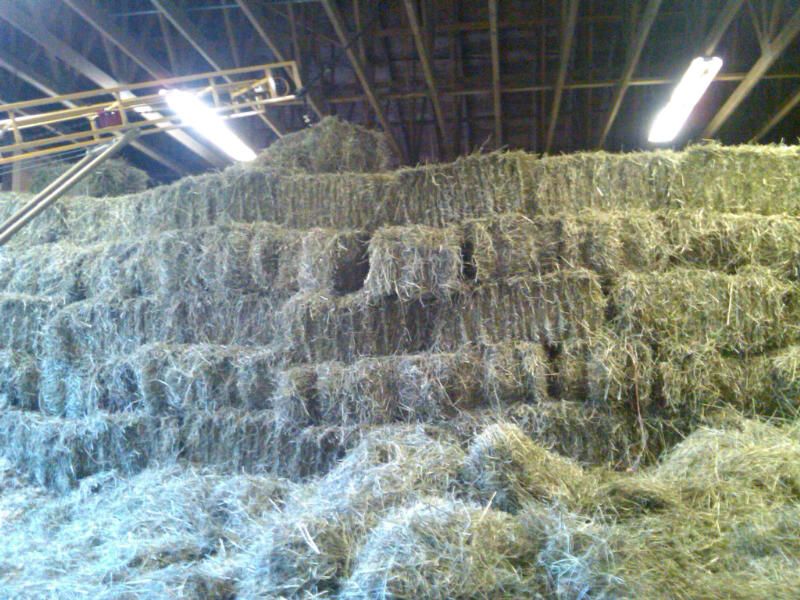
We ended up filling this barn up to the rafters the next day.

I took this past weekend away from Cornell to help a friend with the hay harvest at a farm in rural NY where she works. Although I had been duly forewarned that haying is pretty hard and uncomfortable work, I had expected the bales to be relatively easy to lift and move around, and was wrong for a number of reasons.

First of all, the bales were pretty tightly packed. This meant that they were heavier than your average bale, and also put more pressure on the two pieces of twine that keep the flakes (segments of hay in a bale analogous to slices of bread in a loaf) compressed together. The twine, which unless you have a prodigious wingspan is the most efficient way to grab hold of the bales for throwing or carrying quickly, pinches your fingers against the bale when it is too tight, making it painful and difficult to get your hands on and off the bale. Add to these inconvenient factors the heat at the top of the barn and the need to crouch to avoid rafters and lightbulbs while carrying or tossing the bales (or, as I did, hit your head too often), Continue reading

Seasteading, Self-Reliance Utopia, And Our Shared Future

An article recently published in n+1 examines a utopian futurist form of an idea that seems oddly symmetric with Seth’s posts about the history of exploration using Iceland as a case study. Looking back, we see much in common with explorers, pioneerspilgrims and adventurous thinkers of all sorts.  Looking forward, we are inclined to embrace smart, creative, enthusiastic group efforts to resolve seemingly intractable challenges. Especially when they involve living on boats. We recommend reading the following all the way through:

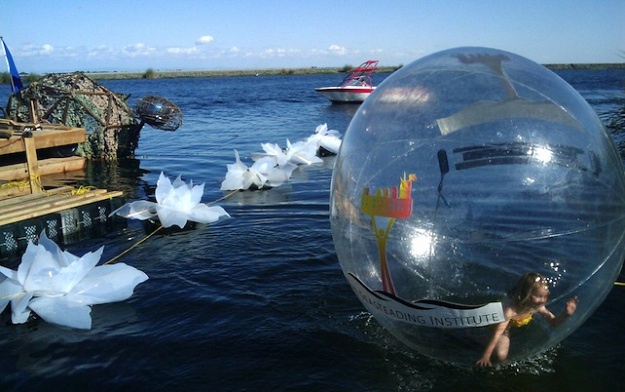
To get to Ephemerisle, the floating festival of radical self-reliance, I left San Francisco in a rental car and drove east through Oakland, along the California Delta Highway, and onto Route 4. I passed windmill farms, trailer parks, and fields of produce dotted with multicolored Porta Potties. I took an accidental detour around Stockton, a municipality that would soon declare bankruptcy, citing generous public pensions as a main reason for its economic collapse. After rumbling along the gravely path, I reached the edge of the Sacramento–San Joaquin River Delta. The delta is one of the most dredged, dammed, and government subsidized bodies of water in the region. It’s estimated that it provides two-thirds of Californians with their water supply.  Continue reading

Veg Beat

New research shows that cabbage, carrots and blueberries are metabolically active and depend on circadian rhythms even after they’re picked, with potential consequences for nutrition. Photo by Flickr user clayirving

New research shows that cabbage, carrots and blueberries are metabolically active and depend on circadian rhythms even after they’re picked, with potential consequences for nutrition. Photo by Flickr user clayirving

Smithsonian has an article about a surprising natural phenomenon, which may not impact your feelings but should get your thoughts stirred up a bit:

You probably don’t feel much remorse when you bite into a raw carrot.

You might feel differently if you considered the fact that it’s still living the moment you put it into your mouth.

Of course, carrots—like all fruits and vegetables—don’t have consciousness or a central nervous system, so they can’t feel pain when we harvest, cook or eat them. But many species survive and continue metabolic activity even after they’re picked, and contrary to what you may believe, they’re often still alive when you take them home from the grocery store and stick them in the fridge. Continue reading

Cane is King

This week Isabel and I continued to survey coffee producers and visit cafetales (shade coffee plots) while we also began interviewing ex-coffee producers (people who planted coffee but either have stopped harvesting it or never did) and conducting more conversational, open-ended interviews with coffee producers. Additionally, a baby cow was born on the farm and we have officially started to become sick of rice, beans, and soup.

Last week I wrote about the technical problems with shade coffee. This week I’ve learned much more about the social elements constraining it. One of the most common things we heard people say this week was that they don’t have time to work on their cafetales. By this they mean that they don’t weed it, fertilize it, or spray it to control pests and diseases. All they do is simply harvest it when it’s ready. It also means that they’re not willing to give up time from their other crops to dedicate to coffee. “Si carga, carga. Si no carga, no carga.” If it produces, it produces. If it doesn’t, it doesn’t. This attitude shows a serious lack of commitment and is also preventing people from seeing the true economic potential of this valuable crop. In our interviews we’ve been asking what people’s main sources of income are, and not one person has mentioned coffee.

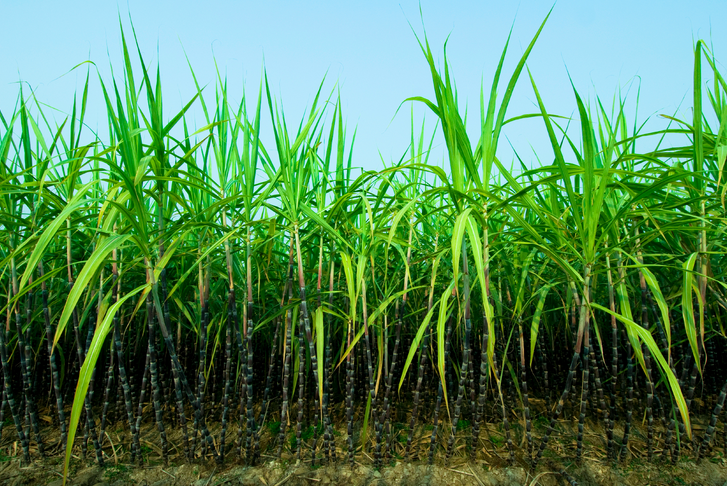
Why is this the case? Largely, because of subsistence agriculture and sugarcane. Here in Barrio Nuevo, cane is king. Continue reading

WED 2013: Food for Thought

WED 2013 - Raxa Collective

On June 5, we’ll celebrate World Environment Day. This year UNEP focuses on the theme Food waste/Food Loss. At Raxa Collective we’ll be carrying out actions and sharing experience and ideas. Come and join us with your ideas and tips to preserve foods, preserve resources and preserve our planet.
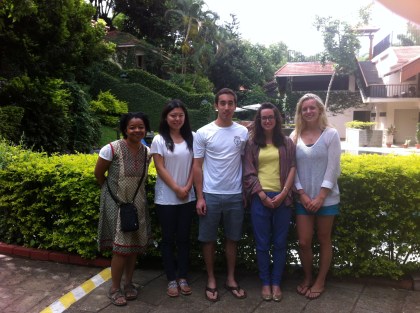
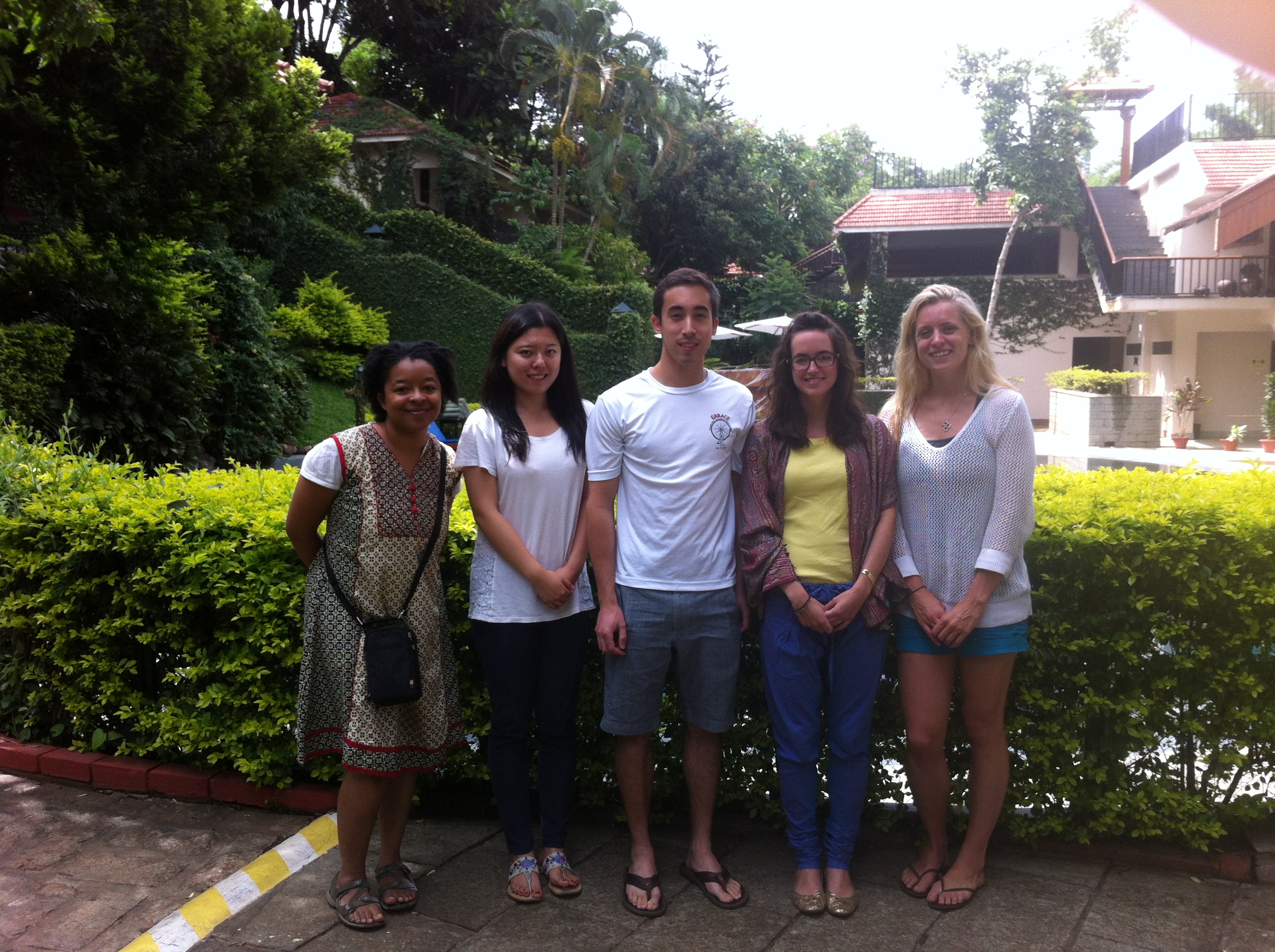
From left: Allegra Marzarte, Lu Li, Martin Bawden,  Raphaëlle De Gagné, Ashley Ostridge

From left: Allegra Marzarte, Lu Li, Martin Bawden, Raphaëlle De Gagné, Ashley Ostridge

Tomorrow is World Environment Day. A United Nations Environmental Programme initiative, WED is annually celebrated on June 5th in an effort to increase environmental awareness and positive environmental action. This year the theme is food wastage, with the motto: Think, Eat, Save. A recent report by the UNEP  concluded that every year, roughly one third of the food produced in the world for human consumption — approximately 1.3 billion tonnes — never makes it to from farm to table.

While one may imagine that most food wasted is a result of the actions of individuals in developed countries, this is not the case. Many developing countries, including India, also have an enormous food waste crisis. Specifically, while India is 2nd in the world in food production, as much as 20 to 40 percent of the food grown spoils before reaching consumers.

Here at Raxa Collective we have several initiatives to both alleviate food wastage and help both the local community and the environment. Continue reading

First Week Of Shade Coffee Research, Ecuador

Typical landscape mosaic of Barrio Nuevo

Typical landscape mosaic of Barrio Nuevo

Isabel and I arrived safe and sound to Barrio Nuevo, Pichincha, Ecuador (0.224063°, -78.559691°) on May 21 to begin our study on a shade coffee agroforestry initiated seven years ago (see my blog for background info). We moved into the home of Juan Guevara, the local coffee promoter, and his family. It’s a simple concrete house with a kitchen and three bedrooms.After settling in, we spent a day with Juan going to the homes of various farmers growing coffee to introduce ourselves.

We spent the next three days conducting surveys with the coffee producers as well as visiting, evaluating, and mapping their coffee plots. As I expected, we quickly learned a lot about the problems with the shade coffee project that was implemented about seven years ago. Continue reading

Auroville, Gourds And Innovation

Courtesy of Deepika Kundaji. Bottle gourds growing in the Pebble Garden in Auroville, Tamil Nadu.

Courtesy of Deepika Kundaji. Bottle gourds growing in the Pebble Garden in Auroville, Tamil Nadu.

Our friends on the east coast (to be specific, in the vicinity of the town where the early scenes of the book and movie, Life of Pi, took place) are at it again with out of this world innovations:

Now that June is right around the corner, farmers and economists in India are anxiously awaiting the arrival of monsoon season, which will bring up to 80 percent of the country’s annual rainfall. Continue reading

Save Soil, Perhaps Even Improve It By Drinking Organic Coffee

SaveOurSoil_LOGOThe news we pointed to about coffee-making best practices was mainly about the last step of a long chain–when the coffee is just about to give its olfactory, gustatory and other pleasures upon consumption.  It linked to an earlier post about the artisanal agriculture link in the coffee-making value chain, but here we add one more link on that topic. It has strong recommendations about what else we as consumers might do to assist in coffee-making best practices. It brings to mind topics we have covered in non-coffee posts, such as altruism, which we have considered more than once; and collective action, likewise more than a passing interest.

When we have the opportunity to support a good cause, at minimum we can give it attention here by linking to it, and with great pleasure we do so for our friends at Counter Culture Coffee:

Our soils are in crisis. Conventional, chemical-based farming is destroying soil health, leaving farms with increasingly barren earth. Extraordinary coffee – that which we are dedicated to – needs rich, thriving soil, since healthy soil leads to healthy coffee trees, prosperous farms, and delicious coffee. Continue reading

Best of Salim E.I.: The Harvest Dance

In India Kerala is famous for its Tribal folk dances. There are more than fifty well-known popular folk dances in the state which are mostly performed for religious influences, during harvesting, sowing of seeds, festivals etc. Tribal dances are often accompanied by songs & instruments.

Continue reading

Replacing Street Lamps With A Natural Glow

Thanks to the New York Times for the link to this tree-hugger’s get rich quick scheme:

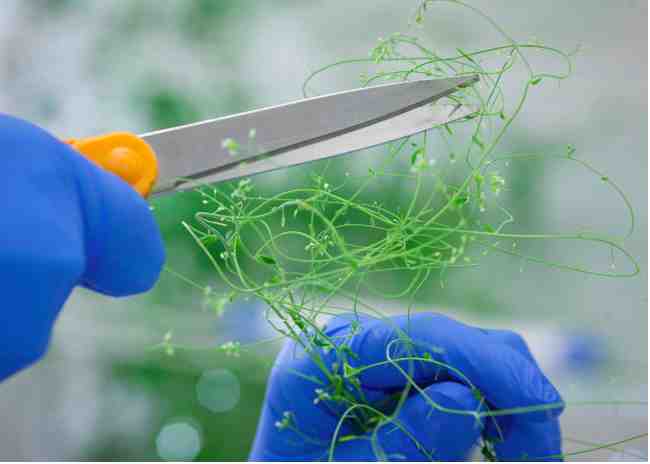
Hoping to give new meaning to the term “natural light,” a small group of biotechnology hobbyists and entrepreneurs has started a project to develop plants that glow, potentially leading the way for trees that can replace electric streetlamps and potted flowers luminous enough to read by. Continue reading

Tribal Ecology Lesson

08-bhramaputra-pic-IndiaInk-blog480

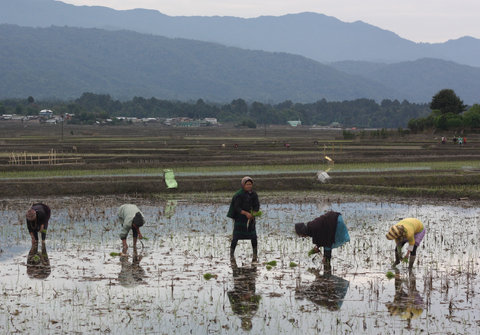
Photo: Brian Orland. Farmers belonging to the Apa Tani tribe transplanting paddy in the Lower Subansiri district of Arunachal Pradesh.


Thanks to India Ink for the reference:

ZIRO VALLEY, Arunachal Pradesh — The end of April is planting time for the women of the Apa Tani tribe. Their 50-square-kilometer valley is a meticulously groomed jewel of green conservation, compared to the flood-beset Assam plains below or the slash-and-burn plots that neighboring tribes cultivate in the shrinking forests of the surrounding hills. Continue reading

For Bees, Europe Does The Right Thing

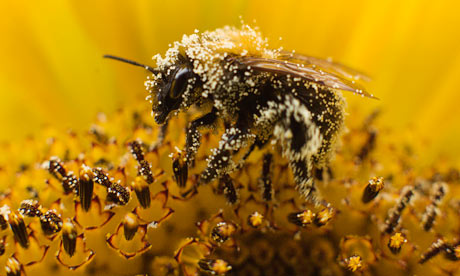
A bee collects pollen from a sunflower in Utrecht, the Netherlands. EU states have voted in favour of a proposal to restrict the use of pesticides linked to serious harm in bees. Photograph: Michael Kooren/Reuters

A bee collects pollen from a sunflower in Utrecht, the Netherlands. EU states have voted in favour of a proposal to restrict the use of pesticides linked to serious harm in bees. Photograph: Michael Kooren/Reuters

At a time when news out of Europe often points to political dysfunction, on at least one front we can point to some good news for these creatures who need help perhaps more than ever, and deserve it; they are finally getting it in at least one part of the world:

Europe will enforce the world’s first continent-wide ban on widely used insecticides alleged to cause serious harm to bees, after a European commission vote on Monday.

The suspension is a landmark victory for millions of environmental campaigners, backed by the European Food Safety Authority (EFSA), concerned about a dramatic decline in the bee population. The vote also represents a serious setback for the chemical producers who make billions each year from the products and also UK ministers, who voted against the ban. Both had argued the ban would harm food production. Continue reading

Rural Bees

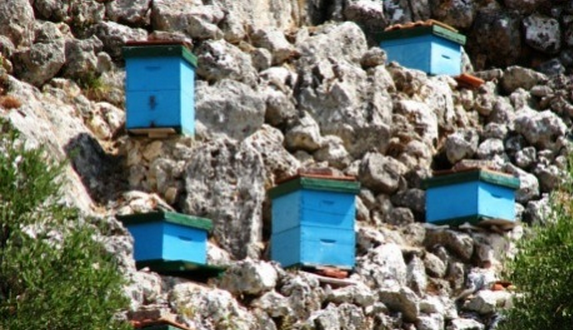
Our soft spot for bees is self-evident. We also have a soft spot for Greece in general and the Peloponnese in particular, the southern part of this southern European country that forms the “sweet spot” for olives, olive oil, wine and yes, honey.

Unblended honey is one of the world’s amazing taste experiences, with sensory “notes” as varied as herbal, floral, citrus and wood. The Peloponnese and the rest of the country provides a wide range of habitats with distinct blooming periods because the majority of its land is home to forests and wild ecosystems with less than a third of it allocated to farming.

“Colony collapse disorder”,  a problem in the United States and some European countries has not yet reached Greece, partially because the beekeepers are still able to maintain a safe distance from commercial farming, and the pesticides so frequently used there.

Beekeeping is a way of life in rural Greece. Continue reading

Lake Vembanad

Photo Credits: Ramesh Kidangoor

Photo Credits: Ramesh Kidangoor

Lake Vembanad at sunset is a vision of coconut palms reflected on calm water. Famous for its boat races, marine products and ubiquitous coir industry, this land of lush paddy fields is also referred to as the “Rice Bowl of Kerala” and one of the few places in the world where farming is done below sea level. Continue reading