Common Sunflower (Helianthus annuus)

Native to North and South America from the genus of Helianthus, the Sunflower is an annual herbaceous plant which grows 1- 4.5 meters high. The immensely popular flat, platelike flower can grow up to 6 inches wide and is actually made up of a tight series of compound flowers that will mature into edible seeds. The Sunflower is named for both its obvious sun shape and for the way the buds and leaves exhibit heliotropism,  following the sun from east to west throughout the day. (The mature flowers remain facing east.)

Continue reading

Rice

I recently read the fascinating story of Inakadate, a small village in northern Japan struggling against a global economic downturn.  The rural community with a population of fewer than 10,000 people had none of the charismatic landscapes that typically drive tourism. Twenty years ago a clerk in the Town Hall was asked to figure out how to bring that very thing to the bucolic village surrounded by rice paddies and apple orchards.

The story goes that Mr. Koichi Hanada saw school children planting purple and bright green rice as a class project when it occurred to him that the varied hues could be used like a natural artist’s palette. Continue reading

Enchanting Backwaters – Kuttanad

This slideshow requires JavaScript.

Kerala is a land of extensive networks of rivers, canals, streams and lagoons that form the Enchanting Backwaters which exemplify an amazing relationship between the ingenuity of man and the artistry of Nature. Its crisscrossing canals which were once busy waterways, have evoked comparisons with Venice since travelers began visiting them. The backwater region of Kuttanad is famous for paddy fields, duck farming and fishing. Most of Kuttanad consists of paddy fields that spill out into vast structures inland from the backwaters. With its abuntant paddy Kuttanad has been named the “Rice Bowl of Kerala”.

Continue reading

Green Lifestyle Everywhere You Go in a Concrete Jungle

This will be my first post that I’m writing for Raxa Collective. To be honest, I was waiting for a great idea to jump out at me that will brilliantly catch everyone’s attention. But, now that I think about it, blogs are more about sharing a stream of mind in our daily life, so here I am.

As I’m spending my spring break in NYC, I’ve been observing a range of eco-lifestyles all around me, even in this urban area. You may think that New Yorkers care less about the environment because they live in a “concrete jungle”, but it’s proved to be wrong. In NYC, there are so many organic stores, restaurants that serve organically and locally grown vegetables and fruits, farmers markets, etc. – the list goes on and on. Seriously, there are even farming and gardening classes and programs for both children and adults! Continue reading

Cocoa – The Chocolate Tree

Cocoa (Theobroma cacao) grows on a small evergreen tree that reaches up to 13-26 feet and  is native to the forests of Central and South America.  Being a tropical crop, Cocoa is mainly grown in the western ghats region of Kerala.

Continue reading

Real Rural California

In India, the migration from rural to urban areas is one of the most dynamic changes to the economy, the environment, the landscapes, the urbanscapes (just as in China and other rapidly developing agrarian economies) so it is refreshing to see and hear the stories that writer and photographer Lisa Hamilton shares on this site (click the image to go to one of those stories):

In February/March 2012, an ad-art campaign on trains throughout the Bay Area Rapid Transit (BART) system will feature select portraits of people and places from rural California. In fall 2012, photographs from Real Rural will comprise a show at the California Historical Society Museum, and there will be a concurrent ad-art campaign on billboards in Los Angeles and Sacramento. Continue reading

Linking Locavores

Click the image above for a journalistic description of a utilization of new technology to conserve valuable traditions and provide more efficient access to healthy, tasty food.  Or, after the jump, a short video of the same.

Continue reading

Really, Monsanto?

We try to be careful consumers of information, and link out to stories that match our interests and have relevant factual content.  Not everything that every government says passes the “truthiness” test, but we are reflexively interested in the views and findings of a group like this:

PEER is a national non-profit alliance of local, state and federal scientists, law enforcement officers, land managers and other professionals dedicated to upholding environmental laws and values.

Reflexive does not mean blindly accepting of everything they say, but we are inclined to pay attention to scientific findings related to the environment.  When they raise issues like this related to wildlife refuges then the inclination transforms into something stronger and more urgent: Continue reading

Plan B

My past posts reveal my desire to be directly involved with sustainable farming.  I plan and hope to achieve this, but as both the global population and the demand for land, space, and food rise, I recognize that being flexible with this dream may minimize any potential disappointment.  Comparatively, as much as I seem to “fly by the seat of my pants,” I like to plan.  I come close to peace when I at least have some general structure to my life.  So with this in mind, I began to brainstorm back-up plans to having my own farm.

In this search and planning excursion, I read an article and learned of vertical farming.  Dickson Despommier of Columbia University and his students researched this urban farming phenomenon and hypothesized that such projects could solve our global food insecurity problems.

I am unsure of its feasibility, but in my characteristic optimism, I believe it has potential.  Continue reading

Credit Where Due

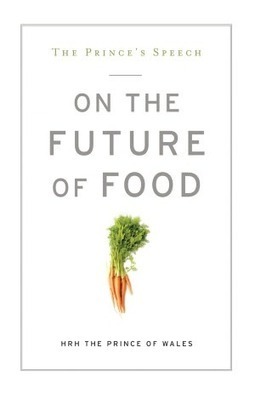
The Atlantic Monthly‘s website has had a link to the text of a speech from last year (click the image to the left to go to the source), with some notable observations:

Genuinely sustainable farming maintains the resilience of the entire ecosystem by encouraging a rich level of biodiversity in the soil, in its water supply, and in the wildlife — the birds, insects, and bees that maintain the health of the whole system. Sustainable farming also recognizes the importance to the soil of planting trees; of protecting and enhancing water-catchment systems; of mitigating, rather than adding to, climate change.

Continue reading

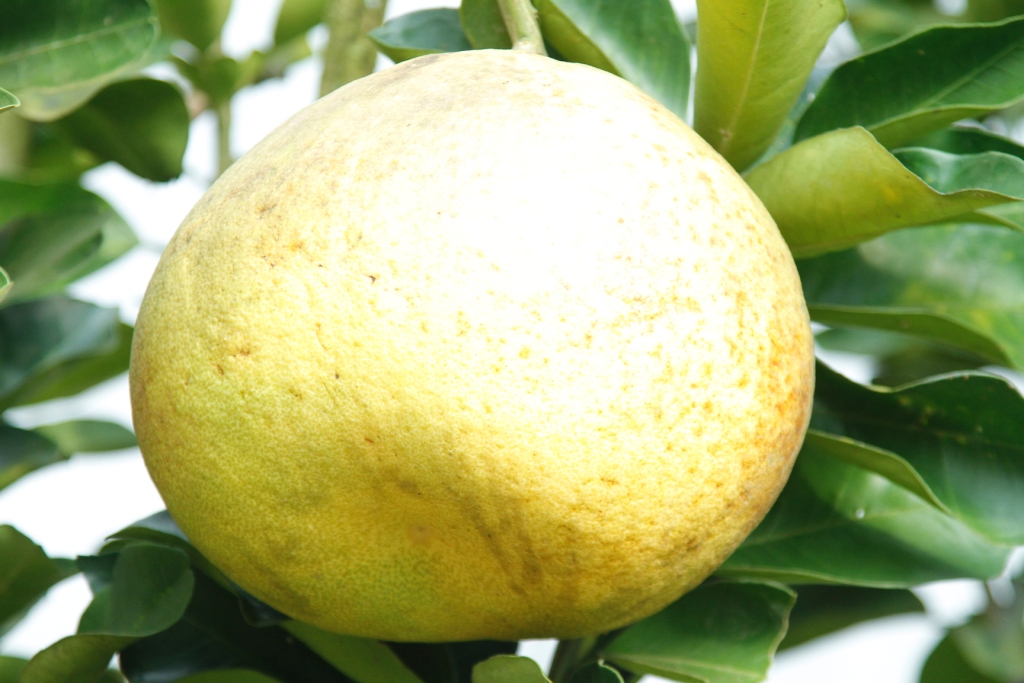
Pomelo (Citrus maxima)

The pomelo is the largest fruit in the citrus family and usually grows throughout Southeast Asia. The thick, easy to peel rind surrounds, juicy and fairly sweet yellow or pink flesh. The fruit averages about 15-25 centimeters in diameter and weighs around 1-2kg. Continue reading

Cardamom Plantations

Kerala’s hill districts are a historical hub of trade and culture – George discussed a bit of that history in his previous post. But spice plantations, which are one of the region’s main economic assets, are not very similar to most people’s view of agriculture. Enormous flat fields of rigidly regimented plants are not a common sight here (except for rice paddies), and spice plantations are quite different from this doctrine.  Continue reading

Peaks Over Poverty: Taking Adventure Travel to new Heights

Guest Author: Emma Frisch

– Emma Kirwan, Executive Director and Co-Founder of Peaks Over Poverty

Life in the Andes is harsh. 70 million people live in poverty, of which 44 million are rural people who rely on farming for survival. However, water demand, which is primarily used for agriculture, exceeds the available supply by 40% and is worsening with climate change.

Rural mountain people play a key role in preserving fragile highland ecosystems. The way they manage land and water directly impact human and environmental health for nearly half the world relying on mountain resources. The trickle-down effect; we’ve all heard of it before! This is precisely why Peaks Over Poverty was founded; to bring attention and critical resources to highland communities in Ecuador and worldwide.

Photo: Steve Sherwood

So how did we propose to do that? On a hike with my colleague Steve Sherwood (decked out in my hi-tec gear), it suddenly occurred to us. Continue reading

Confidence in Dreams

It has been a struggle to pick topics to write about for the past several weeks, and in my innate pursuit of perfectionism I became wrought with indecision.  I could write about sustainable facilities design; I could uncover the truth about many LEED-certified buildings; I could even write about the ecology-based dormitory where I am writing this now.  But among these various topics, I could not find one that I felt “good enough” to write about at this time.  So to dissolve some of my indecision, I chose to reveal some of my mind’s musings, many of which the perfectionist side of me deems crazy, but day-by-day I am learning to embrace.

Each morning, I wake to the sound of my alarm clock and the chime of my smartphone being flooded with emails.  A month ago I thought nothing of this activity, but lately I have found it unnerving.  The annoyance I am feeling developed over my winter break. Continue reading

Pepper Harvest and Paper Bags

Guest Author: Aby Thomas

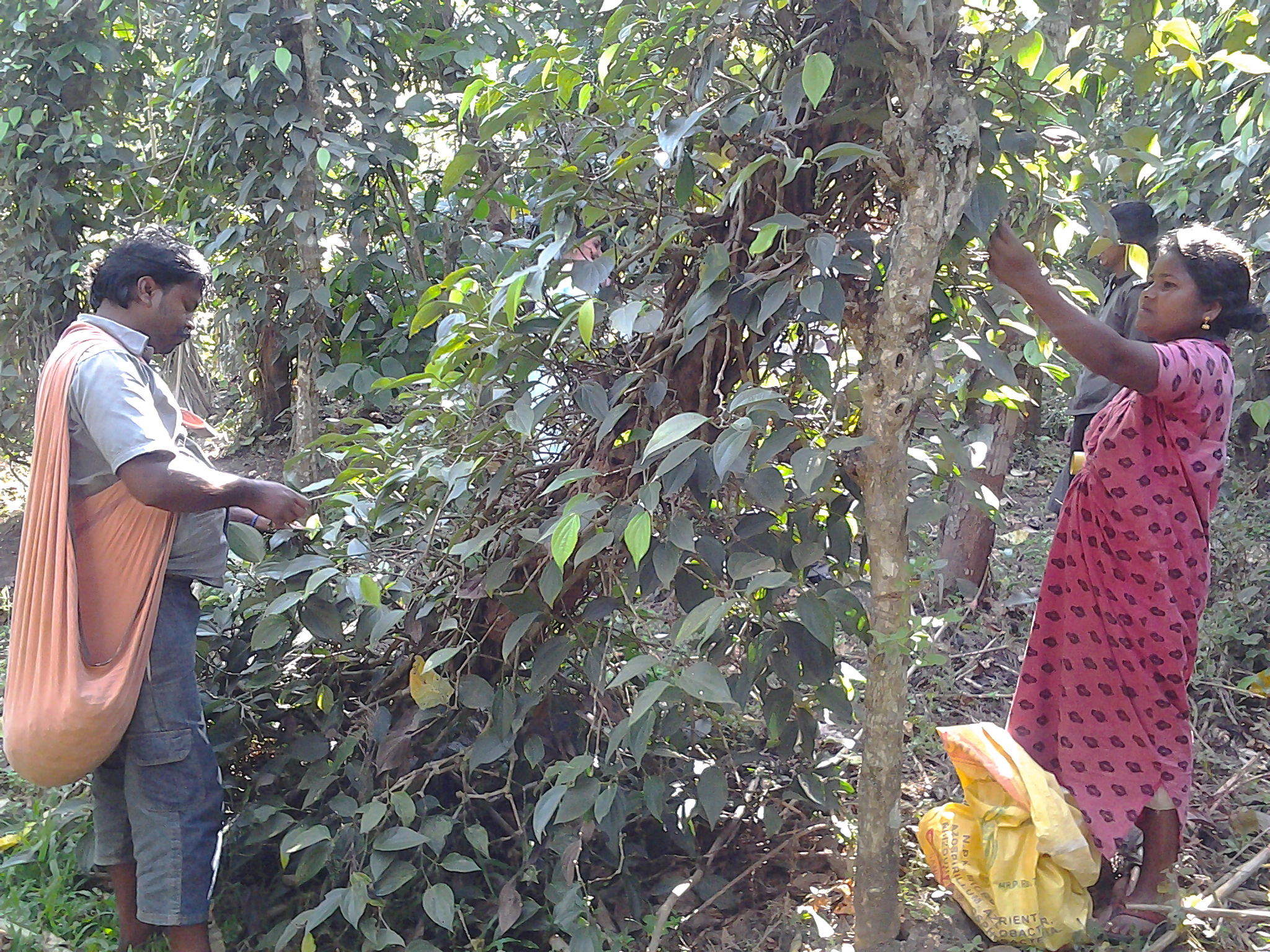
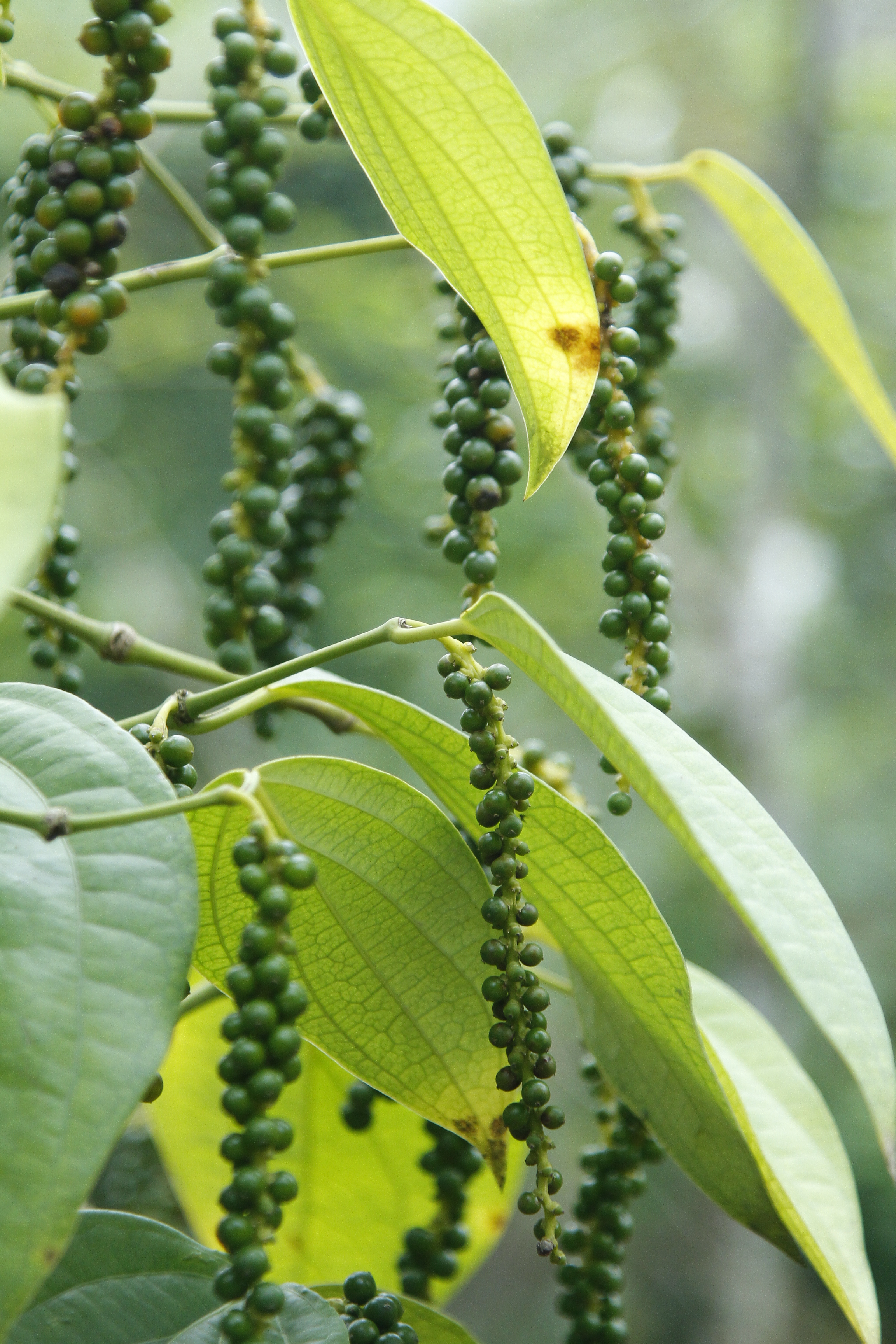
The title “Pepper harvest and Paper bags” may sound unusual, but it’s related to the newspaper bags initiatives by Cardamom County and the forestry department to create alternatives means of income for the tribal ladies leading to community development. The Vanasree Auditorium ladies have multiple responsibilities based on their working directly for the forestry department.  But the Mannakkudy ladies have had the newspaper bags as their primary income.  Until recently….The paper bags unit was active until the end of December, but now the tribal ladies are busy with their pepper harvesting. The pepper harvesting season in the locality begins with the month of January and ends during March. During these periods, the ladies help men in harvesting pepper. Continue reading

Tanzania: an enlightening experience

Guest Author: Lindsay Wilner

I recently returned from working as a Volunteer Consultant for TechnoServe in Tanzania. Coming in with limited agricultural knowledge, I left with what feels like an additional Master’s degree…which is to say, I learned a ton during my 3.5 months there. It’s difficult to imagine that I could have gone through two years of development-oriented studies during my MA in International Relations and very rarely touched the topic of Agriculture. I was even an Energy, Resources, and Environment concentrator! Why is this so surprising? Well, if not for anything else but that the economy of many African nations is primarily agrarian based. In Tanzania, agriculture provides jobs for 80% of the population.

My role as a Volunteer Consultant was to conduct an Industry Strategic Plan for the mango and potato industries. Continue reading

Community Development in Ecuador

Guest Author: Denzel Johnson

Ecuador today doesn’t seem to have industries that might make you think it could be a strong world contender, especially when it comes to foods.  Little known to the outside world though, is the small village of Salinas de Guaranda which sits several hours south from the capital Quito. Salinas used to be one of Ecuador’s small mining villages but today represent a booming industry which began due to community run initiatives that are now templates for other parts of Ecuador.

My time in Salinas was unplanned, suggested by some professors at one of Quito’s top Universities, USFQ. Continue reading

A Campo Weekend

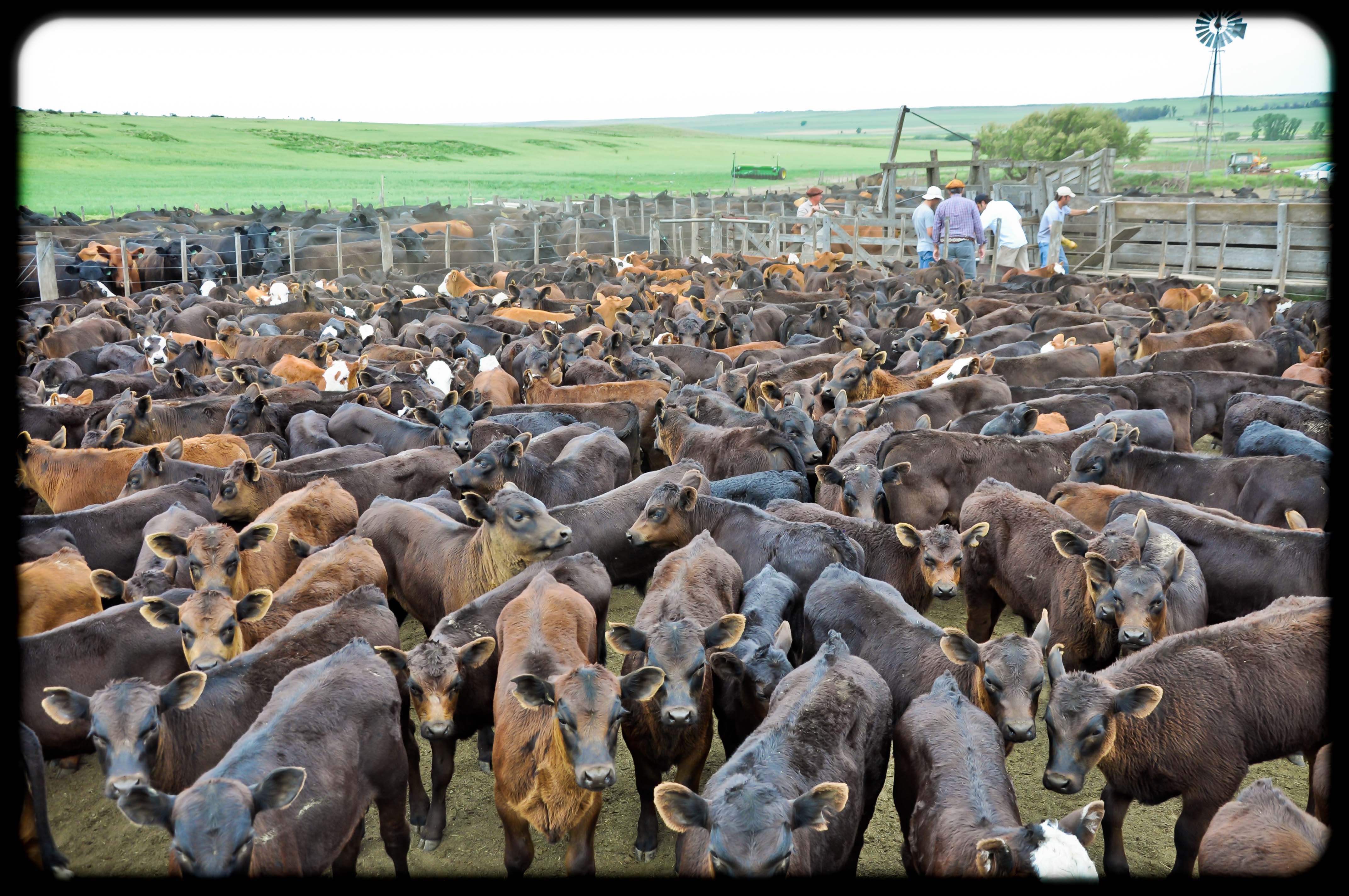
The weekend before last I was fortunate enough to be invited to the estancia of an artist with whom I am collaborating with on a joint project.  A well established painter here in Buenos Aires, Marta Diez has had many exhibitions here in the city, as well as some abroad, most notably at the Palais de Tokyo in Paris last year.  Her estate is still in the province of Buenos Aires, and yet is located a good 650 kilometers south from the city center, near a town called Bahia Blanca.

Continue reading

Life Mein Ek Baar, Featuring River Escapes

Every minute of this is fun.  The 35th minute is particularly fun for those of us based in Kerala because members of our organization join the stage with the stars of this show.

About five months ago we were approached by a film production company about a show they were filming for National Geographic Channel.  They told us that River Escapes was recommended to them as having the best houseboats in the Kerala backwaters (a bit of music to our ears).  Then they proposed that their Kerala episode should be based on our houseboats (we danced to that music).

Continue reading