Recycling Thermal Erstwhile-Waste

00wit_paris-thermal-master768-v3

Illustration by Tamara Shopsin; Photos by All for You, Mrnok, via shutterstock

We appreciate that the City of Lights keeps brightening our future, as well as their own:

If the Pool Is Warm in Paris, Thank the Washing Machine

By

What do washing the dishes and uploading pictures to Facebook have in common? Continue reading

How Much Energy Does A Bicycle Produce?

We had been wondering this too, we admit:

An NPR listener (with what may be the best Twitter handle ever — Booky McReaderpants) inquired whether a home can be powered by bicycle-powered generator.

It’s an interesting issue about energy and the modern world. And the short answer comes from just running the numbers.

A typical house in the U.S. uses about 1,000 kilowatt-hours of energy in a month. So — to Booky McReaderpants’ question — could you generate that much power all by yourself on stationary bike?

No.

Nope.

Not even close. Continue reading

Five Years Of Protection From Drilling

web_eho_6328-edit

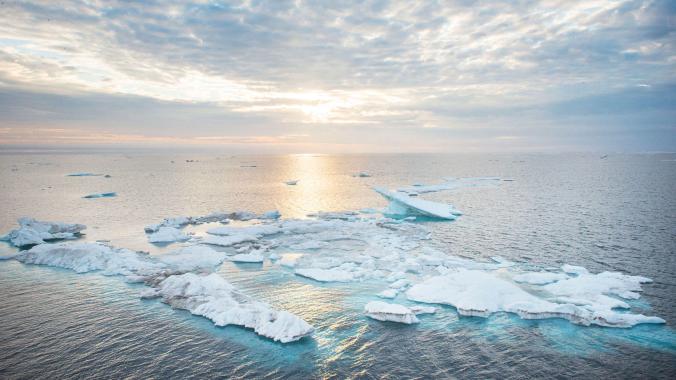
Melting sea ice in the Chukchi Sea, one of the areas included in the ban. Photo: Esther Horvath

Thanks to Audubon Magazine for their coverage of this news:

U.S. Offshore Drilling Banned Along Arctic and Atlantic Coasts for Next Five Years

A new federal leasing plan released today outlines where energy companies can look for oil while protecting vital bird habitat.

by Martha Harbison

After months of deliberations, the Bureau of Ocean Management announced its final five-year plan for offshore energy-exploration leases today. In that plan, no drilling leases would be available in U.S.-held Arctic and Atlantic waters from 2017 to 2022, meaning that no new drilling could happen in those areas until at least 2022.  Continue reading

Trees Cooling Urban Jungles

Brooklyn Bridge Park.

Thanks to Cool Green Science:

Using Cloud Computing to Untangle How Trees Can Cool Cities

BY TIMOTHY BOUCHER

We’ve all used Google Earth — to explore remote destinations around the world or to check out our house from above. But Google Earth Engine is a valuable tool for conservationists and geographers like myself that allows us to tackle some tricky remote-sensing analysis.

After having completed a few smaller spatial science projects in the cloud (mostly on the Google Earth Engine, or GEE, platform), I decided to give it a real workout — by analyzing more than 300 gigabytes of data across 28 United States and seven Chinese cities. Continue reading

Alternative Energy Will Boom

hawaii-solar-570x562The title is either wishful thinking, or stating the obvious; we are not sure which. Thanks to our colleagues at Clean Technica for this:

Hawai’i Solar Power (In Depth)

by

Glorious blue skies and endless sunshine. Warm, balmy breezes. Isn’t that how you envision Hawai’i? Like the slogan, “Everything’s better in Hawaii,” right?  Oops, one thing does dampen the impression of Hawai’i, though: its high cost of living, especially for energy. Continue reading

Renewable Energy Outlook

light-bulbs2.jpg

World electricity production going from black to green

In a time of troubling headlines, the more promising headlines can get lost, but they are there. At least with regard to renewable energy. Click the image above to read the summary of this book at Anthropocene or the image below to go to the source:

MTrenew2016.jpgThe rapid spread of renewable energy is a bright spot in the global energy transition towards a low carbon economy. Despite lower fossil fuel prices, renewable power expanded at its fastest-ever rate in 2015, thanks to supportive government policies and sharp cost reductions. Continue reading

Climate Revolution

31stoneweb-master768

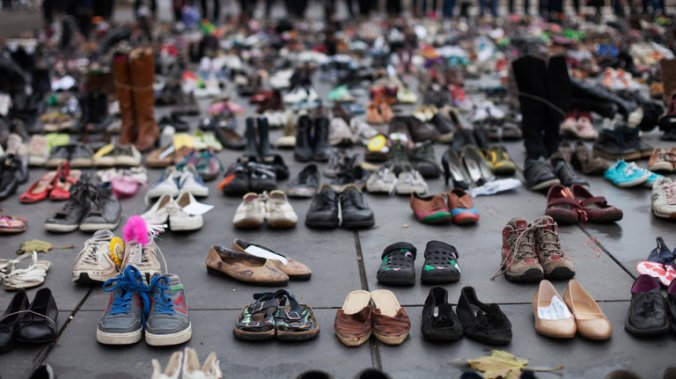
Shoes representing protesters at the climate talks summit in Paris last year. Credit Andre Larsson/NurPhoto, via Getty Images

Thanks to Mr. Godoy and Mr. Jaffe for this strong, clear and compelling statement:

We Don’t Need a ‘War’ on Climate Change, We Need a Revolution

Eric S. Godoy and

This year is on track to become the hottest ever recorded, and a growing number of environmentalists are using a particular type of language in response. Some are calling for a huge “mobilization” to “combat” climate change. In an article in the New Republic in August, Bill McKibben, the unofficial spokesperson of the climate movement in the United States, insisted in very literal terms that, we are at war with climate change. Continue reading

Dutch Methane Capture

2711

Agriculture produces about 10% of the Netherlands’ greenhouse gas emissions. A new project will help capture methane emissions from Dutch dairy farming. Photograph: Julian Stratenschulte/EPA

Thanks to the Guardian for this:

Poo power: Dutch dairy industry launches €150m biogas project

Will a scheme to turn cow manure into biogas help the Netherlands lose its reputation as the ‘bad guy’ of Europe when it comes to agricultural emissions?

The air smells fruity, slightly alcoholic. Against the strong hum of machinery, 175 cows are eating hay. As their dung drops to the slatted floor, a machine sweeps it through and it runs underneath the barn to a futuristic dome outside. Continue reading

Carbon Capture’s Unintended Consequences

smokestack.jpg

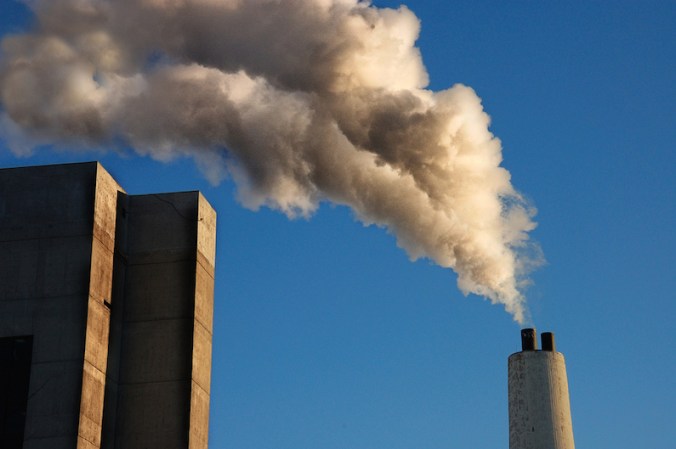
Photo: Ryan T. Flickr Creative Commons.

Be careful what you wish for as this summary of a new scientific study reminds us:

Could carbon capture fuel our carbon addiction?

Solar Rising

4000

A road divides solar panels at the Ivanpah Solar Electric Generating System in the Mojave Desert, Nevada. Photograph: Bloomberg/Bloomberg via Getty Images

Those of us who live near the Kochi Airport in Kerala, India feel pretty proud of our 100% solar-powered access to the outside world; but this story tells us to expect even more in the USA soon:

US energy shakeup continues as solar capacity set to triple

Solar expected to almost triple in less than three years by 2017 as coal continues to fall, solidifying gas as country’s chief electricity source, reports Climate Central

Bobby Magill for Climate Central, part of the Guardian Environment Network

Solar power capacity in the US will have nearly tripled in size in less than three years by 2017 amid an energy shakeup that has seen natural gas solidify its position as the country’s chief source of electricity and coal power continue to fade, according to monthly data published by the US Department of Energy. Continue reading

Remote Living, Well Done

980x (8).jpg

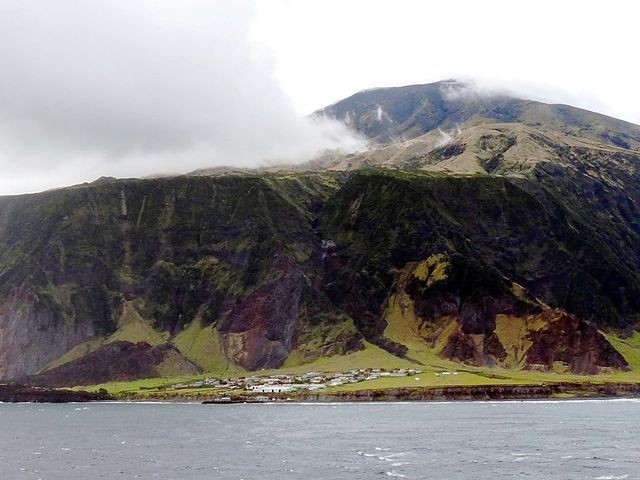
Edinburgh of the Seven Seas, Tristan da Cunha, South Atlantic Ocean michael clarke stuff / Wikipedia

Thanks to EcoWatch for keeping us posted on the greenish news from the bottom edge of the planet:

World’s Most Remote Village Is About to Become Self-Sufficient World’s Most Remote Village Is About to Become Self-Sufficient 

The most remote village on Earth, located on Tristan da Cunha in the South Atlantic Ocean, is about to get a 21st century upgrade thanks to an international design competition aimed at creating a more sustainable future for the farming and fishing community. Continue reading

Public Art Pulling More Than Its Own Weight

Screen Shot 2016-10-22 at 12.00.43 PM.jpg

Thanks to Anthropocene:

Art That Delivers Clean Water & Power

An international competition challenges designers to show that clean energy production and dazzling public art can be one and the same

Since 2010, the Land Art Generator Initiative (LAGI) has sponsored site-specific design competitions, soliciting ideas for public art that generates clean power. Its 2016 contest was the most ambitious yet. It called on designers to conceive of art installations that generate both clean power and water for the city of Santa Monica, California. Continue reading

Hydroelectric & Its Discontents

reservoir

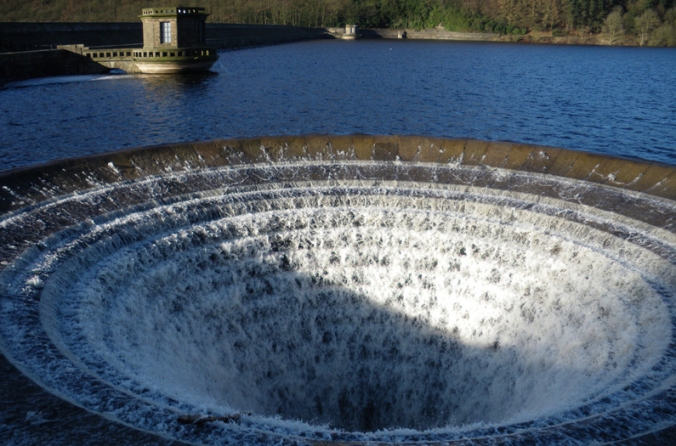
Ladybower Reservoir in Derbyshire. Credit: justfluff via Flickr.

We only said a brief note of thanks for the arrival of the new version of what used to be Conservation magazine, one of our most-cited sites. Now, after some days of observing Anthropocene, we are even more grateful for their effort at overhaul:

Dam greenhouse gas emissions really add up

For all their ecological faults, hydropower dams are usually thought of as a source of green, carbon-neutral energy. But it turns out that the reservoirs behind dams release a significant amount of greenhouse gases that, until now, have gone unaccounted for in global carbon budgets. Continue reading

Big Data & Environmental Activism

3702

Kate Brandt speaking at the 2016 SXSW Eco conference in Austin, Texas. Photograph: Diego Donamaria

We do not see enough of this type of story:

How Google is using big data to protect the environment

Google’s sustainability officer Kate Brandt outlines the company’s wide-range interest in sustainable fishing, green buildings and renewable energy

by Ucilia Wang

For many people, Google is simply the gateway to a vast archive of facts and memories. For those who pay closer attention to its business dealings, the company also invests billions to find new ways to use the power of computers: it’s developing robots, virtual reality gear and self-driving cars. Remember all the hubbub about Google Glass?

Google has been using the same approach in sustainability – spreading its wealth in a variety of projects to cut its waste and carbon footprint, initiatives which may one day generate profits. During the SXSW Eco conference this week, I caught up with Google’s sustainability officer, Kate Brandt, to find out more. Brandt joined the company in July last year after serving as the nation’s chief sustainability officer in the Obama administration. Continue reading

Beware & Resist The Frack

4896

Countryside near the village of Kirby Misperton in North Yorkshire where a planning application by Third Energy to frack was recently approved. Photograph: Ian Forsyth/Getty Images

Many claim to tire of hearing about climate change, species extinction, threats from fracking and other environmental issues of great importance. Thanks to the Guardian for continuing to pay attention:

Majority of potential UK fracking sites are rich in important wildlife

Almost two-thirds of proposed areas have higher biodiversity, valuable for functions such as pollination and pest control, analysis shows

Many of the areas that have been recently marked as potential sites for fracking are rich in wildlife that perform crucial functions from pollination to decomposition, researchers have found.

Scientists say that almost two-thirds of the areas that have been labelled as suitable for shale gas extraction have levels of biodiversity equal to or above the national average, according to a new analysis of records collected from across the country. Continue reading

Solar’s Silicon Future

p04bw5z3

Thanks to the BBC for this story:

Why Apple And Google Are Moving Into Solar Energy

Silicon Valley’s biggest companies are investing in renewable energy in a serious way – a sign, perhaps, of rapid changes in the energy market.

By Chris Baraniuk 14 October 2016

Most people think of Apple as a company that makes phones, computers and smart watches – not an energy provider. But in August all of that changed when the firm was given permission to sell energy from a Californian solar farm that it acquired last year. Continue reading

Sundrop Farms, Harnessing Seawater & Solar

screen-shot-2016-10-11-at-2-26-28-pm

Thanks to EcoWatch for this:

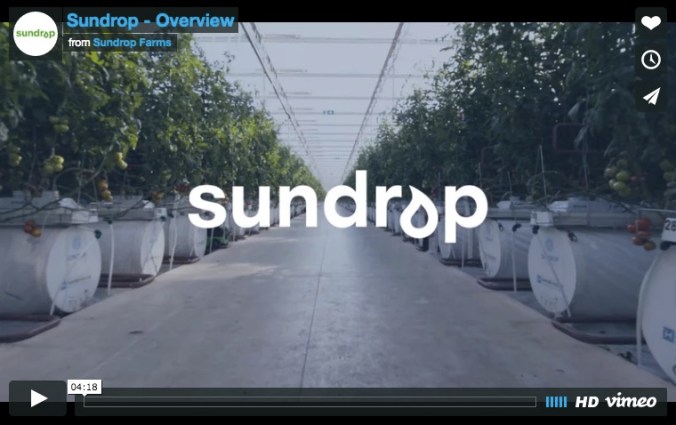
World’s First Farm to Use Solar Power and Seawater Opens in Australia

Sundrop Farms, a tomato production facility that is the first agricultural system of its kind in the world, celebrated its grand opening in Port Augusta, South Australia, Thursday.

Continue reading

Kite Power

5911

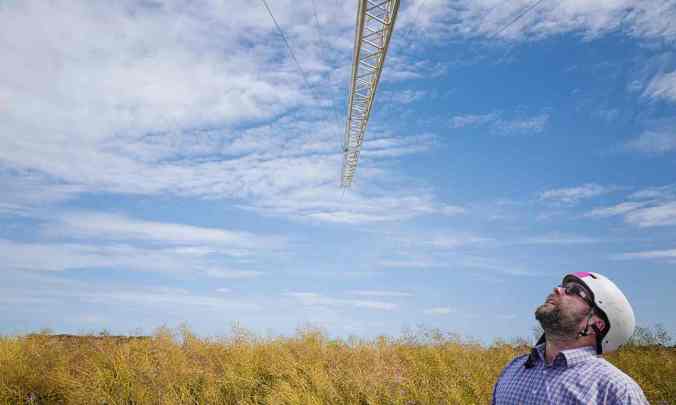
Bill Hampton, chief executive of Kite Power Solutions. Photograph: Sarah Lee for the Guardian


Kite power to take flight in Scotland next year

Kite Power Solutions plans to open UK’s first kite power plant and predicts the technology could global ease energy costs

Continue reading

Cost of Wind Energy to Decrease

Photo via Pinterest

With Deepwater Wind’s Block Island energy farm in Rhode Island completed – all five turbines of it – it’s not surprising to learn that the cost of wind power, just like that of solar, is going to decline in coming years, according to industry experts. Prachi Patel reports for Conservation Magazine:

Wind energy is soaring around the world thanks to technology advances and energy policies that have reduced its cost. And things are only going to get better with prices dropping substantially by mid-century, according to a survey of 163 of the world’s leading wind energy experts. The results, published in the journal Nature Energysuggest that the cost of electricity from wind could drop by 24–30 percent by 2030 relative to 2014 prices, and by 35–41 percent by 2050.

The key driver of this price drop? Bigger, more efficient turbines, according to the experts. Taller turbines with larger rotors make it possible for turbines to better harness stronger winds, generating more power.

Continue reading

Save Energy to Save Land

Aerial view of the Elk River Wind Project near the small town of Beaumont, in the southern Flint Hills region of Kansas. This 150 MW wind farm came on-line in December 2005. The one hundred 1.5 MW wind turbines are located several miles South of Beaumont. © Jim Richardson via Cool Green Science

Aerial view of the Elk River Wind Project near the small town of Beaumont, in the southern Flint Hills region of Kansas. This 150 MW wind farm came on-line in December 2005. The one hundred 1.5 MW wind turbines are located several miles South of Beaumont. © Jim Richardson via Cool Green Science

As the human population around the world grows, demand for food and energy will increase. Land conversion will become more and more rampant as countries grow crowded for space – any unprotected forests are sure to be felled to make way for people, and if not people, then their cows/crops, and if not that, then their fossil fuel wells. That’s a pretty dire picture, but there are always measures that can be taken to try limiting the development of land for new energy production, in an effort to slow the loss of nature and habitat for wildlife. A new article in the peer-reviewed journal PLOS ONE claims that demand for energy will be the largest driver of land conversion, at least in the US.

The main solutions that the researchers offer to mitigate “energy sprawl” are “Improved siting, energy conservation, and more end-use energy production like rooftop solar.” according to lead author Anne Trainor. That way, energy production will have a lower carbon footprint and less impact on natural areas as well. My main takeaway from Trainor’s thoughts on her paper, which Cara Byington covered for Cool Green Science, is that, “If you’re saving energy, you’re saving land.”  Continue reading