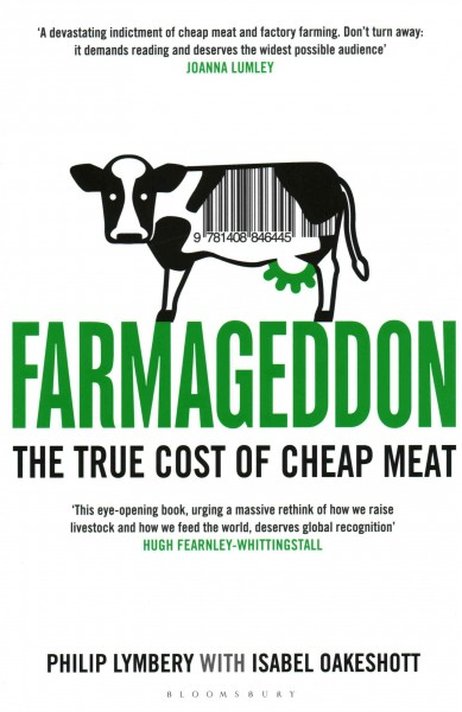
The Mystery of the Lorax: Solved

Dr. Seuss has held an important place in my life, stretching from my own childhood and into parenthood, and connecting the dots between the pure joy of reading and powerful messages keeps him at the top. So what fun to discover the story, species and science behind the inspiration for his most impactful books!

Who Was the Real Lorax? Seeking the Inspiration for Dr. Seuss

What inspired the creature who was “shortish and oldish and brownish and mossy?” The one who spoke in a voice that was “sharpish and bossy?” He spoke for the trees, yet he called them his own. All that he left “in this mess was a small pile of rocks, with the one word … ‘UNLESS.’”

In 1970, millions of people observed Earth Day for the first time, and the Environmental Protection Agency was born. Joni Mitchell’s “Big Yellow Taxi” topped the charts.

And in La Jolla, Calif., Theodor Geisel, also known as Dr. Seuss, was fighting to keep a suburban development project from clearing the Eucalyptus trees around his home. But when he tried to write a book about conservation for children that wasn’t preachy or boring, he got writer’s block.

At his wife’s suggestion to clear his mind, they traveled to the Mount Kenya Safari Club, an exclusive resort where guests watched animals along Kenya’s Laikipia plateau.

And if you haven’t guessed by now, it was there that “The Lorax” took shape — on the blank side of a laundry list, nearly all of its environmental message created in a single afternoon. Continue reading
Valorizing Places And Things We Love

One decade ago I made the journey to Rapa Nui while on an extended project in southern Chile. It was another bit of fortune that came with the occupation I accidentally found myself in. The video above, excerpted by the Atlantic from Max Lowe’s film, hints at the value tourism can infuse, as well as the perils it can represent, with regard to cultural heritage. We have long used the archaic word “valorization” to explain what we do as a company and the Celine Cousteau Film Fellowship seems to believe the same, in supporting Max’s film:

Tourism to a Dying Ancient Culture

“The modern world has come for our little island,” says Heu Rapu Haoa in Max Lowe’s short documentary, Amo. Heu is one of the 800 remaining speakers of his native tongue. His home, Rapa Nui, known widely as Easter Island, is one of the most remote inhabited islands in the world. Continue reading

Progress Through Yeast

yeast_wide-eb654133785982b6ac43f4ee0d2913b4aab254fa-s1600-c85.jpg

Fresh and dried yeast. It might not look like much, but it has shaped the way we eat and live, according to a new book. Maximilian Stock Ltd./Getty Images

Thanks to Menaka Wilhelm:

The Rise Of Yeast: How Civilization Was Shaped By Sugar Fungi

An imagined conversation between two yeast cells appears in Kurt Vonnegut’s 1973 novel Breakfast of Champions. “They were discussing the possible purposes of life,” Vonnegut writes. If that’s not absurd enough, their existential discussion takes place against a weird, dismal backdrop, “as they ate sugar and suffocated in their own excrement.” Little did they know, their little yeasty lives had an important, human-centric purpose. “Because of their limited intelligence, they never came close to guessing that they were making champagne.” Continue reading

Seeds of Change

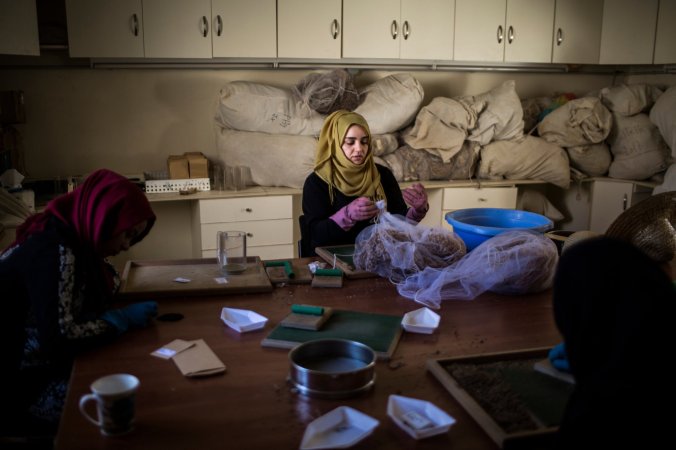
Lebanese workers at the seed bank in Terbol. Mr. Shehadeh’s organization, Icarda, moved operations out of Syria after the war broke out. Credit Diego Ibarra Sanchez for The New York Times

How a Seed Bank, Almost Lost in Syria’s War, Could Help Feed a Warming Planet

TERBOL, Lebanon — Ali Shehadeh, a seed hunter, opened the folders with the greatest of care. Inside each was a carefully dried and pressed seed pod: a sweet clover from Egypt, a wild wheat found only in northern Syria, an ancient variety of bread wheat. He had thousands of these folders stacked neatly in a windowless office, a precious herbarium, containing seeds foraged from across the hot, arid and increasingly inhospitable region known as the Fertile Crescent, the birthplace of farming.

Mr. Shehadeh is a plant conservationist from Syria. He hunts for the genes contained in the seeds we plant today and what he calls their “wild relatives” from long ago. His goal is to safeguard those seeds that may be hardy enough to feed us in the future, when many more parts of the world could become as hot, arid and inhospitable as it is here. But searching for seeds that can endure the perils of a hotter planet has not been easy. It has thrown Mr. Shehadeh and his organization, the International Center for Agricultural Research in the Dry Areas, or Icarda, squarely at a messy intersection of food, weather and war.

Icarda, though it received no state funding, was once known as a darling of the Syrian government. Based in Aleppo, its research had helped to make Syria enviably self-sufficient in wheat production. But a drive to produce thirsty crops also drained Syria’s underground water over the years, and it was followed by a crippling drought that helped to fuel the protests that erupted into armed revolt against the government in 2011.Icarda, in turn, became a casualty of the war. By 2014, the fighting drew closer to its headquarters in Aleppo and its sprawling field station in nearby Tal Hadya. Icarda’s trucks were stolen. Generators vanished. Most of the fat-tailed Awassi sheep, bred to produce more milk and require less water, were looted and eaten. Mr. Shehadeh and the other scientists eventually sent out what they could — including a few of the sheep — and fled, joining half the country’s population in exile. Continue reading

Hunting & Gathering & Happiness

HuntGather

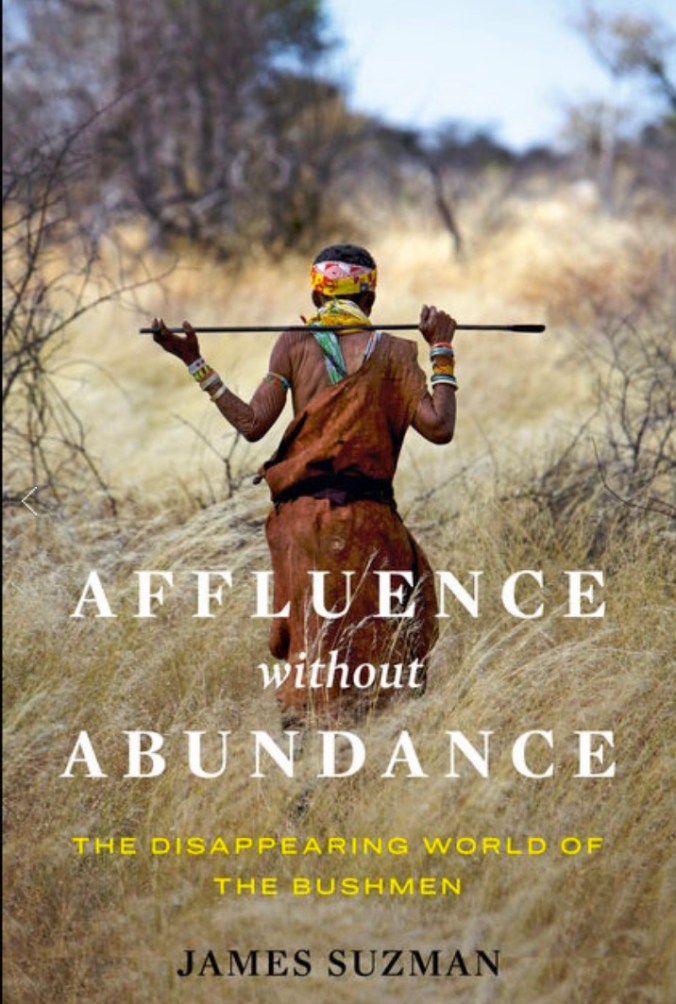
A few months ago we saw this interview with James Suzman, but delayed linking it until we had an opportunity to get ahold of the book. Our interest was caught by his explanation for why the topic was important:

24FIVEQUESTIONS-SUZMAN2-blog427

The author James Suzman.

…If we judge a civilization’s success by its endurance over time, then the Bushmen are the most successful society in human history. Their experience of modernity offers insight into many aspects of our lives, and clues as to how we might address some big sustainability questions for the future.

And then we neglected to post it until today, reminded about the book by the folks at National Public Radio (USA) in a new interview with the author on the same topic:

There’s an idea percolating up from the anthropology world that may make you rethink what makes you happy.

The idea is not new. It surfaced in the popular consciousness back in the late 1960s and helped to galvanize a growing environmental movement.

And now several books are bringing it back into the limelight.

The idea is simple: Perhaps the American and European way of living isn’t the pinnacle of human existence. Humanity hasn’t been marching — in a linear fashion — toward some promised land. Perhaps, Western society isn’t some magical state in which technology free us from the shackles of acquiring basic needs and allows us to maximize leisure and pleasure. Continue reading

The Origin Of Feasting

170918_r30523

A life of hunting and gathering had advantages over one of farming and settlement. Illustration by Golden Cosmos

John Lanchester’s article, pondering technology versus science, gives fire its due in the course of reviewing a new book about how hunting and gathering gave way to progress. At the same time, Lanchester raises reasonable doubts about the gains:

book-scott-grain…We don’t give the technology of fire enough credit, Scott suggests, because we don’t give our ancestors much credit for their ingenuity over the long period—ninety-five per cent of human history—during which most of our species were hunter-gatherers. “Why human fire as landscape architecture doesn’t register as it ought to in our historical accounts is perhaps that its effects were spread over hundreds of millennia and were accomplished by ‘precivilized’ peoples also known as ‘savages,’ ” Scott writes. Continue reading

Lost Rice, Found Alive

image005_custom-74fcf2c593047698233b11f237300862d88e143a-s1400-c85.jpeg

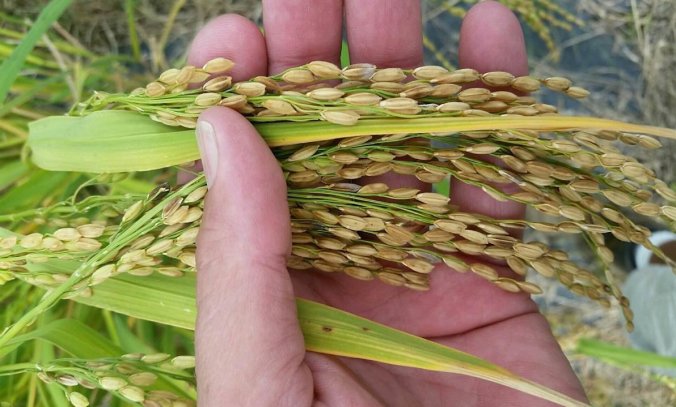
An upland rice strain. Courtesy of Brian Ward

Thanks to the salt and National Public Radio (USA) for this story about the strain of a grain means so much to billions of people around the world:

A grain of rice, like a grain of sand, sifts through your hands with a mysterious and lovely sameness. Mostly white or tan, hundreds or thousands of grains pour smoothly out of buckets, out of burlap, into bowls, with a sound like small waterfalls. Rice seems so simple, really. And yet, because it plays a central role in world cuisines, these modest grains can carry the weight of history. Sometimes that history is deeply surprising. Continue reading

Paleo Diet – Served Up Straight

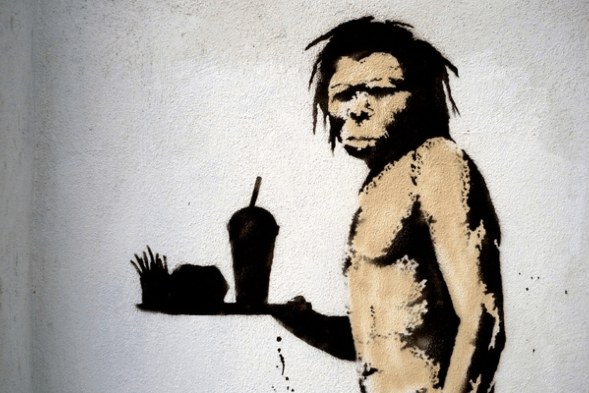
Banksy’s “Caveman”. Credit: Lord Jim Flickr (CC BY-SA 2.0)

Thanks to Scientific American‘s Guest Blog feature for this interesting fodder for thought.

The “True” Human Diet

From the standpoint of paleoecology, the so-called Paleo diet is a myth

People have been debating the natural human diet for thousands of years, often framed as a question of the morality of eating other animals. The lion has no choice, but we do. Take the ancient Greek philosopher Pythagoras, for example: “Oh, how wrong it is for flesh to be made from flesh!” The argument hasn’t changed much for ethical vegetarians in 2,500 years, but today we also have Sarah Palin, who wrote in Going Rogue: An American Life, Continue reading

Climate, Change & Mayan Foodways

casanova-and-yam-moo-1-57-add46e959487e457c4f775d87f6b1a404fb955fa-s1400-c85.jpg

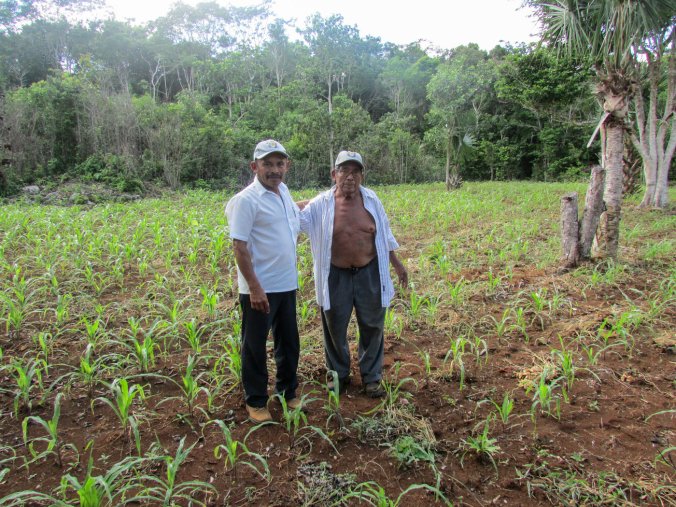
Farmers Gualberto Casanova (left) and Dionisio Yam Moo stand among young corn plants in Yam Moo’s improved milpa plot. Gabriel Popkin

We are grateful as always to our friends at the salt, one of National Public Radio (USA)’s great occasional series, for this story (the photo after the jump is a beauty, so read on):

Mayans Have Farmed The Same Way For Millennia. Climate Change Means They Can’t

by Gabriel Popkin

Dionisio Yam Moo stands about four-and-a-half-feet tall, and his skin is weathered from years in the tropical sun. A “proudly Mayan” farmer, he grows corn, beans and vegetables on a six-hectare farm in Mexico’s Yucatán peninsula. The farm is surrounded by dense tropical forest, and crops grow amid fruit trees in thin soil, with the peninsula’s limestone bedrock protruding in places. Continue reading

Chauvet & Chevalier

OLYMPUS DIGITAL CAMERA

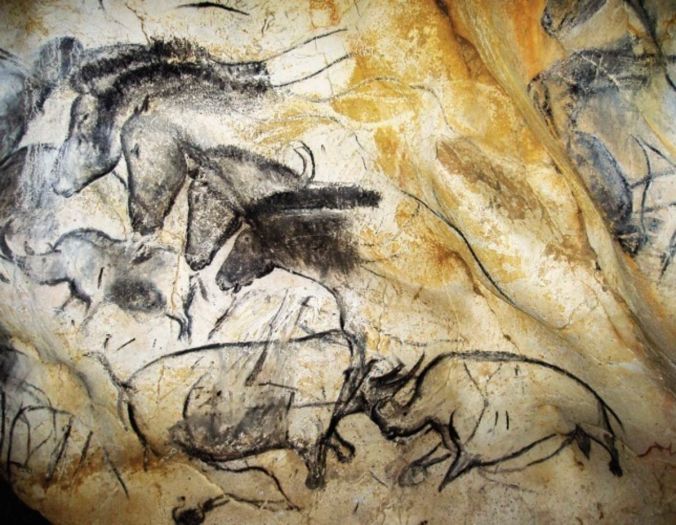
The World’s Oldest Art

BY  On Tuesday, Thurman received the Medal of Chevalier of the Order of Arts and Letters. Revisit her 2003 story on the Chauvet cave.

The New Yorker’s website invites you to celebrate news also cited by Art Forum about a writer who we have not cited here frequently, but whose most famous article (click the link above) is one of our favorites, and the film treatment of the same topic also had our attention; plus her francophilia is strongly shared among us:

Judith Thurman Receives the Medal of Chevalier of the Order of Arts and Letters

Yesterday, Judith Thurman—author, French literature scholar, and staff writer at the New Yorker—was conferred the insignia of chevalier of the Order of Arts and Letters by Bénédicte de Montlaur, the French Embassy cultural counselor. The ceremony took place at New York’s Payne Whitney Mansion. Continue reading
No Kitten Videos Here, But Plenty Of Cats

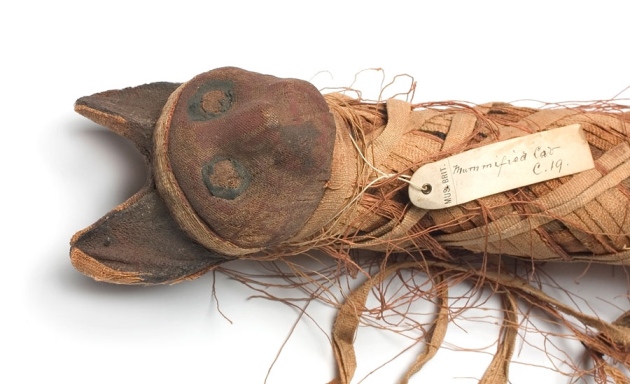
c0101823-egyptian_mummified_cat-spl_web

We are human, therefore we love cute kitten videos just like the next person. We just do not need to share them here. That is not our purpose. Ditto for puppy dog videos, though we have a soft spot for scientific explanation for how dog became man’s best friend. Especially when creatively oriented to non-scientists. Back to cats. We have been featuring them as often as possible here, when considered relevant. And then some links for good measure. Our thanks now to Nature, which brings scientific studies within reach of a motivated lay audience, for this story on one path by which cats came to their current prominent state of domestication in our lives:

How cats conquered the world (and a few Viking ships)

First large-scale study of ancient feline DNA charts domestication in Near East and Egypt and the global spread of house cats. Continue reading

A Defining Moment In Papua New Guinea

Screen Shot 2016-08-01 at 9.05.37 AM.jpg

Interesting to see, in one publication we depend on for interesting news and commentary related to community and conservation around the world, a bookend to the item just published in another publication we turn to frequently:

Defining Moment: a photographer’s snap decision in the face of danger

Wylda Bayron traveled solo around Papua New Guinea for 18 months. What she found was a nation fraught with violence but also filled with striking beauty Continue reading

Indigenous-Outing

160808_r28495-1200

Mr. Anderson’s work is often, like his colleague Elizabeth Kolbert’s, unusually thick in detail, and often kind of heavy. This item is heavy, detailed, but fascinating. His writing is often without illustration yet this piece is reported with abundant and excellent photography. Read a snippet below to get a sense of the interior of the article:

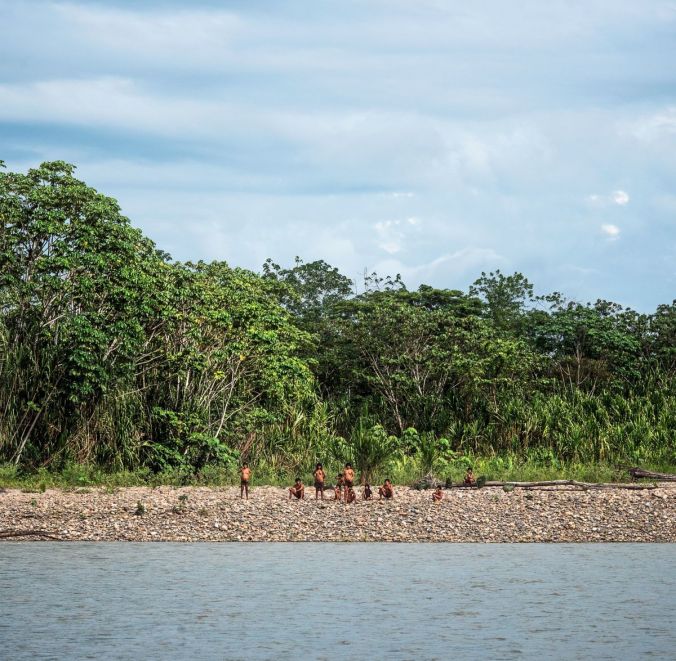
AN ISOLATED TRIBE EMERGES FROM THE RAIN FOREST

In Peru, an unsolved killing has brought the Mashco Piro into contact with the outside world.

By Jon Lee Anderson

…The Ministry of Culture’s team gathered a few months ago in Cuzco, high in the Andes, where a van was loaded with provisions. The leader was an anthropologist named Luis Felipe Torres, a slim man in his early thirties with an aquiline face and the unassuming manner of a professional observer. He was joined by Glenn Shepard, an American ethnobotanist. A youthful-looking man of fifty, Shepard had lived for a year in the nineteen-eighties among the Matsigenka people, who shared territory with the Mashco; he had learned their language and returned many times since. Shepard worked at the Emílio Goeldi Museum, an Amazonian-research center in Brazil, but he travelled to Peru frequently as an informal adviser to Torres’s department.

Continue reading

Totem Lost & Found

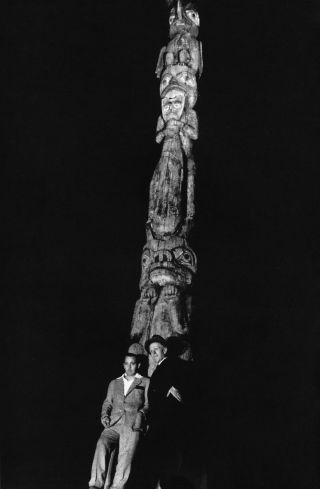
John Barrymore, left, joked that “tribal gods” might “wreak vengeance on the thief.”

John Barrymore, left, joked that “tribal gods” might “wreak vengeance on the thief.” Courtesy Bill Nelson

Read it start to finish in one read:

The Tallest Trophy

A movie star made off with an Alaskan totem pole. Would it ever return home?

By Paige Williams

The predominant natives of southeastern Alaska are the Tlingit—the People of the Tides. They are believed to have settled the Panhandle and the Alexander Archipelago more than ten thousand years ago. The Tlingit (pronounced klink-kit) were hunter-gatherers and traders who typically lived on the coastline, moving between permanent winter villages and summer encampments, where they fished, foraged, and stockpiled food. Continue reading

Recognizing the Gift of the Galapagos

157

“We’ve all been given a gift, the gift of life. What we do with our lives is our gift back.”

-Edo, Sacred Economics

Being in the Galapagos was such a gift.

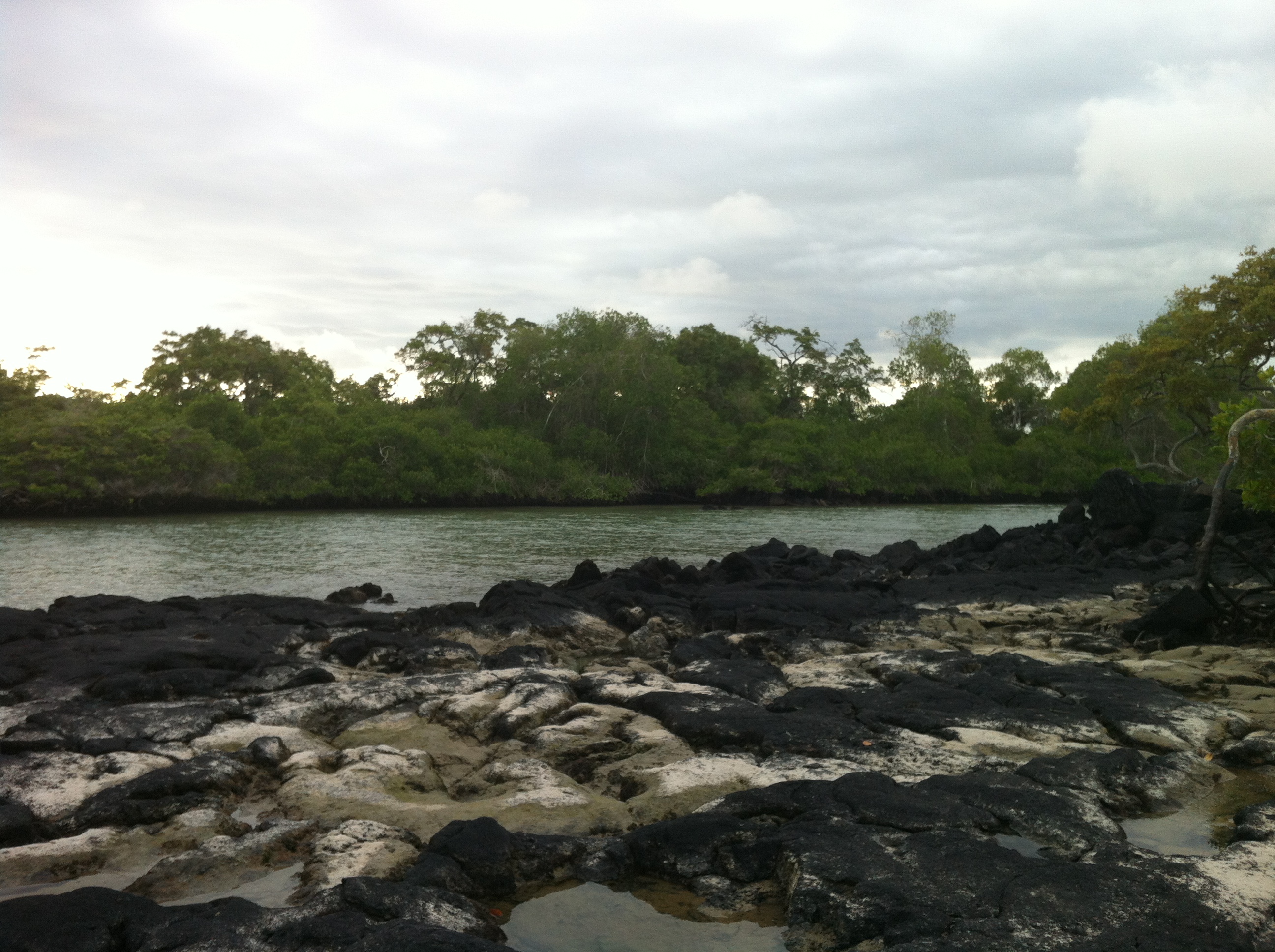
I remember reading a list in the newspaper when I was 14- something like “Top 10 Places to Visit Around the World”, and the Galapagos was on it with descriptions of black rocks and blue-footed boobies and I remember thinking how can I lead a life that takes me to places like that? The Galapagos Islands are a sacred mecca of biodiversity that most people will never have the privilege to see and I feel uncomfortable that I went without having to make any particular effort: I just chose a college and a study abroad program and voilà! my dreams came true. I feel immense gratitude for this. More importantly I feel a sense of obligation. I have an obligation to respond to this gift wisely and with intention in the way I conduct my life.

The sense of obligation is interesting to me because currently I’ve been reading about gift economies in my Economic Anthropology class. There is a concept called hau from the New Zealand Maori that tries to explain the sense of obligation to reciprocate when given a gift. From Wilk and Cligget’s book Economies and Cultures:

Hau is a term for the force of the identity of the owner of an object, which is attached to the object. Thus, upon giving the object away, part of the owner’s hau goes with it. And this is why receiving the gift always carries an obligation to reciprocate, because the hau wants to return to its original owner, though now it may be attached to another’s object.

In class, we’ve been talking about when things are separated from their origin, their story, the people who made it, there is some kind of erasure of the hau that represents the giver and we don’t feel compelled to respond in kind. Continue reading

A Random Walk Into Science

9781426207211_custom-35a4548b8f07b01d4c9e9152d330cf0d69e5ce53-s400-c85

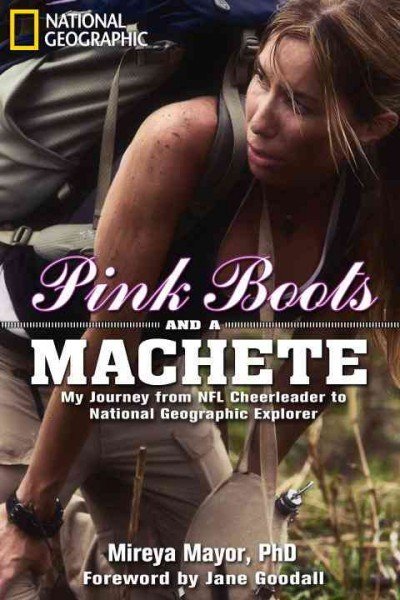
This title of the book to the left, and of the podcast interview (“Trading Pom-Poms For Field Boots”) on the National Public Radio (USA) series called “My Big Break”–and even the opening line belowgive the false impression that this may be a dilettante story; but not at all. It is about discovering science in a classroom and coming to love it thanks to a deep experience in nature:

Mireya Mayor’s life plays out like an adventure film.

She’s a globe-trotting anthropologist, primatologist, wildlife expert and conservationist. As the first female wildlife correspondent for the Ultimate Explorer series on National Geographic Channel, she’s gone diving with great whites, she’s rappelled down cliffs and she was even charged by an angry silverback gorilla.

But some of her fans might be surprised by what Mayor was up to before she trekked around remote regions of the world. Continue reading

Farmageddon, Reviewed

As Kayleigh continues work begun last month, bringing our attention to all the ways we can improve our food sourcing, this book review seems timely. Barbara King, the reviewer, is a noted anthropologist but even more noted author on the topic of animal emotions. We have not read the book yet, but as always with a good book review our attention is drawn to reasons why we might, or might not, make time for this one.

9781408846445_custom-edb29a20eb514ead6c26ac932f8f904d2cffa1a4-s3-c85

Thanks to National Public Radio (USA) for sharing the review:

For Philip Lymbery, head of the U.K.-based Compassion in World Farming and his co-author Isabel Oakeshott, a visit to California’s Central Valley amounted to an encounter with suffering.

In Farmageddon: The True Cost of Cheap Meat, Lymbery and Oakeshott write that the mega-dairies of the Central Valley are “milk factories where animals are just machines that rapidly break down and are replaced.” At one huge dairy they visited, cows stood idly outdoors, some in shade and some in the sun. No grass cushioned their feet and certainly none was available to eat since, like almost all factory-farm cows, the animals were maintained on an unnatural diet of crops such as corn. The stench in the air was “a nauseous reek.” Continue reading

Photographic Wonder

Marvin Heiferman. Photo: Alex Welsh/WIRED

We know that one day, hopefully not too far off, the wunderkind of La Paz Group’s photographic contributors will get his gear fired up and we will be displaying his latest wonders here again. We hear that his hiatus in Ithaca, NY since about one year ago has run its course, full of fascinations, back-looking reflections, photographic recapitulations, and even small distractions. Onward, westward, as ancestors of his did in previous centuries. More from Milo soon, we hope.

Meanwhile, on the topic of photography and wonders, Wired offers an interview to illuminate what might not otherwise be obvious at first glance:

For his book Photography Changes Everything, Marvin Heiferman spoke to experts in 3-D graphics, neurobiology, online dating, the commercial flower industry, global terrorism, giant pandas, and snowflake structure to understand the infinite ways imagery affects our everyday lives… Continue reading

Suburbanosity

St. Andrews Manor, Shanghai, China (2009)

St. Andrews Manor, Shanghai, China (2009)

Thanks to Atlantic’s far-reaching reviewers and commentators for their attention to this book:

Swedish-born photographer Martin Adolfsson has been living in New York City since 2007, but he’s spent a lot of his time documenting upper middle-class suburban enclaves outside the U.S. Continue reading

A Tomb In Peru That Looters Thankfully Missed

Photograph by Daniel Giannoni. With eyes wide open, a painted Wari lord stares out from the side of a 1,200-year-old ceramic flask found with the remains of a Wari queen. Giersz and his colleagues think the Wari may have displayed the body of the queen after death in a royal ancestor cult.

Heather Pringle, at National Geographic, shares this about the photos (click on any image to go to the source) from this rare find:

The Wari forged South America’s earliest empire between 700 and 1000 A.D., and their Andean capital boasted a population greater than that of Paris at the time. Today, Peru’s Minister of Culture will officially announce the discovery of the first unlooted Wari imperial tomb by a team of Polish and Peruvian researchers. In all, the archaeological team has found the remains of 63 individuals, including three Wari queens. Continue reading