Early Classic Period Puzzles

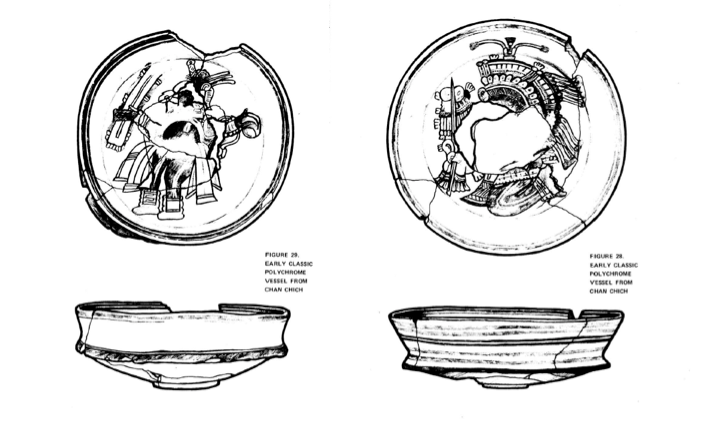
Early Classic Period Polychrome Vessels

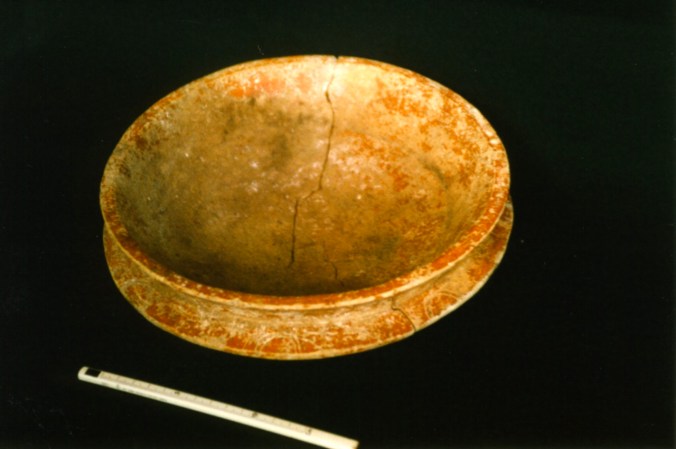
Almost from its inception there have been archaeological studies of the Maya sites at Chan Chich by nature of the lodge’s stated purpose to protect the area from further lootering. Professor Thomas Guderjan lead some of the early field seasons (1988 and 1990) studying the Maya Settlements in Northern Belize. At that time, the two Dos-Arroyos Polychrome Vessels illustrated above were some of the only artifacts found on site, but the subsequent seasons, spanning close to 20 years at this point, have yielded extensive data and additional artifacts.

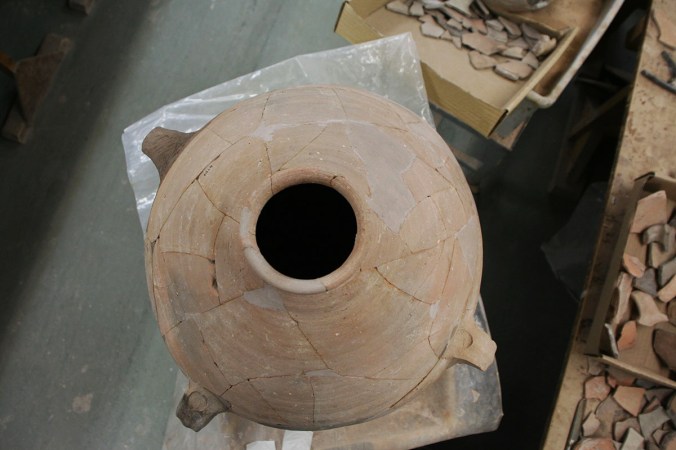
These two vessels remain on display in the restaurant area at Chan Chich Lodge. Although both had been repaired by Guderjan’s team, the one on the left had broken over the years. Just before this season’s team fully dispersed, I took the opportunity to request some puzzle practice.  Continue reading

The Technological Wow Factor of Archaeology

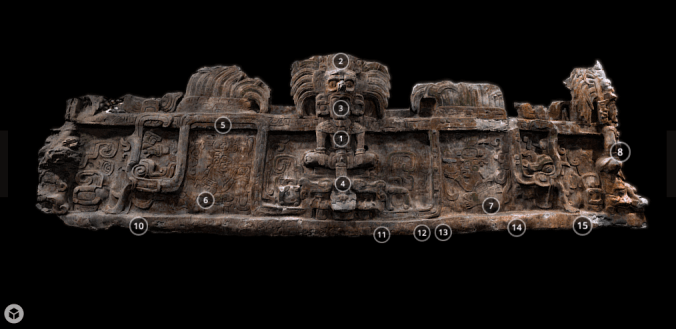
Crist’s post about this fascinating National Geographic article last week touched on its excellent graphics but barely began to scratch the surface of the amazing technology that would certainly have left the readers of the early issues of the magazine speechless.

In addition to the world-class photography, the interactive 3-D graphic of the frieze above uses SketchFab technology to allow viewers to not only zoom in and out, but to turn the object around in all directions, as if handling it in person. Do take the time to play with it! Continue reading

Snake Kings And Other Discoveries

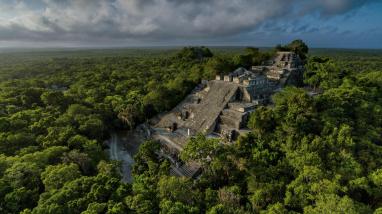
01-calakmul-maya-pyramid.adapt.1900.1.jpg

CALAKMUL In the seventh century A.D. the Snake rulers presided over this capital city—in what today is southern Mexico—and its largest structure, a pyramid 180 feet tall. From Calakmul they managed an intricate web of alliances. CONSEJO NACIONAL PARA LA CULTURA Y LAS ARTES (CONACULTA), INSTITUTO NACIONAL DE ANTROPOLOGÍA E HISTORIA (INAH), MEXICO

Discoveries in the lands once populated by the Maya continue apace. As Chan Chich Lodge completes three decades of archeological exploration, the wonders of three millennia are uncovered. The stories that capture my interest the most, related to the Maya, are about the man-nature relationship.
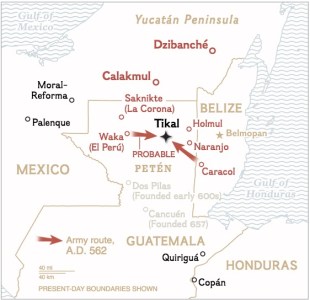
SnakeKingMap.jpg

JEROME COOKSON, NG STAFF
SOURCE: DAVID FREIDEL, WASHINGTON UNIVERSITY IN ST. LOUIS

For example, Erik Vance’s story from last year. I remember thinking that it was the best article I had ever read in National Geographic. Partly, the graphics are better, if that is possible, than the typically excellent quality the magazine is known for. Also, the topic is more topical for me now. Chan Chich Lodge is situated exactly where the o in Holmul is on the map to the left. The lodge’s Maya foundations are situated at the periphery of where the snake kings once ruled.

And we now have an ethnobotanical initiative linking Maya foodways to our surrounding nature conservation. That initiative is linked to the lodge’s food program, with some high expectations related to our abundant forests. But mainly, with regard to this article, the writing illuminating the topic is excellent:

…Two warring city-states were locked in perennial conflict, grappling for supremacy. For a brief period one of those city-states prevailed and became the closest thing to an empire in Maya history. It was ruled by the Snake kings of the Kaanul dynasty, which until just a few decades ago no one even knew existed. Thanks to sites around this city-state, including Holmul, archaeologists are now piecing together the story of the Snake kings…
35 composite of 2 and 3.adapt.1190.1.jpg

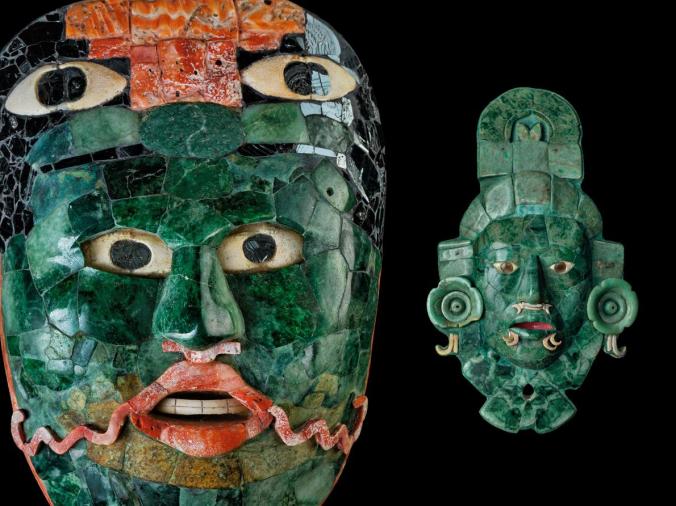
Masks from the tombs at Calakmul were meant to ease the passage of the Snake elite into the next world. Royal visages made of green jade, more valuable than gold to the ancient Maya, evoked the annual agricultural cycle and regeneration. CONACULTA, INAH, MEXICO (BOTH) PHOTOGRAPHED AT (LEFT TO RIGHT): NATIONAL PALACE, MEXICO CITY; MUSEO DE SITIO DE COMALCALCO, MEXICO

Archaeology in Miniature

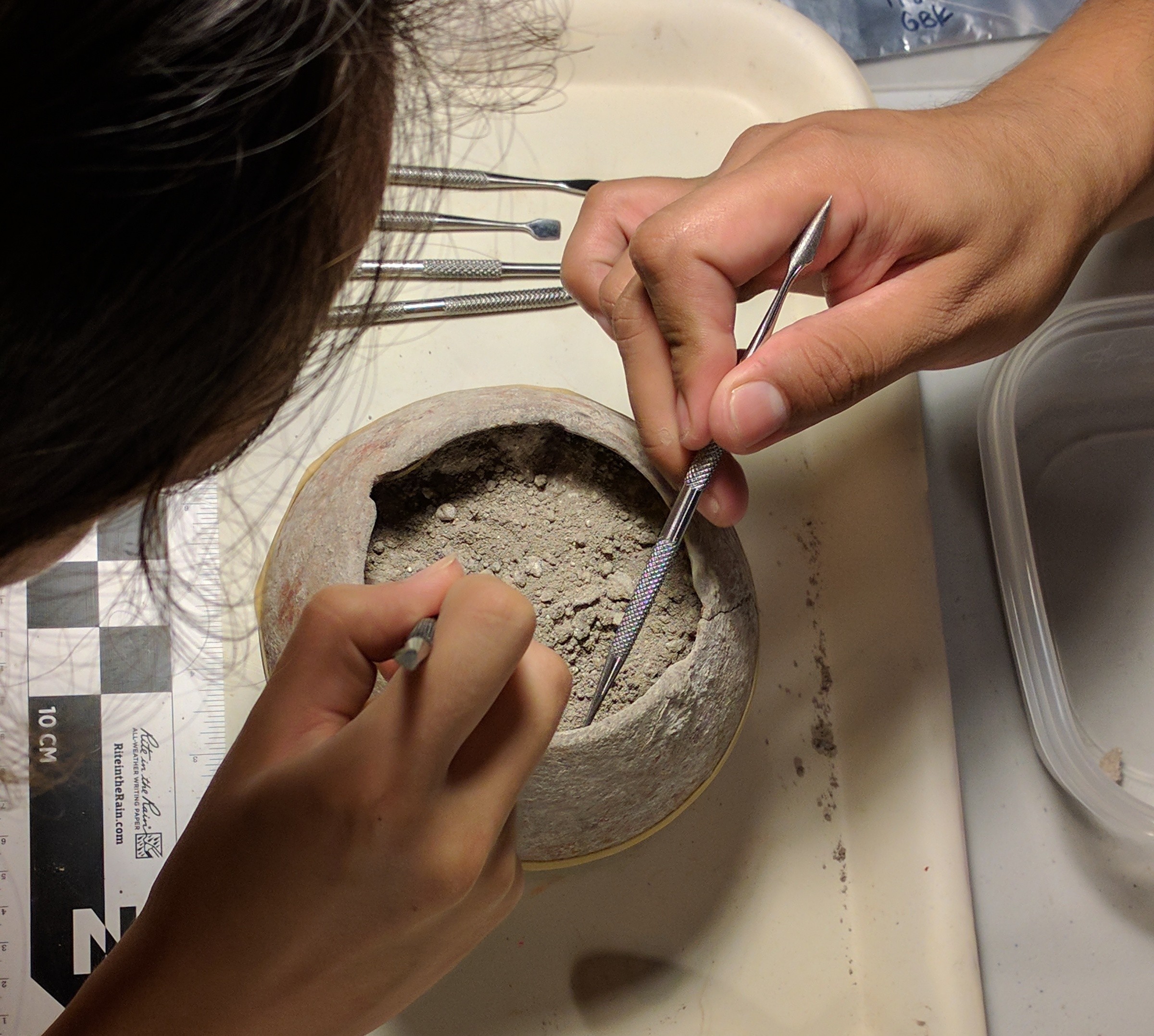
After spending a few days participating in the 2017 CCAP dig I went to visit the lab where the artifacts are cleaned, sorted and tagged. While Phil and I were doing the most basic work, Tomás and Mnemo were carefully cleaning out a burial pot that had been found in the chamber next to our new unit.

Using dental implements and small wooden sculpture tools, they were essentially repeating the process that we’d begun in our unit a few days earlier – carefully excavating the packed earth layer by layer – albeit in miniature. Continue reading

Archaeology Lab 101

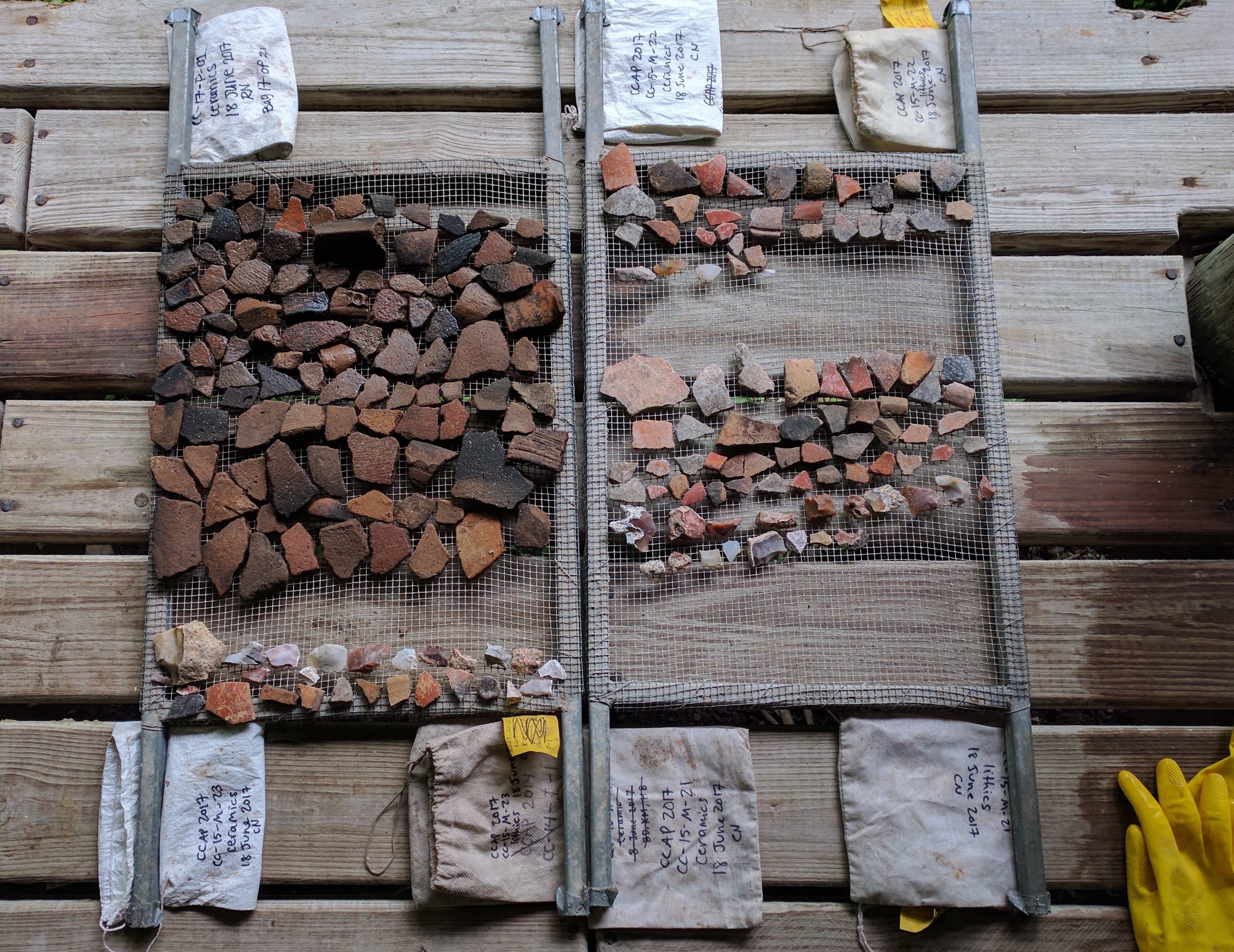
Much of the scientific rigor involved in archaeology is related to the careful documentation of what often appears to be a proverbial needle in a haystack: tiny flakes of chert stone, potsherds, or obsidian can be found in the layers (or lots) of a dig unit.

In this tropical environment we’re dealing with wet, loamy earth, so those stone or pottery fragments are frequently covered in mud, and who better to clean much of these items than interested novices. Continue reading

Getting Your Archaeological Feet Wet

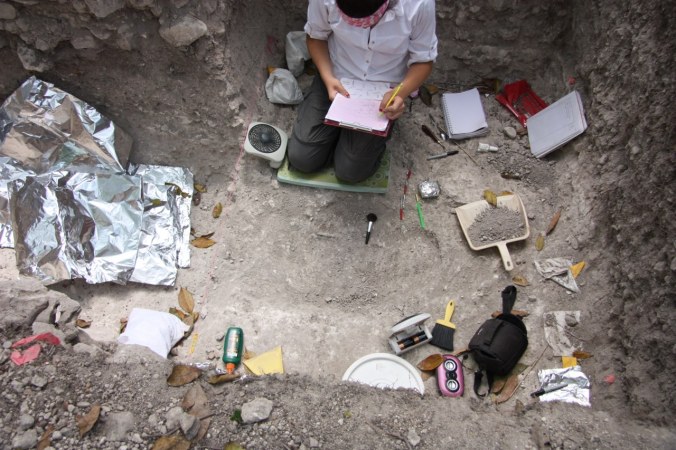
Day #2 at CCAP began with the same sense of camaraderie as Day #1 as we continued the process of clearing out topsoil, clipping roots, hauling soil and stone, and yes, working on walls. Each conversation with the team was informative, as we discussed the upcoming step of closing out the “lot” we’d started and opening the next one of the unit – basically as we approached the change-over of levels for the precise documentation required at an archaeological dig.

We were quite close to that point when we stopped work for lunch, returning with high energy to move on to the next stage. But it’s green season in Belize, and Mother Nature had other plans for the day. Continue reading

A Day In the Life of the Chan Chich Archaeological Project

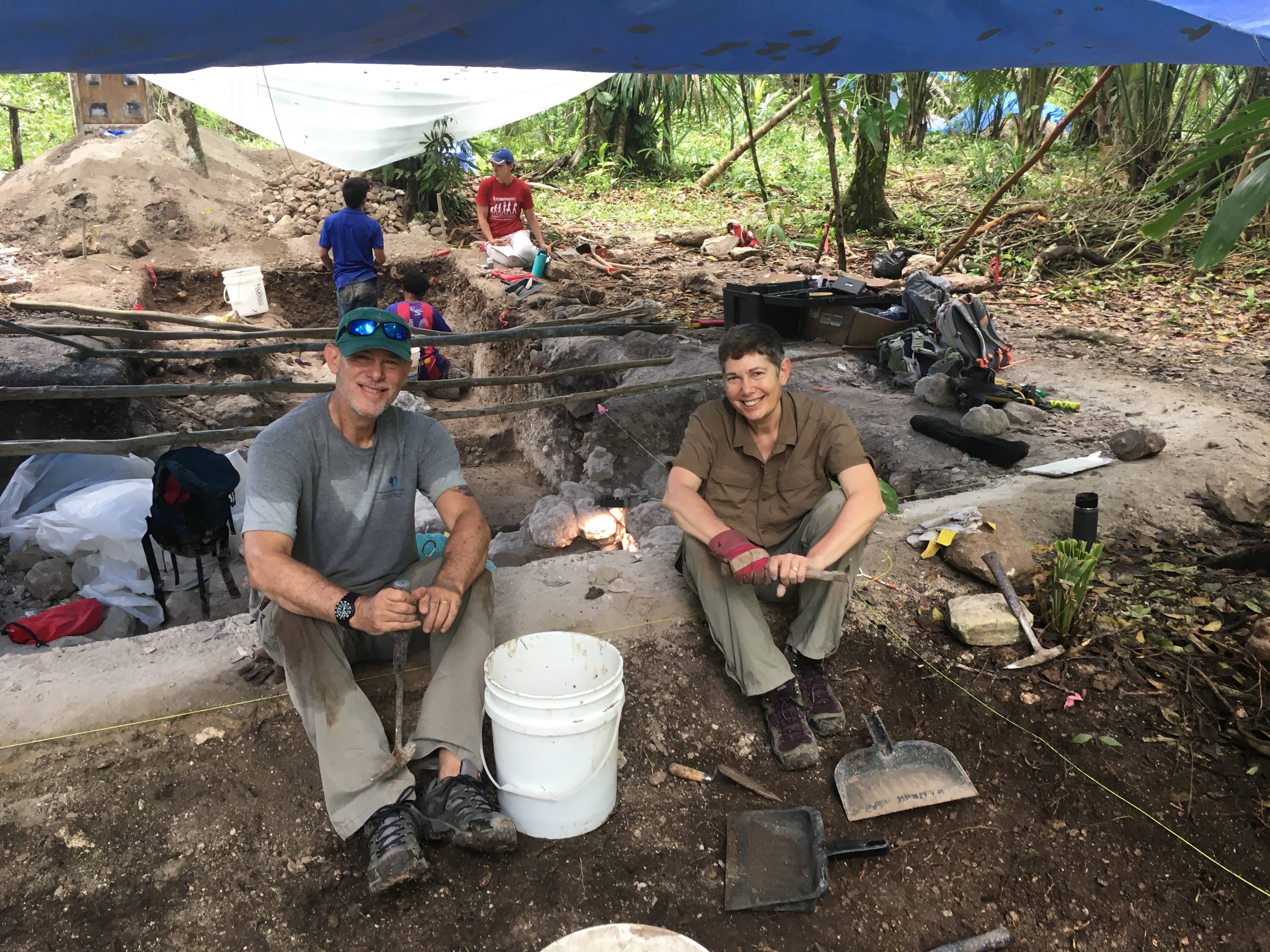
When Crist wrote about the Chan Chich Archaeological Project in April it was in anticipation of the group’s arrival. Now that we’re several weeks in I’ve had the opportunity to assist them first hand, in part as a “guinea pig” for guest involvement as citizen science participants. Fellow contributor Phil Karp (a veteran of many citizen science programs) was enthusiastically up  for the experience as well.

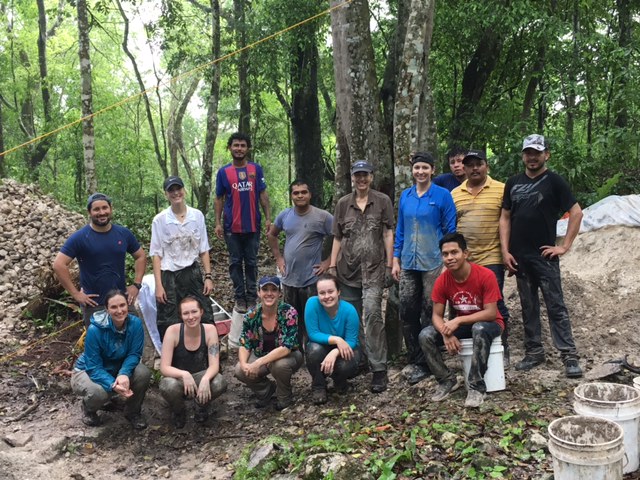
The team of archaeologists and field school students, led by Texas Tech University associate professor Dr. Brett Houk, is studying the ancient Maya at Chan Chich and surrounding sites. Several weeks into their dig they’ve made significant progress, and they gamely accepted the challenge of taking novices into their ranks.

We began at the beginning, well known to be the very best place to start, with a new “lot” located next to a well-established excavated area. Continue reading

Some Science On Ramon

RamSci1Ramón and Maya Ruins: An Ecological, not an Economic, Relation
 J. D. H. Lambert and J. T. Arnason
Science

New Series, Vol. 216, No. 4543 (Apr. 16, 1982), pp. 298-299

RamSci2Observations on Maya Subsistence and the Ecology of a Tropical Tree

Charles M. Peters
American Antiquity
Vol. 48, No. 3 (Jul., 1983), pp. 610-615
We have a sizable team, including our staff members of Maya heritage as well as those who know the forest ecology as part of their work, plus two summer interns, a chef, and a design director among others–all looking into this tree and its fruit. These journal articles, less dry than some academia and fresher than their age would suggest were brought to my attention by Nicoletta Maestri who I thank for the article below. For my team mates and me this is food for thought on our path to determining how this tree, introduced millennia ago by Mayans, plays into the future of Chan Chich Lodge:

Brosimum Alicastrum, The Ancient Maya Breadnut Tree

Did the Maya Build Forests of Breadnut Trees?

The breadnut tree (Brosimum alicastrum) is an important species of tree that grows in the wet and dry tropical forests of Mexico and Central America, as well as in the Caribbean Islands. Also known as the ramón tree, asli or Cha Kook in the Mayan language, the breadnut tree usually grows in regions that are between 300 and 2,000 meters (1,000-6,500 feet) above sea level. The fruits have a small, elongated shape, similar to apricots, although they are not particularly sweet. Continue reading

Chan Chich Archeology Season, When Skygazing Is Also At A Premium

Death-Valley-2-Skyglow-Desktop-Wallpapers-e1492808806156.jpg

Today and tomorrow we are finalizing preparation for receiving a nearly full house of archeologists, who will be at Chan Chich Lodge for the next couple months. I came across the photo above at the same time I was looking at the to-do list related to their arrival, and am remembering that in May 2016 I was struck by the quality of night sky at Chan Chich for stargazing.

So this is a shout out to all those people who are intrigued by Mayan archeology, are stargazers, and have not yet made vacation plans for the next couple months. We have a few rooms available, so come on over!  The photo above is paid content from Intel, and while usually we avoid passing along commercials, this is on a topic we care about. It is worthy of a read. Also, after the text the Skyglow short on Vimeo is worth a look:

Timelapse photographers zigzagged 150,000 miles across the U.S. to capture the wonders of the dark skies and raise awareness about the growing threat of light pollution.

Their family and friends think they’re crazy for devoting so many nights to create Skyglow, a book and video born from Gavin Heffernan and Harun Mehmedinovic’s passion for nature and photography. Just how Carl Sagan and Stephen Hawking brought deeper understanding of the cosmos, Heffernan and Mehmedinovic are raising awareness about the damage caused by ever increasing light pollution. Their magical timelapse photography just might do the trick. Continue reading

Learning Archeology In Situ At Chan Chich Lodge

2013 Burial 10.jpg

We recently posted a brief description of this program in the events section on the Chan Chich Lodge website, and here we provide a longer description written by the program organizers. The photos are from recent years of the program. I am looking forward to welcoming Professor Houk and his team of archeology students to Chan Chich Lodge few weeks from now, and especially looking forward to the opportunity guests of the lodge will have to join the evening lecture series, discussing the history of the location and particular discoveries from the site:

1997 Tomb 2 Plate.jpg

Guests of Chan Chich Lodge are the most recent inhabitants of the ancient Maya city of Chan Chich. Abandoned around AD 900, the once proud buildings, plazas, courtyards, reservoirs, gardens, and fields were gradually reclaimed by the jungle for over 1,100 years… Continue reading

Cacao’s Curious Clues

4TB-amazon1-superJumbo.jpg

A view from the Amazon Tall Tower Observatory in São Sebastião do Uatumã, Brazil. A new study examines correlations between plant species in the forest today and archaeological finds. Credit Bruno Kelly/Reuters

Different day, different location, and our interest in cacao is  piqued again:

How the Amazon’s Cashews and Cacao Point to Cultivation by the Ancients

By

Scientists studying the Amazon rain forest are tangled in a debate of nature versus nurture.

Many ecologists tend to think that before Europeans arrived in the Americas, the vast wilderness was pristine and untouched by humans. But several archaeologists argue that ancient civilizations once thrived in its thickets and played a role in its development. Continue reading

Appreciating Earth’s Amenities

bjornerud-storingearthsmagneticfieldinajar_01

Ancient pottery, like this jar from Iron Age Judea, can record our planet’s magnetic ebb and flow. COURTESY ODED LIPSCHITS

Funny, as we just started carrying a new line of amenities at Chan Chich Lodge (what we had was already earth-friendly, but the new line is even more so), to be reminded of an amenity we never thought of as an amenity:

EARTH’S MYSTERIOUS MAGNETIC FIELD, STORED IN A JAR

Of all the environmental amenities that this hospitable planet provides, the magnetic field is perhaps the strangest and least appreciated. It has existed for more than three and a half billion years but fluctuates daily. It emanates from Earth’s deep interior but extends far out into space. It is intangible and mostly invisible—except when it lights up in ostentatious greens and reds during the auroras—but essential to life. The magnetic field is our protective bubble; it deflects not only the rapacious solar wind, which could otherwise strip away Earth’s atmosphere over time, but also cosmic rays, which dart in from deep space with enough energy to damage living cells. Continue reading

Corn Culture Cropped

3915997480_7d3bb9ab91_o_wide-d1096f93994052a70749306989017f6effbc93a6-s1400-c85.jpg

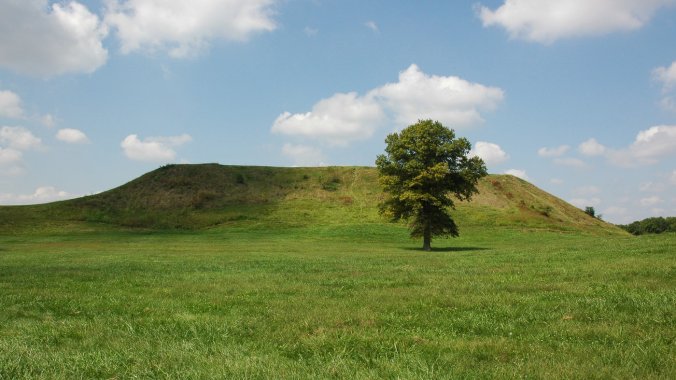
Cahokia Mounds State Historic Site in Collinsville, Ill. A thriving American Indian city that rose to prominence after A.D. 900 owing to successful maize farming, it may have collapsed because of changing climate. Michael Dolan/Flickr

Thanks to National Public Radio (USA) and the folks at the salt for raising our awareness of another corn-influenced culture we knew nothing about until just now:

1,000 Years Ago, Corn Made This Society Big. Then, A Changing Climate Destroyed It

by Angus Chen

About a 15-minute drive east of St. Louis is a complex of earthen mounds that once supported a prehistoric city of thousands. For a couple of hundred years, the city, called Cahokia, and several smaller city-states like it flourished in the Mississippi River Valley. But by the time European colonizers set foot on American soil in the 15th century, these cities were already empty. Continue reading

Millenia-Old Amazonian Practices Worthy Of Marvel

11tb-amazon01-superJumbo.jpg

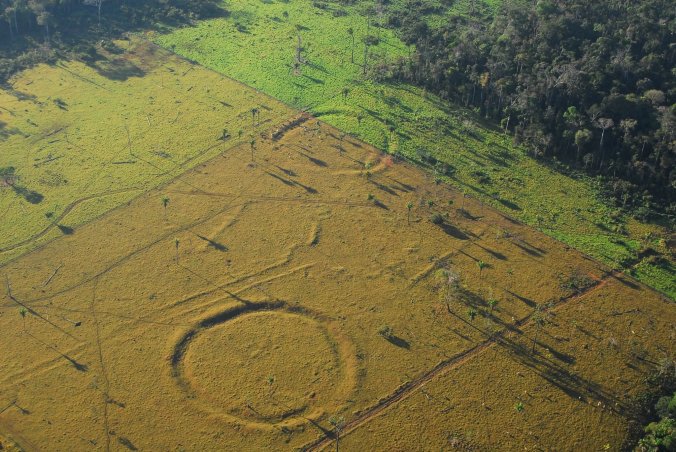
New research suggests people were sustainably managing the Amazon rain forest much earlier than was previously thought. Credit Jenny Watling

Anything with the word Amazon in it, when it refers to the rainforest ecosystem in South America, is worthy of marvel. Joanna Klein offers this story, in the Trilobites feature at the New York Times, that is one of the more surprising finds we have seen in a long time:

Deep in the Amazon, the rain forest once covered ancient secrets. Spread across hundreds of thousands of acres are massive, geometric earthworks. The carvings stretch out in circles and squares that can be as big as a city block, with trenches up to 12 yards wide and 13 feet deep. They appear to have been built up to 2,000 years ago.

Were the broken ceramics found near the entrances used for ritual sacrifices? Why were they here? The answer remains a mystery. Continue reading

Mayan City, Deep Jungle Discovery

NYerMaya.jpg

Mr. Preston shares an experience that is not familiar to many people, and perhaps only considered enviable by a select few. The team at Chan Chich Lodge meets visitors every day of the year who are looking for a distant cousin of this experience described below, and those guests come away invariably awed by the opportunity to have a safe, comfortable adventure deep in nature, exploring well protected remains of a Mayan civilization buried by time and jungle. For them, this is worth a read:

AN ANCIENT CITY EMERGES IN A REMOTE RAIN FOREST

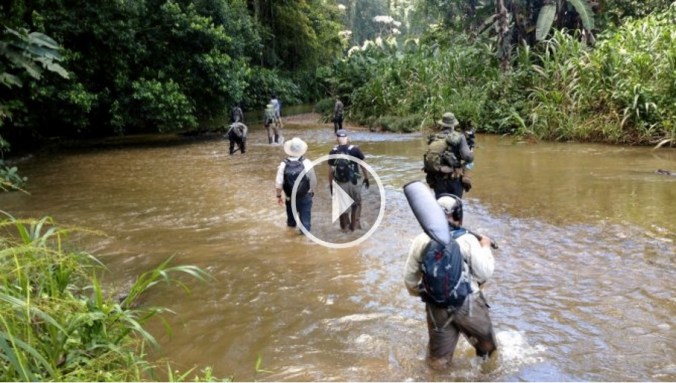
…The revelation of an ancient city in a valley in the Mosquitia mountains, of Honduras, one of the last scientifically unexplored regions on Earth, was a different story. This was the first time a large archaeological site had been discovered in a purely speculative search using a technology called lidar, or “light detection and ranging,” which can map terrain through the thickest jungle foliage, an event I chronicled in a story for the magazine in 2013. As a result, this discovery revealed something vanishingly rare: a city in an absolutely intact, undisturbed, pristine state, buried in a rain forest so remote and untouched that the animals there appeared never to have seen people before. Continue reading

Brew & Conservation

Patrick_McGovern_Analyzing_Midas_sample_at_Microscope.jpg

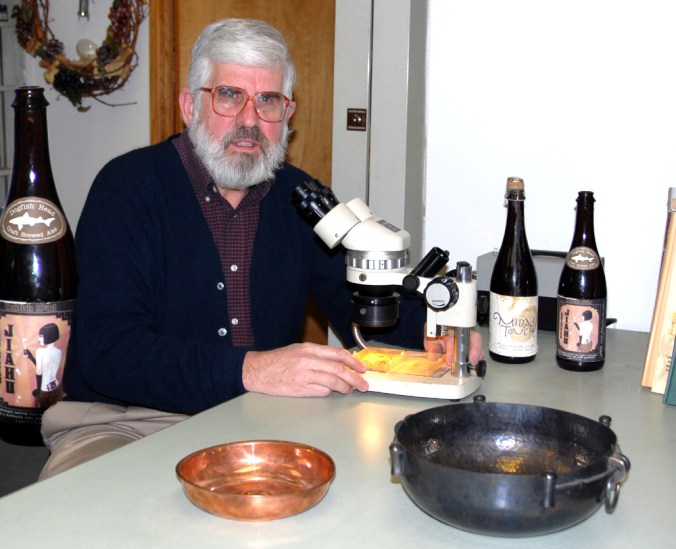
Patrick McGovern, Scientific Director of Biomolecular Archaeology Laboratory at the Penn Museum, examines a sample of the “King Midas” beverage residue under a microscope. Photo © Pam Kosty / Wikimedia through a Creative Commons license

And in other beer-related news, thanks to the Nature Conservancy’s contributors at Cool Green Science, particularly for Matt Miller’s article Dogfish Head’s Sam Calagione on Archaeology, Conservation and Beer:

Ancient Ships Found In Black Sea

00shipwrecks1-superjumbo

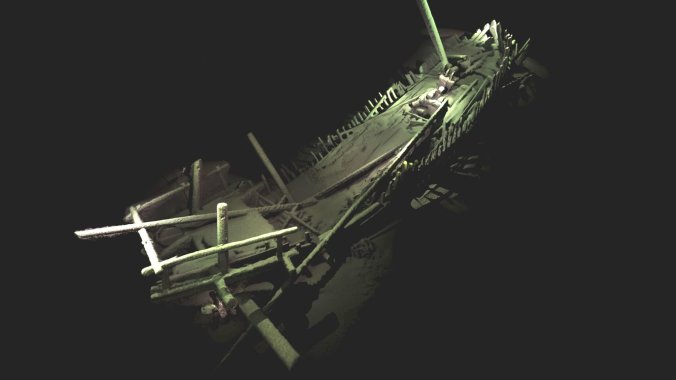
An image of the well-preserved medieval ship found at the bottom of the Black Sea, one of more than 40 wrecks discovered. Photogrammetry, a process using thousands of photographs and readings, produced a rendering that appears three-dimensional. Credit Expedition and Education Foundation/Black Sea MAP

For divers, as well as anyone fascinated by ancient maritime trade routes, this must be the best news in a long while:

‘We Couldn’t Believe Our Eyes’: A
Lost World of Shipwrecks Is Found

Archaeologists have found more than 40 vessels in the Black Sea, some more than a millennium old, shedding light on early empires and trade routes. Continue reading

If You Happen To Be In Tokyo


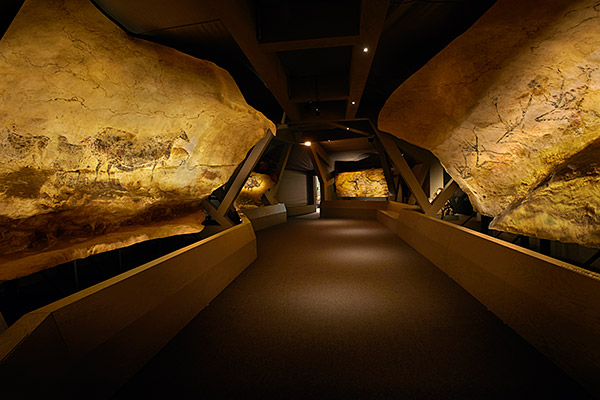
© SPL Lascaux international exhibition

© SPL Lascaux international exhibition

It’s the rare few who will have the opportunity to enter the original Lascaux Cave, but thanks to the foresight of the French government and the hard work of dedicated scientists and artists, an exact replica was opened in 1983 that gave visitors a chance to experience the amazing archaeological site. Nearly 20 years later additional replicas have begun to tour the world.

A few days ago we posted about Judith Thurman’s receiving a Medal of Chevalier in part for her inspiring writings about the Chauvet cave. It was a happy coincidence that the traveling exhibit had just opened in Toyko’s National Museum of Nature and Science.

The National Museum of Nature and Science, the Mainichi Newspapers, and Tokyo Broadcasting System Television, Inc. will hold a special exhibition, “Lascaux: The Cave Paintings of the Ice Age”, from Tuesday, Nov. 1, 2016 to Friday, Feb. 19, 2017. About 20,000 years ago, dynamic pictures of animals were painted on the walls of caves found in southwestern France, the Lascaux Caves. Continue reading

Chauvet & Chevalier

OLYMPUS DIGITAL CAMERA

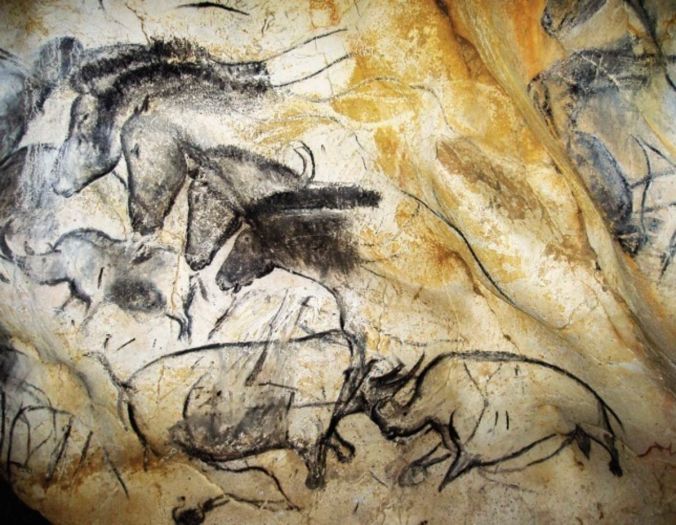
The World’s Oldest Art

BY  On Tuesday, Thurman received the Medal of Chevalier of the Order of Arts and Letters. Revisit her 2003 story on the Chauvet cave.

The New Yorker’s website invites you to celebrate news also cited by Art Forum about a writer who we have not cited here frequently, but whose most famous article (click the link above) is one of our favorites, and the film treatment of the same topic also had our attention; plus her francophilia is strongly shared among us:

Judith Thurman Receives the Medal of Chevalier of the Order of Arts and Letters

Yesterday, Judith Thurman—author, French literature scholar, and staff writer at the New Yorker—was conferred the insignia of chevalier of the Order of Arts and Letters by Bénédicte de Montlaur, the French Embassy cultural counselor. The ceremony took place at New York’s Payne Whitney Mansion. Continue reading

Antikythera, Belize & Wondrous Discoveries

21tb-shipwreck-master768

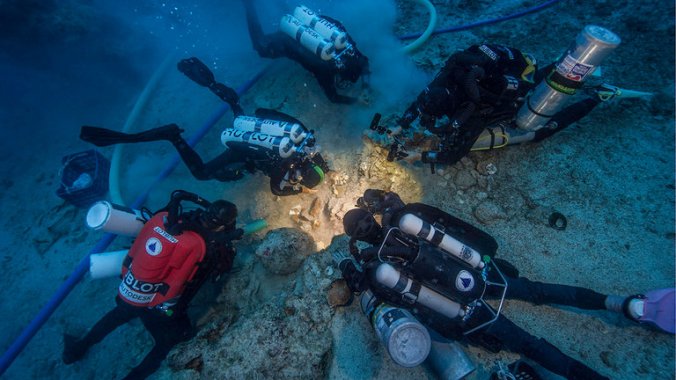
Divers and archaeologists excavating the 2,000 year old Antikythera shipwreck. Credit Brett Seymour/EUA-WHOI, via Argo

This story, about remains recently found under water in a region of the Greek islands where several of us at La Paz Group have very fond memories of, gives me pause. At the time the ship in this story wrecked, the Mayans in Belize were flourishing. The archeologists working at Chan Chich Lodge are still dating the structures there, but the sailor from the ship lost in Antikytheran waters would likely have found the Mayans quite advanced relative to his own culture.

Greece’s classical period was long over by the time this sailor lost his life, and Rome’s empire was still expanding, impressively. Lots of progress, civilization-wise, philosophy-wise, math-wise, geometry-wise in that Mediterranean zone; but also in what is now called Belize, and the wider Mesoamerican corridor. Reading this article, I appreciate the work of archeologists who advance our understanding of those who came before us:

Human Remains Found at Ancient Roman-Era Shipwreck

By

Underwater archaeologists have found a 2,000-year-old skeleton belonging to a victim of the famed Antikythera shipwreck from ancient Roman times. Continue reading