The Whole Picture

Did you take these for just some stunning water colors? Well, these are hard data on climate change. An artistic expression of an ugly, oft overlooked truth. Jill Pelto, the artist, who graduated in December from the University of Maine with a degree in earth science and studio art, created these paintings based on graphs of data on the environmental effects of climate change.

Continue reading

Avant Guard

The guards at The Broad Museum in Los Angeles aren't just here to protect the art — they're also expected to engage and educate. They're called visitor services associates, and they've gone through hours and hours of training to become ambassadors for contemporary art. Ryan Miller/Capture Imaging/The Broad Art Foundation

The guards at The Broad Museum in Los Angeles aren’t just here to protect the art — they’re also expected to engage and educate. They’re called visitor services associates, and they’ve gone through hours and hours of training to become ambassadors for contemporary art.
Ryan Miller/Capture Imaging/The Broad Art Foundation

I can easily spend hours wandering museum galleries – viewing Art, artifacts and people – it’s all fascinating. More likely than not every other room I’ll pass an ever present museum guards, usually efficient, sometimes friendly. Always in uniform. The directors of The Broad Museum in L.A. are viewing this important role in a new light. Dressed eclectically in black with red lanyard IDs, the VSAs (Visitor Service Associates) are well-trained crosses between guard and guide. Their knowledge and friendly delivery creates a concierge museum experience, which seems especially appropriate for a private collection museum.

Guard Sabrina Gizzo might easily be mistaken for a docent. She’s talking with some visitors about Thomas Struth’s huge color photograph of a crowd at a museum in Florence Italy. In the photo, tourists are dressed in summer clothes — shorts, T-shirts, caps, sneakers. Struth photographs the crowd facing us, looking up at something we can’t see. As Los Angeles visitors to The Broad study Struth’s photograph — a museum crowd looking at another museum crowd — one Broad visitor notices that a man in the photograph is wearing sunglasses clipped to the front of his shirt. Gizzo suggests that her guest take a very close look at the sunglasses.

Why? Turns out, if you look closely, a famous statue can be seen in the reflection of the man’s glasses: Michelangelo’s sculpture of David.

Continue reading

If You Happen To Be In Boston

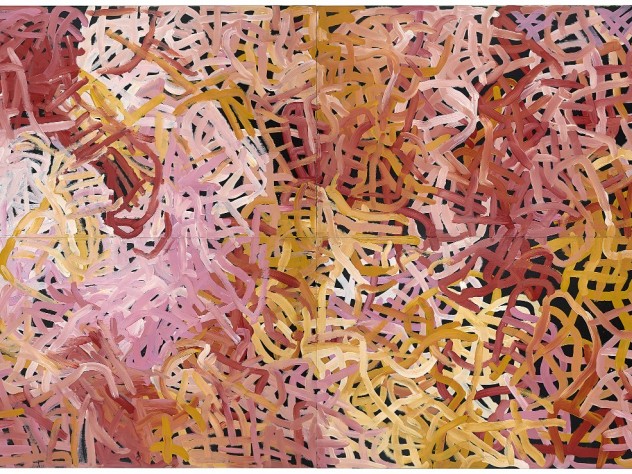
Kngwarray-Anwerlarr angerr_TL41481.3_seasonality_PR-2

Emily Kam Kngwarray’s Anwerlarr angerr (Big yam) (1996), on display in the “Seasonality” portion of the exhibition Everywhen © Emily Kam Kngwarray / © 2015 Artists Rights Society (ARS), New York / VISCOPY, Australia.

Cambridge, more precisely, is the location where this exhibition can be experienced:

At the Harvard Art Museums, Indigenous Australian Art and Thought on Display

THOUGH SNOW MAY FALL OUTSIDE, inside their special exhibition galleries the Harvard Art Museums host some heat from desert Australia. Composed of 70 artworks—many of which had never left their native land before now—the exhibition Everywhen: The Eternal Present in Indigenous Art from Australia opened on February 5.

The project was some five years in the making for visiting curator Stephen Gilchrist, an associate lecturer at the University of Sydney, and its planning required many late-night conference calls. “I felt,” he jokes, “like I was calling from the future.” Continue reading

Double Major

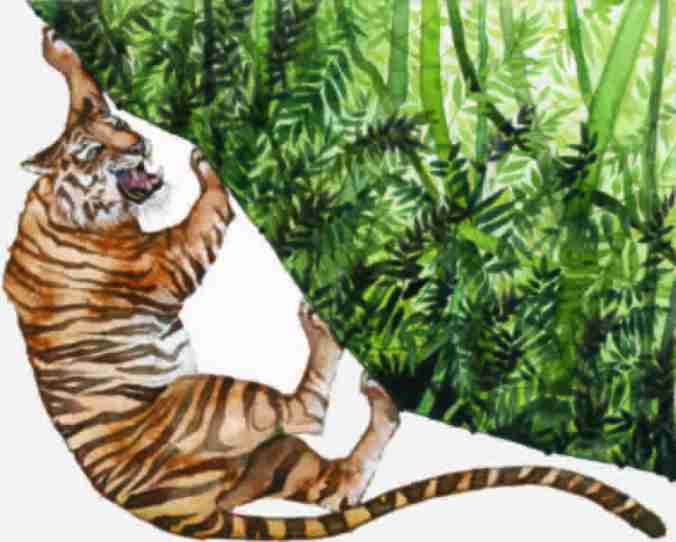
tigerweb_750

Endangered tiger and rainforest habitat decline. Image credit: Jill Pelto

In the years since Raxa Collective has been operational in India, we have welcomed several dozen interns to Kerala from a dozen or more countries around the world, most but not all from university programs that have some attention to sustainable development. The majority of those interns have been graduate students preparing for a career in international business. Most of our interns will not work full time in sustainable development after graduating. But they want this experience to ensure that their work has a kind of “double major” effect so their exposure to sustainability programming is embedded in their more mainstream functional business activities.

Those interns not from university programs are typically taking a sabbatical from their regular work life. They also are typically looking to add the equivalent of a second major to their regular professional life.  Thanks to Clara Chaisson at EcoWatch for this pointer over to an scientist/artist who is doing the same, in her own way:

Scientists are notorious for struggling to communicate the importance of their work in compelling ways. Continue reading

You Are Here

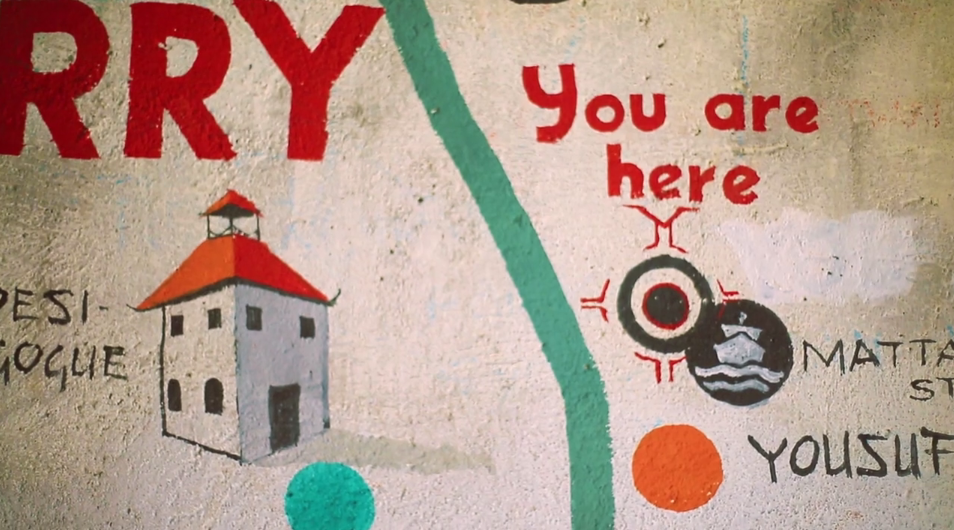
You Are Here.

Three small words found on map boards from metros to malls around the world, usually accompanied by a red dot. Existential words to be sure. Words whose underlying message begs us to live with intention.

The RAXA Collective team crafted the Xandari Harbour walking map with the same deliberateness.

Come explore with us!

Step out from Xandari Harbour’s red door. Go right. Go left. You can’t go wrong!


click below to view the map!

Continue reading

The Earliest Artists

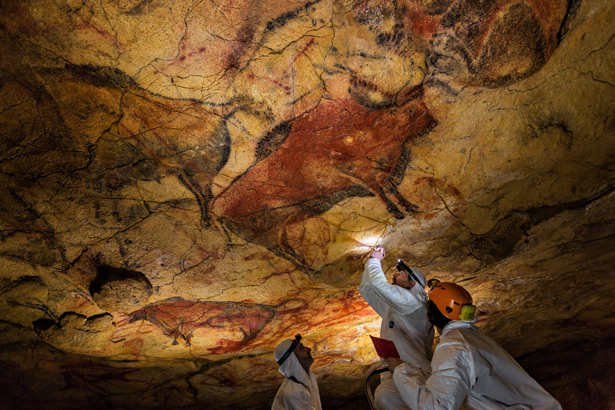
Located in southern France, the Cave of Pont d’Arc holds the earliest-known and best-preserved figurative drawings, dating back to the Aurignacian period (30,000–32,000 BP). PHOTO: Nat Geo

Located in southern France, the Cave of Pont d’Arc holds the earliest-known and best-preserved figurative drawings, dating back to the Aurignacian period (30,000–32,000 BP). PHOTO: Nat Geo

The Cave of Chauvet-Pont-d’Arc has been ferociously protected by the French Ministry of Culture. An exceptional testimony of prehistoric art, the cave was closed off by a rock fall and remained sealed until its discovery in 1994. The images demonstrate techniques of shading, combinations of paint and engraving, three-dimensionality and movement.

Around 36,000 years ago, someone living in a time incomprehensibly different from ours began to draw on its bare walls: profiles of cave lions, herds of rhinos and mammoths, a magnificent bison off to the right, and a chimeric creature—part bison, part woman—conjured from an enormous cone of overhanging rock. Other chambers harbor horses, ibex, and aurochs; an owl shaped out of mud by a single finger on a rock wall; an immense bison formed from ocher-soaked handprints; and cave bears walking casually, as if in search of a spot for a long winter’s nap. The works are often drawn with nothing more than a single and perfect continuous line. In all, the artists depicted 442 animals over perhaps thousands of years, using nearly 400,000 square feet of cave surface as their canvas.

Continue reading

Let Yourself In


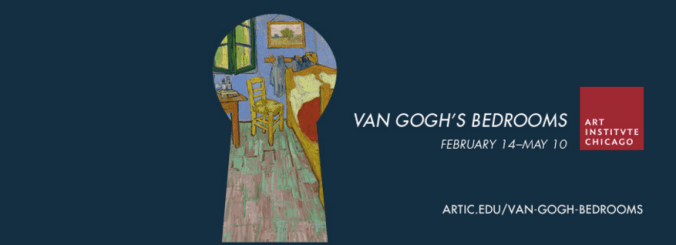
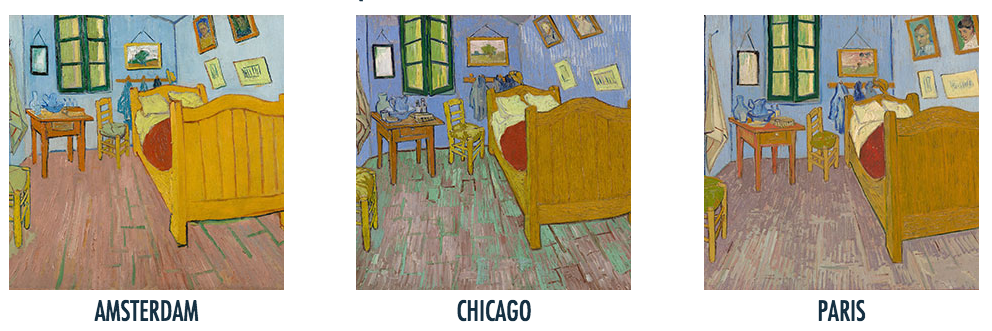
It’s been scientifically proven that people respond emotionally to color and light. The artist Vincent van Gogh was a master of both, and the vibrant, intimate paintings of his bedroom in Arles are evocative examples.

Not only have the curators at the Art Institute of Chicago brought together the artist’s three versions of the room, they’ve created an installation that invites the viewer into a 3-dimensional experience of the iconic painting.

This exhibition is the first to truly delve into the fascinating history of these three paintings and explore the motif of home and its significance to Van Gogh—as haven, creative chamber, and physical reality. The show features approximately 36 works by the artist, including paintings, drawings, and illustrated letters, as well as a selection of books and other ephemera known to have been in Van Gogh’s possession. Continue reading

For Whom the Bell Tolls

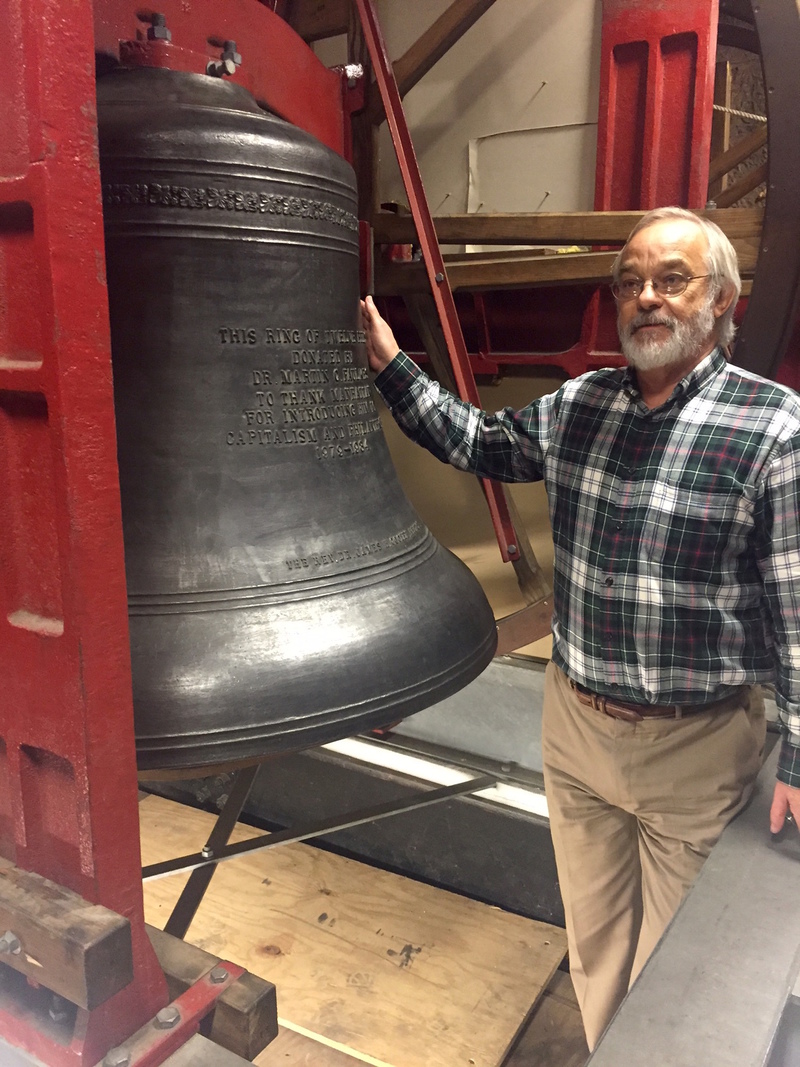
Tony Furnivall beside one of the dozen bells in Trinity Church's clocktower. (Photo: Ella Morton)

Tony Furnivall beside one of the dozen bells in Trinity Church’s clocktower. (Photo: Ella Morton)

If you’ve still not knocked off “do the new” on the year’s bucket-list, we have a suggestion. Join the Wednesday Night rites of New York’s church bell ringers.

Bell ringing, also known as change ringing, is what Furnivall calls “an ultra-niche interest.” Originating in medieval England, it is practiced by an estimated 40,000 people around the world today, mostly in the United Kingdom and among countries of the former British Empire. In the U.S., there is a small but enthusiastic bell-ringing scene, spread across 42 towers. The North American Guild of Change Ringers, established in the 1970s, calls ringing “a team sport, a highly coordinated musical performance, an antique art, and a demanding exercise.” “We ring bells to celebrate,” Furnivall says, and if you’re spry enough to clamber up a clock tower, you can grab a rope and join in the fun.

Continue reading

The Master of Filipino Tattoo Art


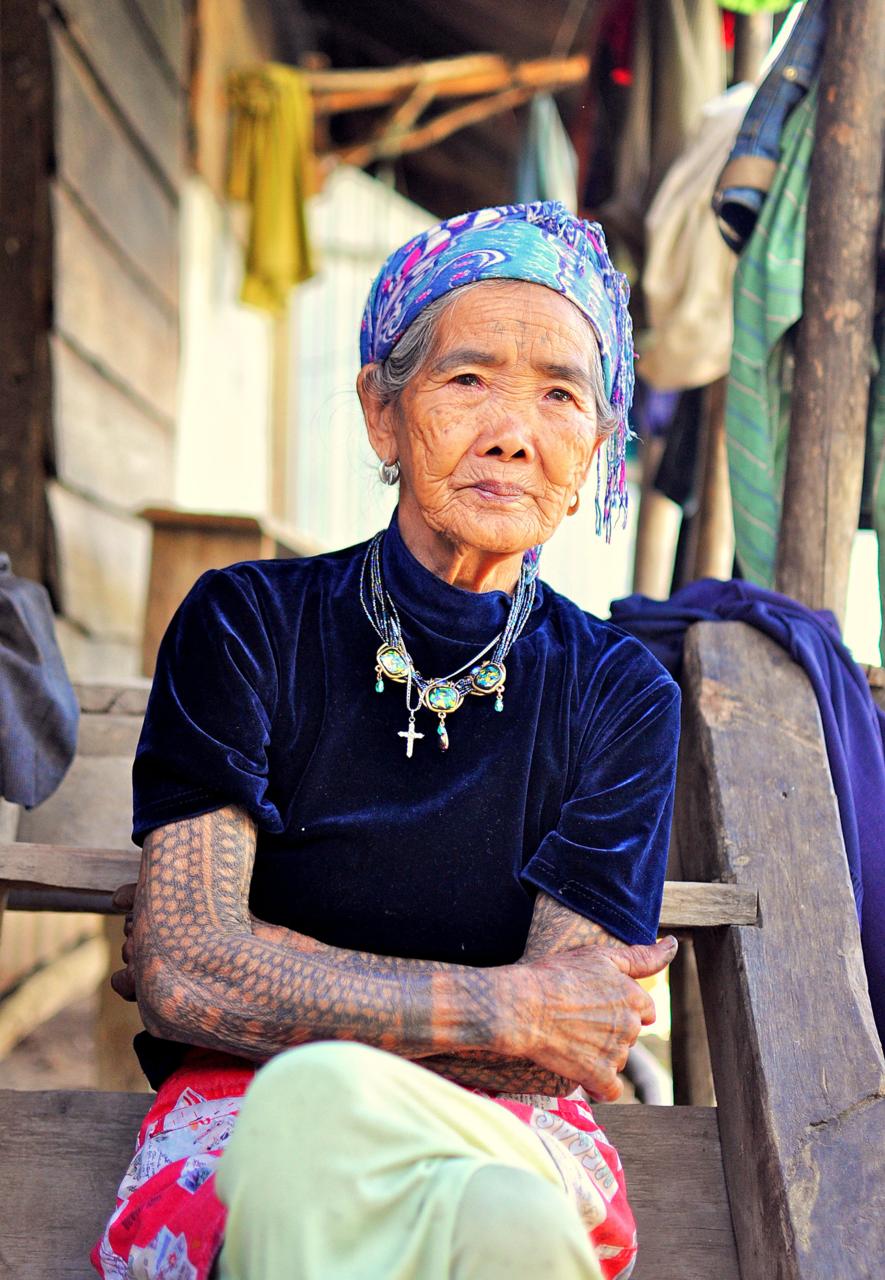
A dying Filipino tattoo tradition is being revived – and forever changed – by the international travellers seeking to get inked by its last tribal artist, 97-year old Apo Whang-Od. (Credit: Travel Trilogy)

A dying Filipino tattoo tradition is being revived – and forever changed – by the international travellers seeking to get inked by its last tribal artist, 97-year old Apo Whang-Od. (Credit: Travel Trilogy)

Winging it on a cliche, we’ll say tattoos are forever. And in the far flung, rustic town of Kalinga,  Apo Whang-Od prays it continues to be so. As the last tattoo artist in the Kalinga region, she carries forth the 1,000-year tradition of batok. And the pressure to see to it that she bequeaths the legacy to a worthy successor.

Every Kalinga village used to have a mambabatok (a master tattooist) to honour and usher in life’s milestones. When women would become eligible for marriage, they would adorn their bodies with tattoos to attract suitors. When headhunters prepared for battle, an inked centipede would be their talisman, or when they returned with a kill, an eagle would commemorate their victory. “Tattoos are one of our greatest treasures,” Whang-Od said. “Unlike material things, no one can take them away from us when we die.”

Continue reading

Glass Art by Kiva Ford

Glass-blowing is an amazing art and science that has continually impressed us in the past. Thanks to the art/design blog ThisIsColossal, we’ve been exposed to the creations of Kiva Ford, who applies the skills he learned for blowing scientific instruments to his personal art, which you can see examples of in the video below:

Continue reading

If You Happen To Be In Hamburg

MKG_Christoph_Niemann_Unterm_Strich_sundaysketches4_052043b9a1

Our favorite illustrator has been busy. We have not pointed to one of his illustrations or shows in way too long…so to correct that:

CHRISTOPH NIEMANN

20 January 2016 until 10 April 2016

UNDER THE LINE

For the accountant, what’s under the line is the balance – and for the draughtsman? Strictly speaking, what’s under the draughtsman’s line is the paper – no paper, no line.

Continue reading

When Art Bridges Communities

The Islamic Cultural Center of Northern California hosts plays, open mic nights, painting and ceramics classes. PHOTO: ICCNC

The Islamic Cultural Center of Northern California hosts plays, open mic nights, painting and ceramics classes. PHOTO: ICCNC 

Places of religious significance have long been centers of the community spirit. Moving beyond discourses and rituals, their supreme ability lies in bringing people together on some common ground. And projects like the Islamic Cultural Center in Northern California demonstrate how art and culture can bridge gaps within the space of beliefs.

Many mosques preach against even listening to music, let alone playing it on the premises. But here, in a huge auditorium filled with dozens of people, a Moroccan singer on stage sings the praises of the Prophet Muhammad, playing a stringed instrument called an oud. Next to him, a man plays a North African drum called thedumbek. The people here are white, black, Asian — some in embroidered green Sufi robes, others in black Shiite turbans or flowing white Arab jalabeyas. Some women cover their hair, some don’t. Ask anyone who’s been to a mosque, and they’ll tell you this scene is definitely not a common one — which is precisely why many people feel comfortable here.

Continue reading

Mark Your Calendar for Steve McCurry

Do you remember the image of the Afhan girl that made the cover of the June 1985 issue of National Geographic? It is regarded as one of the world’s most recognizable photographs. And the man behind it is Steve McCurry. Since then, McCurry has traveled extensively, later returning to India to create the series’ “Monsoon” and “India by Rail.” Photographs from these collections, including some that have never been seen before, will be showcased in a new exhibition by the International Center of Photography and the Rubin Museum of Art that opens on November 18th.

Continue reading

Museum in Your Pocket

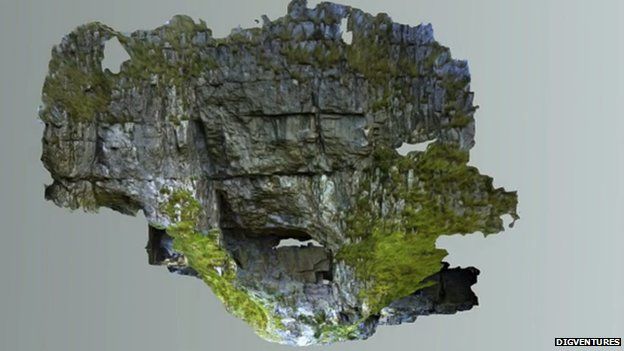
Archaeologists will turn Victoria Cave and its ancient bone collection into a digital museum. PHOTO: BBC

Archaeologists will turn Victoria Cave and its ancient bone collection into a digital museum. PHOTO: BBC

Victoria Cave was discovered by chance in 1837 and since then has been completely excavated. Within the cave’s thick clay deposits, scientists found an amazing record of climate change in the Dales over thousands of years. Excavators were particularly fascinated by ‘bone caves’ where there might be a possibility of finding evidence for the earliest humans along with long extinct animals. And now the cave and its bone treasures are being digitized.

Continue reading

Making Silk Non-violent

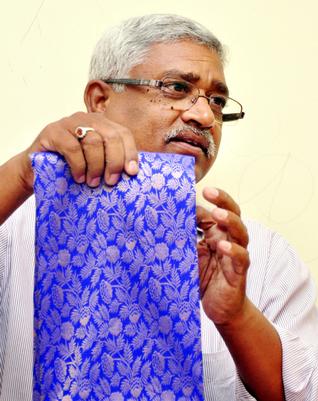
Kusuma Rajaiah displaying a sari made from 'Ahimsa Silk'. Photo: Balachander Goud

Kusuma Rajaiah displaying a sari made from ‘Ahimsa Silk’. Photo: Balachander Goud

Do you know how many silkworms are normally killed to make a five yard silk sari? Kusuma Rajaiah, a 55-year old government officer from India’s Andhra Pradesh state, does: “Around 50,000.” Rajaiah estimates that around 15 silkworms are normally sacrificed to produce a gram of silk yarn. For years, he’s been battling against what he describes as the “cruel killing of millions of innocent worms.” And has come up with an alternative. He realized the lure of silk was too strong to persuade people to give it up altogether so he came up with a technique that spares the life of the silkworm.

Ahimsa silk derives its idea and the brand name from Mahatma Gandhi, who was also critical of the conventional method of silk production. In fact, he had written to the Silk Board of India to explore ways of producing silk without hurting any living being. For Rajaiah, it’s a matter of pride to have fulfilled that wish; a pride shared by those who use the fabric.

Continue reading

Walk About

I recently had the opportunity to participate in the planning and execution of a video project as part of my internship. We worked with creative director Anoodha Kunnath, who has already produced many videos about different topics.

The first step was of course a discussion between Anoodha and Raxa Collective to understand what they both expected from the video. This took place about one month ago – at the beginning of my training – so it was really interesting for me to be aware, in a different way, of the company and its philosophy. The main goal of Anoodha’s work will be to communicate all the characteristics of Xandari Harbour (one of the hotels developed and managed by Raxa Collective) and of course its fascinating location.

Continue reading

The Art Movement of the 20th Century

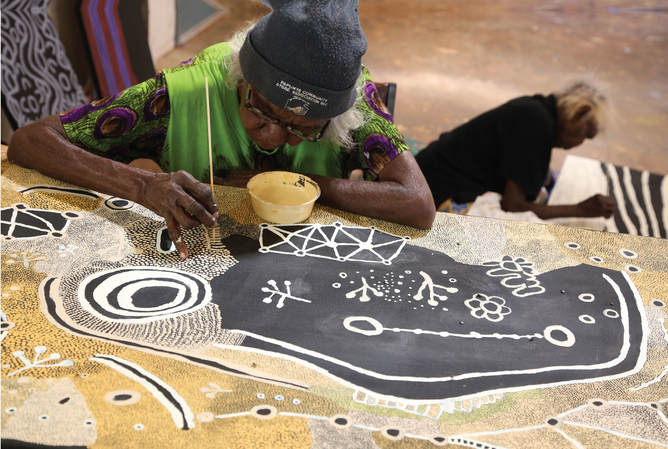
Martha MacDonald Napaltjarri (in foreground) and Mona Nangala painting at Papunya Tjupi art centre, Papunya, 2015. Photo: Helen Puckey

Martha MacDonald Napaltjarri (in foreground) and Mona Nangala painting at Papunya Tjupi art centre, Papunya, 2015. Photo: Helen Puckey

Have you heard of Papunya? The birthplace of what is touted as the century’s greatest art movement? The Conversation looks at how the movement has given birth to indigenous artists’ collectives, transformed communities, empowered women and forms a grand narrative on Aboriginal art:

The emergence of ‘dot’ paintings by Indigenous men from the western deserts of Central Australia in the early 1970s has been called the greatest art movement of the twentieth century.It all changed at a place called Papunya. Papunya was a ‘sit-down’ place established in the early 1960s, 240 kilometres northwest of Alice Springs in the Northern Territory (NT). The settlement brought together people from several western desert language groups: the Pintupi, Warlpiri, Arrernte (Aranda), Luritja, and the Anmatyerr, who were unaccustomed to living in close proximity to each other. Papunya was described as a ‘centralised government settlement established as a marshalling point for Aboriginal people displaced from their traditional lands’ (Curator Hetti Perkins, Papunya Tula: Genesis and Genius, Art Gallery of New South Wales– external site, 2000).

Continue reading

The Food Museum Is Here

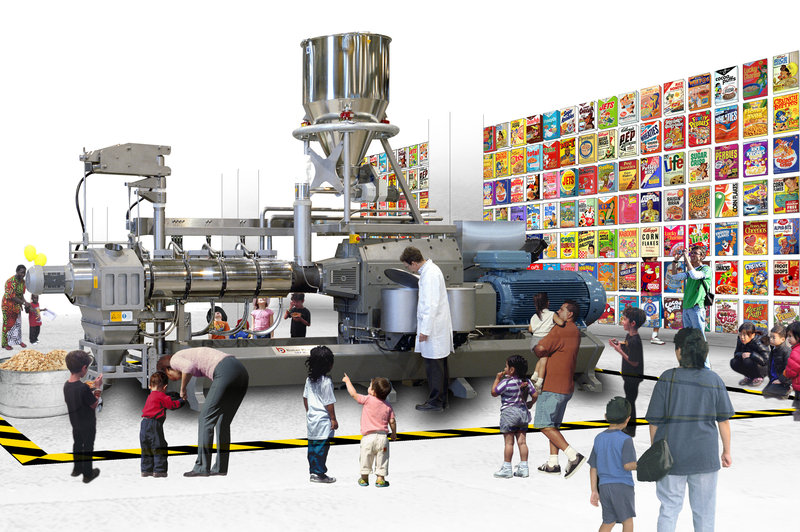
The Food and Drink Museum will open in its first permanent home – a mini-museum in Brooklyn — in October.  Above, an artist's rendering shows one potential exhibit – on ready-to-eat cereal — in MOFAD's final space. In the foreground is an extruder, a giant machine used to cook and shape cereal.

The Food and Drink Museum will open in its first permanent home – a mini-museum in Brooklyn — in October. Above, an artist’s rendering shows one potential exhibit – on ready-to-eat cereal — in MOFAD’s final space. In the foreground is an extruder, a giant machine used to cook and shape cereal. PHOTO: MOAFD

Everyone eats. People of all ages and backgrounds, from picky and apathetic eaters to gastronomes and food lovers, should care about food. Informed eaters are better eaters. They make better choices for their taste buds, health, community, and environment.Food is culture. It is more than simply what is on our plates: it is a common denominator of human relationships.Food is personal. People should be approached with a non-judgmental attitude about their diet.Food is participatory. To best learn about food, you must taste, smell, and think.Food is fun. A positive, non-fear-based outlook is the best way to approach food education.

The Museum of Food and Drink couldn’t have worded it more finely. And they are doing one better by working towards opening doors in Brooklyn come October. So hold on to all your questions about food (well the one about the chicken and the egg is still debatable), for answers may be at hand.

Continue reading

The Lamp at the Taj Mahal

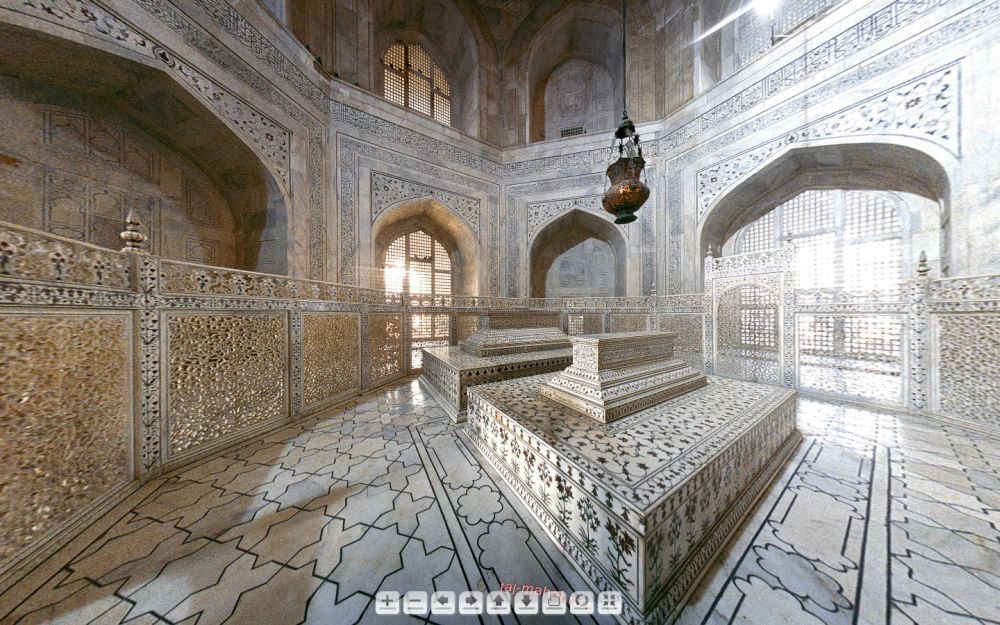
Curzon’s dedication in Persian – Presented to the Tomb of Mumtaz Mahal by Lord Curzon, Viceroy 1906 – was also inscribed on it, after a careful process of revision to ensure it matched the script used by calligraphers for the Taj Mahal. PHOTO: taj-mahal.net

Curzon’s dedication in Persian – Presented to the Tomb of Mumtaz Mahal by Lord Curzon, Viceroy 1906 – was also inscribed on it, after a careful process of revision to ensure it matched the script used by calligraphers for the Taj Mahal. PHOTO: taj-mahal.net

The Taj Mahal at Agra, India, is one of the most visited monuments in the world. Beyond it being a labour of love and a story of a dynasty, it’s a timekeeper. Of people who’ve come and gone, of men and powers that have left a mark. Like Lord CurzonScroll brings you a story:

Curzon, who became India’s Viceroy in 1899, was a man on several missions. To secure India’s northern frontiers from the advancing threat of Russia, Curzon encouraged Francis Younghusband’s 1903 Tibet expedition. His move to preserve India’s heritage was part of his own “civilising mission”.

Continue reading

A Volcano That Fanned the Arts

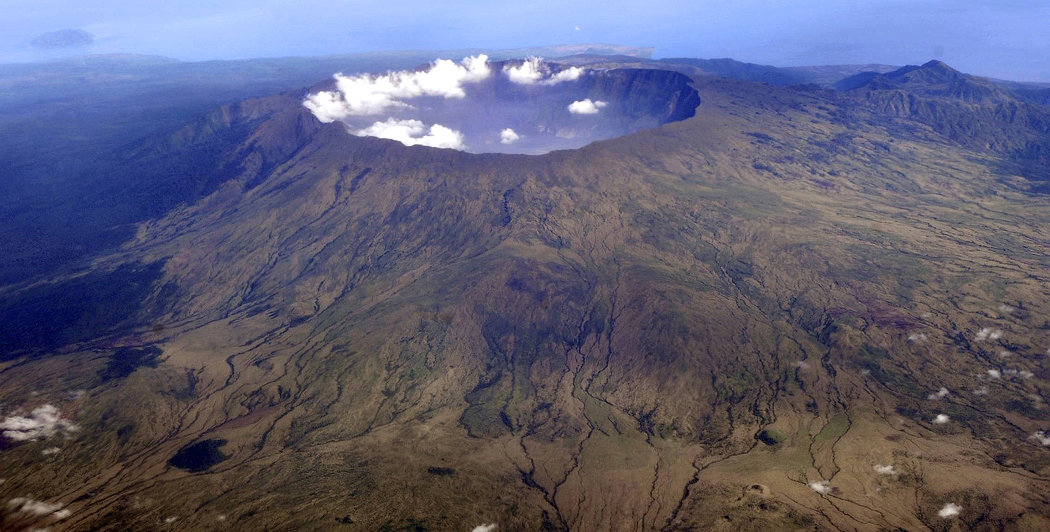
The deep volcanic crater, top, was produced by the eruption of Mount Tambora in Indonesia in April 1815 - the most powerful volcanic blast in recorded history. PHOTO: Iwan Setiyawan/KOMPAS, via Associated Press

The deep volcanic crater, top, was produced by the eruption of Mount Tambora in Indonesia in April 1815 – the most powerful volcanic blast in recorded history. PHOTO: Iwan Setiyawan/KOMPAS, via Associated Press

That the volcanoes have power is plain, cemented truth. You hear of their trail of ravage – ash, rocks, lava, evacuation, barren lands. The volcano vocabulary is dreary, if you may say so. But not the eruption of Mount Tambora. For this be the reason for many a flood, famine, disease, civil unrest and economic decline.

“The year without a summer,” as 1816 came to be known, gave birth not only to paintings of fiery sunsets and tempestuous skies but two genres of gothic fiction. The freakish progeny were Frankenstein and the human vampire, which have loomed large in art and literature ever since.

“The paper trail,” said Dr. Wood, a University of Illinois professor of English, “goes back again and again to Tambora.”

Continue reading