Foraging Forays

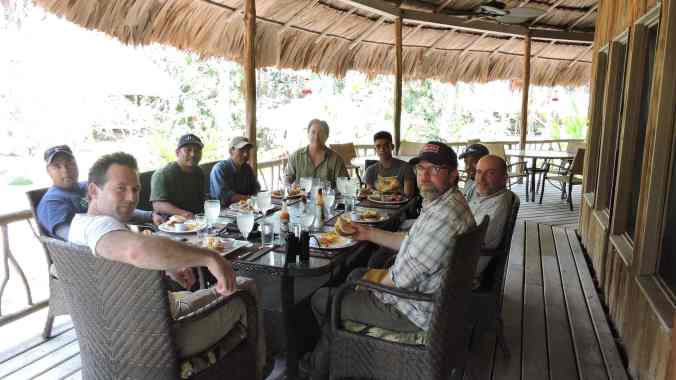
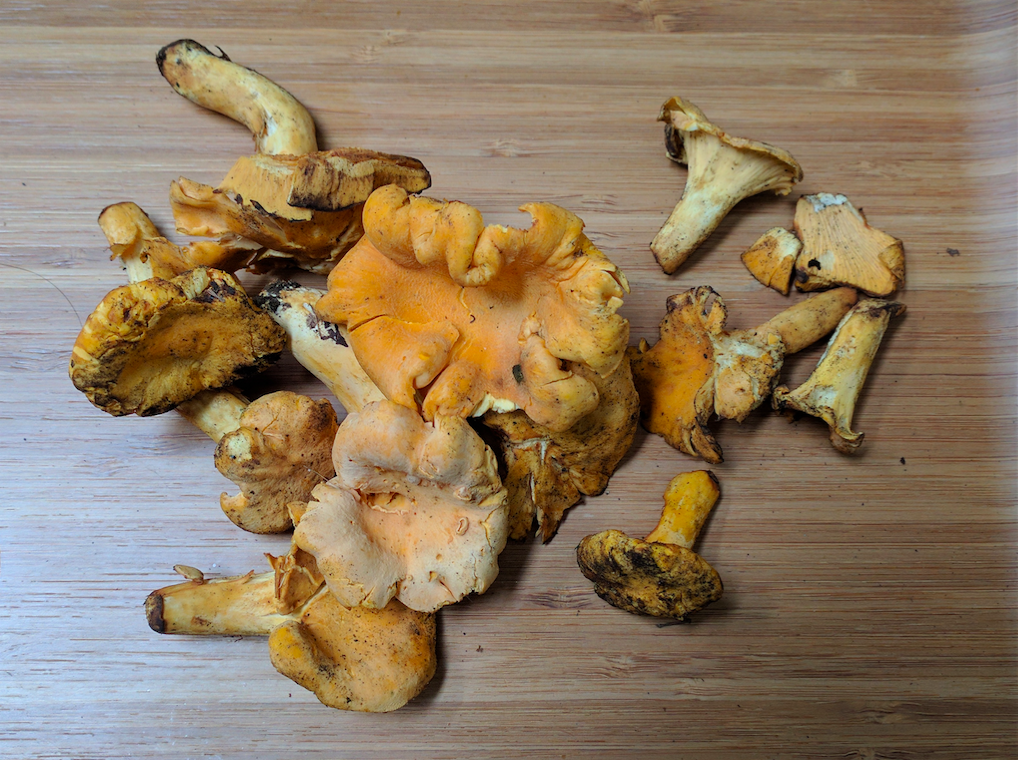
Taking a break from packing for my upcoming return to Belize, I joined a group of old friends from the Georgia Mushroom Club in a foray near the Georgia/South Carolina border. Fresh air, a walk in the woods, good company, and foraging for mushrooms – what better way to spend a morning?

The weather has been warm and wet, great conditions for mushrooms and we were happy to find patches of chanterelles. As we searched we talked about Chan Chich Lodge and Belize, and that we’re in the midst of brainstorming collaborations with the staff and local community who carry the ancestral knowledge of the old Mayan and Belizean foodways, and chefs who focus on foraging in the creation of their menus. We’ve recently discovered a variety of foods that are plentifully available from the Chan Chich forests, and are excited to incorporate them into our culinary story.  Continue reading
Food Sleuthing

00Apples-2-superJumbo.jpg

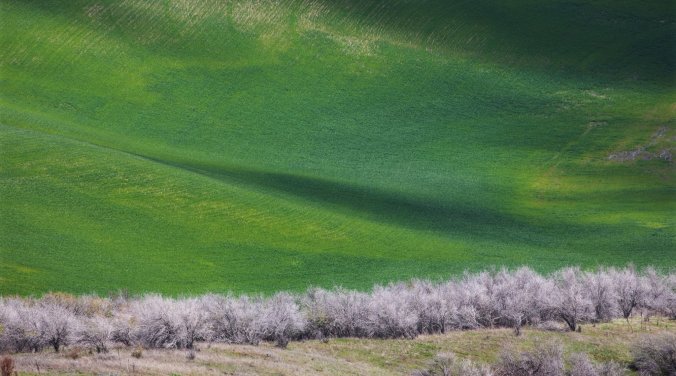
The remnant of an old apple orchard among wheat fields in Steptoe Butte State Park in Washington. Credit Ruth Fremson/The New York Times

Yesterday magic happened. After sharing in the morning a quick mention of why my thoughts are on agriculture, I was walking with a member of Chan Chich Lodge’s groundskeeping team to review some work he had completed. On the way, we encountered a tree showering small fruits onto the ground. Fragrant. I asked him what it was and he said a word I did not recognize that sounded like “yo”.

About the size of a blueberry but not a berry, nor resembling anything I could identify. Until I opened it and its inside looked exactly like that of my favorite fruit. And then I realized my colleague had said higo, the Spanish word for fig. He then told me that in his village the old Mayans use this to make a flour, something they have done since olden times. He paused a moment, a bit of reverie I could tell, and then he continued about how the tortilla made from this is the best. It’s got me thinking. Thanks to Kirk Johnson for this second unexpected pleasure of a story:

Hunting Down the Lost Apples of the Pacific Northwest

STEPTOE, Wash. — David Benscoter honed his craft as an investigator for the F.B.I. and the United States Treasury, cornering corrupt politicians and tax evaders. The lost apple trees that he hunts down now are really not so different. People and things, he said, tend to hide in plain sight if you know how and where to look. Continue reading

Rewilding, Panthers & People

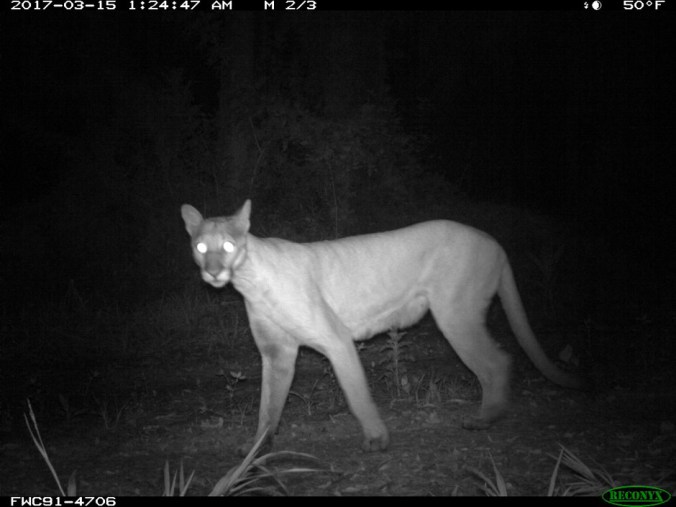
Filkins-The-Return-of-the-Florida-Panther.jpg

As Florida panthers have begun to multiply, they’ve been forced to search for new home ranges. PHOTOGRAPH COURTESY FLORIDA FISH AND WILDLIFE / FLICKR

Rewilding is a topic I started linking to as a matter of solidarity. While based in south India, I had plenty of exposure to residual evidence of the complicated–sometimes resplendently beautiful and other times brutally tragic–relationship between mankind and wild animals as played out over millennia, and still evolving. So I have kept an eye open for these stories, and have posted so many times on the topic that it might give the impression that it is a thing. As if it is happening more or better than it is really happening. But it is happening so I will keep the links coming.

Now I am in Belize most of the year, where the man-cat relationship is also millennia old, and as constant challenge as ever. But I am seeing it from well within the confines of Chan Chich Lodge and its surrounding hundreds of thousands of acres of healthy cat habitat. I know there are big cats in the USA, but not enough. That is why this story is a thrill. Dexter Filkins, never yet cited in these pages but whose reporting I depend on for other kinds of stories, was not a byline I expected to see on this story, but thanks to him for it:

For years, the Florida panther, a majestic creature that lurks in and around the forests of the ovbnm,./, has teetered on the edge of permanent disappearance. Closely related to the mountain lion, the panther once roamed across much of the South, but the ever-advancing modern world pushed it into a tiny corner of Southwest Florida. By the late nineteen-seventies, fewer than thirty survived.

Since then, the panther has been coming back, helped by a government- and privately backed expansion of its habitat. Florida panthers are now thought to number around two hundred. Indeed, there are so many big cats in the Everglades that they are venturing out in search of new territory. Continue reading

Gallon Jug’s Bird Friendly Coffee

CoffeeConsvtn.jpg

I am back at Chan Chich, with one goal before I start focusing on my plan to go to graduate school. A recurring theme in my work for La Paz Group, especially at Xandari, has been the intersection of birds and coffee. And now I have some months to think about how this may relate to what I will study in graduate school. One of the programs I am considering applying to is the Masters in Environmental Management at the Yale School of Forestry. Can I link what I have learned while working to what I would study there? If so, maybe I could link that to what I do after grad school.

This other post today reminds me of the value of geeking out from time to time. Most of my attention to coral reef comes from Phil Karp’s posts on this platform and I admit to preferring stories featuring real people and their entrepreneurial approaches to conservation. But science is the other best friend of conservation. Today my attention is turning to coffee, in advance of the arrival this week of an intern coming from Cornell University’s College of Agriculture and Life Sciences.

Just one of the many topics for an intern, with science and research on her side, to help us tackle over the next ten weeks, bird-friendly coffee has been on been on my mind since last year but I have been waiting for the perfect moment to focus. Nothing like the arrival of an intern to focus your mind. And so today in my task-oriented wanderings I came across this website (click the banner above), which I loved immediately for sharing this news on capsules, but the rest of the site is a great resource for present purposes as well:

A short round-up of coffee news.

The Value Of Coral Reef

ReefEcon.jpg

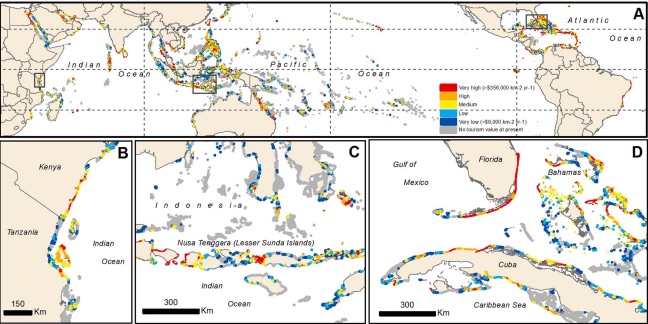
Economic value of coral reefs for tourism (A). This figure summarises the combined dollar values of expenditures for on-reef and reef-adjacent tourism. Reefs without assigned tourism value are grey; all other reefs present values binned into quintiles. Lower panels show Kenya and Tanzania (B), South-central Indonesia (C), and Northern Caribbean, with part of Florida, Cuba and the Bahamas (D). (Further maps can be seen in Appendix A and online at maps.oceanwealth.org

A country that depends on its coral reef to attract visitors, as Belize does, has every reason to pay attention to the various sciences paying attention to those reefs. Mostly marine biologists, perhaps, but also economists. Geeks and wonks are heroically gathering information, processing it, publishing it and if not for The Nature Conservancy’s efforts some of us might not ever see it.

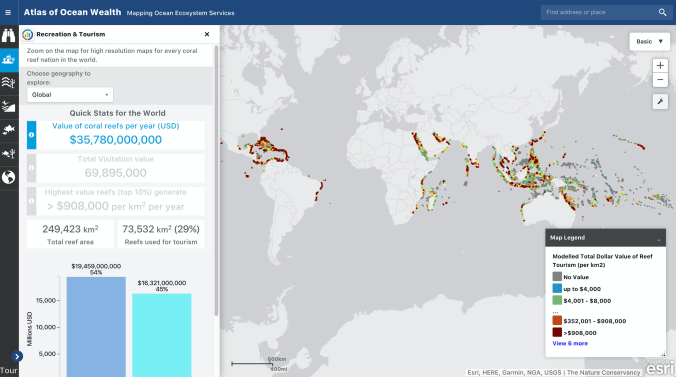
The August, 2017 issue of Marine Policy, an academic journal, carries the article “Mapping the global value and distribution of coral reef tourism” by the scientists Mark Spalding, Lauretta Burke, Spencer A. Wood, Joscelyne Ashpole, James Hutchison, and Philine zu Ermgassen and TNC’s Cool Green Science has a summary in common language. Also they complement the academic illustration above with one of their own:

Screen-Shot-2017-05-26-at-12.09.02-PM.png

Screen shot from the Atlas of Ocean Wealth showing global reef value to tourism. © The Nature Conservancy

If it’s true that people reveal their true values by how they spend their money, coral reefs are very valuable indeed. In fact, according to a new study in the Journal Marine Policy coral reef tourism generates $36 billion (U.S) in global value every year. Continue reading

Chan Chich Archeology Season, When Skygazing Is Also At A Premium

Death-Valley-2-Skyglow-Desktop-Wallpapers-e1492808806156.jpg

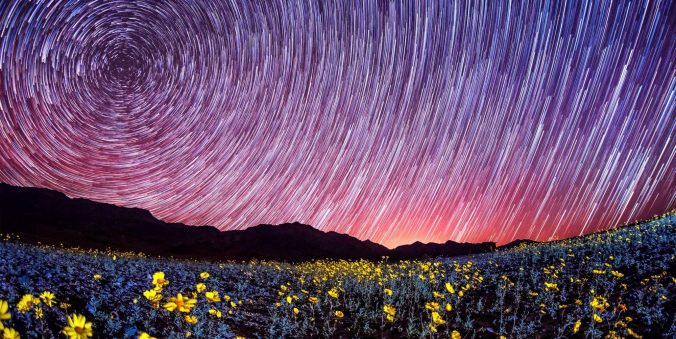
Today and tomorrow we are finalizing preparation for receiving a nearly full house of archeologists, who will be at Chan Chich Lodge for the next couple months. I came across the photo above at the same time I was looking at the to-do list related to their arrival, and am remembering that in May 2016 I was struck by the quality of night sky at Chan Chich for stargazing.

So this is a shout out to all those people who are intrigued by Mayan archeology, are stargazers, and have not yet made vacation plans for the next couple months. We have a few rooms available, so come on over!  The photo above is paid content from Intel, and while usually we avoid passing along commercials, this is on a topic we care about. It is worthy of a read. Also, after the text the Skyglow short on Vimeo is worth a look:

Timelapse photographers zigzagged 150,000 miles across the U.S. to capture the wonders of the dark skies and raise awareness about the growing threat of light pollution.

Their family and friends think they’re crazy for devoting so many nights to create Skyglow, a book and video born from Gavin Heffernan and Harun Mehmedinovic’s passion for nature and photography. Just how Carl Sagan and Stephen Hawking brought deeper understanding of the cosmos, Heffernan and Mehmedinovic are raising awareness about the damage caused by ever increasing light pollution. Their magical timelapse photography just might do the trick. Continue reading

Strengthening Our Birding With Citizen Science

team-belize-720x405.jpg

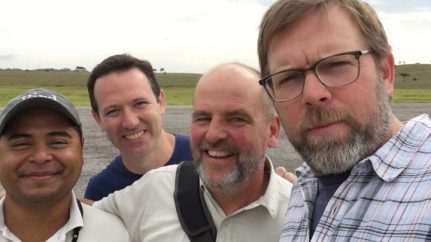
Team Belize finished with 242 species. From left: Roni Martinez, Andrew Farnsworth, Steve Kelling, Brian Sullivan.

Seth, since his time working for the Cornell Lab of Ornithology, and even after his time in Ithaca, has helped me to see how important the Lab’s work is to what our company has been doing since he was an infant. Citizen science is an essential component, and at Chan Chich Lodge guests have responded to the passion the guides have for eBird, which is why we put so much attention into this year’s Global Big Day. And it is why we are already planning the next collaboration with the Lab, a collaboration Seth will lead on our side. For now, a final roundup of stories from last weekend, starting with our favorite team:

…After pooling their lists, the teams ended the day with a whopping 327 species combined—reflecting not just great birding but the region’s importance to an immense diversity of birds. Team Belize topped the friendly group competition with 242 species (including 40 species the other teams didn’t find); Team Mexico found 224 species (with 43 unique to their list); and Team Guatemala tallied 213 (with 23 unique)…

58126301-520x611

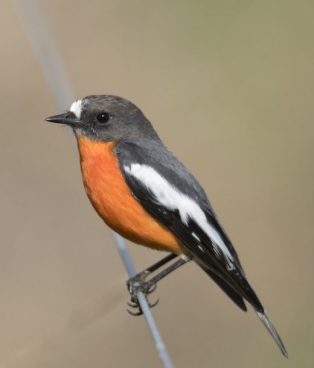
Flame Robin by John Cantwell/Macaulay Library, taken on Global Big Day

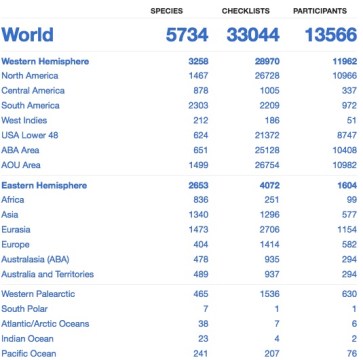
Also, the final numbers are in and news published late yesterday confirmed what I suspected as day was breaking in Belize, titled Global Big Day 2017: birding’s biggest day ever:

…On 13 May 2017, almost 20,000 birders from 150 countries around the world joined together as a global team, contributing more than 50,000 checklists containing 6,564 species—more than 60% of the world’s birds. This is a new record for the number of bird species reported in a single day, Continue reading

The Bells & Whistles Of The Forest At Daybreak

GBD2017ResultsWed.jpg

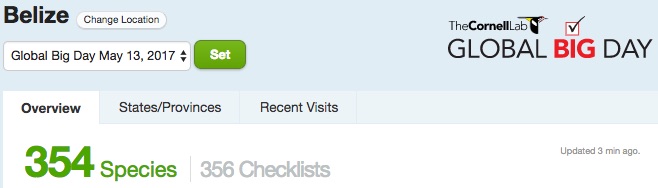
We post a few times a day, sharing information about initiatives in our own realm of work and frequently observations on news links that we find interesting. For the record, here is a bit of news worth celebrating. As I type this at 5:30a.m. Belize time, the Global Big Day page on eBird shows the latest tally of the species count as seen above. At the same time, on the eBird Facebook page I am looking now at the last post, dated May 15 midday, that says:

The #GlobalBigDay total is now 6,255, less than 100 away from a new record for a single day of birding!

Looks to me like a new record has been set. Where are all the bells and whistles? They are outside my door right now, where the wildlife is whirring, cling-clanging, whooping and shrieking as the forest lights up…

Sticking To Mission & Unintended Consequences

GBD2017Result1

In recent months, as we prepared to host Team Sapsucker Belize at Chan Chich Lodge, our goals were focused on the citizen science mission. Using a couple simple metrics, the event was a clear success, comparing the number of species counted in Belize this year versus last year, and especially looking at the number of checklists submitted.

GBDResult16.jpg

If you look at this as the third iteration of an event that we hope to grow in future years, the progress from beginning to present is promising. As I type this there are still more than 40 hours of data entry remaining for this year’s event, so the increase in this year’s participation and species identification will likely grow larger by this time Wednesday.

GBDResult15.jpg Continue reading

Global Big Day 2017, Results

GBD2017b.jpg

When I left Team Sapsucker late last night it was pouring rain, a perfect punctuation to the day, telling them to stay under cover on Chan Chich’s deck since no bird would be out in the deluge. They were reviewing their lists, waiting to see if the rain would pass, allowing one final outing of the 24-hour period. I did not ask the final number, but I could tell they were happy with the day.GBD2017Result

As I type this at 5am the rain has long since stopped, the early birds are out in full sonic force, competing with the howler monkeys it seems, and results on eBird’s website look impressive. My eye is drawn to the Central America numbers. Partly because I moved to the region two decades ago and have worked in each country. Partly also because the region has embraced its ornithological importance, and yesterday provided one more metric for that embrace. But mainly, because I am here in Belize and the Lab team we had here was exactly as expected, not only as birders but as people.

The Chan Chich guide team had an amazing day with the Team Sapsucker on Friday, and over lunch that day they all celebrated several firsts, the details of which escape me now, but they involved two new species being added to Chan Chich’s list on eBird (a big deal) and our guide Ruben adding a life list bird that day to his nearly two decades of birding accomplishments at the Lodge.

GBD@CCL.jpg

The Lab team explained the rules of the game for the following day. No assistance of any kind would be possible after midnight. Continue reading

Introducing The Team Prepping For Global Big Day At Chan Chich Lodge

GBD1On day two in Belize with Team Sapsucker introductions are due. The photo to the left, taken at about 5am today in front of Chan Chich Lodge’s reception area, shows two of them. The best information I could find to share with you about Andrew Farnsworth is on Songbird SOS Productions, where he says:

“I like the challenge of trying to figure out how to go birding when there’s a traffic jam on first avenue. It’s cool to be able to study birds in a city… Some people have seen technology as the end of all things natural, but there’s a whole other side to it that gives us access to a world that we would otherwise not have seen.” Continue reading

Counting Down To Global Big Day

Global-Big-Day-map

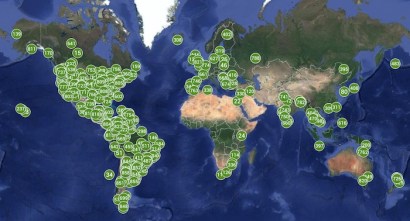
A world of birders has already marked out where they’ll be on 13 May. Where’s your place? Add it today!

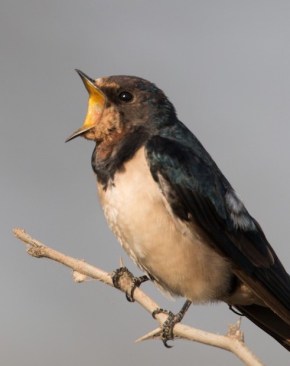
Thanks to eBird for the one week marker until Global Big Day, which we look forward to supporting at Chan Chich Lodge. Click the map to the left to mark your territory, so to speak. This countdown notice uses one species to illustrate a conceptual premise of the annual event, and we are happy to report that this species is frequently seen at Chan Chich Lodge on birding walks, and excursions to Gallon Jug Farm, where the barns are accommodating:

The familiar Barn Swallow (right) has been recorded in eBird from 222 countries. You can hope to spot a Barn Swallow almost anywhere on the planet, from Alaska to Argentina, Siberia to Australia, Iceland to South Africa. Barn Swallows criss-cross the equator and traverse the Eastern and Western Hemispheres. Their movements not only span an entire planet of birds, but connect a worldwide community of birders.

In the same way, Global Big Day and eBird connect all of your local birds with the rest of the world, making a real difference in the collective understanding of birds worldwide. On 13 May, every bird that you report contributes to the global team total for an unprecedented snapshot of our planet’s bird diversity. Every bird counts.

To join the Global Big Day team from more than 150 countries, all you have to do is go birding on 13 May!  Continue reading

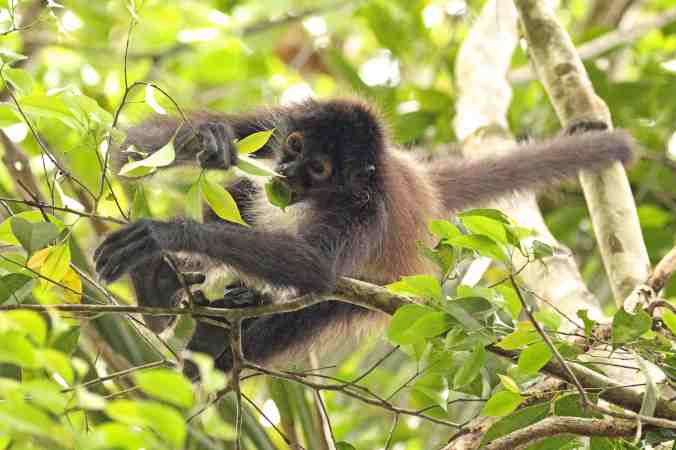
Does The Monkey Smile?

SpiderMonkey.jpg

When sharing wildlife photos here, whether from guests or some of our own, the idea is to provide constant reminders, to ourselves and to everyone else, of the value of conservation. Even with a title of a post meant to draw a smile, it is not to be cute so much as to address the wonder of the moment captured in the camera. I really do wonder whether the margay purrs. And Chrissy Mason’s photo of the margay helped me wonder that more effectively.

The photo above, and the one below–both also shared by Chrissy–got me thinking about whether primates really smile, or whether it just looks that way to us (you must have seen that photo, reportedly a selfie taken by a macaque, that sure looks like a knowing grin). Continue reading

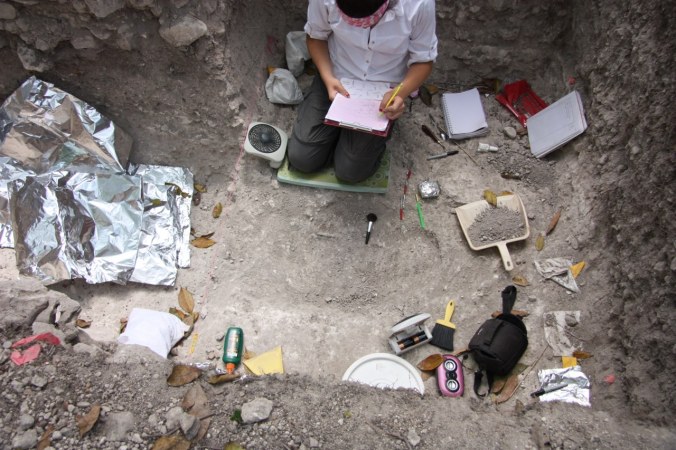
Learning Archeology In Situ At Chan Chich Lodge

2013 Burial 10.jpg

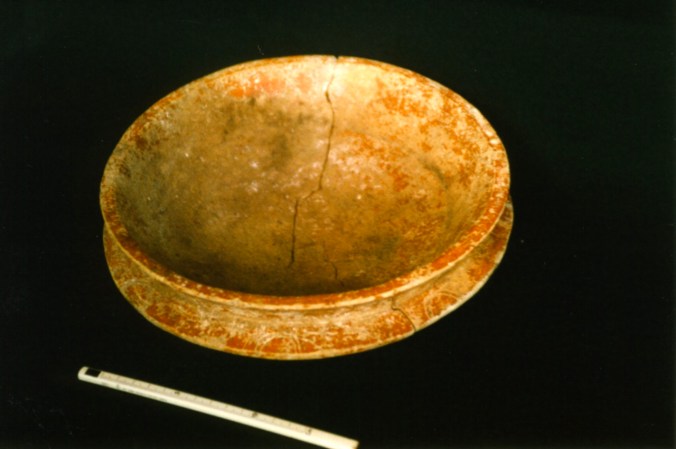
We recently posted a brief description of this program in the events section on the Chan Chich Lodge website, and here we provide a longer description written by the program organizers. The photos are from recent years of the program. I am looking forward to welcoming Professor Houk and his team of archeology students to Chan Chich Lodge few weeks from now, and especially looking forward to the opportunity guests of the lodge will have to join the evening lecture series, discussing the history of the location and particular discoveries from the site:

1997 Tomb 2 Plate.jpg

Guests of Chan Chich Lodge are the most recent inhabitants of the ancient Maya city of Chan Chich. Abandoned around AD 900, the once proud buildings, plazas, courtyards, reservoirs, gardens, and fields were gradually reclaimed by the jungle for over 1,100 years… Continue reading

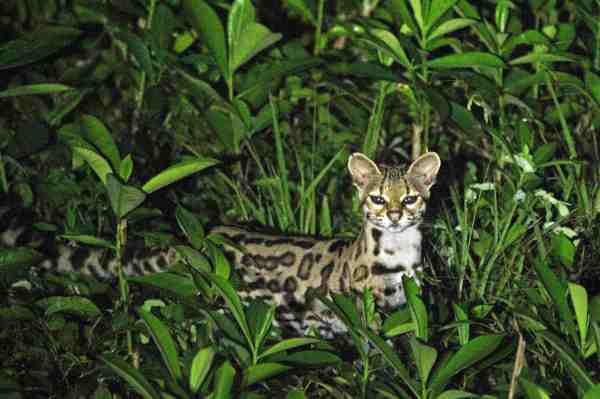
Does The Margay Purr?

MargayC1

Thanks for this photo go to a mom and daughter team who were out every day recently from pre-dawn until late evening, absorbing all on display at Chan Chich Lodge and its surrounding forests. Their last night, sharing the night safari with the family who contributed here, was a golden opportunity, so to speak. This margay looks so content, and intent, in a feline way, that I cannot help but wonder whether these wild cats purr.

Team Sapsucker, Looking Forward To Global Big Day In The Yucatan Peninsula

We are looking forward to Andy’s arrival in Belize, with his team mates from the Lab and others from Belize. When I say “we” I am referring to the entire staff and community at Chan Chich Lodge.

As Global Big Day draws closer, it is time to introduce Andrew Farnsworth, Captain of Team Belize. We love the idea of the healthy competition among the 3 teams that will spend their Big Day birding the Yucatán –  and the Chan Chich guiding team especially looks forward to assisting the Lab team. Continue reading

Global Big Day, Coming Soon At Chan Chich Lodge

We have already extended the invitation, but we will continue reminding you just as the Lab keeps reminding us:

On May 13, 2017, the Cornell Lab of Ornithology’s birding Dream Team, the Sapsuckers, will reach for an audacious goal: finding 300 bird species in just 24 hours – and raising $475,000. Can they do it?! Continue reading

Margay Jump Start

MargayRecline.jpg

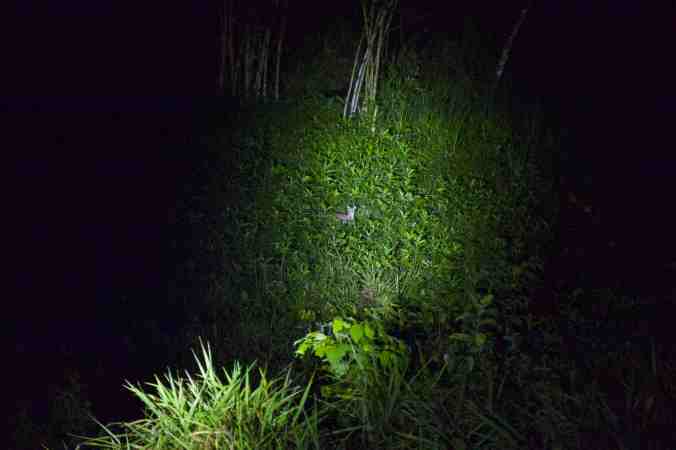
In the post where I mentioned this margay sighting I did not yet have any photographic evidence. Now I do. Prior to their departure, the same Los Angeles family mentioned in this cat-sighting post handed me the memory card from their camera and I was able to pull these images. In the rush of the holiday weekend I had forgotten these until now. Above was the first, taken as quickly as the camera could be lifted to follow the spotlight. Below, an enlargement of the cat. Continue reading

Feline Trifecta

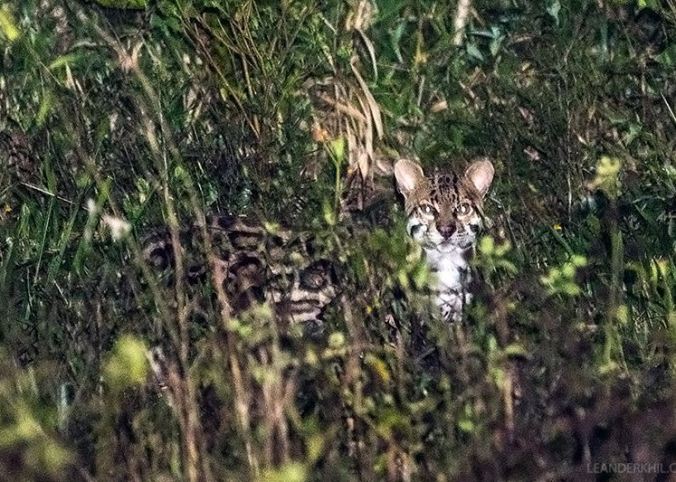
LeanderOcelot

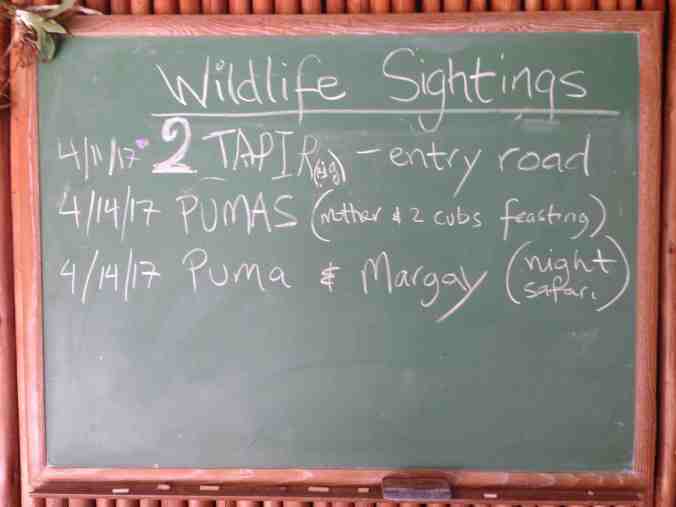
When Leander caught this cat in his camera some weeks ago, there was no telling if and when, or where, we might see it again. Last night, a family from Los Angeles who just the night before had seen two other species of cat during the night safari at Chan Chich Lodge, decided on a guided trek through the forest starting at 8pm. Continue reading

Margay Sighting @ Chan Chich Lodge

IMG_7014

Persistence does not always pay off. But, it is often a great trait for its own sake. We all admire people who set out to do something, and stick with it long after there is reason to continue hoping for that something. And, if you are like me, you cheer the underdog, hoping they will at the very last minute get that something. Continue reading