Growing Hops & Crafting Beer

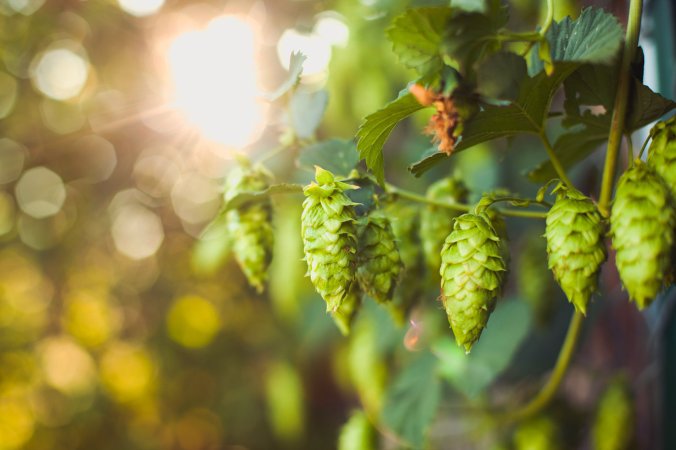
hops_custom-06d73795999a6d93f111680ade5849c244609f3f-s1400-c85.jpg

Ripe summer hops good for making beer. Tim Newman/Getty Images

We are anticipating another post by one of our authors, on a topic related to this news story below (thanks to NPR’s great special section, the salt), so let this serve as a reminder and a harbinger:

Hop Growers are raising a glass to craft brewers. The demand for small-batch brews has helped growers boost their revenues, expand their operations, and, in some cases, save their farms.

“Without the advent of craft brewing, a few large, corporate growers would be supplying all of the hops and local, family owned farms like ours would have gone bankrupt,” says Diane Gooding, vice president of operations at Gooding Farms, a hop grower in Wilder, Idaho. “It’s saved the industry.” Continue reading
Almond Versus Cow Versus?

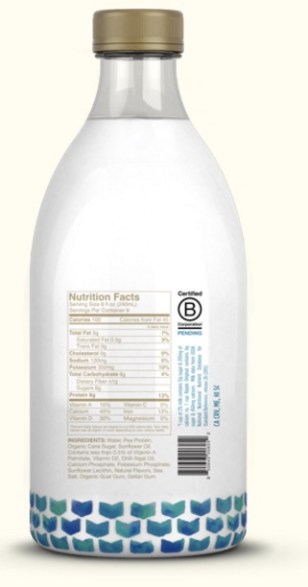
RippleAt first, the name does not help me think anything useful. I do not only mean the name of the contents of the bottle; I mean the brand name on the bottle. So I am showing only the information side of the label. Looks like milk inside. Good start.

If you compare it to almond milk, this one has 8 times the protein. If you compare it to 2% cow milk, this one has half the sugar and 50% more calcium; plus 32mg DHA Omega 3’s Vitamin D & Iron. If this were an advertisement I would face the bottle forward, but it is more an appreciation of how products like this come to be. I like startup stories and particularly the stories of co-founders of startups (which is why I have been listening to this podcast). According this company’s website:

Neil and Adam are committed to making a difference. Adam created Method to bring the world sustainable, beautiful cleaning products. Before trading in his lab coat to start Continue reading

I Love IPA, And I Know Why

HopsOne of the ironies of living in India for six years, as a devotee of IPA, is that IPA is not to be found in India. So, I have it only when I travel, and mostly in the USA where the craft of brewing in small batches has grown radically in recent years.

The book to the right is a tiny drop in a big bucket of evidence of how the craft of brewing has reached far and wide, and it came to my attention when I visited a website associated with its authors:

IPAWhich came to my attention in this post by Russell Shorto, which must be read in its entirety (it takes only a few minutes) if you care about IPA, hops, ethnobotany or just excellent non-fiction writing, and includes these two paragraphs:

…while an emphasis on hops has likewise boosted the business of small-scale brewers, I.P.A. aficionados are known to be among the most fickle of beer consumers, flitting from one label to another in their endless search for new flavor elements. That puts pressure on brewers to come up with new beers, which, in turn, leads to a hunt for new hops varieties.

Enter Paul Matthews, who is to hops what John James Audubon was to birds. He has been involved in the search for wild hops strains from Colorado to the Caspian Sea; from these he teases out flavor components. Spicy, floral, grassy, citrus, herbal, evergreen: the horizon keeps expanding, and still the crowd wants more…

Ha! Top that. Actually, he does. Keep reading it. Continue reading

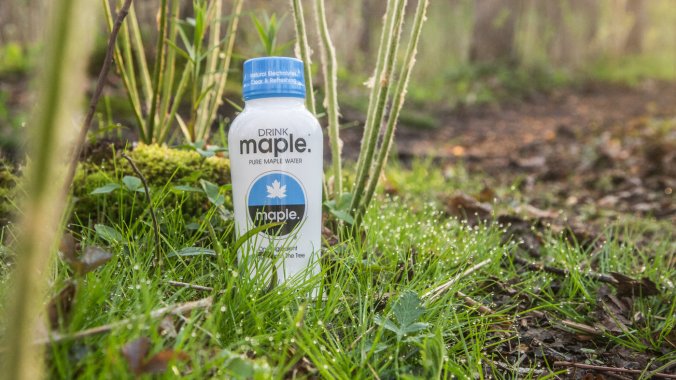
Drink Maple? Sure

squam-swamp-run-maple--3781_wide-e793fcc0e7e7afb2f5f94466ffbbc47899d9fbae-s1400-c85

Courtesy of Drinkmaple

 Those of us who grew up in maple territory can easily relate to this, and even place palm on forehead and ask–why didn’t I think of that?–so thanks to the Salt over at National Public Radio (USA) for this:

From Tree To Tap: Maple Water Makes A Splash

Unlike syrup, which is boiled down into a thick, sticky liquid, maple water is made from unprocessed sap that is 98 percent water. Its growing popularity is a boon for local farmers. Continue reading

Know Your Cup of Tea

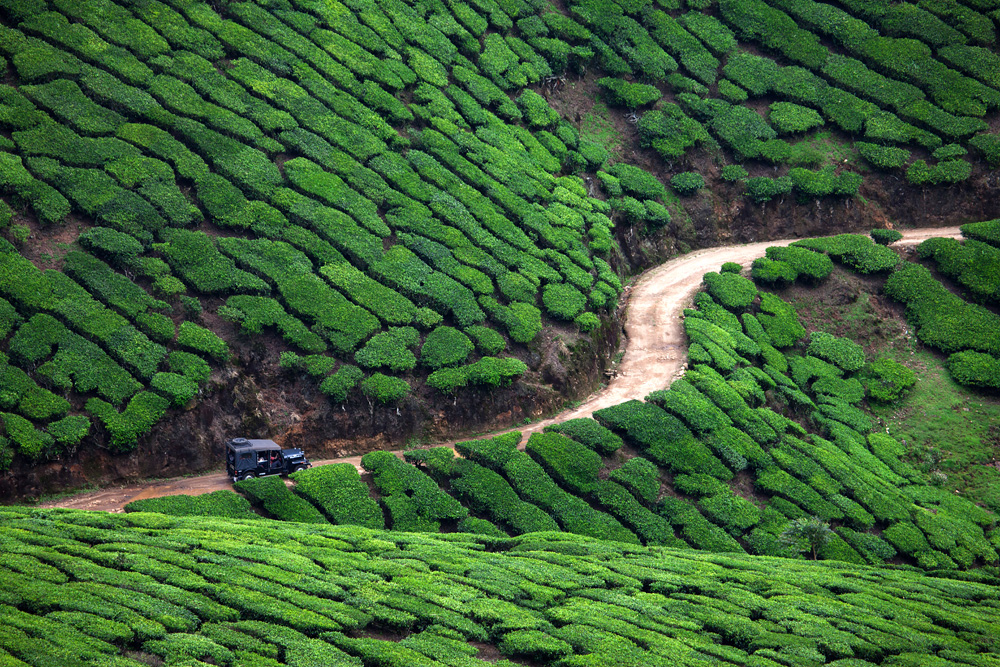
While tea has an impressive history stretching back 5,000 years, iced tea has a history stretching back only as far as the discovery of preserving ice. PHOTO: darter.in

While tea has an impressive history stretching back 5,000 years, iced tea has a history stretching back only as far as the discovery of preserving ice. Picture of a tea garden in Munnar, Kerala. PHOTO: darter.in

Having spent the weekend maneuvering through tea plantations in Munnar, the drive brought back memories of conversations over tea here. There was the post on the complete tea experience – from planting a seed to hand plucking the tender green “silver tips” of the tea, to hand roasting and finally enjoying the “fruits” of one’s labor in distant Thailand. The one on the history of tea, too. And here is the account of how America popularized iced tea (we are betting on it being one of your go-to drinks), courtesy NPR’s The Salt: 

You’d be forgiven for not knowing this, but Wednesday was National Iced Tea Day. And while it’s only an unofficial food holiday, it makes sense that Americans would set aside a day to celebrate this favorite summertime sip: We popularized it. Tea itself, of course, has been consumed in America since Colonial times. (Remember the Boston Tea Party?) But before you could drink iced tea, you needed ice — and that was a rare summer luxury until the early 1800s. New Englanders could cut large chunks of ice from frozen ponds and lakes in winter, then insulate it with sawdust so that it could last into the warmer months. But in the hot South, snow and ice didn’t exactly abound.

Continue reading

Craft Beer, Designed

What with Spice Harbour and 51 design projects behind us, and the second biennale just ahead, stories about art, design, food and beverage catch our attention more than ever. On the latter, we might think each craft beer is itself an artist’s design searching for masterpiece status, but we might be wrong:

Milton Glaser Critiques Modern Beer Art 

The 84-year-old graphic-design legend who created the Brooklyn Brewery identity weighs in on what craft breweries are doing right and wrong.

Better Brewed Beer

foamy-beer

A time-honored artisanal endeavor is quietly articulating a 21st century version of industrial production

When we have links to articles reviewing the literature of vegetarian cooking and/or first-person stories, told in multiple parts about the ecological benefits of eating invasive fish species, it is only fitting that we offer information about ecologically sensitive beverages. The community of craft beer producers in the USA in particular has undergone nothing less than a renaissance. Thanks to the magazine website of Conservation for this story:

From the outside, the New Belgium Brewery, located on 50 acres near downtown Fort Collins, Colorado, appears to be an environmentalist’s dreamscape. Company-issued bicycles surround the facility. A parking lot next to the brew house has an electric car charging station. Solar panels layer the roof of the bottling plant. A well-worn biking path snakes across the property. Continue reading