Invasive Python Hunting Season

3000 (8)

A Florida Wildlife Commission employee captures a Burmese python during the kickoff event for the Florida Python Challenge in Sunrise, Florida, on 10 January. Photograph: Joe Cavaretta/AP

We first started paying attention to invasive species here. Since then, every year, we pay more and more attention, especially to the pythons in the Everglades. It is that time of year:

Florida hunters capture more than 80 giant snakes in Python Bowl

Annual challenge encourages the public to catch as many of the invasive giant snakes that decimate native wildlife as possible

Most visitors to the mosquito-infested swamps of the Florida Everglades are happy to leave again quickly: a half-hour airboat ride and photograph of a basking alligator is usually enough to satisfy the curiosity of any tourist keen to return to the theme parks and beaches – or sports events – of the sunshine state’s more traditional attractions. Continue reading

Weeds Are Not Automatically Enemies

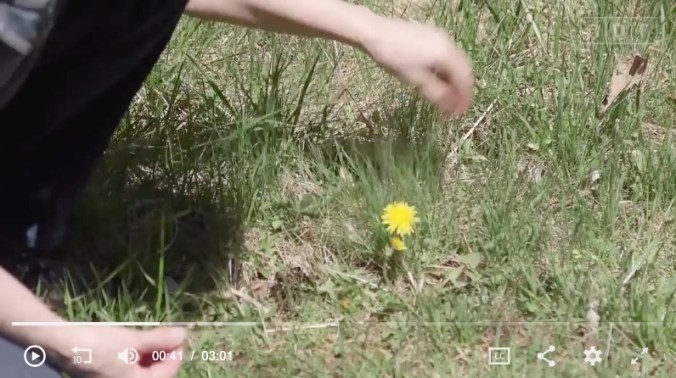
Dandelion

Credit: NPR

We missed this when it was first posted, but on this topic never too late to share:

VIDEO: Dandelions Aren’t Just Weeds. You Can Fry Them, Too

Some may think of dandelions as just unwanted weeds, but expert forager and nutritionist Debbie Naha says “a weed is just a plant growing where you don’t want it to.”

Naha loves to collect and eat dandelions when they bloom in the spring and again in early fall, when the days begin to shorten.

Some may also think of dandelions as those white puffballs whose seeds you can blow away like a candle on a birthday cake. The puffball is also considered a dandelion — it’s what the yellow flower matures into after a few days. But these aren’t especially good to eat. Continue reading

Alternative Glitter In The Amazon

3271

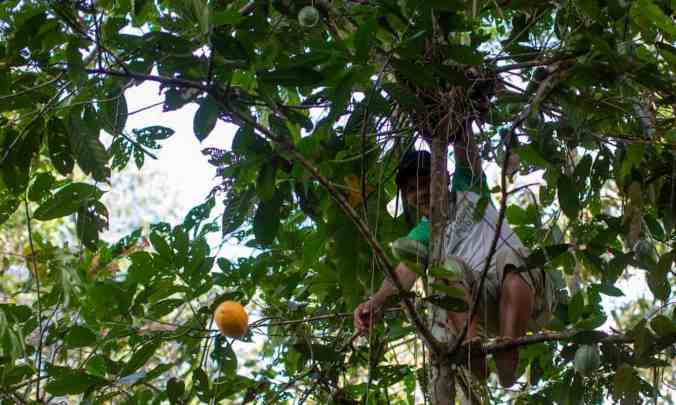
Edmilson Estevão climbs a mature cacao tree to pick the fruit. Photograph: João Laet/The Guardian

In the Authentica shops our featured chocolates are artisanal in terms of production, and both companies are leaders in their own ways–sourcing, packaging, etc.–in terms of sustainability. We are just now tasting chocolates from a third possible supplier, one that farms the cacao organically and is in control of all stages of production and packaging–from farm to bar as they say. When we have their product on our shelves, you will be the first to know, right here. Since our thoughts are already on this topic, special thanks to the Guardian for this story that helps better understand the many ways in which cacao can create a brighter future:

Cacao not gold: ‘chocolate trees’ offer future to Amazon tribes

In Brazil’s largest indigenous reserve thousands of saplings have been planted as an alternative to profits from illegal gold mining

The villagers walk down the grassy landing strip, past the wooden hut housing the health post and into the thick forest, pointing out the seedlings they planted along the way. For these Ye’kwana indigenous men, the skinny saplings, less than a metre high, aren’t just baby cacao trees but green shoots of hope in a land scarred by the violence, pollution and destruction wrought by illegal gold prospecting. That hope is chocolate.

4200

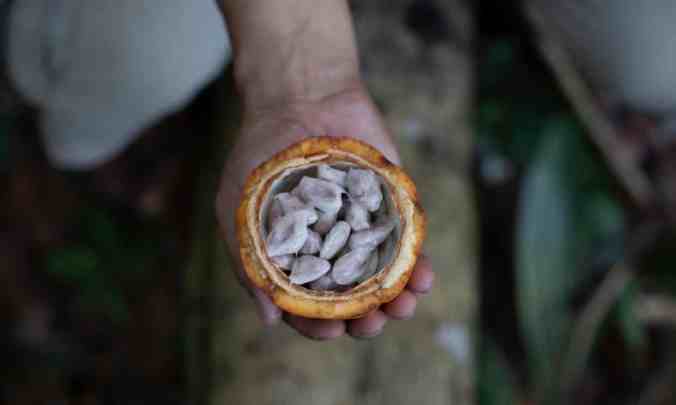
Cacao seeds, which are dried and roasted to make chocolate. Photograph: João Laet/The Guardian

“We want to plant and develop income for the community,” says Júlio Ye’kwana, 39, president of the Ye’kwana people’s Wanasseduume association, which came up with the idea. “And it is not destructive for the forest.” Continue reading

Ugly, Not Deadly

t8awet

Photo: Vangelis Aragiannis/Alamy

We do not like looking at them. They disrupt many otherwise pristine views of nature, in the most surprising places. And so the thought of them being dangerous to birds would be an easy stretch of the imagination. Thanks to Audubon for the clarification, that their danger to birds is just an act of imagination:

No, 5G Radio Waves Do Not Kill Birds

Here’s the truth behind a Facebook falsehood spreading across the internet.

On the internet, there is often a fine line between a healthy skepticism of new technologies and blatant misinformation. The recent claim that the radio waves from 5G cellular communication towers are causing mass bird die-offs is a perfect example of just how thin that line can be—and how quickly falsehoods can spread across Facebook, Twitter, YouTube, and even in the comments of Audubon magazine’s stories.

The origin of this claim is as head-spinning as it is instructive, so let’s untangle the knot: Does 5G really kill birds, and if not, why are so many people shouting about it online? Continue reading

What’s New In Taliabu?

09TB-NEWBIRDS3-jumbo.jpg

James Eaton/Birdtour Asia

Thanks to Karen Weintraub for sharing the rare story that our bird-oriented readers will appreciate as breaking news:

Trove of New Bird Species Found on Remote Indonesian Islands

Researchers found 10 new species and subspecies of songbirds off the coast of Sulawesi, with distinct songs and genetics from known birds.

09TB-NEWBIRDS1-jumbo.jpg

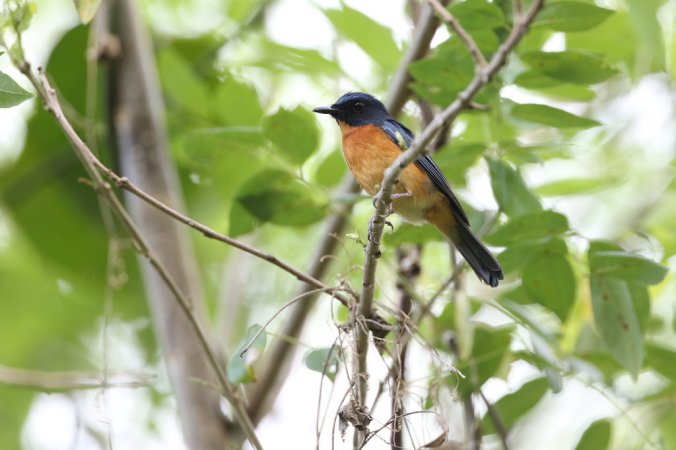
A Togian jungle-flycatcher, one of several new bird species found in the Wallacean islands off Indonesia’s east coast. James Eaton/Birdtour Asia

One day in 2009, Frank Rheindt was wandering up a forested mountainside on an Indonesian island when the skies opened up. He had spent months planning this trip, days finding a charter boat that would carry him to this remote place, and hours plodding uphill, but the local tour guides insisted that the rain would make the search impossible. Continue reading

Questions, Answers & Plans For Managing Environmental Challenges

7360 (2).jpg

Experts have identified oceans as a key battleground in the fight to protect humanity’s natural ‘life support system’. Photograph: Christian Loader/Alamy

The plan provides one possible answer, its execution is an important question:

UN draft plan sets 2030 target to avert Earth’s sixth mass extinction

Paris-style proposal to counter loss of ecosystems and wildlife vital to the future of humanity will go before October summit

Almost a third of the world’s oceans and land should be protected by the end of the decade to stop and reverse biodiversity decline that risks the survival of humanity, according to a draft Paris-style UN agreement on nature.

To combat what scientists have described as the sixth mass extinction event in Earth’s history, the proposal sets a 2030 deadline for the conservation and restoration of ecosystems and wildlife that perform crucial services for humans.

The text, drafted by the UN Convention on Biological Diversity, is expected to be adopted by governments in October at a crucial UN summit in the Chinese city of Kunming. It comes after countries largely failed to meet targets for the previous decade agreed in Aichi, Japan, in 2010. Continue reading

Bees, Almonds & Futures

5760b.jpg

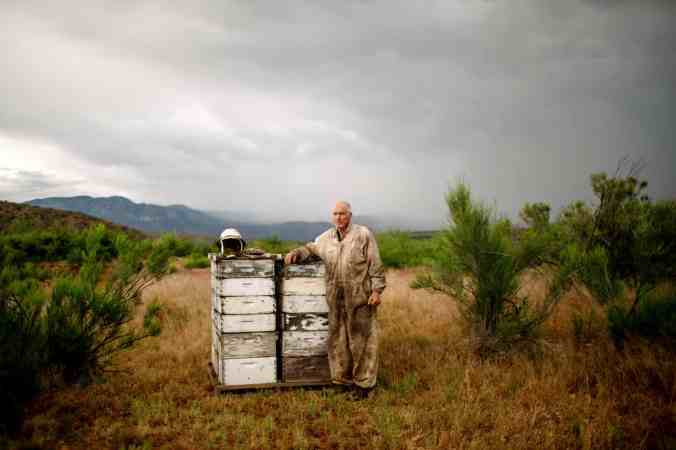
Dennis Arp stands for a portrait near a colony of honeybees outside Rye, Arizona. Photograph: Caitlin O’Hara/The Guardian

Bees are not finding the near future any brighter than the recent past. Thanks, as always, to the Guardian for keeping us apprised on this topic:

‘Like sending bees to war’: the deadly truth behind your almond-milk obsession

Bees are essential to the functioning of America’s titanic almond industry – and billions are dying in the process

5760 (4).jpg

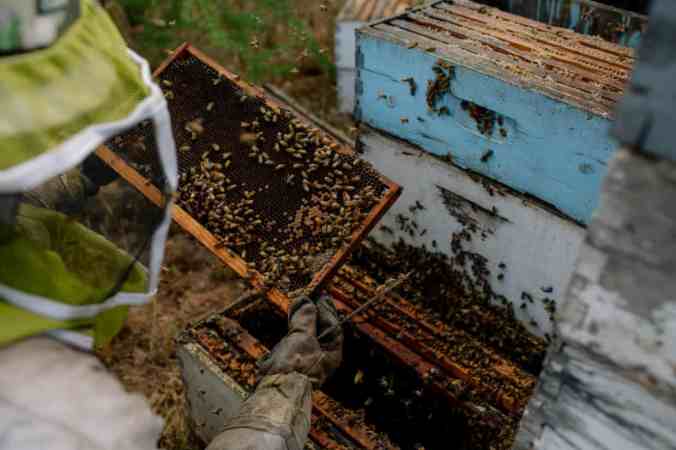
Adam Arp, Dennis’s son, works outside Rye on 8 May 2019. Photograph: Caitlin O’Hara/The Guardian

Dennis Arp was feeling optimistic last summer, which is unusual for a beekeeper these days.

Thanks to a record wet spring, his hundreds of hives, scattered across the central Arizona desert, produced a bounty of honey. Arp would have plenty to sell in stores, but more importantly, the bumper harvest would strengthen his bees for their biggest task of the coming year.

3504.jpg

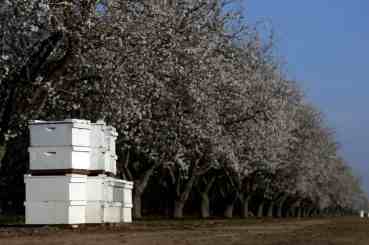
Beehives stand stacked along a blooming almond orchard near Shafter, California. The bees pollinate many crops, including almond trees in February, and are essential to the food chain. Photograph: Ann Johansson/Corbis via Getty Images

Like most commercial beekeepers in the US, at least half of Arp’s revenue now comes from pollinating almonds. Selling honey is far less lucrative then renting out his colonies to mega-farms in California’s fertile Central Valley, home to 80% of the world’s almond supply. Continue reading

Life In Southwest India

Elephants-and-people-co-exist-in-the-Western-Ghats_Sreedhar-Vijayakrishnan_web.jpg

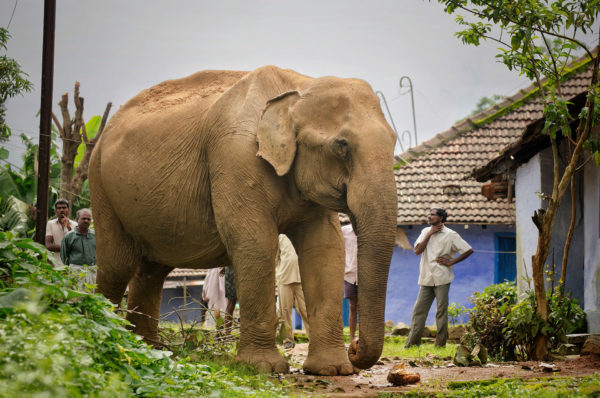
An elephant eats jackfruits in the backyard of a house in Valparai, Tamil Nadu. COURTESY OF SREEDHAR VIJAYAKRISHNAN

Thanks to Yale e360 for this reminder of the amazing nature we witnessed from 2010-2017 while living in the Western Ghats.

The-Anamalai-Hills-shrouded-in-mist_Ganesh-Raghunathan_web.jpg

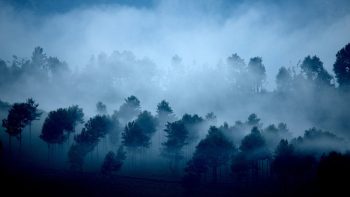
The Anamalai Hills in India’s Western Ghats region, shrouded in mist. COURTESY OF GANESH RAGHUNATHAN

The Young Writers Awards, presented by Yale Environment 360 and the Oak Spring Garden Foundation, honor the best nonfiction environmental writing by authors under the age of 35. Entries for 2020 were received from six continents, with a prize of $2,000 going to the first-place winner. Read all the winners here.

Song of the Western Ghats: A Green Island in a Crowded Land

For a young ecologist, the mountains of the Western Ghats are a respite from India’s intense urban life — a lush land of monsoon rains, elephants, king cobras, leopards, and a spectacular assortment of birds — and a place where wildlife and villagers still largely manage to coexist.

Dhole-in-the-dawn_Ganesh-Raghunathan_web

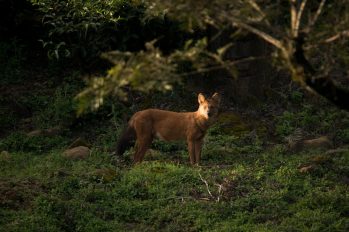
A dhole, or wild dog, in the Western Ghats. COURTESY OF GANESH RAGHUNATHAN

What is it that draws us to the quiet, to the green? To the mist-curtained mountains, where everything is crystal clear – leaves in high definition even against an overcast sky. Where leopards leave their mark in soft mud, and you smell where an otter has walked. Continue reading

Do Not Wait

Citizens of the USA have not much right to tell Australians what or how to think about climate change, and certainly not at this precise moment. On the contrary, scenes coming from Australia might well get Americans immediately wondering:

What Will Another Decade of Climate Crisis Bring?

2019 has been called the year we woke up to climate change. Australia’s wildfires are yet more evidence that it’s time we started acting like it.

200113_r35700web

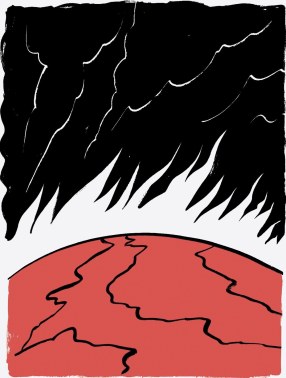
Illustration by João Fazenda

Last week, thousands of people in the Australian state of Victoria were urged to evacuate their homes. “Don’t wait,” the alert warned. Bushfires were burning across the state; so large were some of the blazes that, according to Victoria’s commissioner of emergency management, they were “punching into the atmosphere” with columns of smoke nine miles high. The smoke columns were producing their own weather, generating lightning that, in turn, was setting more fires. Some time after residents received the evacuation warning, many of those in the most seriously affected region, East Gippsland, which is a popular tourist destination, received another alert. It was now too late to leave: “You are in danger and need to act immediately to survive.” Continue reading

Adaptive Re-Use, Puffin Style

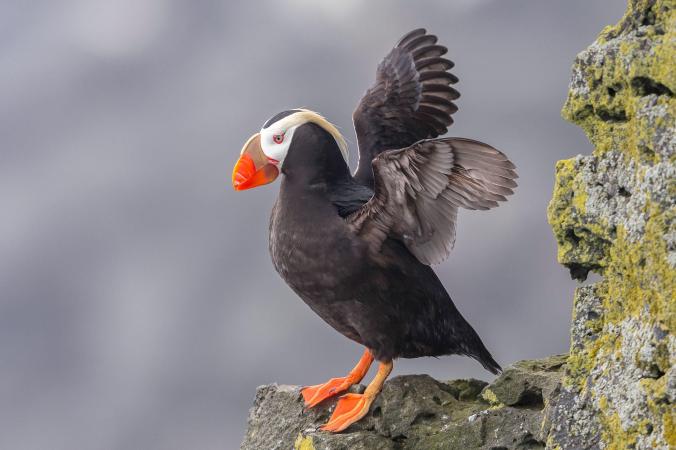
aud_apa-2018_tufted-puffin_a1-5046-15_kk_photo-tom-ingram_0.jpg

Tufted Puffin. Photo: Tom Ingram/Audubon Photography Awards

Thanks to Audubon Magazine we start 2020 with a short story about an adaptation that is not just pretty, but practical in more than one way:

Those Big Orange Bills Also Help Puffins Stay Cool After a Workout

Good for more than just attracting a mate, the clownish feature appears to keep the subpar fliers from overheating.

The puffin’s iconic orange bill might be its most recognizable feature, but it’s also quite functional, serving the charismatic seabird in all avenues of life. The bill’s large volume makes it a hefty food carrier, and its ultraviolet glow amps up puffins’ sex appeal. Now, scientists have identified yet another use of this dramatically curved bill: staying cool. Continue reading

Another Look At Svalbard

merlin_166333806_dce78ff7-be42-423a-aeb4-74189e43cb3f-jumbo.jpg

Melissa Schäfer

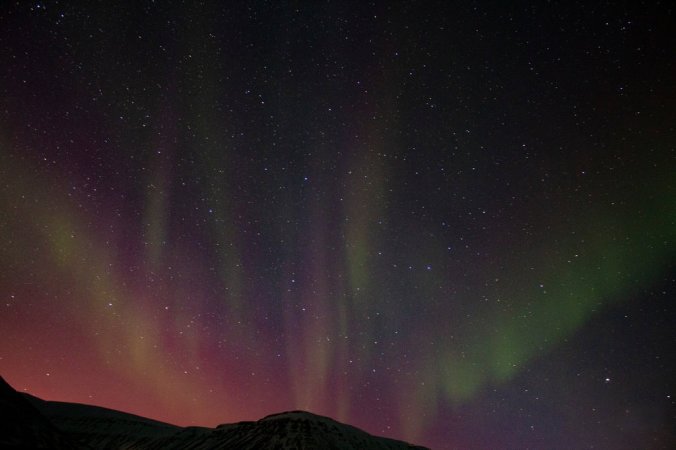
The seed vault has been covered in our pages so many times, that I thought I knew enough, and that plentitude made me almost skip this travel story. Having seen the Northern lights in my teen years, while working at a summer camp in Maine, with 40+ years perspective I can say with certainty that no travel experience comes close to that. I am a travel junky, and have had some profound travel experiences. Kelly McMasters makes me want to chase down that visual wonder that, try as I may, I cannot explain to anyone, and to combine it with some serious winter adventuring:

merlin_166333770_e846fa66-d76b-4a68-b658-f7eca0a4132e-jumbo.jpg

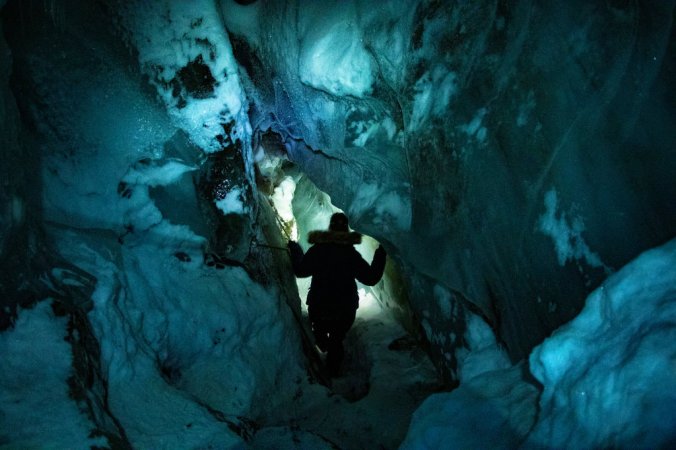
Greeting the New Year In Earth’s Northernmost Settlement

In Svalbard, above the Arctic Circle, you can’t be born and you can’t be buried, but you can find renewal in the dark of winter.

merlin_166333812_bb245b5b-e53a-42db-b2ab-93701fedb3fc-jumbo

Melissa Schäfer

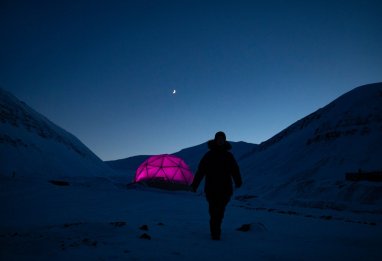
Few people have heard of Svalbard and even fewer have seen it. The isolated group of islands is an old mining settlement turned glacial adventuring outpost located 1,200 miles north of mainland Norway, one of the closest landmasses to the North Pole, along with Greenland and Nunavut. The approximately 2,200 inhabitants dotting the desolate tundra are itinerant, a mix of climate scientists, miners and globe-trotting explorers mostly from Russia, Scandinavia and Canada. There are more polar bears than people.

merlin_166333803_b98fc460-2767-469b-97e9-a3043886660a-jumbo (1).jpg

The northern-most greenhouse dome in the world provides microgreens to a local restaurant. Melissa Schäfer

Historically, this archipelago was the isolated purview of turn-of-the-century airship explorers obsessed with finding the Northwest Passage; more recently Svalbard served as the fantastical setting for Phillip Pullman’s “His Dark Materials” trilogy. Today, it is poised to be the next extreme vacation destination for tourists obsessed with climate change, wilderness and chasing the Northern Lights. Continue reading

Smart Bees

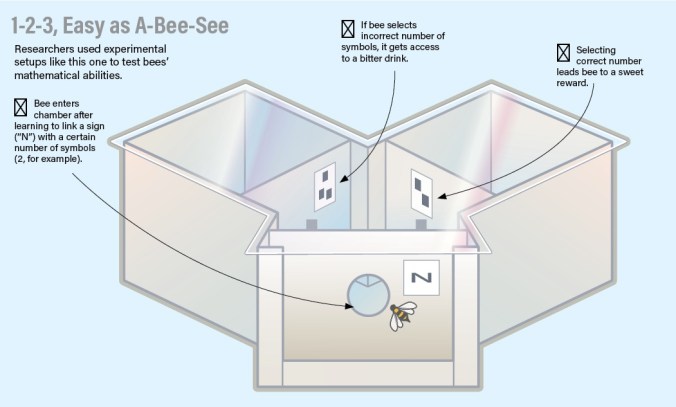
easy_as_a-bee.jpg

Thanks to Discover Magazine’s Sarah White for bringing our attention to Three Studies Are Showing Bees’ Amazing Math Abilities, a story we had missed earlier:

DSC-D0120_03.jpg

(Credit: Gemma Tarlach/DISCOVER)

Honeybees caused quite a buzz this year when three separate studies showed they possess some of the same mathematical abilities as humans, despite much tinier brains.

In February, research in Science Advances indicated honeybees could learn to add and subtract. To teach the bees arithmetic, cognitive scientists set up a Y-shaped box for the bees to fly through. When a bee entered the box at the bottom of the Y, it saw blue or yellow shapes. If the shapes were blue, the bees were trained to fly down an arm of the Y toward a picture with one additional shape to receive a sucrose reward; the other arm had a bitter drink instead. If the shapes were yellow, bees were rewarded for choosing the picture with one fewer shape…

Big Cats, WWF & The Guardian’s Coverage

3264 (2).jpg

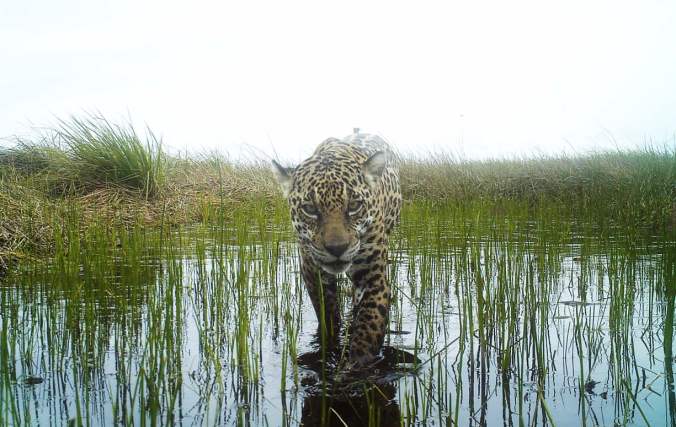
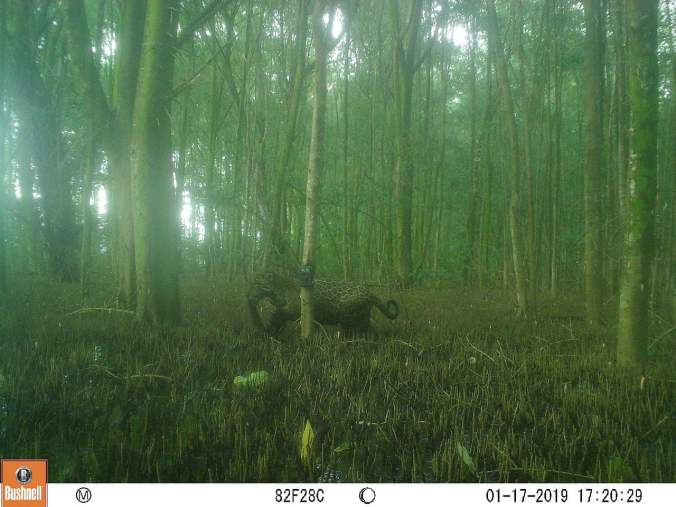
A jaguar captured by a camera trap on the island. The WWF researchers plan to set more traps in 2020. Photograph: WWF Brazil

Jaguar and other wild cats, big and small, have been a topic of interest on this platform since we began back in 2011. We have also featured many stories where WWF is the hero, carrying out important work that needs support. Phoebe Weston somehow escaped our attention until now, so special thanks to the Guardian for maintaining their commitment to quality coverage of nature and environmental issues, which I depend on for my daily exercise in awareness:

4320.jpg

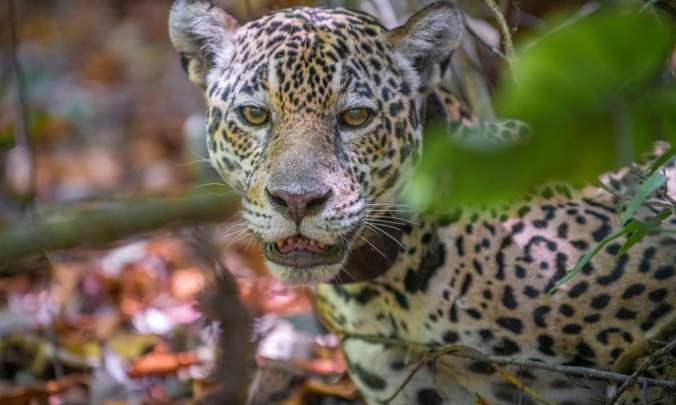
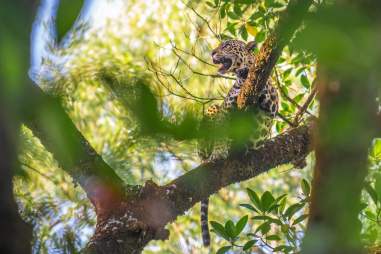
A jaguar resting on a tree on Maracá-Jipioca. The WWF hopes to collar two more cats next year.
Photograph: André Dib/WWF Brazil

A thriving population of jaguars living on a small, unspoilt island off the coast of the Brazilian Amazon has learned to catch fish in the sea to survive, conservationists have found.

The Maracá-Jipioca Ecological Station island reserve, three miles off the northern state of Amapá, acts as a nursery for jaguars, according to WWF researchers who have collared three cats and set up 70 camera traps on the remote jungle island.

1280.jpg

A jaguar caught on camera with a fish in its mouth. Photograph: WWF Brazil

Although jaguars have previously been spotted catching fish in Brazil’s Pantanal wetlands, this is believed to be the first evidence the elusive creatures have been jumping in the sea to catch prey.

12060.jpg

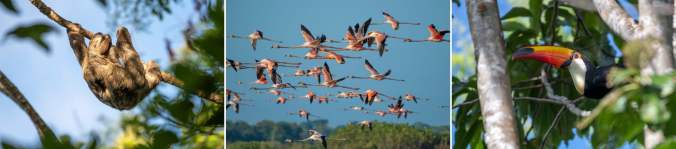
A three-toed sloth, a flock of flamingos, and a toco toucan, all inhabitants of the Maracá-Jipioca Ecological Station reserve. Photograph: André Dib/WWF Brazil

“This is the first time that behaviour has been spotted in the Amazon,” said Marcelo Oliveira, senior programme officer at WWF Brazil, who is leading the NGO’s first jaguar-collaring research. Continue reading

Graphic Artists & Ecological Education

1200 (5).jpg

Since we started this platform in 2011 I have been on the lookout for graphical representations that help me, and therefore might help others, understand complex issues related to the environment. Photography has been the easiest reach for me, perhaps because I am a son of, a brother of, and a father of people who have mastered that form. Comics were not part of my life, so that form has eluded me. And I realize that the work of Susie Cagle escaped my attention–as I have shared visual artists’ depictions of natural phenomena, with science and especially ecological issues emphasized–until now. And this is a good way for her work to come to my attention, because in our family we have been debating this tree’s value for decades:

Fire-starting weed or ecological scapegoat? The battle over California’s eucalyptus trees

The fight over a celebrated exotic plant highlights questions over California’s future amid the climate crisis

Do Not Underestimate The Value Of Fly Brains

GettyImages-878677396.jpg

Comprised of only around 100,000 neurons, the Drosophila fruit fly brain is capable of highly complex behaviors. Getty Images

This link is in the spirit of appreciating the value of the lowliest members of our day to day encounters with nature, and the role they play in helping scientists better understand phenomena important to humans. Thanks to Kevin Jiang and the Harvard Gazette:

Where we get our sense of direction

Experiments reveal how visual cues reorganize course-sensing neurons in fruit flies

Farms & Non-Farms For Our Future

Palm-Oil_Costa-Rica_shutterstock_web.jpg

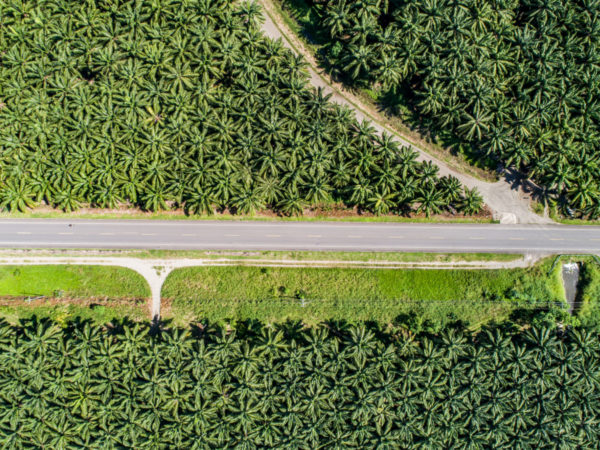
Critics note that flawed strategies have encouraged tree farms, such as this oil palm plantation in Costa Rica. SHUTTERSTOCK

Richard Conniff explains why tree farms, like the one pictured above, are not part of the solution to climate change, whereas abandoned ancient farms like the one picture below may be part of the solution:

Could Abandoned Agricultural Lands Help Save the Planet?

Agriculture’s global footprint is decreasing — more land globally is now being abandoned by farming than converted to it. This, some researchers contend, presents an opportunity for ecological restoration that could help fight climate change and stem the loss of biodiversity.

CastroLaboreiroPortugal_flickr_web.jpg

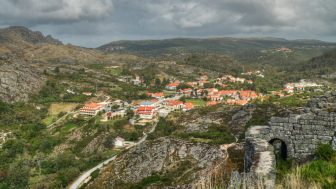
The town of Castro Laboreiro, Portugal, where former grazing lands have reverted to nature. ANTONIO LOMBA/FLICKR

People have lived in Castro Laboreiro, where northern Portugal borders Spain, long enough to have built megaliths in the mountainous countryside and a pre-Romanesque church, from 1,100 years ago, in the village itself. But the old rural population has dwindled away, leaving behind mostly elders yearning for their vanishing culture. Continue reading

117 of 314 Bird Species, As Urban Murals

boorujy_4_mikefernandez_0.jpg

Photo: Mike Fernandez/Audubon

A couple years ago we linked to a story about urban murals and now, progress:

Where Birds Meet Art . . . After Dark

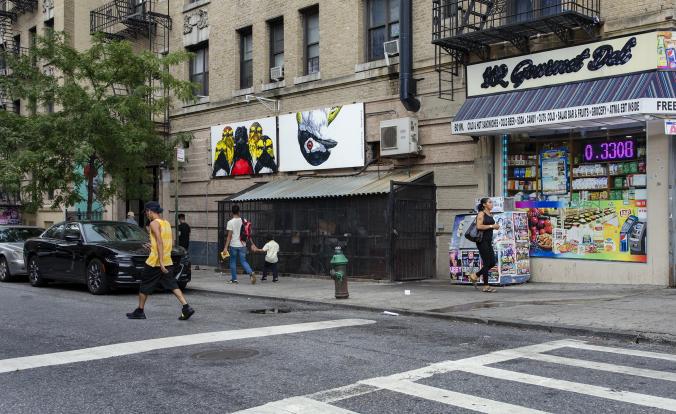
Greater Sage-Grouse by George Boorujy

Greater Sage-Grouse by George Boorujy
Location: 3920 Broadway, New York, NY 10032

The Audubon Mural Project is a collaboration between the National Audubon Society and Gitler &_____ Gallery to create murals of climate-threatened birds throughout John James Audubon’s old Harlem‐based neighborhood in New York City.

Pinyon Jay by Mary Lacy

Pinyon Jay by Mary Lacy
Location: 3668 Broadway, New York, NY 10032

The project is inspired by the legacy of the great American bird artist and pioneering ornithologist and is energized by Audubon’s groundbreaking report “Survival By Degrees.” Audubon’s scientists have found that climate change will threaten at least half of all North American birds with extinction, and that no bird will escape the impacts of climate-change-related hazards like increased wildfire and sea-level rise. The project commissions artists to paint murals to call attention to this problem, and it has been widely covered in the media, including The New York Times.

On the website where Audubon features these murals you can click through to see the individual stories of each, including lots of interesting species information:

gaia_mikefernandez.jpg

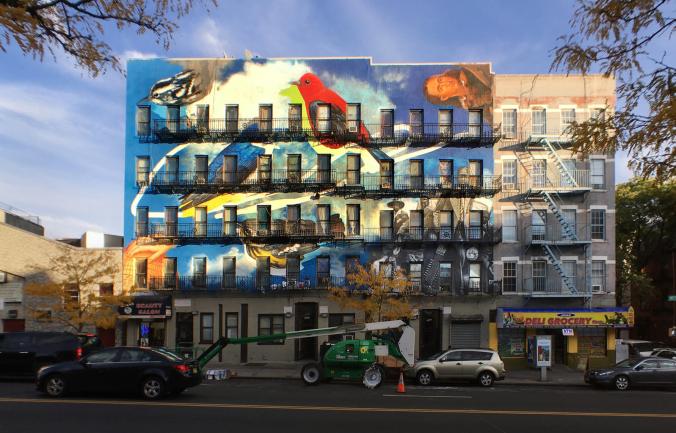
Clockwise from top left: Black-and-white Warbler, Scarlet Tanager, John James Audubon, depiction of Russell Lee’s 1941 photo of Chicago, Magnolia Warbler, James Lancaster’s hand, and Tree Swallow. Photo: Mike Fernandez/Audubon

Endangered Harlem by Gaia

Location: 1883, 1885, and 1887 Amsterdam, New York, NY 10032 Continue reading

Big Money, Big Park, Big Questions

MontanaPark.jpg

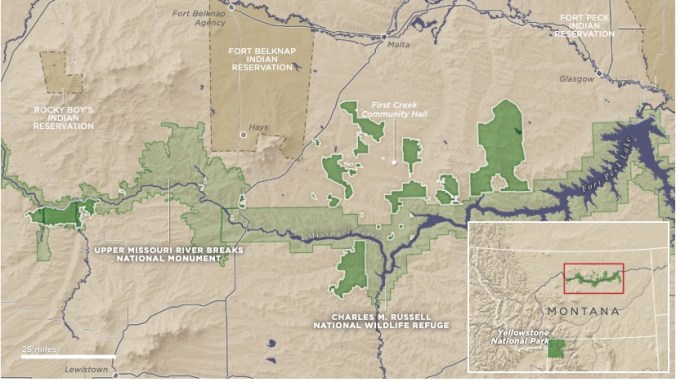
American Prairie Reserve’s Patchwork Of Properties
American Prairie Reserve’s purchased and leased land is shown in green with white borders adjacent to Upper Missouri Breaks National Monument and Charles M. Russell National Wildlife Refuge. Together, these parcels complete a network of land larger than Yellowstone National Park, the second-largest national park in the Lower 48 states. Source: American Prairie Reserve, Montana State Library, U.S. Geological Survey 1 Arc-Second SRTM, Natural Earth, Montana Department of Transportation, U.S. Census Bureau, National Park Service
Credit: Daniel Wood/NPR

Hats off to Sean Gerrity, as well as to the farmers and ranchers who have kept the native prairie grasses intact in recent generation, and to the native communities who stewarded these lands long before all this became a story. Our thanks to National Public Radio (USA) for sharing the story:
Big Money Is Building A New Kind Of National Park In The Great Plains

2019-montanaapr-charbage-73_custom-1adbd128a6bbea6e6ee03a2dd1a143db97998700-s1200-c85

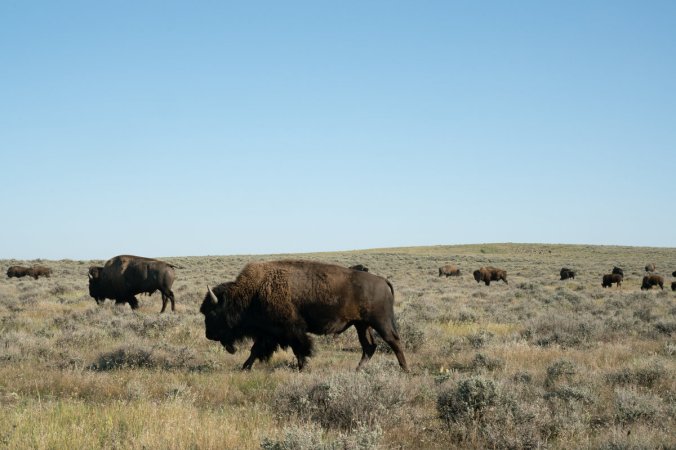
Bison walk on American Prairie Reserve land. The organization is slowly purchasing ranches from willing sellers, phasing out the cows and replacing them with wild bison. Claire Harbage/NPR

This story was supported by the Pulitzer Center on Crisis Reporting.

A privately funded, nonprofit organization is creating a 3.2 million-acre wildlife sanctuary — American Prairie Reserve — in northeastern Montana, an area long known as cattle country.

_dsc3711_custom-6d09ed4fc7375584ea76e1d2c3a28936e9917ac5-s500-c85.jpg

Sean Gerrity founded the American Prairie Reserve more than 18 years ago after he moved back home to Montana from Silicon Valley, where he ran a firm that consulted for companies such as AT&T and Apple.
Claire Harbage/NPR

But the reserve is facing fierce opposition from many locals because to build it, the organization is slowly purchasing ranches from willing sellers, phasing out the cows and replacing them with wild bison. Those private properties are then stitched together with vast tracts of neighboring public lands to create one giant, rewilded prairie. The organization has purchased close to 30 properties so far, but it needs at least 50 more.

“I see them coming in with big money, buying up ranches and walking over the top of the people who are already here,” says ranch owner Conni French. “For them to be successful in their goals, we can’t be here, and that’s not OK with us.”

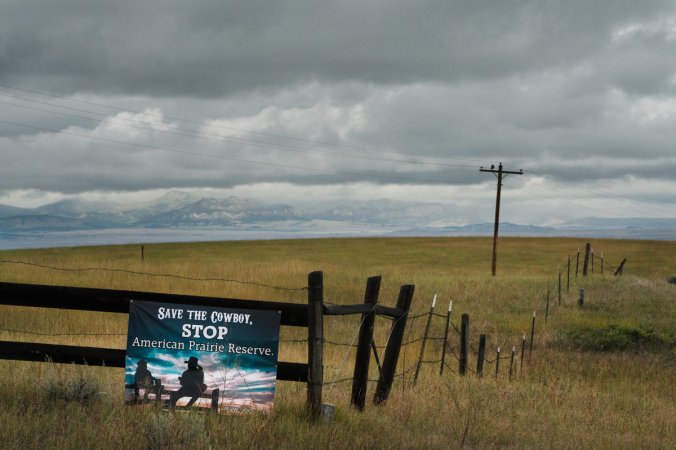
She isn’t alone. Driving around, you see signs everywhere that say, “Save The Cowboy, Stop The American Prairie Reserve.”
_dsc2741_slide-7e313d6d5430d4b9c6d7606875580af1dc204866-s1200-c85

A “Save the Cowboy” sign is posted along a fence. The “Little Rockies” on the Fort Belknap Indian Reservation are seen in the distance. Claire Harbage/NPR

But the project’s efforts have garnered a lot of positive attention from those living outside northeastern Montana because, once it’s complete, it will be the largest wildlife sanctuary in the Lower 48 states — about 5,000 square miles, nearly the size of the Serengeti National Park in Tanzania. Continue reading

Hawks At Home

8749843808_19bf5ddbd1_h-1260x708.jpg

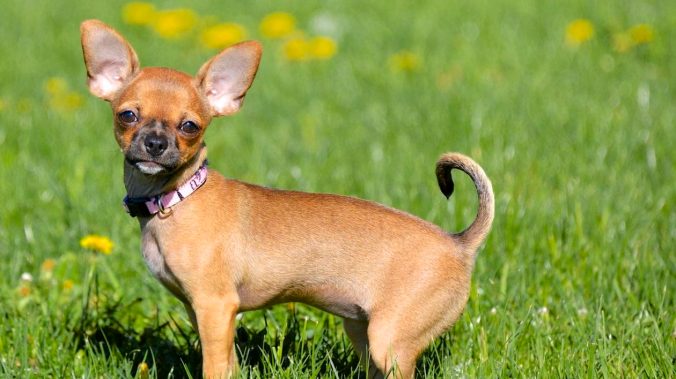
A chihuahua plays on the grass. Photo © Jamie McCaffrey / Flickr

Thanks to Cool Green Science for asking, and answering, this burning question:

Do Hawks Eat Pets?

Hawks have moved into our backyards. And many people seem to find their new neighbors terrifying.

I recently downloaded the Nextdoor app, the “social network for your neighborhood community,” to keep track of road closures and new developments in my rapidly growing community. It served that purpose, but it also gives me sometimes-startling insights into my neighbors’ concerns.

Chief among those concerns is wildlife: Coyotes, bobcats (or bobcats misidentified as mountain lions), deer, and, lately, hawks. Yes, hawks. Continue reading

A Home For Potato Knowhow

1164

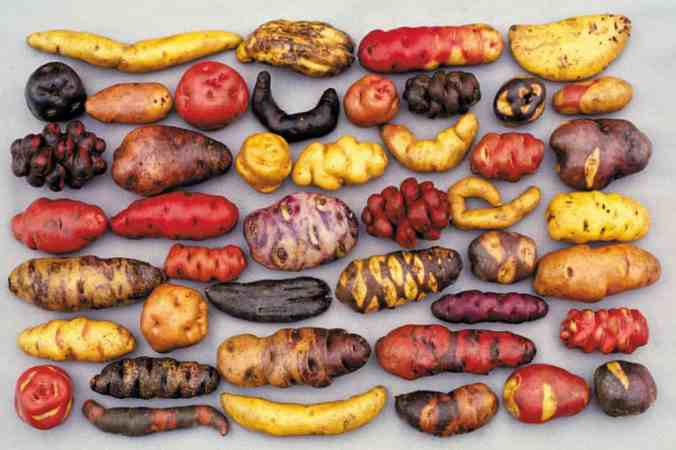
 A selection of the thousands of native potato varieties that grow in Peru. Photograph: The International Potato Centre

Thanks to Dan Collyns (last seen in our pages in 2013), writing in the Guardian, for this:

How Peru’s potato museum could stave off world food crisis

Agri-park high in the Andes preserves the expertise to breed strains fit for a changing climate

3008.jpg

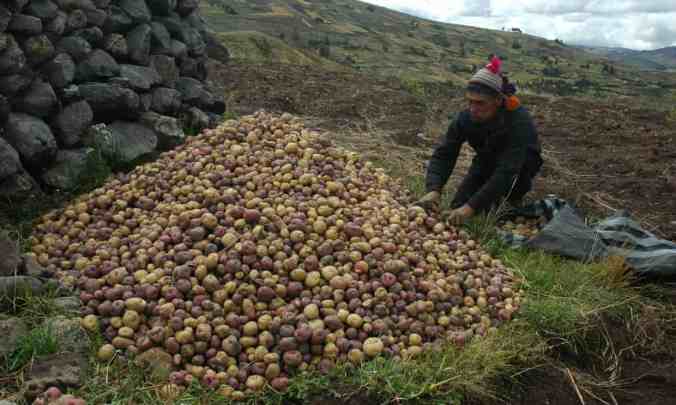
A worker picking potatoes high in the Andes. Photograph: The International Potato Centre

With a climate changing faster than most crops can adapt and food security under threat around the world, scientists have found hope in a living museum dedicated to a staple eaten by millions daily: the humble potato.

High in the Peruvian Andes, agronomists are looking to the ancestral knowledge of farmers to identify genetic strains which could help the tubers survive increasingly frequent and intense droughts, floods and frosts.

6000 (2).jpg

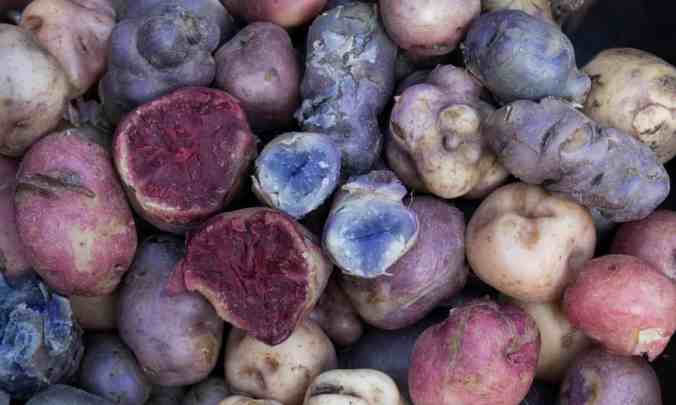
 A selection of biofortified potatoes, grown to be higher in zinc and iron. Photograph: David Dudenhoeffer/The International Potato Centre

The Potato Park in Cusco is a 90 sq km (35 sq mile) expanse ranging from 3,400 to 4,900 metres (16,000 feet) above sea level. It has “maintained one of the highest diversities of native potatoes in the world, in a constant process of evolution,” says Alejandro Argumedo, the founder of Asociación Andes, an NGO which supports the park. Continue reading