
Thanks to the wonders of modern transportation I arrived to Costa Rica late last night after a week in Ithaca, where Amie and I reconnected with our two sons and our grand-daughter. Seth had brought gifts of honey and coffee from Rwanda, which we all enjoyed sampling. Milo gave us a better understanding of the work he has been doing with fungi and medicinal herbs in recent years. And we gave Slothicorn, on a t-shirt that fits Milo’s daughter both physically and metaphysically, as a reminder to all of us that she will be visiting us in Costa Rica before too long. Amie had found the artist of that and other fun shirts earlier this year, and we carry them in the Authentica shops. Thanks to her for finding the artist, and to the artist for the fun and creative approach to representing themes relevant to this rich coast country.
While on the theme of thanks, there is much more to say. Too much more for a quick post. Thanksgiving showed up as a topic more than a couple times in the first few months of our setting up this platform in 2011. Since then, every year a post touches on it. So this is it for 2019, about giving and thanks and the holiday we think is one of the best ones out there. The zinger came to me as I started writing this.
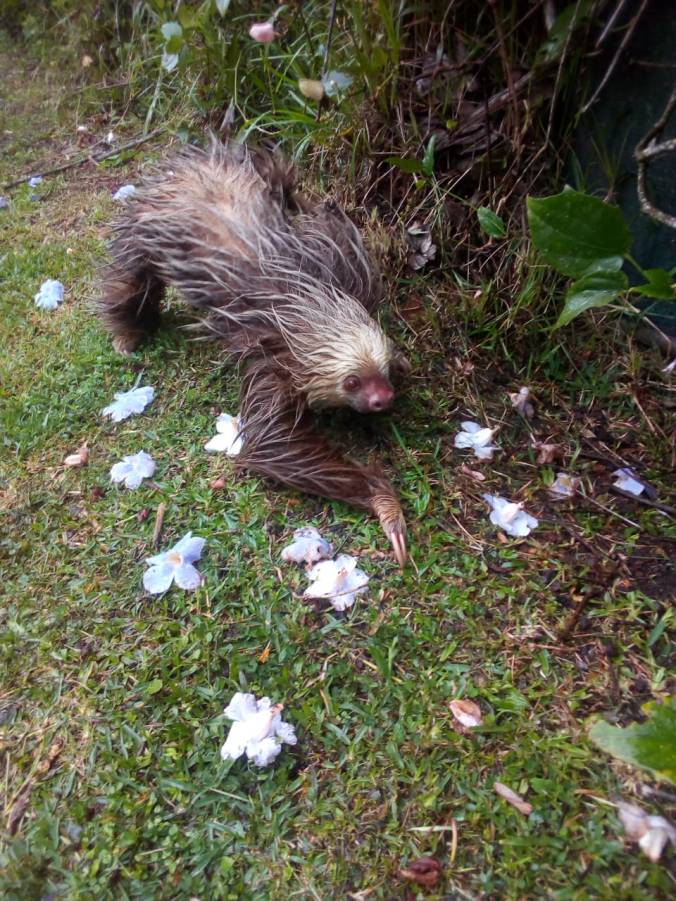
I left home early in the morning to run some errands, and while out one of our team members back at the house sent this photo of a sloth. It was crawling, with a mate, in our garden, making its way over to the neighbor’s property. They seem to have enjoyed the flowers dropping from the vines my mother planted nearly two decades ago. We have seen a toucan as well as an emerald toucanet on our property, but a sloth sighting is more than rare, more like bizarre. They tend to live closer to sea level and our home is 1,400 meters above sea level. So, of all the things to say thanks about, at this moment this is my choice. I thank them for stopping by and giving me a reminder of the importance of wildlife. I wish them safe passage to their destination.








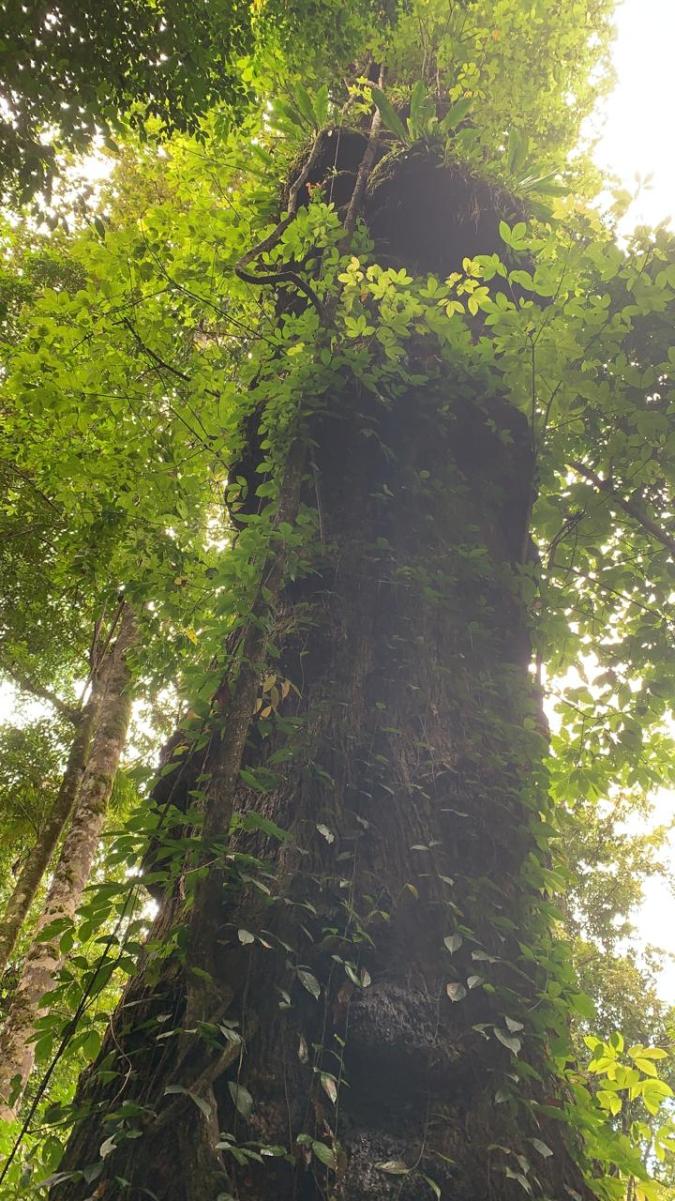
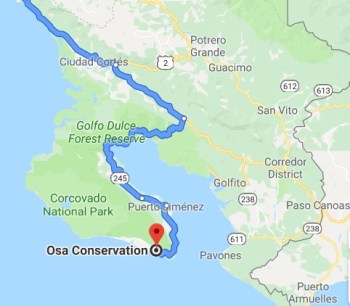
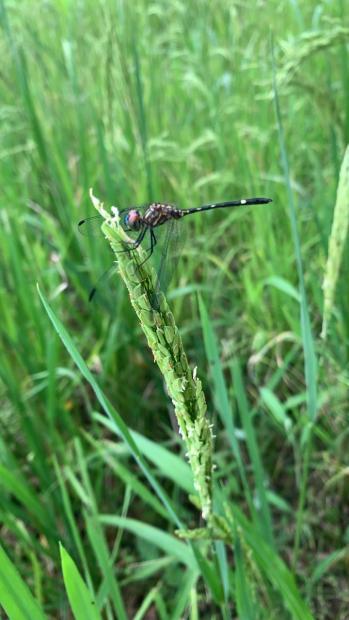 Finally we had the chance to do that this past weekend. The tree above is a good representative for why the Osa Peninsula is so important. With one of the longest life spans of any tree in this tropical forest, the abundance of diverse plants and animals that depend on the tree for life make it symbolically important as much as it is biologically important. The insect to the right, feeding on the top of a rice stalk, shifted my attention from the charismatic megaflora that made Saturday an immersive biophilia exemplar of a day–and helped me focus on acts taken by Osa Conservation to make their operation more sustainable. A one-time farm in their land holding has been rewilded. A few hectares were retained for experimental organic farming.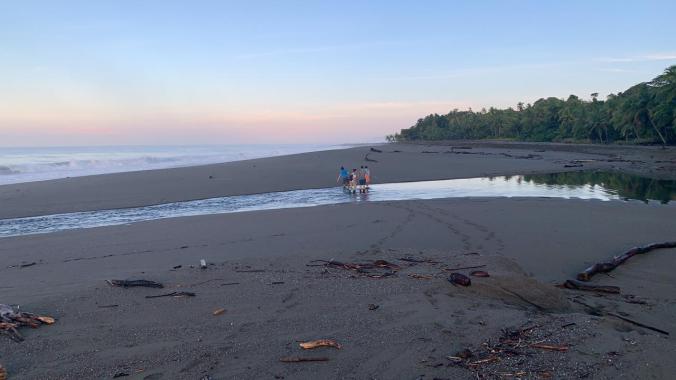
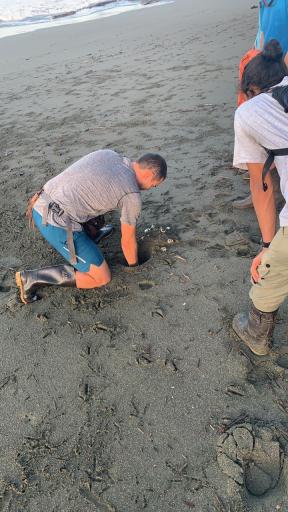 The rice strain is an example of that, but I will save that story for another day. After being
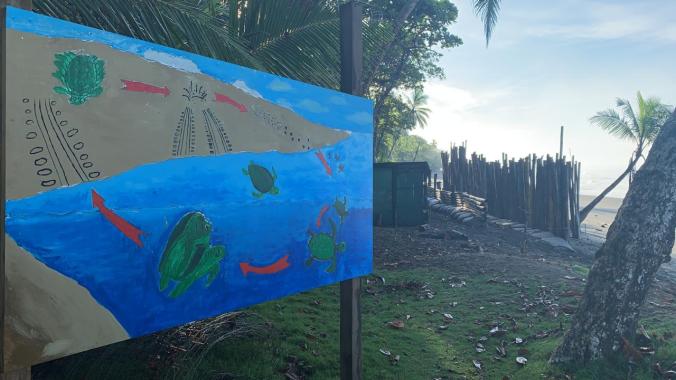
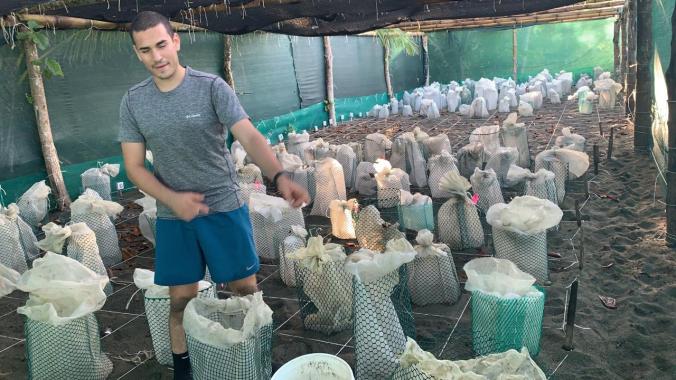
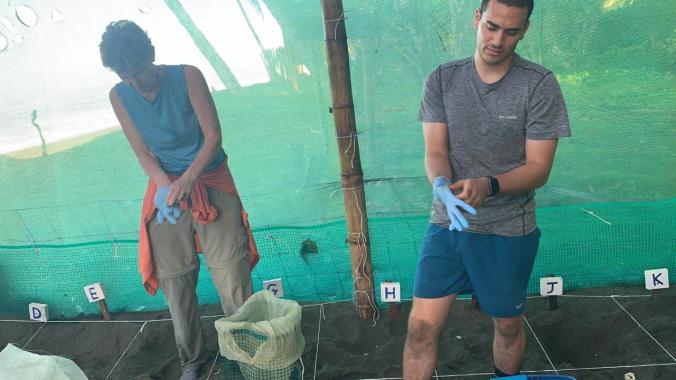
 We may have been a mere 15 minutes too late in that case, but soon enough another nesting site was found and the surgical strike–to remove the eggs and transfer them to a hatchery where they are better protected–was under way. The protocols allow for digging carefully so that not a single egg is in danger of rupture, or even addled. They are removed one by one, counted, and placed in exactly the same formation as they were in the nest, so they can be re-nested in the hatchery as the mother turtle had laid them. Marine biologists believe that the order in the nest matters to their viability.
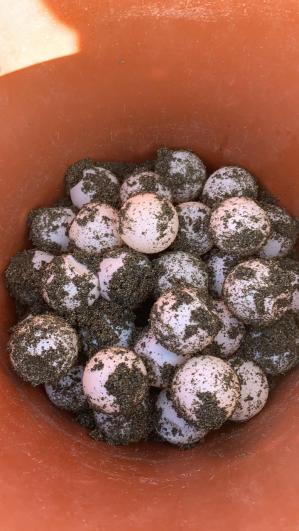 It was almost 6am at this point and by 8am this nest moved to safety and hatchlings from two previously moved nests were ready for release. Of all the photos I took yesterday it is difficult to choose one that is most evocative of the power of this experience. But somehow a bucket full of eggs is a candidate.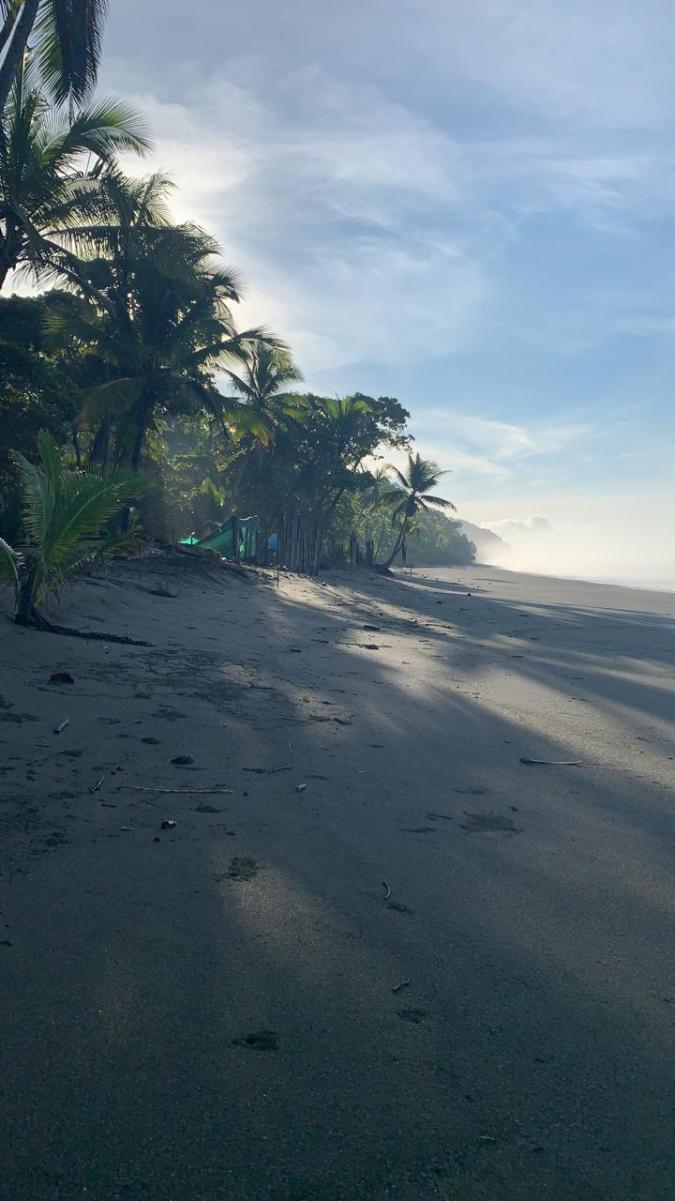
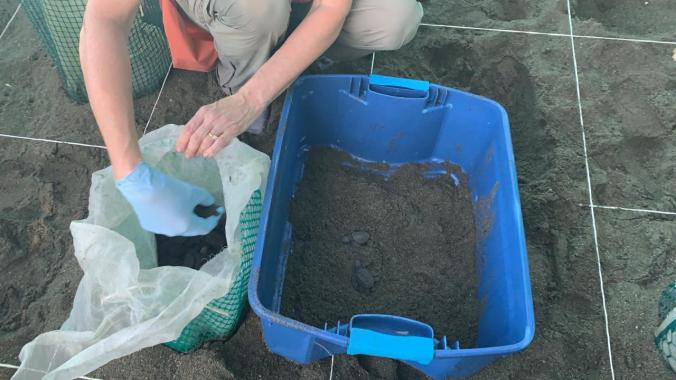
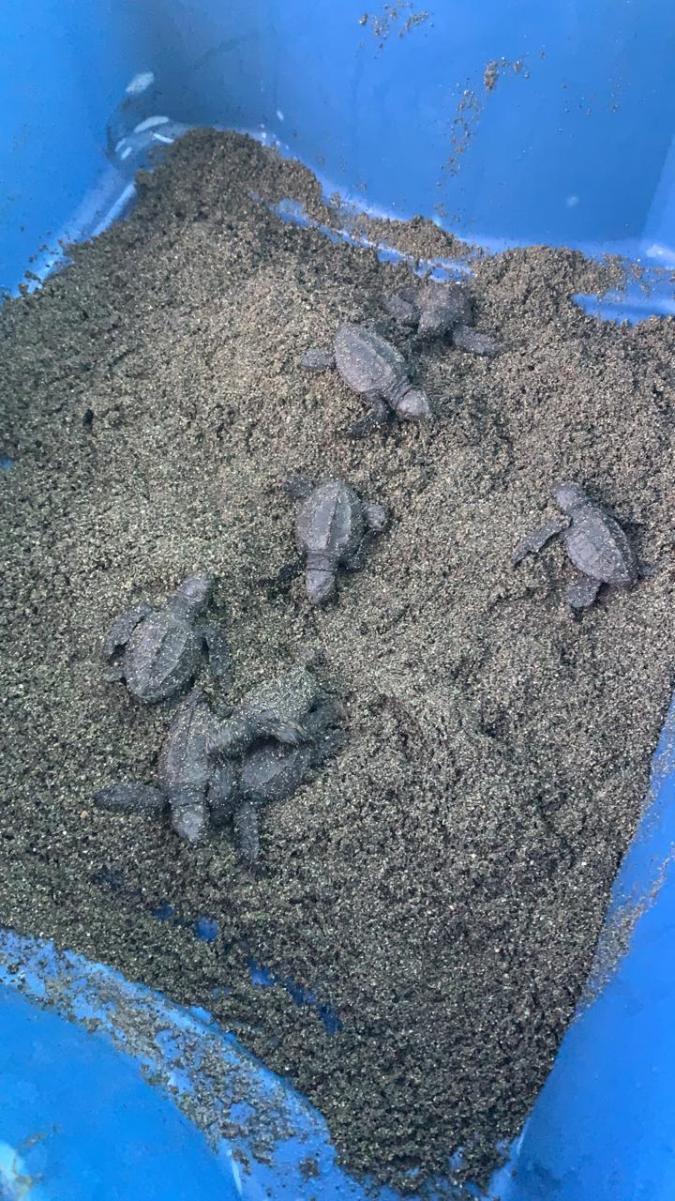
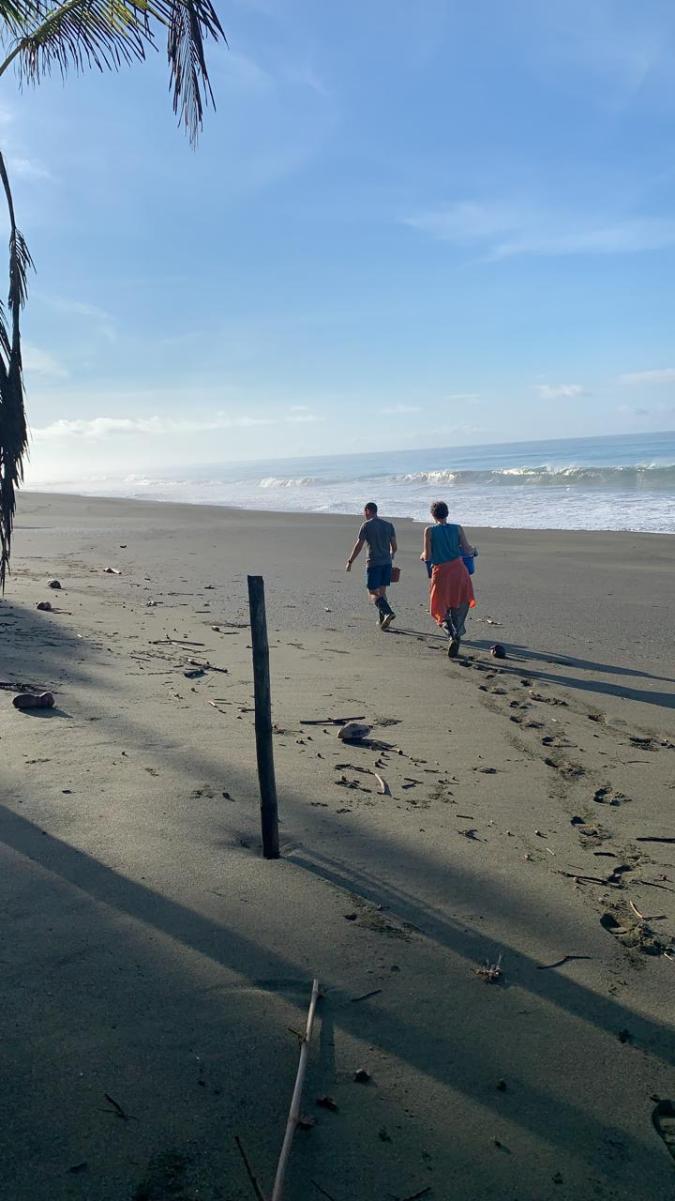
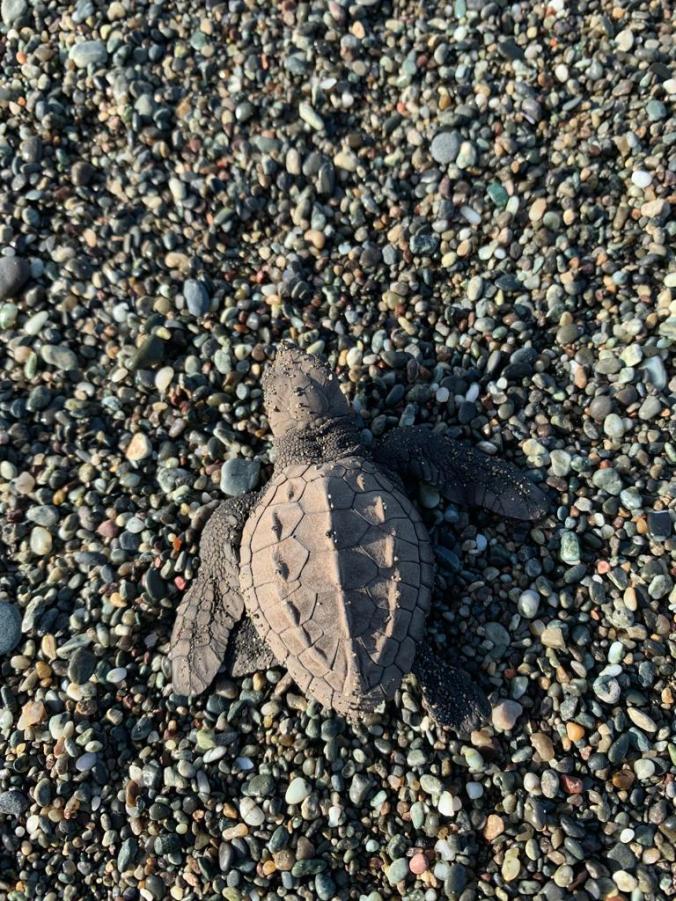
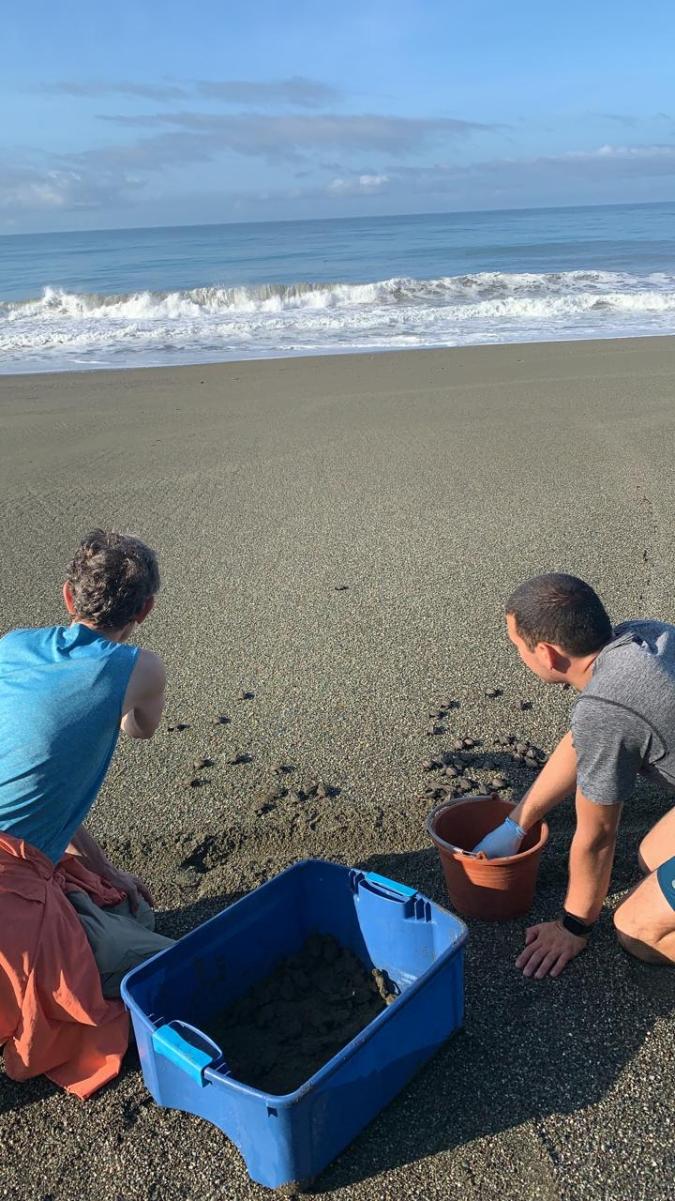 133 in total, marching to the water. A race of sorts.
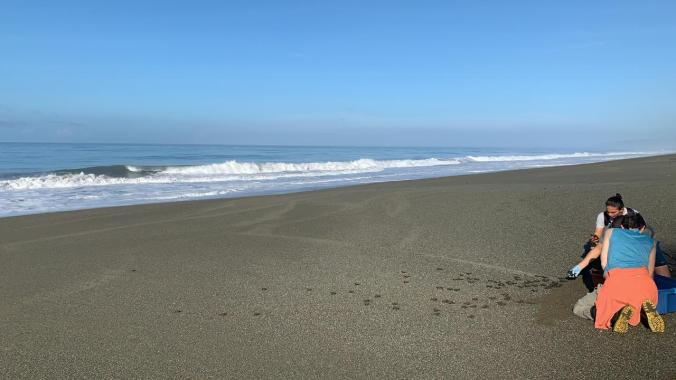 Amie, a bird-lover, wields a stick to keep them away in case that is needed.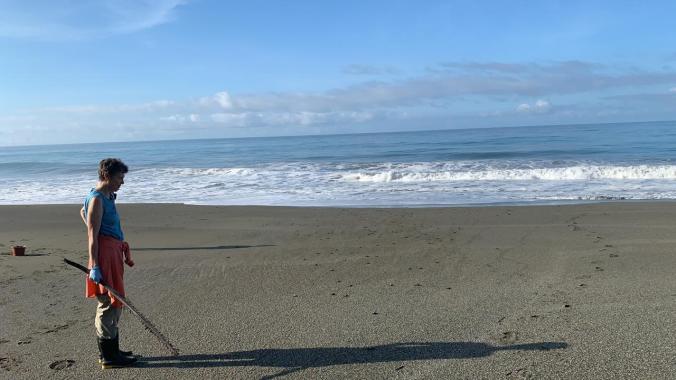

 Organikos