Have Biocompass, Will Travel

Biocompass_NatalieAndrewson_Web-1200

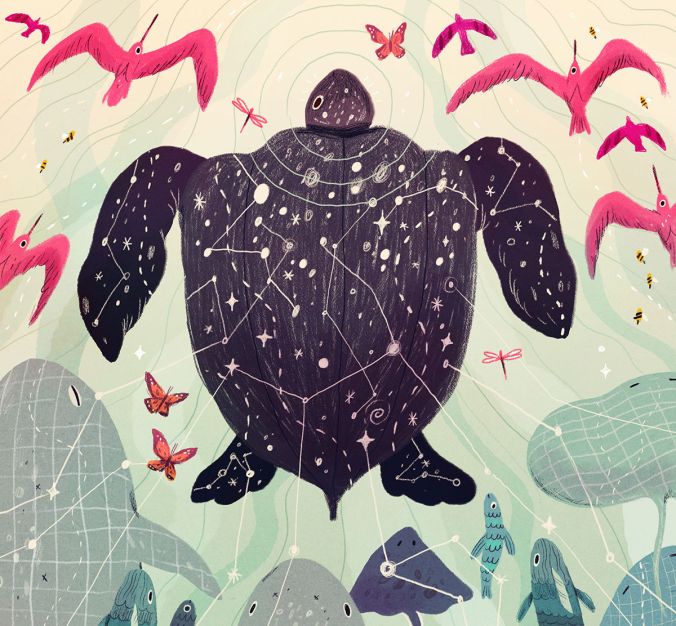
A huge variety of animals seem capable of reading Earth’s geomagnetic field. The question is how they do it. ILLUSTRATION BY NATALIE ANDREWSON

From the New Yorker website, the beginning of an answer to a question we ponder every so often:

HOW DO ANIMALS KEEP FROM GETTING LOST?

By M. R. O’Connor

Every three years, the Royal Institute of Navigation organizes a conference focussed solely on animals. This April, the event was held southwest of London, at Royal Holloway College, whose ornate Victorian-era campus has appeared in “Downton Abbey.” For several days, the world’s foremost animal-navigation researchers presented their data and findings in a small amphitheatre. Most of the talks dealt with magnetoreception—the ability to sense Earth’s weak but ever-present magnetic field—in organisms as varied as mice, salmon, pigeons, frogs, and cockroaches. This marked a change from previous years, Continue reading
It’s Not About The Bees’ Knees

ap_949363850208_wide-bbda2e746b641538788b34a3a1be22c85098086d-s1400-c85.jpg

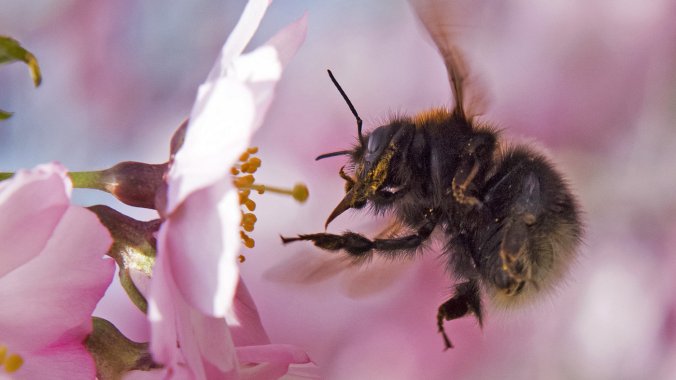
Scientists say bumblebees can sense flowers’ electric fields through the bees’ fuzzy hairs. Jens Meyer/AP

Thanks to National Public Radio (USA) for this small scale science lesson:

Bumblebees’ Little Hairs Can Sense Flowers’ Electric Fields

The fields bend the hairs and that generates a nerve signal, scientists say.

Flowers generate weak electric fields, and a new study shows that bumblebees can actually sense those electric fields using the tiny hairs on their fuzzy little bodies.

“The bumblebees can feel that hair bend and use that feeling to tell the difference between flowers,” says Gregory Sutton, a Royal Society University Research Fellow at the University of Bristol in the United Kingdom. Continue reading

A Bird’s Journey Tracked, Mapped & Shared

Screen Shot 2016-05-25 at 5.20.45 AM.jpg

From National Public Radio (USA) today, this should have your attention even if you are not a birder:

We Followed A Snowy Owl From Maryland To Ontario

At the end of 2013, snowy owls started showing up far south of their usual winter range. The big white birds were reported in South Carolina, Georgia, even Florida.

Dave Brinker, an ecologist with the Maryland Department of Natural Resources, had never seen anything like it. Continue reading

A Just So Story by DNA

A few years ago we shared a story similar to the one below, where Kipling’s Just So Stories were linked with reporting on modern evolutionary biology; a year before that, at the beginning of this blog’s start in India, we discussed Kipling’s ties to that country and its wildlife. From the New Yorker‘s Elements section comes the story “How the Giraffe Got Its Neck,” by Anthony Lydgate:

It’s difficult to know what to make of the giraffe. It shuffles like a camel (right legs forward, then left legs) but runs like a rabbit (hind legs forward, then front legs). Its distinctive aroma repulses many ticks but enchants certain people. It bellows, hisses, and moans in the wild, and in captivity it hums in the dark. It naps with its head aloft but sleeps like a swan, with its head on its haunches. Had Aristotle ever seen a giraffe, he might have said that it was the product of an interspecies dalliance at the watering hole, which he thought of as a kind of zoological swingers’ club—a place where “bastard animals are born to heterogeneous pairs.”

Continue reading

We Never Tire Of This Clever Creature

baird_beetle-5336-1--e98afd45ca45c51af0b6ec49cc8417c456611fbb-s1400-c85

Scientists at the University of Lund in Sweden have shown that dung beetles use mental “snapshots” of the Milky Way to navigate. E. Baird / Lund University

Thanks to National Public Radio (USA) for this story, which we link to even though we just recently linked back to some earlier stories on the same.

And speaking of NPR, one of the podcasts that originates on its New York City affiliate WNYC–Radio Lab, which was featured in some of our earliest posts–this episode featuring another beetle may have been the greatest of all time.

Dung Beetles Navigate Poop-Pile Getaways Using Celestial ‘Snapshots’

It’s not easy being a dung beetle.

Besides the obvious fact that they eat, well, dung, the act of just getting a meal is an involved process.

In the most elaborate carry-out scenario, the dung beetles must first stake claim to their piece of poop at the main dung pile, then shape it into a sphere for easy transport, fend off other dung beetles trying to steal it, and then — using the stars to navigate — determine the fastest way to roll their prize away to a safe spot for consumption. Continue reading

In The Interest Of Debate On GMOs

We are concerned, and therefore generally against, GMOs up to now. But we are not 100% sure and so welcome new information when it is available. The University of Washington’s magazine, Conservation, is back in full awesomeness as a public service:

Despite the controversy surrounding genetically modified crops, they can be an important tool for developing disease-resistant crops that can eliminate the use of pesticides and reduce crop losses. In a trio of papers published recently in Nature Biotechnology, researchers documented how new, faster methods of isolating genes—and looking in some unexpected places—led them to identify, clone, and transfer disease-resistant genes into soybean, wheat, and potato plants. Continue reading

Bad News for European Vultures

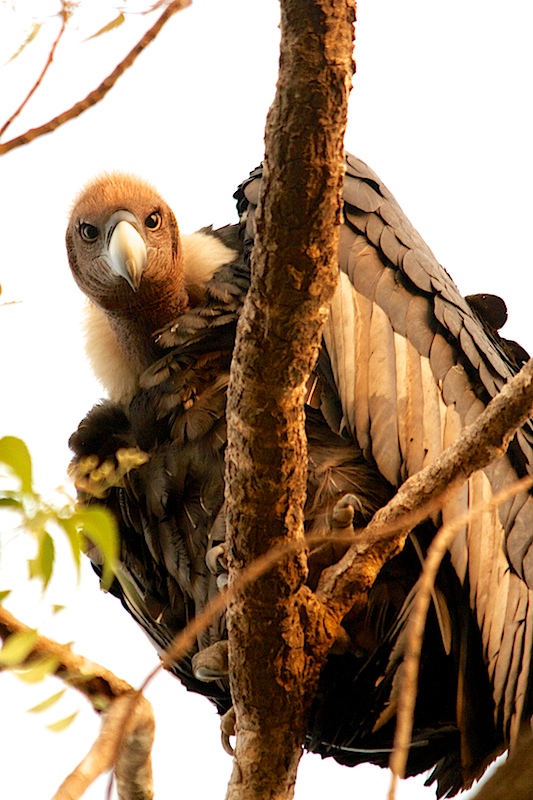
Bird of the Day August 13, 2013: White-rumped Vulture in Ahmedabad, India photographed by Srinivasa Addepalli

Vultures are very important members of many ecosystems in the world as members of a waste-management team, but their role as carrion-feeders is putting them at risk, and has been since the California Condor was endangered in the US (though it’s recovering now). We’ve featured these birds in our daily photo posts quite a bit, even just a week ago, and now there’s news from Scientific American, covering research published in the Journal of Applied Ecology, that European vultures are more threatened than ever, this time by a veterinary drug given to cattle:

A veterinary drug blamed for driving vultures to the brink of extinction on the Indian subcontinent could cause thousands of bird deaths now that it is being used in Spain.

Researchers have expressed concern over use of the anti-inflammatory drug diclofenac in cattle since it was approved for veterinary use in Spain in 2013, as the drug is toxic to vultures who may consume it via dead cows. Now, modelling by Rhys Green, a conservation scientist at the University of Cambridge, UK, and his colleagues suggests that the drug could cause populations of that country’s Eurasian griffon vultures (Gyps fulvus) to decline by between 1–8% each year.

Continue reading

Plants Attracting Pest Predators

Illustration by Dr. Otto Wilhelm Thomé via Wikimedia Commons

We’ve discussed ants living with plants in the past, actually in the context of acacia trees like Ed Yong mentions in his post. And there’s proof of plants sending pheromonal signals to wasps that will parasitize the caterpillars eating the plant’s leaves; this article in the NatGeo Phenomena blog reminds us of that:

Six years ago, Anke Steppuhn noticed that the bittersweet nightshade, when attacked by slugs and insects in a greenhouse, would bleed. Small droplets would exude from the wounds of its part-eaten leaves. At the same time, Steppuhn and her colleagues saw that the wild plants were often covered in ants.

These facts are connected. Steppuhn’s team from the Free University of Berlin, including student Tobias Lortzing, have since discovered that the droplets are a kind of sugary nectar, which the beleagured nightshade uses to summon ants. The ants, in return for their sweet meals, attack the pests that are destroying the plant. And this discovery provides important clues about the evolution of more intimate partnerships between ants and plants.

Continue reading

The Little Things In Life Provide New Perspective

wealthofunsu

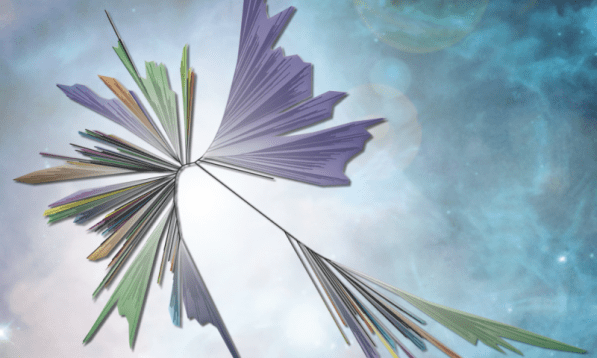
This is a new and expanded view of the tree of life, with clusters of bacteria (left), uncultivable bacteria called ‘candidate phyla radiation’ (center, purple) and, at lower right, the Archaea and eukaryotes (green), including humans. Credit: Zosia Rostomian, Lawrence Berkeley National Laboratory

It has been years since we sourced our last story link from this source, but we chose the perfect day to go back snooping. Those of us who learned our trade in Costa Rica have long believed that there is a lot to be said for charismatica microfauna, and this news gets us thinking back on that topic with new perspective:

Wealth of unsuspected new microbes expands tree of life

The tree of life, which depicts how life has evolved and diversified on the planet, is getting a lot more complicated.

Researchers at the University of California, Berkeley, who have discovered more than 1,000 new types of and Archaea over the past 15 years lurking in Earth’s nooks and crannies, have dramatically rejiggered the tree to account for these microscopic new forms.

“The tree of life is one of the most important organizing principles in biology,” said Jill Banfield, a UC Berkeley professor of earth and planetary science and environmental science, policy and management. “The new depiction will be of use not only to biologists who study microbial ecology, but also biochemists searching for novel genes and researchers studying evolution and earth history.”

Continue reading

California Condors, Better Births, Incredible Intervention

California Condor chick being fed by a puppet as part of the captive breeding program. Photo by Ron Garrison at the San Diego Zoo for the US Fish and Wildlife Service, via WikiMedia Commons.

Back in 1973 when the Endangered Species Act put the California Condor under protection, the species’ numbers were still dwindling at an alarming rate. In the following decade the remaining population was captured and bred in captivity, so as to protect chicks and release them into the wild. And last year, more condors were born and raised in the wild (14) than the number of adult wild condors that died (12), which represents success in the breeding program. There are now over 250 California Condors in the wild, a vast improvement over the 22 surviving birds that were captured for the start of the breeding program.

Officials also counted 27 wild condor nests last year. Nineteen were in California, three in the Arizona-Utah border area and five in Mexico’s Baja Peninsula. Grand Canyon National Park in Arizona has a condor nest, officials said, as do Zion National Park in Utah and Pinnacles National Park in central California.

The captive breeding program continues with the Peregrine Fund‘s World Center for Birds of Prey near Boise being the top egg producer, with six eggs laid this spring and nine more expected.

“So far it’s going fantastic,” said Marti Jenkins, condor propagation manager at the facility.

She said two eggs laid at the facility last year were placed in wild nests in California where eggs were either infertile or damaged. The replacement eggs produced fledglings that officials count in the wild population.

Continue reading

Wildlife at Carara and Manuel Antonio National Parks

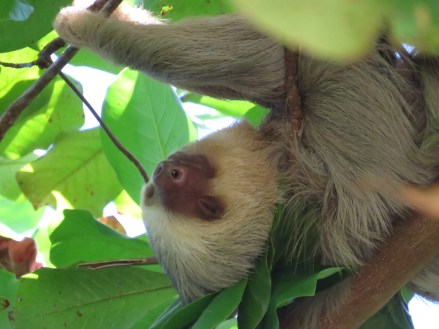
napping Two-toed Sloth

napping Two-toed Sloth at Manuel Antonio National Park

In 2014, I went to Carara National Park with James, and we saw lots of birds and also a bunch of reptiles and mammals. Some of these I got photos of, and others I was able to catch on video. This last weekend I went to Carara again for a morning of birding, and the next day went out to Manuel Antonio National Park for the first time in over a decade. Carara was as fruitful as ever, although there were many birds that I only heard and couldn’t identify since I don’t know my Pacific coastal bird calls very well. Manuel Antonio proved extremely crowded with tourists, and with a couple mammals so accustomed to human interactions that they brazenly robbed unsuspecting visitors, like the raccoons with a pack of chips (which aren’t allowed in the park due to their crackling package that attracts raccoons, coatis, and monkeys) in the video below. I saw a White-faced Capuchin Monkey bare its teeth and snarl at a tourist for trying to take back an empty plastic grocery bag that the monkey had snatched from his backpack webbing, and, in a more peaceful scene, a Two-toed Sloth napping calmly while a horde of tourists snapped photos a meter or two below (pictured left).

In the following video, you can watch Continue reading

Inside the Eye

eyes_zpstq8hccww

Photo credit: David Liittschwager for National Geographic

Congratulations to science writer Ed Yong, who we know from his blogging in National Geographic‘s “Phenomena” Science Salon (which we’ve been sharing for a while now), for his first full feature story in the magazine he writes for on the web! It’s a fascinating piece on the eye, “nature’s most exquisite creation,” as his subtitle affirms. And indeed, we learned a lot about vision in the animal world thanks to Yong’s story:

Some see only in black and white; others perceive the full rainbow and beyond, to forms of light invisible to our eyes. Some can’t even gauge the direction of incoming light; others can spot running prey miles away. The smallest animal eyes, adorning the heads of fairy wasps, are barely bigger than an amoeba; the biggest are the size of dinner plates, and belong to gigantic squid species. The squid’s eye, like ours, works as a camera does, with a single lens focusing light onto a single retina, full of photoreceptors—cells that absorb photons and convert their energy into an electrical signal. By contrast, a fly’s compound eye divides incoming light among thousands of separate units, each with its own lens and photoreceptors. Human, fly, and squid eyes are mounted in pairs on their owners’ heads. But scallops have rows of eyes along their mantles, sea stars have eyes on the tips of their arms, and the purple sea urchin’s entire body acts as one big eye. There are eyes with bifocal lenses, eyes with mirrors, and eyes that look up, down, and sideways all at the same time.

Continue reading

The Whale that just kept swimming … away

A wild Omura’s whale (Credit: Salvatore Cerchio et al/Royal Society Open Science)

Whales are the largest aquatic mammals on Earth, so it’s hard to believe that the first official sighting of the Omura’s Whales only happened recently near Madagascar. In 2003 Japanese scientists identified this whale as a new species; however, it was based on skeletal specimens and genetic tests.

Continue reading

Let the Corals Have Their Colors

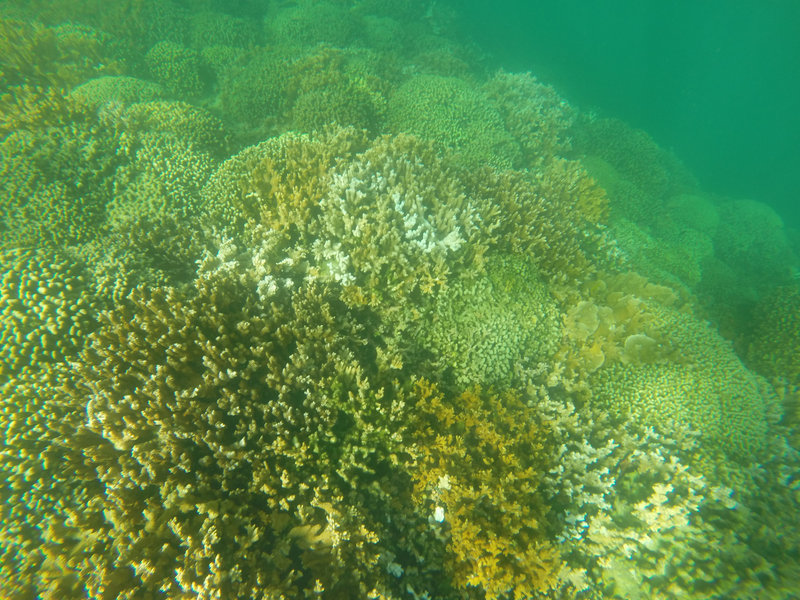
Partially bleached coral in Kaneohe, Hawaii. Coral reefs worldwide are at risk of damage from the suncscreen ingredient oxybenzone. PHOTO: AP

Partially bleached coral in Kaneohe, Hawaii. Coral reefs worldwide are at risk of damage from the suncscreen ingredient oxybenzone. PHOTO: AP

Corals worldwide are losing their colors, they are getting bleached. We’d discussed how stress due to global warming and climate change is forcing corals to drive out the zooanthellae that give them their colors. And now here’s more evidence on how human lifestyles are affecting life beneath the waters.

New research about sunscreen’s damaging effects on coral reefs suggests that you might want to think twice before slathering it on. Reports about the harmful environmental effects of certain chemicals in the water have been circulated for years, but according to the authors of a new study, the chemicals in even one drop of sunscreen are enough to damage fragile coral reef systems. Some 14,000 tons of sunscreen lotions wind up in coral reefs around the world each year.

Continue reading

Extinction By Accident

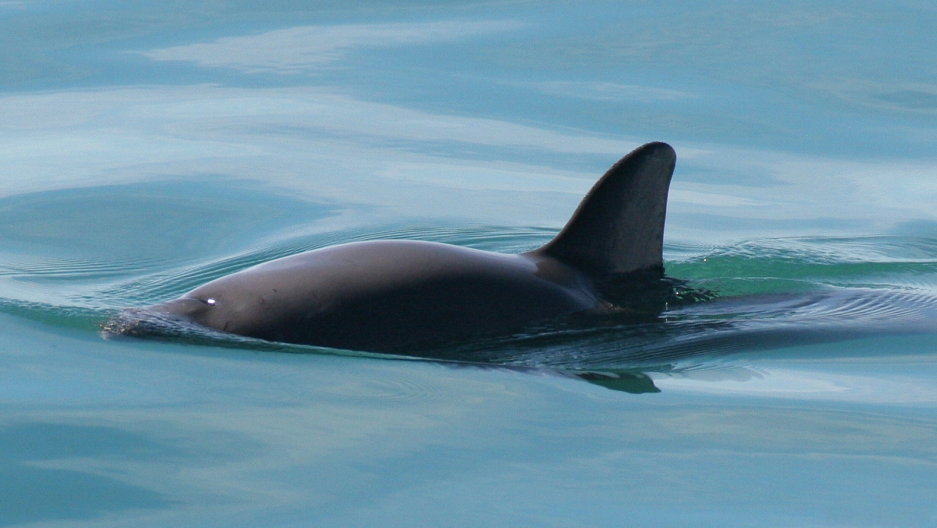
Vaquitas are considered the smallest and most endangered cetacean in the world. Credit: Paula Olson/Wiki Commons

Vaquitas are considered the smallest and most endangered cetacean in the world. Credit: Paula Olson/Wiki Commons

The world’s most endangered marine mammal is a small porpoise called the vaquita — Spanish for little cow. The vaquita has been under threat for years, but now the poaching of a rare fish may be driving the tiny Mexican porpoise to extinction.Scientists estimate that fewer than 100 vaquita porpoise exist today, all of them in the upper Gulf of California. Vaquitas are small porpoises with big eyes and a permanent grin. None have ever survived in captivity. Poachers are killing the vaquita, but they are actually targeting another endangered fish, the totoaba.

Continue reading

What Is This Bird Saying?

Screen Shot 2015-09-09 at 2.41.49 AM

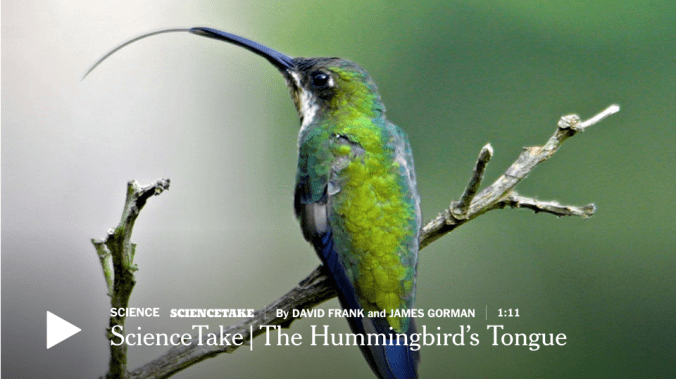
Thanks to the Science section of the New York Times for this recent “how” series, which you can see past examples of once this video stops playing (including how a boa constrictor “feeds,”)  but especially for this video explaining one of our favorite birds. The related article The Hummingbird’s Tongue: How it Works is worth an additional few minutes:

Hummingbirds are great subjects for evolutionary biologists because they are so extreme. They live at a fast pace, wings a blur, tongue darting in and out of flowers at a frenetic pace, often 15 or 20 times a second. Continue reading

The Montezuma Oropendola

A week or so ago, Jocelyn discussed the Montezuma Oropendola’s song as heard on Xandari property in Costa Rica. As you could hear from the linked vocalizations in her post, the bird makes an incredibly strange, gurgling/bubbling sound, recently described by a Xandari guest as “the sound of pouring water from one jug into another.” James and I have put up photos of the oropendola as Bird of the Day posts before, but I realized after reading Jocelyn’s thoughts on the bird that we haven’t featured any video of this common resident species at Xandari in the past. So I went out with my camera this weekend and was lucky enough to capture a minute of behavior footage to share here. The main thing missing is what the male often looks like when he’s vocalizing: perched on a branch, he typically leans forward as he calls, bending down so far that it appears he might suddenly fall off. At the end of his call he swings back up, and starts the process again.

Although the Montezuma Oropendola is a species commonly seen (or at least heard) from Xandari on most days, they don’t appear to have any nests on property. And you’d notice Continue reading

Should Animal Deaths Worry You?

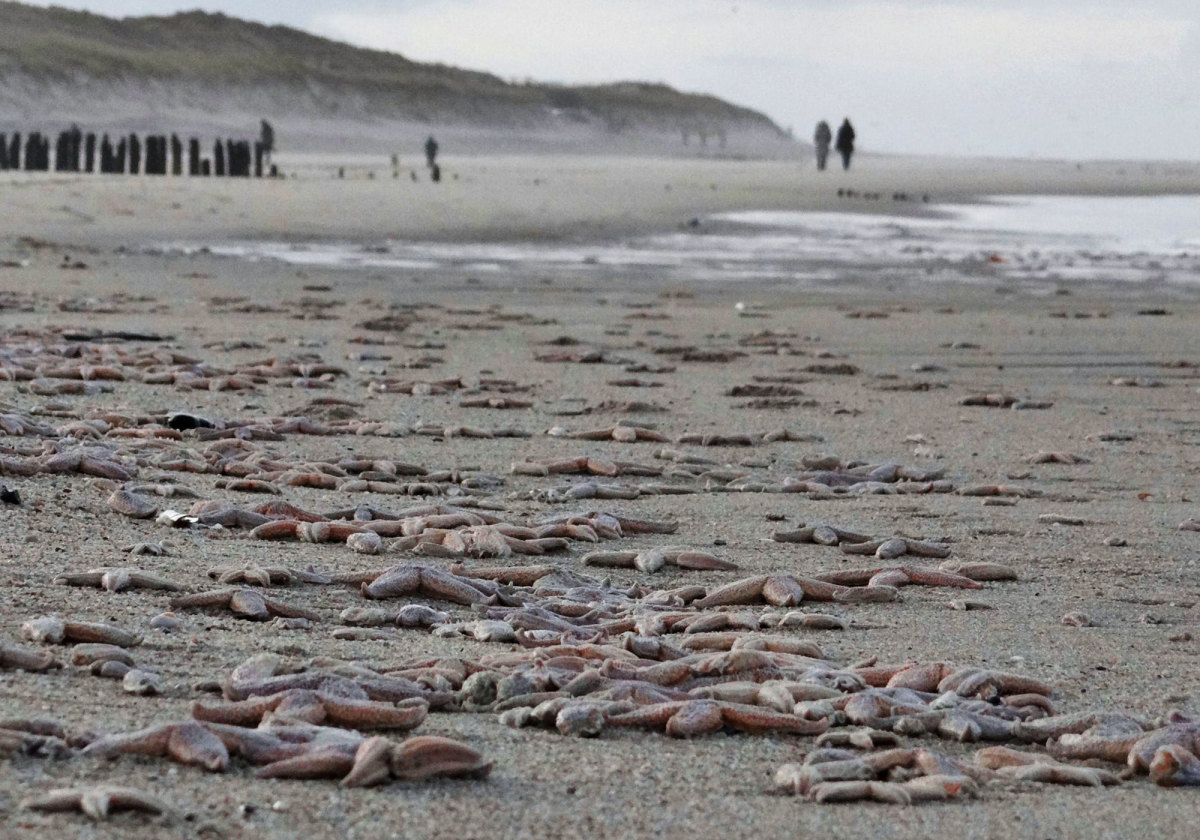
Dead starfish line the shore of the German island of Sylt. Mass wildlife die-offs have been interpreted as omens of an impending environmental collapse. PHOTOGRAPH BY DANIEL FRIEDERICHS

Dead starfish line the shore of the German island of Sylt. Mass wildlife die-offs have been interpreted as omens of an impending environmental collapse. PHOTOGRAPH BY DANIEL FRIEDERICHS

Mass-mortality events are sudden, unusual crashes in a population. If you think that you are hearing about them more often these days, you’re probably right. (Elizabeth Kolbert described frog and bat die-offs in a 2009 article; her subsequent book won a Pulitzer Prize recently.) Even mass-mortality experts struggle to parse whether we’re witnessing a genuine epidemic (more properly, an epizootic) of these events. They have also raised another possibility: that we are in the throes of what one researcher called an “epidemic of awareness” of spooky wildlife deaths.

Continue reading

Dad, I Dirtied the Nest!

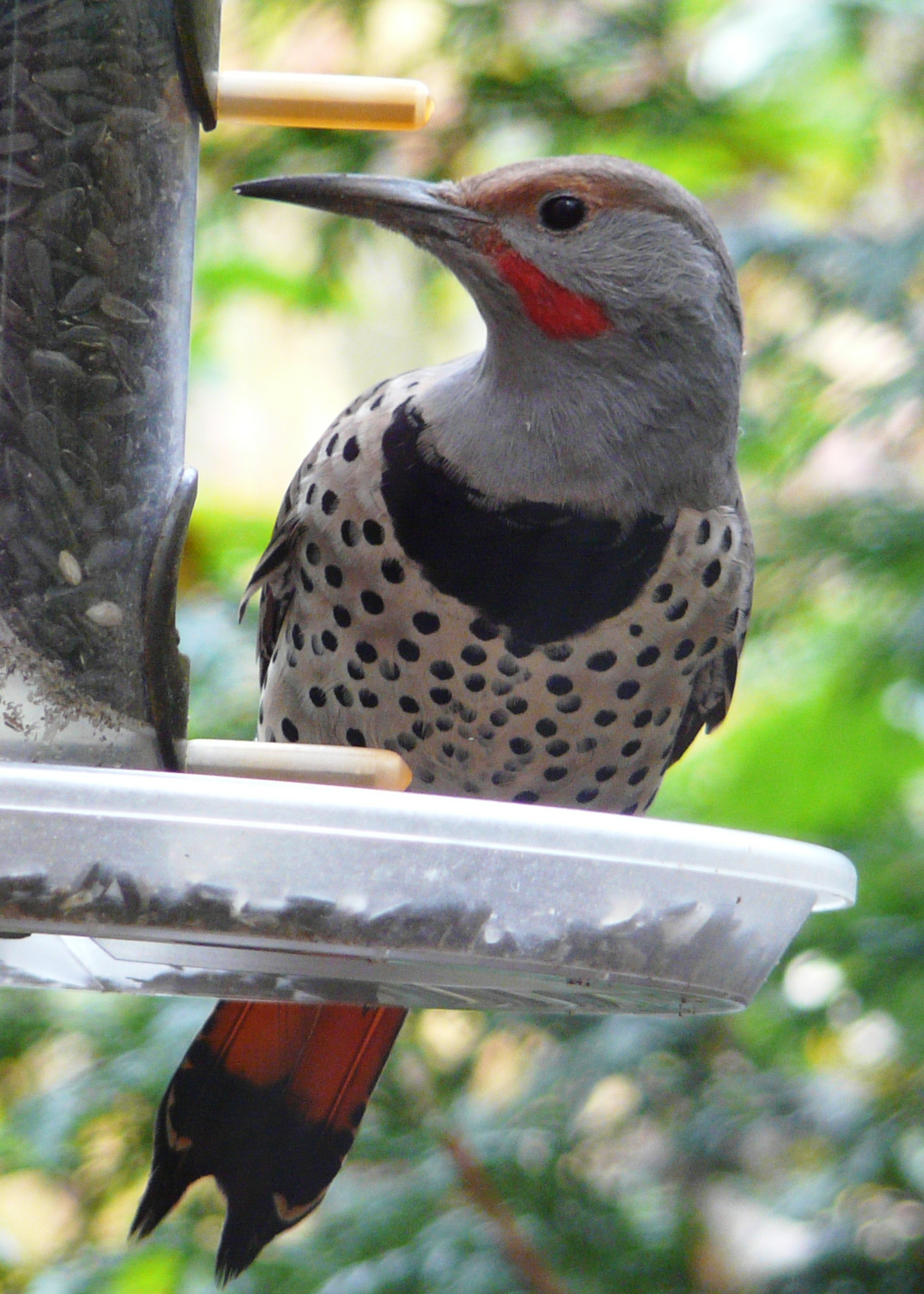
Animal sanitation studies — the exploration of how, why and under what conditions different species will seek to stay clean, stave off decay and disrepair, and formally dispose of the excreted and expired. PHOTO: John Rakestraw (Northern Flicker - male)

Animal sanitation studies — the exploration of how, why and under what conditions different species will seek to stay clean, stave off decay and disrepair, and formally dispose of the excreted and expired. PHOTO: John Rakestraw (Northern Flicker – male)

Nature may be wild, but that doesn’t mean anything goes anywhere, and many animals follow strict rules for separating metabolic ingress and egress, and avoiding sources of contamination. Want examples? Take the Northern Flicker. According to a new report in the journal Animal Behaviour on the sanitation habits of these tawny, 12-inch woodpeckers with downcurving bills, male flickers are more industrious housekeepers than their mates.

Researchers already knew that flickers, like many woodpeckers, are a so-called sex role reversed species, the fathers spending comparatively more time incubating the eggs and feeding the young than do the mothers. Now scientists have found that the males’ parental zeal also extends to the less sentimental realm of nest hygiene: When a chick makes waste, Dad, more readily than Mom, is the one who makes haste, plucking up the unwanted presentation and disposing of it far from home.

Continue reading

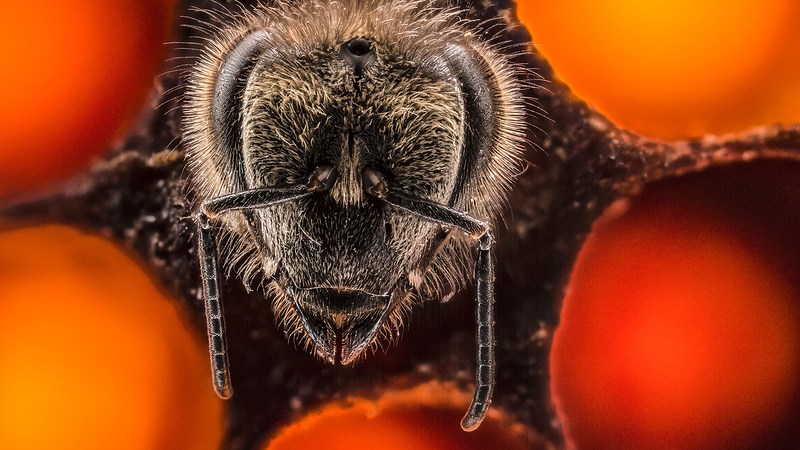
It’s About Bee-ing Alive

Must-watch: A stunning time-lapse video of the first 21 days of a bee's life by photographer Anand Varma

Must-watch: A stunning time-lapse video of the first 21 days of a bee’s life by photographer Anand Varma

Your first instinct when around a honeybee is to keep distance. But not for Indian American photographer Anand Varma. When he was asked to photograph a story on honeybees for National Geographic magazine, he knew he was going to have to take a different approach to capture new views of one of the world’s most photographed insects. And he did, his photographs forming a brilliant timelapse video of the first 21 days in a bee’s life. Over the video and the stellar photographs, the exercise addresses a key issue: the disappearance of bees and colonies dying quickly. Now why is this a problem?

Continue reading